
Alexander Buturlin
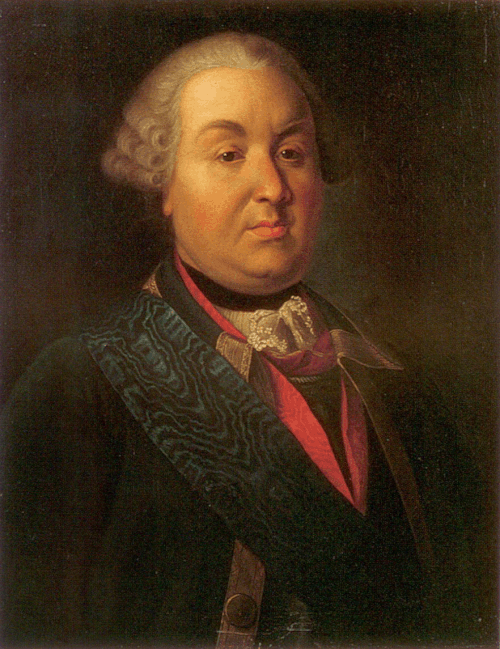
CountAlexander Borisovich Buturlin (Russian: Александр Борисович Бутурлин, romanized: Aleksandr Borisovich Buturlin; 29 July [O.S. 18 July] 1694 – 11 September [O.S. 31 August] 1767) was a Russian general and courtier whose career was much furthered by his good looks and personal affection of Empress Elizabeth.
Biography
Buturlin was born on 29 July [O.S. 18 July] 1694. Alternatively, his birth year is dated 1704.[1] He came from the Buturlin noble family, descended from Ratsha, whose members had been prominent as boyars and voevods since the 12th century. His father, who served as the Captain of the Leib Guard, sent him to the newly established naval academy, where Alexander studied navigation, fencing, and foreign languages for four years. He graduated from the academy in 1720 and was employed by Peter the Great as his orderly and confidant, especially on several secretive missions during the Persian expedition.
In due time he was promoted Chamberlain and attached to the "junior court" of Tsesarevna Elizaveta Petrovna. The young officer impressed the princess so much that she was said to cherish an affection for him until her very end. It was widely rumoured that Elizabeth, then 17, lost her virginity with him. Peter II of Russia, apparently jealous of Buturlin's influence on his beloved aunt, sent him away to Little Russia.
During the following reign Buturlin's career slowly gathered momentum, as he operated against the Turks under Münnich and governed Smolensk in 1735. Upon Elizabeth's accession to the throne in 1741, his fortunes soared and he was sent to defend imperial interests in Lesser Russia. He then governed Livonia for a short time and commanded an army stationed in Moscow. In 1756, he was promoted to the rank of field marshal, and four years later he was granted the hereditary title of count.
كانت حرب السنوات السبع تتصاعد آنذاك مع اقتراب القوات الروسية من برلين . وفي تلك اللحظة الحاسمة، عُيّن بوتورلين، البالغ من العمر 66 عامًا، قائدًا عامًا للجيش الروسي العامل في بروسيا بشكل غير متوقع . وقيل إن الضباط الروس رفضوا لفترة طويلة تصديق نبأ تعيينه، لعلمهم بإدمانه الشديد على الكحول. وعلق دبلوماسي أجنبي معاصر على الأمر قائلًا: "وسامته هي ميزته الوحيدة".
كانت حملة عام 1760 مبررة للمخاوف، إذ غالبًا ما تحول حذر بوتورلين إلى جبن، وأفسدت غيرته من زميله الأكثر شهرة، لاودون، الأجواء . بعد انتهاء الحرب، استدعاه بطرس الثالث إلى موسكو وكلفه بمهمة التحضير لاحتفالات تتويجه. توفي بوتورلين في 31 أغسطس 1767 ودُفن في دير ألكسندر نيفسكي .
مراجع
- ^ مؤشر السيرة الذاتية Rußlands und der Sowjetunion (بالروسية). والتر دي جرويتر. 31 أكتوبر 2011. ص. 336. ردمك 978-3-11-093336-9.
مصادر
- . قاموس بروكهاوس وإيفرون الموسوعي (باللغة الروسية). 1906.
روابط خارجية
- (باللغة الروسية) سيرة ذاتية بقلم ديمتري بانتيش كامينسكي (1840)
- (باللغة الروسية) سيرة ذاتية حديثة. مؤرشفة بتاريخ 29 يونيو 2006 في أرشيف الإنترنت (Wayback Machine).
- 1694 مولودًا
- 1767 حالة وفاة
- النبلاء الروس في القرن السابع عشر
- أفراد عسكريون من الإمبراطورية الروسية في القرن الثامن عشر
- طبقة النبلاء في القرن الثامن عشر من الإمبراطورية الروسية
- كلية روسيا الصغرى (1722-1727)
- كونتات الإمبراطورية الروسية
- مشيرو الإمبراطورية الروسية
- حكام موسكو العامون
- عشاق ذكور من العائلة المالكة الروسية