
Combination gun
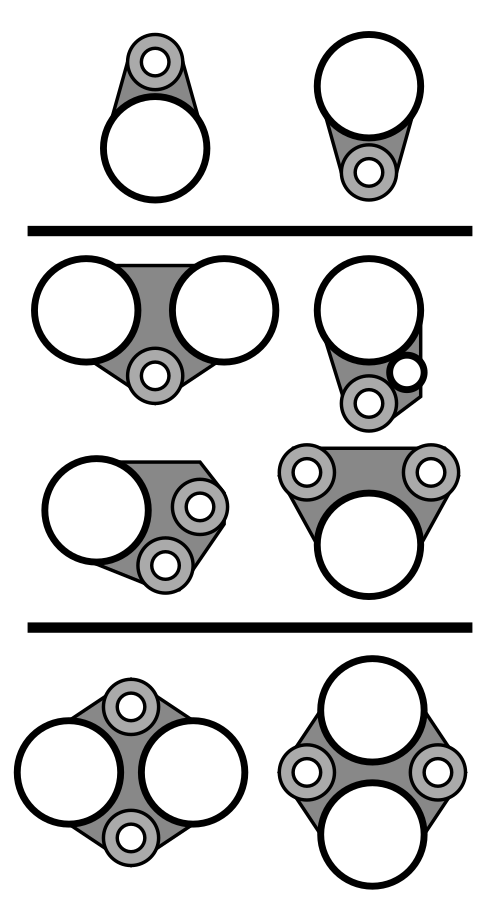
A combination gun is a firearm that usually comprises at least one rifled barrel and one smoothbore barrel, that is typically used with shot or some type of shotgun slug. Most have been break-action guns, although there have been other designs as well. Combination guns using one rifled and one smoothbore barrel are commonly found in an over-and-under configuration, while the side-by-side configuration is usually referred to as a cape gun. A combination gun with more than two barrels is called a drilling (German for "triplet") with three barrels, a vierling (German for "quadruplet") with four barrels, and a fünfling (German for "quintuplet") with five barrels.[1] Combination guns generally use rimmed cartridges, as rimless cartridges are usually more difficult to extract from a break-action firearm.
Use
Combination guns have a long history in Europe, the Middle East, Asia, and Africa that date back to the early days of metallic cartridge firearms. These guns are almost exclusively hunting arms. The advantage of having a single firearm that can fire both cartridges designed for rifled and smoothbore barrels is that a single gun can be used to hunt a very wide variety of game, from deer to game birds, and the shooter can choose the barrel appropriate for the target in seconds. As a result, they are popular with gamekeepers who often need the flexibility of the combination gun during their activities.
Firing mechanisms
The earliest combination guns were called swivel guns, (not to be confused with the more widely known small cannon that is mounted on a swiveling stand or fork and allows a wide range of motion) which used a set of barrels designed to rotate to allow either the rifled or the smoothbore barrel to line up with a flintlock mechanism before firing.[2] Modern combination guns tend to resemble double-barreled shotguns and double-barreled rifles, and are almost universally break open designs. Combination guns generally have a selector that allows the user to choose which barrel will fire. Three-barrel versions known as Drillings, are commonly found with two shotgun barrels and one rifle barrel, and generally have two triggers, one for each shotgun barrel, and a selector that will allow one trigger to fire the rifle barrel. Four-barrel versions known as Vierlings generally have two triggers, and selectors to switch between both the shotgun and rifle barrels.
Layouts
Combination guns

Combination guns are over/under designs such as the Savage Model 24, usually with a rifled barrel over a smoothbore barrel. Iron sights are commonly used for aiming the rifle, and the front sight alone is sufficient to point the shotgun. Scope mounts are available for some designs.
An interesting combination gun is the United States Air ForceM6 Aircrew Survival Weapon and its civilian version, the Springfield Armory M6 Scout, an all-metal folding combination gun in .22 Hornet over .410 bore or .22 Long Rifle over .410 bore.
Cape guns
A cape gun is a side-by-side version of a combination gun and is typically European in origin. These were at one time popular in Southern Africa, where a wide variety of game could be encountered. British versions are commonly chambered for the .303 British service cartridge and a 12-gauge smoothbore barrel, with the rifled barrel positioned on the left. The German and Austrian cape guns have the rifled barrel on the right side, which is fired by the front trigger. The front trigger is usually a set trigger as well. The German and Austrian versions are commonly chambered for 9.3×72mmR or 9.3×74mmR rifle cartridges and 16-gauge or 12-gauge shotshells, as they were commonly carried by the old gamekeepers, although they were usually chambered in a much wider variety of available rifle and shotgun cartridges.
Drillings


تتكون البنادق ثلاثية الماسورة (كلمة "drilling" تعني "ثلاثية" بالألمانية) عادةً من ماسورتين متطابقتين ملساء الماسورة وماسورة محلزنة ( بالألمانية : Normaldrilling ، أي البندقية ثلاثية الماسورة الشائعة)، ولكنها قد تشمل نطاقًا أوسع بكثير من الأشكال والتكوينات. [ 3 ]
بما أن بنادق الصيد كانت تُصنع عادةً من قبل مصانع صغيرة، كان كل مصنع يختار التصميم الذي يفضله، أو التصميم الذي يطلبه العميل. وكان التصميم الأكثر شيوعًا هو بندقية صيد جانبية بماسورتين، إحداهما ذات إطلاق مركزي محلزن في الأسفل، مثل بندقية M30 Luftwaffe Drilling . كما كان تصميم مشابه لبندقية صيد جانبية بماسورتين، إحداهما ذات إطلاق مركزي محلزن في الأعلى، وعادةً ما تكون من عيار .22 أو .22 Hornet، شائعًا إلى حد ما.
كانت البنادق ذات الماسورتين الحلزونيتين والماسورة الملساء نادرة. كان تصنيعها أصعب، إذ تتطلب الماسورتان الحلزونيتان، كما هو الحال في البنادق ذات الماسورتين، ضبطًا دقيقًا للغاية أثناء التصنيع لضمان إصابة الهدف بدقة على مسافة محددة. يتطلب هذا دقة أكبر من ضبط ماسورتي البندقية ذات الماسورتين، المستخدمة في المدى القريب مع انتشار واسع للطلقات، حيث لا يؤثر أي انحراف بسيط. إذا كانت الماسورتان الحلزونيتان من نفس العيار، فكانت تُرتّب عادةً على شكل مثلث، إما الماسورتان الحلزونيتان في الأعلى أو إحداهما والماسورة الملساء في الأعلى (ويُعرف هذا التصميم باسم " البندقية ذات الماسورتين المتقاطعتين "). أما إذا اختلفت الماسورتان الحلزونيتان في العيار، فكان التصميم عادةً على شكل "فوق/تحت"، حيث تُستخدم ماسورة بندقية الصيد وماسورة بندقية مركزية الإطلاق، مع تركيب ماسورة بندقية حافة الإطلاق بينهما وعلى أحد الجانبين. تُعدّ هذه التكوينات، بماسورات بندقية الصيد/مركزية الإطلاق/حافية الإطلاق، الأكثر رواجًا بين هواة جمع الأسلحة في العصر الحديث.
البندقية ثلاثية السبطانات هي أندر أنواع البنادق، ويمكن اعتبارها نوعًا غريبًا من البنادق ثنائية السبطانات، وليست بندقية صيد تقليدية، لافتقارها إلى آلية الجمع بين البندقية والخرطوش الموجودة في جميع بنادق الصيد التقليدية الأخرى. عادةً ما تكون البندقية ثلاثية السبطانات مصممة على غرار البنادق ذات السبطانتين المتجاورتين، حيث تكون السبطانة الثالثة في المنتصف أسفل السبطانتين الأخريين. مع ذلك، تتميز بندقية تشيبا تريبل كراون بتصميم مثلثي، حيث توجد سبطانة في الأعلى وسبطانتان في الأسفل. هذا التصميم يمنح تريبل كراون رؤية تصويب أحادية السبطانة. جميع السبطانات من نفس العيار .
من بين المسدسات غير المألوفة، يبرز مسدس TP-82 ، وهو مسدس قصير الماسورة يتكون من ماسورتين أملستين عيار 12.5×70 ملم (عيار 40) مثبتتين فوق ماسورة بندقية عيار 5.45×39 ملم، مع مخزن كتف قابل للفصل يُستخدم أيضاً كسكين كبير . طُوّر هذا المسدس في الاتحاد السوفيتي كسلاح نجاة لرواد الفضاء ، واستُخدم من عام 1986 إلى عام 2006، حين أُخرج من الخدمة بسبب تدهور جودة الذخيرة الفريدة التي يستخدمها لدرجة فقدانها فعاليتها.
فيرلينغز
تتكون بنادق الفيرلينغ ( بالألمانية : Vierling ، وتعني حرفيًا " الرباعية " ) عمومًا من ماسورتين متطابقتين أملستين، ماسورة حلزونية عيار .22 ، وماسورة حلزونية مركزية الإطلاق، مع أنها قد تأتي بتكوينات متنوعة. تُعدّ بنادق الفيرلينغ نادرة جدًا، وغالبًا ما تُصنع حسب الطلب للسوق التجارية الراقية. ومن الأمثلة على ذلك بندقية لانكستر ذات الأربع ماسورات ، التي صُممت في القرن التاسع عشر لمهراجا ريوا لصيد النمور . [ 4 ]
Fünflings
بندقية "فونفلينغ" (وهي كلمة ألمانية تعني "خماسي")، هي نوع نادر للغاية من البنادق المركبة نظرًا لتعقيد تصميمها الذي يجمع بين خمسة سبطانات ملساء وأخرى محلزنة في سلاح ناري واحد. تتضمن بعض هذه التصاميم سبطانة بندقية صيد ملساء واحدة فوق سبطتين من عيارات مختلفة، إما بشكل متجاور أو فوق بعضهما، أو سبطتين ملساءتين متجاورتين مع ثلاث سبطانات من عيارات مختلفة بينهما، مرتبة عموديًا بشكل فوق بعضهما.
انظر أيضاً
ملحوظات
- ↑ بيتر هوفر، صناع الأسلحة - منتجات مختارة. (بدون تاريخ). تم الاطلاع عليه بتاريخ 18 أبريل 2022، من الرابط: https://www.hoferwaffen.com/hofer_52.php?lang=en
- ↑ "متجر صانع الأسلحة: الموقع التاريخي الرسمي لمدينة ويليامزبرغ الاستعمارية" . History.org. 2009-11-05 . تم الاطلاع عليه بتاريخ 2010-06-29 .
- ^ سيبت، Grundwissen Jägerprüfung ، ISBN 3-440-10255-6
- ↑ بندقية المهراجا : "[...] بندقية ذات أربعة سبطانات بدون مطرقة يتم تحميلها من المؤخرة، كانت مملوكة في السابق لمهراجا ريوا في الهند."
مراجع
- Fjestad, SP Blue Book of Gun Values , 13th Edition.
روابط خارجية
- بنادق الصيد
- الأسلحة النارية متعددة السبطانات
- بنادق الصيد
- أسلحة مركبة
- بنادق متعددة الوظائف