
Huber Matos
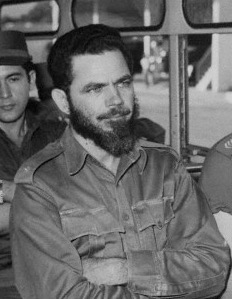
Huber Matos Benítez (26 November 1918 – 27 February 2014) was a Cuban military leader, political dissident, activist, and writer. He opposed the dictatorship of Fulgencio Batista from its inception in 1952 and fought alongside Fidel Castro, Raúl Castro, Che Guevara, Camilo Cienfuegos and other members of the 26th of July Movement to overthrow it. Following the success of the Cuban Revolution that brought Fidel Castro to power, he criticized the regime's shift in favor of Marxist principles and ties to the Popular Socialist Party (PSP). Convicted of treason and sedition by the revolutionary government, he spent 20 years in prison (1959–1979) before being released in 1979. He then divided his time between Miami, Florida, and Costa Rica while continuing to protest the policies of the Cuban government.
Early life
Matos was born in Yara, in Oriente Province (currently Granma Province).
He became a school teacher in Manzanillo, while also owning a small rice plantation. He earned a doctorate from the University of Havana in 1944.[1] He joined the Cuban nationalist party, Partido Ortodoxo.
Revolutionary activity

Following Batista's coup of 10 March 1952, Matos became involved with the resistance movement. He moved to Costa Rica for several years, maintaining contact with the M-26-7 revolutionaries stationed in the Sierra Maestra mountains and helping them with logistical and organizational support. He developed contacts with President José Figueres of Costa Rica who supported Cuban rebel aims and helped Matos obtain weapons and supplies.
On 31 March 1958, Matos flew a five-ton air cargo with ammunition and weapons to Castro's rebels. On 8 August 1958 Castro awarded Matos the rank of combat commander and put him in command of the rebel army's ninth column, the Antonio Guiteras group. Matos led his column during the final assault on Santiago de Cuba that brought the revolutionary movement's military operations to their close. In January 1959, he rode into Havana atop a tank in a victory parade alongside Castro and other revolutionaries.
On 11 January 1959, Matos was appointed Commander of the Army in the province of Camagüey.
Split with Castro
في يوليو/تموز 1959، ندد ماتوس بالمسار الذي اتخذته الثورة بإلقاء خطابات معادية للشيوعية علنًا في كاماجوي . أدى ذلك إلى نشوب خلاف استمر لأشهر بينه وبين كاسترو، رئيس وزراء كوبا آنذاك . عندما استبدل كاسترو الرئيس مانويل أوروتيا بأوزفالدو دورتيكوس تورادو الأكثر راديكالية ، قدم ماتوس استقالته في رسالة إلى كاسترو. في 26 يوليو/تموز، التقى كاسترو وماتوس في فندق هيلتون في هافانا ، حيث قال له كاسترو، بحسب ماتوس: "استقالتك غير مقبولة في هذه المرحلة. لا يزال أمامنا الكثير من العمل. أعترف أن راؤول [كاسترو] وتشي [جيفارا] يميلان إلى الماركسية... لكنك تسيطر على الوضع... انسَ أمر الاستقالة... ولكن إذا شعرت بعد فترة أن الوضع لا يتغير، فلك الحق في الاستقالة." [ 2 ]
في سبتمبر/أيلول 1959، كتب ماتوس: "استمر النفوذ الشيوعي في الحكومة بالتزايد. عليّ أن أتنحى عن السلطة في أسرع وقت ممكن. عليّ أن أنبه الشعب الكوبي إلى ما يحدث". وفي 19 أكتوبر/تشرين الأول، أرسل رسالة استقالة ثانية إلى كاسترو. [ 3 ] بعد يومين، أرسل كاسترو زميله الثوري كاميلو سيينفويغوس لاعتقال ماتوس. يقول ماتوس إنه حذر سيينفويغوس من أن حياته في خطر، وأن كاسترو كان مستاءً من شعبية سيينفويغوس، وأنه تعمّد إغضابه، ويبدو أنه كان يأمل أن يقتله أنصار ماتوس بدلاً من السماح له بتولي القيادة منه. [ 4 ] استجاب سيينفويغوس، لكنه عزل ماتوس من القيادة واعتقله هو ومساعديه العسكريين. [ 5 ] [ أ ] زعم الشيوعيون الكوبيون لاحقًا أن ماتوس كان يساعد في التخطيط لثورة مضادة نظمتها وكالة المخابرات المركزية الأمريكية ومعارضون آخرون لكاسترو، وهي العملية التي أصبحت فيما بعد غزو خليج الخنازير . [ 6 ]
إصدار الأحكام والسجن
The same day Matos was arrested, Cuban exilePedro Luis Díaz Lanz, a former air force chief of staff under Castro, flew from Florida and dropped leaflets into Havana that called for the removal of all Communists from the government. In response, Castro held a rally where he called for the reintroduction of revolutionary tribunals to try Matos and Diaz for treason.[7] According to the New York Times, when Castro asked the crowd if Matos should be shot, "[a]lmost every hand was raised and the crowd again screamed: 'Firing squad! Firing squad!'".[8] In the view of U.S. Ambassador to Cuba Philip Bonsal, Castro used Díaz Lanz's action, which he characterized as a "bombing", to create a mass reaction and suppress the issues raised by Matos's resignation.[7][b] Following the rally, Castro called a government meeting to determine Matos's fate. Guevara and Raúl Castro favored execution, and three ministers who questioned Castro's version of events were immediately replaced by government loyalists. Castro decided against execution, explaining that "I don't want to turn him into a martyr."
Five captains and eleven lieutenants who had protested his arrest were tried with him. On the first day of the trial, 11 December, Matos testified that he had discussed the appointment of Communists to the government with officers who shared his anti-Communist sentiments, but had engaged in no conspiracy against the government.[9] On 13 December, Raúl Castro testified that Matos was trying to foster disunity by raising "the phantom of communism".[10] Testifying the next day, Fidel Castro delivered a seven-hour speech accusing Matos and the others of campaigning against the revolution and "indirectly" promoting the interests of the United States, large landowners, and supporters of Batista and the dictatorship in the Dominican Republic. The prosecution asked for the death sentence. On 15 December, the court found Matos guilty of counter-revolutionary activity and sentenced him to twenty years in prison.[11] He served the first six and a half years of his sentence at the Isla de la Juventud prison, where Castro had been imprisoned in 1953, and the remainder in Havana's La Cabaña Prison.[12] According to Matos:[3]
Prison was a long agony from which I emerged alive because of God's will. I had to go on hunger strikes, mount other types of protests. Terrible. On and off, I spent a total of sixteen years in solitary confinement, constantly being told that I was never going to get out alive, that I had been sentenced to die in prison. They were very cruel, to the fullest extent of the word. ... I was tortured on several occasions, [I] was subjected to all kinds of horrors, all kinds, including the puncturing of my genitals. Once during a hunger strike a prison guard tried to crush my stomach with his boot ... Terrible things.
Matos served his full term and was released from prison on 21 October 1979.
Life after prison
Matos was released from prison in 1979 at age sixty. He reunited with his wife Maria Luisa Matos and children, who had left Cuba during the 1960s, in Costa Rica. They then moved to Miami where he lived until his death in February 2014. Matos lived with his family which included his sons Huber Matos Jr. and Rogelio Matos (who became active participants in the U.S.-based opposition to the Castro government), and daughters Luz Matos, Carmela Matos.[3] In 1981 Matos established the organization Cuba Independiente y Democrática (CID) which operated several radio stations which gave uncensored news to Cuba. Matos set up the organization in belief that the overthrow of Castro will come from within the island and that it will be from informed citizens.[13]
He wrote a memoir, Cómo llegó la noche (How the Night Came).[14] Matos served as secretary general for Cuba Independiente y Democrática (CID), a Miami-based organization founded in October 1980 in Venezuela.
In October 1993 Huber Matos' son, Huber Matos Jr., was indicted along with 11 other individuals in a US$3.3 million Medicare fraud case involving a Miami clinic, Florida Medical & Diagnostic Center Inc., co-owned by Matos Jr. and Juana Mayda Perez Batista.[15] Matos Sr. denounced the charges against his son as a "lie to discredit me, my son and CID".[16] Matos Jr. lived in Costa Rica and as a Costa Rican citizen could not be extradited to the U.S. for trial. In 1995, the 11 co-defendants pleaded guilty to a variety of fraud charges.[17]
أسس ماتوس مؤسسة هوبر ماتوس للديمقراطية، وهي منظمة مقرها جاكسونفيل بولاية فلوريدا، تهدف إلى "تعزيز الحكم الديمقراطي وحقوق الإنسان والعدالة الاجتماعية والتعليم في أمريكا اللاتينية ". وتُستثمر معظم جهود المنظمة ومواردها في "نشر الديمقراطية في كوبا". [ 18 ]
توفي ماتوس عن عمر يناهز 95 عامًا في ميامي، فلوريدا. [ 19 ]
ملحوظات
- ↑ ثم اختفى سيينفويغوس بشكل غامض في طريق عودته إلى هافانا، ولا يزال اختفاؤه غير مفسر، على الرغم من أن بعض المؤرخين يتكهنون بأنه ربما كان حادثًا. [ 5 ]
- ↑ أطلقت القوات الحكومية الكوبية النار على طائرة دياز لانز فوق هافانا، وتسبب الحطام الذي سقط على المدينة في مقتل ثلاثة أشخاص وإصابة أكثر من أربعين. [ 7 ]
مراجع
- ↑ ألفاريز، ليزيت (1 مارس 2014). "هوبر ماتوس، رفيق كاسترو، ثم خصمه، يتوفى عن عمر يناهز 95 عامًا" . صحيفة نيويورك تايمز . ISSN 0362-4331 . تاريخ الاطلاع: 24 يوليو 2023 .
- ↑ "التجربة الأمريكية: فيدل كاسترو. شخصيات وأحداث: هوبر ماتوس، شخصية معتدلة في الثورة الكوبية" . بي بي إس . تم الاطلاع عليه بتاريخ 22 مارس 2016 .
- 1 2 3 "هوبر ماتوس، معتدل في الثورة الكوبية" . التجربة الأمريكية . بي بي إس . تم الاطلاع عليه بتاريخ 4 فبراير 2016 .
- ^ Cómo llegó la noche: ماتوس، هوبر: ISBN 84-8310-791-0توسكيتس-2004
- 1 2 توماس (1971)، ص 469-470
- ↑ فابيان إسكالانتي، الحرب السرية: عمليات وكالة المخابرات المركزية السرية ضد كوبا: 1959-1962 (1995)
- 1 2 3 بونسال، فيليب (1971). كوبا، كاسترو، والولايات المتحدة . مطبعة جامعة بيتسبرغ. ص 104-107 .
- ↑ فيليبس، ر. هارت (27 أكتوبر 1959). "300 ألف شخص يدعمون كاسترو؛ وهو يدين "الغارات" الأمريكية" (ملف PDF) . صحيفة نيويورك تايمز . تاريخ الاطلاع: 3 فبراير 2016 .
- ↑ "بطل كوبا يُحاكم ويكرر اتهامه بالعنصرية" (ملف PDF) . صحيفة نيويورك تايمز . 12 ديسمبر 1959. تاريخ الاطلاع: 3 فبراير 2016 .
- ↑ "راؤول كاسترو يصرح بأنه ليس شيوعياً" (ملف PDF) . صحيفة نيويورك تايمز . 14 ديسمبر 1959. تاريخ الاطلاع: 3 فبراير 2016 .
- ↑ فيليبس، ر. هارت (16 ديسمبر 1959). "مساعد سابق لكاسترو يُحكم عليه بالسجن 20 عامًا" (ملف PDF) . صحيفة نيويورك تايمز . تاريخ الاطلاع: 3 فبراير 2016 .
- ↑ توماس، جو (24 أكتوبر 1979). "كوبي مُحرَّر يروي تجربته في زنزانة تحت الأرض" (ملف PDF) . صحيفة نيويورك تايمز . تاريخ الاطلاع: 3 فبراير 2016 .
- ↑ ماريا كريستينا غارسيا (28 أكتوبر 1997). هافانا، الولايات المتحدة الأمريكية: المنفيون الكوبيون والأمريكيون الكوبيون في جنوب فلوريدا، 1959-1994 . مطبعة جامعة كاليفورنيا. ص 153. ISBN 9780520211179.
- ↑ وهو متوفر باللغة الفرنسية باسم Et la nuit est tombée .
- ↑ 12 شخصًا يواجهون تهم الاحتيال في برنامج الرعاية الصحية الحكومي (Medicare) بقيمة 5 ملايين دولار. مؤرشف في 3 مارس 2016 على موقع Wayback Machine. صحيفة صن سنتينل ، 13 أكتوبر 1993
- ↑ الولايات المتحدة تطلب عودة الهارب للمحاكمة ؛ صحيفة ميامي هيرالد ، 20 فبراير 1994
- ↑ 11 يعترفون بالاحتيال على برنامج الرعاية الطبية (Medicare) ؛ صحيفة ميامي هيرالد ، 7 يناير 1995
- ↑ مؤسسة هوبر ماتوس للديمقراطية
- ↑ هوبر ماتوس: وفاة زعيم الثورة الكوبية في ميامي - بي بي سي، 27 فبراير 2014
مصادر
- توماس، هيو. 1971، 1986. الثورة الكوبية . وايدنفيلد ونيكلسون. لندن. (نسخة مختصرة من كتاب كوبا: السعي نحو الحرية ، تشمل الفترة التاريخية كاملةً من 1952 إلى 1970) ISBN 0-297-79037-4رقم الكتاب المعياري الدولي (ISBN) 0-297-78954-6
- "هوبر ماتوس" (21 ديسمبر 2004) التجربة الأمريكية: فيدل كاسترو، خدمة البث العامة (PBS)، أرلينغتون، فيرجينيا
روابط خارجية
- هوبر ماتوس على موقع IMDb
- "هوبر ماتوس" 2004، شركة دي كريستال إنتربرايزز.
- سييرا، جيري أ. (2003) تاريخ كوبا: من 1959 إلى 1979. رابط قديم مؤرشف بتاريخ 20 سبتمبر 2012 (مدة الطابع الزمني) على archive.today
- هوبر ماتوس - مقتطف من كتاب فيدل كاسترو ، روبرت إي. كويرك، 1993.
- هوبر ماتوس على موقع Find a Grave
- مواليد عام 1918
- وفيات عام 2014
- سكان يارا، كوبا
- سياسيون من الحزب الأرثوذكسي
- السجناء والمعتقلون الكوبيون
- الثوار الكوبيون
- مناهضو الشيوعية الكوبيون
- معارضة فيدل كاسترو
- المهاجرون الكوبيون إلى الولايات المتحدة
- المهاجرون الكوبيون إلى كوستاريكا
- شعب الثورة الكوبية
- القوميون الكوبيون
- منفيو الثورة الكوبية في الولايات المتحدة
- الأشخاص المدانون بالتحريض على الفتنة
- الأشخاص المدانون بالخيانة العظمى ضد كوبا
- السجناء السياسيون في كوبا
- ضحايا التعذيب في كوبا