
عنوان كلية اللاهوت
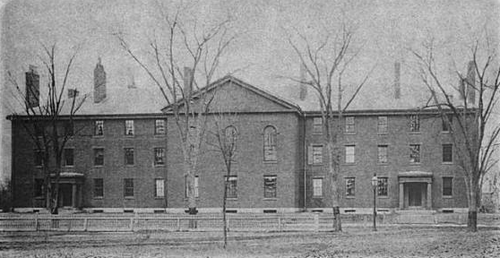
" خطاب كلية اللاهوت " هو الاسم الشائع للخطاب الذي ألقاه رالف والدو إيمرسون على دفعة خريجي كلية اللاهوت بجامعة هارفارد في 15 يوليو 1838. عنوانه الرسمي هو "تعرف على الله مباشرة".
خلفية
ألقى إيمرسون خطابه أمام مجموعة من طلاب اللاهوت المتخرجين وأساتذتهم ورجال الدين المحليين في 15 يوليو 1838، في قاعة اللاهوت . [ 1 ] في ذلك الوقت، كانت جامعة هارفارد مركز الفكر التوحيدي الأكاديمي . وقد أدلى إيمرسون في خطابه بتعليقات كانت ثورية بالنسبة لعصره، إذ أعلن العديد من مبادئ المذهب المتعالي في مقابل اللاهوت التوحيدي التقليدي . وجادل بأن الحدس الأخلاقي دليل أفضل على الشعور الأخلاقي من العقيدة الدينية، وأصر على وجود شعور أخلاقي حقيقي لدى كل فرد، متجاهلاً ضرورة الإيمان بالمعجزات التاريخية ليسوع . [ 2 ]
تأثر خطاب إيمرسون في كلية اللاهوت بتجاربه الحياتية. كان قسًا موحدًا سابقًا، إذ استقال من منصبه في الكنيسة الثانية ببوسطن عام ١٨٣٢. وقد طرح إيمرسون تساؤلات فلسفية حول صحة تناول القربان المقدس ، المعروف أيضًا باسم عشاء الرب. كان يعتقد أن هذه الطقوس لا تتوافق مع مقاصد السيد المسيح الأصلية. ويُعتقد أن هذا القلق لم يكن سوى واحد من بين العديد من الاختلافات الفلسفية مع المعتقدات التوحيدية في ثلاثينيات القرن التاسع عشر، ولكنه كان قلقًا مفهومًا بسهولة من قبل أعضاء جماعته. كان إيمرسون محبوبًا من قبل جماعته، وبُذلت جهود للتوفيق بين احتياجات الجماعة وفلسفته، لكنه استقال بعد خطبة أخيرة شرح فيها وجهات نظره.
على مدى السنوات القليلة التالية، استمرت آراء إيمرسون في الابتعاد عن الفكر التوحيدي السائد. يصفه كاتب سيرته روبرت ريتشاردسون بأنه تجاوز التوحيدية لكنه لم يتجاوز الدين. أصبح إيمرسون محاضرًا وكاتب مقالات بارزًا، وكثيرًا ما كان يُدعى كقس ضيف إلى منابر التوحيديين.
The 1838 Divinity School graduating class was composed of seven seniors, though only six of them were in attendance for the address; Emerson was invited to speak by class members themselves. Emerson decided the time was appropriate to discuss the failures of what he called "historical Christianity". In his address, he not only rejected the notion of a personal God; he castigated the church’s ministers for suffocating the soul through lifeless preaching. Also in attendance were theologians including Andrews Norton, Henry Ware Jr., and Divinity School Dean John G. Palfrey.[3]
Response
Emerson anticipated a scholarly discussion but was completely surprised by the negative outburst which followed. Attacks on Emerson quickly became personal. He was called an atheist, a negative comment in 1838. The chief Unitarian periodical of the time (The Christian Examiner) stated that Emerson's comments, "…so far as they are intelligible, are utterly distasteful to the instructors of the school, and to Unitarian ministers generally, by whom they are esteemed to be neither good divinity nor good sense."
The address touched off a major controversy among American Unitarian theologians, especially among those present, who saw the speech as an attack on their faith.[4] Dissenters primarily addressed the necessity of belief in the historical truth of the Biblical miracles, but the response involved other secondary issues as well. The Unitarian establishment of New England and of the Harvard Divinity School rejected Emerson's teachings outright, with Andrews Norton of Harvard publishing especially forceful retorts, including one calling Transcendentalism "the latest form of infidelity".Henry Ware Jr., one of Emerson's mentors as a divinity student more than a decade prior, delivered the sermon "The Personality of the Deity" on September 23, 1838. Although the sermon was not a direct attack on Emerson, it was written with Emerson in mind and refuted the new tendency to think of God in terms of "divine laws" instead of as a being who plays multiple roles.[5] The sermon was also circulated in printed form.
Notes
- ↑Field, Peter S. Ralph Waldo Emerson: The Making of a Democratic Intellectual. Landham, New York: Rowman & Littlefield, 2002: 11. ISBN 0847688429
- ↑Divinity School Address Retrieved on 25 November 2017
- ↑Field, Peter S. Ralph Waldo Emerson: The Making of a Democratic Intellectual. Landham, New York: Rowman & Littlefield, 2002: 12. ISBN 0847688429
- ↑ فيلد، بيتر س. رالف والدو إيمرسون: نشأة مفكر ديمقراطي . لاندام، نيويورك: روومان وليتلفيلد، 2002: 125. ISBN 0847688429
- ↑ رايت، كونراد. "مقدمة" لكتاب " ثلاثة أنبياء لليبرالية الدينية: تشانينغ، إيمرسون، باركر" . بوسطن: جمعية الموحدين العالميين/دار بيكون للنشر، 1986: 30. ISBN 1558962867
مراجع
- ريتشاردسون، روبرت د. (1995). إيمرسون: العقل المشتعل . مطبعة جامعة كاليفورنيا.
- روسك، رالف ل. (1949). حياة رالف والدو إيمرسون . أبناء تشارلز سكريبنر.
- ترو بلود، د. إلتون (1939). "تأثير خطاب إيمرسون في كلية اللاهوت". مجلة هارفارد اللاهوتية . 32 (1): 41-56 .
روابط خارجية
 الأعمال المتعلقة بكلية اللاهوت، العنوان على ويكي مصدر
- خطابات ثلاثينيات القرن التاسع عشر
- أعمال عام 1838
- أعمال رالف والدو إيمرسون