
روي هنري
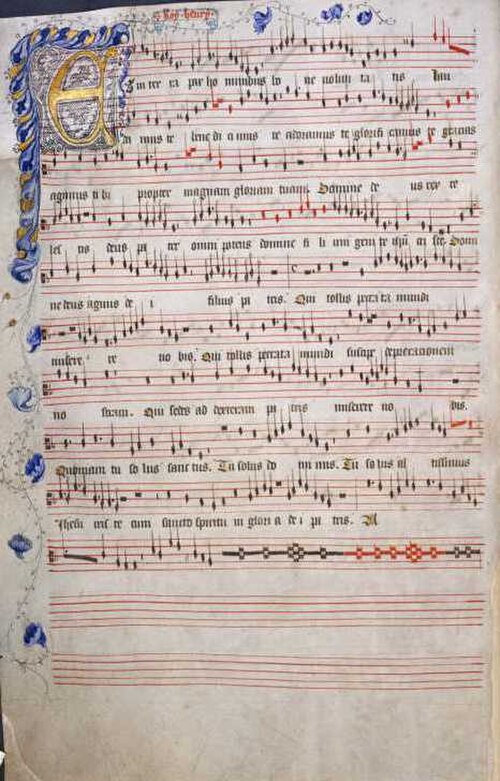
كان روي هنري ("الملك" هنري) ( نشط حوالي عام 1410 ) ملحنًا إنجليزيًا، ومن شبه المؤكد أنه اسم مستعار لملك إنجليزي: ربما هنري الخامس ، ولكن من المحتمل أيضًا أن يكون هنري الرابع . تظهر موسيقاه، وهي مؤلفتان موسيقيتان في المجموع، في مكانة بارزة في مخطوطة القاعة القديمة .
هوية
لم يتفق علماء الموسيقى على هوية الملك الإنجليزي الذي ألف حركتي القداس اللتين تظهران في بداية قسميهما في مخطوطة القاعة القديمة. يُرجح أن هنري الرابع، الذي حكم من عام ١٣٩٩ إلى ١٤١٣، كان في أوائل الأربعينيات من عمره عندما كُتبت الموسيقى، إذ تشير الأدلة الأسلوبية إلى أنها كُتبت حوالي عام ١٤١٠. مع ذلك، بحلول عام ١٤١٠، كان هنري الرابع يعاني من مرض مُشوِّه ويكافح للحفاظ على سلطته الملكية. لذلك، من غير المرجح أن يكون هو، على الرغم من موهبته الموسيقية، [ ١ ] مؤلف المقطوعتين. في حين أن هنري الخامس، على الرغم من انشغاله الشديد بالحملات العسكرية بعد توليه العرش، لم يتوقف قط عن حبه للموسيقى. في عام ١٤٢٠، سجلت سجلات بيل مدفوعات لشراء قيثارتين جديدتين لشحنهما إلى الملك في فرنسا. بل إن الملك اصطحب كنيسته إلى حملة أجينكور. وهذا، بالإضافة إلى كونه دليلاً جوهرياً على تقواه، يشير إلى أن الأخير هو الملحن.
كان هنري الخامس، الذي حكم من عام 1413 إلى عام 1422، معروفًا بشغفه بالموسيقى منذ صغره. وقد سُجِّلَ دفع ثمن قيثارة، بالإضافة إلى "سيوف وكتب في الشعر اللاتيني"، للورد الشاب هنري عندما كان في السادسة من عمره فقط. وتذكر سيرة ذاتية مبكرة لهنري الخامس ما يلي:
…he was in his youth a diligent follower of idle practices, much given to instruments of music, and fired with the torches of Venus herself.[2] Recent research has shown that work on the Old Hall Manuscript probably ceased on the death of Thomas, Duke of Clarence, in 1421. And the last piece of music in the Manuscript was doubtlessly written for the wedding of Henry and Catherine. Since Thomas was King Henry V's brother, and his chapel's musicians are now known to have included Leonel Power, and the manuscript itself passed to Henry V's chapel on the death of Thomas, and the composers included some members of the King's Royal Chapel, most notably John Dunstable. Obviously the manuscript could not have been passed to the long-dead Henry IV at this time, yet this is not a conclusive argument. Henry V's extraordinary piety - outdoing even his father in matters of religion - is consistent with the composition of sacred music, and we can be sure of his musical education. It is impossible to say for certain which man was the composer without further evidence.
Music
Roy Henry's music consists of two movements of the ordinary of the mass: a Gloria and a Sanctus, both for three voices, and written in a fairly low register. The music itself is skillfully written, and unusually for the time, no specific plainchant can be identified as a source; both pieces may be freely composed, or the underlying chant may be part of the enormous lost repertory of music from the early 15th century, hence unidentifiable (the vast majority of manuscripts of the time were destroyed in the 1530s during Henry VIII's Dissolution of the Monasteries).
References
- Margaret Bent: "Roy Henry", "Old Hall Manuscript", Grove Music Online ed. L. Macy (Accessed July 6, 2005), (subscription access)
- Margaret Bent, "The Progeny of Old Hall: More Leaves from a Royal English Choirbook", Gordon Athol Anderson (1929–1981) in memoriam, ed. L.A. Dittmer (Henryville, PA, 1984), 1–54
- Ian Mortimer, The Fears of Henry IV (Jonathan Cape, 2007)
- Ian Mortimer, 1415: Henry V's Year of Glory (Bodley Head, 2009)
- 15th-century English composers
- English male classical composers