
شجرة السلام
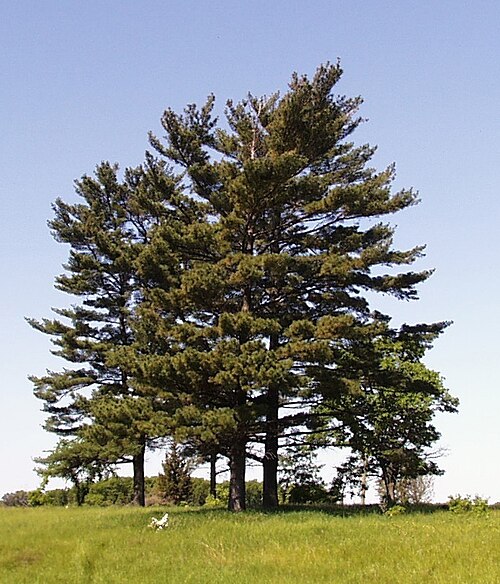
شجرة السلام ( Onondaga : Sgaęhejiˀgó·nah أو Jyonæhdejiˀgó·nah ، Seneca : Onähdaji'go:wa:h ) [ 1 ] [ 2 ] هي تمثيل رمزي لاتحاد Haudenosaunee ودستورها الشفهي، القانون العظيم للسلام . الشجرة، الصنوبر الأبيض الشرقي ، تجد جذورها في رجل يُدعى ديكاناويدا ، مانح السلام. تستند الأساطير المحيطة بمكانته بين قبيلة هودينوسوني إلى دوره في إنشاء كونفدرالية الأمم الخمس ، والتي تتألف من الموهوك ، وأونيداس ، وأونونداغاس ، وكايوغاس ، وسينيكاس ، ومكانته كبطل ثقافي لأمة هودينوسوني، المعروفة في الثقافة الغربية باسم "الإيروكوا". الاسم الرسمي للاتحاد هو كايانيرينه-كوا (السلام العظيم) [ 3 ] ، وكما وصفه بول أ. والاس، "يُعرف أيضًا باسم كانونسيوني (البيت الطويل)، وهو مصطلح يصف امتداده الجغرافي وشكله الدستوري". [ 3 ] وتعود جذور الأساطير والحكايات الشعبية المحيطة بديكانويدا إلى الروايات الشفوية التي تناقلتها العديد من قبائل السكان الأصليين لأمريكا عبر تاريخها.
تُعدّ علاقة ديكاناويدا بشجرة السلام، ذات الأبعاد الأسطورية، حقيقة سياسية محورية لدى شعب الهودينوسوني. ففي رحلاته لتوحيد الأمم المتحاربة، لم يتحدث ديكاناويدا إلا عن السلام والصداقة والوحدة. وكما ذكرت باربرا غرايمونت: "كانت أفكار ديكاناويدا وأفعاله تُبعده بشكل ملحوظ عن شعبه. لم يستطع شعب واياندوت فهم رجل يُحب السلام أكثر من الحرب". [ 4 ] وقد جاء السلام العظيم المرتبط بديكاناويدا بثلاثة أجزاء.
- الكلمة الطيبة، التي هي البر في العمل، والتي تجلب العدل للجميع.
- الصحة، التي هي عقل سليم في جسد سليم، تجلب السلام على الأرض.
- السلطة، التي تتمثل في إقامة السلطة المدنية، والتي تجلب معها زيادة في القوة الروحية بما يتماشى مع إرادة سيد الحياة. [ 5 ]
أُعطيَتْ منظمةُ الأمم الخمس رمزًا من قِبَل ديكاناويدا يرمز إلى السلام والوحدة اللذين تمّ قبولهما حديثًا بين الأمم الخمس. وكان الرمز المُختار لعصبة الأمم الخمس هو شجرة الصنوبر الأبيض العظيمة ، "شجرة الأوراق الطويلة العظيمة": [ 6 ]
The tree had four symbolic roots, the Great White Roots of Peace[a], spreading north, east, south, and west. If any other nation ever wished to join the League, it would have to follow the White Roots of Peace to the source and take shelter beneath the tree. Atop the tree, he placed an eagle to scream out a warning at the approach of danger. He symbolically planted the tree in the land of the Onondagas, the place of the Grre, the confederate lords, or peace chiefs, would sit beneath it and be caretakers of the Great Peace.[6]
This tree of peace became the symbol of solitude among the chiefs. The creation of the tree of peace figuratively gave the chiefs the ability never to die, "because their chiefly titles would be passed down to their successors forever. In this way, the League of Nations would always be kept alive".[6]
The Tree of Peace has its roots in the creation of the League of Five Nations, but its place within the Haudenosaunee culture is crucial to its role in the continuation of its existence to this day. As A. C. Parker states, "The Tree of Peace is an important symbol of peace in Iroquois tradition and in the historical record of diplomacy between the Iroquois and Westerners. Weapons would be buried under a tree to seal a peace agreement. A tree might even be uprooted to create a cavity for the weapons. The replanted tree on top would become a tree of peace."[7] This concept of creating a new Tree of Peace is rooted in the tradition created by Dekanawida's initial ceremony for the Tree of Peace. The roots will stretch in all directions and it is upon these roots our future brothers and sisters must forge their own peace and continue to the path we have created. As Barbara Graymont states,
This transformation of the historical account shows the extent to which these events had taken on a sacred character for the Iroquois. The exact details were not nearly as important to them as testifying to the authenticity of their confederacy and the significance of what their ancestors had done for them. In establishing unity and preserving their nationhood, the ancestors had provided for all time a purpose and a way of life for the people of the Extended lodge.[8]
Its characteristic bundles of five needles became the symbol of the Five Nations joined as one. According to Haudenosaunee tradition, the Great Law of Peace ended the ancient cycle of enmity and continuous conflict between the separate tribes and united them into the Haudenosaunee Confederacy that made them into the most powerful force in North America until the rapid expansion of European colonization in the 18th century.
References
- وودبري ، هاني (2003). قاموس أونونداغا-إنجليزي/إنجليزي-أونونداغا . تورنتو ؛ بوفالو : مطبعة جامعة تورنتو . تم الاطلاع عليه بتاريخ 24 يوليو 2026 .
- 1 2 تشافي، والاس. "قاموس إنجليزي-سنيكا" (ملف PDF) . ص 99. تم الاطلاع عليه في 23 يوليو 2026 .
- 1 2 بول أ. والاس. "ديكاناويدا (الرسول السماوي)" قاموس السير الذاتية الكندية. المجلد 1 (جامعة تورنتو، تورنتو، 1979)
- ↑ باربرا غرايمونت. الإيروكوا (دار إنفوبيس للنشر، نيويورك، 2009) صفحة 13
- ↑ باربرا غرايمونت. الإيروكوا (دار إنفوبيس للنشر، نيويورك، 2009) صفحة 17
- 1 2 3 باربرا غرايمونت. الإيروكوا (دار إنفوبيس للنشر، نيويورك، 2009) صفحة 21
- ↑ أ. س. باركر. "بعض أساطير ورموز الأشجار لدى الإيروكوا". عالم الأنثروبولوجيا الأمريكي. المجلد 14، الصفحات 608-620
- ↑ باربرا غرايمونت. الإيروكوا (دار إنفوبيس للنشر، نيويورك، 2009) صفحة 23
- ثقافة الهودينوسوني
- رموز السلام
- الأشجار