
Bilhah
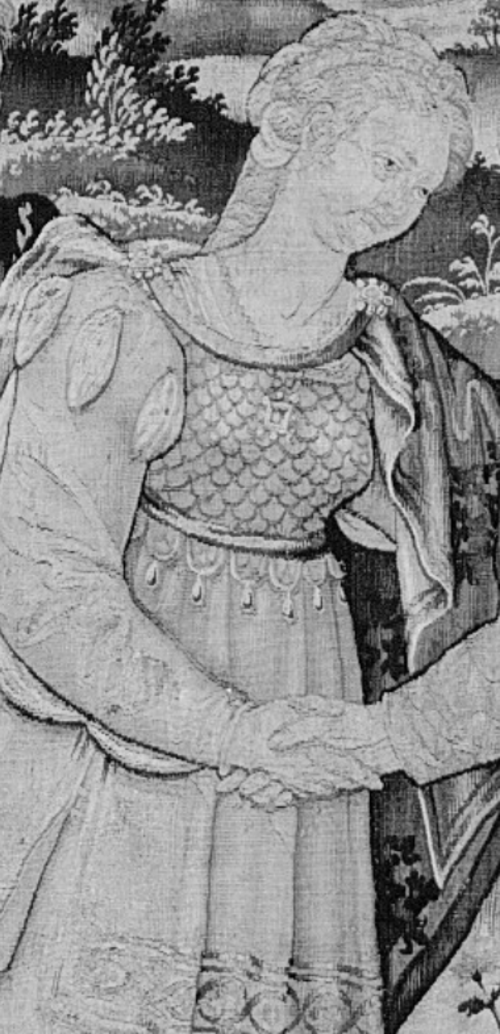
Bilhah (בִּלְהָה "unworried", Standard Hebrew: Bilha, Tiberian Hebrew: Bīlhā) is a woman mentioned in the Book of Genesis.[a]Genesis 29:29 describes her as Laban's handmaiden (שִׁפְחָה), who was given to Rachel to be her handmaid on Rachel's marriage to Jacob. When Rachel failed to have children, Rachel gave Bilhah to Jacob like a wife to bear him children.[1] Bilhah gave birth to two sons, whom Rachel claimed as her own and named Dan and Naphtali.[2]Genesis 35:22 expressly calls Bilhah Jacob's concubine, a pilegesh. When Leah saw that she had stopped having children, she took her servant Zilpah and gave her to Jacob like a wife to bear him children as well.
The apocryphalTestament of Naftali says that Bilhah and Zilpah's father was named Rotheus.[b] He was taken into captivity but redeemed by Laban, Rachel and Leah's father. Laban gave Rotheus a wife named Euna, who was the girls' mother.[c] On the other hand, the early rabbinical commentary Pirkei De-Rabbi Eliezer and other rabbinic sources (Midrash Rabba and elsewhere) state that Bilhah and Zilpah were also Laban's daughters, through his concubines, which would make them half-sisters to Rachel and Leah.[3][4][d] Scholars believe that these attempts to make Bilhah and Zilpah appear biologically related to Abraham's family were a result of anti-foreign views in the postexilic period. It appears more likely that they were foreign like Tamar and Asenath, who were considered to be 'secondary Matriarchs'.[5]
Bilhah is said to be buried in the Tomb of the Matriarchs in Tiberias.
في سفر أخبار الأيام ، قيل أن إخوة شمعي عاشوا في بلدة تسمى بلهة والمناطق المحيطة بها قبل عهد داود . [ 6 ]
زنا رأوبين مع بلهة
كان رأوبين الابن الأكبر ليعقوب (إسرائيل) من ليئة. يقول سفر التكوين 35: 22: «وكان لما سكن إسرائيل في تلك الأرض أن رأوبين ذهب واضطجع مع بلهة سرية أبيه، وسمع إسرائيل بذلك». [ 7 ] ونتيجةً لهذا الزنا، فقد رأوبين احترام أبيه، الذي قال: «أنت متقلب كالماء، ولن تتفوق بعد الآن. لأنك لما صعدت إلى فراش أبيك، جلبت العار - صعد إلى فراشي!» [ 8 ]
فسّر بعض المفسرين الحاخاميين القصة تفسيراً مختلفاً، قائلين إنّ انتهاك رأوبين لحرمة بلهة ويعقوب لم يكن بسبب معاشرته بلهة. فطالما كانت راحيل على قيد الحياة، كما يقول هؤلاء المفسرون، كان يعقوب يحتفظ بفراشها في خيمته. وعندما ماتت راحيل، نقل يعقوب فراش بلهة إلى خيمته، إذ كانت راحيل هي من ترعاه، رغبةً منه في الحفاظ على قربه من زوجته المفضلة. إلا أن رأوبين، الابن الأكبر لليئة، شعر أن هذا الفعل يُعدّ إهانة لأمه، التي كانت أيضاً زوجته الأولى، فنقل فراش أمه إلى خيمة يعقوب وأزال فراش بلهة أو قلبه. وقد نُظر إلى هذا التعدي على خصوصية يعقوب على أنه أمرٌ بالغ الخطورة، حتى أن الكتاب المقدس يُساويه بالزنا، وحرم رأوبين من حقه في الميراث المزدوج. [ 9 ] [ 10 ]
في الثقافة الشعبية
- في روايتي "الخيمة الحمراء" لأنيتا ديامانت و "راشيل وليا" لأورسون سكوت كارد ، تُعتبر بلهة وزلفة أختين غير شقيقتين لليا وراشيل من أمهات مختلفات، وذلك وفقًا للتقاليد التلمودية.
- في رواية الخيال التأملي لمارغريت أتوود " حكاية الخادمة" ، يستشهد المجتمع الثيوقراطي المصوّر بالعلاقة بين بلهة وراحيل ويعقوب كأساس ديني لدور الخادمات كبديلات للرجال ذوي المكانة الرفيعة وزوجاتهم العقيمات. [ 11 ]
مراجع
ملحوظات
- ↑ للاطلاع على أصل الكلمة، انظر هولمان 2007 ، ص 49
- ↑ وصية نفتالي 1:9 كما ترجمها بلات الابن 2010
- ↑ وصية نفتالي 1:11 كما ترجمها بلات الابن 2010
- ↑ أنظر أيضا، بيرك دي ربي إليعازر ، السادس والثلاثون.
الاقتباسات
- ↑ تكوين 30: 3-5
- ↑ تكوين 30: 6-8 ، 35: 25
- ↑ الحاخام إليعازر 1916 ، ص 271-272.
- ↑ جينزبيرج 1909 .
- ↑ Reiss & Zucker 2014 ، ص 307-314.
- ↑ ١ أخبار الأيام ٤: ٢٧-٢٩
- ↑ تكوين 35:22
- ↑ تكوين 49:4
- ↑ درازين وواغنر 2006 ، ص 239.
- ↑ فرادي 2011 ، ص 423.
- ↑ مزارع العنب 2017 .
مصادر
- درازين، إسرائيل؛ فاغنر، ستانلي م. (2006). إسرائيل درازين (محرر). أونكيلوس على التوراة: بي-ريشيت . دار جيفين للنشر المحدودة. ISBN 978-965-229-342-8.
- فراد، ستيفن (2011). الخيالات القانونية: دراسات في القانون والسرد في العوالم الخطابية لعلماء الطوائف والحكماء اليهود القدماء . بريل. ISBN 978-90-04-20184-2. OCLC 1162008537 .
- جينزبيرج، لويس (1909). "السادس: يعقوب". أساطير اليهود . المجلد الأول .
- هولمان (2007). قاموس هولمان المصور للكتاب المقدس بحجم الجيب . مجموعة بي آند إتش للنشر. رقم ISBN 978-1-58640-314-0.
- الحاخام إليعازر (1916). "الفصل 36". بيركي دي رابي إليعازر . ترجمة جيرالد فريدلاندر ( طبعة 1916). لندن: كيغان بول، ترينش، تيرنر وشركاه المحدودة.
- ريس، موشيه؛ زوكر، ديفيد ج. (2014). "استغلال الأمهات الثانويات". التفسير الكتابي . 22 (3): 307-324 . doi : 10.1163/15685152-00223p04 .
- بلات الابن، روثرفورد هـ. (2010). كتب عدن المنسية . ISBN 1451590792.
- فينيارد، جينيفر (4 مايو 2017). "10 أشياء لم تكن تعرفها عن مسلسل 'حكاية الخادمة'"" . elle.com .
- العبيد القدماء
- شعب سفر التكوين
- يعقوب
- المحظيات اليهوديات
- المحظيات
- الجواري
- النساء في الكتاب المقدس العبري