
George Ducas
George Ducas[a] (c.1620 – 31 March 1685) was the prince (voivode) of Moldavia (1665–1666, 1668–1672, 1678–1684) and the prince of Wallachia (1674–1678). He also served as the hetman of Ottoman Ukraine (1681–1683).
He was married to Anastasiya Dabizha, the daughter of Prince Eustratie Dabija, and later to Dafina Doamna; George Ducas fathered Constantine Ducas.

First two rules in Moldavia

Gheorghe Duca was of Greek origin and like many others of his generation who had migrated to the Danubian principalities he rose thanks to his links to other Greeks of high positions. In his youth, another Greek, Vasile Lupu (voivode of Moldavia) took him to his court where Duca was raised.[1]
Supported by Dafina Doamna and some of the boyars, he came to the throne in Iaşi after Dabija's death, but was soon ousted after his opponents appealed to the Ottomans, unjustly claiming Duca's rule was corrupt.


He contracted large debts in order to reclaim the throne, which he managed to following Iliaș Alexandru's rule. The policy of increased taxation led to the uprising of Mihalcea Hâncu in October 1671, crushed the next year after Ducas received Ottoman help. But, as Ducas failed to provide supplies needed for the War against the Polish–Lithuanian Commonwealth, with the SultanMehmed IV's life placed in peril at the attack of Kamianets-Podilskyi, the Ottomans swiftly replaced him with Ștefan Petriceicu.

Rule in Wallachia
في عام 1674، ومن خلال تدخل نبلاء كانتاكوزينو ، مُنح العرش في بوخارست ؛ ولكن سرعان ما انهار التحالف بين كانتاكوزينو ودوكا، وتم استبدال الأمير بشيربان كانتاكوزينو .
آخر قاعدة في مولدوفا وقاعدة في الضفة اليمنى لأوكرانيا

سرعان ما عاد إلى عرش مولدافيا، بعد عهد أنطوني روسيت (روزيتي). كان لدى جورج دوكاس خطط لتوسيع حكمه على أوكرانيا الواقعة على الضفة اليمنى لنهر السين ، حيث بدأت المكاسب العثمانية مع ضم بودوليا عام 1672. عيّنه سيده هيتمانًا على المناطق المكتسبة حديثًا، في عام 1680 أو 1681، بعد أن أثقلت الرشاوى كاهل خزينة مولدافيا بقدر ما أثقلها طلب دوكاس من الفئات الخاضعة للضريبة بالمساهمة في مهر ابنته .
في عام 1683، انضم دوكاس إلى العثمانيين في مسيرتهم في معركة فيينا . وبسبب غيابه وإدراكهم للفشل التام للخطط العثمانية ، ثار البويار في جميع أنحاء البلاد، بناءً على أوامر ستيفان بيتريتشيكو، ورحبوا بالبولنديين والقوزاق الغزاة .
وفي طريق عودته، تم القبض على دوكاس في 25 ديسمبر 1683 وأرسل إلى سجن في بولندا ، حيث توفي بعد عام واحد.

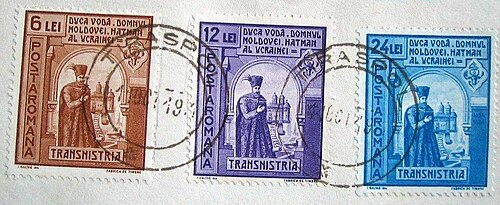
ملحوظات
- ^ اليونانية : Γεώργιος Δούκας ، جورجيوس دوكاس ؛ الرومانية : جورجي دوكا ؛ الرومانية القديمة : Геоге Дука؛ .
فهرس
- سيرنوفوديانو، بول (1982). "Stiri Privitoare la Gheorghe Ghica Vodă al مولدوفا (1658–1659) وعائلتها (I)" . معهد أنوارول للتاريخ والآثار "AD Xenopol". (باللغة الرومانية). 19 . معهد التاريخ والآثار "AD Xenopol."
- واسيوتشيونيك، ميخال (2012). "إعادة النظر في التضامن العرقي في الإمبراطورية العثمانية الأوسع: السين والنخب السياسية المحلية في مولدافيا ووالاشيا في القرن السابع عشر". في: ساريانيس، مارينوس (محرر). اتجاهات جديدة في الدراسات العثمانية: أوراق بحثية قُدِّمت في ندوة CIÉPO العشرين، ريثيمنو، 27 يونيو - 1 يوليو 2012. جامعة كريت - قسم التاريخ والآثار.
- Wasiucionek, Michal (2016). Politics and Watermelons: Cross-Border Political Networks in the Polish-Moldavian-Ottoman Context in the Seventeenth Century(PDF) (Thesis). European University Institute.
References
- ↑Wasiucionek 2016, p. 106.
- 1620s births
- 1685 deaths
- 17th-century princes of Wallachia
- Monarchs of Moldavia
- People of the Great Turkish War
- Romanian people of Albanian descent
- 17th-century Moldavian people
- Prisoners who died in Polish detention