
Medium wave

Medium wave (MW) is a part of the medium frequency (MF) radio band used mainly for AM radio broadcasting. The spectrum provides about 120 channels with more limited sound quality than FM stations on the FM broadcast band. During the daytime, reception is usually limited to more local stations, though this is dependent on the signal conditions and quality of radio receiver used. Improved signal propagation at night allows the reception of much longer distance signals (within a range of about 2,000 km or 1,200 miles). This can cause increased interference because on most channels multiple transmitters operate simultaneously worldwide. In addition, amplitude modulation (AM) is often more prone to interference by various electronic devices, especially power supplies and computers. Strong transmitters cover larger areas than on the FM broadcast band but require more energy and longer antennas. Digital modes like HD Radio is used mostly in the US[1][2] while DRM30 (excluding the shortwave) is mostly used as test transmissions by India, South Korea, and China.[3][4]
MW was the main radio band for broadcasting from the beginnings in the 1920s into the 1950s until FM with a better sound quality took over. Many countries in Europe have switched off or limited their MW transmitters since the 2010s.
The term is a historic one, dating from the early 20th century, when the radio spectrum was divided on the basis of the wavelength of the waves into long wave (LW), medium wave, and short wave (SW) radio bands.
Spectrum and channel allocation
| area | kHz (centre/carrier frequency) | spacing | channels |
|---|---|---|---|
| Europe, Asia, Africa | 531–1602 kHz | 9 kHz | 120 |
| Australia | 531–1701 kHz (low power stations above 1602 kHz) | 9 kHz | 131 |
| North and South America | 530–1700 kHz | 10 kHz | 118 |
For Europe, Africa and Asia the MW band consists of 120 channels with carrier frequencies from 531 to 1602 kHz spaced every 9 kHz. Frequency coordination avoids the use of adjacent channels in one area. The total allocated spectrum including the modulated audio ranges from 526.5 to 1606.5 kHz.[5] Australia uses an expanded band up to 1701 kHz.
North and South America use 118 channels from 530 to 1700 kHz[6] using 10 kHz spaced channels. The range above 1610 kHz is primarily only used by low-power stations; it is the preferred range for services with automated traffic, weather, and tourist information.
Sound quality
The channel steps of 9 and 10 kHz would ordinarily require limiting the audio bandwidth to 4.5 and 5 kHz, respectively, without causing any interference to adjacent channels, because the audio spectrum is transmitted twice, once on each side band (i.e. ±4.5 kHz of carrier frequency for 9 kHz channels and ±5 kHz of carrier frequency for 10 kHz channels). This is adequate for talk and news but not for high-fidelity music. However, many stations use audio bandwidths up 10 kHz,[7] which is not hi-fi but sufficient for casual listening. In the UK, until 2024 most stations used a bandwidth of 6.3 kHz.[8] However in 2024, Ofcom expanded the allowed bandwidth to 9 kHz, giving a noticeable improvement in quality. With AM, it largely depends on the frequency filters of each receiver how the audio is reproduced. This is a major disadvantage compared to FM and digital modes where the demodulated audio is more objective. Extended audio bandwidths cause interference on adjacent channels.
Propagation characteristics
Wavelengths in this band are long enough that radio waves are not blocked by buildings and hills and can propagate beyond the horizon following the curvature of the Earth; this is called the groundwave. Practical groundwave reception of strong transmitters typically extends to 200–300 miles (320–480 km), with greater distances over terrain with higher ground conductivity, and greatest distances over salt water. The groundwave reaches further on lower medium wave frequencies.
يمكن للموجات المتوسطة أن تنعكس أيضًا عن طبقات الجسيمات المشحونة في الغلاف الأيوني وتعود إلى الأرض من مسافات أبعد بكثير؛ وهذا ما يُسمى بالموجات السماوية . في الليل، وخاصة في أشهر الشتاء وأوقات انخفاض النشاط الشمسي، تختفي طبقة D السفلى من الغلاف الأيوني تقريبًا. عند حدوث ذلك، يمكن استقبال موجات الراديو المتوسطة بسهولة على بُعد مئات أو حتى آلاف الأميال، حيث تنعكس الإشارة عن طبقة F العليا . وهذا يُتيح البث لمسافات طويلة جدًا، ولكنه قد يتداخل أيضًا مع المحطات المحلية البعيدة. نظرًا لمحدودية عدد القنوات المتاحة في نطاق بث الموجات المتوسطة، تُعاد تخصيص الترددات نفسها لمحطات بث مختلفة تفصل بينها مئات الأميال. في ليالي انتشار الموجات السماوية الجيدة، قد تتداخل إشارات الموجات السماوية لمحطة بعيدة مع إشارات المحطات المحلية على التردد نفسه. في أمريكا الشمالية، تُخصص اتفاقية البث الإقليمي لأمريكا الشمالية (NARBA) قنوات معينة للاستخدام الليلي عبر مناطق خدمة موسعة باستخدام الموجات السماوية من قِبل عدد قليل من محطات البث AM المرخصة خصيصًا. تُسمى هذه القنوات بالقنوات الواضحة ، وهي مطلوبة للبث بقدرات أعلى تتراوح من 10 إلى 50 كيلوواط.
الاستخدام في أمريكا الشمالية
في البداية، اقتصر البث الإذاعي في الولايات المتحدة على موجتين: 360 مترًا (833 كيلوهرتز) للبرامج الترفيهية، مع إلزام المحطات بالتحول إلى 485 مترًا (619 كيلوهرتز) عند بث توقعات الطقس وتقارير أسعار المحاصيل وغيرها من التقارير الحكومية. [ 9 ] واجه هذا الترتيب العديد من الصعوبات العملية. كانت أجهزة الإرسال المبكرة بدائية تقنيًا، ويكاد يكون من المستحيل ضبطها بدقة على التردد المطلوب، وإذا قامت محطتان (أو أكثر) في نفس المنطقة من البلاد بالبث في وقت واحد (كما كان يحدث غالبًا)، فإن التداخل الناتج كان يعني عادةً عدم وضوح أي منهما. نادرًا ما تدخلت وزارة التجارة في مثل هذه الحالات، تاركةً الأمر للمحطات لإبرام اتفاقيات تقاسم زمني طوعية فيما بينها. لم يُسهم إضافة موجة ثالثة للبرامج الترفيهية، وهي 400 متر، [ 9 ] إلا قليلًا في حل مشكلة الازدحام هذه.
In 1923, the Commerce Department realized that as more and more stations were applying for commercial licenses, it was not practical to have every station broadcast on the same three wavelengths. On May 15, 1923, Commerce Secretary Herbert Hoover announced a new bandplan which set aside 81 frequencies, in 10 kHz steps, from 550 kHz to 1350 kHz (extended to 1500, then 1600 and ultimately 1700 kHz in later years). Each station would be assigned one frequency (albeit usually shared with stations in other parts of the country and/or abroad), no longer having to broadcast weather and government reports on a different frequency than entertainment. Class A and B stations were segregated into sub-bands.[10]
In the US and Canada, the maximum transmitter power is restricted to 50 kilowatts, while in Europe, there are medium wave stations with transmitter power up to 2 megawatts daytime.[11]
Most United States AM radio stations are required by the Federal Communications Commission (FCC) to shut down, reduce power, or employ a directional antenna array at night in order to avoid interference with each other due to night-time only long-distance skywavepropagation (sometimes loosely called ‘skip’). Those stations which shut down completely at night are often known as "daytimers". Similar regulations are in force for Canadian stations, administered by Industry Canada; however, daytimers no longer exist in Canada, the last station having signed off in 2013, after migrating to the FM band.
Use in Europe
Many countries switched off most of their MW transmitters in the 2010s due to cost-cutting and smaller audiences for MW broadcasts. Among them are Germany,[12] France, Russia, Poland, Sweden, the Benelux, Austria, Switzerland, Slovenia and most of the Balkans. Other countries that have no or few MW transmitters include Iceland, Ireland, Finland and Norway.
Large networks of transmitters remain in the UK, Spain and Romania. In the Netherlands and Scandinavia, some stations have launched low-power services in place of high-power frequencies. On 22 May 2017, the UK government regulator Ofcom awarded the former offshore "pirate radio" station Radio Caroline a community licence to broadcast to Suffolk and north Essex on 648 kHz with a power of 1 kW.[13] The frequency had formerly been used by the BBC World Service. In Italy, the government closed its high power transmitters but low power private stations remain. As the MW band is thinning out, many remaining local stations as well as ones from North Africa and the Middle East can now be received all over Europe, but signal strength is often weak with much interference.
In Europe, each country is allocated a number of frequencies on which high power (up to 2 megawatts) can be used; the maximum power is also subject to international agreement by the International Telecommunication Union (ITU).[14]
In most cases there are two power limits: a lower one for omnidirectional and a higher one for directional radiation with minima in certain directions. The power limit can vary depending on the time of day and it is possible that a station may not operate at nighttime, because it would then produce too much interference. Other countries may only operate low-powered transmitters on the same frequency, again subject to agreement. International medium wave broadcasting in Europe decreased markedly with the end of the Cold War and the increased availability of satellite and Internet TV and radio, although the cross-border reception of neighbouring countries' broadcasts by expatriates and other interested listeners still takes place.
In the late 20th century, overcrowding on the medium wave band was a serious problem in parts of Europe, contributing to the early adoption of VHFFM broadcasting by many stations (particularly in Germany). Due to the high demand for frequencies in Europe, many countries set up single frequency networks; in the United Kingdom, BBC Radio 5 Live broadcasts from various transmitters on either 693 or 909 kHz. These transmitters are carefully synchronized to minimize interference from more distant transmitters on the same frequency.
Use in Asia
لا تزال العديد من محطات الإرسال عالية الطاقة تعمل في آسيا والشرق الأوسط. ولا تزال الصين وإندونيسيا وكوريا الجنوبية وكوريا الشمالية واليابان وتايلاند وفيتنام والفلبين والمملكة العربية السعودية ومصر والهند وباكستان وبنغلاديش وإيران تستخدم الموجات المتوسطة . ومن الأمثلة على محطات الراديو الشهيرة التي تبث على الموجات المتوسطة في جنوب شرق آسيا محطتا DZBB وDZAS في الفلبين، ومحطتا راديو RASIL وRRI في إندونيسيا .
عادت إسرائيل إلى البث على الموجة المتوسطة بعد اندلاع حرب غزة . [ 15 ] ومع ذلك، تم إغلاقها مرة أخرى بعد بضعة أشهر.
تدير الصين العديد من الشبكات أحادية التردد في جميع أنحاء البلاد.
اعتبارًا من مايو 2023، بدأت العديد من المحطات الإذاعية اليابانية، مثل هيئة الإذاعة والتلفزيون اليابانية (NHK) ، بالبث على الموجة المتوسطة، مع وجود العديد من أجهزة الإرسال عالية الطاقة العاملة في جميع أنحاء اليابان. كما توجد أيضًا بعض أجهزة الإرسال ذات الطاقة المنخفضة للمناطق الريفية.
توقفت بعض الدول عن استخدام الموجات المتوسطة، بما في ذلك ماليزيا وسنغافورة.
البث الاستريو والرقمي
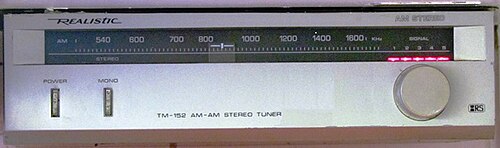
البث الستيريو ممكن، وقد كان متاحًا أو متاحًا في بعض المحطات في الولايات المتحدة وكندا والمكسيك وجمهورية الدومينيكان وباراغواي وأستراليا والفلبين واليابان وكوريا الجنوبية وجنوب إفريقيا وإيطاليا وفرنسا. مع ذلك، توجد معايير متعددة لبث الستيريو AM . يُعدّ C-QUAM المعيار الرسمي في الولايات المتحدة ودول أخرى، لكن أجهزة الاستقبال التي تدعم هذه التقنية لم تعد متوفرة بسهولة للمستهلكين. يمكن العثور على أجهزة استقبال مستعملة تدعم بث الستيريو AM. قد تكون أسماء مثل "FM/AM Stereo" أو "AM & FM Stereo" مُضللة، ولا تعني عادةً أن الراديو سيفك تشفير C-QUAM AM Stereo، بينما يدعم جهاز يحمل اسم "FM Stereo/AM Stereo" أو "AMAX Stereo" بث الستيريو AM.
في سبتمبر 2002، وافقت لجنة الاتصالات الفيدرالية الأمريكية على نظام iBiquity الخاص بالبث الصوتي الرقمي عالي الوضوح ( IBOC) ، والذي يهدف إلى تحسين جودة الصوت. يدعم نظام Digital Radio Mondiale (DRM)، الذي وضعته المنظمة الأوروبية لمعايير الاتصالات (ETSI)، الصوت الاستريو، وهو النظام المعتمد من قبل الاتحاد الدولي للاتصالات (ITU) للاستخدام خارج أمريكا الشمالية والأراضي الأمريكية . كما تدعم بعض أجهزة استقبال HD Radio تقنية C-QUAM AM الاستريو، على الرغم من أن هذه الميزة لا تُعلن عنها الشركات المصنعة عادةً.
الهوائيات

For broadcasting, mast radiators are the most common type of antenna used, consisting of a steel lattice guyed mast in which the mast structure itself is used as the antenna. Stations broadcasting with low power can use masts with heights of a quarter-wavelength (about 310 millivolts per meter using one kilowatt at one kilometre) to 5/8 wavelength (225 electrical degrees; about 440 millivolts per meter using one kilowatt at one kilometre), while high power stations mostly use half-wavelength to 5/9 wavelength. The usage of masts taller than 5/9 wavelength (200 electrical degrees; about 410 millivolts per meter using one kilowatt at one kilometre) with high power gives a poor vertical radiation pattern, and 195 electrical degrees (about 400 millivolts per meter using one kilowatt at one kilometre) is generally considered ideal in these cases. Mast antennas are usually series-excited (base driven); the feedline is attached to the mast at the base. The base of the antenna is at high electrical potential and must be supported on a ceramic insulator to isolate it from the ground. Shunt-excited masts, in which the base of the mast is at a node of the standing wave at ground potential and so does not need to be insulated from the ground, have fallen into disuse, except in cases of exceptionally high power, 1 megawatt or more, where series excitation might be impractical. If grounded masts or towers are required, cage or long-wire aerials are used. Another possibility consists of feeding the mast or the tower by cables running from the tuning unit to the guys or crossbars at a certain height.
Directional aerials consist of multiple masts, which need not to be of the same height. It is also possible to realize directional aerials for mediumwave with cage aerials where some parts of the cage are fed with a certain phase difference.
في البث الإذاعي للموجات المتوسطة (AM)، يتراوح ارتفاع صواري ربع الموجة بين 47 مترًا (153 قدمًا) و 141 مترًا (463 قدمًا ) ، وذلك حسب التردد. ونظرًا لأن هذه الصواري الطويلة قد تكون مكلفة وغير اقتصادية، تُستخدم أنواع أخرى من الهوائيات، تعتمد على التحميل العلوي السعوي ( الإطالة الكهربائية ) لتحقيق قوة إشارة مكافئة باستخدام صواري رأسية أقصر من ربع الطول الموجي. [ 16 ] ويُضاف أحيانًا "غطاء علوي" من الأسلاك الشعاعية إلى أعلى مشعات الصاري، مما يسمح بتقصير طوله. أما بالنسبة لمحطات البث المحلية ومحطات الهواة التي تقل قدرتها عن 5 كيلوواط، فيُستخدم غالبًا هوائيات T وL ، والتي تتكون من سلك أفقي واحد أو أكثر معلق بين صاريين، ومتصل بسلك مشع رأسي. ويُعد هوائي المظلة خيارًا شائعًا للمحطات ذات القدرة المنخفضة ، حيث لا يحتاج إلا إلى صاري واحد لا يتجاوز ارتفاعه عُشر الطول الموجي. ويستخدم هذا الهوائي صاريًا واحدًا معزولًا عن الأرض، ومُغذى من طرفه السفلي بالأرض. في أعلى الصاري، تُوصل أسلاك تحميل علوية شعاعية (عادةً ستة أسلاك تقريبًا) تنحدر لأسفل بزاوية 40-45 درجة حتى ثلث الارتفاع الكلي تقريبًا، حيث تنتهي بعوازل ومن ثم تمتد للخارج إلى نقاط تثبيت أرضية . وهكذا، يستخدم هوائي المظلة أسلاك الشد كجزء التحميل العلوي للهوائي. في جميع هذه الهوائيات، تزداد مقاومة الإشعاع المنخفضة للمشع القصير بفعل السعة المضافة من الأسلاك المتصلة بأعلى الهوائي.
في حالات نادرة، تُستخدم هوائيات ثنائية القطب ، تُعلق بين صاريين أو برجين. تهدف هذه الهوائيات إلى بث موجة سماوية . استخدم جهاز إرسال الموجات المتوسطة في برلين-بريتز، المخصص لبث نظام RIAS، هوائيًا ثنائي القطب متقاطعًا مثبتًا على خمسة صواري مدعومة بكابلات، يبلغ ارتفاع كل منها 30.5 مترًا، لبث الموجة السماوية إلى طبقة الأيونوسفير ليلًا.
هوائيات الاستقبال

نظرًا لأن الضوضاء الجوية عند هذه الترددات تفوق بكثير نسبة الإشارة إلى الضوضاء في جهاز الاستقبال ، يمكن استخدام هوائيات غير فعالة أصغر بكثير من الطول الموجي للاستقبال. أما عند استقبال الترددات الأقل من 1.6 ميجاهرتز، والتي تشمل الموجات الطويلة والمتوسطة، فتُعدّ هوائيات الحلقة شائعة الاستخدام لقدرتها على رفض الضوضاء المحلية. ويُعتبر هوائي قضيب الفريت ، المعروف أيضًا بهوائي الحلقة العصوية، الهوائي الأكثر شيوعًا لاستقبال البث. يسمح قلب الفريت ذو النفاذية العالية بتصميمه صغير الحجم بما يكفي لوضعه داخل علبة الراديو مع الحفاظ على حساسية كافية. أما لاستقبال الإشارات الضعيفة أو للتمييز بين الإشارات المختلفة التي تشترك في نفس التردد، فتُستخدم هوائيات اتجاهية. وللحصول على أفضل نسبة إشارة إلى ضوضاء، يُفضّل وضع هذه الهوائيات في الهواء الطلق بعيدًا عن مصادر التداخل الكهربائي. ومن أمثلة هوائيات الموجات المتوسطة [ 17 ] : الحلقات غير المضبوطة ذات النطاق العريض، والحلقات الطويلة ذات النهايات، وهوائيات الموجات (مثل هوائي بيفرج )، وهوائي حلقة غلاف الفريت.
انظر أيضاً
- راديو العالم الرقمي ، وهو معيار رقمي قابل للتطبيق على الموجات المتوسطة
- راديو DAB
- راديو FM
- قائمة أجهزة الإرسال الأوروبية ذات الموجات المتوسطة
- MW DX
- راديو الأقمار الصناعية
- خطة ترددات جنيف لعام 1975
- هوائي أحادي القطب
مراجع
- ↑ "راديو AM الرقمي بالكامل" . راديو عالي الدقة . تم الاطلاع عليه بتاريخ 26-10-2025 .
- ↑ "ما تحتاج لمعرفته حول راديو HD™" . كرتشفيلد . تم الاطلاع عليه بتاريخ 26-10-2025 .
- ↑ "بث DRM - حسب التردد - مشروع استقبال DRM" . تم الاطلاع عليه بتاريخ 26-10-2025 .
- ↑ "SADIBA - Digital Radio DRM 30" . www.sadiba.org . تم الاطلاع عليه بتاريخ 26-10-2025 .
- ↑ جدول تخصيص الترددات في المملكة المتحدة (ملف PDF) (تقرير). 22 يونيو 2017. صفحة 16. تم الاطلاع عليه في 22 أغسطس 2017 – عبر موقع ofcom.org.uk.
- ↑ تخصيصات الترددات في الولايات المتحدة (ملف PDF) (مخطط طيفي). الإدارة الوطنية للاتصالات والمعلومات ، وزارة التجارة الأمريكية . يناير 2016. تاريخ الاسترجاع : 22 أغسطس 2017 .
- ↑ "§ 73.44 قيود انبعاثات نظام نقل AM" . قانون اللوائح الفيدرالية. مؤرشف من الأصل في 27 سبتمبر 2011.
- ↑ "الموجة المتوسطة في أوروبا الوسطى" . 21 يناير 2020.
- 1 2 "بناء نطاق البث" . Earlyradiohistory.us . تم الاطلاع عليه بتاريخ 7 مايو 2010 .
- ↑ كريستوفر هـ. ستيرلينغ؛ جون م. كيتروس (2002). ابقوا على اتصال: تاريخ البث الأمريكي . دار النشر النفسية. ص 95. ISBN 0-8058-2624-6.
- ↑ "قائمة MWLIST السريعة والسهلة: أوروبا وأفريقيا والشرق الأوسط" . تم الاطلاع عليها بتاريخ 11 ديسمبر 2015 .
- ↑ "Fast alle ARD-Radiosender stellen Mittelwelle ein" . heise.de. 2015-01-06 . تم الاسترجاع 2015/12/31 .
- ↑ «أوفكوم تمنح خمسة تراخيص جديدة لمحطات الراديو المجتمعية على موجة AM» . أوفكوم . مؤرشف من الأصل بتاريخ 22 ديسمبر 2017. تم الاطلاع عليه بتاريخ 19 مايو 2017 .
- ↑ "الاتحاد الدولي للاتصالات" . الاتحاد الدولي للاتصالات . تم الاطلاع عليه بتاريخ 24-04-2009 .
- ↑ "إسرائيل تعيد تفعيل نظام AM للاتصالات في زمن الحرب" . 14 يناير 2024.
- ↑ ويكس، دبليو إل 1968، هندسة الهوائيات ، شركة ماكجرو هيل للنشر، القسم 2.6
- ↑ "4: هوائيات الموجات المتوسطة - هوائيات - دائرة الموجات المتوسطة" . تم الاطلاع عليه بتاريخ 28-11-2021 .
روابط خارجية
- "بناء نطاق البث" - تطوير نطاق الموجات المتوسطة (AM) 520-1700 كيلوهرتز
- خريطة توضح الموصلية الأرضية الفعالة المقدرة في الولايات المتحدة الأمريكية
- MWLIST — قاعدة بيانات عالمية لمحطات الموجات المتوسطة والطويلة
- دائرة الموجات المتوسطة - نادٍ مقره المملكة المتحدة لهواة ومحبي استقبال الموجات المتوسطة البعيدة.
- قائمة MWLIST السريعة والسهلة: أوروبا، أفريقيا والشرق الأوسط — قائمة بأجهزة إرسال الموجات الطويلة والمتوسطة مع روابط خرائط جوجل لمواقع الإرسال
- خطط الفرقة