
قاضي المحكمة العليا
في روما القديمة ، كان البروماجيسترات ( باللاتينية : pro magistratu ) شخصًا مُنح صلاحية التصرف نيابةً عن القاضي العادي في الميدان، وذلك بموجب تفويض رسمي . وكان هذا عادةً ما يكون نيابةً عن القنصل أو البريتور ، على التوالي. وقد مثّل هذا تطورًا عمليًا، بدأ عام 327 قبل الميلاد وأصبح إجراءً مُعتادًا بحلول عام 241 قبل الميلاد، وكان الهدف منه تمكين القناصل والبريتورات من مواصلة مهامهم الميدانية دون انقطاع.
من خلال السماح للقادة المخضرمين بالبقاء في الميدان بدلاً من استبدالهم بآخرين قد لا يملكون خبرة كافية في ساحة المعركة، ساهمت هذه الممارسة في زيادة فرص النصر. ومع ذلك، كان قرار الإبقاء على القائد في منصبه يُحسم إلى حد كبير لأسباب سياسية، وغالبًا ما كانت دوافع القادة طموحاتهم . [ 1 ] إلا أن أثر تعليق البرلمان كان السماح للقادة بالاحتفاظ بمناصبهم طالما توفر الدعم السياسي، مما أضعف الرقابة الجمهورية على عملية التناوب السنوية (وما يترتب عليها من تناوب) فيما يتعلق بأنشطة القادة. [ 2 ]
أحيانًا ، كان يُمنح رجالٌ لا يشغلون أي منصب عام منتخب - أي مواطنون عاديون - سلطةً مطلقةً ويُعزلون، مُبررًا ذلك بحالات طوارئ عسكرية مُتصورة. وقد تجلى ذلك بوضوح في حالة سكيبيو أفريكانوس وبومبي : إذ تولى الأخير سلسلة من المناصب الإدارية العليا قبل أن يشغل أي منصب قضائي أو حتى ينضم إلى مجلس الشيوخ . ومع توسع المحاكم الدائمة في أواخر الجمهورية، أصبح من المعتاد ألا يكون حكام الأقاليم من بين البريتورات السنوية: فبدلًا من ذلك، كان يُعيّن قاضٍ حضري في إقليم بعد انتهاء ولايته في المدينة، ثم يُعزل.
لم يستخدم ليفي أو المصادر الأدبية للعصر الجمهوري لقبي " الحاكم " و" الحاكم المؤقت ". لم ينظر الرومان آنذاك إلى منصب الحاكم المؤقت كمنصب رسمي في الجمهورية. فعلى سبيل المثال، لم يُعيّن المرء "حاكمًا مؤقتًا" بل كان يُعيّن "قسًا مؤقتًا " (بدلًا من قنصل)؛ وهذا يُحدد الوسيلة أو الوضع الذي يُؤدّى به العمل ( باللاتينية : provincia ) وليس منصبًا دائمًا مرتبطًا بتلك المهمة. [ 3 ] في حين كان من الشائع خلال منتصف الجمهورية أن يُعيّن الحاكم المؤقت "قسًا مؤقتًا " والقناصل "قسًا مؤقتًا" ، بعد عهد سولان، أصبح جميع الحكام المؤقتين تقريبًا " قسًا مؤقتًا "، بغض النظر عن المنصب الحضري السابق.
الأثر القانوني
كانت المقاطعة في الأصل مهمة (مثل الحرب مع قرطاج) تُسند إلى شخص ما، وأحيانًا بحدود جغرافية؛ عندما تم ضم هذه الأراضي رسميًا، أصبح الكيان الجغرافي الثابت " مقاطعة" بالمعنى الحديث، ولكن في أوائل ومنتصف الجمهورية، كانت "المهمة" في أغلب الأحيان قيادة عسكرية ضمن مسرح عمليات محدد بحدود جغرافية غير واضحة.
لم يُنشئ التمديد قائدًا جديدًا أو حتى رتبة جنرال جديدة، بل سمح للقاضي بمواصلة أداء مهامه بعد انتهاء ولايته. [ 4 ] وبينما يُلمّح ليفي إلى أن التمديد مدّد صلاحيات القاضي ، إلا أن هذا يتناقض مع حقيقة أن الصلاحيات لم تكن محدودة زمنيًا. [ 5 ] فشيشرون، على سبيل المثال، كان يتمتع بالصلاحيات حتى بعد انتهاء ولايته على كيليكيا. [ 6 ]
Because imperium did not expire, prorogation was simply an extension or reassignment of a commander's possession of a provincia, something feasible by senatorial decree.[7] Previously, a provincia was coterminous with a magistrate's term: i.e. a magistrate was assigned some provincia but the task necessarily expired when he rotated out. Prorogation had the effect of severing this connection.[8] While normally someone in the theatre or province was prorogued, one could also be prorogued by assigning a someone still possessing imperium to new provincia (as was the case with two imperatores during the Catilinarian conspiracy).[9]
While modern scholars often suppose that prorogation was intended originally to ensure that an experienced commander with hands-on knowledge of the local situation could conclude a successful campaign, in practice the extension of command was subject to "unsteady ad-hoc politics".[1] And "unusual political influence" was required for prorogations of longer than one year.[10]
A Roman governor had the right, and was normally expected, to remain in his province until his successor arrived, even when he had not been prorogued. According to the lex Cornelia de maiestate, passed following Sulla's dictatorship, a governor was then required to give up his province within 30 days.[11] A prorogued magistrate could not exercise his imperium within Rome.[12][13]
The nature of promagisterial imperium is also complicated by its relation to the celebrating of a triumph as awarded by the Senate. Before a commander could enter the city limits (pomerium) for his triumph, he had to lay aside arms formally and ritually, that is, he had to re-enter society as a civilian.[b] There are several early instances, however, of a commander celebrating a triumph during his two- or three-year term; it is possible that the triumph was held at the completion of his assignment and before he returned to the field with prorogued imperium.[14]
History
Emergence
The literary sources of Livy and Dionysius of Halicarnassus name a number of commanders in the early republic as proconsuls or propraetors. Modern historians believe the use of these titles is largely anachronistic and also self-contradictory, as Livy notes that the first promagisterial appointment was in 327 BC.[15][16] In the republic after 367 BC, only three types magistrates held imperium: dictators, consuls, and praetors. At first, the appointment of dictatores and magistri equitum filled the need for additional military commanders.[17]
The first recorded prorogation and promagistrate was that of the consul Quintus Publilius Philo in 327 BC. The senate ordered Philo, whose consulship was about to expire, to continue to perform his military duties as he was on the verge of capturing Palaepolis (modern day Naples) and completing his provincia (assigned task). It "probably seemed imprudent to send a new consul to take over a command that would be completed within days".[18] Livy reports that legislation was then moved by the tribunes that "when [Quintus Publilius' term expired] he should continue to manage the campaign pro consule until he should bring the war with the Greeks to an end".[19] This innovation permitted Philo to hold the military authority and responsibility of a magistrate while not actually being one.[20] The Romans did not seem to be too bothered by the legal innovation which occurred, as Philo's success was rewarded with a triumph even though his consulship had expired.[2]
في العقود اللاحقة، أصبح تأجيل ولاية القناصل ممارسةً معتادة، وبدأ تأجيل ولاية البريتورات أيضًا بعد عام 241 قبل الميلاد. [ 2 ] خلال الحربين السامنيتين الثانية والثالثة (326-290 قبل الميلاد)، أصبح التأجيل ممارسةً إداريةً منتظمةً سمحت باستمرارية القيادة العسكرية دون الإخلال بمبدأ القضاة السنويين، أو زيادة عدد القضاة الذين يتمتعون بسلطة الحكم . [ 21 ] في عام 307، أصبح كوينتوس فابيوس ماكسيموس روليانوس ثاني قاضٍ تُؤجل ولايته. [ 22 ] ولكن في الأعوام 296-295، سُجلت عدة حالات تأجيل في آنٍ واحد، بما في ذلك أربعة قضاة مُنحوا سلطة الحكم بينما كانوا مواطنين عاديين . دفع التوسع الإقليمي وتزايد التسلح إلى إدراك أن "حالات الطوارئ" أصبحت حالةً مستمرة، وتطور نظامٌ منتظمٌ لتوزيع القيادات. [ 22 ] [ 23 ]
في هذه الفترة المبكرة، نشأت المهام المؤجلة، مثل الديكتاتورية ، كقيادات عسكرية خاصة، وربما كانت في البداية محدودة عمليًا بحوالي ستة أشهر، أو مدة موسم الحملات الانتخابية. [ 24 ]
خلال الحروب البونيقية
كان يتم إعفاء القادة العسكريين بشكل متكرر خلال الحرب البونيقية الأولى (264-241 قبل الميلاد). وخلال الحرب البونيقية الثانية ، بدأت روما في منح المواطنين العاديين صلاحيات عسكرية ( إمبريوم ) وتكليفهم بمهام عسكرية ( بروفينسيا ). لم يتمكن هؤلاء الأفراد ذوو الصلاحيات العسكرية من تحقيق النصر، ربما بسبب افتقارهم إلى سلطة قضائية رسمية. وقد استمدت السلطة القانونية لهذا الأمر مباشرةً من السلطات السيادية للمجالس الرومانية التي كانت قادرة آنذاك على "اختيار أي رجل، سواءً انتُخب لمنصبٍ ما أم لا، وتعيينه قائدًا لأي مقاطعة يرغبون بها". [ 25 ] وكان لهؤلاء الأفراد ذوي الصلاحيات العسكرية ألقاب مثل "برو كونسول" [ 26 ] أو "برو بريتوري" ، بدلاً من القضاة النظاميين.
The first instance may have been in 215 BC after the losses at Trebia, Trasimene, and Cannae when Marcus Claudius Marcellus was elected suffect consul in the place of Lucius Postumius Albinus, deceased.[27] However, he was forced to resign when the augurs detected flaws in his election; even so, the people passed laws to invest him with imperium and assigned him to take a consular army regardless.[27] Some scholars and argue instead that Marcellus' just-completed praetorship meant he was just prorogued.[27]
The clearest instance is in the assignment of Publius Cornelius Scipio (later Africanus) to Spain in 211 BC before he had held any magistracy. After the deaths of his father and uncle in Spain, no consul or praetor wanted to take up the province. The people invested Scipio with the command and the necessary imperium and auspicium militiae regardless.[28] After Scipio's victory in 206 BC, two more privati cum imperio were dispatched to the peninsula, which continued under such command until the creation of two new praetors in 197 BC made it possible to send annual magistrates.[29] Generally, prorogation became almost the norm for the provinciae of Sicily, Sardinia, Hispania, and the naval fleets due to the lack of sufficient annual magistrates.[30]
The expansion of promagistracies shattered the connection between military command and magisterial office, allowing any aristocrat so empowered by law the power to exercise military authority without any official status within the city's normal civilian government.[29] Another impact of this wartime expedience was separating "magisterial precedence" from the magistracy itself, creating something akin to a military rank, evident in the jockeying of magistrates over the specific status of their prorogation: eg, desire to attain the more prestigious pro consule status.[31][32] The close of the wartime crisis and the return of annual governors also dampened the length of prorogations, allowing the senate to regain more granular control over provincial assignments.[33]
At the beginning, there were two distinct forms of prorogation – per T. Corey Brennan's Praetorship in the Roman republic – a prorogatio before the people to determine whether a provincial command should be extended and a propagatio from the senate in other cases.[34] But by the 190s BC, the senate stopped submitting decisions on prorogation of permanent provinciae to the people for ratification and eventually all extensions of imperium were called prorogatio.[35][34] After this point, the term prorogatio became a misnomer, since no rogatio (consultation of the people) was involved.[36] This likely emerged because the decision of whether to send commanders had been replaced to the question of who should be sent, and therefore became a routine staffing decision.[35]
In the late republic
The promagistrates take on a new importance with the annexation of Macedonia and the Roman province of Africa in 146 BC. The number of praetors was not increased even though the two new territories were organized as praetorian provinces. For the first time since the 170s, it became impossible for sitting magistrates to govern all the permanent praetorian provinciae, which now numbered eight.[c] This point marks the beginning of the era of the so-called "Roman governor", a post for which there is no single word in the Republic. Promagistracies became fully institutionalised, and even the praetor urbanus was sometimes prorogued. Due to the lack of replacement magistrates, governors with established territorial provinces had their tenures increased.[38] The addition of the wealthy Asian province in 133 BC as a bequest of Attalus III put further pressure on the system, again without increasing the number of praetorships:
من الواضح أن مجلس الشيوخ أولى أهمية قصوى للسيطرة على المنافسة على منصب القنصل، واختار تجاهل التآكل المتسارع لمبدأ دستوري جمهوري أساسي - وهو نظام التعيين السنوي - فضلاً عن تجاهل الإزعاج الإضافي الذي سيواجهه القادة والخطر المحتمل على حكام الأقاليم... لقد فقد أعضاء مجلس الشيوخ اهتمامهم الجاد بالحفاظ على نظام إداري فعال لإمبراطورية روما المتنامية. [ 39 ]
في تطور إداري هام، تُعدّ مسيرة ماريوس خير دليل عليه، بات لزامًا على البريتورات البقاء في روما للإشراف على النشاط المتزايد في المحاكم الجنائية؛ ولم يُعيّن البريتورات رسميًا في أي مقاطعة بصفة بروقنصل أو بروبريتور إلا بعد انتهاء ولايتهم. [ 10 ] [ 40 ] تطلّب حجم الالتزامات العسكرية الرومانية في الأراضي المُلحقة خلال أواخر عهد الجمهورية تأجيلًا دوريًا للاجتماعات، نظرًا لعدم تزايد عدد القضاة والقضاة السابقين الذين كانوا قادة أكفاء ومستعدين لتولي مناصب حكام المقاطعات بشكل متناسب. وقد جعلت منح صلاحيات الإمبراطورية في الميدان خلال الحرب الاجتماعية (91-87 ق.م.) منح القيادة خارج نطاق القضاء أمرًا روتينيًا. عندما تولى سولا الحكم في أواخر عام 82 ق.م.، بلغ عدد المقاطعات الإقليمية وحدها عشر مقاطعات، مع وجود ست محاكم دائمة على الأرجح تُدار في المدينة. [ 41 ]
The rise of popularis political tactics from the time of Gaius Marius forward also coincided with the creation of "super provinciae", "massive commands in which multiple permanent provinces were incorporated into a single consular provincial assignment" with "proportionately larger military and financial resources".[42] Pompey, for example, declined a province after his consulship in 70 BC until he was able to convince a friendly tribune to create an enormous command against the pirates in consequence of the lex Gabinia in 67 BC and, then, a similarly vast eastern command during the Third Mithridatic War the next year.[43] These super-provinces were traditional in the sense that they were meant to defeat some particular enemy, but the scale of the campaign and the concentration of power under a single commander was unprecedented.[44] The fixed multi-year terms of those campaigns also were unheard of in the earlier Republic; their length detracted from the Senate's de facto powers to assign provinces and control the ambition of its members by splitting both the proceeds and glory of single campaigns between multiple commanders.[45]
Types
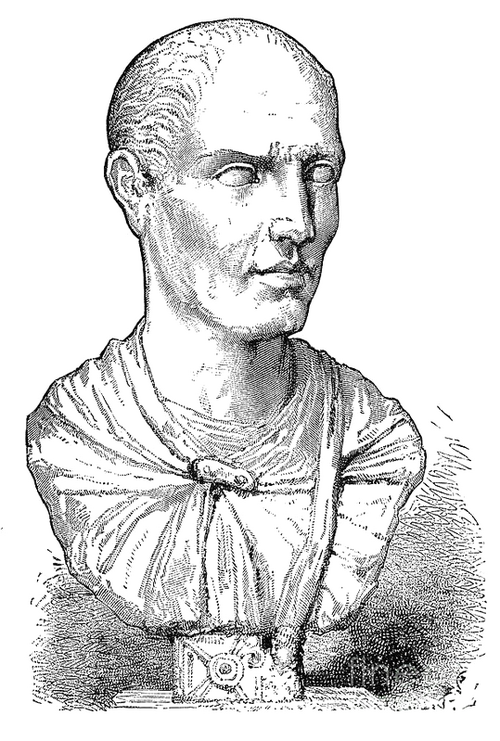
Proconsul
Propraetor
A propraetor was a form of promagistrate, as the name implies, acting in place of a praetor. Initially, praetors who were prorogued continued to act pro praetore after their terms, but through the second century, prorogued praetors started to be titled the more prestigious pro consule instead. After the time of Sulla, all governors were prorogued pro consule.[47] One of the few exceptions to this rule was a senatorial snub against Octavian in 43 BC when he was vested with imperium and prorogued pro praetore, putting him lower in status than all other promagistrates.[48]
إذا توفي حاكم أثناء توليه منصبه، كان من المعتاد أن يتولى نائبه القيادة بصفة قائد بريتوري . كما أصبح من المعتاد أن يُطلق لقب قائد بريتوري على المندوبين خلال أواخر الجمهورية إذا كانوا يتمتعون بسلطة الإمبراطورية . على سبيل المثال، تلقى بومبي هؤلاء المندوبين خلال حملته ضد القراصنة بموجب قانون غابينيا . خلال العصر الإمبراطوري، كان يُطلق لقب قائد بريتوري على مندوبي الإمبراطور ، بما يتوافق مع ممارسات أواخر الجمهورية؛ وفي هذه الفترة، مُنح نواب ومندوبو المقاطعات العامة سلطة الإمبراطورية البريطانية ، وحصلوا بدورهم على لقب قائد بريتوري . [ 49 ]
بروكويستور
كان البروكويستور شخصًا يتولى المهام الإدارية التي يتولاها الكويستور عادةً . وكان هذا يتم عادةً في غياب الكويستور، غالبًا بسبب الوفاة أو الاستقالة. في مثل هذه الحالات، كان الحاكم يُعيّن عادةً أحد موظفيه: على سبيل المثال، عيّن غنايوس كورنيليوس دولابيلا غايوس فيريس للعمل كبروف كويستور عام 80 قبل الميلاد. [ 50 ] في أوقات أخرى، كان يتم إرسال الكويستور السابقين أو الإبقاء عليهم كبروف كويستور للقيام بمهام كويستور شخص آخر. ولكن في حالات استثنائية، في حالة عدم وجود عدد كافٍ من الحكام أو لإنجاز مهمة محددة، كان يُمكن إرسال كويستور سابق كحاكم بلقب برو كويستور برو بريتوري . [ 51 ] على سبيل المثال، تم إرسال ماركوس بورسيوس كاتو إلى قبرص برو كويستور برو بريتوري للإشراف على ضم الجزيرة. [ 52 ]
المدعي العام
لا يرتبط لقب الوكيل بفترة فضّ البرلمان، ولا يُعدّ منصباً قضائياً. كان الوكلاء في الأصل وكلاءً للأثرياء، ثم للإمبراطور لاحقاً، وكانوا يتصرفون نيابةً عن رعاتهم فيما يتعلق بالشؤون المالية.
انظر أيضاً
- الامتياز الملكي ، وهو اشتقاق وتطور لاحق للمصطلح في العصور الوسطى كطريقة (طرق) للحكم
ملحوظات
- ↑ ما المقصود بالضبط بالضم الرسمي هو موضوع نقاش أكاديمي واسع.
- بعد انتهاء فترة ولايته كحاكم لإسبانيا في أواخر العقد الأول من القرن الأول قبل الميلاد، مُنح يوليوس قيصر ، على سبيل المثال،ميدالية نصر. إلا أن القانون كان يُلزمه بإعلان ترشحه شخصيًا داخل مقر الحكم. ولعدم تمكنه من الحصول على إذن من مجلس الشيوخ، ورفضه الانتظار لمدة عام، دخل مقر الحكم وتخلى عن منصبه.
- ↑ كانت هناك ست مقاطعات: صقلية، وسردينيا، وإسبانيا القريبة والبعيدة، ومقدونيا، وأفريقيا. ويحسب برينان أيضًا المحاكم الحضرية والمحاكم الجوالة كمقاطعات . [ 37 ]
مراجع
الاقتباسات
- 1 2 Pittenger 2009 ، ص. 77.
- 1 2 3 دروغولا 2015 ، ص 212.
- ↑ برينان 2001 ، ص 603، مشيرًا إلى أن "الرومان من الواضح أنهم لم يتوصلوا أبدًا إلى اتفاق بشأن الاعتراف بالسلطة القضائية كوظيفة فعلية" بعد توضيح أن لا ليفي ولا شيشرون يستخدمان ألقاب "القنصل" أو "الحاكم".
- ↑ دروغولا 2015 ، ص 213.
- ↑ دروغولا 2015 ، ص 214.
- ↑ دروغولا 2015 ، ص 127.
- ↑ دروغولا 2015 ، ص 377.
- ↑ دروغولا 2015 ، ص 291.
- ↑ دروغولا 2015 ، ص 215.
- 1 2 لينتوت 1999 ، ص. 114.
- ^ لينتوت 1993 ، ص 46-7.
- ↑ برينان 2001 ، ص 606.
- ↑ دروغولا 2007 ، ص 419.
- ↑ فيرسنيل 1970 ، ص 189. هذا النمط المنتصر واضح، على سبيل المثال، فيالأوامر الإقليمية والتمديدات في بلاد الغال سيسالبين خلال الجمهورية الوسطى.
- ↑ دروغولا 2015 ، ص 27.
- ↑ ديفلين، روبرت (1975). "تمديد الإمبراطورية قبل حرب حنبعل" . لاتوموس . 34 (3): 716-722 . ISSN 0023-8856 . JSTOR 41533367 . انظر ليفي 3.4.10.
- ↑ لينتوت 1999 ، ص 113.
- ↑ دروغولا 2015 ، ص 210.
- ↑ دروغولا 2015 ، ص 211 ؛ ليفي 8.23.11-12. ربما كان هذا القرار مدفوعًا أيضًا بالتأخير الكبير في الانتخابات القنصلية في ذلك العام.
- ↑ دروغولا 2015 ، ص 211.
- ↑ برينان 2001 ، ص 602.
- 1 2 كورنيل 1989 ، ص 378.
- ↑ ميلار، فيرغوس (1984). " الطابع السياسي للجمهورية الرومانية الكلاسيكية، 200-151 قبل الميلاد" . مجلة الدراسات الرومانية . 74 : 1-19 . doi : 10.2307/299003 . ISSN 1753-528X . JSTOR 299003. S2CID 155069351. وقد تجلى
الطابع العسكري
الروماني
باستمرار في شمال إيطاليا وإسبانيا، وفي فترات مختلفة في اليونان ومقدونيا (200-194، 191-187، 171-168)، ولمدة ثلاث سنوات في آسيا الصغرى (190-188).
- ↑ برينان 2001 ، ص 38-43.
- ↑ دروغولا 2015 ، ص 220.
- ↑ دروغولا 2015 ، ص 225.
- 1 2 3 دروغولا 2015 ، ص. 221.
- ↑ دروغولا 2015 ، ص 222.
- 1 2 دروغولا 2015 ، ص. 223.
- ↑ Gruen 1986 ، ص 215.
- ^ دروجولا 2015 ، ص 225–8.
- ↑ دروغولا 2015 ، ص 228. بخصوص الوضع: "يمكن للمرء أن يتخيل أنه حتى البريتورات الذين حُرموا من النصر ربما يكونون قد قضوا بعض الوقت خارج البوميريوم مبتهجين بعظمتهم الخاصة ... مزينين بفخامة القنصلية".
- ↑ دروغولا 2015 ، ص 307.
- 1 2 برينان 2001 ، ص. 603.
- 1 2 دروغولا 2015 ، ص. 255.
- ↑ برينان، تي كوري (23-06-2014). "السلطة والإجراءات في ظل "الدستور" الجمهوري"في: فلاور، هارييت آي. (محررة). دليل كامبريدج للجمهورية الرومانية . مطبعة جامعة كامبريدج. ص 34. ISBN 978-1-107-03224-8.
- ↑ دروغولا 2015 ، ص 237.
- ↑ برينان 2001 ، ص. 626-7.
- ↑ برينان 2001 ، ص 627-28.
- ↑ برينان 2001 ، ص 628.
- ↑ برينان 2001 ، ص 583، 629.
- ↑ دروغولا 2015 ، ص 306.
- ^ دروجولا 2015 ، ص 307 ، 306.
- ^ دروجولا 2015 ، ص 306–7.
- ^ دروجولا 2015 ، ص 307-8.
- ↑ بروتون 1952 ، ص 580.
- ↑ باديان ولينتوت 2016. "بعد سولا، يبدو أن جميع المحافظين قد تم تصنيفهم على أنهم مؤيدون للقنصل ".
- ↑Drogula 2015, p. 341.
- ↑Kierdorf 2006b.
- ↑Kierdorf 2006c, citing Cic. Verr., 2.1.41.
- ↑Kierdorf 2006c, citing Cic. Fam. 5.6 (Publius Sestius), 2.18 (Lucius Antonius), 12.15.
- ↑Drogula, Fred K (2019). Cato the Younger: life and death at the end of the Roman republic. New York: Oxford University Press. p. 158. ISBN 978-0190869021. OCLC 1090168108.
Sources
- Badian, Ernst; Lintott, Andrew (2016). "pro consule, pro praetore". Oxford Classical Dictionary. Oxford University Press. doi:10.1093/acrefore/9780199381135.013.5337. ISBN 978-0-19-938113-5.
- Brennan, T Corey (2001). The praetorship in the Roman republic. Oxford University Press. ISBN 978-0-19-511460-7.
- Broughton, Thomas Robert Shannon (1952). The magistrates of the Roman republic. Vol. 2. New York: American Philological Association.
- Cornell, Tim (1989). "The conquest of Italy". The rise of Rome to 220 BC. Cambridge Ancient History. Vol. 7 Pt. 2. Cambridge University Press. pp. 351–419. ISBN 978-0-521-23446-7.
- Drogula, Fred K (2007). "Imperium, potestas, and the pomerium in the Roman republic". Historia: Zeitschrift für Alte Geschichte. 56 (4): 419–452. doi:10.25162/historia-2007-0027. ISSN 0018-2311. JSTOR 25598407. S2CID 159843089.
- Drogula, Fred K (2015). Commanders and command in the Roman republic and early empire. University of North Carolina Press. ISBN 978-1-4696-2127-2.
- Gruen, Erich S (1986-09-25). The hellenistic world and the coming of Rome. University of California Press. ISBN 978-0-520-05737-1.
- Cancik, Hubert; et al., eds. (2006). New Pauly Online. Brill.
- Kierdorf, Wilhelm (2006b). "Propraetor". In New Pauly (2006).
- Kierdorf, Wilhelm (2006c). "Proquaestor". In New Pauly (2006).
- Lintott, Andrew (1993). Imperium romanum: politics and administration. Routledge. ISBN 978-0-415-09375-0.
- لينتوت، أندرو (1999). دستور الجمهورية الرومانية . مطبعة جامعة أكسفورد. ISBN 978-0-19-158467-1.
- بيتنجر، ميريام ر. بيليكان (10 فبراير 2009). انتصارات متنازع عليها: السياسة، والاحتفالات، والأداء في روما الجمهورية في عهد ليفي . مطبعة جامعة كاليفورنيا. ISBN 978-0-520-94277-6.
- فيرسنيل، إتش إس (1970). النصر: بحث في أصل وتطور ومعنى النصر الروماني . بريل.
- الحكومة الرومانية القديمة
- ألقاب رومانية قديمة