
جورج كايزر
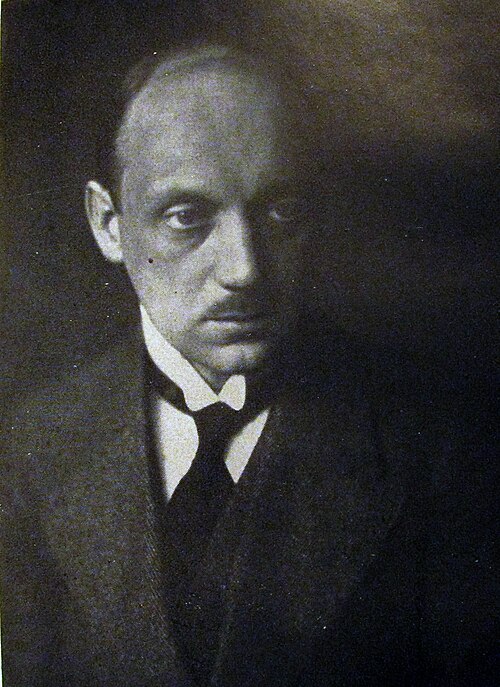
فريدريش كارل جورج كايزر ، الملقب بجورج كايزر ، (25 نوفمبر 1878 - 4 يونيو 1945) كان كاتبًا مسرحيًا ألمانيًا .
سيرة
ولد كايزر في ماغديبورغ .
كان غزير الإنتاج للغاية، وكتب بأساليب متنوعة. وبصفته كاتبًا مسرحيًا تعبيريًا ، كان، إلى جانب غيرهارت هاوبتمان ، الكاتب المسرحي الأكثر عرضًا لأعماله في جمهورية فايمار . [ 1 ] تشمل مسرحيات جورج كايزر " مواطنو كاليه " (1913)، و" من الصباح إلى منتصف الليل" (1912)، وثلاثية تتألف من "المرجان" (1917)، و "غاز" (1918)، و "غاز 2" (1920).
عمل
لم تُعرض مسرحية "مواطنو كاليه " ( Die Bürger von Calais )، التي كُتبت عام ١٩١٣، حتى عام ١٩١٧. وكانت أول نجاح لكايزر. [ ١ ] تتميز المسرحية بكثافة لغوية عالية، إذ يتألف حوارها من العديد من المونولوجات العاطفية المتأثرة بأسلوب التلغراف الشعري لأوغست شترايم . ومثل أعمال كايزر الأخرى في تلك الفترة، تحمل المسرحية بصمة فلسفة فريدريك نيتشه ، داعيةً الفرد الحديث إلى تجاوز الرتابة من خلال أفعال استثنائية؛ وأصبح مفهوم "الإنسان الجديد" التعبيري سمةً بارزةً في هذا النوع الأدبي.
مسرحية "من الصباح إلى منتصف الليل "، التي أخرجها كارلهاينز مارتن عام 1920، كُتبت عام 1912 وعُرضت لأول مرة عام 1917. تُعدّ هذه المسرحية من أكثر أعمال المسرح التعبيري الألماني عرضًا، وتدور أحداثها حول أمين صندوق (يؤدي دوره إرنست دويتش في فيلم مارتن) في بنك صغير في مدينة فايمار (W. ) ، حيث يُدرك قوة المال بعد زيارة سيدة إيطالية ثرية. يختلس أمين الصندوق 60 ألف مارك ألماني ويهرب إلى برلين ( B. )، حيث يسعى إلى إيجاد تجارب روحية سامية في الرياضة والرومانسية والدين، لكنه يُصاب بالإحباط في نهاية المطاف.
كثيراً ما دعت مسرحيات كايزر التعبيرية الكلاسيكية، التي كُتبت قبيل وأثناء الحرب العالمية الأولى ، إلى قطيعة حاسمة بين الإنسان والماضي، لتجديد المجتمع المعاصر. وقد تجنب كايزر رسم الشخصيات، ولا سيما علم نفس الشخصيات، وجعل أبطاله وشخصياته الأخرى نماذج أصلية ، مستخدماً حواراً غير واقعي للغاية، غالباً ما يتألف من خطابات فردية مطولة.
Kaiser's drama Side by Side (Nebeneinander, 1923), a 'people's play' (Volksstück), premiered in Berlin on 3 November 1923, directed by Berthold Viertel with design by George Grosz. With this play Kaiser moved away from the Expressionism of his previous works. Utilizing a more rounded characterization and more realistic curt, comic dialogue to tell a light-hearted story of an idealistic pawnbroker caught up in the hyperinflation afflicting Germany at the time (the currency stabilization came a fortnight after the play opened), the play inaugurated the 'new sobriety' (Neue Sachlichkeit) in the drama. "Kaiser has left the cloud that used to surround him," a review in the Weltbühne suggested, "and landed with both feet on the earth."[2][1]
Kaiser's plays, particularly From Morning to Midnight, were highly influential on the German dramatists operating during the 1920s, including Yvan Goll, Ernst Toller and Bertolt Brecht, who drew on Kaiser's use of revue-type scenes and parable, which was influenced by medieval and 16th-century German mystery plays.
Kaiser collaborated with the composer Kurt Weill on his one-act operas Der Protagonist (1926), Der Zar lässt sich photographieren (1928), and Der Silbersee (1933).
In his later years, he further developed his criticism of the modern machine age that had characterised the Gas trilogy. Imprisoned briefly in 1923 for stealing a loaf of bread during the hyper-inflationary crisis, Kaiser fled to Switzerland when the Nazis came to power in the 1930s (Kaiser went into exile in 1938). There he turned to writing verse dramas on mythological themes, including Pygmalion, Amphitryon, and Bellerophon, and a pacifist drama, The Soldier Tanaka (1940).
The Raft of the Medusa (1945) is a play written in verse that reverses the ethos of The Burghers of Calais in a more pessimistic direction; to avoid bad luck, thirteen children on a life-raft drown the youngest of them.[1] (See the frigate Méduse for the historical shipwreck and The Raft of the Medusa for its famous depiction in art.)
Plays
- 1912: فون مورغنز بيس ميترناختس ( من الصباح إلى منتصف الليل ، مكتوب؛ تم أداؤه لأول مرة عام 1917)
- 1914: Die Bürger von Calais ( سكان كاليه )
- 1917: دي كورال
- 1918: الغاز الأول
- 1920: غاز 2
- 1923: جيل ويوهانا
- 1928: أكتوبرتاغ
- 1938: دي جارتنر فون تولوز
- 1940: آلان وإليز [ 3 ]
مختارات من أعمالي السينمائية
الأفلام المقتبسة
- من الصباح إلى منتصف الليل (إخراج كارلهاينز مارتن ، 1920) – مقتبس عن مسرحية من الصباح إلى منتصف الليل
- تضحية المرأة (دير. كارل غروني ، 1922) - بناءً على مسرحية Das Frauenopfer
- المزارع من تكساس (إخراج جو ماي ، 1925) – مقتبس عن مسرحية كولبورتاج
- يا هلا! أنا أعيش! (دير. فيلهلم ثيل ، 1928) - استنادًا إلى مسرحية Der mutige Seefahrer
- زوي كرواتن (دير. فيليكس باش ، 1930) - بناءً على مسرحية زوي كرواتن
- الملاح الشجاع (إخراج هانز ديب ، 1935) - مقتبس من مسرحية Der mutige Seefahrer
- الشبح يعود إلى المنزل (إخراج فيلهلم ثيل ، الولايات المتحدة الأمريكية، 1940) - استنادًا إلى مسرحية Der mutige Seefahrer
- Die Frau am Weg (إخراج إدوارد فون بورسودي ، 1948) - استنادًا إلى قصة Der Flüchtling
- كولبورتاج (إخراج هانز ليتزو ، 1957، فيلم تلفزيوني) - مقتبس من مسرحية كولبورتاج
- نابليون في نيو أورليانز (إخراج إيمو موسكوفيتش ، 1959، فيلم تلفزيوني) – مقتبس من مسرحية نابليون في نيو أورليانز
- Papiermühle (إخراج هانز ديتر شوارتز ، 1962، فيلم تلفزيوني) - استنادًا إلى مسرحية Papiermühle
- كولبورتاج (إخراج هانز جاراي ، إريك نيوبيرج ، 1964، فيلم تلفزيوني) - استنادًا إلى مسرحية كولبورتاج
- دير جارتنر فون تولوز (من إخراج فالك هارناك ، 1965، فيلم تلفزيوني) - مقتبس من مسرحية دير جارتنر فون تولوز
- كولبورتاج (إخراج فيلهلم سيملروث ، 1968، فيلم تلفزيوني) – مقتبس من مسرحية كولبورتاج
- كولبورتاج (إخراج بيتر ويك ، 1980، فيلم تلفزيوني) - مقتبس من مسرحية كولبورتاج
كاتب السيناريو
- الفنانون المتفانون (إخراج إريك لوند ، 1919)
- الأمير كوكو (دير. بول ليني ، 1919) - استنادًا إلى رواية برينز كوكو التي كتبها أوتو يوليوس بيرباوم
- الكذبة الذهبية (إخراج إريك لوند، 1919)
- حياة ألفريد فون إنجلهايم الدرامية (إخراج إريك لوند، 1921) - استنادًا إلى رواية ألفريد فون إنجلهايم Lebensdrama بقلم هانز لاند
- مؤامرة جنوة (إخراج بول ليني، 1921) – مقتبس عن مسرحية فيسكو لفريدريش شيلر
ملحوظات
- 1 2 3 4 بانهام 1995 .
- ↑ ويلت 1996 ، ص 85.
- ↑ "جورج كايزر: كاتب مسرحي ألماني" . britannica.com . موسوعة بريتانيكا . تم الاطلاع عليه بتاريخ 22 سبتمبر 2016 .
مصادر
- بانهام ، مارتن، محرر. (1995). "القيصر، جورج". دليل كامبريدج للمسرح . كامبريدج: مطبعة جامعة كامبريدج. ص 585. ISBN 978-0-521-43437-9– عبر أرشيف الإنترنت .
- ويلت، جون (1996) [1978]. الفن والسياسة في فترة فايمار: الرصانة الجديدة 1917-1933 . نيويورك: دار دا كابو للنشر. ISBN 978-0-306-80724-4.
للمزيد من القراءة
- فرانك كراوس (محرر). (2015). جورج كايزر والحداثة . غوتنغن: دار نشر V&R unipress. ISBN 3-89971-245-5
روابط خارجية
 الوسائط المتعلقة بجورج كايزر على ويكيميديا كومنز
- جورج كايزر في قاعدة بيانات برودواي على الإنترنت
- جورج كايزر على موقع IMDb
- مواليد عام 1878
- 1945 حالة وفاة
- كتاب من ماغديبورغ
- سكان مقاطعة ساكسونيا
- كتّاب نصوص الأوبرا الألمان
- كتّاب المسرحيات والمسرحيات التعبيرية الألمانية
- المسرح الحداثي
- كتّاب المسرحيات والدراما الألمان في القرن العشرين
- كتّاب مسرحيون وكتاب مسرحيات ألمان من الذكور
- شعراء اللغة الألمانية
- شعراء ألمان ذكور
- كتاب ألمان ذكور من القرن العشرين