
التجديف الخلفي
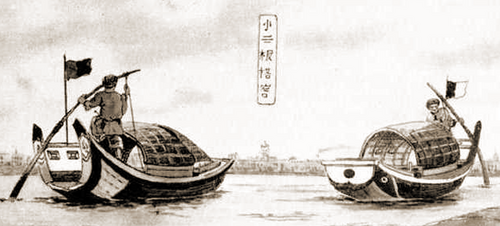
التجديف الخلفي هو استخدام مجداف واحد فوق مؤخرة القارب لدفعه بحركات جانبية تُولّد قوة رفع أمامية في الماء. [ 1 ] المصطلحات الدقيقة للدفع بالمجداف معقدة ومتناقضة، وتختلف باختلاف السياق. قد يُشار إلى التجديف الخلفي ببساطة باسم "التجديف"، وهو الأكثر شيوعًا في السياقات البحرية. في المياه العذبة، وخاصة في التجديف الرياضي، يكون التجديف باستخدام مجدافين على جانبي القارب من قِبل كل شخص، على عكس التجديف الجماعي ، حيث يستخدم كل فرد من طاقم القارب مجدافًا واحدًا، يُكمله فرد آخر يعمل على الجانب المقابل بمجدافه. [ 2 ] [ 3 ] [ 4 ] : 135 [ 5 ]
ملخص
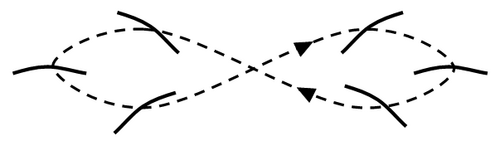
التجديف الخلفي هو عملية دفع قارب مائي بتحريك مجداف واحد مثبت في مؤخرة القارب من جانب إلى آخر مع تغيير زاوية النصل لتوليد قوة دفع أمامية في كلتا الضربتين. هذه التقنية قديمة جدًا وأصلها غير مؤكد، على الرغم من أنه يُعتقد أنها تطورت بشكل مستقل في مواقع وأزمنة مختلفة. من المعروف أنها استُخدمت في الصين القديمة، [ 6 ] وفي البحيرات العظمى في أمريكا الشمالية من قبل سكان أمريكا قبل وصول كولومبوس .
In stern sculling, the oar pivots on the boat's stern, and the inboard end is pushed to one side with the blade turned so that it generates forward thrust; it is then twisted so that when pulled back on the return stroke, the blade also produces forward thrust. Backward thrust can also be generated by twisting the oar in the other direction and rowing. Steering, as in moving coxless sculling shells in crew, is accomplished by directing the thrust. The oar normally pivots in a simple notch cut into—or rowlock mounted on— the stern of the boat, and the sculler must angle the blade, by twisting the inboard end of the oar, to generate the thrust that not only pushes the boat forward but also holds the oar in its pivot. Specifically, the operation of the single sculling (oar) is unique as turning the blade of the oar in figure 8 motions operates them. It is not hoisted in and out of the water like any other traditional oars. The objective is to minimize the movement of the operator's hands, and the side-to-side movement of the boat, so the boat moves through the water slowly and steadily. This minimal rotation keeps the water moving over the top of the blade and results in forces that transfer to the multi directional row-lock, or pivoting mount, on the side of the hull thus pushing the boat forward. Steering the boat is a matter of rotating the oar to produce more thrust on a push or pull of the oar, depending upon which way the operator wants to go.[7]
China
The Chineseyuloh[8] (Chinese:摇橹; pinyin:yáolǔ; Jyutping:jiu4lou5) is a large, heavy sculling oar with a socket on the underside of its shaft which fits over a stern-mounted pin, creating a pivot which allows the oar to swivel and rock from side to side. The weight of the oar, often supplemented by a rope lashing, holds the oar in place on the pivot. The weight of the outboard portion of the oar is counterbalanced by a rope running from the underside of the handle to the deck of the boat. The sculler mainly moves the oar by pushing and pulling on this rope, which causes the oar to rock on its pivot, automatically angling the blade to create forward thrust. This system allows multiple rowers to operate one oar, allowing large, heavy boats to be rowed if necessary.[9]
In crew
Single-oar sculling can occur in competitive rowing when a sweep boat is locked-on at the starting line of a race and the coxswain needs to adjust the direction the boat is pointed in. In order to accomplish this without pulling the boat away from the starting line, the coxswain will command a rower in the bow half of the boat to "scull" the blade of the rower in the seat behind them. By maneuvering the boat in this manner, the coxswain will be able to adjust the point of the boat without disconnecting from the starting line.[10]
Modern use
Modern sculling vessels come in many shapes and sizes and range from being traditional cargo barges and fishing boats to being basic or fun modes of transportation. Either way, they are typically most identifiable by their often side-mounted, unidirectional oar-locks and oars, which allow the operator, ideally, to use one hand to operate the boat. One of the greater attractions to these vessels is that they are easy and inexpensive to operate.[11] The typical modern barge-shaped and "flats"-style boats are still made from materials ranging from a variety of wood products, fibreglass, reinforced concrete, or metals.[12] Some are simply converted old motor boats. The traditional advantages of the smaller sculling craft as a hunting boat are that the operator can quietly sneak up upon fish and fowl without splashing or otherwise disturbing the still calm of the water. New commercially available single sculling hunting boats use very light materials and slick shapes for greater speeds and responsiveness.[13] Notably, the oars of the more modern single sculling vessels are now more typically mounted to pivot off one side of the boat. The operator can face either forward or aft.
See also
References
- ↑Mcgrail, Sean (11 June 2014). Ancient Boats in North-West Europe: The Archaeology of Water Transport to AD 1500. Routledge. ISBN 978-1-317-88238-1.
- ↑Woodgate, Walter Bradford (1874). Oars and Sculls. J. Watson.
- ↑Stevens, Arthur Wesselhoeft (1906). Practical Rowing with Scull and Sweep. New York: Little, Brown, & Co. p. 90.
- ↑McKee, Eric (1983). Working Boats of Britain, Their Shape and Purpose (1997 ed.). London: Conway Maritime Press. ISBN 0-85177-277-3.
- ↑ ماكغريل، شون؛ فاريل، أنتوني (مايو 1979). "التجديف: جوانب من الأدلة الإثنوغرافية والأيقونية". المجلة الدولية لعلم الآثار البحرية . 8 (2): 155-166 . Bibcode : 1979IJNAr...8..155M . doi : 10.1111/j.1095-9270.1979.tb01111.x .
- ↑ "العلم والحضارة المختصرة في الصين" بقلم جوزيف نيدهام وكولين أ. رونان، مطبعة جامعة كامبريدج، 1978، رقم ISBN 0-521-31560-3، ISBN 978-0-521-31560-9
- ↑ ميكينز، بن (14 أبريل 2015). "التجديف فوق المؤخرة" . مالك القارب العملي . تم الاسترجاع في 9 فبراير 2022 .
- ↑ "Cranks with Planks" . Freepages.genealogy.rootsweb.ancestry.com . تم الاطلاع عليه بتاريخ 30 يوليو 2016 .
- ↑ نيدهام، جوزيف؛ غوي-دجين، لو (1971). العلم والحضارة في الصين: المجلد 4، الفيزياء والتكنولوجيا الفيزيائية، الجزء 3، الهندسة المدنية والملاحة البحرية . مطبعة جامعة كامبريدج. ص 622. ISBN 978-0-521-07060-7.
- ↑ التجديف حولها
- ↑ "كيفية التجديف" . Jesterinfo.org . تم الاطلاع عليه بتاريخ 30 يوليو 2016 .
- ↑ مخططات مجداف التجديف الخشبي
- ↑ تشاد دولبير (22 فبراير 1999). "قوارب التجديف: صيد الطيور المائية بالتخفي" . لايف آوت دورز . تم الاطلاع عليه في 30 يوليو 2016 .
روابط خارجية
- "كيفية التجديف بالقارب" (مقال جيد يتضمن العديد من الرسوم التوضيحية).
- "التجديف 101" (معلومات هامة حول التجديف التنافسي)
- تجديف