
رسوم متحركة بتقنية فلاش
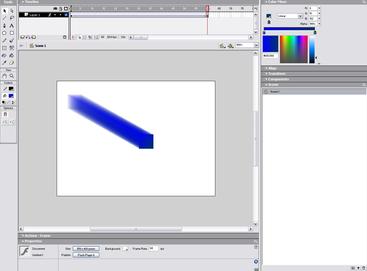
رسوم أدوبي فلاش المتحركة (المعروفة سابقًا باسم رسوم ماكروميديا فلاش المتحركة ورسوم فيوتشر سبلاش المتحركة ) هي رسوم متحركة تُنشأ باستخدام منصة أدوبي أنيميت (المعروفة سابقًا باسم فلاش بروفيشنال [ 1 ] ) أو برامج رسوم متحركة مشابهة، وغالبًا ما تُوزع بصيغة ملف SWF . يشير مصطلح رسوم أدوبي فلاش المتحركة إلى كلٍ من صيغة الملف والوسيط المستخدم في إنتاج الرسوم المتحركة. وقد حظيت هذه الرسوم بشعبية واسعة منذ منتصف العقد الأول من الألفية الثانية، حيث تم إنتاج العديد من المسلسلات التلفزيونية والإعلانات التجارية والأفلام القصيرة الحائزة على جوائز على الإنترنت باستخدامها.
في أواخر التسعينيات، عندما كانت سرعة الإنترنت لا تزال 56 كيلوبت/ثانية لمعظم المستخدمين، لجأ العديد من فناني الرسوم المتحركة في برنامج أدوبي فلاش إلى استخدام الرسوم المتحركة المحدودة أو الرسوم المتحركة المقطوعة عند إنشاء مشاريع مخصصة للتوزيع عبر الإنترنت. وقد مكّن هذا الفنانين من إصدار أفلام قصيرة وتجارب تفاعلية بحجم أقل من 1 ميجابايت، والتي كانت قادرة على بث كل من الصوت والرسوم المتحركة عالية الجودة.
يُمكن لبرنامج أدوبي فلاش دمج الصور النقطية وغيرها من الرسومات القائمة على الصور النقطية، بالإضافة إلى الفيديو، مع أن معظم أفلام أدوبي فلاش تُصنع باستخدام رسومات متجهة فقط ، مما ينتج عنه غالبًا مظهر رسومي نظيف إلى حد ما. من أبرز سمات الرسوم المتحركة الرديئة في أدوبي فلاش: الحركات الطبيعية المتقطعة (كما هو الحال في دورات المشي والإيماءات)، وحركات الشخصيات المُحاكاة تلقائيًا، وعدم تزامن حركة الشفاه مع الصورة ، والتغييرات المفاجئة من العرض الأمامي إلى العرض الجانبي.
تُوزَّع رسوم أدوبي فلاش المتحركة عادةً عبر شبكة الإنترنت العالمية ، وفي هذه الحالة يُشار إليها غالبًا باسم رسوم الإنترنت المتحركة . قد تكون رسوم أدوبي فلاش المتحركة تفاعلية ، وغالبًا ما تُنتَج في سلسلة . وتختلف رسوم أدوبي فلاش المتحركة عن القصص المصورة على الإنترنت ، وهي عبارة عن شريط قصصي يُوزَّع عبر الإنترنت، وليست رسومًا متحركة .
تاريخ
The first prominent use of the Adobe Flash animation format was by The Ren & Stimpy Show creator John Kricfalusi. On October 15, 1997, he launched The Goddamn George Liquor Program, the first cartoon series produced specifically for the Internet.[2] The series starred George Liquor (a fictional character rumored to have ended Kricfalusi's employment on Ren & Stimpy) and his dim-witted nephew Jimmy The Idiot Boy. Later, Kricfalusi produced more animated projects with Adobe Flash Professional, including several online shorts for Icebox.com, television commercials, and a music video. Soon after that, web cartoons began appearing on the Internet with more regularity.
On February 26, 1999, in a major milestone for Adobe Flash animation, the popular web series WhirlGirl became the first regularly scheduled Adobe Flash animated web series when it premiered on the premium cable channel Showtime in an unprecedented telecast and simultaneous release on the Showtime website.[3][4] Created by David B. Williams and produced by Visionary Media, the studio he founded, WhirlGirl follows the adventures of a young super-heroine fighting for freedom in a future ruled by an all-powerful "mediatech empire". The series originally launched in the spring of 1997 as a web comic with limited animation and sound.[5] After gaining online syndication partners including Lycos and WebTV, the series first adopted Adobe Flash animation in July 1998.[6] Following her Showtime debut, the titular heroine appeared in over 50 Adobe Flash webisodes on the Showtime website[7] and starred in a million-dollar multimedia Showtime marketing campaign.[8]
About the same time, Joe Cartoon launched the interactive animation "Frog in a Blender" to become one of the first true "viral hits" on the Internet.[9]
The Von Ghouls went live in November 1999, featuring the first music group with cartoon episodes online including original songs, in the vein of Saturday morning cartoons of the 1970s. A number of popular portal sites featured Adobe Flash animation during the dot-com boom of the late 1990s, including MondoMedia, Icebox, CampChaos, MediaTrip, Bogbeast and AtomFilms. Stan Lee, the late founder of Marvel Comics, launched an animated comics site.
The Internet also saw the proliferation of many websites devoted entirely to Flash cartoons. Some of the shows from that period made the transition to traditional media, including Queer Duck, Gary the Rat, Happy Tree Friends, and the politically-minded JibJab shorts. Occasionally, the trend has been reversed: after being canceled from both ABC and Fox, Atom Films and Flinch Studio created net-only episodes of The Critic in 2000–2001. In another instance, Adobe Flash almost made the transition to the big screen. In 2001, production began on what would have been the first Adobe Flash-animated feature film, the ill-fated Lil' Pimp, which also began life as an Internet series. As potentially controversial as its subject matter was, it had a relatively large budget, a number of well-known actors (including William Shatner, the late Bernie Mac, and Lil' Kim), a full crew, and a running time of nearly 80 minutes. Although Sony Pictures decided not to release the film, it was eventually released on DVD by Lionsgate.
In 2000, another major milestone occurred in the world of animation when the first broadcast-quality Adobe Flash animation aired on television. Dice Raw's music video "Thin Line between Raw and Jiggy" appeared on the big screen at Resfest 2000, on television via BET, and the Web on sites such as Sputnik7.com, Shockwave.com, Heavy.com and was also included with the CD. Its creation became one of media history's first convergent entertainment productions.[10] Todd Wahnish, who would later go on to create Marvel Entertainment's "All Winners Squad", pioneered the early conversion of traditional hand-drawn techniques into vector-based animation seen in the video. The video triggered a flood of Adobe Flash-based television animation.
Several recording companies experimented with releasing animated music videos to promote their artists' releases online, including Madonna, Beastie Boys and Tenacious D; however, none became the hit that allowed for the expansion of Flash animated music videos. Adam Sandler and Tim Burton, among others, released original Internet-only animated works, but were not able to devise successful financial models and the trend dissipated, largely as a result of a lack of viable micropayment systems.
Several popular online series were produced in Adobe Flash Professional, such as the Emmy Award-winning Off-Mikes, produced by ESPN and Animax Entertainment; Gotham Girls and Lobo, produced by Warner Bros.; Crime Time, produced by Future Thought Productions and Homestar Runner produced by Mike and Matt Chapman.
Many animated television series were produced using Macromedia Flash, inspired by both the comparatively low cost of production and the unique arrays of new animation styles that can be achieved through the medium, including Metalocalypse, Being Ian, Foster's Home for Imaginary Friends, Kappa Mikey, Hi Hi Puffy AmiYumi, Happy Tree Friends, The Buzz on Maggie, Astroblast!, Odd Job Jack, Little Einsteins, Wow! Wow! Wubbzy!, The Powerpuff Girls, Total Drama, the BBC Three show Monkey Dust, the Channel Four show Modern Toss, the CBBC show The Secret Show, Yin Yang Yo!, Alejo & Valentina, Aaagh! It's the Mr. Hell Show, Jake and the Never Land Pirates, The Mr. Men Show, My Little Pony: Friendship Is Magic on The Hub[a] (however, this show uses a heavily modified version of Flash 8), Cinemax's Eli's Dirty Jokes, Queer Duck from Showtime, The Mr. Peabody and Sherman Show on Netflix, ToddWorld on Discovery Kids, Smiling Friends on Adult Swim and Shorties Watching Shorties on Comedy Central.
Other TV shows, such as Home Movies, Harvey Birdman, Attorney at Law and Ballmastrz: 9009, broadcast on Cartoon Network's Adult Swim programming block, switched to Adobe Flash Professional from other animation technology and on Disney XD with Kick Buttowski: Suburban Daredevil.
استجابت العديد من مهرجانات أفلام الرسوم المتحركة لشعبية برنامج أدوبي فلاش بإضافة فئات منفصلة في المسابقة لأفلام "الرسوم المتحركة على الإنترنت". بالإضافة إلى ذلك، تم إنشاء العديد من المسابقات الحصرية لأفلام أدوبي فلاش على الإنترنت . ويُتوقع أن تبقى فئة "الأفلام المصممة للإنترنت" فقط، حيث تُصنف المسابقات في مهرجانات أفلام الرسوم المتحركة عادةً وفقًا لطول الفيلم وقناة التوزيع، وليس وفقًا لتقنيات أو أدوات الرسوم المتحركة المستخدمة في إنتاجه.
أُعيد تسمية Adobe Flash Professional إلى Adobe Animate في عام 2016 ليعكس بدقة أكبر موقعه في السوق آنذاك، حيث أن أكثر من ثلث المحتوى المُنشأ في Animate يستخدم HTML5 ، ولتجنب الخلط بين Adobe Flash Professional و Adobe Flash Player كونهما منتجين مختلفين تمامًا. ستواصل Adobe دعم Adobe Animate حتى بعد انتهاء دعم Flash Player في عام 2020، وبالتالي ستبقى جميع الرسوم المتحركة المُنتجة في Animate متاحة بعد توقف Flash Player. التغيير الوحيد هو أنه بعد عام 2020، سيشارك رسامو الرسوم المتحركة أعمالهم بصيغة الفيديو أو HTML5 أو WebGL . في 16 يونيو 2020، وكجزء من مبادرة Adobe لتطوير هوية علامتها التجارية، كشفت Adobe Animate عن تصميم جديد كليًا لشعارها، حيث تم تغيير اللون الرئيسي من الأحمر إلى البنفسجي لأول مرة منذ ما يقرب من 20 عامًا، منهيةً بذلك أي ارتباط بـ Flash تمامًا.
توزيع
على الرغم من أن إنشاء الرسوم المتحركة باستخدام برنامج Adobe Animate أسهل وأقل تكلفة بكثير من تقنيات الرسوم المتحركة التقليدية، إلا أن الوقت والمال والمهارة اللازمة لإنتاج مشروع باستخدام هذا البرنامج تعتمد على المحتوى والأسلوب المختارين. ويُعدّ التوزيع عبر الإنترنت أسهل وأقل تكلفة بكثير من البث التلفزيوني. يتم إنشاء العديد من رسوم Adobe Flash المتحركة بواسطة فنانين مستقلين، وقد لاقت العديد من الرسوم التي نُشرت أولاً على الإنترنت رواجاً كافياً لبثها على التلفزيون، وخاصة على قنوات مثل MTV و G4 .
استوديوهات احترافية
يحظى إنتاج الرسوم المتحركة باستخدام برنامج أدوبي فلاش بشعبية كبيرة في استوديوهات الرسوم المتحركة الكبرى حول العالم، حيث يستفيد رسامو الرسوم المتحركة من قدرة البرنامج على تنظيم عدد كبير من العناصر (مثل الشخصيات والمشاهد والحركات والدعائم) لإعادة استخدامها لاحقًا. ولأن ملفات أدوبي أنيميت بصيغة ملفات متجهة ، يمكن استخدامها لنقل الرسوم المتحركة إلى فيلم 35 مم دون أي تأثير على جودة الصورة. في عام 2003، استخدمت شركة بيج آيديا إنترتينمنت برنامج أنيميت (الذي كان يُسمى آنذاك فلاش) لإنتاج فيلم لاري بوي: مغامرات الرسوم المتحركة . ويستخدم هذه الميزة العديد من رسامي الرسوم المتحركة المستقلين حول العالم، بمن فيهم فيل نيبلينك ، الذي عُرض فيلمه الروائي الطويل " روميو وجولييت: مختوم بقبلة" الذي تبلغ مدته 77 دقيقة في دور السينما عام 2006، ونينا بالي ، التي أصدرت فيلم "سيتا تغني البلوز" عام 2008. وفي فيلم ديزني لاند "50 عامًا سحرية" الذي يضم ستيف مارتن في دور العرض وهو يتفاعل مع دونالد داك، تم تنظيف الرسوم المتحركة المرسومة يدويًا لدونالد داك وتلوينها باستخدام برنامج فلاش. فيلم "مرسومون معًا: الفيلم!" ، وهو فيلم قصير من سلسلة الرسوم المتحركة Drawn Together ، تم إنتاجه بواسطة Comedy Central وتم إصداره في أبريل 2010، وقد تخلى عن الرسوم المتحركة التقليدية للسلسلة واستخدم الرسوم المتحركة بتقنية Flash بدلاً من ذلك.
إنشاء رسوم متحركة بتقنية فلاش باستخدام برامج أخرى
تتوفر العديد من حزم البرامج الأخرى التي تُتيح إنشاء مخرجات بصيغة .swf. [ 11 ] من بينها Vyond (2007-2019)، و Toon Boom ، وXara Photo & Graphic Designer ، و Serif DrawPlus ، وToufee، وExpress Animator، وCelAction 2D، و Moho . غالبًا ما تُوفر هذه الواجهات الأمامية دعمًا إضافيًا لإنشاء الرسوم المتحركة، لا سيما مع أدوات مُصممة خصيصًا للمُحركين ذوي التدريب التقليدي، بالإضافة إلى إمكانية إضافة هياكل إضافية للشخصيات، مما يُسرّع عملية تحريكها بشكل ملحوظ.
انظر أيضاً
ملحوظات
- ↑ تمت إعادة تسميتها إلى Hub Network في عام 2013، ثم إلى Discovery Family اعتبارًا من 13 أكتوبر 2014 فصاعدًا.
مراجع
- ↑ احترافي، فلاش. "أدوبي فلاش الاحترافي" . أدوبي . تم الاطلاع عليه بتاريخ 24 يونيو 2019 .
- ↑ سيمبسون 2007 .
- ↑ في منتصف عام 1999 .
- ↑ داناشر 2000 .
- ↑ براندويك - 15/3/1999
- ↑ أدويك - 13/7/1998
- ↑ البث الإذاعي والتلفزيوني - 3/9/2000
- ↑ شبكة عالم الرسوم المتحركة - 8/8/1999، مؤرشفة في 30 أبريل 2009، على موقع Wayback Machine
- ↑ "حوار مع رسام الرسوم المتحركة الأسطوري 'جو كارتون' حول الحياة والموسيقى والضفادع في الخلاطات" . هاف بوست . 7 يناير 2015. تم الاطلاع عليه في 9 مايو 2024 .
- ↑ "جائزة آرس إلكترونيكا - 2001" . مؤرشف من الأصل في 1 مايو 2014. تم الاطلاع عليه في 20 أغسطس 2012 .
- ↑ كاريرا 2011 ، ص 17.
مصادر أخرى
- وسط، وسط (3 فبراير 1999) ."ويرل غيرل" مسلسل رسوم متحركة جديد على الإنترنت . شبكة عالم الرسوم المتحركة . تم الاطلاع عليه بتاريخ 15 أبريل 2016 .
- كاريرا، فيليب (2011). الرسوم المتحركة باستخدام أدوبي فلاش: سرد القصص الإبداعي للويب والتلفزيون . جونز آند بارليت ليرنينج ذ.م.م. رقم ISBN 978-0-7637-8415-7.
- داناشر، لي (1 يناير 2000). "إرواء عطش الألفية الجديدة للرسوم المتحركة" . شبكة عالم الرسوم المتحركة . تم الاطلاع عليه في 15 أبريل 2016 .
- سيمبسون، آرون (23 أبريل 2007). "دليل جون ك للنجاة من نهاية التلفزيون" . كولد هارد فلاش . تم الاطلاع عليه في 23 أبريل 2007 .
روابط خارجية
- أدوبي فلاش
- تقنيات الرسوم المتحركة
- رسوم متحركة فلاش
- ثقافة الإنترنت
- الرسوم المتحركة على الويب