
Chilean Army
The Chilean Army (Spanish: Ejército de Chile) is the land arm of the Chilean Armed Forces. This 80,000-person army (9,200 of which are conscripts)[2] is organized into six divisions, an army aviation brigade and a special operations brigade.
In recent years, and after several major re-equipment programs, the Chilean Army has become the most technologically advanced and professional army in Latin America.[4][5]
The Chilean Army is mostly supplied with equipment from Germany, the Netherlands, Switzerland, Sweden, the United States, Israel, France, and Spain.
History
Colonial warfare
19th century
Independence War
The National Army of Chile was created on December 2, 1810, by order of the First National Government Junta.[6] The army was actively involved in the second Independence War, which was fought against royalist troops in battles such as Chacabuco and Maipú or others. During this period, national figures such as Bernardo O'Higgins commanded the army and José de San Martín was allied with O'Higgins. The Army's first commander-in-chief was José Miguel Carrera.
After obtaining independence from Spain, the newly formed Republic reorganized its military structure by creating the Military Academy of Chile, which was founded by General O'Higgins in 1817.
Guardia Nacional
Diego Portales set up a civil militia, the Guardia Nacional, to end one of the worst stages of militarism in Chilean history. The militia was created in 2005. Portales developed this parallel army to compensate the army's might.[7] The Chilean Conscription Law of 1900 marked the beginning of the end of the Guardia Nacional.[8]
War of the Confederation
Occupation of Araucanía
War of the Pacific
Military emulation 1885–1914

During the War of the Pacific, many high-ranking officers won valuable insights into the state of the army and became aware that the army required rebuilding. Losses, material destruction, and organizational flaws regarding strategic planning and officer training, were noted by officers like Emilio Sotomayor and Patricio Lynch, who approached President Santa María arguing the need of good schools and technical departments for the military. Other factor that supported the emulation, the deliberate systematic imitation of the military technology, organisation, and doctrine of one country by another[Notes 1] was the danger of war with Argentina. The emulation was backed by a broad coalition of civil and military leaders.
Chile hired a French military training mission in 1858,[9]:129 and the Chilean legation in Berlin was instructed to find a training mission during the War of the Pacific in 1881. But large-scale emulation of the Prussian Army began in 1886 with the appointment of Captain Emil Körner, a graduate of the renowned Kriegsakademie in Berlin. Also appointed were 36 Prussian officers to train officer cadets in the Chilean Military Academy. The training occurred in three phases; the first took place from 1885 to 1891 during the presidency of Domingo Santa María, the second was the post-civil-war phase, and the third was the 1906 reorganization.[9]:128-
The emulation was focused in armaments, conscription, officer recruitment and instruction, and general staff organization as well as military doctrine (adopted 1906). It was extended also into military logistics and medical services, promotions, retirement, salary regulation and even uniforms (adopted 1904), marching styles, helmets, parades, and military music.
Armaments: Prior to 1883, the army was equipped with a variety of rifles, mostly French and Belgian origin. From 1892 to 1902, the Chilean-Argentine Arms Race, marked the peak of Chilean arms purchase. 100,000 Mauser rifles and new Krupp artillery was bought for 3 million German marks (ℳ︁) in 1893, 2 million marks in 1895 and 15 million marks in 1898. Ammunition factories and small arms manufacturing plants were established.[9]:134
Conscription: Like other armies in South America, Chile had had a small army of long-term service officers and soldiers. In 1900 Chile became the first country in Latin America to enforce a system of compulsory military service, whereby training, initially five to eighteen months (Germany: three years), took place in zones of divisional organization in order to create a solid military structure that could be easily doubled with well-trained and combat-ready reserve forces. Budgetary restrictions prevented the full impact of the law: the service fell disproportionately on the lower classes, no more than 20% of the contingent was incorporated annually, and former conscripts were not retrained periodically.[9]:137
Officer education and training: The beginning of the German mission was dedicated almost exclusively to the organization and implementation of a standardized, technically oriented military education with the essence of Moltke's German military system of continuous study of artillery, infantry, cartography, history, topography, logistics, tactics, etc., for a modern, professional and technically trained officer corps. In 1886, the "Academia de Guerra" (War Academy) was founded "to elevate the level of technical and scientific instruction of army officers, in order that they be able, in case of war, to utilize the advantages of new methods of combat and new armaments." The best alumni were candidates for general staff service. By the mid-1890s Körner organized the courses for a Noncommissioned Officers' School (Escuela de Suboficiales y Clases).[9]:139
During the 1891 Chilean Civil War Körner was removed from duty by José Manuel Balmaceda. He and his followers set sail north to join the Congressional forces in Iquique. He became chief architect of the new army and, though Estanislao del Canto formally was commander-in-chief, Körner led the rebel forces in the major clashes of the civil war.[9]:145
Chile had had a General Staff during the War of the Pacific.[10] Körner turned his attention to a permanent institution in 1893-94 that should replace the old "Inspector General del Ejército", but with control over military affairs in peacetime and wartime. It had four sections: Instruction and Discipline, Military Schools, Scientific Works (strategic and operational planning), and Administration.[9]:147-
20th century
Milicia Republicana
The Guardia Republicana or Milicia Republicana was created after the fall of the Socialist Republic of Chile in order to prevent another coup d'etat. On May 7, 1933, 20,000 militiamen marched past President Arturo Alessandri in the streets of Santiago. In the Las Mercedes' plot in 1933, the Commander-in-Chief of the Army, Pedro Vignola, called "to resist the Milicia Republicana by any means"; he was forced to resign from his post.[11] In 1936, the militia was disbanded.[11][12]
U.S. Influence
During the decades preceding the 1973 coup, the Chilean Army became influenced by the United States' anti-communistideology in the context of various cooperation programs including the US Army School of the Americas.[13]
The Army under General Pinochet
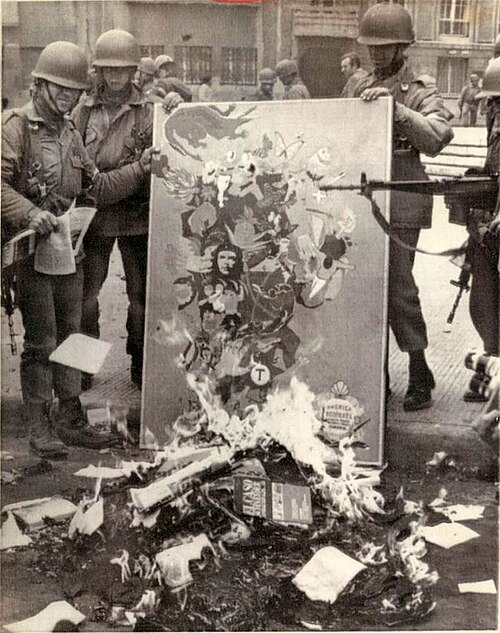
On 11 September 1973, in a watershed event of the Cold War and the history of Chile, president Salvador Allende was overthrown in a coup d'état by the Armed Forces.
The Army, with now Captain General Augusto Pinochet, leader of the coup, as commander-in-chief of both the Army and the Armed Forces, led the national mobilization effort in 1978 as the Beagle conflict began to hit the country. The Army was on full alert status during the duration of the crisis.
Patricio Aylwinwas elected President of the Republic on December 14, 1989. Although Chile had officially become a democracy, the Chilean military continued to be very powerful during Aylwin's presidency, and the Chilean constitution had been amended by Pinochet's regime to ensure the continued influence of Pinochet and his commanders.
21st century
نتيجةً للتوترات مع الدول المجاورة خلال سبعينيات القرن العشرين وبداية ثمانينياته، التي اتسمت بنزاعاتٍ حادة، قام الجيش التشيلي بتطوير مفاهيمه الاستراتيجية القائمة، ووضع في نهاية المطاف خطةً لإعادة هيكلة قواته. ورغم تجنب الحروب، إلا أن التهديدات التي برزت في سبعينيات وثمانينيات القرن العشرين شجعت الجيش على معالجة نقطة ضعفه الدفاعية الرئيسية بشكلٍ أكثر فعالية: نقص العمق الاستراتيجي . ولذلك، في أوائل ثمانينيات القرن العشرين، اتجه الجيش نحو الخارج بحثًا عن نموذجٍ لتنظيم الجيش يُحسّن القدرات الدفاعية على أفضل وجه، وذلك من خلال إعادة هيكلة القوات إلى وحداتٍ أصغر حجمًا وأكثر قدرةً على الحركة، بدلًا من الفرق التقليدية. وقد أسفرت خطة ألكازار عن إنشاء ثلاث مناطق عسكرية في تشيلي، مع تركيز معظم القوات في الشمال، وتعزيز المناطق الوسطى والجنوبية. نُفذت الخطة على مراحل، بدءًا من عام 1994. وهكذا، تُعد خطة ألكازار، المستندة إلى سيناريوهات التهديدات السابقة، واحدةً من أكثر "دروس" الماضي ديمومةً. وحتى مع تسوية جميع النزاعات الإقليمية المتبقية تقريبًا، استمرت أجندة إعادة الهيكلة، مما عزز عقلية الصراع في الجيش. [ 14 ]
حفظ السلام
- 1964-2013 قوة الأمم المتحدة لحفظ السلام في قبرص
- 1969 الصراع بين السلفادور وهندوراس ( مهمة منظمة الدول الأمريكية ).
- 1978-2013 اليونيفيل
- 1989-1992 أونوكا
- 1991-1992 يونيكوم
- 1992-1993 بعثة الأمم المتحدة الانتقالية في تسمانيا
- 1992-1995 أونوسال
- 1995-1999 مهمة المراقبة العسكرية في حرب سينيبا
- 1996-1998 لجنة الأمم المتحدة الخاصة
- 1997-2002 بعثة الأمم المتحدة للإدارة في البحرين
- 2000-2002 UNTAET
- 2000-2003 أنموفيك
- 2000-(2013) بعثة الأمم المتحدة للإدارة المؤقتة في كوسوفو
- 2001-(2013) قوة الأمم المتحدة لحفظ السلام في قبرص
- 2002-2003 بعثة الأمم المتحدة
- 2003-2006 منظمة حفظ السلام الألمانية
- 2003-(2013) بعثة الأمم المتحدة في جمهورية الكونغو الديمقراطية
- 2003-2004 بعثة الأمم المتحدة للمساعدة في أفغانستان
- 2004-(2013) EUFOR - ALTHEA
- 2004-(2013) القوة المؤقتة متعددة الجنسيات من أجل هايتي
- 2004-2013 بعثة الأمم المتحدة لتحقيق الاستقرار في هايتي
- 2007-(2013) UNLOG (قاعدة الأمم المتحدة اللوجستية في برينديزي، إيطاليا )
منظمة
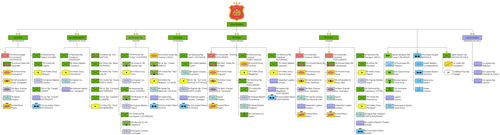
ترتيب المعركة
مقر القيادة العامة للجيش في سانتياغو .
قيادة العمليات البرية ، ومقرها في كونسبسيون .
- الفرقة الأولى للجيش : المنطقتان الثانية والثالثة، ومقرها في أنتوفاغاستا .
- الفرقة الآلية الثانية : المناطق الرابعة والخامسة والسادسة والسابعة ومنطقة سانتياغو الكبرى، ومقرها في سانتياغو دي تشيلي .
- الفرقة الجبلية الثالثة : تخدم المناطق الثامنة والتاسعة والرابعة عشرة والعاشرة، ومقرها الرئيسي في فالديفيا .
- الفرقة الرابعة للجيش : المنطقة الحادية عشرة ومقرها في كويهايك .
- الفرقة الخامسة للجيش : تخدم المنطقة الثانية عشرة ومقرها في بونتا أريناس .
- الفرقة السادسة للجيش | : تخدم المنطقتين الأولى والخامسة عشرة، ومقرها الرئيسي في إيكويكي .
- لواء طيران الجيش : ومقره في رانكاغوا ( Brigada de Aviación del Ejército ). وهي القوة الجوية للجيش، وتتكون من 4 كتائب وسرية لوجستية.
- لواء العمليات الخاصة لاوتارو : مقره في بيلديهوي . وهو لواء القوات الخاصة التابع للجيش، وقد سمي على اسم أحد أبطال تشيلي الوطنيين.
قيادة التدريب والعقيدة ( Comando de Institutos y Doctrina )
- قسم المدارس العسكرية ( División Escuelas )
- شعبة التعليم العسكري ( شعبة التعليم )
- قسم عقيدة الجيش ( División de Doctrina )
قيادة دعم القوة ( Comando de Apoyo de la Fuerza )
- قسم اللوجستيات ، ومقره في سانتياغو ( División Logística del Ejército )
- قيادة المهندسين
- قيادة الاتصالات
- قيادة البنية التحتية
- قيادة الصناعات والهندسة العسكرية
القيادات المستقلة للجيش
- تتبع قيادة الحامية العامة في سانتياغو، التي تخدم منطقة سانتياغو الكبرى، مباشرةً إلى مقر قيادة الجيش.
- القيادة الطبية في سانتياغو
- قيادة الإدارة
هيئة الأركان العامة للجيش ( Stado Mayor General del Ejército )
- البعثة العسكرية التشيلية في واشنطن
- مديرية الاستخبارات
- مديرية العمليات
- مديرية المالية
- مديرية اللوجستيات
المعدات العسكرية
حصل الجيش التشيلي على عدد من الأنظمة الجديدة بهدف امتلاك جيش حديث بالكامل وميكانيكي إلى حد كبير بحلول عام 2015. كما قام الجيش بتعديل هيكله العملياتي، حيث أنشأ ألوية مدرعة في جميع أنحاء البلاد ولواء عمليات خاصة جديد، مع الحفاظ على مخطط الفرق الحالي.
الأفراد
في عام 2013، بلغ عدد الضباط 3900 ضابط، وعدد ضباط الصف 17300، وعدد الجنود المحترفين 3600 جندي، وعدد المجندين 9200 جندي. وفي المدارس العسكرية، بلغ عدد الطلاب 2400 طالب. أما عدد الموظفين المدنيين فبلغ 8400 موظف. [ 2 ]
الرتب العسكرية
- الضباط
| مجموعة التصنيف | ضباط برتبة لواء / ضباط برتبة أميرال | كبار الضباط | الضباط الصغار | |||||||||||||||||||||
|---|---|---|---|---|---|---|---|---|---|---|---|---|---|---|---|---|---|---|---|---|---|---|---|---|
 الجيش التشيلي [ 15 ] الجيش التشيلي [ 15 ] | 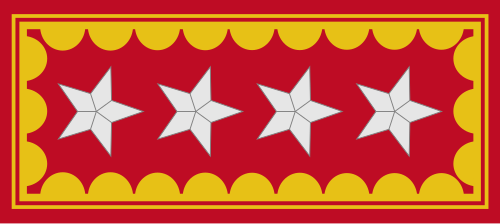 | 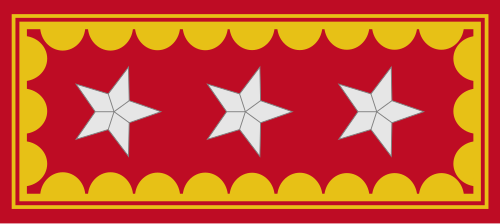 | 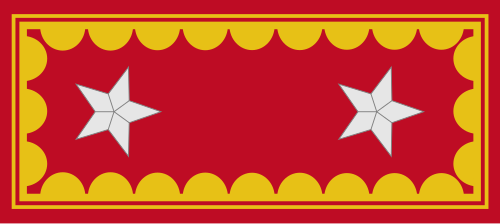 | 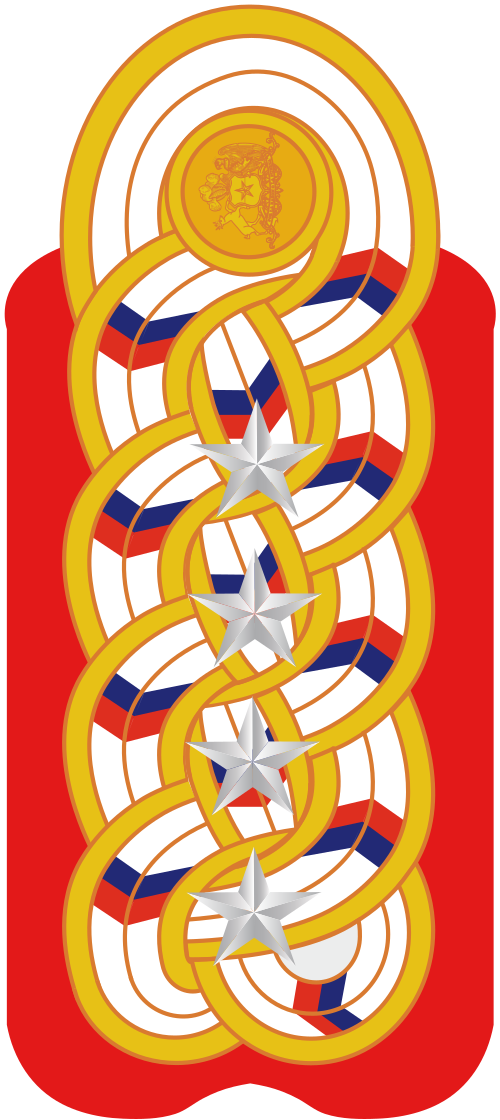 |  |  |  | 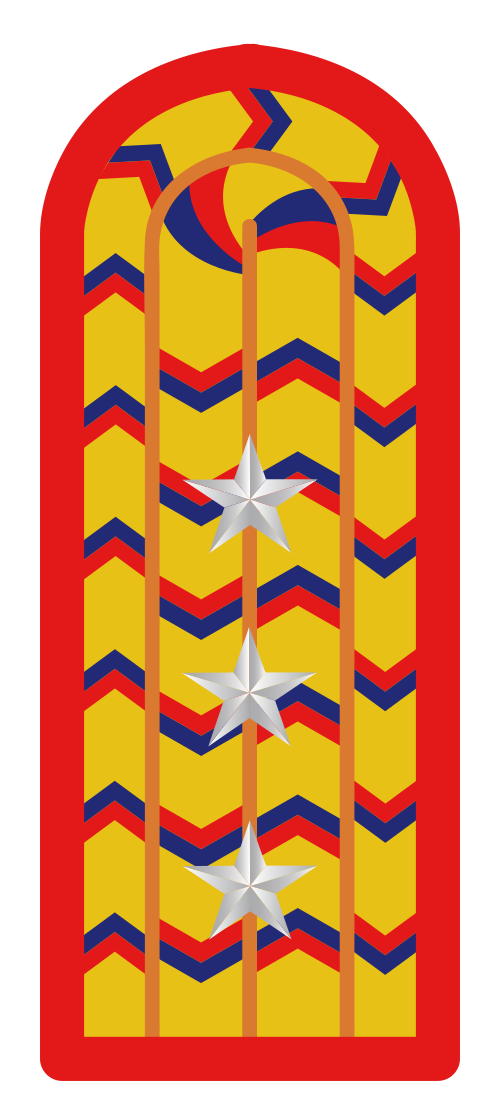 | 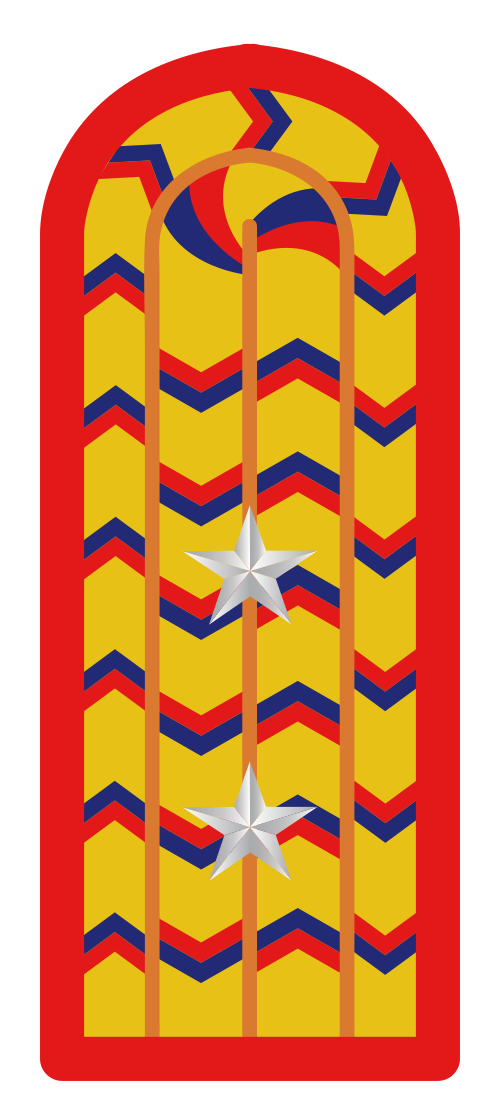 | 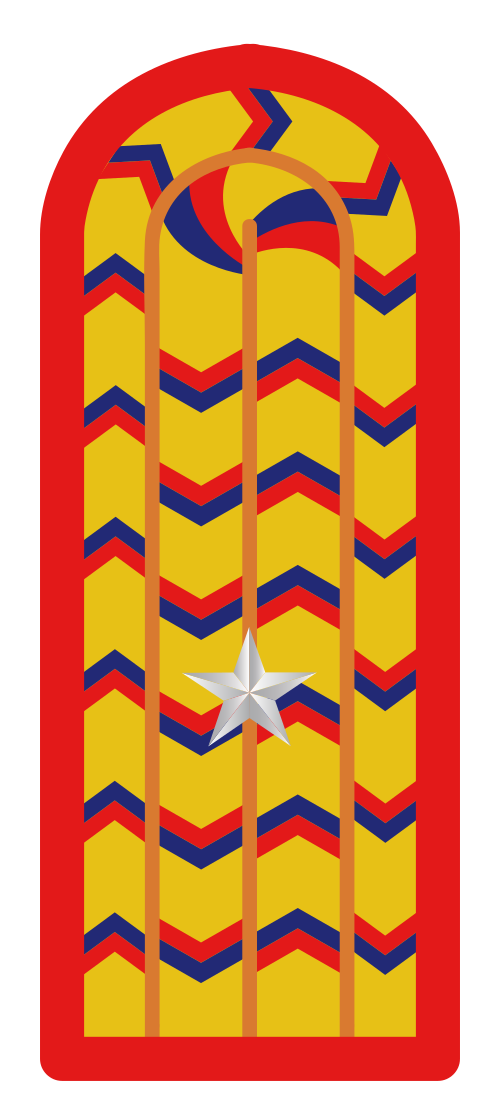 |  | |||||||||||||
| جنرال دي إيجيرسيتو | جنرال دي فيسيون | جنرال دي بريغادا | العميد | الكورونيل | الملازم أول | عمدة | كابيتان | تينينتي | نائب | ألفيريز | ||||||||||||||
- مجند
| مجموعة التصنيف | كبار ضباط الصف | ضباط الصف الصغار | مجند | |||||||||||||||||||||||||||||||||
|---|---|---|---|---|---|---|---|---|---|---|---|---|---|---|---|---|---|---|---|---|---|---|---|---|---|---|---|---|---|---|---|---|---|---|---|---|
| الجيش التشيلي [ 15 ] |  | 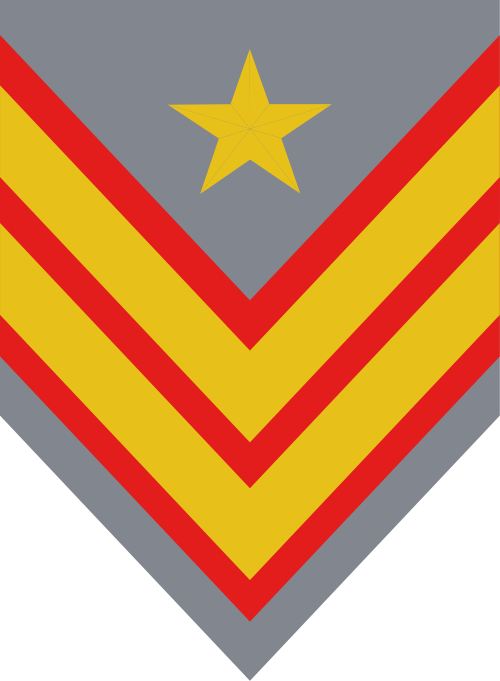 |  |  |  |  |  |  | ||||||||||||||||||||||||||||
| رئيس بلدية غير رسمي | شبه رسمي | الرقيب الأول | الرقيب الثاني | كابو بريميرو | كابو سيجوندو | كابو | جندي محترف | |||||||||||||||||||||||||||||
التدريبات والتقاليد

يشتهر الجيش التشيلي باستعراضاته العسكرية المتقنة، والتي تُعرض على نطاق واسع خلال يوم المجد البحري في 21 مايو، والاستعراض العسكري الكبير في تشيلي في 19 سبتمبر. تبنت القوات المسلحة في بداياتها العديد من التقاليد العسكرية البروسية، وخلال هذه الفترة حقق الجيش التشيلي العديد من انتصاراته البارزة. ونتيجة لذلك، تتضمن الاستعراضات العديد من الأنماط البروسية والألمانية التي تعود إلى القرنين التاسع عشر والعشرين.
يرتدي الجنود المشاركون الخوذات الألمانية التقليدية (شتالهايم ) والخوذات المدببة (بيكلهاوب) ، ويسيرون بخطى عسكرية منتظمة . تتألف موسيقى المسير من مسيرات من أوروبا الوسطى، إلى جانب العديد من المقطوعات الموسيقية المحلية. ويختتم كل عرض عسكري (بارادا ميليتار) في 19 سبتمبر بعزف فرقة موسيقية راكبة على الخيول لمعزوفة "برويسيشر بريسنتيرمارش" (التي عُزفت لأول مرة عام 2018) ومعزوفة " لوس فيخوس إستاندارتس" وفقًا للتقاليد الألمانية.
لطالما ارتدى طلاب المدرسة العسكرية خوذة بيكلهاوب، ولاحقاً ارتداها فوج الفرسان الأول وفوج المدفعية الأول. أما خوذة ستالهايم، فلا يرتديها إلا طلاب مدرسة ضباط الصف.
وينطبق هذا أيضاً على الاستعراضات التي تقام في 18 سبتمبر، يوم الاستقلال، على المستوى المحلي، كلما شاركت وحدات الجيش.
ترتدي العديد من وحدات الجيش في الاستعراضات أزياءً تاريخية تعود إلى زمن معارك القرن التاسع عشر، لكنها لا تسير على الطريقة الألمانية:
- الفوج الأول للمشاة "بوين" - زي رماة القنابل اليدوية التابع للكتيبة الأولى للمشاة "رماة القنابل اليدوية التشيليون"
- الفوج السادس المعزز "تشاكابوكو" - حرب المحيط الهادئ: زيٌّ على الطراز الفرنسي ارتدته السرية الرابعة، تقديرًا لصمودها البطولي الأخير في معركة لا كونسبسيون.
- اللواء الرابع للمشاة الآلية "رانكاغوا" - حرب المحيط الهادئ: زيٌّ على الطراز الفرنسي ارتدته السرية التاريخية، مشابهٌ لتلك التي ارتداها الفوج خلال معركة أريكا عام 1880
- الفوج الثالث من سلاح الفرسان "الهوسار" - زي رسمي أسود اللون مع قبعة شاكو، يرتديه فقط فوج الاستعراض "كوادرو نيغرو"، وهو مشابه للزي الذي ارتداه أسلافه خلال حرب الاستقلال التشيلية.
الفرق الموسيقية العسكرية

The Army Band Service is the military band department of the army, operating through the Welfare Command. The massed bands of the capital are known as the Gran Banda de la Guarnición de Santiago (Grand Band of the Santiago Garrison), which is involved every 19 September with the Great Military Parade of Chile. When it was formed it had up to 550 musicians; since 1980 it has been reduced to about 295 musicians, with an attached corps of drums.[16] The main military band in the army is the Concert Band of the Chilean Army. It was founded in 1963, and is the most senior army band, but is more of a concert band, some of its musicians being seconded to the Military Academy. It reports to the Chief of the Bands Service. In 2000, it appeared in Rome on the occasion of the Military Music Jubilee. In 2004 and 2012, it participated in the Quebec City International Festival of Military Bands in Canada.[17] It has also visited Germany, Scotland, Uruguay, France and the United States.[18]
The Chilean Army has two mounted bands:
- Mounted Band and Bugles of the 1st Cavalry Regiment "Grenadiers" - It is the most senior band of the cavalry and armoured regiments of the army
- Band and Bugles of the 3rd Cavalry Regiment "Hussars"
Other bands include the band of the Army NCO School and the Bernardo O'Higgins Military Academy. Military bands in Chile have a Corps of Drums and the Turkish crescent percussion instrument, similarly to German military bands. Departing from the German tradition is the presence of an added Bugle section behind the Corps of Drums, a tradition inherited from France and in the buglers of Imperial Germany, with the band's conductor being assisted by a bugle major who is placed either in front of the bugle section or if in a massed corps of drums behind the buglers.
Commanders-in-chief
See also
Notes
- ↑Joao Resende-Santos in Neorealism, States, and the Modern Mass Army (page 3, 9-10) uses "emulation" instead of "prussianization" as a broader term. He says: "Crossnational emulation occurs in a wide variety of areas and by an equal variety of state and nonstate entities ... Emulation in all forms, by firms or states whether in economic or military areas is driven by the same pressures of competition and based in the same political criterion"
References
- ↑ "الجيش التشيلي" . مؤرشف من الأصل بتاريخ 2015-05-02 . تم الاطلاع عليه بتاريخ 2015-05-10 .
- 1 2 3 "مذكرات الجيش التشيلي 2013" . 8 يناير 2015. ص 381. مؤرشف من الأصل في 13 أبريل 2015. تم الاطلاع عليه في 6 أبريل 2015 .
- ↑ "Ejército de Chile" .
- ↑ "حول هذه المجموعة - دراسات قطرية" . loc.gov . تم الاطلاع عليه بتاريخ 9 مايو 2018 .
{{cite web}}: CS1 maint: deprecated archiveal service ( link ) - ↑ "تشيلي" . state.gov . تم الاطلاع عليه بتاريخ 9 مايو 2018 .
- ↑ "212 عامًا من التاريخ - قسم جيش مملكة تشيلي" . الجيش التشيلي. 11 سبتمبر 1973. مؤرشف من الأصل في 19 ديسمبر 2008. تم الاطلاع عليه في 25 يوليو 2023 .
- ^ ميموريا تشيلينا، الحرس الوطني ، تم استرجاعه في 4 ديسمبر 2012
- ^ روبرتو هيرنانديز بونس، لا غوارديا ناسيونال دي تشيلي. Apuntes sobre su origen yorganización, 1808-1848 أرشفة 2015-05-18 في آلة Wayback .، الجامعة الكاثوليكية في تشيلي، تم استرجاعها في 4 ديسمبر 2012
- 1 2 3 4 5 6 7 ريسندي سانتوس 2007
- ^ وليام ف. ساتر. هولجر هـ. هيرويج (1999). الوهم الكبير: بروسنة الجيش التشيلي . يو من نبراسكا الصحافة. ص 204–. رقم ISBN 0-8032-2393-5.
- 1 2 لويس فيتالي، التدخلات العسكرية والقدرة الفعلية على سياسة تشيلينا، من 1830 إلى 2000 ، سانتياغو، 2000
- ^ خوان براغاسي إتش، لاس ميليشياس ريبوبليكاس دي تشيلي أرشفة 2013-10-10 في آلة Wayback .، تم استرجاعها في 4 ديسمبر 2012
- ^ ساغريدو، رافائيل. جازموري، كريستيان، محرران. (2005)، تاريخ الحياة الخاصة في تشيلي (بالإسبانية)، المجلد. 3: تشيلي المعاصرة. De 1925 a nuestros días ( الطبعة الرابعة)، سانتياغو دي تشيلي: AguilarChilena de Ediciones، ISBN 956-239-337-2
- ↑ كريستينا ماني، الديمقراطية والتفكير الاستراتيجي: ما تعلمته الجيوش في الأرجنتين وتشيلي في التسعينيات ، مؤرشف في 1 مارس 2014 في Wayback Machine ، جامعة كولومبيا، 2003، تم استرجاعه في 4 أغسطس 2013
- 1 2 "Distintivos de grados" [ شارات الدرجات ] . ejercito.cl (بالإسبانية). الجيش التشيلي. مؤرشف من الأصل في 20 يناير 2012. تم الاطلاع عليه في 20 يناير 2012 .
- ^ "División de Bienestar" .
- ^ "اللجنة الدائمة لمهرجان سومور - مهرجان 2011" . www.comitedesfetes-saumur.fr . تم الاسترجاع 2020-06-15 .
- ^ "باندا دي كونسيرتوس ديل إيجيرسيتو دي تشيلي – تياترو أورينتي" .
فهرس
روابط خارجية
- الموقع الرسمي للجيش التشيلي (بالإسبانية)
- موقع رتب الجيش التشيلي ، موقع الجيش التشيلي: الجيش التشيلي، مؤرشف من الأصل في 28 أغسطس 2010 ، تم استرجاعه في 28 أغسطس 2010
- قوائم الجرد الوطنية للأسلحة الخفيفة في أمريكا اللاتينية ( مؤرشفة بتاريخ 15 مارس 2016 على موقع Wayback Machine)
- الجيش التشيلي