
الكتابة النيبالية
تُعدّ الكتابات النيبالية ( بالنيبال ليبي : 𑐣𑐾𑐥𑐵𑐮 𑐁𑐏𑐮، بالديفاناغاري: नेपाल आखल) عائلةً من أنظمة الكتابة الأبجدية التي استخدمها شعب النيوار الأصلي في نيبال ماندالا تاريخيًا لكتابة لغة نيبال بهاسا بشكل أساسي. كما تُستخدم أيضًا لتدوين السنسكريتية والبالية . [ 2 ] وهناك بعض الادعاءات بأنها استُخدمت أيضًا لكتابة لغة بارباتيا ( خاس). [ 3 ]
كانت هذه الكتابات شائعة الاستخدام من القرن العاشر وحتى أوائل القرن العشرين، ولكنها استُبدلت إلى حد كبير بالكتابة الحديثة المعروفة باسم ديفاناغاري . ومن بين الكتابات القديمة، تم أرشفة حوالي 50,000 مخطوطة مكتوبة بخط نيبال ليبي. [ 4 ]
تاريخ



مرحلة ما قبل التطوير
قبل تطوير الكتابة النيبالية، استخدم سكان نيبال ماندالا الكتابات التالية المشتركة في منطقة جنوب آسيا. [ 5 ] [ 6 ]
- النص البراهمي – فترة أشوكا
- نص Purva Licchavi [ أ ] – فترة Licchavi السابقة
- كتابة أوتارا ليتشافي [ ب ] – فترة ليتشافي المتأخرة (القرن السادس - الحادي عشر أو الثاني عشر)
الاستخدام والتطوير المبكر
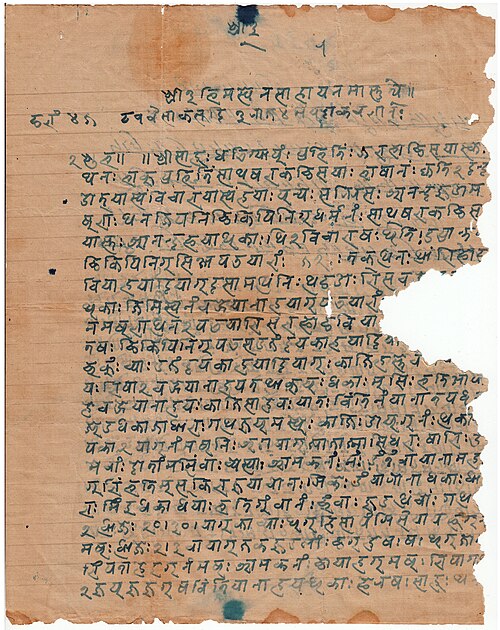
ظهرت الكتابة النيبالية [ 10 ] في القرن العاشر الميلادي. وأقدم مثال عليها مخطوطة بعنوان " لانكافاتارا سوترا " مؤرخة في عام 908 ميلادي (العام 28 من التقويم النيبالي). ومن الأمثلة المبكرة الأخرى مخطوطة على أوراق النخيل لنص بوذي بعنوان "براجناباراميتا" ، مؤرخة في عام 920 ميلادي (العام 40 من التقويم النيبالي). [ 11 ] إحدى أقدم مخطوطات رامايانا، التي لا تزال محفوظة حتى اليوم، كُتبت بالكتابة النيبالية عام 1041. [ 12 ]
The script has been used on stone and copper plate inscriptions, coins (Nepalese mohar), palm-leaf documents and Hindu and Buddhist manuscripts.[13][14]
Among the famed historical texts written in Nepal Lipi are Gopalarajavamsavali, a history of Nepal, which appeared in 1389 AD,[15] the Nepal-Tibet treaty of Nepal Era 895 (1775 AD) and a letter dated Nepal Era 535 (1415 AD) sent by Chinese Emperor Tai Ming to Shakti-simha-rama, a feudatory of Banepa.[16][17]
Besides the Kathmandu Valley and the Himalayan region in Nepal, the Ranjana script is used for sacred purposes in Tibet, China, Japan, Korea, Mongolia, Bhutan, Sikkim and Ladakh.[18]
The Jokhang Temple in Lhasa, Tibet is ornamented with mantras embossed in Ranjana script, and the panels under the eaves are numbered using Nepal Lipi.[19]
Decline
In 1906, the Rana regime banned Nepal Bhasa, Nepal Era and Nepal Lipi from official use as part of its policy to subdue them, and the script fell into decline. Authors were also encouraged to switch to Devanagari to write Nepal Bhasa because of the availability of moveable type for printing, and Nepal Lipi was pushed further into the background.[20] However, the script continued to be used for religious and ceremonial purposes till the 1950s.
Revival
After the Rana dynasty was overthrown and democracy established in 1951,[21] restrictions on Nepal Bhasa were lifted. Attempts were made to study and revive the old scripts,[22] and alphabet books were published. Hemraj Shakyavamsha published an alphabet book of 15 types of Nepalese alphabets including Ranjana, Bhujimol and Pachumol.[23]
In 1952, a pressman Pushpa Ratna Sagar of Kathmandu had moveable type of Nepal script made in India. The metal type was used to print the dateline and the titles of the articles in Thaunkanhe monthly.[24]
In 1989, the first book to be printed using a computer typeface of Nepal script, Prasiddha Bajracharyapinigu Sanchhipta Bibaran ("Profiles of Renowned Bajracharyas") by Badri Ratna Bajracharya, was published.
Types
The scripts known to have been used by the Newar people of pre-Gorkha Nepal (i.e., Nepala Mandala) or dynasties that ruled over them in history are as follows:[5][6]
- Rañjana style
- Flat-headed style
- Newar script
- Pāchūmol script
- Hiṁmol script
- Kuṁmol script
- Curve-headed style
- Bhujiṁmol script
- Golmol script
- Kveṁmol script
- Litumol script
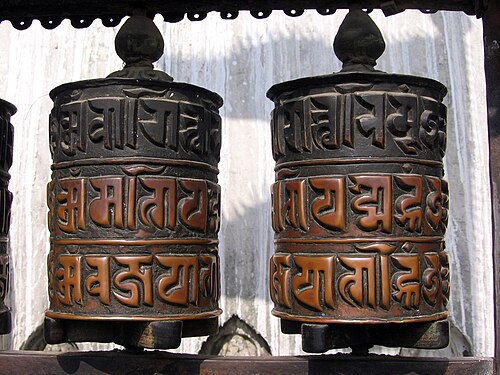
Among the different scripts based on Nepal script, Ranjana (meaning "delightful"), Bhujinmol ("fly-headed") and Newar also known as 'Prachalit' ("prevalent") are the most common.[25][26] Ranjana is the most ornate among the scripts. It is most commonly used to write Buddhist texts and inscribe mantras on prayer wheels, shrines, temples, and monasteries. The popular Buddhist mantra Om mani padme hum (meaning ("Hail to the jewel in the lotus" in Sanskrit) is often written in Ranjana.
Description
Consonants
| Newar | Rañjanā | Dev. | Rom. |
|---|---|---|---|
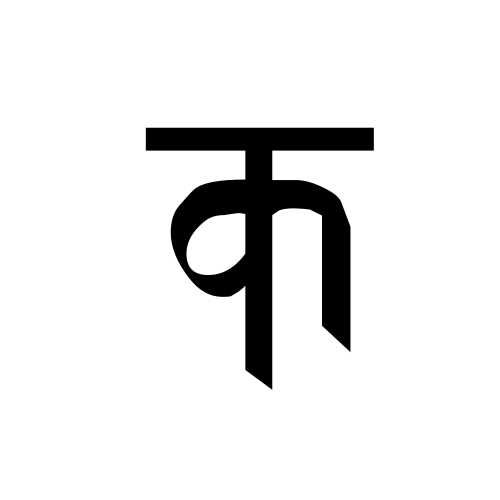 | 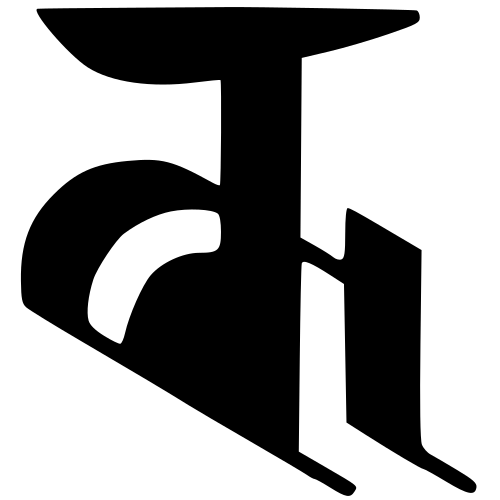 | क | ka |
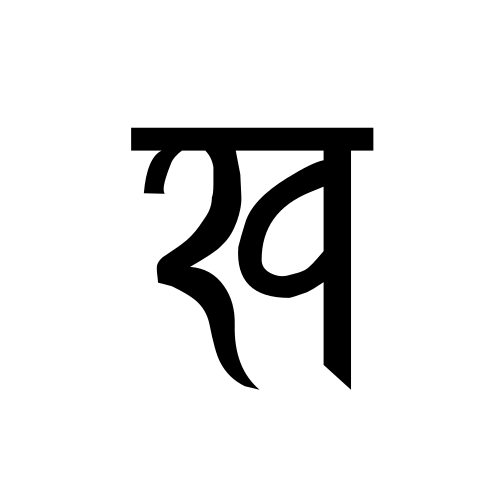 | 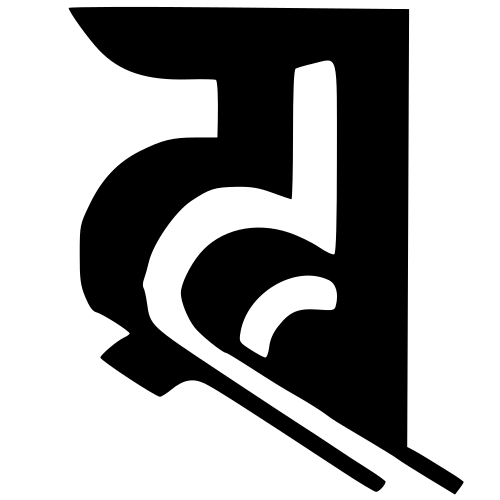 | ख | kha |
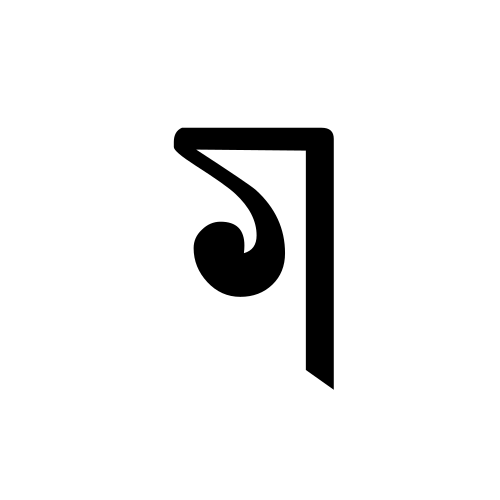 | 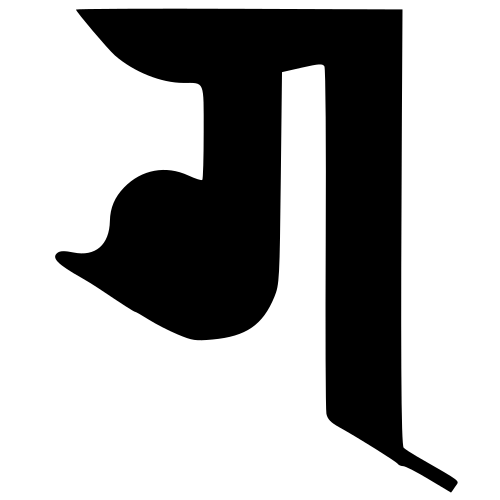 | ग | ga |
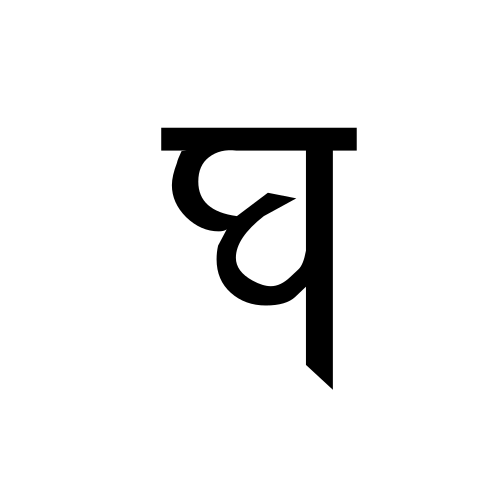 | 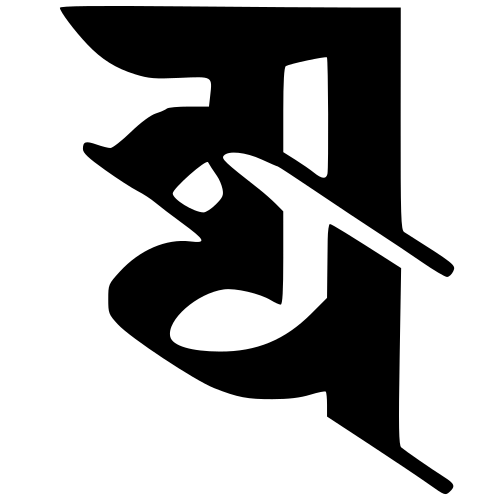 | घ | gha |
 | 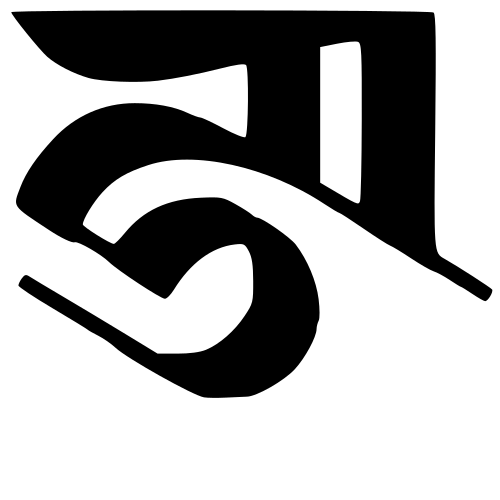 | ङ | ṅa |
 | 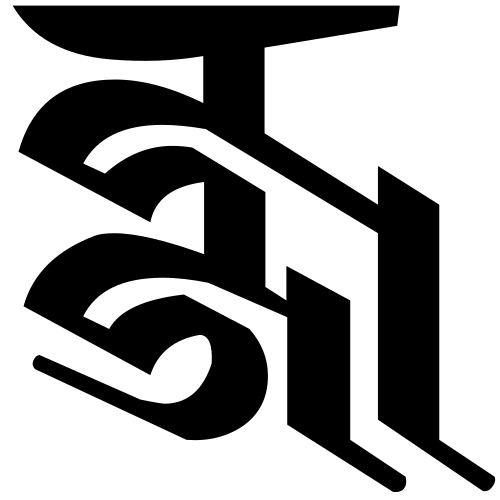 | ह्ङ | ṅha |
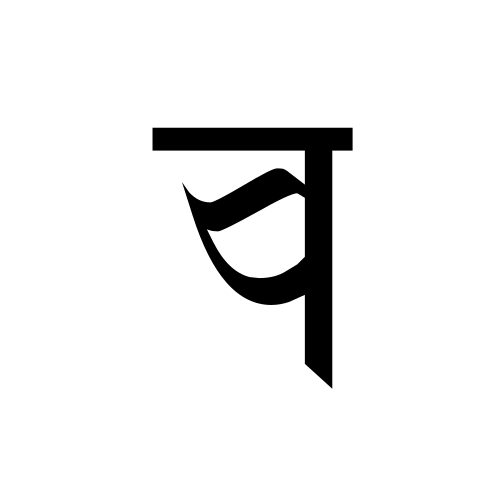 | 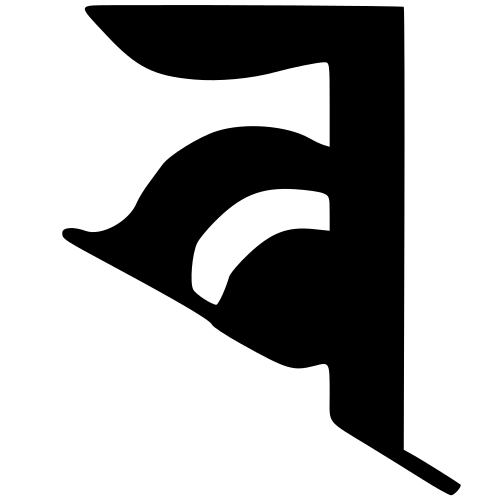 | च | ca |
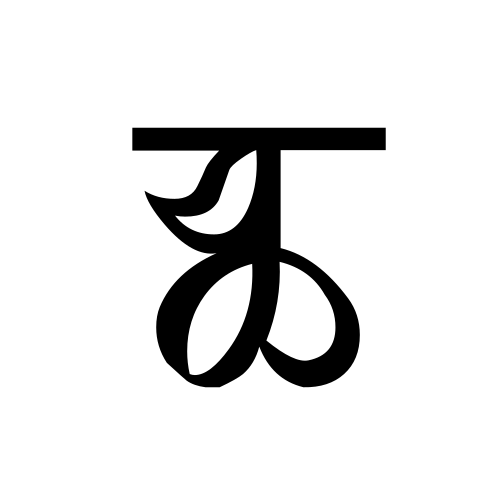 | 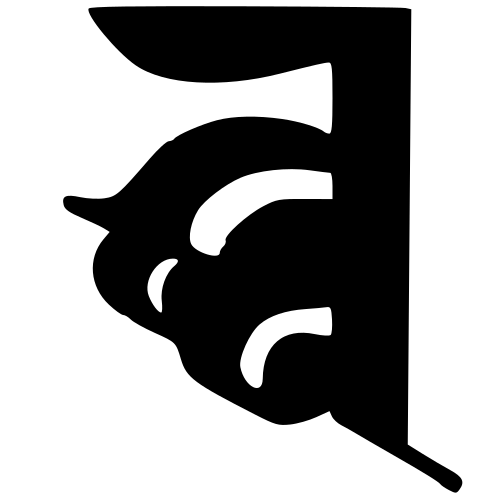 | छ | cha |
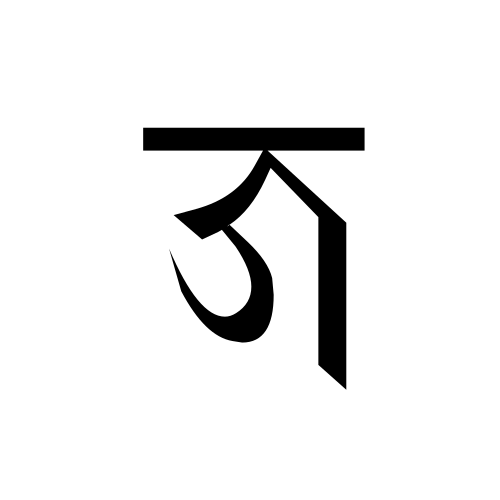 | 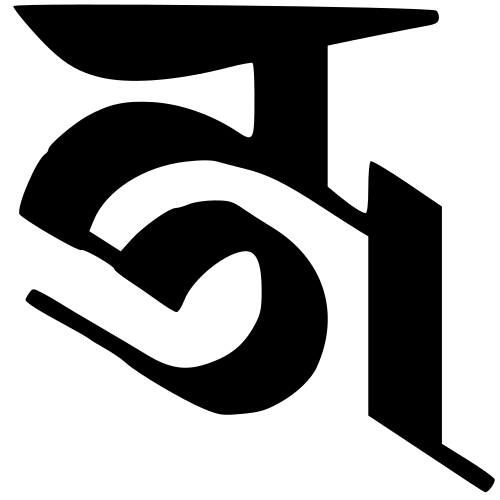 | ज | ja |
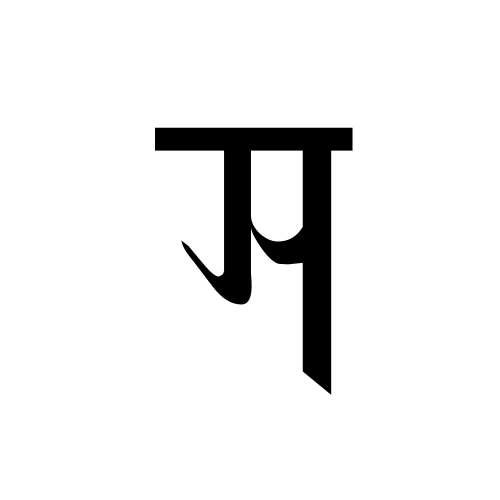 | 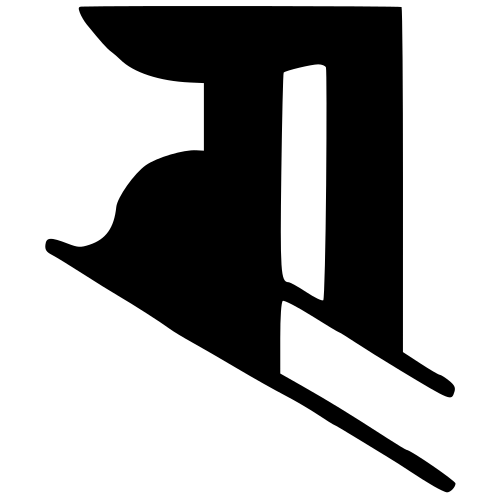 | झ | jha |
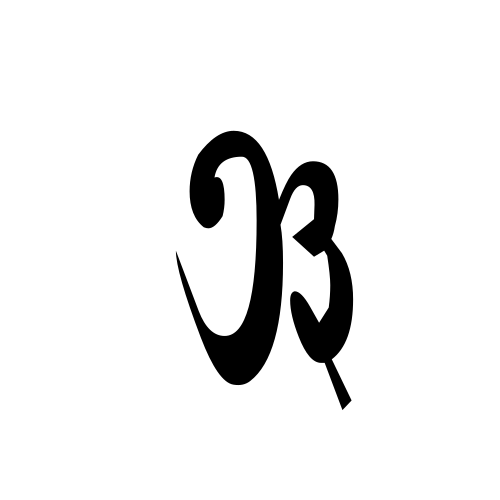 | 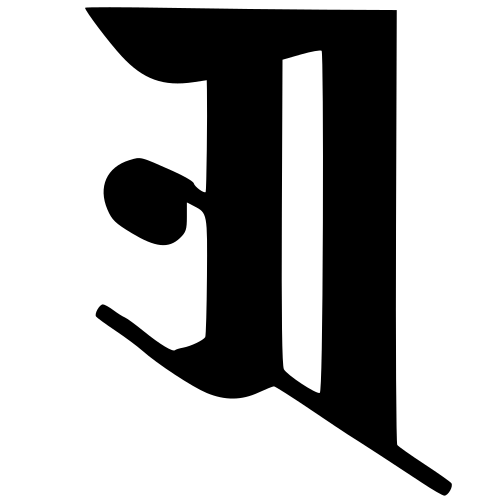 | ञ | ña |
 | 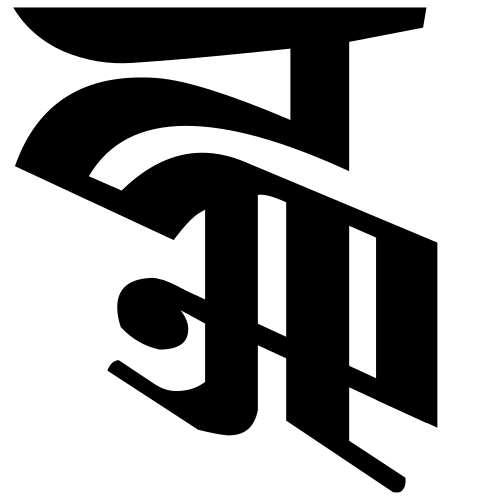 | ह्ञ् | ñha |
| Newar | Rañjanā | Dev. | Rom. |
|---|---|---|---|
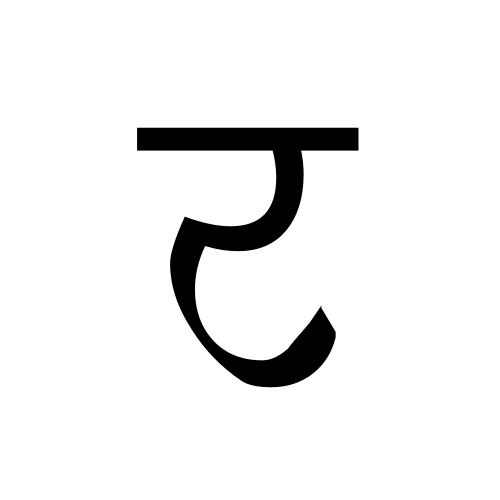 | 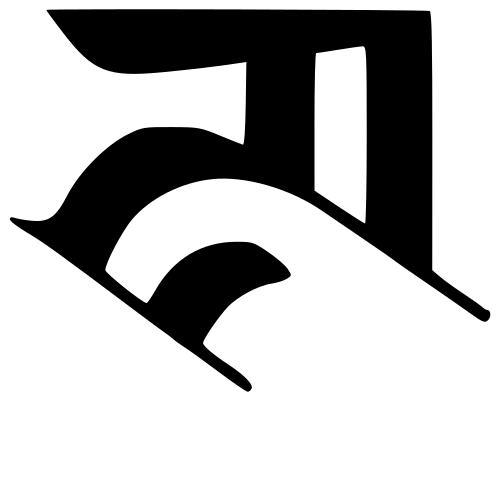 | ट | ṭa |
 | 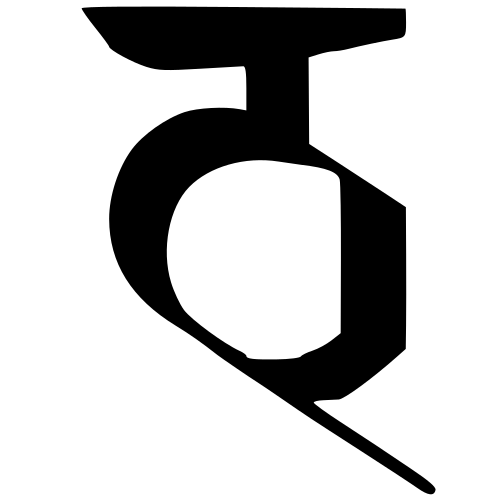 | ठ | ṭha |
 | 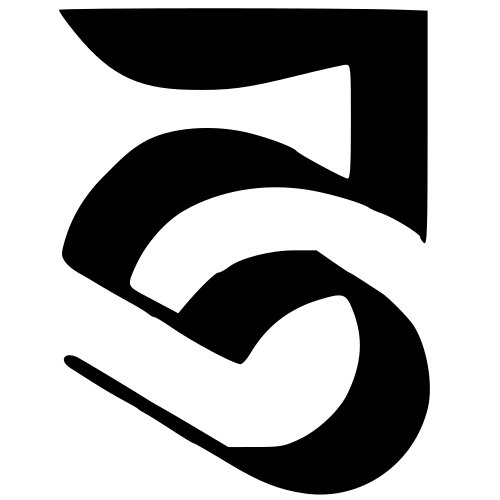 | ड | ḍa |
 | 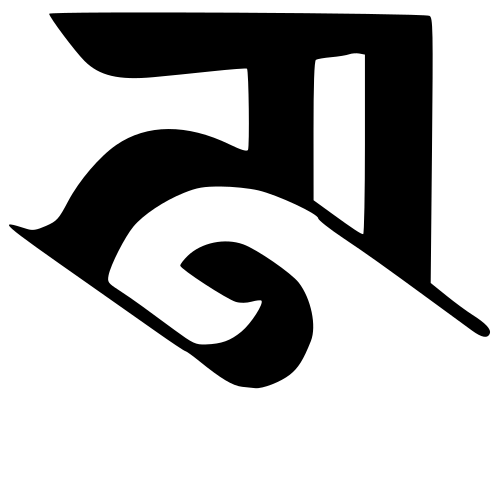 | ढ | ḍha |
 | 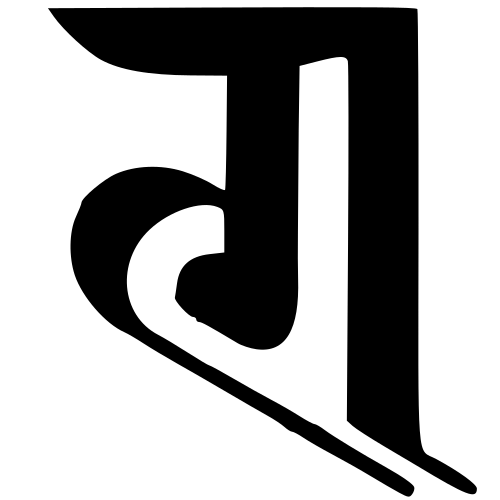 | ण | ṇa |
 | 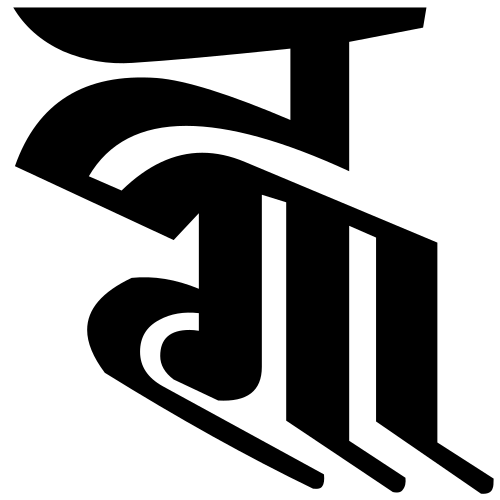 | ह्ण | ṇha |
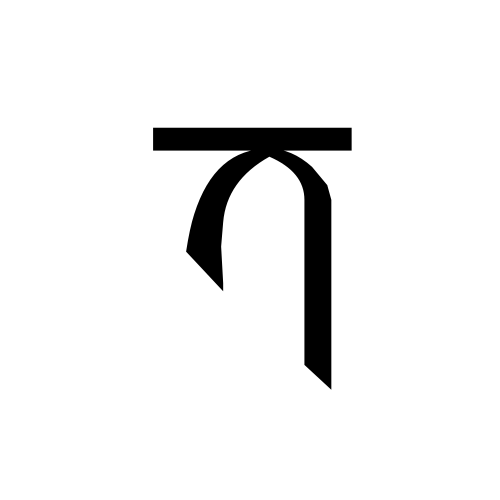 | 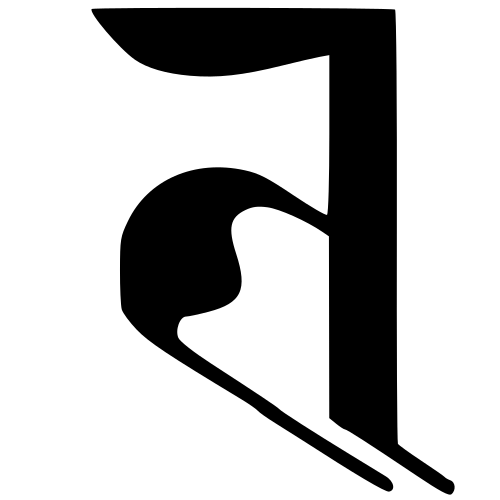 | त | ta |
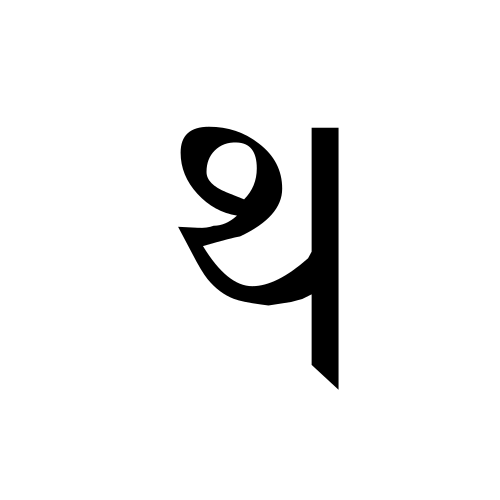 | 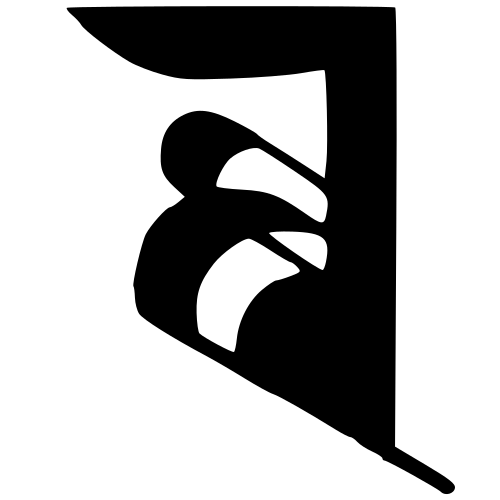 | थ | tha |
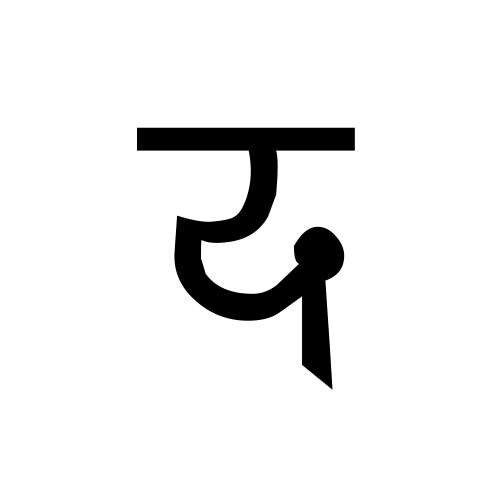 | 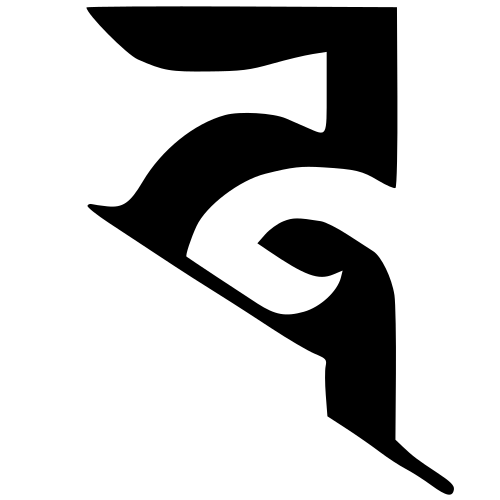 | द | da |
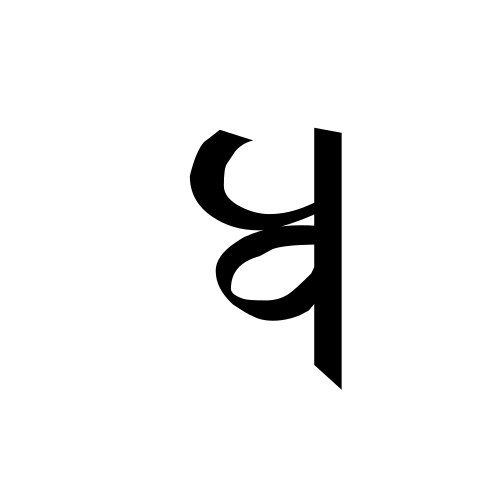 | 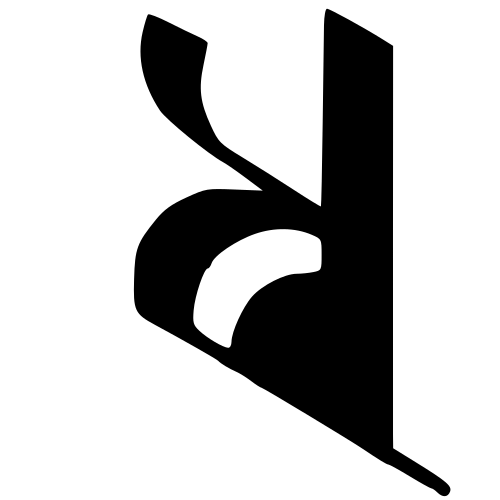 | ध | dha |
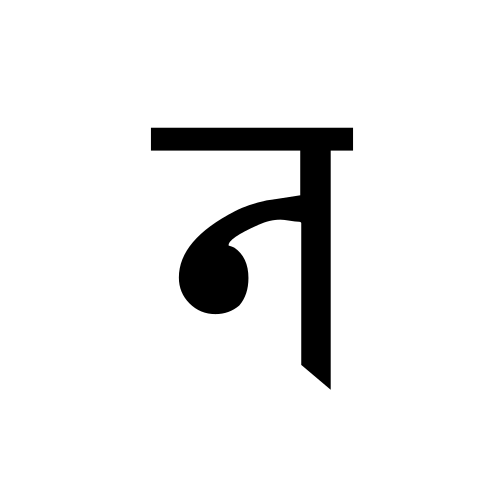 | 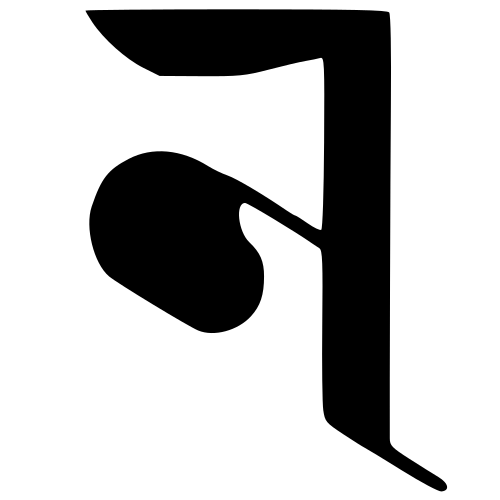 | न | na |
 |  | ह्न | nha |
| Newar | Rañjanā | Dev. | Rom. |
|---|---|---|---|
 |  | प | pa |
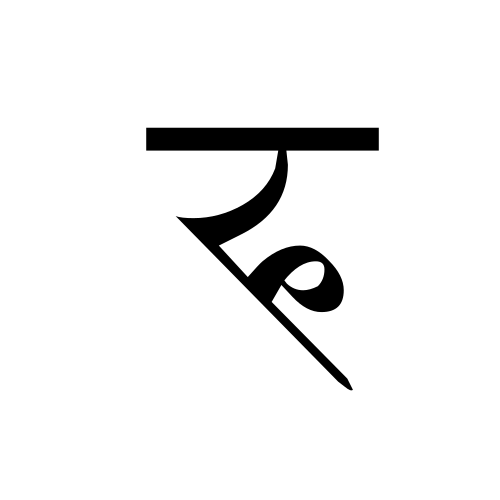 | 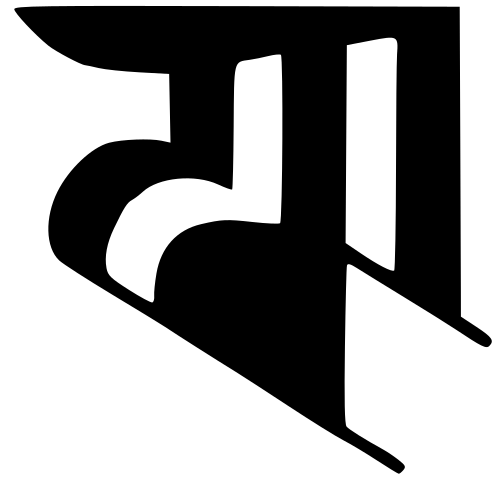 | फ | pha |
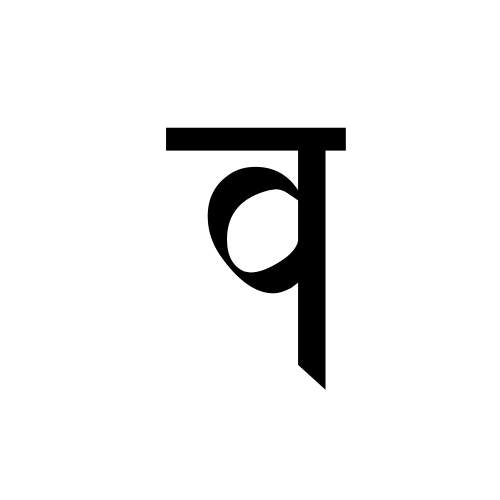 | 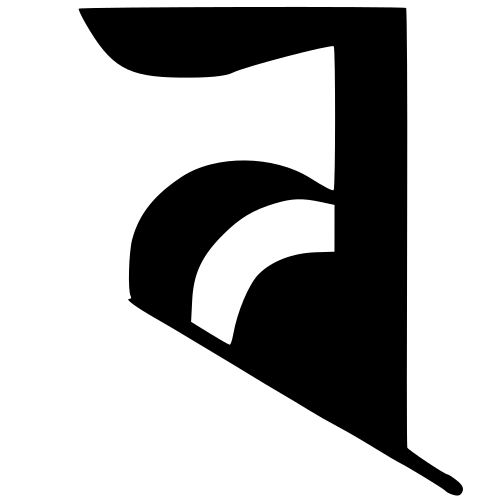 | ब | ba |
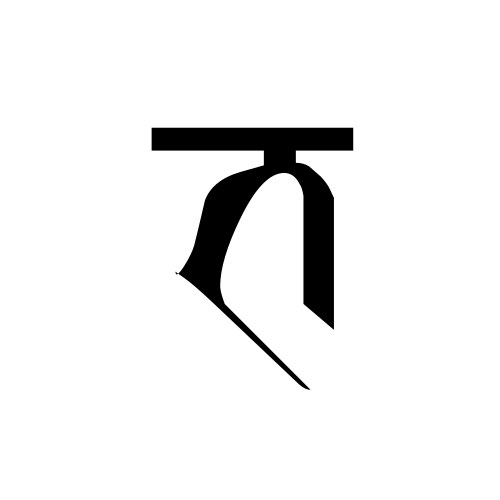 | 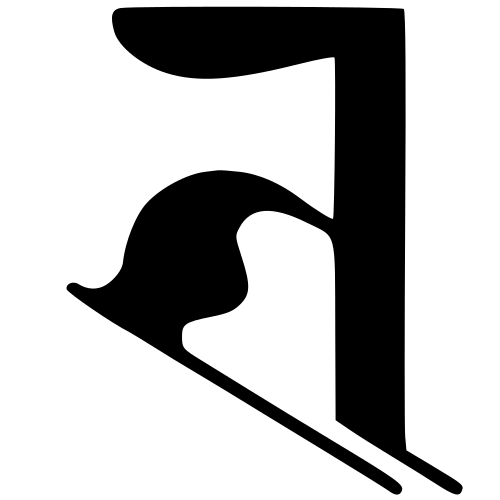 | भ | bha |
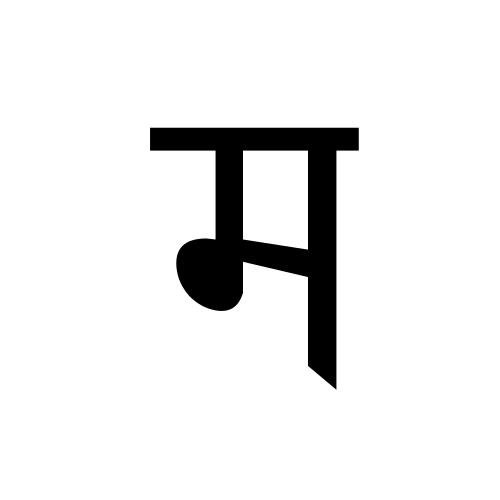 | 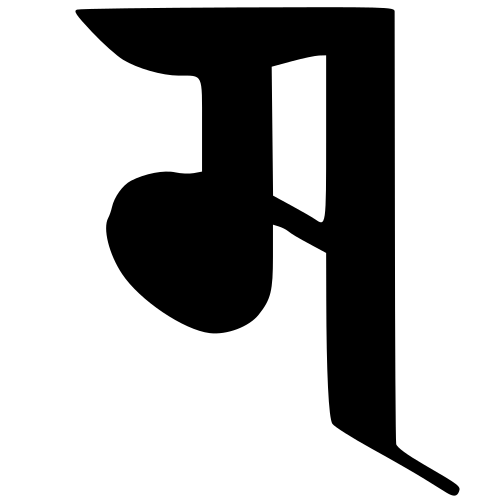 | म | ma |
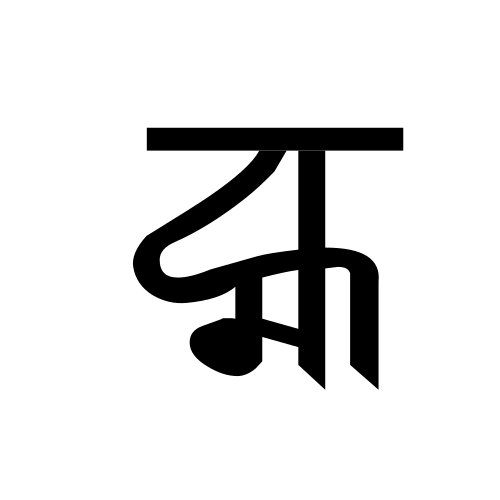 | 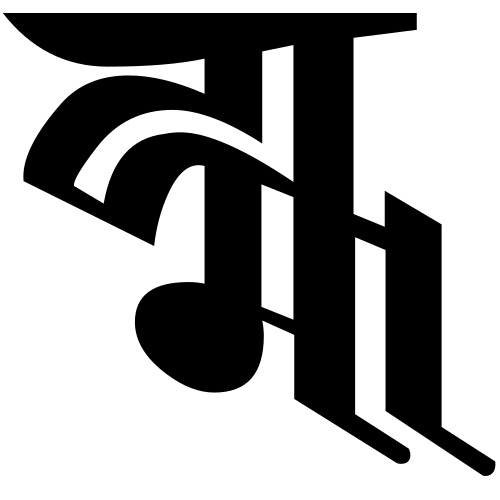 | ह्म | mha |
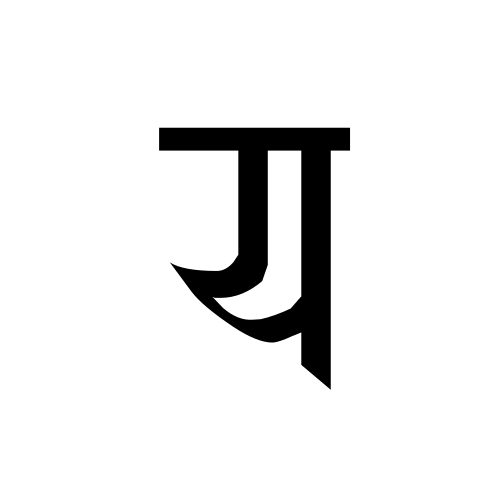 | 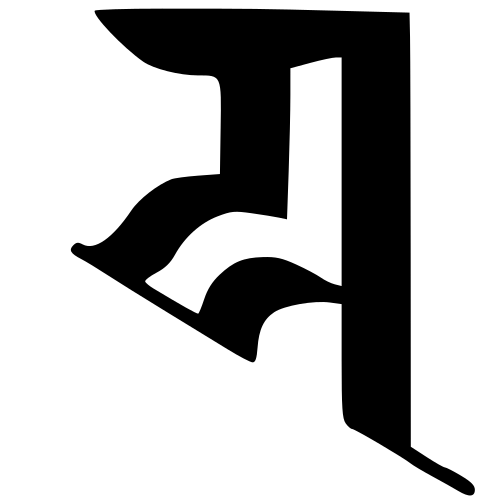 | य | ya |
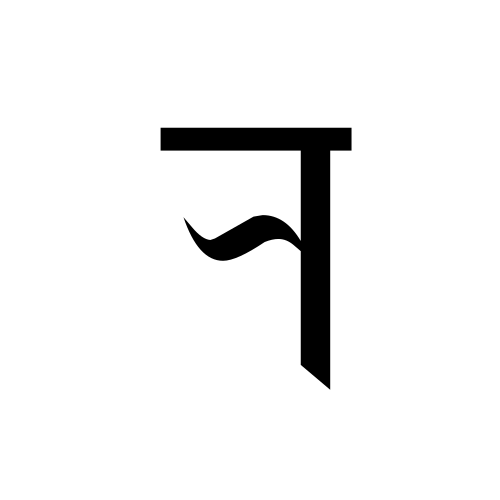 | 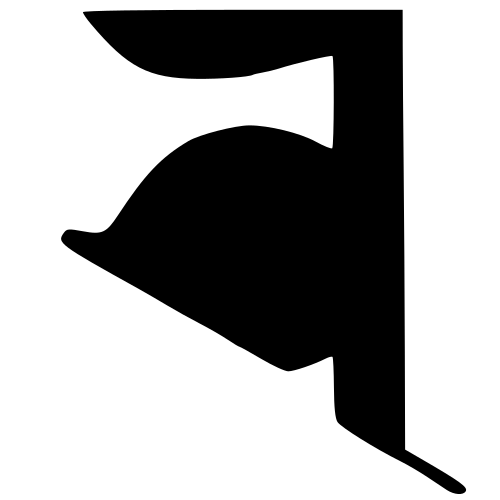 | र | ra |
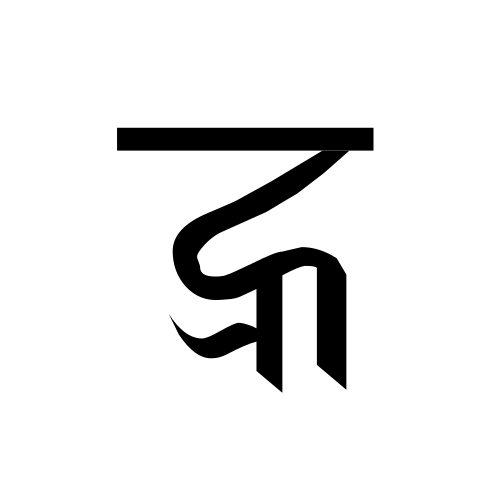 | 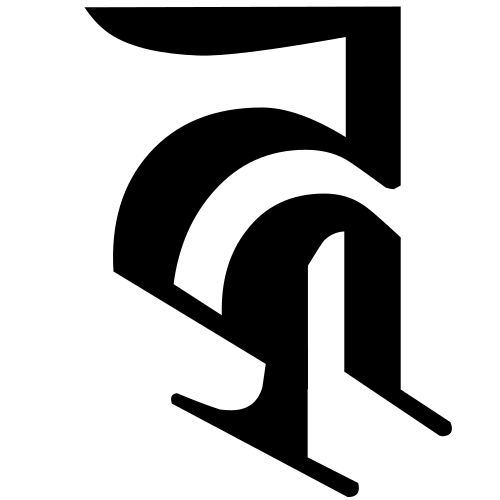 | ह्र | rha |
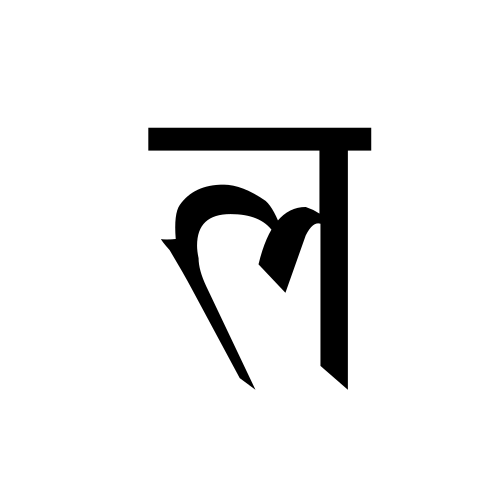 | 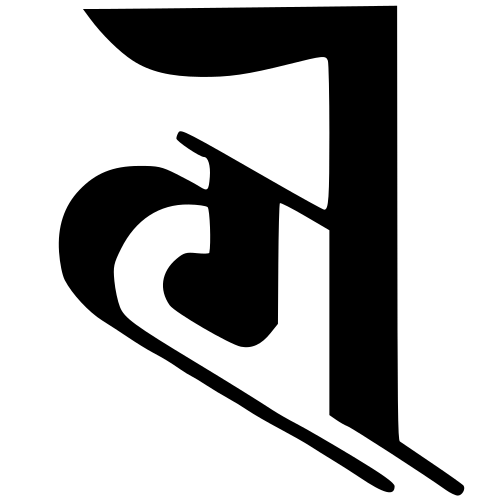 | ल | la |
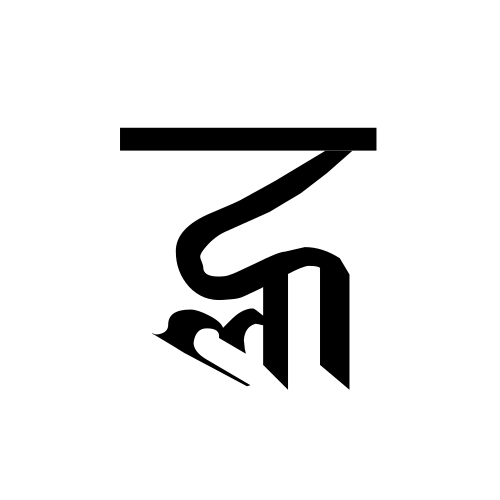 | 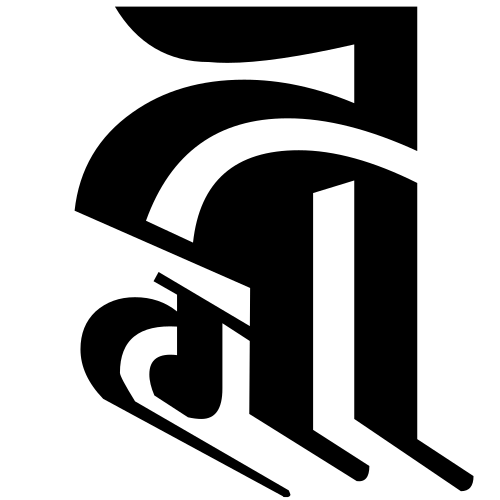 | ह्ल | lha |
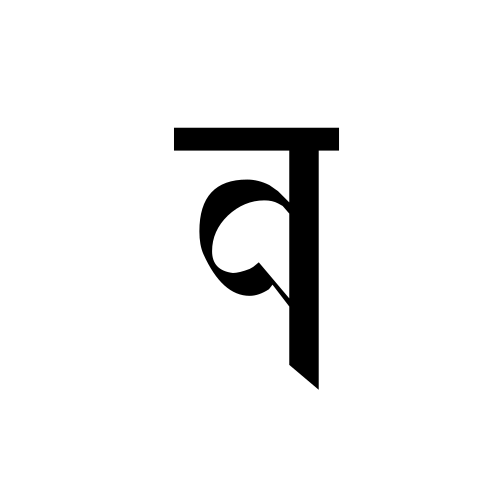 | 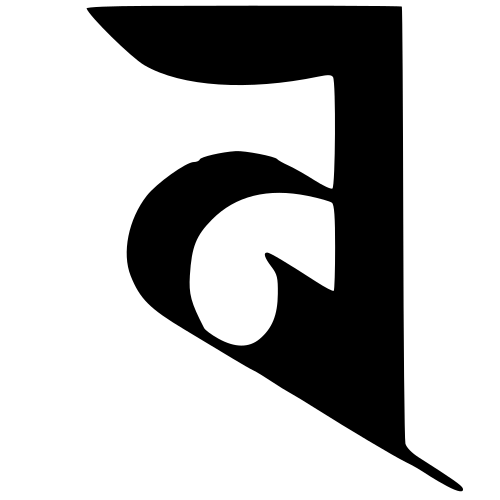 | व | va |
| Newar | Rañjanā | Dev. | Rom. |
|---|---|---|---|
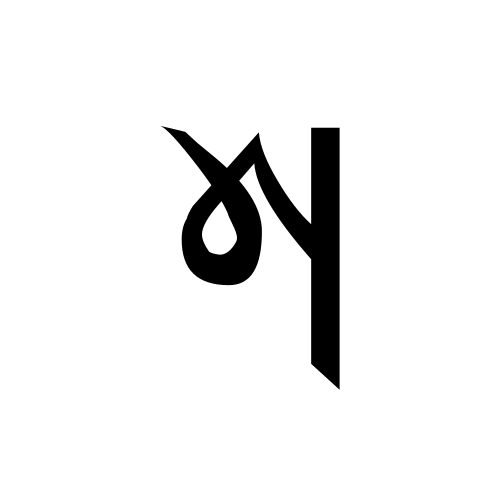 | 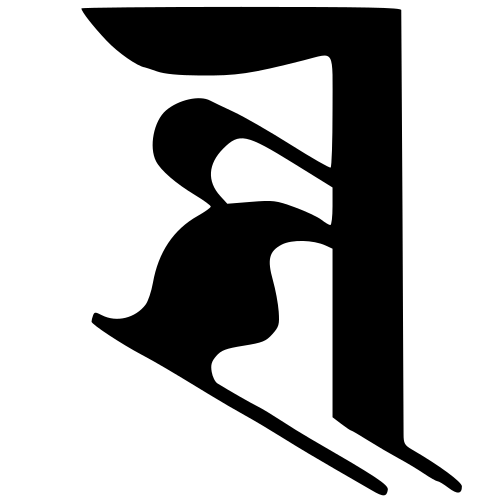 | श | śa |
 | 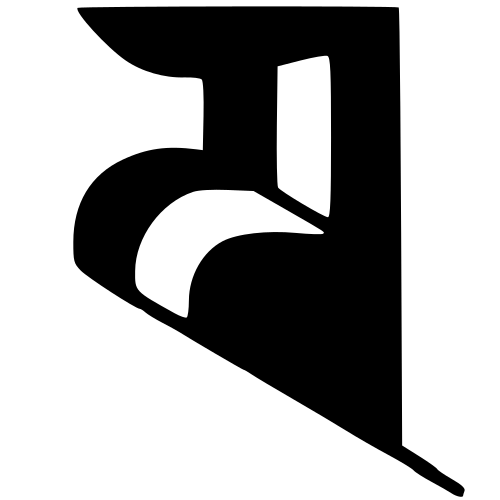 | ष | ṣa |
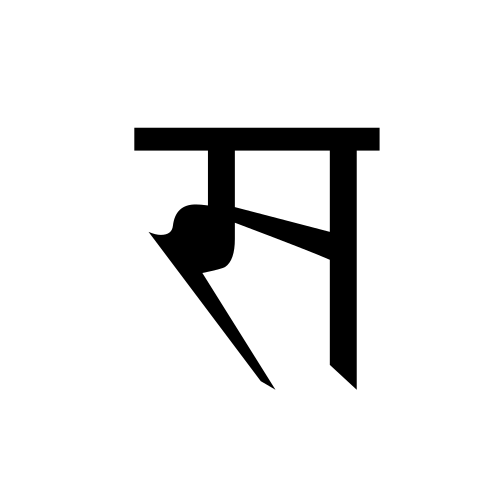 | 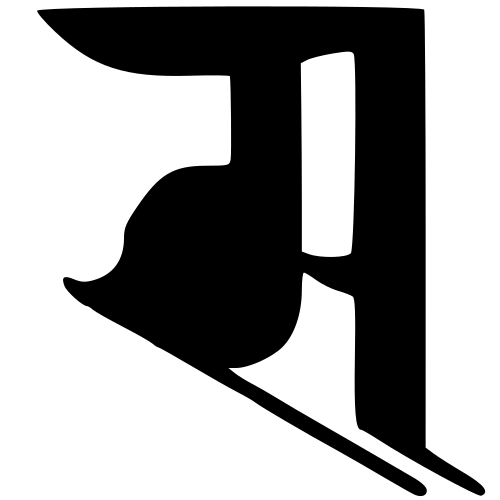 | स | sa |
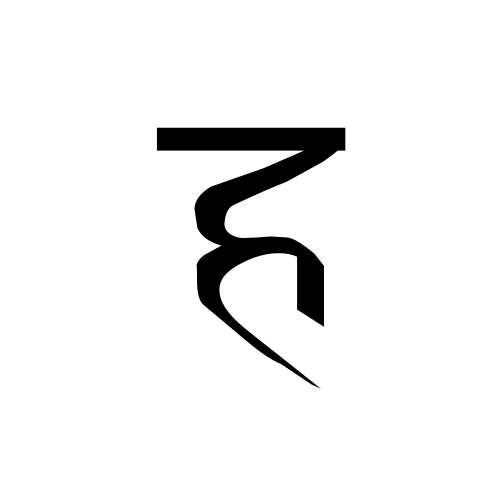 |  | ह | ha |
 | 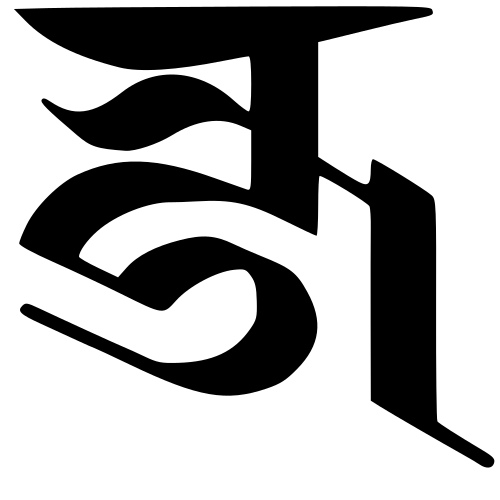 | क्ष | kṣa |
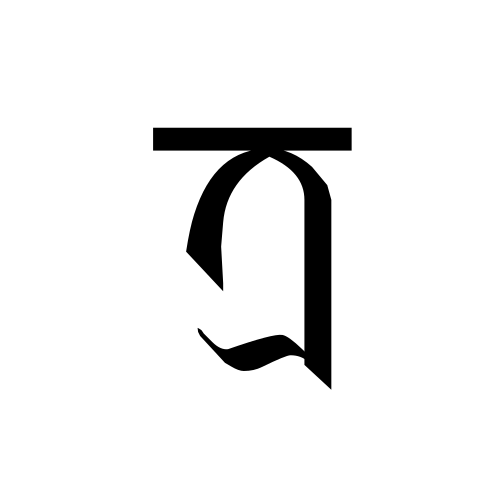 | 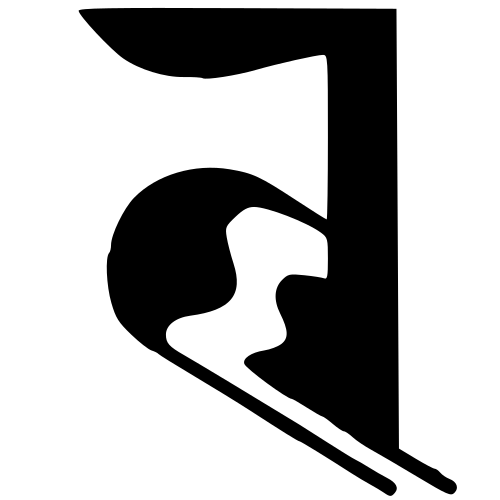 | त्र | tra |
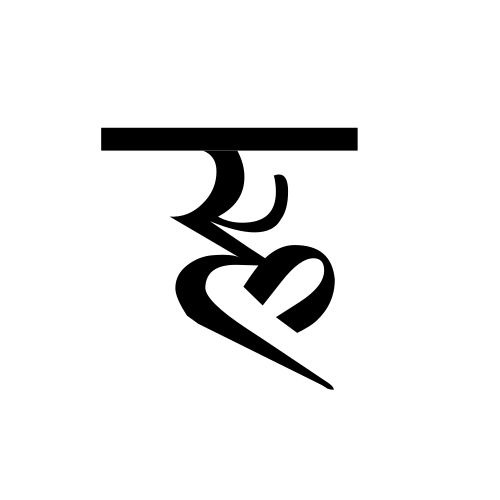 | 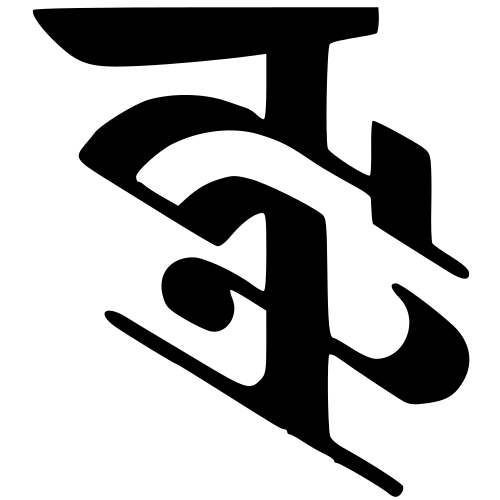 | ज्ञ | jña |
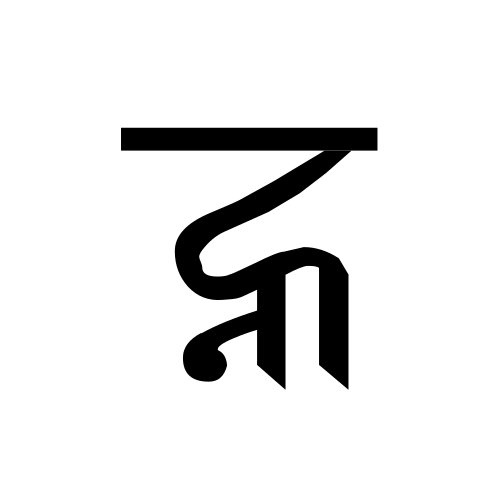
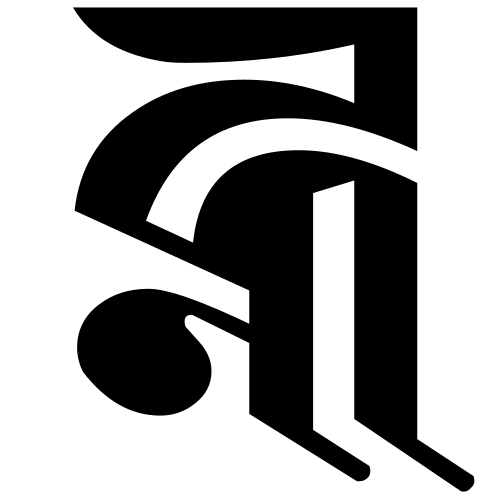
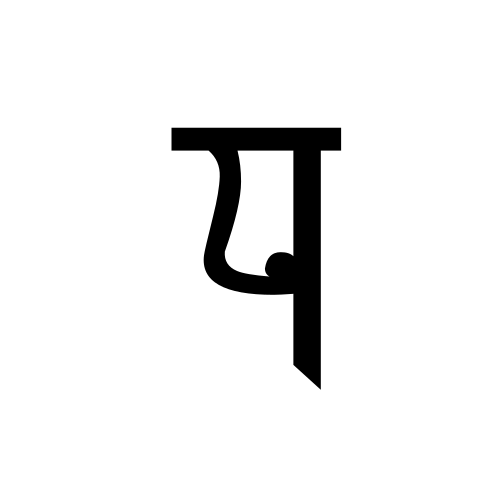
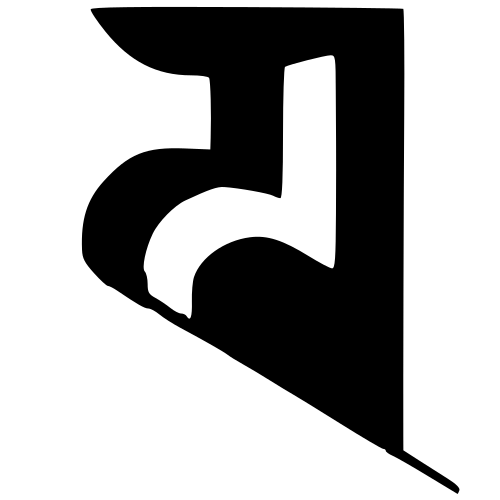
The compound letters kṣa, tra and jña are often regarded as separate letters that are taught together with the other letters. Since the Newari language lacks retroflex consonants, the letters ṭa, ṭha, ḍa, ḍha, ṇa and ṣa are used only in loanwords. The same applies to the letter śa. Newari, on the other hand, has a number of sonorant consonants that are pronounced with creaky voice (ṅha, ñha, ṇha, nha, mha, rha and lha). They are written in compound letters consisting of "ha" combined with the letter for the corresponding modal sonorant.[27]
Contextual forms
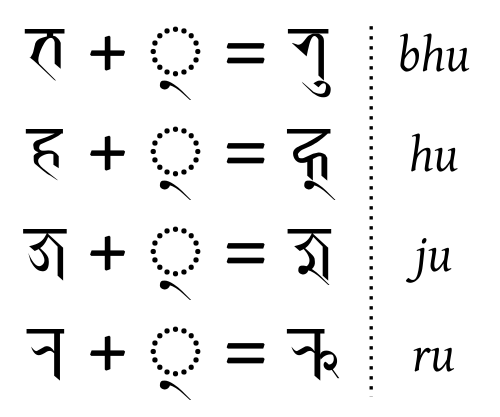
Some letters have alternative forms that are used when combined with certain vowel diacritics or included in a consonant cluster.[28]
- Letter bha and ha changes appearance when combined with any of the vowel diacritics u, ū, ṛ, ṝ, ḷ and ḹ.
- Letter ja and ra forms ligatures together with the vowels u and ū.
- Vowels u changes appearance when combined with the letters ga, ta, bha and śa.
Compound letters


Consonant clusters are written by writing several consonant letters together in complex ligatures. How they are written depends on the shape of the letters and some letters have alternative shapes that are used depending on their position in the cluster.[28]
Vowels
| Newar | Rañjanā | Dev. | Rom. |
|---|---|---|---|
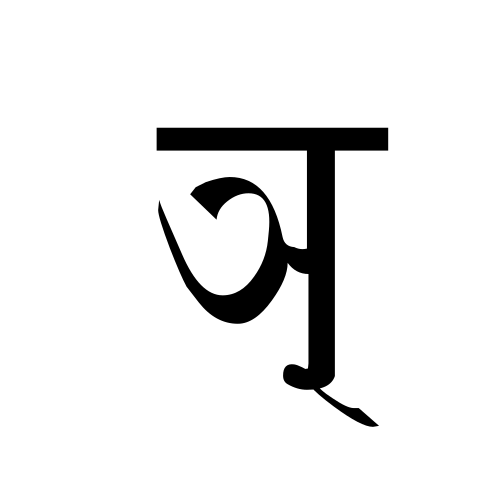 | 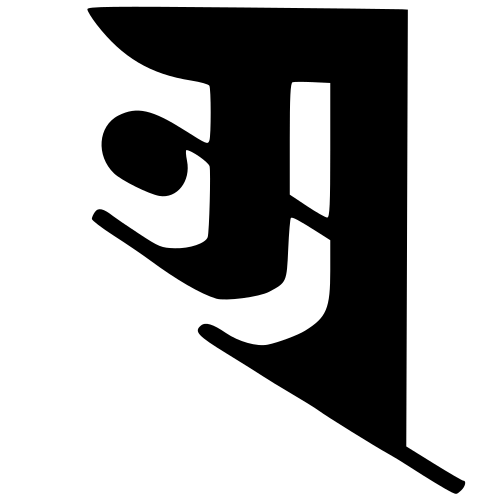 | अ | a |
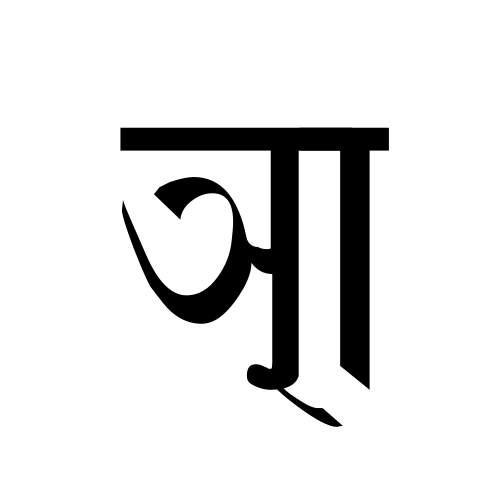 | 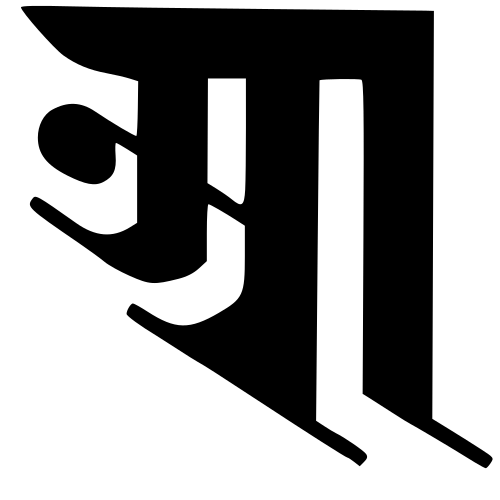 | आ | ā |
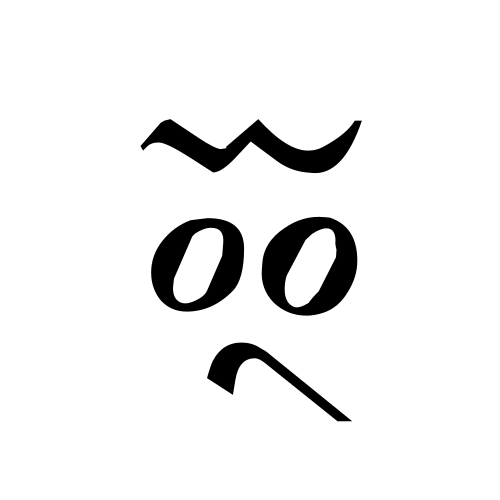 | 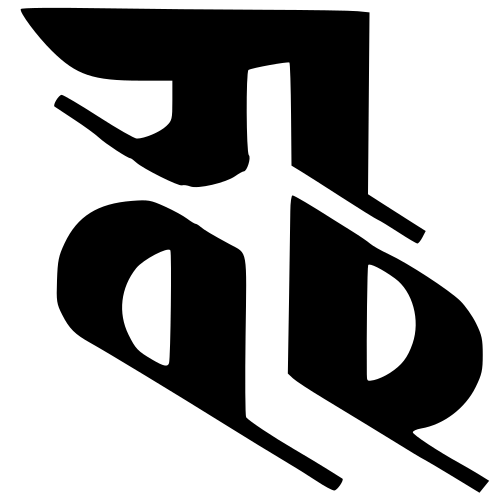 | इ | i |
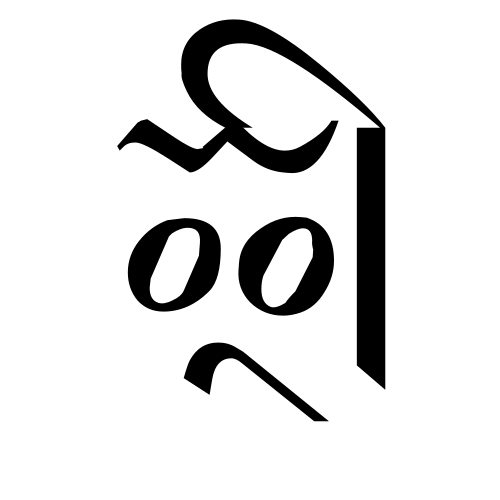 | 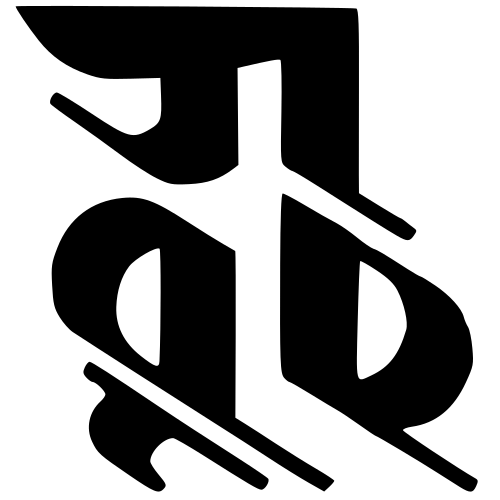 | ई | ī |
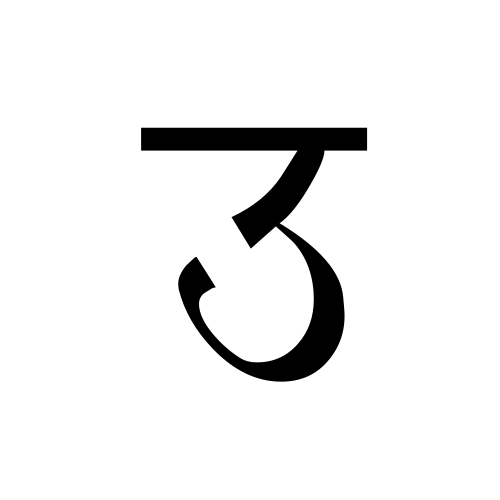 | 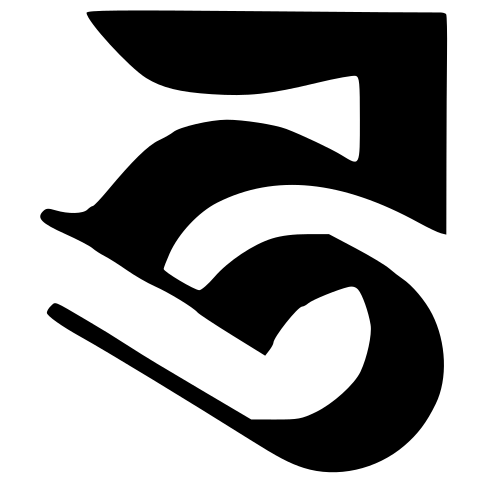 | उ | u |
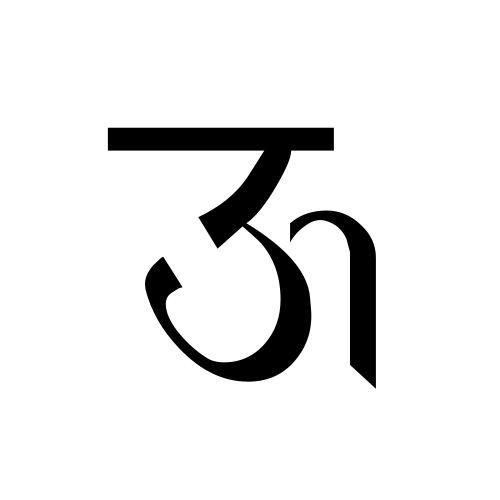 | 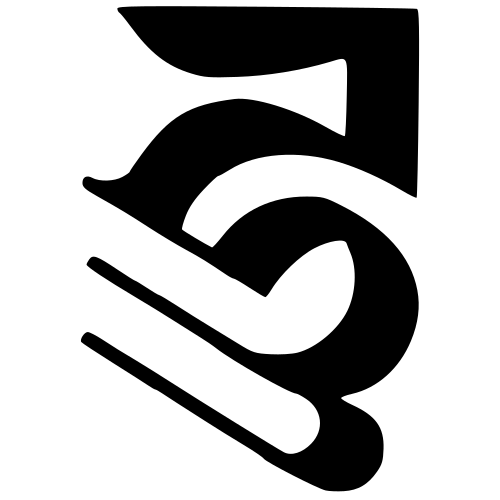 | ऊ | ū |
| Newar | Rañjanā | Dev. | Rom. |
|---|---|---|---|
 | 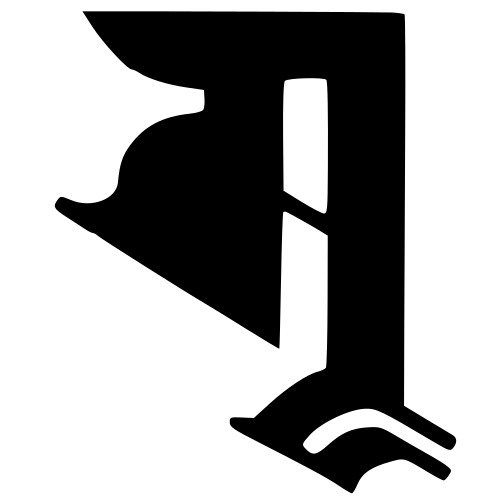 | ऋ | ṛ |
 | 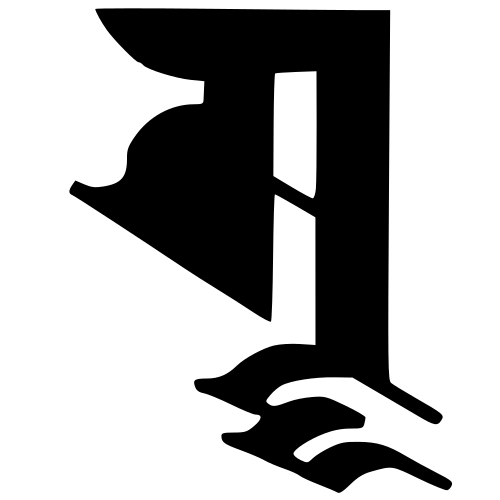 | ॠ | ṝ |
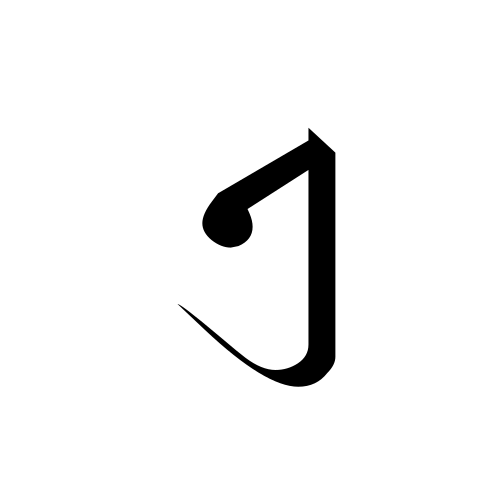 | 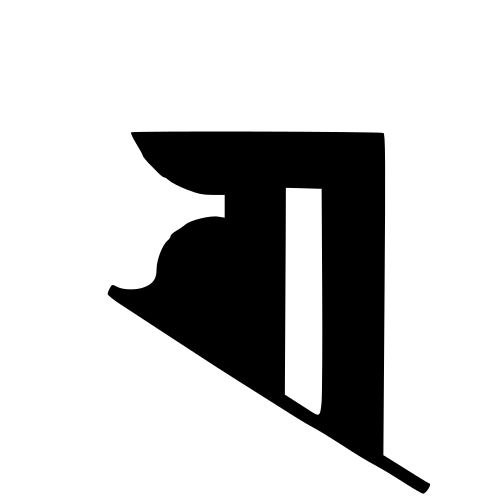 | ए | e |
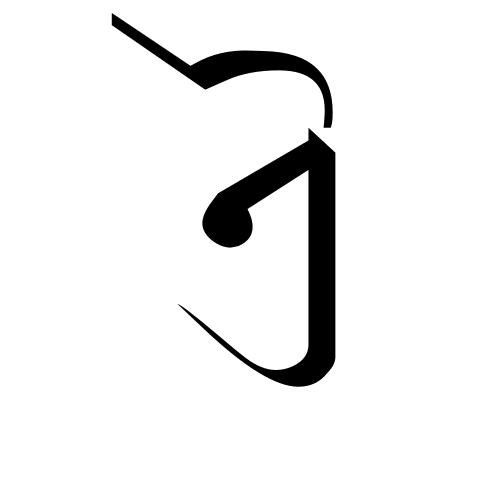 | 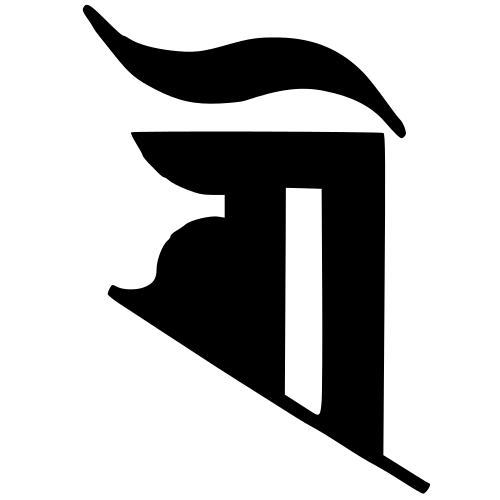 | ऐ | ai |
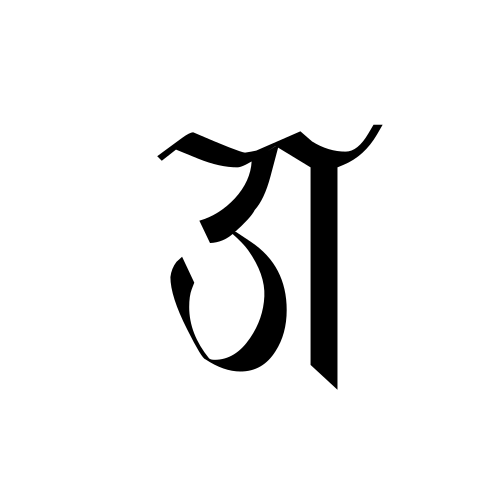 | 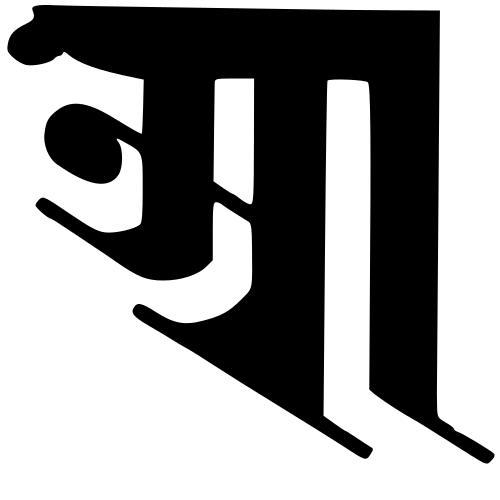 | ओ | o |
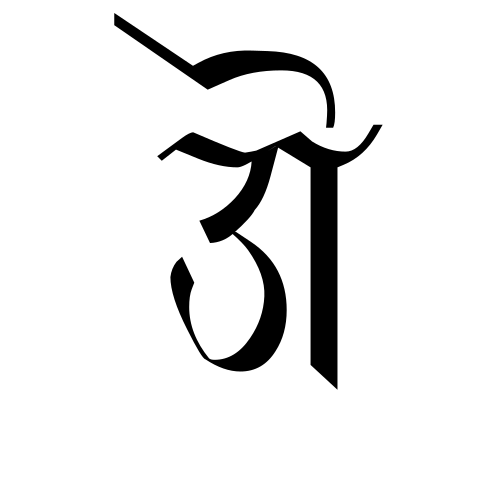 | 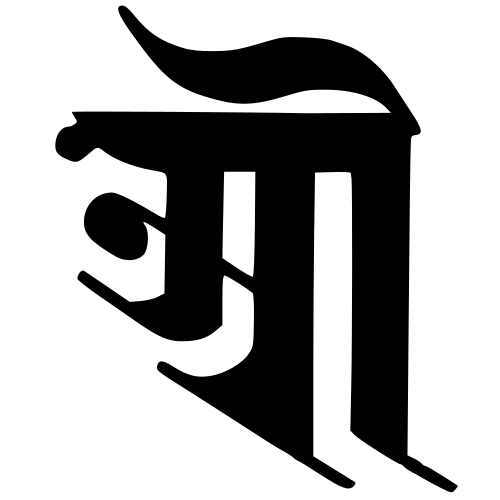 | औ | au |
| Newar | Rañjanā | Dev. | Rom. |
|---|---|---|---|
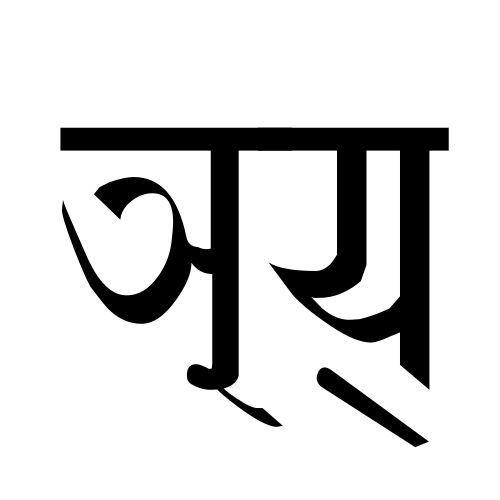 | 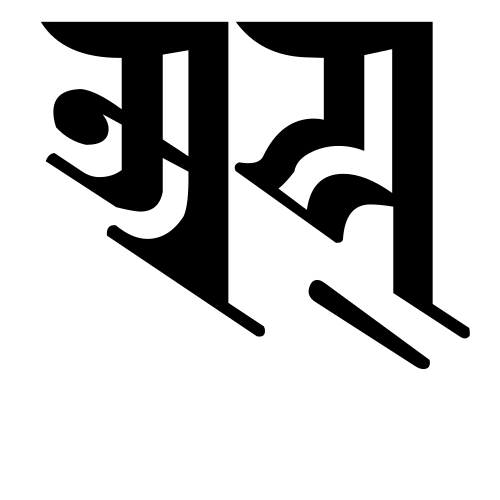 | अय् | ay |
 | 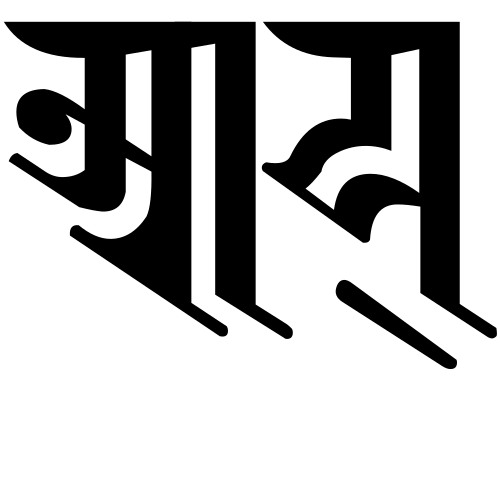 | आय् | āy |
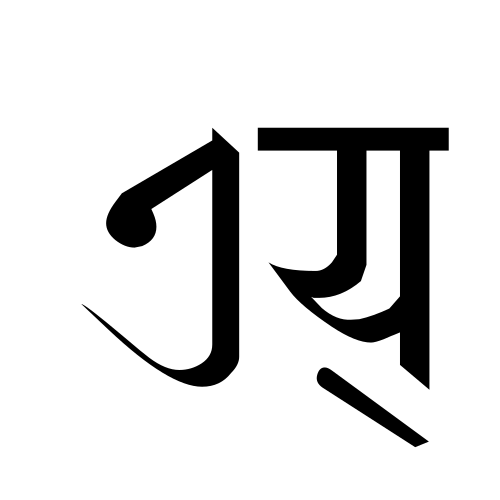 | 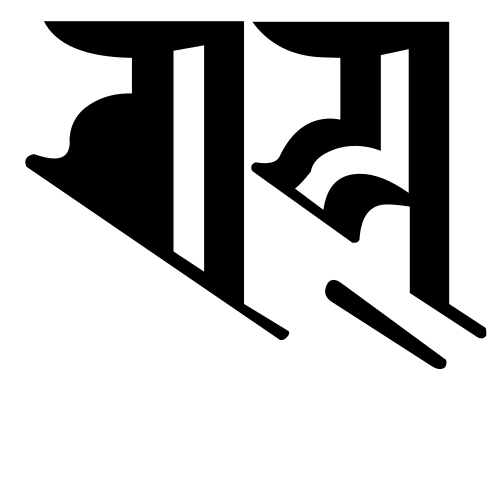 | एय् | ey |
The vowel ṛ which in Sanskrit stands for syllable forming [ṛ] is used in Newar script to write the syllable ri.
In Newari, the vowels a and ā are pronounced with different vowel qualities. In order to write their long equivalents, some diacritics have been given partially different properties than what is otherwise usual in Brahmic scripts.
| Letter | Name | Transcription | Description | |||
|---|---|---|---|---|---|---|
| Newar | Rañjanā | Sanskrit | Newari | Dev. | Rom. | |
 | 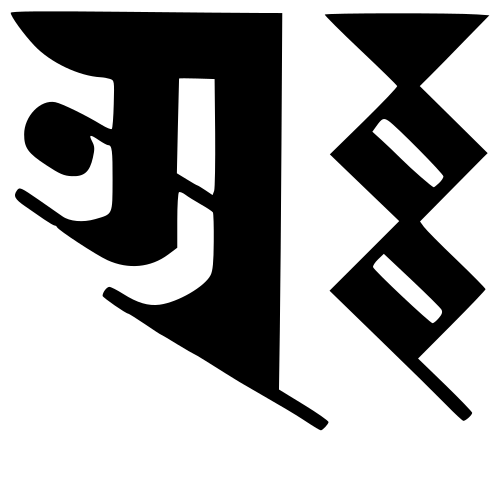 | visarga | lyuphuti | अः | aḥ | Usually used to indicate that a vowel is followed by an h-sound. In Newari it is used instead of marking a long vowel. |
 | 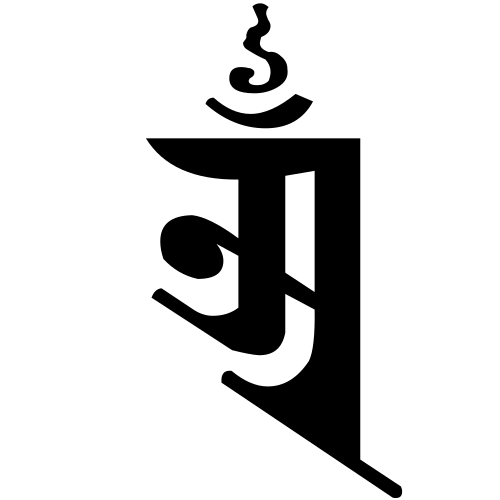 | candrabindu | milaphuti | अँ | am̐ | Marks a nasal vowel. |
 | 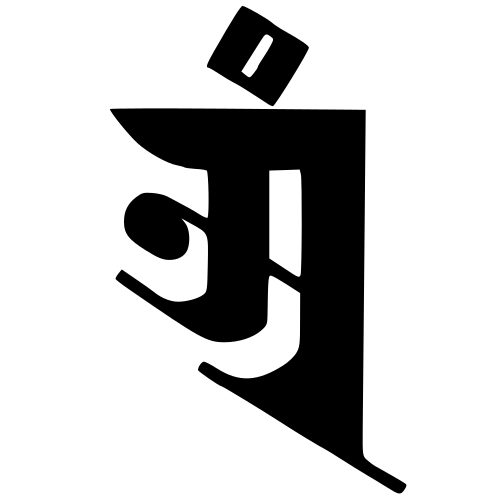 | anusvāra | sinhaphuti | अं | aṃ | In other words, it can be seen as a combination of visarga and chandrabindu. |
Vowel diacritics
Newar
تختلف بعض علامات التشكيل الصوتية في مظهرها تبعًا لوجود خط علوي للحرف الساكن أم لا. وهناك سبعة أحرف ساكنة بدون خطوط علوية: ga ، ña ، ṭha ، ṇa ، tha ، dha ، و śa . [ 28 ]
| أ | أح | أ | آح | أنا | أنا | u | ū | ṛ | ṝ | هـ | الذكاء الاصطناعي | o | أستراليا | أكون | أكون | |
|---|---|---|---|---|---|---|---|---|---|---|---|---|---|---|---|---|
| ka | |  | 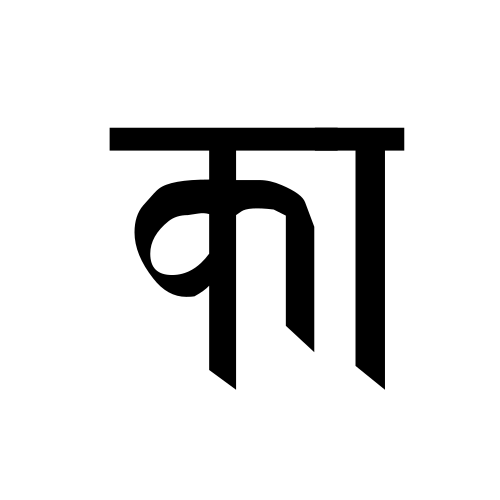 |  | 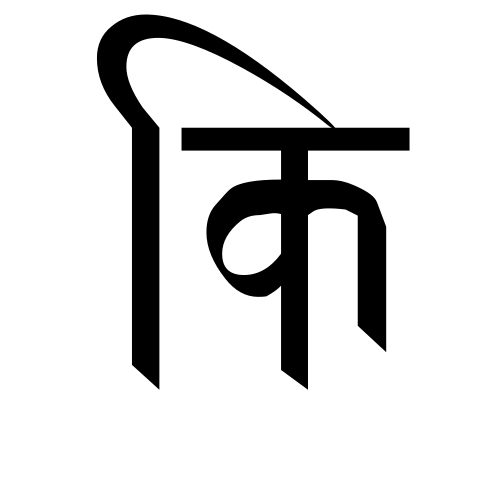 | 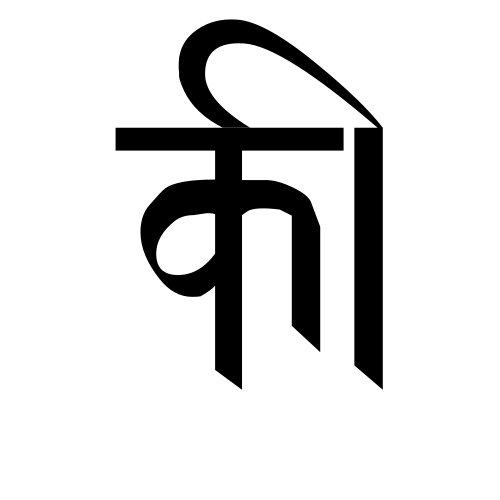 | 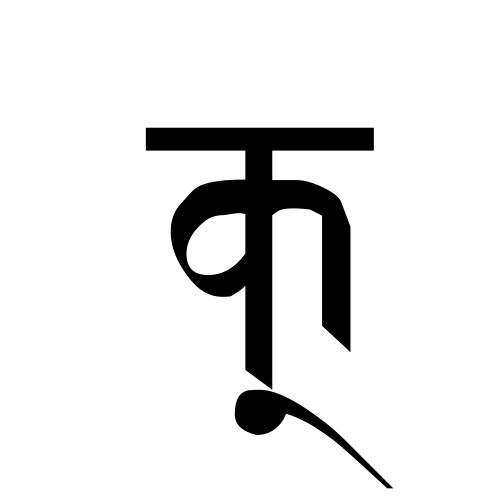 | 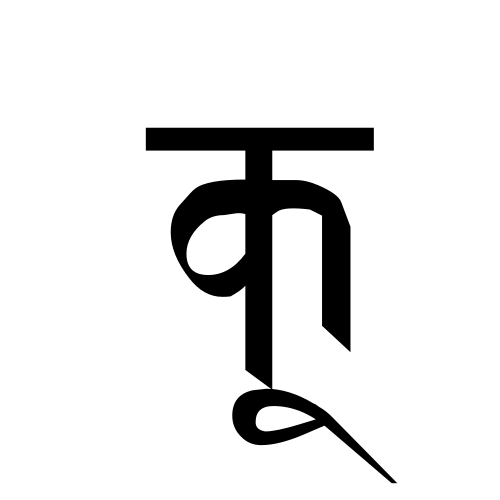 |  |  | 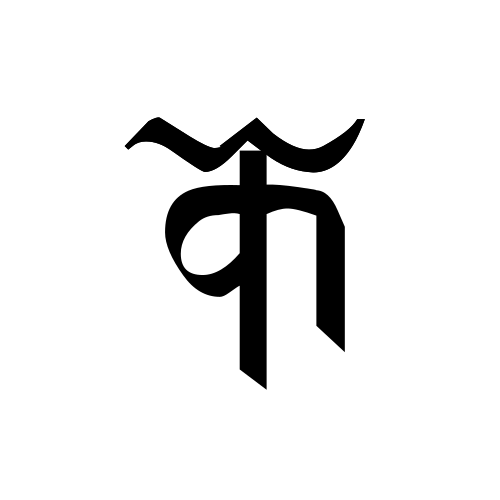 | 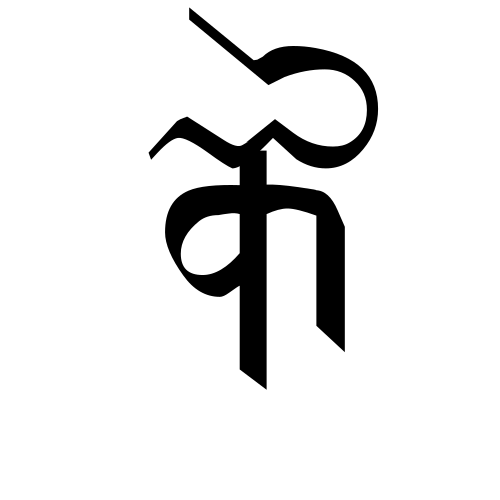 | 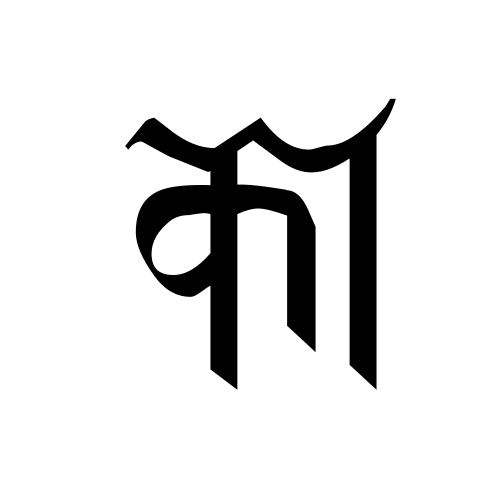 |  |  |  |
| جا جا | |  |  |  | 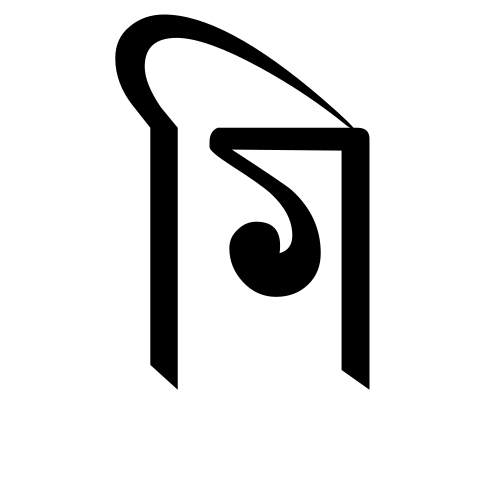 | 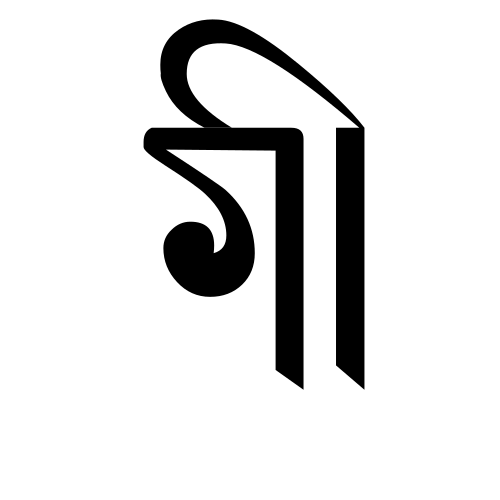 | 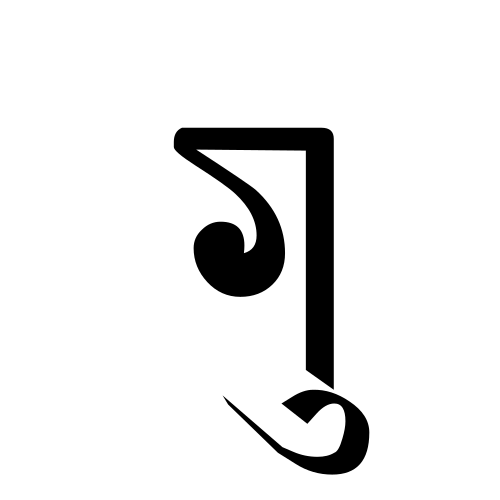 |  |  |  | 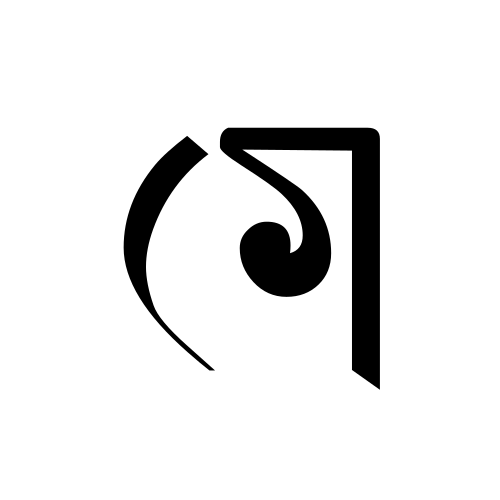 | 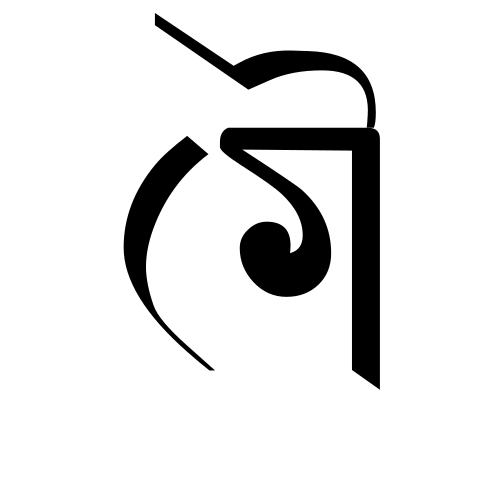 | 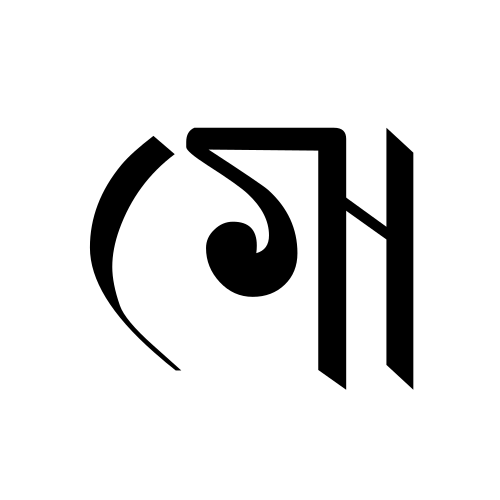 | 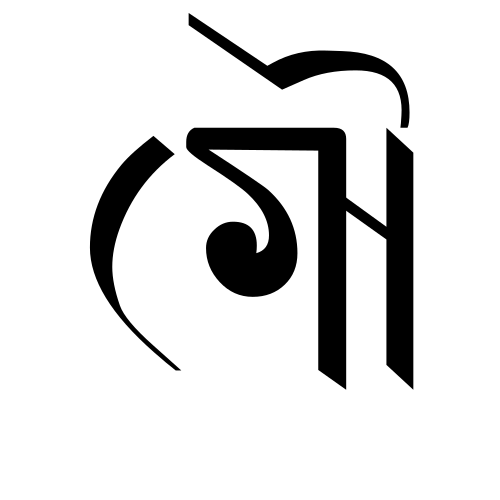 |  |  |
رانجانا
يمكن أن تتخذ علامات التشكيل الصوتية ثلاثة أشكال مختلفة كحد أقصى، وذلك بحسب الحرف الساكن الذي تُدمج معه. [ 29 ] وتُطبَّق قواعد حرف "كا" أيضًا على حروف "جا" و "كشا" و "جنا" . كما تُطبَّق قواعد حرف "غا" على حروف "خا " و "نا " و " ثا" و "نا " و "ثا" و"دا " و "شا" . أما قواعد حرف "با" فتُطبَّق على باقي الحروف.
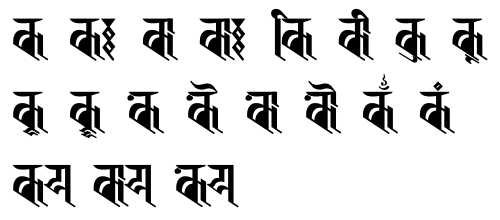 قواعد क ka
 قواعد لعبة غا
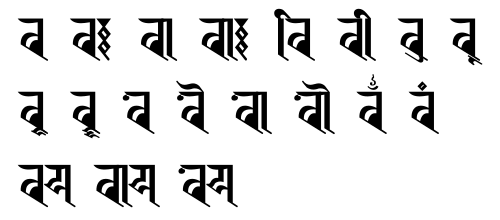 قواعد با
الاستخدام الحالي
تتوفر كتابة نيوار في نظام يونيكود باسم "كتابة نيوا" . وهي الكتابة الرسمية المستخدمة لكتابة لغة نيبال بهاسا. وقد تم اقتراح كتابة رانجانا للترميز في يونيكود. [ 30 ]
رؤوس الحروف لمدينة كاتماندو الحضرية، [ 31 ] مدينة لاليتبور الحضرية، [ 32 ] بلدية بهاكتابور، [ 33 ] بلدية ماديابور ثيمي [ 34 ] تنسب أسماءها إلى نص رانجانا.
في الهند، يُعتبر الخط الرسمي للغة النيوارية هو خط النيوار. [ 35 ]
معرض
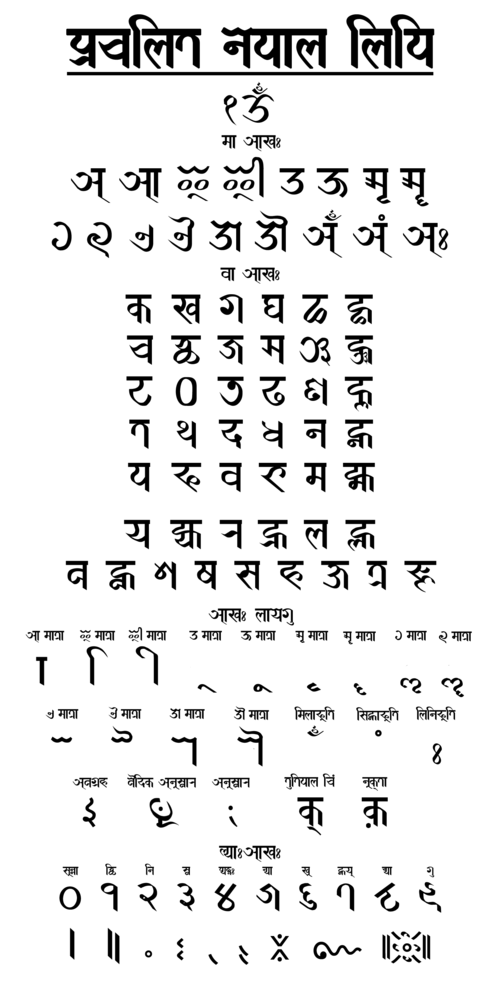 براشاليت فارنامالا.
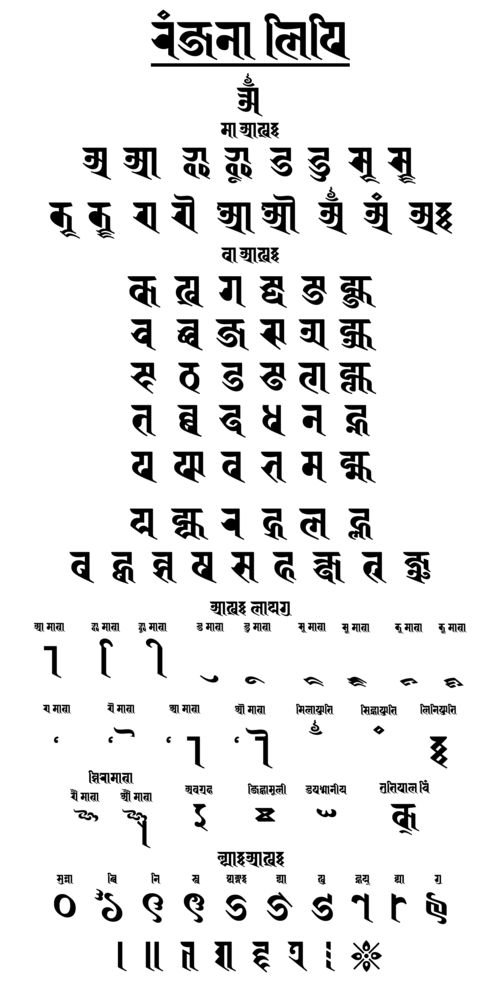 رانجانا فارنامالا
 بطاقة دعوه.
 Thaunkanhe شهريًا.
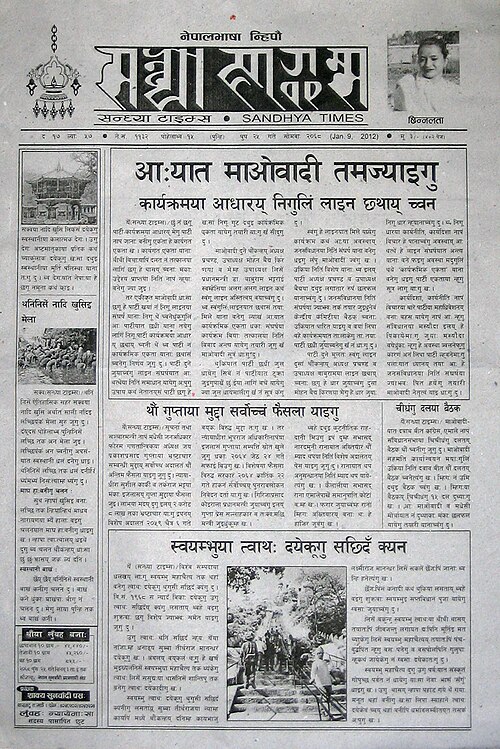 صحيفة سانديا تايمز اليومية.
 نقش نحاسي يعود تاريخه إلى عام 1952 ميلادي.
 نقش حجري يعود تاريخه إلى عام 1654 ميلادي.
 حروف بارزة من عام 1877 ميلادي.
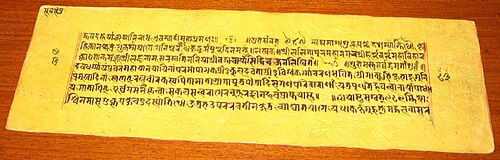 مخطوطة بوذية مكتوبة باللغة السنسكريتية بخط نيبالي تعود إلى عام 1869 ميلادي.
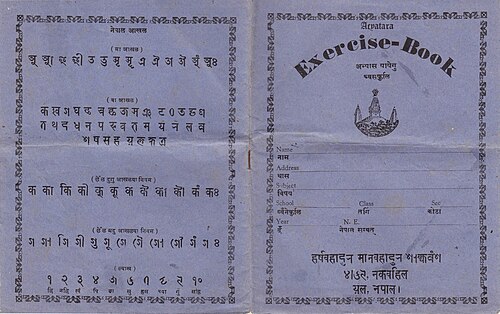 جدول كتابة البرشاليت في نيبال.
 نقش من بهاكتابور مكتوب بخط براكاليت مؤرخ في فبراير 1711 ميلادي.
انظر أيضاً
روابط خارجية
ملحوظات
مراجع
- ↑ ماسيكا، كولين (1993). اللغات الهندية الآرية . ص 143.
- ^ تولادار ، بريم شانتي (2000). نيبال بهاسا ساهيتيايا إتيهاس: تاريخ أدب نيبالباسا. كاتماندو: أكاديمية نيبال باسا. رقم ISBN 99933-56-00-Xالصفحة 306.
- ↑ لينارد، سيغفريد (1984). أغاني نيبال . هاواي: مركز الدراسات الآسيوية والمحيط الهادئ، جامعة هاواي، مطبعة جامعة هاواي. ص 2، 14. ISBN 0-8248-0680-8تم الاطلاع عليه بتاريخ 30 سبتمبر 2013 .
- ↑ مشروع فهرسة المخطوطات النيبالية الألمانية
- 1 2 شاكيافانشا، همراج (1993، الطبعة الثامنة). الأبجدية النيبالية. كاتماندو: مانداس لومانتي براكاشان.
- 1 2 "خارطة طريق لنصوص نيبال" (ملف PDF) . 28-09-2009 . تم الاطلاع عليه في 9 أكتوبر 2020 .
{{cite journal}}يتطلب الاستشهاد بالمجلة ( مساعدة )|journal= - ^ "Purva Licchavi – متعدد اللغات" .
- ^ راجان، فينود. "تعليقات على تسمية ترميز "Siddham"" (PDF) .
- ↑ باندي، أنشومان. "مقترح لترميز نص سيدهام في معيار ISO/IEC 10646" (ملف PDF) .
يهدف ترميز سيدهام إلى توحيد جميع اللهجات الإقليمية لهذا النص، مثل "سيدهاماتريكا" و"كوتيلا". وتستند الرموز التمثيلية إلى الأشكال اليابانية لأحرف سيدهام نظرًا للاستخدام النشط لهذا النص من قبل المجتمعات البوذية اليابانية.
- ^ ساكيا هيماراج (2004) Svayambhū Mahācaitya: Caitya العظيمة في نيبال. سفايامبو فيكاش ماندال. رقم ISBN 99933-864-0-5، ISBN 978-99933-864-0-7الصفحة 607. تم الاطلاع عليها بتاريخ 29 مارس 2012.
- ^ شريستا، ريباتي راماناناندا (2001). نيواه. لاليتبور: ساهيتيايا مولوخا. الصفحة 86.
- ↑ معهد البحوث العلمية حول الفيدا
- ↑ بيندال، سيسيل (1883). فهرس المخطوطات السنسكريتية البوذية في مكتبة جامعة كامبريدج . كامبريدج: مطبعة الجامعة. ص 301. تاريخ الاطلاع: 21 أغسطس 2012 .
{{cite book}}: CS1 maint: publisher location ( link ) - ↑ "النقوش النيبالية في مجموعة روبين" . تم الاطلاع عليه بتاريخ 30 سبتمبر 2013 .
- ^ فاجراكاريا، دانافاجرا ومالا، كمال ب. (1985). جوبالاراجافامسافالي. فرانز شتاينر فيرلاج فيسبادن GmbH.
- ^ تاموت ، كاشيناث (2009). سانكهاداركريت نيبال سامبات. نيبال ماندالا البحوث غوثي. رقم ISBN 978-9937209441الصفحات 68-69.
- ↑ رولامبا . أبريل–يونيو 1983.
{{cite news}}: مفقود أو فارغ|title=( مساعدة ) - ^ “أبجدية رانجانا”. ليبي ثابو جوثي. 1995.
- ↑ تولدار، كمال راتنا (الطبعة الثانية 2011). قافلة إلى لاسا: تاجر كاتماندو في التبت التقليدية. كاتماندو: ليجالا وتيسا. رقم ISBN 99946-58-91-3الصفحة 115.
- ^ تولادار ، بريم شانتي (2000). نيبال بهاسا ساهيتيايا إتيهاس: تاريخ أدب نيبالباسا. كاتماندو: أكاديمية نيبال باسا. رقم ISBN 99933-56-00-Xالصفحة 14.
- ↑ براون، تي. لويز (1996). التحدي الذي يواجه الديمقراطية في نيبال: تاريخ سياسي. روتليدج. ISBN 0-415-08576-4، ISBN 978-0-415-08576-2الصفحة 21.
- ↑ سادا، إيفان (مارس 2006). "مقابلة: هيم راج شاكيا" . إي سي إس نيبال . مؤرشف من الأصل في 26 يناير 2012. تم الاطلاع عليه في 23 فبراير 2012 .
- ^ “نيبال ليبي سانجراها” (PDF) . جوركاباترا . 20 أبريل 1953 . تم الاسترجاع 7 مايو 2012 .الصفحة 3.
- ↑ تولادار، كمال راتنا (22 مارس 2009). "رجل أديب" . صحيفة كاتماندو بوست . مؤرشف من الأصل في 29 سبتمبر 2011. تم الاطلاع عليه في 23 فبراير 2012 .
- ↑ لينارد، سيغفريد (1984). أغاني نيبال . هاواي: مركز الدراسات الآسيوية والمحيط الهادئ، جامعة هاواي، مطبعة جامعة هاواي. ص 2. ISBN 0-8248-0680-8تم الاطلاع عليه بتاريخ 30 سبتمبر 2013 .
- ↑Shrestha, Bal Gopal (January 1999). "The Newars: The Indigenous Population of the Kathmandu Valley in the Modern State of Nepal)"(PDF). CNAS Journal. Retrieved 23 March 2012. Page 87.
- ↑Manandhar, Dev Dass (5 February 2012). "Proposal for Nepālalipi Script in the Universal Character Set for inclusion in the Unicode Standard"(PDF). Retrieved 15 September 2015.
- 123Pandey, Anshuman (29 February 2012). "Proposal to Encode the Newar Script in ISO/IEC 10646"(PDF). Retrieved 15 September 2015.
- ↑Everson, Michael (4 May 2009). "Preliminary proposal for encoding the Rañjana script in the SMP of the UCS"(PDF). Retrieved 15 September 2015.
- ↑Pandey, Anshuman (2023-01-05). "L2/23-028: Preliminary proposal to encode Ranjana in Unicode"(PDF).
- ↑"कोभिड-१९ विरुद्धको Verocell दोश्रो मात्राको खोप लगाउन आउने बारे सूचना !". Kathmandu Metropolitan City. Retrieved 30 October 2021.An example of a letter head in Kathmandu Metropolitan City
- ↑"प्रेस विज्ञप्ति". Lalitpur Metropolitan City. Retrieved 30 October 2021.An example of a letter head in Lalitpur Metropolitan City
- ↑"आधारभूत तह (कक्षा ८) उत्तीर्ण परीक्षा २०७७ को नतिजा प्रकाशनसम्बन्धी सूचना !". Bhaktapur Municipality. Retrieved 30 October 2021.An example of a letter head in Bhaktapur Municipality
- ↑"Notice for non-governmental social organizations". Madhyapur Thimi Municipality. Retrieved 30 October 2021.An example of a letter head in Madhyapur Thimi Municipality
- ↑"𑐳𑐶𑐎𑑂𑐎𑐶𑐩 𑐴𑐾𑐬𑐮𑑂𑐜"(PDF). Government of Sikkim. Retrieved 1 November 2021.
- Newar
- Brahmic scripts
- Writing systems of Newar language
- Newar language