
Tours
Tours (/tʊər/TOOR; French:[tuʁ]ⓘ) is the largest city in the region of Centre-Val de Loire, France. It is the prefecture of the department of Indre-et-Loire. The commune of Tours had 138,668 inhabitants as of 2022 while the population of the whole metropolitan area was 526,370.[3]
Tours sits on the lower reaches of the Loire, between Orléans and the Atlantic coast. Formerly named Caesarodunum by its founder, Roman Emperor Augustus, it possesses one of the largest amphitheaters of the Roman Empire, the Tours Amphitheatre. Known for the Battle of Tours in 732 AD, it is a National Sanctuary with connections to the Merovingians and the Carolingians, with the Capetians making the kingdom's currency the Livre tournois. Saint Martin and Gregory of Tours were from Tours. Tours was once part of Touraine, a former province of France. Tours was the first city of the silk industry. It was taken by Louis XI, as the royal capital under the Valois Kings with its Loire castles and city of art with the School of Tours. The prefecture was partially destroyed during the French Wars of Religion in the late 16th century and again during the Second World War in June 1940.
The historical centre of Tours is listed as a UNESCO World Heritage Site, and the city is also home to the Vieux-Tours, a patrimonial site. The garden city has a green heritage and its urban landscape has been strongly influenced by its natural space. The historic city is nicknamed the "White and Blue City" and "Le Petit Paris". The city is a university city with more than 30,000 students in 2019. Tours is a popular culinary city with specialties such as rillettes, rillons, Touraine vineyards, AOC Sainte-Maure-de-Touraine cheeses and nougats. The city is also the end-point of the annual Paris–Tourscycle race. The region, due to its history and culture, has always been a place of birth or home to many personalities and international sporting events.
Etymology
A popular folk etymology of the word "Tours" is that it comes from Turonus, the nephew of Brutus. Turonus died in a war between Corineus and the king of Aquitaine, Goffarius Pictus, provoked by Corineus hunting in the king's forests without permission. It is said that Turonus was buried in Tours and the city is founded around his grave.[4]
History
In Gallic times, Tours was an important crossing point over the Loire. It became part of the Roman Empire during the 1st century AD, and the city was named Caesarodunum ("hill of Caesar"). The name evolved in the 4th century when the original Gallic name, Turones, became Civitas Turonum and then Tours. It was at this time that the Tours Amphitheatre was built.
Tours became a metropolis in the Roman province of Lugdunum towards 380–388 AD, dominating Maine, Brittany, and the Loire Valley. One important figure in the city was Saint Martin of Tours, a bishop who shared his coat with a naked beggar in Amiens. The importance of Martin in the medieval Christian West made Tours, and its position on the route of pilgrimage to Santiago de Compostela, a major centre during the Middle Ages.
Middle Ages
في القرن السادس، قام غريغوريوس التوري ، مؤلف كتاب " الكتب العشرة للتاريخ" ، بترميم كاتدرائية دمرها حريق عام 561. استفاد دير القديس مارتن منذ تأسيسه في مطلع القرن السادس من رعاية ودعم الملك الفرنجي كلوفيس الأول ، مما زاد بشكل كبير من نفوذ القديس والدير والمدينة في بلاد الغال. في القرن التاسع، كانت تور مركزًا لعصر النهضة الكارولنجية ، لا سيما بفضل ألكوين ، من يورك في نورثمبريا، جامع الكتب الشهير ورئيس دير مارموتيه .
في عام 732، توغل عبد الرحمن الغافقي وجيش من الفرسان المسلمين من الأندلس مسافة 500 كيلومتر (300 ميل) داخل فرنسا، وتوقف تقدمهم في معركة تور في موسيه لا باتاي [ 5 ] (بين شاتيلرو وبواتييه ) على يد شارل مارتل وجيشه من المشاة. هُزم الجيش المسلم، مما حال دون غزو المسلمين لفرنسا.
في عام 845، صدّت مدينة تور الهجوم الأول للزعيم الفايكنجي هاستن . وفي عام 850، استقر الفايكنج عند مصبي نهري السين واللوار. وفي عام 852، عادوا بقيادة هاستن إلى نهر اللوار ونهبوا أنجيه وتور ودير مارموتيه.
خلال العصور الوسطى، كانت مدينة تور تتألف من مركزين متجاورين ومتنافسين. المدينة في الشرق، التي خلفت نظام " الكاستروم " الروماني المتأخر، كانت تضم الكاتدرائية وقصر رؤساء الأساقفة، بالإضافة إلى قلعة تور. وكانت قلعة تور مقرًا لسلطة كونتات تور (الذين أصبحوا لاحقًا كونتات أنجو) وملك فرنسا. أما في الغرب، فقد تحررت "المدينة الجديدة"، التي بُنيت حول دير سان مارتان، من سيطرة المدينة خلال القرن العاشر (حيث بُني سور حولها حوالي عام 918) وأصبحت تُعرف باسم "شاتونوف". هذه المنطقة، التي تقع بين سان مارتان ونهر اللوار، أصبحت المركز الاقتصادي لتور. وبين هذين المركزين كانت تقع فارين، وهي عبارة عن كروم عنب وحقول قليلة السكان باستثناء دير سان جوليان الذي أُنشئ على ضفاف نهر اللوار. وقد تم ربط المركزين خلال القرن الرابع عشر.

أصبحت تور عاصمة مقاطعة تور أو تورين ، وهي منطقة كانت محل نزاع مرير بين كونتات بلوا وأنجو ، وقد انتصر الأخير في القرن الحادي عشر. وكانت عاصمة فرنسا في عهد لويس الحادي عشر، الذي استقر في قلعة مونتيل (قلعة بليسيس ليه تور الحالية، عند ملتقى نهري اللوار والإندر). وظلت تور وتورين مقرًا دائمًا للملوك والبلاط حتى القرن السادس عشر. وشهد عصر النهضة ظهور العديد من القصور والقلاع الخاصة في تور وتورين، والتي اتحدت إلى حد ما تحت اسم "قلاع اللوار". وفي عهد لويس الحادي عشر أيضًا، بدأت صناعة الحرير، ورغم الصعوبات، لا تزال هذه الصناعة قائمة حتى يومنا هذا.
القرنين السادس عشر والثامن عشر
مرّ شارل التاسع بالمدينة خلال جولته الملكية في فرنسا بين عامي 1564 و1566، برفقة حاشيته وعدد من النبلاء: شقيقه دوق أنجو ، وهنري دي نافار ، وكاردينالات بوربون ولورين . في ذلك الوقت، عاد الكاثوليك إلى السلطة في أنجيه، حيث تولى المرافقون حق ترشيح أعضاء مجلس المدينة. لم تتكرر مذبحة سان بارتيليمي في تور. سُجن البروتستانت بأمر من أعضاء مجلس المدينة، وهو إجراء حال دون إبادتهم. مثّلت عودة البلاط الملكي الدائمة إلى باريس ثم فرساي بداية انحدار بطيء ولكنه دائم. أُعدم غيوم دي ميتييه (1763-1798)، المعروف باسم روشامبو ، الزعيم المعروف لمناهضة الثورة في ماين، رمياً بالرصاص في تور.
القرنين التاسع عشر والعشرين
أنقذ وصول السكك الحديدية في القرن التاسع عشر مدينة تور، إذ جعلها مركزًا محوريًا هامًا. تُعرف محطة السكك الحديدية الرئيسية باسم تور سان بيير دي كور. في ذلك الوقت، كانت تور تتوسع جنوبًا لتشمل منطقة تُعرف باسم بريباند. ساهمت أهمية المدينة كمركز اتصالات في انتعاشها، ومع تقدم القرن العشرين، أصبحت تور تجمعًا حضريًا ديناميكيًا، موجهًا اقتصاديًا نحو قطاع الخدمات. كانت المدينة لفترة وجيزة العاصمة الفعلية لفرنسا خلال الحرب الفرنسية البروسية، حيث استضافت ليون غامبيتا وممثلين عن حكومة الدفاع الوطني الذين فروا من حصار باريس آنذاك . [ 6 ]
الحرب العالمية الأولى

The city was greatly affected by the First World War. A force of 25,000 American soldiers arrived in 1917, setting up textile factories for the manufacture of uniforms, repair shops for military equipment, munitions dumps, an army post office and an American military hospital at Augustins. Because of this, Tours became a garrison town with a resident general staff. The American presence is remembered today by the Wilson Bridge over the Loire, which was officially opened in July 1918 and bears the name of the President of the United States from 1913 to 1921. Three American air force squadrons, including the 492nd, were based at the Parçay-Meslay airfield, their personnel playing an active part in the life of the city. Americans paraded at funerals and award ceremonies for the Croix de Guerre. They also took part in festivals and their YMCA organised shows for the troops. Some men married women from Tours.
Inter-war years
In 1920, the city hosted the Congress of Tours, which saw the creation of the French Communist Party. One future consequence of that congress was the presence of Ho Chi Minh, the Vietnamese nationalist, who became one of the first members of the party.
Second World War
Tours was also marked by the Second World War, as the city suffered massive destruction in 1940. For four years it was a city of military camps and fortifications. From 10 to 13 June 1940, Tours was the temporary seat of the French government before its move to Bordeaux.
German incendiary bombs caused a huge fire, which blazed out of control from 20 to 22 June and destroyed part of the city centre. Some architectural masterpieces of the 16th and 17th centuries were lost, as was the monumental entry to the city. The Wilson Bridge, which carried a water main that supplied the city, was dynamited to slow the progress of the German advance. With the water main severed, nobody could extinguish the inferno. That made inhabitants have no option but to flee to safety. More heavy air raids by Allied forces devastated the area around the railway station in 1944, causing several hundred deaths.
Post-war developments
A plan for the rebuilding of the central area drawn up by the local architect Camille Lefèvre had been adopted even before the end of the war. The plan was for 20 small quadrangular blocks of housing to be arranged around the main road (la rue Nationale), which was widened. This regular layout attempted to echo but simplify the 18th-century architecture. Pierre Patout succeeded Lefèvre as the architect in charge of rebuilding in 1945. At one time, there was talk of demolishing the southern side of the rue Nationale to make it in keeping with the new development.
The recent history of Tours is marked by the personality of Jean Royer, who was mayor for 36 years and helped save the old town from demolition by establishing one of the first Conservation Areas. This example of conservation policy would later inspire the Malraux Law for the safeguarding of historic city centres. In the 1970s, Jean Royer also extended the city to the south by diverting the course of the Cher River to create the districts of Rives du Cher and des Fontaines. At the time, it was one of the largest urban developments in Europe. In 1970, the François Rabelais University was founded and centred on the bank of the Loire in the downtown area, not, as was the current practice, in a campus in the suburbs. The latter solution was also chosen by the twin university of Orleans. Royer's long term as mayor was, however, not without controversy, as is exemplified by the construction of the practical but aesthetically unattractive motorway, which runs along the bed of a former canal just 1,500 metres (4,900 feet) from the cathedral. Another bone of contention was the original Vinci Congress Centre by Jean Nouvel. The project incurred debts although it at least made Tours one of France's principal conference centres.
Jean Germain, a member of the Socialist Party, became mayor in 1995 and made debt reduction his priority. Ten years later, his economic management was regarded as much wiser than that of his predecessor because of the financial stability of the city returning. However, his achievements were criticised by the municipal opposition for a lack of ambition. There were no large building projects instituted under his two terms. That position is disputed by those in power, who affirm their policy of concentrating on the quality of life, as evidenced by urban restoration, the development of public transport and cultural activities.
Climate
Tours has an oceanic climate that is very mild for such a northern latitude. Summers are influenced by its inland position, resulting in frequent days of 25 °C (77 °F) or warmer, whereas winters are kept mild by Atlantic air masses. The entire valley between Orléans and Angers is famous for the luminosity of its air and for its fabulous châteaux, most of them Renaissance (over 600 between Orléans and Angers).
| Climate data for Tours, elevation: 108 m (354 ft) (1991–2020 normals, extremes 1959-present) | |||||||||||||
|---|---|---|---|---|---|---|---|---|---|---|---|---|---|
| Month | Jan | Feb | Mar | Apr | May | Jun | Jul | Aug | Sep | Oct | Nov | Dec | Year |
| Record high °C (°F) | 16.9(62.4) | 22.1(71.8) | 25.3(77.5) | 29.2(84.6) | 33.7(92.7) | 39.1(102.4) | 40.8(105.4) | 39.8(103.6) | 35.5(95.9) | 31.1(88.0) | 22.3(72.1) | 18.5(65.3) | 40.8(105.4) |
| Mean daily maximum °C (°F) | 7.7(45.9) | 9.0(48.2) | 12.9(55.2) | 16.0(60.8) | 19.6(67.3) | 23.4(74.1) | 25.9(78.6) | 26.0(78.8) | 22.1(71.8) | 17.0(62.6) | 11.4(52.5) | 8.1(46.6) | 16.6(61.9) |
| Daily mean °C (°F) | 5.1(41.2) | 5.6(42.1) | 8.6(47.5) | 11.0(51.8) | 14.5(58.1) | 18.0(64.4) | 20.2(68.4) | 20.2(68.4) | 16.8(62.2) | 13.0(55.4) | 8.3(46.9) | 5.5(41.9) | 12.2(54.0) |
| Mean daily minimum °C (°F) | 2.5(36.5) | 2.3(36.1) | 4.3(39.7) | 6.0(42.8) | 9.4(48.9) | 12.6(54.7) | 14.4(57.9) | 14.3(57.7) | 11.4(52.5) | 9.0(48.2) | 5.3(41.5) | 2.9(37.2) | 7.9(46.2) |
| Record low °C (°F) | −17.4(0.7) | −14.2(6.4) | −10.3(13.5) | −3.4(25.9) | −0.6(30.9) | 2.6(36.7) | 4.3(39.7) | 4.8(40.6) | 0.9(33.6) | −2.3(27.9) | −7.1(19.2) | −18.5(−1.3) | −18.5(−1.3) |
| Average precipitation mm (inches) | 63.0(2.48) | 52.4(2.06) | 48.7(1.92) | 53.0(2.09) | 57.7(2.27) | 53.2(2.09) | 46.6(1.83) | 44.0(1.73) | 51.8(2.04) | 66.0(2.60) | 69.3 (2.73) | 72.1 (2.84) | 677.8 (26.69) |
| متوسط أيام هطول الأمطار (≥ 1.0 مم) | 11.0 | 9.8 | 9.3 | 8.9 | 9.0 | 7.6 | 6.7 | 6.6 | 7.5 | 9.8 | 11.4 | 11.5 | 109.0 |
| أيام ثلجية متوسطة | 2.4 | 2.9 | 1.8 | 0.7 | 0.1 | 0.0 | 0.0 | 0.0 | 0.0 | 0.0 | 1.0 | 1.7 | 10.6 |
| متوسط الرطوبة النسبية (%) | 87 | 84 | 79 | 74 | 77 | 75 | 72 | 73 | 77 | 84 | 87 | 89 | 79.8 |
| متوسط ساعات سطوع الشمس الشهرية | 68.4 | 95.2 | 148.8 | 187.3 | 214.2 | 228.5 | 247.1 | 237.7 | 191.3 | 122.9 | 78.9 | 64.6 | 1884.8 |
| المصدر 1: ميتيوسيل [ 7 ] | |||||||||||||
| المصدر 2: Infoclimat.fr (الرطوبة والأيام الثلجية، 1961-1990) [ 8 ] | |||||||||||||
المعالم السياحية


كاتدرائية
بدأ بناء كاتدرائية تور، المكرسة للقديس غاتيان ، أول أسقف لها ، حوالي عام 1170 لتحل محل الكاتدرائية التي احترقت عام 1166 خلال النزاع بين لويس السابع ملك فرنسا وهنري الثاني ملك إنجلترا . تعود المراحل السفلية من الأبراج الغربية إلى القرن الثاني عشر، بينما يتميز باقي الطرف الغربي بطراز القوطية المتألقة الذي يعود إلى القرن الخامس عشر ، والذي اكتمل بناؤه بالتزامن مع تأثير عصر النهضة على الرعاة الذين خططوا لقلاع تورين. وقد شُيِّدت الأبراج في نفس وقت بناء قلاع أخرى، مثل قلعة شينونسو .
عندما كُلِّف رسام المخطوطات جان فوكيه، في القرن الخامس عشر، بمهمة تزيين كتاب يوسيفوس " الآثار اليهودية" ، استوحى تصويره لهيكل سليمان من كاتدرائية تور شبه المكتملة. ويهيمن جو الكاتدرائية القوطية على رواية أونوريه دي بلزاك القصيرة القاتمة، "قس تور" ( Le Curé de Tours) ، التي تتناول الغيرة والمؤامرات المحلية، كما تبدأ قصته التي تدور أحداثها في العصور الوسطى، "المعلم كورنيليوس" ( Maítre Cornélius) ، في الكاتدرائية نفسها.
نقاط أخرى جديرة بالاهتمام
- فندق دي فيل
- Jardin Botanique de Tours ، الحديقة النباتية البلدية
- سور من العصور الوسطى في تور
- متحف الفنون الجميلة للجولات
- فندق غوين
- شاتو دو تور
- كاتدرائية القديس مارتن
- ساحة بلوميرو، البلدة القديمة
- المسرح الكبير، الذي يضم دار أوبرا تورز
- جولة شارلمان
لغة
Before the French Revolution, the inhabitants of Tours (Les Tourangeaux) were known for speaking the "purest" form of French in the entire country.[9] The pronunciation of Touraine was traditionally regarded as the most standard pronunciation of the French language, until the 19th century when the standard pronunciation of French shifted to that of the Parisian bourgeoisie.[10] That is explained by the fact that the court of France lived in Touraine between 1430 and 1530. French, the language of the court, had become the official language of the entire kingdom.
A Council of Tours in 813 decided that priests should preach sermons in different languages because the common people could no longer understand classical Latin. This was the first official recognition of an early French language distinct from Latin, and can be considered as the birth of French.
The Ordinance of Montils-lès-Tours, promulgated by Charles VII in 1454, made it mandatory to write laws and oral customs in the native language of the area.
An ordinance of Charles VIII (born in Amboise, near Tours) in 1490 and one of Louis XII (born in Blois, near Tours) in 1510 broaden the scope of the ordinance of Charles VII.
Finally, the Ordinance of Villers-Cotterêts, signed into law by Francis I in 1539, called for the use of French in all legal acts, notarized contracts and official legislation to avoid any linguistic confusion.
Gregory of Tours wrote in the 6th century that some people in the area could still speak Gaulish.
City

The city has a population of 140,000 and is called "Le Jardin de la France" ("The Garden of France"). There are several parks located within the city. Tours is located between two rivers, the Loire to the north and the Cher to the south. The buildings of Tours are white with blue slate (called Ardoise) roofs; this style is common in the north of France, while most buildings in the south of France have terracotta roofs.
Tours is famous for its original medieval district, called le Vieux Tours. Unique to the Old City are its preserved half-timbered buildings and la Place Plumereau, a square with busy pubs and restaurants, whose open-air tables fill the centre of the square. The Boulevard Beranger crosses the Rue Nationale at the Place Jean-Jaures and is the location of weekly markets and fairs.
Tours is famous for its many bridges crossing the river Loire. One of them, Wilson Bridge, collapsed in 1978 but was rebuilt.

In the garden of the ancient Palais des Archevêques (now Musée des Beaux-Arts) is a huge cedar tree said to have been planted by Napoleon.[11] The garden also has a stuffed elephant named Fritz. He escaped from the Barnum and Bailey circus during their stay in Tours in 1902. He went mad and had to be shot down, but the city paid to honor him, and he was taxidermied as a result.
Tours is home to University of Tours (formerly known as University François Rabelais of Tours), the site of one of the most important choral competitions, called Florilège Vocal de Tours International Choir Competition, and is a member city of the European Grand Prix for Choral Singing.
Population
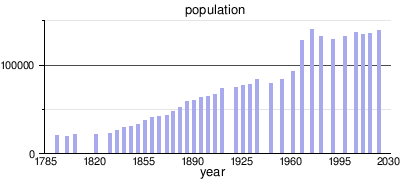
The population data in the table and graph below refer to the commune of Tours proper, in its geography at the given years. The commune of Tours absorbed the former commune of Saint-Étienne in 1845 and Sainte-Radegonde-en-Touraine and Saint-Symphorien in 1964.[12]
Historical population | ||||||||||||||||||||||||||||||||||||||||||||||||||||||||||||||||||||||||||||||||||||||||||||||||||||||||||||||||||||||
|
| |||||||||||||||||||||||||||||||||||||||||||||||||||||||||||||||||||||||||||||||||||||||||||||||||||||||||||||||||||||
 | ||||||||||||||||||||||||||||||||||||||||||||||||||||||||||||||||||||||||||||||||||||||||||||||||||||||||||||||||||||||
| Source: EHESS[12] and INSEE (1968–2023)[13] | ||||||||||||||||||||||||||||||||||||||||||||||||||||||||||||||||||||||||||||||||||||||||||||||||||||||||||||||||||||||
Transportation

اليوم، مع وجود شبكة واسعة من خطوط السكك الحديدية (بما في ذلك TGV ) والطرق السريعة التي تربطها ببقية أنحاء البلاد، تعد مدينة تور نقطة انطلاق للزيارات السياحية إلى وادي اللوار والقصور الملكية .
تقع مدينة تور على أحد الخطوط الرئيسية لقطار TGV فائق السرعة. يمكن الوصول إلى الساحل الغربي لمدينة بوردو في غضون ساعة وأربعين دقيقة. ومن هناك ، يتبع الخط ساحل البحر الأبيض المتوسط مرورًا بأفينيون ، ثم إلى إسبانيا وبرشلونة . كما توجد خطوط إلى ليون وستراسبورغ وليل . تستغرق الرحلة بالقطار من تور إلى باريس أقل من ساعة واحدة ، بينما تستغرق الرحلة إلى مطار شارل ديغول ساعة ونصف . تضم تور محطتين رئيسيتين: محطة تور المركزية، ومحطة سان بيير دي كور ، التي تستخدمها القطارات التي لا تنتهي رحلاتها في تور.
يربط مطار تورس لوار فالي وادي لوار بالمدن الأوروبية.
تاريخياً، كانت مدينة تور تُخدَم بواسطة الترام والحافلات الكهربائية ، واستمر نظام الحافلات الكهربائية من عام 1949 إلى عام 1968. وعادت خدمة الترام إلى المدينة في عام 2013، عندما بدأ تشغيل نظام ترام جديد. وتم طلب 21 ترامًا من طراز ألستوم سيتاديس . [ 14 ]
تتوفر أيضًا خدمة الحافلات، ومحطتها المركزية الرئيسية هي جان جوريس ، بجوار دار البلدية ، وشارع ناسيونال ، الشارع الرئيسي في تور. تتولى شركة فيل بلو تشغيل شبكتي الترام والحافلات، وتعتمدان نظام تذاكر موحدًا. ومن المقرر افتتاح خط ترام ثانٍ في عام 2025. [ 15 ]
رياضة
تم حلّ نادي تور لكرة القدم ، النادي الرئيسي في المدينة ، عام 2025 بعد 106 أعوام من النشاط، نتيجةً لسنوات من الصعوبات المالية. [ 16 ] ولدى النادي فريق ثانٍ هو نادي سي سي إس بي تور . ملعب سي سي إس بي هو ملعب توريت، ويلعب في دوري الدرجة السابعة (Division d'Honneur Regionale de Centre)، وهو المستوى السابع في نظام الدوري الفرنسي لكرة القدم .
لقد كانت مدينة تور بمثابة نقطة النهاية لسباق باريس-تور ، وهو سباق كلاسيكي للدراجات الهوائية على الطرق لمدة يوم واحد يقام كل شهر أكتوبر تقريبًا منذ عام 1896. [ 17 ]
يوجد في مدينة تورز أيضاً نادٍ للكرة الطائرة يُدعى نادي تورز للكرة الطائرة .
كاثوليك من تورز
Tours is a special place for Catholics who follow the devotion to the Holy Face of Jesus and the adoration of the Blessed Sacrament. In 1843, Sister Marie of St Peter of Tours reported a vision which started the devotion to the Holy Face of Jesus, in reparation for the many insults Christ suffered in His Passion. The Golden Arrow prayer was first made public by her.
The VenerableLeo Dupont also known as The Holy Man of Tours lived in Tours at about the same time. In 1849 he started the nightly adoration of the Blessed Sacrament, which spread throughout France. Upon hearing of Sister Marie of St Peter's reported visions, he started to burn a vigil lamp continuously before a picture of the Holy Face of Jesus. The devotion was eventually approved by Pope Pius XII in 1958 and he formally declared the Feast of the Holy Face of Jesus as Shrove Tuesday (the Tuesday before Ash Wednesday) for all Roman Catholics.[18] The Oratory of the Holy Face on Rue St. Étienne in Tours receives many pilgrims every year.
Tours was the site of the episcopal activity of St. Martin of Tours and has further Christian connotations in that the pivotal Battle of Tours in 732 is often considered the first decisive victory over the invading Islamic forces, turning the tide against them. The battle also helped lay the foundations of the Carolingian Empire.[19]
Notable people


Public service
- Berengarius of Tours (999–1088), theologian[20]
- William Firmatus (1026–1103), a Norman hermit, pilgrim, saint
- Bernard of Tours (fl. 1147, d. before 1178), philosopher and poet
- Jeanne-Marie de Maille (1331–1414), saint
- Charles of Valois (1446–1472), son of Charles VII of France, younger brother of King Louis XI
- Louise de la Vallière (1644–1710), noblewoman and courtesan[21]
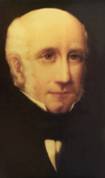
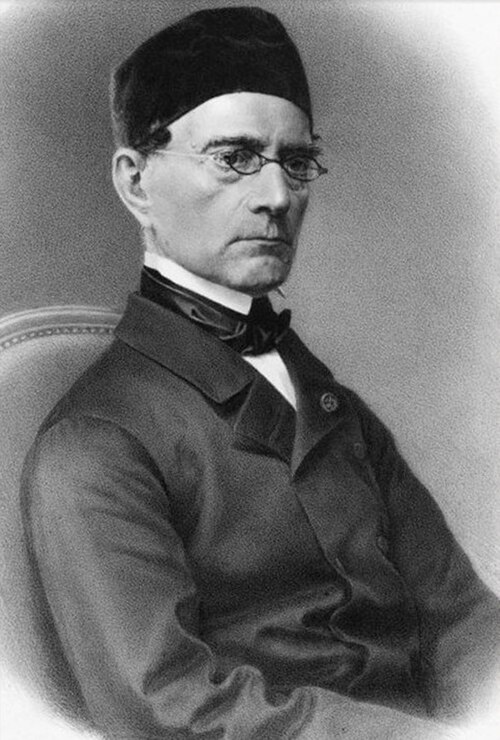
- André-Michel Guerry (1802–1866), lawyer and statistician
- Marie of St Peter (1816–1848), mystic Carmelite nun
- Régis de Trobriand (1816–1897), American military officer and author
- Paul Viollet (1840–1914), historian[22]
- لويس ريمبو (1877-1949)، فوضوي فردي ، دعا إلى الحياة البسيطة والنظام النباتي
- إميل ب. دي سوزي (1878-1964)، مُعلّم لغات
- البارون جوفري شودرون دي كورسيل (1912-1992)، نبيل وجندي ودبلوماسي
- رينيه لورنتان (1917–2017)، لاهوتي، طالب في علم المريمية
- جان روييه (1920-2011)، وزير سابق ورئيس بلدية تور السابق
- فيليب لاكو-لابارث (1940-2007)، فيلسوف وناقد أدبي ومترجم
- جان لويس بروغيير (مواليد 1943)، كبير قضاة التحقيق الفرنسيين
- سيرج باباري (مواليد 1946)، سياسي، عمدة مدينة تور بين عامي 2014 و2017
- دومينيك بوسيرو (مواليد 1952)، سياسي
- كاثرين كولونا (مواليد 1956) دبلوماسية وسياسية فرنسية
الفنون


- جان فوكيه (1420-1481)، رسام ومصمم منمنمات [ 23 ]
- جوستي دي جوست (حوالي 1505 - حوالي 1559)، نحات وصانع طباعة فرنسي إيطالي في النقش
- فرانسوا كلويت (حوالي 1510 - 1572)، رسام ومنمنمات فرنسي من عصر النهضة [ 24 ]
- أبراهام بوس (1604-1676)، فنان متخصص في الطباعة بتقنية الحفر، وكذلك في الرسم بالألوان المائية.
- فرانسوا دي بول بريتونو (1660–1741)، واعظ، كاتب نصوص وكاتب مسرحي
- فيليب نيرو ديتوش (1680–1754)، كاتب مسرحي وكاتب مسرحي [ 25 ]
- عاش الكاتب لويس دوتينس (1730-1812) معظم حياته في بريطانيا [ 26 ]
- جان بودري (1749-1832)، كاتب وقاضٍ
- جان نيكولا بويلي (1763-1842)، كاتب مسرحي وكاتب نصوص أوبرالية [ 27 ]
- فيليب موسارد (1792-1859)، قائد أوركسترا وملحن
- أونوريه دي بلزاك (1799–1850)، روائي وكاتب مسرحي [ 28 ]
- جول موينو (1815-1895)، كاتب وكاتب مسرحي وكاتب نصوص أوبرالية
- لويزا إميلي دوبري (حوالي 1852 - 1917)، كاتبة روايات وقصص قصيرة وأدب أطفال
- جورج كورتلين (1858-1929)، كاتب مسرحي وروائي
- دانيال مينداي (1885-1963)، ممثل مسرحي وسينمائي
- بول نيزان (1905-1940)، روائي وفيلسوف
- إيف بونفوا (1923–2016)، شاعر ومؤرخ فني
- بول غيرز (1927-2016)، ممثل سينمائي
- جان كلود نارسي (مواليد 1938)، صحفي ومذيع أخبار في قناة TF1
- جان شالوبان (مواليد 1950)، منتج ومخرج وكاتب تلفزيوني وسينمائي
- جاك فيليريت (1951–2005)، ممثل
- إيف كير أمبرون (مواليد 1954)، رسام كاريكاتير وفنان جرافيك؛ يُعرف باسم YKA
- لوران بيتي غيوم (مواليد 1960)، مقدم برامج إذاعية وتلفزيونية
- لوك ديلاهاي (مواليد 1962)، مصور فوتوغرافي متخصص في الأعمال الملونة واسعة النطاق التي تتناول القضايا الاجتماعية
- ستيفان أوديجوي (مواليد 1964)، كاتب وناقد أدبي ومعلم
- لوران موفينييه (مواليد 1967)، كاتب نثر وكاتب مسرحي
- ماثيو بلانك-فرانكارد (مواليد 1970)، موسيقي ومغنٍ وكاتب أغاني، اسمه الفني سنكلير
- نادية زيغيم (مواليد 1973)، مغنية آر أند بي ، اسمها الفني نادية
- هاري روزلماك (مواليد 1973)، مقدم برامج تلفزيونية
- دلفين باردين (مواليد 1974)، عازفة بيانو كلاسيكية
- إيزابيل جيفروي (مواليد 1980)، مغنية تمزج بين أنماط موسيقى الجاز، اسمها الفني زاز
- غابرييل بيوتروفسكي (مواليد 1988)، مغني ومنتج وكاتب موسيقى الريغي، واسمه الفني بيغا رانكس
- ليكسي أغريستي (مواليد 1995)، مؤرخة فنية وناشطة في مجال حقوق المتحولين جنسياً
العلوم والأعمال
- غيوم روييه ( ج. 1518 - 1589)، طباع وبائع كتب إنساني بارز
- جوليان لو روي (1686-1759)، صانع ساعات وساعات حائط
- نيكولاس هورتيلوب (1750-1812)، طبيب وجراح عسكري
- ألكسندر غوين (1792-1872)، مصرفي وسياسي؛ مرتبط بفندق غوين
- عمل غابرييل لاميه (1795-1870)، عالم الرياضيات، على المعادلات التفاضلية الجزئية.
- فيليكس دوجاردان (1801-1860)، عالم أحياء، أجرى أبحاثًا حول الأوليات
- أرماند تروسو (1801-1867)، طبيب باطني؛ اكتشف علامة تروسو على وجود ورم خبيث
- قام تيوفيل أرتشامبو (1806-1863)، وهو طبيب نفسي، بتدريس علم الأمراض العقلية أيضًا.
- إرنست غوين (1815-1885)، مهندس مدني وصناعي
- يوجين جوين (1818-1909)، مصرفي وسياسي
- جول هايم (1824-1856)، جيولوجي وعالم حفريات وعالم حيوان ؛ أجرى أبحاثًا حول المرجان
- إميل ديلاهاي (1843–1905)، رائد السيارات، أسس شركة ديلاهاي لصناعة السيارات
- موريس كويت (1858-1943)، فيزيائي، درس سيولة المواد وعلم الريولوجيا.
رياضة
- ميرفين غليني (1918-1986)، لاعب كريكيت إنجليزي من الدرجة الأولى
- كاثرين بوارو (مواليد 1963)، سباحة سابقة في سباق الصدر، حائزة على الميدالية البرونزية في دورة الألعاب الأولمبية الصيفية لعام 1984
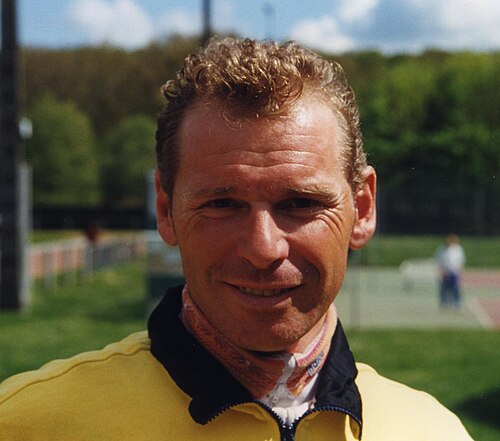
- باسكال هيرفيه (مواليد 1964)، متسابق دراجات على الطرق
- كزافييه غرافلين (مواليد 1968)، لاعب كرة قدم سابق، لعب 405 مباراة مع الأندية و4 مباريات مع منتخب فرنسا.
- معمر مأموني (مواليد 1976)، لاعب كرة قدم سابق شارك في أكثر من 290 مباراة مع الأندية و29 مباراة مع منتخب الجزائر.
- لوران ميكيس (مواليد 1977)، مساعد مدير الفريق ومدير السباقات لفريق سكوديريا فيراري
- لودوفيك روي (مواليد 1977)، لاعب كرة قدم لديه 234 مباراة دولية مع الأندية (جميعها في اسكتلندا)
- فريدريك دامبييه (مواليد 1977)، متزلج فني، هبط قفزة سالشو رباعية في المنافسة
- لوك دوكالكون (مواليد 1984)، لاعب اتحاد الرجبي الذي لعب أكثر من 250 مباراة دولية مع الأندية و17 مباراة دولية مع فرنسا
- جوسلين أوانا (مواليد 1986)، لاعبة تنس فرنسية معتزلة
- عبدو ديالو (مواليد 1996)، لاعب كرة قدم لديه أكثر من 150 مباراة دولية مع الأندية و22 مباراة مع منتخب السنغال
- ماثيو إنثاسان (مواليد 1986)، حارس مرمى كرة قدم
المدن التوأم
مدينة تورس متوأمة مع: [ 29 ]
 مولهايم ، ألمانيا، منذ عام 1962
 سيغوفيا ، إسبانيا، منذ عام 1972
 بارما ، إيطاليا، منذ عام 1976
 لويانغ ، الصين، منذ عام 1982
 تروا ريفيير ، كندا، منذ عام 1987
 تاكاماتسو ، اليابان، منذ عام 1988
 براشوف ، رومانيا، منذ عام 1990
 مينيابوليس ، مينيسوتا الولايات المتحدة الأمريكية، منذ عام 1991
معرض
 جاردان دي لا بريفكتور (الحديقة المركزية)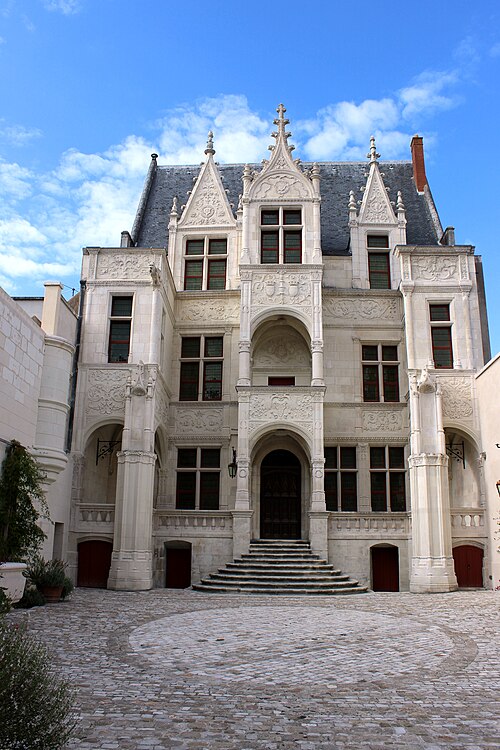
 ساحة بلوميرو
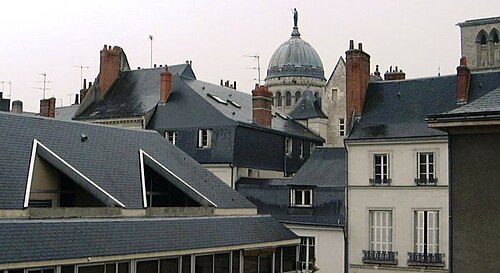 أسطح منازل تور المصنوعة من الأردواز
 إطلالة باتجاه وسط مدينة تور من الضفة الشمالية لنهر اللوار ، بجوار جسر ميرابو
 الضفة الجنوبية لنهر اللوار
انظر أيضاً
- أسقف تورز
- العصر التوروني ، الذي سمي على اسم مدينة تور
- قائمة بأعمال جان أنطوان إنجالبير ، نحات محطة قطار تور
- مارسيل غومون ، نحات النصب التذكاري للحرب
- حاوية أركيس
- قائمة ممتلكات دير مارموتيه دي تور
- سور غالو-روماني في تور
- سور من العصور الوسطى في تور
- تفجير تورنتو 2023
- الجسور القديمة فوق نهر اللوار في منطقة تورين
- بوجاردان
- كنيسة سانت كليمان، تور
- حي مونجويو
- الحمامات الغالو-رومانية السياحية
- معبد تورز الغالي الروماني
- دير سان جوليان، تور
- مكتبة تورز البلدية
- مجمع شاتونوف
- سور الجولات المحصن
مراجع
- ^ "Répertoire national des élus: les maires" . data.gouv.fr، Plateforme ouverte des données publiques françaises (باللغة الفرنسية). 5 مايو 2026.
- ↑ "السكان المرجعيون 2023" (بالفرنسية). المعهد الوطني للإحصاء والدراسات الاقتصادية. 18 ديسمبر 2025.
- ↑"Comparateur de territoire". INSEE. Retrieved 12 March 2026.
- ↑Historia Brittonum7, 10–11
- ↑The Andalusian History, from the Islamic conquest till the fall of Granada 92–897 A.H. (711–1492 C.E.), by Professor AbdurRahman Ali El-Hajji, a professor of the Islamic history at Baghdad University, published in Dar Al-Qalam, in Damascus, and in Beirut. "Second Edition". p. 194
- ↑"7 octobre 1870: Gambetta quitte Paris en ballon". herodote.net (in French). Archived from the original on 28 May 2022. Retrieved 7 July 2022.
- ↑"Normals and records for Tours (37)" (in French). Meteociel. Retrieved 15 June 2026.
- ↑"Normes et records 1961–1990: Tours – St Symphorien (37) – altitude 112m" (in French). Infoclimat. Retrieved 31 December 2015.
- ↑"Tours, France". Meet Minneapolis. 2012. Archived from the original on 22 July 2012. Retrieved 3 August 2012.
- ↑de Montvalon, Jean-Baptiste. "Philippe Boula de Mareüil : « Les accents participent à la richesse de notre langue". Le Monde (in French). Paris. Retrieved 19 July 2015.
- ↑"City summary: Tours". us.media.france.fr.
- 12Des villages de Cassini aux communes d'aujourd'hui: Commune data sheet Tours, EHESS(in French).
- ↑Population municipale entre 1968 et 2023, INSEE
- ↑"Tours selects Citadis and APS". Railway Gazette International. London. 14 September 2010. Retrieved 15 September 2010.
- ↑"Tramway de Tours – Le Tram de Tours". letramdetours.net.
- ↑"Tours FC removed from French football map". Yahoo Sports. 26 February 2025. Retrieved 15 June 2025.
- ↑"City tourism: Tours". Paris–Tours. Amaury Sport Organisation. Retrieved 7 October 2021.
- ↑ دوروثي سكالين. "رجل تورز المقدس". (1990) ISBN 0-89555-390-2
- ↑ ديفيس، بول ك. (1999) "100 معركة حاسمة من العصور القديمة إلى الوقت الحاضر" ISBN 0-19-514366-3
- ^ . الموسوعة البريطانية . المجلد. 3 ( الطبعة الحادية عشرة). 1911. ص 768 – 769.
- ^ . الموسوعة البريطانية . المجلد. 16 ( الطبعة الحادية عشرة). 1911. ص 290 – 291.
- ^ . الموسوعة البريطانية . المجلد. 28 ( الطبعة الحادية عشرة). 1911. ص. 107.
- ↑ . الموسوعة البريطانية . المجلد 10 ( الطبعة الحادية عشرة). 1911. ص 737.
- ^ ويليامسون ، جورج تشارلز (1911). . الموسوعة البريطانية . المجلد. 6 ( الطبعة الحادية عشرة). ص 559 – 560.
- ^ . الموسوعة البريطانية . المجلد. 8 ( الطبعة الحادية عشرة). 1911. ص. 104.
- ^ . الموسوعة البريطانية . المجلد. 8 ( الطبعة الحادية عشرة). 1911. ص. 736.
- ↑ . الموسوعة البريطانية . المجلد 4 ( الطبعة الحادية عشرة). 1911. ص 318.
- ^ سانتسبري، جورج (1911). . الموسوعة البريطانية . المجلد. 3 ( الطبعة الحادية عشرة). ص 298 – 301.
- ^ "Jumelages et Partenariats" . Tours.fr (بالفرنسية). جولات . تم الاسترجاع في 16 نوفمبر 2019 .
للمزيد من القراءة
- جولات عملية، الدليل الشامل للعيش في مدينة تور ، تور: ستيفاني أوفارد، 2013، مؤرشف من الأصل في 19 فبراير 2015 ، تم استرجاعه في 24 مايو 2013
روابط خارجية
- تور، فرنسا
- بلديات إندر ولوار
- المحافظات في فرنسا
- توروني
- غاليا لوغدونينسيس
- تورين
- تورونيان
- مدن في فرنسا