
Virtual assistant

A virtual assistant (VA) is a software agent that can perform a range of tasks or services for a user based on user input, such as commands or questions, including verbal ones. Such technologies often incorporate chatbot capabilities to streamline task execution. The interaction may be via text, graphical interface, or voice, as some virtual assistants are able to interpret human speech and respond via synthesized voices.
In many cases, users can ask their virtual assistants questions, control home automation devices and media playback, and manage other basic tasks such as email, to-do lists, and calendars – all with verbal commands.[1] In recent years, prominent virtual assistants for direct consumer use have included Apple Siri, Amazon Alexa, Google Assistant (Gemini), Microsoft Copilot and Samsung Bixby.[2] Also, companies in various industries often incorporate some kind of virtual assistant technology into their customer service or support.[3]
Into the 2020s, the emergence of artificial intelligence based chatbots, such as ChatGPT, has brought increased capability and interest to the field of virtual assistant products and services.[4][5][6]
History
Experimental decades: 1910s–1980s
Radio Rex was the first voice-activated toy, patented in 1916[7] and released in 1922.[8] It was a wooden toy in the shape of a dog that would come out of its house when its name is called.
In 1952, Bell Labs presented "Audrey", the Automatic Digit Recognition machine. It occupied a six-foot-high relay rack, consumed substantial power, had streams of cables and exhibited the myriad maintenance problems associated with complex vacuum-tube circuitry. It could recognize the fundamental units of speech, phonemes. It was limited to the accurate recognition of digits spoken by designated talkers. It could therefore be used for voice dialing, but in most cases, push-button dialing was cheaper and faster, rather than speaking the consecutive digits.[9]
ومن الأدوات المبكرة الأخرى التي تم تمكينها من إجراء التعرف على الكلام الرقمي آلة حاسبة IBM Shoebox التي تعمل بالصوت، والتي تم تقديمها للجمهور العام خلال معرض سياتل العالمي عام 1962 بعد إطلاقها الأولي في السوق عام 1961. وكان هذا الكمبيوتر المبكر، الذي تم تطويره قبل ما يقرب من 20 عامًا من طرح أول كمبيوتر شخصي من IBM في عام 1981، قادرًا على التعرف على 16 كلمة منطوقة والأرقام من 0 إلى 9.
طُوّر أول برنامج حاسوبي لمعالجة اللغة الطبيعية، أو ما يُعرف ببرنامج المحادثة الآلي "إليزا" ، على يد البروفيسور جوزيف وايزنباوم من معهد ماساتشوستس للتكنولوجيا في ستينيات القرن الماضي. وقد صُمم البرنامج "لإثبات أن التواصل بين الإنسان والآلة سطحي". [ 10 ] استخدم "إليزا" أسلوب مطابقة الأنماط واستبدالها في الردود المكتوبة مسبقًا لمحاكاة المحادثة، مما أوحى بفهم البرنامج للمحادثة.
وبحسب ما ورد، طلبت سكرتيرة وايزنباوم منه مغادرة الغرفة حتى تتمكن هي وإليزا من إجراء محادثة حقيقية. وقد فوجئ وايزنباوم بذلك، وكتب لاحقًا: "لم أكن أدرك... أن التعرض لفترات قصيرة جدًا لبرنامج حاسوبي بسيط نسبيًا يمكن أن يُحدث تفكيرًا وهميًا قويًا لدى أشخاص عاديين تمامًا." [ 11 ]
وقد أعطى هذا اسماً لتأثير إليزا ، وهو الميل إلى افتراض أن سلوكيات الكمبيوتر مماثلة للسلوكيات البشرية دون وعي؛ أي التجسيم، وهي ظاهرة موجودة في التفاعلات البشرية مع المساعدين الافتراضيين.
تحققت المرحلة التالية في تطوير تقنية التعرف على الصوت في سبعينيات القرن الماضي في جامعة كارنيجي ميلون بمدينة بيتسبرغ ، بنسلفانيا، بدعم كبير من وزارة الدفاع الأمريكية ووكالة مشاريع البحوث الدفاعية المتقدمة ( داربا) التابعة لها ، حيث مولت الوكالة برنامجًا بحثيًا لفهم الكلام لمدة خمس سنوات، بهدف الوصول إلى حد أدنى من المفردات يبلغ 1000 كلمة. وشاركت في البرنامج شركات ومؤسسات أكاديمية، من بينها شركة آي بي إم وجامعة كارنيجي ميلون ومعهد ستانفورد للأبحاث.
كانت النتيجة برنامج "هاربي"، الذي أتقن حوالي 1000 كلمة، أي ما يعادل مفردات طفل في الثالثة من عمره، وكان قادراً على فهم الجمل. كما استطاع معالجة الكلام الذي يتبع مفردات ونطق وقواعد نحوية مُبرمجة مسبقاً لتحديد تسلسلات الكلمات التي تُشكل معاً معنى، وبالتالي تقليل أخطاء التعرف على الكلام.
في عام ١٩٨٦، طُورت آلة تانغورا، وهي آلة كاتبة تتعرف على الصوت، كنسخة مطورة من آلة شوبوكس. سُميت تيمناً بأسرع كاتبة في العالم آنذاك، وكانت تحتوي على مفردات تضم ٢٠٠٠٠ كلمة، وتعتمد على التنبؤ لتحديد النتيجة الأكثر ترجيحاً بناءً على ما قيل سابقاً. اعتمد نهج شركة آي بي إم على نموذج ماركوف المخفي ، الذي يُضيف إحصاءات إلى تقنيات معالجة الإشارات الرقمية. تُمكّن هذه الطريقة من التنبؤ بالأصوات الأكثر ترجيحاً التي تلي صوتاً معيناً. مع ذلك، كان على كل متحدث تدريب الآلة الكاتبة بشكل فردي للتعرف على صوته، والتوقف بين كل كلمة وأخرى.
في عام 1983، اخترع غاس سيرسي " الخادم في صندوق "، وهو نظام تحكم صوتي إلكتروني للمنزل. [ 12 ]
ظهور المساعدين الافتراضيين الأذكياء: التسعينيات - العقد الثاني من القرن الحادي والعشرين
في تسعينيات القرن الماضي، أصبحت تقنية التعرف الرقمي على الكلام سمةً أساسيةً في الحواسيب الشخصية، حيث تنافست شركات IBM و Philips و Lernout & Hauspie على جذب العملاء. وبعد ذلك بسنوات، وضع إطلاق أول هاتف ذكي، IBM Simon، في عام 1994، الأساس للمساعدين الافتراضيين الأذكياء كما نعرفهم اليوم.
في عام ١٩٩٧، كان برنامج NaturallySpeaking من شركة Dragon قادرًا على التعرف على الكلام البشري الطبيعي وكتابته نصيًا دون فواصل بين الكلمات، بمعدل ١٠٠ كلمة في الدقيقة. ولا يزال إصدار من برنامج NaturallySpeaking متاحًا للتنزيل، ويُستخدم حتى اليوم، على سبيل المثال، من قِبل العديد من الأطباء في الولايات المتحدة والمملكة المتحدة لتوثيق سجلاتهم الطبية.
في عام 2001، أطلقت شركة كولكويس تطبيق سمارت تشايلد رسميًا على منصات مثل AIM و MSN Messenger . ورغم أن سمارت تشايلد كان يعتمد كليًا على النصوص، إلا أنه كان قادرًا على ممارسة الألعاب، والتحقق من حالة الطقس، والبحث عن المعلومات، والتواصل مع المستخدمين إلى حد ما. [ 13 ]
كان سيري أول مساعد افتراضي رقمي حديث يُثبّت على هاتف ذكي ، وقد طُرح كميزة في هاتف آيفون 4S في 4 أكتوبر 2011. [ 14 ] طوّرت شركة آبل سيري بعد استحواذها عام 2010 على شركة سيري ، وهي شركة منبثقة عن معهد SRI الدولي ، وهو معهد بحثي تموّله وكالة مشاريع الأبحاث الدفاعية المتقدمة (DARPA) ووزارة الدفاع الأمريكية . [ 15 ] كان الهدف منه المساعدة في مهام مثل إرسال الرسائل النصية، وإجراء المكالمات الهاتفية، والتحقق من حالة الطقس، وضبط المنبه. ومع مرور الوقت، تطوّر ليقدّم توصيات للمطاعم، ويبحث في الإنترنت، ويوفّر توجيهات القيادة. [ 16 ]
In November 2014, Amazon announced Alexa alongside the Echo.[17] In 2016, Salesforce debuted Einstein, developed from a set of technologies underlying the Salesforce platform.[18] Einstein was replaced by Agentforce, an agentic AI, in September 2024.[19]
In April 2017 Amazon released a service for building conversational interfaces for any type of virtual assistant or interface.
Large Language Models: 2020s-present
In the 2020s, artificial intelligence (AI) systems like ChatGPT have gained popularity for their ability to generate human-like responses to text-based conversations. In February 2020, Microsoft introduced its Turing Natural Language Generation (T-NLG), which was then the "largest language model ever published at 17 billion parameters."[20] On November 30, 2022, ChatGPT was launched as a prototype and quickly garnered attention for its detailed responses and articulate answers across many domains of knowledge. The advent of ChatGPT and its introduction to the wider public increased interest and competition in the space. In February 2023, Google began introducing an experimental service called "Bard" which is based on its LaMDA program to generate text responses to questions asked based on information gathered from the web.
While ChatGPT and other generalized chatbots based on the latest generative AI are capable of performing various tasks associated with virtual assistants, there are also more specialized forms of such technology that are designed to target more specific situations or needs.[21][4]
Method of interaction

Virtual assistants work via:
- Text, including: online chat (especially in an instant messaging application or other application ), SMS text, e-mail or other text-based communication channel, for example Conversica's intelligent virtual assistants for business.[22]
- Voice: for example with Amazon Alexa[23] on Amazon Echo devices, Siri on an iPhone, Google Assistant on Google-enabled Android devices, or Bixby on Samsung devices.
- Images: some assistants, such as Google Assistant (which includes Google Lens) and Bixby on the Samsung Galaxy series, have the added capability of performing image processing to recognize objects in images.
Many virtual assistants are accessible via multiple methods, offering versatility in how users can interact with them, whether through chat, voice commands, or other integrated technologies.
Virtual assistants use natural language processing (NLP) to match user text or voice input to executable commands. Some continually learn using artificial intelligence techniques including machine learning and ambient intelligence.
To activate a virtual assistant using the voice, a wake word might be used. This is a word or groups of words such as "Hey Siri", "OK Google" or "Hey Google", "Alexa", and "Hey Microsoft".[24] As virtual assistants become more popular, there are increasing legal risks involved.[25]:815
Devices and objects

Virtual assistants may be integrated into many types of platforms or, like Amazon Alexa, across several of them:
- Into devices like smart speakers such as Amazon Echo, Google Home and Apple HomePod
- In instant messaging applications on both smartphones and via the Web, e.g. M (virtual assistant) on both Facebook and Facebook Messenger apps or via the Web
- Built into a mobile operating system (OS), as are Apple's Siri on iOS devices and BlackBerry Assistant on BlackBerry 10 devices, or into a desktop OS such as Cortana on Microsoft Windows OS
- Built into a smartphone independent of the OS, as is Bixby on the Samsung Galaxy S8 and Note 8.[26]
- Within instant messaging platforms, assistants from specific organizations, such as Aeromexico's Aerobot on Facebook Messenger or WeChat Secretary.
- Within mobile apps from specific companies and other organizations, such as Dom from Domino's Pizza[27]
- In appliances,[28] cars,[29] and wearable technology[30] such as the Ai Pin
- Previous generations of virtual assistants often worked on websites, such as Alaska Airlines' Ask Jenn,[31] or on interactive voice response (IVR) systems such as American Airlines' IVR by Nuance.[32]
Services
Virtual assistants can provide a wide variety of services. These include:[33]
- Provide information such as weather, facts from e.g. Wikipedia or IMDb, set an alarm, make to-do lists and shopping lists
- Play music from streaming services such as Spotify and Pandora; play radio stations; read audiobooks
- Play videos, TV shows or movies on televisions, streaming from e.g. Netflix
- Conversational commerce (see below)
- Assist public interactions with government (see Artificial intelligence in government)
- Complement and/or replace human customer service specialists[34] in domains like healthcare, sales, and banking. One report estimated that an automated online assistant produced a 30% decrease in the work-load for a human-provided call centre.[35]
- Enhance the driving experience by enabling interaction with virtual assistants like Siri and Alexa while in the car.
Conversational commerce
Conversational commerce is e-commerce via various means of messaging, including via voice assistants[36] but also live chat on e-commerce Web sites, live chat on messaging applications such as WeChat, Facebook Messenger and WhatsApp[37] and chatbots on messaging applications or Web sites.
Customer support
يمكن للمساعد الافتراضي العمل جنبًا إلى جنب مع فريق دعم العملاء في أي شركة لتوفير دعم متواصل على مدار الساعة . فهو يوفر استجابات سريعة، مما يُحسّن تجربة العميل. وقد اعتمدت شركات الخدمات مساعدين صوتيين يعملون بالذكاء الاصطناعي لإدارة تفاعلات العملاء الروتينية، مثل حجز المواعيد وتلقي الطلبات، لا سيما لتغطية ساعات العمل الإضافية. [ 38 ] غالبًا ما تستخدم هذه التطبيقات تدريبًا متخصصًا في المجال لفهم المصطلحات الفنية ودمجها مع برامج الأعمال الحالية.
خدمات الطرف الثالث
تُمكّن أمازون "مهارات" أليكسا و"إجراءات" جوجل، وهي في الأساس تطبيقات تعمل على منصات المساعد.
خصوصية
تُثير المساعدات الافتراضية مخاوف عديدة تتعلق بالخصوصية. فميزات مثل التفعيل الصوتي تُشكل تهديدًا، إذ تتطلب هذه الميزات أن يكون الجهاز في حالة استماع دائم. [ 39 ] وقد اقتُرحت وسائل حماية للخصوصية، مثل زر الأمان الافتراضي، لإنشاء نظام مصادقة متعدد الطبقات للمساعدين الافتراضيين. [ 40 ]
مساعد جوجل
تنص سياسة خصوصية مساعد جوجل على أنه لا يخزن البيانات الصوتية دون إذن المستخدم، ولكنه قد يخزن نصوص المحادثات لتخصيص تجربة المستخدم. ويمكن تعطيل التخصيص من الإعدادات. إذا رغب المستخدم في أن يخزن مساعد جوجل البيانات الصوتية، فيمكنه الانتقال إلى قسم "النشاط الصوتي" (VAA) وتفعيل هذه الميزة. تُرسل الملفات الصوتية إلى السحابة وتستخدمها جوجل لتحسين أداء مساعد جوجل، ولكن فقط في حال تفعيل ميزة VAA. [ 41 ]
أمازون أليكسا
تنص سياسة خصوصية المساعد الافتراضي من أمازون، أليكسا، على أنها لا تستمع إلى المحادثات إلا عند استخدام كلمة التفعيل (مثل أليكسا، أمازون، إيكو). تبدأ أليكسا بتسجيل المحادثة بعد نطق كلمة التفعيل، وتتوقف عن التسجيل بعد 8 ثوانٍ من الصمت. ثم ترسل المحادثة المسجلة إلى السحابة. ويمكن حذف التسجيل من السحابة من خلال زيارة "خصوصية أليكسا" في تطبيق "أليكسا". [ 42 ]
أبل سيري
تؤكد آبل أنها لا تسجل الصوت لتحسين سيري، بل تستخدم النصوص المكتوبة. ولا تُرسل بيانات النصوص إلا إذا اعتُبرت ضرورية للتحليل. ويمكن للمستخدمين إلغاء الاشتراك في أي وقت إذا لم يرغبوا في أن ترسل سيري النصوص إلى السحابة. [ 43 ]
مايكروسوفت كورتانا
Cortana is a voice-only virtual assistant with singular authentication.[44][45][46] This voice-activated device accesses user data to perform common tasks like checking weather or making calls, raising privacy concerns due to the lack of secondary authentication.[47][48]
Consumer interest
Presumed added value as allowing a new way of interactions
Added value of the virtual assistants can come among others from the following:
- Voice communication can sometimes represent the optimal man-machine communication:
- It is convenient: there are some sectors where voice is the only way of possible communication, and more generally, it allows to free-up both hands and vision potentially for doing another activity in parallel, or helps also disabled people.
- It is faster: Voice is more efficient than writing on a keyboard: we can speak up to 200 words per minute opposed to 60 in case of writing on a keyboard. It is also more natural thus requiring less effort (reading a text however can reach 700 words per minute).[49]
- Virtual assistants save a lot of time by automation: they can take appointments, or read the news while the consumer does something else. It is also possible to ask the virtual assistant to schedule meetings, hence helping to organize time. The designers of new digital schedulers explained the ambition they had that these calendars schedule lives to make the consumer use his time more efficiently, through machine learning processes, and complete organization of work time and free time. As an example when the consumer expresses the desire of scheduling a break, the VA will schedule it at an optimal moment for this purpose (for example at a time of the week where they are less productive), with the additional long-term objective of being able to schedule and organize the free time of the consumer, to assure them optimal work efficiency.[50]
Perceived interest
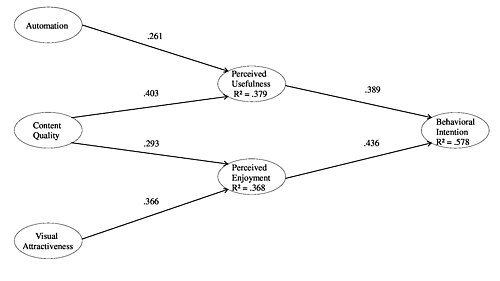
- According to a recent study (2019), the two reasons for using virtual assistants for consumers are perceived usefulness and perceived enjoyment. The first result of this study is that both perceived usefulness and perceived enjoyment have an equivalent very strong influence for the consumer willingness to use a virtual assistant.
- The second result of this study is that:
- Provided content quality has a very strong influence on perceived usefulness and a strong influence on perceived enjoyment.
- Visual attractiveness has a very strong influence on perceived enjoyment.
- Automation has a strong influence on perceived usefulness.[51]
Controversies
الجدل الدائر حول الذكاء الاصطناعي
- تُساهم المساعدات الافتراضية في ظهور فقاعة التصفية : ففي وسائل التواصل الاجتماعي ، تُدرَّب خوارزميات المساعدات الافتراضية على عرض البيانات ذات الصلة وتجاهل غيرها بناءً على أنشطة المستخدم السابقة. والبيانات ذات الصلة هي تلك التي تُثير اهتمام المستخدم أو تُرضيه. ونتيجةً لذلك، ينعزل المستخدم عن البيانات التي تُخالف وجهات نظره، مما يُؤدي فعليًا إلى عزله في فقاعته الفكرية الخاصة، ويُعزز آراءه. ومن المعروف أن هذه الظاهرة تُعزز انتشار الأخبار الكاذبة وغرف الصدى. [ 52 ]
- يُنتقد المساعدون الافتراضيون أحيانًا لكونهم مُبالغًا في تقديرهم. وعلى وجه الخصوص، يشير أ. كاسيلي إلى أن الذكاء الاصطناعي للمساعدين الافتراضيين ليس ذكيًا ولا اصطناعيًا لسببين:
- ليست ذكية لأن كل ما تفعله هو مساعدة الإنسان، وتقتصر مهامها على ما يستطيع الإنسان القيام به بسهولة، وفي نطاق محدود للغاية: البحث عن المعلومات والعروض والوثائق وتصنيفها وعرضها. كما أن المساعدين الافتراضيين غير قادرين على اتخاذ القرارات بأنفسهم أو توقع الأحداث.
- وليست اصطناعية لأنها ستكون مستحيلة بدون تصنيف بشري من خلال العمل الدقيق . [ 53 ]
- تُثير المساعدات الافتراضية جدلاً حول الأدوار الجندرية نظرًا لاستخدامها في الغالب أصواتًا وشخصيات ذات طابع أنثوي. يرى كلٌ من ج. لينجل وك. كروفورد أن المساعدات الافتراضية تستحضر الصورة النمطية للسكرتيرة، مُجسدةً دورًا داعمًا وكفؤًا ومرؤوسًا. [ 54 ] يخدم هذا الخيار التصميمي هياكل السلطة الهرمية، مُعكسًا أولويات المصالح. تاريخيًا، مثّلت وظيفة السكرتارية نهاية المطاف للنساء، بينما استغلها الرجال للترقي الوظيفي. [ 55 ] لذا، يرتبط هذا الجدل بمخاوف أوسع نطاقًا بشأن التقليل من قيمة العمل عندما يرتبط بالعمل النسائي. [ 56 ]
الآثار الأخلاقية
في عام 2019، انتقد أنطونيو أ. كاسيلي ، عالم الاجتماع الفرنسي ، الذكاء الاصطناعي والمساعدين الافتراضيين على وجه الخصوص بالطريقة التالية:
على المستوى الأول، فإن حقيقة أن المستهلك يقدم بيانات مجانية لتدريب وتحسين المساعد الافتراضي، غالباً دون علمه، أمر مثير للقلق من الناحية الأخلاقية.
لكن على مستوى ثانٍ، قد يكون من المقلق أخلاقياً معرفة كيفية تدريب هذه الذكاءات الاصطناعية باستخدام هذه البيانات.
This artificial intelligence is trained via neural networks, which require a huge amount of labelled data. However, this data needs to be labelled through a human process, which explains the rise of microwork in the last decade. That is, remotely using some people worldwide doing some repetitive and very simple tasks for a few cents, such as listening to virtual assistant speech data, and writing down what was said. Microwork has been criticized for the job insecurity it causes, and for the total lack of regulation: The average salary was 1,38 dollar/hour in 2010,[57] and it provides neither healthcare nor retirement benefits, sick pay, minimum wage. Hence, virtual assistants and their designers are controversial for spurring job insecurity, and the AIs they propose are still human in the way that they would be impossible without the microwork of millions of human workers.[53]
Privacy concerns are raised by the fact that voice commands are available to the providers of virtual assistants in unencrypted form, and can thus be shared with third parties and be processed in an unauthorized or unexpected manner.[58] Additionally to the linguistic content of recorded speech, a user's manner of expression and voice characteristics can implicitly contain information about their biometric identity, personality traits, body shape, physical and mental health condition, sex, gender, moods and emotions, socioeconomic status and geographical origin.[59]
Feminization of Virtual Assistants
Most virtual assistants, such as Siri, Cortana, and Alexa, all feature feminine voices and personas by default, which draws attention to issues of the labour politics of secratorial work. The feminization of these VA voices brings up concerns regarding ingrained gender biases of women's work, and reinforces ideas of women's subservience as users interact with them. As a virtual secretary, these assistants are connected to the gendered stereotypes that the secretary is connected to tropes of feminine, supportive, non-threatening service work.[60]
Scholars draw attention to the feminized voices of Virtual assistants, addressing gender-based issues in technology. This is an issue of interest as gender-biased technologies could intensify women’s objectification and gender stereotyping, as well as widen the gender gap. Further, there is the concern of enforcing sexist narratives, as the unconscious bias is manifested in children and adults that hard-wire women and commands.[61]
Developer platforms
Notable developer platforms for virtual assistants include:
- Amazon Lex was opened to developers in April 2017. It involves natural language understanding technology combined with automatic speech recognition and had been introduced in November 2016.[62]
- Google provides the Actions on Google and Dialogflow platforms for developers to create "Actions" for Google Assistant[63]
- Apple provides SiriKit for developers to create extensions for Siri
- IBM's Watson, while sometimes spoken of as a virtual assistant is in fact an entire artificial intelligence platform and community powering some virtual assistants, chatbots. and many other types of solutions.[64][65]
Previous generations
In previous generations of text chat-based virtual assistants, the assistant was often represented by an avatar (a.k.a. interactive online character or automated character) — this was known as an embodied agent.
Economic relevance
For individuals
تُعتبر التجارب الرقمية التي تُتيحها المساعدات الافتراضية من أبرز التطورات التكنولوجية الحديثة وأكثر اتجاهات المستهلكين الواعدة. ويؤكد الخبراء أن التجارب الرقمية ستكتسب مكانةً تُضاهي التجارب الواقعية، إن لم تكن أكثر طلبًا وتقديرًا. [ 66 ] ويتجلى هذا التوجه في العدد الكبير من المستخدمين الدائمين والنمو الملحوظ في أعداد مستخدمي المساعدات الرقمية الافتراضية حول العالم. ففي منتصف عام 2017، قُدّر عدد المستخدمين الدائمين للمساعدات الرقمية الافتراضية بنحو مليار مستخدم حول العالم. [ 67 ] إضافةً إلى ذلك، يُلاحظ أن تقنية المساعدات الرقمية الافتراضية لم تعد مقتصرة على تطبيقات الهواتف الذكية، بل باتت حاضرة في العديد من القطاعات الصناعية (بما في ذلك السيارات ، والاتصالات، وتجارة التجزئة ، والرعاية الصحية، والتعليم). [ 68 ] استجابةً لنفقات البحث والتطوير الكبيرة للشركات في جميع القطاعات، وتزايد استخدام الأجهزة المحمولة، من المتوقع أن ينمو سوق تقنية التعرف على الكلام بمعدل نمو سنوي مركب قدره 34.9% عالميًا خلال الفترة من 2016 إلى 2024، ليتجاوز بذلك حجم السوق العالمي 7.5 مليار دولار أمريكي بحلول عام 2024. [ 68 ] ووفقًا لدراسة أجرتها شركة أوفوم ، من المتوقع أن يتجاوز عدد الأجهزة المزودة بمساعدات رقمية أصلية عدد سكان العالم بحلول عام 2021، ليصل إلى 7.5 مليار جهاز نشط مزود بتقنية الذكاء الاصطناعي الصوتي. [ 69 ] ووفقًا لأوفوم، بحلول ذلك الوقت، "سيهيمن مساعد جوجل على سوق الأجهزة المزودة بتقنية الذكاء الاصطناعي الصوتي بحصة سوقية تبلغ 23.3%، يليه بيكسبي من سامسونج (14.5%)، ثم سيري من أبل (13.1%)، ثم أليكسا من أمازون (3.9%)، وأخيرًا كورتانا من مايكروسوفت (2.3%)." [ 69 ]
بالنظر إلى التوزيع الإقليمي للشركات الرائدة في السوق، من المتوقع أن تهيمن شركات أمريكا الشمالية (مثل Nuance Communications و IBM و eGain ) على هذا القطاع خلال السنوات القادمة، وذلك بفضل التأثير الكبير لنموذج أعمال " إحضار جهازك الخاص " (BYOD) ونماذج أعمال التنقل المؤسسي. علاوة على ذلك، من المتوقع أن يُسهم الطلب المتزايد على المنصات المدعومة بالهواتف الذكية في تعزيز نمو قطاع المساعدين الافتراضيين الأذكياء في أمريكا الشمالية. وعلى الرغم من صغر حجم سوق المساعدين الافتراضيين الأذكياء في منطقة آسيا والمحيط الهادئ مقارنةً بسوق أمريكا الشمالية، إلا أنه من المتوقع أن ينمو هذا القطاع، الذي يتركز معظم لاعبيه الرئيسيين في الهند والصين، بمعدل نمو سنوي قدره 40% (أعلى من المتوسط العالمي) خلال الفترة من 2016 إلى 2024. [ 68 ]
الفرص الاقتصادية المتاحة للمؤسسات
Virtual assistants should not be only seen as a gadget for individuals, as they could have a real economic utility for enterprises. As an example, a virtual assistant can take the role of an always available assistant with an encyclopedic knowledge. And which can organize meetings, check inventories, verify informations. Virtual assistants are all the more important that their integration in small and middle-sized enterprises often consists in an easy first step through the more global adaptation and use of Internet of Things (IoT). Indeed, IoT technologies are first perceived by small and medium-sized enterprises as technologies of critical importance, but too complicated, risky or costly to be used.[70]
Security
In May 2018, researchers from the University of California, Berkeley, published a paper that showed audio commands undetectable for the human ear could be directly embedded into music or spoken text, thereby manipulating virtual assistants into performing certain actions without the user taking note of it.[71] The researchers made small changes to audio files, which cancelled out the sound patterns that speech recognition systems are meant to detect. These were replaced with sounds that would be interpreted differently by the system and command it to dial phone numbers, open websites or even transfer money.[71] The possibility of this has been known since 2016,[71] and affects devices from Apple, Amazon and Google.[72]
In addition to unintentional actions and voice recording, another security and privacy risk associated with intelligent virtual assistants is malicious voice commands: An attacker who impersonates a user and issues malicious voice commands to, for example, unlock a smart door to gain unauthorized entry to a home or garage or order items online without the user's knowledge. Although some IVAs provide a voice-training feature to prevent such impersonation, it can be difficult for the system to distinguish between similar voices. Thus, a malicious person who is able to access an IVA-enabled device might be able to fool the system into thinking that they are the real owner and carry out criminal or mischievous acts.[73]
Comparison of notable assistants
| Intelligent personal assistant | Developer | Free software | Free and open-source hardware | HDMI out | External I/O | IOT | Chromecast integration | Smart phone app | Always on | Unit to unit voice channel | Skill language |
|---|---|---|---|---|---|---|---|---|---|---|---|
| Alexa (a.k.a. Echo) | Amazon.com | No | No | No | No | Yes | No | Yes | Yes | ? | JavaScript |
| Alice | Yandex | No | N/a | N/a | N/a | Yes | No | Yes | Yes | N/a | ? |
| AliGenie | Alibaba Group | No | No | N/a | N/a | Yes | No | Yes | Yes | N/a | ? |
| Assistant | Speaktoit | No | N/a | N/a | N/a | No | No | Yes | No | N/a | ? |
| Bixby | Samsung Electronics | No | N/a | N/a | N/a | No | No | Yes | N/a | N/a | JavaScript |
| BlackBerry Assistant | BlackBerry Limited | No | N/a | N/a | N/a | No | No | Yes | No | N/a | ? |
| Braina | بريناسوفت | لا | غير متوفر | غير متوفر | غير متوفر | لا | لا | نعم | لا | غير متوفر | ؟ |
| كلوفا | شركة نيفر | لا | غير متوفر | غير متوفر | غير متوفر | نعم | لا | نعم | نعم | غير متوفر | ؟ |
| كورتانا | مايكروسوفت | لا | غير متوفر | غير متوفر | غير متوفر | نعم | لا | نعم | نعم | غير متوفر | ؟ |
| دوير | بايدو [ 74 ] | ||||||||||
| إيفي | أمازون.كوم والمعرفة الحقيقية | لا | غير متوفر | غير متوفر | غير متوفر | لا | لا | نعم | لا | غير متوفر | ؟ |
| مساعد جوجل | جوجل | لا | غير متوفر | غير متوفر | غير متوفر | نعم | نعم | نعم | نعم | غير متوفر | لغة سي++ |
| جوجل ناو | جوجل | لا | غير متوفر | غير متوفر | غير متوفر | نعم | نعم | نعم | نعم | غير متوفر | ؟ |
| مايكروفت [ 75 ] | مايكروفت للذكاء الاصطناعي | نعم | نعم | نعم | نعم | نعم | نعم | نعم | نعم | نعم | بايثون |
| سيلفيا | الشفرة المعرفية | لا | غير متوفر | غير متوفر | غير متوفر | لا | لا | نعم | لا | غير متوفر | ؟ |
| سيري | شركة آبل | لا | لا | غير متوفر | غير متوفر | نعم | لا | نعم | نعم | غير متوفر | ؟ |
| فيف | سامسونج للإلكترونيات | لا | غير متوفر | غير متوفر | غير متوفر | نعم | لا | نعم | لا | غير متوفر | ؟ |
| شياوي | تينسنت | ؟ | |||||||||
| سيليا | هواوي | لا | لا | غير متوفر | غير متوفر | نعم | لا | نعم | نعم | غير متوفر | ؟ |
انظر أيضاً
- تطبيقات الذكاء الاصطناعي
- كيان محادثة اصطناعي
- رفيق بشري اصطناعي
- وكيل مستقل
- الرسوم المتحركة الحاسوبية للوجه
- نظام خبير
- الذكاء الاصطناعي الودود
- شبكة منزلية
- نظام ذكي هجين
- وكيل ذكي
- شركة التفاعلات
- مستكشف المعرفة
- مساعد إداري
- نظام متعدد الوكلاء
- فرضية المحاكاة
- روبوت اجتماعي
- ثورة البيانات الاجتماعية
- برنامج روبوت
- المعالج (البرنامج)
مراجع
- ↑ هوي، ماثيو ب. (2018). "أليكسا، سيري، كورتانا، وغيرها: مقدمة عن المساعدين الصوتيين". مجلة الخدمات المرجعية الطبية الفصلية . 37 ( 1): 81-88 . doi : 10.1080/02763869.2018.1404391 . PMID 29327988. S2CID 30809087 .
- ↑ "سيري ضد أليكسا ضد مساعد جوجل ضد بيكسبي: أيها الأفضل؟" . موقع أندرويد أثورتي . 29 يناير 2024.
- ↑ "سحر المساعدين الافتراضيين وتأثيرهم على خدمة العملاء" . CMSWire.com . تم الاطلاع عليه بتاريخ 13 مايو 2026 .
- 1 2 "الشيء الوحيد الذي يجب عليك بالتأكيد استخدام روبوت الدردشة المدعوم بالذكاء الاصطناعي من أجله" . 7 أبريل 2023.
- ↑ بوف، تريستان. "يقول بيل غيتس إن الذكاء الاصطناعي يعني حصول كل شخص على مساعد شخصي من ذوي الياقات البيضاء" . مجلة فورتشن . تم الاطلاع عليه بتاريخ 13 مايو 2026 .
- ↑ "Chat GPT: ما هو؟" . uca.edu . تم الاطلاع عليه بتاريخ 8 فبراير 2024 .
- ↑ براءة الاختراع الأمريكية رقم 1209636 ، كريستيان بيرغر، "وحدة تحكم الدائرة الصوتية"، الصادرة في 19 ديسمبر 1916، والمخصصة لشركة سابمارين وايرلس
- ↑ ماركويتز، جوديث. "ألعاب لها صوت" . مجلة سبيتش تيك .
- ↑ موسكفيتش، كاتيا (15 فبراير 2017). "الآلات التي تعلمت الاستماع" . بي بي سي . تم الاطلاع عليه في 5 مايو 2020 .
- ↑Epstein, J; Klinkenberg, W. D (1 May 2001). "From Eliza to Internet: a brief history of computerized assessment". Computers in Human Behavior. 17 (3): 295–314. doi:10.1016/S0747-5632(01)00004-8. ISSN 0747-5632.
- ↑Weizenbaum, Joseph (1976). Computer power and human reason : from judgment to calculation. Oliver Wendell Holmes Library Phillips Academy. San Francisco : W. H. Freeman.
- ↑"The $15,000 A.I. From 1983". YouTube. 6 March 2024.
- ↑"Smartphone: your new personal assistant – Orange Pop". 10 July 2017. Archived from the original on 10 July 2017. Retrieved 5 May 2020.
- ↑Murph, Darren (4 October 2011). "iPhone 4S hands-on!". Engadget.com. Retrieved 10 December 2017.
- ↑"Feature: Von IBM Shoebox bis Siri: 50 Jahre Spracherkennung – WELT"[From IBM Shoebox to Siri: 50 years of speech recognition]. Die Welt (in German). Welt.de. 20 April 2012. Retrieved 10 December 2017.
- ↑Cipriani, Jason; Jacobsson Purewal, Sarah (27 November 2017). "The complete list of Siri commands". CNET. Retrieved 7 August 2025.
- ↑Kundu, Kishalaya (2023). "Amazon expands Echo lineup with new smart speaker, earbuds, and more". XDA. Retrieved 26 May 2023.
- ↑Miller, Ron (18 September 2016). "Salesforce Einstein delivers artificial intelligence across the Salesforce platform". TechCrunch. Retrieved 7 August 2025.
- ↑Schmeiser, Lisa; Vartabedian, Matt (12 September 2024). "Salesforce Debuts Einstein Successor Agentforce". www.nojitter.com. Retrieved 7 August 2025.
- ↑Sterling, Bruce (13 February 2020). "Web Semantics: Microsoft Project Turing introduces Turing Natural Language Generation (T-NLG)". Wired. ISSN 1059-1028. Retrieved 31 July 2020.
- ↑Gupta, Aman (21 March 2023). "GPT-4 takes the world by storm - List of companies that integrated the chatbot". mint.
- ↑"Conversica Raises $31 Million in Series C Funding to Fuel Expansion of Conversational AI for Business". Bloomberg.com. 30 October 2018. Retrieved 23 October 2020.
- ↑Herrera, Sebastian (26 September 2019). "Amazon Extends Alexa's Reach Into Wearables". The Wall Street Journal. Retrieved 26 September 2019.
- ↑"S7617 – Developing Your Own Wake Word Engine Just Like 'Alexa' and 'OK Google'". GPU Technology Conference. Archived from the original on 30 November 2020. Retrieved 17 July 2017.
- ↑Van Loo, Rory (1 March 2019). "Digital Market Perfection". Michigan Law Review. 117 (5): 815. doi:10.36644/mlr.117.5.digital. S2CID 86402702.
- ↑La, Lynn (27 February 2017). "Everything Google Assistant can do on the Pixel". CNET. Retrieved 10 December 2017.
- ↑Morrison, Maureen (5 October 2014). "Domino's Pitches Voice-Ordering App in Fast-Food First | CMO Strategy". AdAge. Retrieved 10 December 2017.
- ↑O'Shea, Dan (4 January 2017). "LG introduces smart refrigerator with Amazon Alexa-enabled grocery ordering". Retail Dive. Retrieved 10 December 2017.
- ↑Gibbs, Samuel (7 February 2017). "Amazon's Alexa escapes the Echo and gets into cars | Technology". The Guardian. Retrieved 10 December 2017.
- ↑"What is Google Assistant, how does it work, and which devices offer it?". Pocket-lint. 6 October 2017. Retrieved 10 December 2017.
- ↑"'Ask Jenn', Alaska Airlines website". Alaska Airlines. 2 January 2017. Retrieved 10 December 2017.
- ↑AT&T Tech Channel (26 June 2013). "American Airlines (US Airways) – First US Airline to Deploy Natural Language Speech" (video), Nuance Enterprise on YouTube. Archived from the original on 21 December 2021. Retrieved 10 December 2017– via YouTube.
YouTube title: Airline Information System, 1989 – AT&T Archives – speech recognition
- ↑Martin, Taylor; Priest, David (10 September 2017). "The complete list of Alexa commands so far". CNET. Retrieved 10 December 2017.
- ↑Kongthon, Alisa; Sangkeettrakarn, Chatchawal; Kongyoung, Sarawoot; Haruechaiyasak, Choochart (1 January 2009). "Implementing an online help desk system based on conversational agent". Proceedings of the International Conference on Management of Emergent Digital EcoSystems. MEDES '09. New York, NY, USA: ACM. pp. 69:450–69:451. doi:10.1145/1643823.1643908. ISBN 9781605588292. S2CID 1046438.
- ↑O'Donnell, Anthony (3 June 2010). "Aetna's new "virtual online assistant"". Insurance & Technology. Archived from the original on 7 June 2010.
- ↑"How to prepare your products and brand for conversational commerce". VentureBeat. 6 March 2018. Archived from the original on 29 September 2020. Retrieved 14 March 2018.
- ↑Taylor, Glenn (5 March 2018). "Retail's Big Opportunity: 87% Of U.S. Consumers Grasp The Power Of Conversational Commerce – Retail TouchPoints".
- ↑Anvoa. "Central Florida Startup Turns Missed Calls Into Booked Revenue With Human-Grade AI Voice Receptionists". PRLog. Retrieved 17 January 2026.
- ↑Zhang, Guoming; Yan, Chen; Ji, Xiaoyu; Zhang, Tianchen; Zhang, Taimin; Xu, Wenyuan (2017). "DolphinAttack". Proceedings of the 2017 ACM SIGSAC Conference on Computer and Communications Security - CCS '17. pp. 103–117. arXiv:1708.09537. doi:10.1145/3133956.3134052. ISBN 9781450349468. S2CID 2419970.
- ↑ لي، شينيو؛ تو، غوان-هوا؛ ليو، أليكس إكس؛ لي، تشي-يو؛ شي، تيان (2017). "انعدام أمان المساعدين الصوتيين الرقميين المنزليين - أمازون أليكسا كدراسة حالة". arXiv : 1712.03327 [ cs.CR ].
- ↑ "بذل المزيد من الجهد لحماية خصوصيتك باستخدام المساعد" . جوجل . 23 سبتمبر 2019. تم الاطلاع عليه بتاريخ 27 فبراير 2020 .
- ↑ "أليكسا، أجهزة إيكو، وخصوصيتك" . Amazon.com . تم الاطلاع عليه بتاريخ 27 فبراير 2020 .
- ↑ "تحسين حماية خصوصية سيري" . غرفة أخبار أبل . تم الاطلاع عليه بتاريخ 27 فبراير 2020 .
- ↑ سوبر، مارك إدوارد (20 أغسطس 2015). ويندوز 10 سهل . أديسون-ويسلي. ISBN 978-0-13-407753-6.
- ↑ لوبيز، غوستافو؛ كيسادا، لويس؛ غيريرو، لويس أ. (2018). "أليكسا مقابل سيري مقابل كورتانا مقابل مساعد جوجل: مقارنة بين واجهات المستخدم الطبيعية القائمة على الكلام" . في نونيس، إيزابيل ل. (محرر). التطورات في العوامل البشرية وتفاعل الأنظمة . التطورات في الأنظمة الذكية والحوسبة. المجلد 592. تشام: دار نشر سبرينغر الدولية. الصفحات 241-250 . doi : 10.1007/978-3-319-60366-7_23 . hdl : 10669/74729 . ISBN 978-3-319-60366-7.
- ↑ "خدمة العملاء باستخدام روبوت الدردشة المدعوم بالذكاء الاصطناعي" . lucidgen.com . 25 أبريل 2023. تم الاطلاع عليه بتاريخ 14 أكتوبر 2024 .
- ↑ "نهاية دعم كورتانا - دعم مايكروسوفت" . support.microsoft.com . تم الاطلاع عليه بتاريخ 14 أكتوبر 2024 .
- ↑ فورست، كونر (4 أغسطس 2015). "ينتهك نظام التشغيل ويندوز 10 خصوصيتك افتراضيًا، إليك كيفية حماية نفسك" . TechRepublic . تم الاطلاع عليه بتاريخ 14 أكتوبر 2024 .
- ^ مينكر، دبليو. نيل، ف. (2002). "تطوير التقنيات الصوتية" . لو ترافيل هومين . 65 (3): 261. دوى : 10.3917/th.653.0261 . ISSN 0041-1868 .
- ↑ واجكمان، جودي (2019). "البنية الرقمية لإدارة الوقت" . العلوم والتكنولوجيا والقيم الإنسانية . 44 (2): 315-337 . doi : 10.1177/0162243918795041 . S2CID 149648777 .
- ↑ يانغ، هيتاي؛ لي، هوانسو (26 يونيو 2018). "فهم سلوك المستخدم لأجهزة المساعد الشخصي الافتراضي". نظم المعلومات وإدارة الأعمال الإلكترونية . 17 (1): 65-87 . doi : 10.1007/s10257-018-0375-1 . ISSN 1617-9846 . S2CID 56838915 .
- ^ تيسرون ، سيرج (2019). "La famille sous écoute". مدرسة الآباء . 632 (3): 16-18 . دوى : 10.3917/epar.632.0016 . ردمك 0424-2238 . S2CID 199344092 .
- 1 2 كاسيلي، أنطونيو أ. (2019). مع الروبوتات المصاحبة. اسأل عن عمل النقر . طبعات سيويل. رقم ISBN 978-2-02-140188-2. OCLC 1083583353 .
- ↑ لينجل، جيسيكا؛ كروفورد، كيت (15 مايو 2020). "أليكسا، أخبريني عن والدتك: تاريخ السكرتيرة ونهاية السرية" . كاتاليست: النسوية، النظرية، العلوم التقنية . 6 (1): 1. doi : 10.28968/cftt.v6i1.29949 . ISSN 2380-3312 .
- ↑ لينجل، جيسيكا؛ كروفورد، كيت (15 مايو 2020). "أليكسا، أخبريني عن والدتك: تاريخ السكرتيرة ونهاية السرية" . كاتاليست: النسوية، النظرية، العلوم التقنية . 6 (1): 7. doi : 10.28968/cftt.v6i1.29949 . ISSN 2380-3312 .
- ↑ مولفاني، كيلي (20 يونيو 2013). "على الرغم من أهميته: دراسة للتقليل المستمر من قيمة "عمل المرأة" في ظل الرأسمالية واعتبارات للسياسات النسوية" . النوع الاجتماعي . 5 (2): 9-10 . doi : 10.3224/gender .
- ↑ هورتون، جون جوزيف؛ تشيلتون، ليديا ب. (2010). "اقتصاديات العمل في التعهيد الجماعي المدفوع". وقائع المؤتمر الحادي عشر لجمعية ACM حول التجارة الإلكترونية . EC '10. نيويورك، نيويورك، الولايات المتحدة الأمريكية: مطبعة ACM. ص 209-218 . arXiv : 1001.0627 . doi : 10.1145/1807342.1807376 . ISBN 978-1-60558-822-3. S2CID 18237602 .
- ↑ «قد تكون شركات آبل وجوجل وأمازون قد انتهكت خصوصيتك من خلال مراجعة أوامر المساعد الرقمي» . مجلة فورتشن . 5 أغسطس 2019. تم الاطلاع عليه بتاريخ 13 مايو 2020 .
- ↑ كروجر، جاكوب ليون؛ لوتز، أوتو هانز مارتن؛ راشكه، فيليب (2020). "آثار تحليل الصوت والكلام على الخصوصية - الكشف عن المعلومات بالاستدلال". إدارة الخصوصية والهوية. بيانات من أجل حياة أفضل: الذكاء الاصطناعي والخصوصية . سلسلة IFIP للتقدم في تكنولوجيا المعلومات والاتصالات. المجلد 576. الصفحات 242-258 . doi : 10.1007/978-3-030-42504-3_16 . ISBN 978-3-030-42503-6ISSN 1868-4238
- ↑ لينج، جيسا؛ كروفورد، كيت (15 مايو 2020). "أليكسا، أخبريني عن والدتك: تاريخ السكرتيرة ونهاية السرية" . كاتاليست: النسوية، النظرية، العلوم التقنية . 6 (1): 1-22 . doi : 10.1016/j.dcm.2024.100833 .
- ↑ سيندوني، ماريا غراتسيا (ديسمبر 2024). "تأنيث المساعدين الصوتيين المدعومين بالذكاء الاصطناعي: التجسيد، والتشخيص، وأيديولوجيات الخطاب" . الخطاب، والسياق، والإعلام . 62 (100833) 100833. إلسيفير. doi : 10.1016/j.dcm.2024.100833 .
- ↑ "أمازون ليكس، التقنية التي تقف وراء أليكسا، تُفتح للمطورين" . تيك كرانش. 20 أبريل 2017. تم الاطلاع عليه بتاريخ 10 ديسمبر 2017 .
- ↑ "إجراءات على جوجل | مطورو جوجل" . تم الاطلاع عليه بتاريخ 10 ديسمبر 2017 .
- ↑ "واتسون - قصص عن كيفية تحويل الذكاء الاصطناعي وواتسون للأعمال وعالمنا" . Ibm.com . تم الاطلاع عليه بتاريخ 10 ديسمبر 2017 .
- ↑ ميميتي، سوجب؛ بلانا، صبري (يناير 2018). "بابا: مساعد برمجة متوازية مدعوم بتقنية الحوسبة المعرفية من آي بي إم واتسون". مجلة علوم الحوسبة . 26 : 275-284 . doi : 10.1016/j.jocs.2018.01.001 .
- ↑ "5 اتجاهات استهلاكية لعام 2017" . تريند ووتشينج. 31 أكتوبر 2016. تم الاطلاع عليه بتاريخ 10 ديسمبر 2017 .
- ↑ ريختر، فيليكس (26 أغسطس 2016). "رسم بياني: المساعدون الرقميون - دائمًا في خدمتك" . ستاتيستا . تم الاطلاع عليه في 10 ديسمبر 2017 .
- 1 2 3 "إحصاءات صناعة المساعدين الافتراضيين" . رؤى السوق العالمية. 30 يناير 2017. تم الاطلاع عليه في 10 ديسمبر 2017 .
- 1 2 "المساعدون الرقميون الافتراضيون سيتجاوزون عدد سكان العالم بحلول عام 2021" . ovum.informa.com . تم الاطلاع عليه بتاريخ 11 مايو 2018 .
- ↑ جونز، نوري ب.؛ غراهام، سي. مات (فبراير 2018). "هل يمكن لإنترنت الأشياء أن يساعد الشركات الصغيرة؟". نشرة العلوم والتكنولوجيا والمجتمع . 38 ( 1-2 ): 3-12 . doi : 10.1177/0270467620902365 . ISSN 0270-4676 . S2CID 214031256 .
- ١ ٢ ٣ "أليكسا وسيري تستطيعان سماع هذا الأمر الخفي. أنت لا تستطيع" . صحيفة نيويورك تايمز . ١٠ مايو ٢٠١٨. ISSN ٠٣٦٢-٤٣٣١ . تاريخ الاطلاع: ١١ مايو ٢٠١٨ .
- ↑ «مع انتشار المساعدات الصوتية على نطاق واسع، يحذر الباحثون من وجود ثغرات أمنية» . سي نت . ١٠ مايو ٢٠١٨. تم الاطلاع عليه بتاريخ ١١ مايو ٢٠١٨ .
- ↑ تشونغ، هـ.؛ إيورغا، م.؛ فواس، ج.؛ لي، س. (2017). "أليكسا، هل يمكنني الوثوق بكِ؟" . مجلة الكمبيوتر . 50 (9): 100-104 . doi : 10.1109/MC.2017.3571053 . ISSN 0018-9162 . PMC 5714311. PMID 29213147 .
- ↑ "بايدو تكشف النقاب عن 3 مكبرات صوت ذكية مزودة بمساعدها الرقمي Duer" . فينشر بيت . 8 يناير 2018.
- ↑ إم إس في، جاناكيرام (20 أغسطس 2015). "تعرّف على مايكروفت، البديل مفتوح المصدر لأمازون إيكو" . فوربس . تم الاطلاع عليه بتاريخ 27 أكتوبر 2016 .
- المساعدون الافتراضيون
- البرمجيات القائمة على الوكلاء
- خدمة العملاء
- روبوتات الدردشة