
New World

The "New World" (Latin: Mundus novus) is a term describing the majority of lands in the Western Hemisphere, particularly the Americas, and sometimes Oceania.[1][2] It was introduced in the early 16th century, during Europe's Age of Discovery, by Italian explorer Amerigo Vespucci, who published the pamphlet Mundus novus, presenting his conclusion that the lands discovered west of the Atlantic Ocean (soon called America after Amerigo's name) constituted new continents.[3]
This realization expanded the geographical horizon of earlier European geographers, who had thought that the world only included Africa, Asia, and Europe, which became collectively known as the "Old World".[4]
Origin of the term

The Florentine explorer Amerigo Vespucci is usually credited for coming up with the term "New World" (Mundus Novus) for the Americas in his 1503 letter, giving it its popular cachet, although similar terms had been used and applied before him.
Prior usage
The Venetian explorer Alvise Cadamosto used the term "un altro mondo" ("another world") to refer to sub-Saharan Africa, which he explored in 1455 and 1456 on behalf of the Portuguese.[5] This was merely a literary flourish, not a suggestion of a new "fourth" part of the world. Cadamosto was aware that sub-Saharan Africa was part of the African continent.
Peter Martyr d'Anghiera, an Italian chronicler at the service of Spain, doubted Christopher Columbus's claims to have reached East Asia ("the Indies"), and consequently came up with alternative names to refer to them.[6] Only a few weeks after Columbus's return from his first voyage, Martyr wrote letters referring to Columbus's discovered lands as the "western antipodes" ("antipodibus occiduis", letter of 14 May 1493),[7] and the "new hemisphere of the earth" ("novo terrarum hemisphaerio", 13 September 1493).[8]
In a letter dated 1 November 1493, he refers to Columbus as the "discoverer of the new globe" ("Colonus ille novi orbis repertor").[9] A year later, on 20 October 1494, Peter Martyr again refers to the marvels of the New Globe ("Novo Orbe") and the "Western Hemisphere" ("ab occidente hemisphero").[10]
In Columbus's 1499 letter to the Catholic Monarchs of Spain, reporting the results of his third voyage, he relates how the massive waters of South America's Orinoco delta rushing into the Gulf of Paria implied that a previously unknown continent must lie behind it.[11] Columbus proposes that the South American landmass is not a "fourth" continent, but rather the terrestrial paradise of Biblical tradition, a land allegedly known, but undiscovered, by Christendom.[12] In another letter to the nurse of Prince John, written 1500, Columbus refers to having reached a "new heavens and world" ("nuevo cielo é mundo")[13] and that he had placed "another world" ("otro mundo") under the dominion of the Kings of Spain.[14]
Mundus Novus
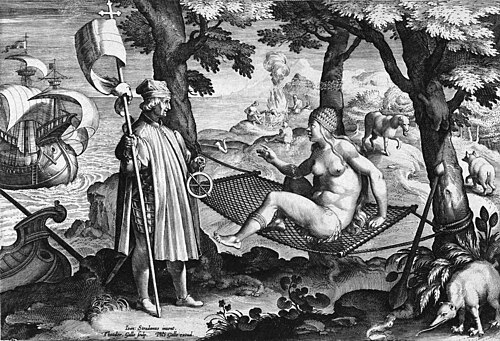
صاغ أمريكو فسبوتشي مصطلح "العالم الجديد" ( Mundus Novus ) في ربيع عام 1503 في رسالة كتبها إلى صديقه وراعيه السابق لورينزو دي بيير فرانشيسكو دي ميديتشي ، ونُشرت باللاتينية في الفترة 1503-1504 تحت عنوان Mundus Novus . وتتضمن رسالة فسبوتشي أول بيان صريح مطبوع لفرضية أن الأراضي التي اكتشفها الملاحون الأوروبيون غربًا لم تكن أطراف آسيا، كما زعم كريستوفر كولومبوس ، بل قارة مختلفة تمامًا تمثل "عالمًا جديدًا". [ 4 ]
بحسب موقع موندوس نوفوس ، وصل فيسبوتشي إلى البرازيل في أغسطس 1501. [ 15 ] وقارن طبيعة المكان وسكانه بما أخبره به البحارة البرتغاليون عن آسيا ، فأدرك أنه في عالم جديد. وقد حدث لقاءٌ مصادفة بين رحلتين استكشافيتين مختلفتين في محطة التزود بالماء في بيزيغيش، في داكار الحالية بالسنغال ، حيث كان فيسبوتشي في رحلته لرسم خريطة ساحل البرازيل المكتشفة حديثًا ، بينما كانت سفن الأسطول البرتغالي الثاني للهند ، بقيادة بيدرو ألفاريز كابرال ، عائدة من الهند .
بعد أن زار الأمريكتين في السنوات السابقة، وجد فيسبوتشي على الأرجح صعوبة في التوفيق بين ما رآه في جزر الهند الغربية وما أخبره به البحارة العائدون عن جزر الهند الشرقية . كتب فيسبوتشي رسالة تمهيدية إلى لورينزو، أثناء رسوه في بيزيغيش، أرسلها مع الأسطول البرتغالي، معربًا فيها عن حيرته إزاء محادثاته. [ 16 ] اقتنع فيسبوتشي في نهاية المطاف أثناء رحلته الاستكشافية لرسم خرائط شرق البرازيل بين عامي 1501 و1502. بعد عودته من البرازيل في ربيع عام 1503، كتب فيسبوتشي رسالة "موندوس نوفوس" في لشبونة وأرسلها إلى لورينزو في فلورنسا ، مع الفقرة الافتتاحية الشهيرة: [ 17 ]
In passed days I wrote very fully to you of my return from new countries, which have been found and explored with the ships, at the cost and by the command of this Most Serene King of Portugal; and it is lawful to call it a new world, because none of these countries were known to our ancestors and to all who hear about them they will be entirely new. For the opinion of the ancients was, that the greater part of the world beyond the equinoctial line to the south was not land, but only sea, which they have called the Atlantic; and even if they have affirmed that any continent is there, they have given many reasons for denying it is inhabited. But this opinion is false, and entirely opposed to the truth. My last voyage has proved it, for I have found a continent in that southern part; full of animals and more populous than our Europe, or Asia, or Africa, and even more temperate and pleasant than any other region known to us.
Vespucci's letter was a publishing sensation in Europe that was immediately and repeatedly reprinted in several other countries.[18]
Peter Martyr, who had been writing and circulating private letters commenting on Columbus's discoveries since 1493, often shares credit with Vespucci for designating the Americas as a new world.[19] Peter Martyr used the term Orbe Novo, meaning "New Globe", in the title of his history of the discovery of the Americas, which began appearing in 1511.[20]
Acceptance

The Vespucci passage above applied the "New World" label to merely the continental landmass of South America.[21] At the time, most of the continent of North America was not yet discovered, and Vespucci's comments did not eliminate the possibility that the islands of the Antilles discovered earlier by Christopher Columbus might still be the eastern edges of Asia, as Columbus continued to insist until his death in 1506.[22]
يُصوّر مجسم للكرة الأرضية يعود تاريخه إلى عام 1504 ، يُحتمل أن يكون ليوناردو دافنشي قد صنعه ، العالم الجديد على أنه أمريكا الجنوبية فقط ، مستثنيًا أمريكا الشمالية وأمريكا الوسطى . [ 23 ] وقد عقد الملكان الإسبانيان مؤتمرًا للملاحين يُعرف باسم " خونتا دي نافيجانتس" في تورو عام 1505، واستمر في بورغوس عام 1508، وذلك لمراجعة جميع المعلومات المتوفرة عن جزر الهند، والتوصل إلى اتفاق بشأن ما تم اكتشافه، وتحديد الأهداف المستقبلية للاستكشاف الإسباني. حضر أمريكو فسبوتشي كلا المؤتمرين، ويبدو أنه كان له تأثير كبير عليهما؛ ففي بورغوس، عُيّن أول " بيلوتو مايور" ، أي رئيس الملاحة في إسبانيا. [ 24 ]
على الرغم من فقدان محاضر مؤتمرات تورو-بورغوس، فمن شبه المؤكد أن فيسبوتشي قد عرض أطروحته الحديثة حول "العالم الجديد" على زملائه الملاحين هناك. خلال هذه المؤتمرات، يبدو أن المسؤولين الإسبان قد تقبلوا أن جزر الأنتيل والجزء المعروف من أمريكا الوسطى ليسا جزر الهند كما كانوا يأملون (مع أن كولومبوس ظل مصراً على أنهما كذلك). وقد حددوا الهدف الجديد للمستكشفين الإسبان: إيجاد ممر بحري أو مضيق عبر الأمريكتين، طريق إلى آسيا نفسها. [ 25 ]
لم يكن مصطلح العالم الجديد مقبولاً عالمياً، إذ دخل اللغة الإنجليزية في وقت متأخر نسبياً، وقد تعرض مؤخراً للنقد . [ 26 ]
تحديد الحدود
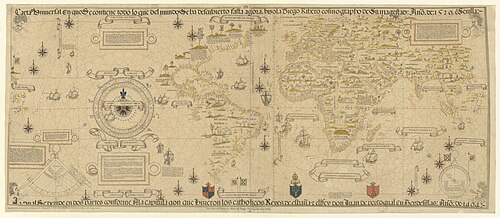
على الرغم من شيوع الاعتقاد بعد أمريكو فسبوتشي بأن اكتشافات كريستوفر كولومبوس لم تكن آسيا بل "عالماً جديداً"، إلا أن العلاقة الجغرافية بين أوروبا والأمريكتين ظلت غامضة. [ 27 ] وقد استُدل على وجود محيط شاسع بين آسيا والأمريكتين من خلال وجود بحر متصل واسع على طول سواحل شرق آسيا . وبالنظر إلى حجم الأرض كما حسبه إراتوستينس ، فقد ترك ذلك مساحة كبيرة بين آسيا والأراضي المكتشفة حديثاً.
حتى قبل فيسبوتشي، وضعت عدة خرائط، مثل خريطة كانتينو الكروية لعام 1502 وخريطة كانيريو لعام 1504، محيطًا مفتوحًا واسعًا بين الصين في الجانب الشرقي من الخريطة، واكتشافات أمريكا الشمالية والجنوبية غير المكتملة والمحاطة بالمياه إلى حد كبير في الجانب الغربي. وبسبب عدم اليقين، صوّرت هذه الخرائط امتدادًا للكتلة الأرضية الآسيوية عبر الجزء العلوي إلى الحافة الشرقية للخريطة، مما يوحي بأنها امتدت إلى نصف الكرة الغربي. فعلى سبيل المثال، تشير خريطة كانتينو الكروية إلى غرينلاند باسم "بونتا داسيا" - أي "حافة آسيا". [ 27 ]
تُظهر بعض الخرائط، مثل خريطة كونتاريني-روسيلي لعام 1506 وخريطة يوهانس رويش لعام 1508 ، خضوعًا لسلطة بطليموس وتأكيدات كولومبوس، امتداد الكتلة الأرضية لشمال آسيا إلى ما هو أبعد من نصف الكرة الغربي، واندماجها مع أمريكا الشمالية المعروفة، ولابرادور، ونيوفاوندلاند، وما إلى ذلك. وتضع هذه الخرائط جزيرة اليابان بالقرب من كوبا، تاركةً قارة أمريكا الجنوبية - "العالم الجديد" الحقيقي عند فيسبوتشي - منفصلةً وعائمةً في الأسفل بمفردها. [ 27 ]
تُعدّ خريطة فالدسيمولر لعام 1507، التي رافقت مجلد " مقدمة في علم الكونيات" الشهير ، والذي يتضمن نسخًا من رسائل فيسبوتشي، الأقرب إلى الحداثة، إذ تُظهر بحرًا مفتوحًا تمامًا، دون أي امتدادات أرضية، بين آسيا شرقًا والعالم الجديد. وقد مُثِّل هذا البحر مرتين في الخريطة نفسها بطريقة مختلفة: مع وجود ممر بحري في منتصف ما يُعرف الآن بأمريكا الوسطى غربًا، وبدونه - وهو ما تُشير إليه الخريطة نفسها ببساطة باسم " أمريكا " فيما يُعرف الآن بأمريكا الجنوبية. أما خريطة مارتن فالدسيمولر لعام 1516، فتتراجع بشكل ملحوظ عن خريطته السابقة وتعود إلى المرجعية الكلاسيكية، حيث تندمج الكتلة الأرضية الآسيوية في أمريكا الشمالية، التي يُطلق عليها الآن اسم " أرض كوبا آسيا الجزئية" ، ويتخلى بهدوء عن تسمية "أمريكا" لأمريكا الجنوبية، مُسميًا إياها ببساطة " أرض مجهولة" . [ 27 ]
اكتُشف الساحل الغربي للعالم الجديد، بما في ذلك المحيط الهادئ ، عام 1513 على يد فاسكو نونيز دي بالبوا ، بعد عشرين عامًا من رحلة كولومبوس الأولى. وبعد بضع سنوات، أكدت رحلة فرديناند ماجلان بين عامي 1519 و1522 أن المحيط الهادئ يشكل مسطحًا مائيًا واحدًا كبيرًا يفصل آسيا عن الأمريكتين. وبعد ذلك بسنوات، رُسمت خريطة ساحل المحيط الهادئ لأمريكا الشمالية. وقد أثبت اكتشاف مضيق بيرينغ في أوائل القرن الثامن عشر أن آسيا وأمريكا الشمالية غير متصلتين بريًا. إلا أن بعض الخرائط الأوروبية في القرن السادس عشر، بما في ذلك خريطة يوهانس شونر للكرة الأرضية عام 1533 ، استمرت في تصوير أمريكا الشمالية على أنها متصلة بآسيا عبر جسر بري. [ 27 ]
في عام 1524، استخدم جيوفاني دا فيرازانو مصطلح "العالم الجديد" في سجل رحلته في ذلك العام على طول ساحل المحيط الأطلسي لأمريكا الشمالية في ما يُعرف اليوم بكندا والولايات المتحدة . [ 28 ]
الاستخدام المعاصر
لا يزال مصطلح "العالم الجديد" شائع الاستخدام عند مناقشة المواقع التاريخية، ولا سيما رحلات كريستوفر كولومبوس والاستعمار الأوروبي اللاحق للأمريكتين . وقد وُصِف بأنه إشكالي لتطبيقه منظورًا استعماريًا للاكتشاف ، وعدم إيلائه الاهتمام الكافي للتعقيد التاريخي والجغرافي للعالم. ويُقال إن كلا "العالمين" وعصر الاستعمار الغربي قد دخلا مرحلة جديدة، [ 29 ] كما هو الحال في " العالم الحديث ".
استخدام خاص
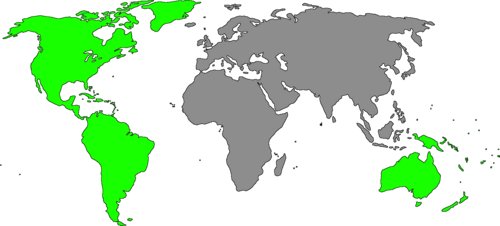
في مصطلحات صناعة النبيذ ، يُستخدم مصطلح "العالم الجديد" بتعريف محدد. لا يقتصر " نبيذ العالم الجديد " على نبيذ أمريكا الشمالية والجنوبية فحسب، بل يشمل أيضًا نبيذ جنوب أفريقيا وأستراليا ونيوزيلندا ، وجميع المناطق الأخرى خارج مناطق زراعة العنب التقليدية في أوروبا وشمال أفريقيا والشرق الأدنى . [ 30 ] ومع ذلك، فقد أُثيرت تساؤلات حول جدوى هذه المصطلحات في وصف النبيذ، إذ وُصفت بأنها تعسفية وعامة للغاية. [ 31 ]
In a biological context, species can be divided into those in the Old World (Palearctic, Afrotropic) and those in the New World (Nearctic, Neotropic). Biological taxonomists often attach the "New World" label to groups of species found exclusively in the Americas, to distinguish them from their counterparts in the "Old World" (Europe, Africa and Asia)—e.g., New World monkeys, New World vultures, New World warblers.
The label is also often used in agriculture. Asia, Africa, and Europe share a common agricultural history stemming from the Neolithic Revolution, and the same domesticated plants and animals spread through these three continents thousands of years ago, making them largely indistinct and useful to classify together as "Old World". Common Old World crops, e.g., barley, lentils, oats, peas, rye, wheat, and domesticated animals, e.g., cattle, chickens, goats, horses, pigs, sheep, did not exist in the Americas until they were introduced by post-Columbian contact in the 1490s.
Many common crops were originally domesticated in the Americas before they spread worldwide after Columbian contact, and are still often referred to as "New World crops". Common beans (phaseolus), maize, and squash—the "three sisters"—as well as the avocado, tomato, and wide varieties of capsicum (bell pepper, chili pepper, etc.), and the turkey were originally domesticated by pre-Columbian peoples in Mesoamerica. Agriculturalists in the Andean region of South America brought forth the cassava, peanut, potato, quinoa and domesticated animals like the alpaca, guinea pig and llama.
Other New World crops include the sweetpotato, cashew, cocoa, rubber, sunflower, tobacco, and vanilla, and fruits like the guava, papaya and pineapple. There are rare instances of overlap, e.g., the calabash (bottle-gourd), cotton, and yam are believed to have been domesticated separately in both the Old and New World, or their early forms possibly brought along by Paleo-Indians from Asia during the last glacial period.
See also
- European colonization of the Americas
- Atlantic slave trade
- Canadian Indian residential school system
- Catholic Church and the Age of Discovery
- Columbian Exchange
- Early impact of Mesoamerican goods in Iberian society
- Jesuit missions in North America
- Native American people and Mormonism
- Puritan migration to New England (1620–1640)
- Valladolid debate
- History of Antarctica
- Terra Australis
- History of Australia (1788–1850)
- Norse colonization of North America
- Peopling of the Americas
- Pre-Columbian transoceanic contact theories
- New World crops
References
- ↑"New World". Dictionary.com Unabridged (Online). n.d.
- ↑"America." The Oxford Companion to the English Language (ISBN 0-19-214183-X). McArthur, Tom, ed., 1992. New York: Oxford University Press, p. 33: "[16c: from the feminine of Americus, the Latinized first name of the explorer Amerigo Vespucci (1454–1512). The name America first appeared on a map in 1507 by the German cartographer Martin Waldseemüller, referring to the area now called Brazil]. Since the 16th century, the term "New World" has been used to describe the Western Hemisphere, often referred to as the Americas. Since the 18th century, it has come to represent the United States, which was initially colonial British America until it established independence following the American Revolutionary War. The second sense is now primary in English: ... However, the term is open to uncertainties: ..."
- ↑Mundus Novus: Letter to Lorenzo Pietro Di Medici, by Amerigo Vespucci; translation by George Tyler Northrup, Princeton University Press; 1916.
- 12M.H.Davidson (1997) Columbus Then and Now, a life re-examined. Norman: University of Oklahoma Press, p. 417)
- ↑ كتاب "كاداموستو نافيجيشني" ، حوالي عام 1470 ، كما أعيد طبعه في كتاب جيوفاني راموسيو (1554: ص 106 ). انظر أيضًا كتاب م. زامورا " قراءة كولومبوس" (1993: ص 121).
- ↑ إي جي بورن إسبانيا في أمريكا، 1450-1580 نيويورك: هاربر (1904: ص 30)
- ↑ بطرس الشهيد، Opus Epistolarum (الرسالة 130 ص 72 )
- ↑ بطرس الشهيد، Opus Epistolarum ، الرسالة 133، ص. 73
- ^ بطرس الشهيد، Opus Epistolarum (الرسالة 138، ص 76 )
- ↑ بطرس الشهيد Opus Epistolarum ، الرسالة 156 ص. 88
- ↑ "إذا لم يكن النهر المذكور ينبع من الفردوس الأرضي، فإنه يأتي من مساحة شاسعة من الأرض تقع في الجنوب، لم يتم الحصول على أي معرفة عنها حتى الآن." (رسالة كولومبوس 1499 عن الرحلة الثالثة، كما وردت في كتاب آر إتش ماجور، رسائل مختارة لكريستوفر كولومبوس ، 1870: ص 147 )
- ↑ جيه زد سميث، ربط الأديان ، شيكاغو (2004: ص 266-267)
- ↑ رسالة كولومبوس إلى الممرضة عام 1500 (في كتاب ماجور، 1870: ص 154 )
- ↑ رسالة كولومبوس إلى الممرضة عام 1500 (ماجور، 1870: ص 170 )
- ↑ تشير الرسالة إلى تاريخ 17 أغسطس 1501، مع أن المترجمين ترجموها أيضاً إلى 7 أغسطس 1501، أو 10 أغسطس 1501، أو 1 أغسطس 1501. كانوفاي، ستانيسلاو (1832). رحلات أمريكو فسبوتشي . ص 158. مؤرشف من الأصل في 20 سبتمبر 2023. تم الاطلاع عليه في 18 نوفمبر 2020 . بوناري ، برونو (يوليو 2013). أمريجو فسبوتشي . محرر سنترو تيبوغرافيكو ليفورنيزي. ص. 222. ردمك 9788890695681أُرشف من المصدر الأصلي في 20 سبتمبر 2023. تم الاطلاع عليه في 18 نوفمبر 2020 .
- ^ لم يتم نشر رسالة فسبوتشي المرسلة من Bezeguiche، ولكن تم الاحتفاظ بها في شكل مخطوطة ونشرها FA de Varnhagen في عام 1865 ( de Varnhagen، Francisco Adolfo (1865). Amerígo Vespucci، son caractère، ses écrits ... sa vie et ses navigations ... (بالفرنسية). الصفحات من 78 إلى 82 – عبر كتب Google. ).
- ↑ ترجمة إنجليزية لكتاب "موندوس نوفوس" كما وردت في كتاب ماركهام ( فيسبوتشي، أمريكو (1894). رسائل أمريكو فيسبوتشي ووثائق أخرى توضح مسيرته المهنية . ترجمة ماركهام، كليمنتس . الصفحات 42-52 . مؤرشف من الأصل في 20 سبتمبر 2023. تم الاطلاع عليه في 14 نوفمبر 2015 - عبر كتب جوجل). )
- ↑ يقدم فارنهاجن، أميريكو فيسبوتشي (1865: ص 13-26 ) نسخًا متجاورةً لكلٍّ من النسخة اللاتينية لعام 1503 بعنوان "Mundus Novus" ، والترجمة الإيطالية المُعاد ترجمتها لعام 1507 بعنوان "El Nuovo Mondo de Lengue Spagnole interpretato in Idioma Ro. Libro Quinto" (من Paesi Nuovamente retrovati ). وقد أُعيد طبعالنسخة اللاتينية من "Mundus Novus" مراتٍ عديدة (انظر فارنهاجن، 1865: ص 9 للاطلاع على قائمةٍ بالطبعات المبكرة).
- ^ دي مادارياجا، سلفادور (1952). Vida del muy magnífico señor Don Cristóbal Colón (بالإسبانية) ( الطبعة الخامسة). المكسيك: افتتاحية هيرميس. ص. 363.
"العالم الجديد"، [...] تسمية بأن بيدرو الشهيد سيكون أول مستخدم
- ↑ جيه زد سميث، ربط الأديان ، شيكاغو (2004: ص 268)
- ^ FA Ober Amerigo Vespucci نيويورك: هاربر (1907: ص 239، 244)
- ↑ إس إي موريسون الاكتشاف الأوروبي لأمريكا، المجلد 2: الرحلات الجنوبية، 1492-1616 . (1974: ص 265-66).
- ↑ ميسين، ستيفان (خريف 2013). "كرة أرضية مكتشفة حديثًا من أوائل القرن السادس عشر محفورة على بيضة نعامة: أقدم كرة أرضية باقية تُظهر العالم الجديد". مجلة بورتولان ، مجلة جمعية واشنطن للخرائط (87): ص 8-24.
- ^ للحصول على حساب فسبوتشي في تورو وبورغوس، راجع Navarette Colección de los viages y descubrimientos que hicieron por mar los españoles desde Fines del siglo XV (1829: v.iii، pp. 320–23 )
- ↑ سي أو ساور، البحر الرئيسي الإسباني المبكر . كامبريدج (1966: ص 166-167)
- ↑ سوبيكي، سيباستيان (12 نوفمبر 2015). اكتشاف العالم الجديد . مطبعة جامعة أكسفورد. doi : 10.1093/oxfordhb/9780199935338.013.141 . ISBN 978-0-19-993533-8أُرشف من المصدر الأصلي بتاريخ 17 يونيو 2019. تم الاطلاع عليه بتاريخ 2 يونيو 2016 .
- 1 2 3 4 5 ج. هـ. باري، اكتشاف البحر (1974: ص 227)
- ↑Verrazzano, Giovanni da (1524)."The Written Record of the Voyage of 1524 of Giovanni da Verrazzano as recorded in a letter to Francis I, King of France, July 8th, 1524"Archived 8 September 2006 at the Wayback Machine. Citing: Wroth, Lawrence C., ed. (1970). The Voyages of Giovanni da Verrazzano, 1524–1528. Yale, pp. 133–43. Citing: a translation by Susan Tarrow of the Cèllere Codex.
- ↑"The Old World-New World Debate and the Columbian Exchange". Wondrium Daily. 31 January 2021. Archived from the original on 16 May 2022. Retrieved 10 April 2022.
- ↑"Real Differences: New World vs Old World Wine". Wine Folly. 21 August 2012. Archived from the original on 16 October 2019. Retrieved 3 December 2014.
- ↑Banks, Glenn; Overton, John (2010). "Old World, New World, Third World? Reconceptualising the Worlds of Wine". Journal of Wine Research. 21 (1). Informa UK Limited: 57–75. doi:10.1080/09571264.2010.495854. ISSN 0957-1264. S2CID 129445056.
External links
- Age of Discovery
- History of Antarctica
- Country classifications
- Cultural history
- Cultural regions
- Culture of the Americas
- European colonisation in Oceania
- European colonization of the Americas
- Geographical regions
- Human geography
- Culture of Oceania
- Western Hemisphere