
را (هندي)
حرف الراء هو أحد حروف الأبجدية الهندية . في الكتابات الهندية الحديثة، يُشتق حرف الراء من حرف براهمي القديم " أشوكا " 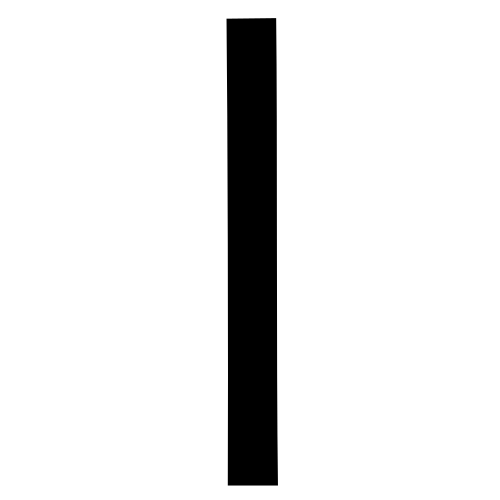 بعد مروره بحرف غوبتا
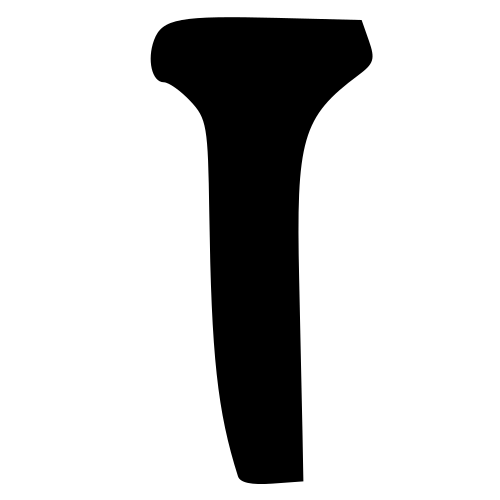 . تختلف أشكال حرف الراء في معظم الكتابات الهندية عند استخدامه مع حروف ساكنة أخرى، بما في ذلك الأشكال المتصلة والمُعاد صياغتها. بعض هذه الأشكال مُشفّر في النصوص الحاسوبية كأحرف منفصلة، بينما يُولّد البعض الآخر ديناميكيًا باستخدام تشكيل الحروف المتصلة مع علامة التشكيل .
الترقيم أريابهاتا
استخدم أريابهاتا حروف ديفاناغاري للأرقام، وهي حروف مشابهة جدًا للأرقام اليونانية ، حتى بعد اختراع الأرقام الهندية . قيم الأشكال المختلفة للحرف र هي: [ 1 ]
- र [ ɾə ] = 40 (40)
- ري [ ɾɪ ] = 4,000 (४ ०००)
- رو [ ɾʊ ] = 400,000 (४ ०० ०००)
- ر [ ɾri ] = 40,000,000 (४ ०० ०० ०००)
- रॢ [ ɾlə ] = 4 × 10⁹ (4× 10⁹ )
- रे [ ɾe ] = 4 × 10¹¹ (4× 10¹¹ )
- रै [ ɾɛː ] = 4 × 10¹³ (4× 10¹³ )
- रो [ ɾoː ] = 4 × 10¹⁵ (4× 10¹⁵ )
- रौ [ ɾɔː ] = 4 × 10¹⁷ (4× 10¹⁷ )
را التاريخية
توجد ثلاثة أنواع رئيسية من الكتابات التاريخية المبكرة: البراهمي ومتغيراته، والخاروشثي ، والتوخاري ، وهو ما يُعرف بالبراهمي المائل . كان حرف "را" في البراهمي القياسي شكلاً هندسياً بسيطاً، مع بعض التعديلات نحو أشكال أكثر انسيابية في عهد غوبتا . أما حرف "را" في التوخاري فكان له شكل 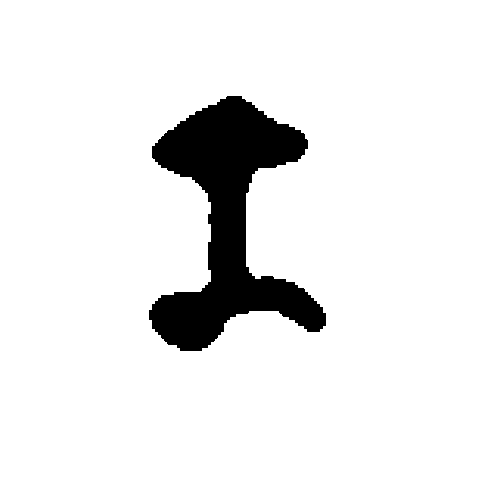 بديل يُسمى " فرمدزايشن "
  . وربما اشتُقّ الشكل الثالث لحرف "را
  " في الخاروشثي من اللغة الآرامية بشكل منفصل عن حرف البراهمي.
براهمي را
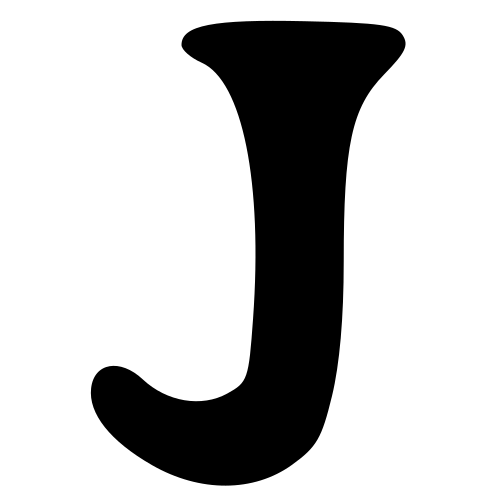
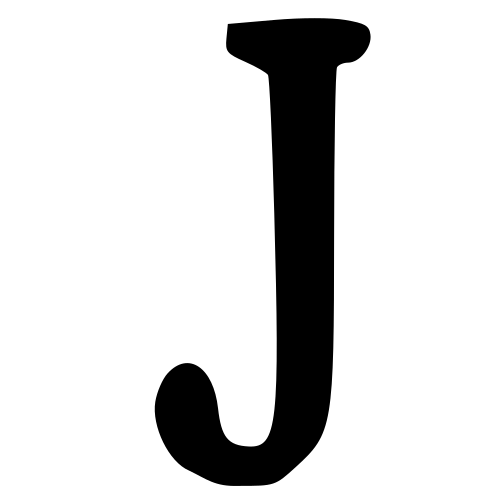
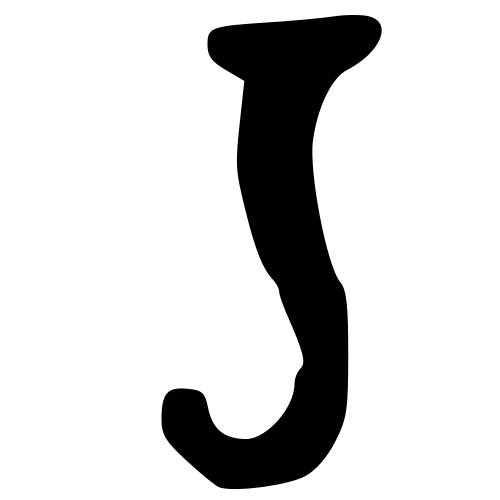
يُرجّح أن يكون حرف البراهمي ، را، مشتقًا من حرف الريش الآرامي 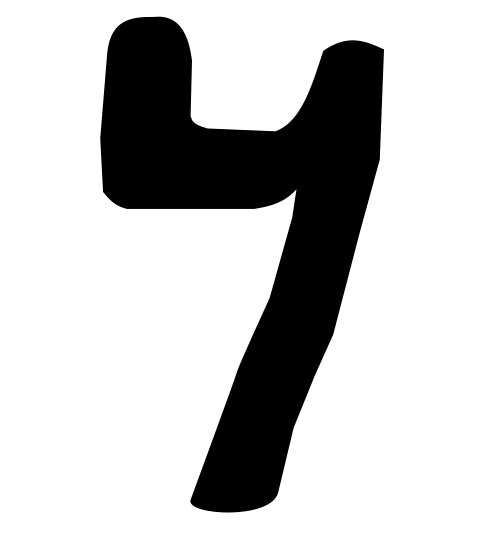 ، وبالتالي فهو مرتبط بالحرف اللاتيني الحديث R واليوناني Rho . [ 2 ] توجد عدة أنماط مميزة لكتابة حرف البراهمي را، يرتبط معظمها بمجموعة محددة من النقوش على قطعة أثرية أو سجلات متنوعة من فترة تاريخية معينة. [ 3 ] وباعتباره أقدم أنماط البراهمي وأكثرها هندسية، فإن الأحرف الموجودة على مراسيم أشوكا وسجلات أخرى من تلك الفترة تُعتبر عادةً الشكل المرجعي لأحرف البراهمي، حيث لم تُثبت علامات التشكيل إلا في أشكال لاحقة من البراهمي تم تشكيلها عكسيًا لتتوافق مع أسلوب الكتابة الهندسي.
| أشوكا ( القرن الثالث - الأول قبل الميلاد ) | جيرنار (حوالي 150 قبل الميلاد) | كوشانا ( حوالي 150-250 م ) | غوجارات (حوالي 250 م) | غوبتا ( حوالي 350 م ) |
|---|---|---|---|---|
|  |  |  | |
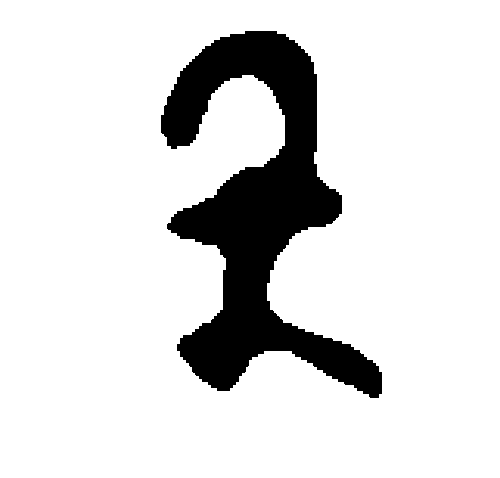
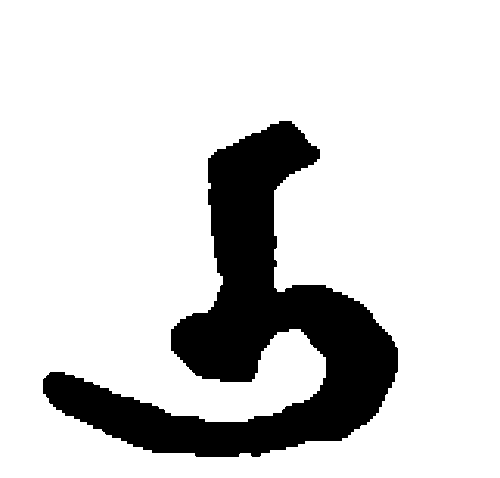
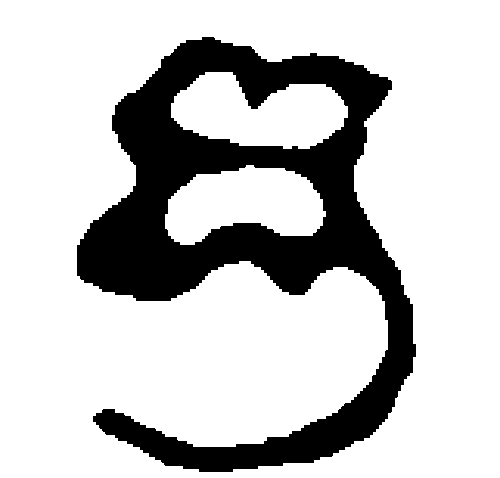
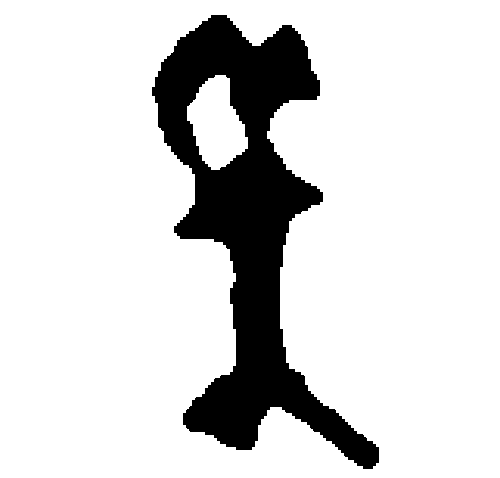
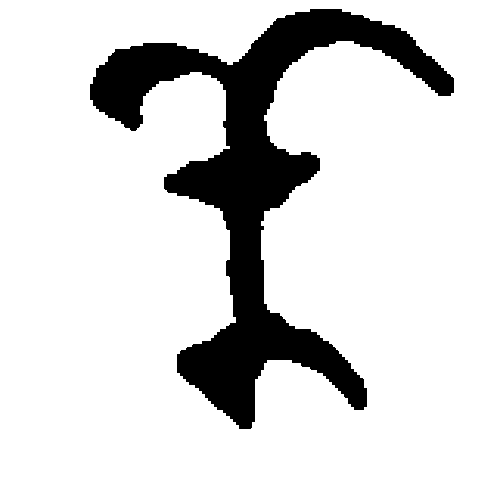
توخاريان رع
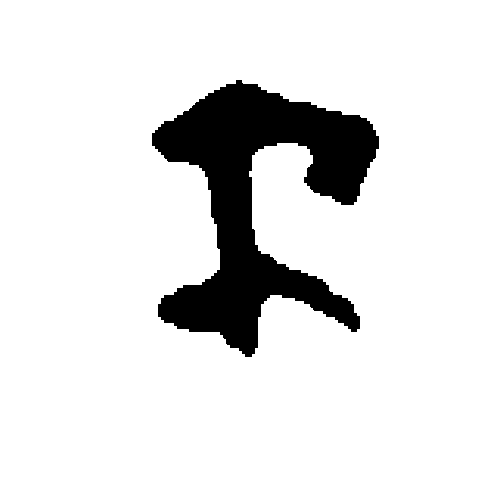
الحرف التخاري مشتق من البراهمي ، وله شكل بديل يُسمى "فرمدزايشن" يُستخدم في الحروف المركبة وكبديل لتمثيل حرف "را". ويُشابه استخدام أشكال "ريفا" في الكتابات الهندية الحديثة استخدام حرف "را" في التخارية.
| رع | را | ري | ري | رو | رو | سكة حديد | Rr̄ | يكرر | راي | رو | راو | Rä | علامة غريبة |
|---|---|---|---|---|---|---|---|---|---|---|---|---|---|
|  |  |  |  |  |  |  |  |  |  |  | |
خاروشتي را
يُعتبر حرف Kharoṣṭhī مشتقًا بشكل عام من حرف Resh الآرامي ، وبالتالي فهو مرتبط بـ R و Rho ، بالإضافة إلى حرف Ra البراهمي. [ 2 ]
ديفاناغاري را
حرف الراء ( र ) هو حرف ساكن في الأبجدية الديفاناغارية . وقد نشأ في الأصل من حرف البراهمي ، بعد أن مرّ بحرف غوبتا . ومن الحروف المشتقة منه حرف الراء في اللغة الغوجاراتية ، وحرف الراء في لغة مودي . ويُعدّ حرف الراء، إلى جانب الحرف اللاتيني الكبير R ، أساس رمز العملة ₹ ، الذي يُمثّل الروبية الهندية .
اللغات التي تستخدم ديفاناغاري
في جميع اللغات، يُنطق الحرف र إما [ ɾə ] أو [ ɾ ] حسب الاقتضاء. ومثل جميع الكتابات الهندية، تستخدم ديفاناغاري علامات التشكيل المضافة إلى الحرف الساكن الأساسي لتجاوز صوت / ə / الأصلي .
| رع | را | ري | ري | رو | رو | سكة حديد | Rr̄ | Rl | Rl̄ | يكرر | راي | رو | راو | R |
|---|---|---|---|---|---|---|---|---|---|---|---|---|---|---|
| ر | را | ري | ري | رو | رو | रृ | रॄ | रॢ | रॣ | ري | ري | رو | رو | ر |
تستخدم العديد من اللغات الشكل المنقط Rra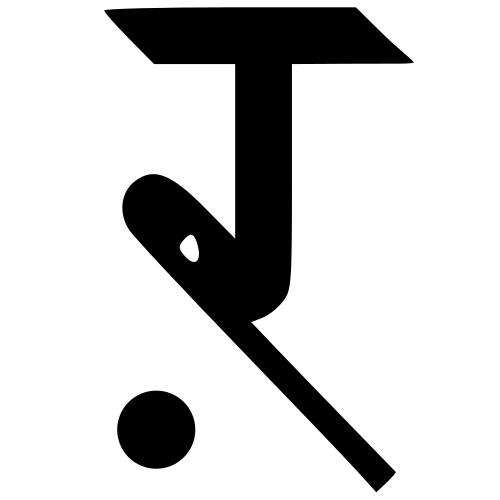 للصوت [ r ] بدلاً من र. ऱ يتحد مع علامات حروف العلة بشكل مطابق لـ र.
مقترن مع ر
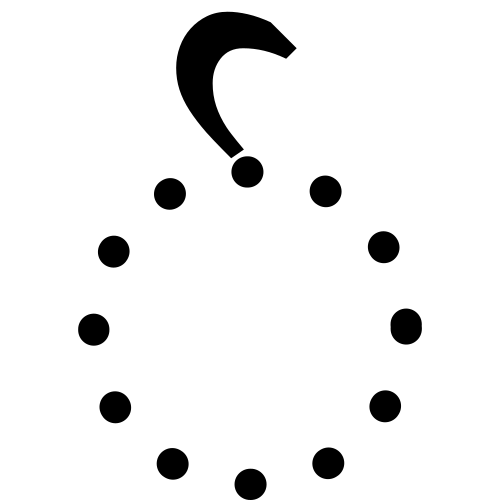
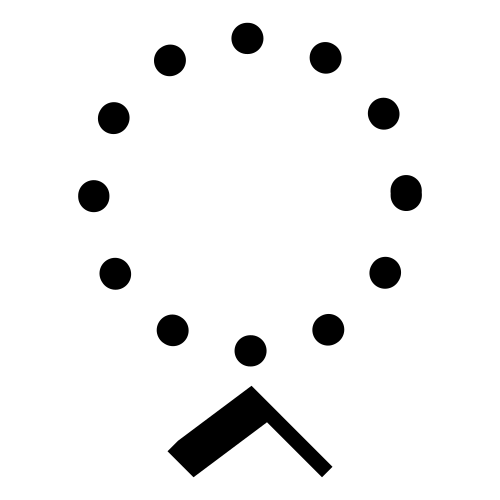
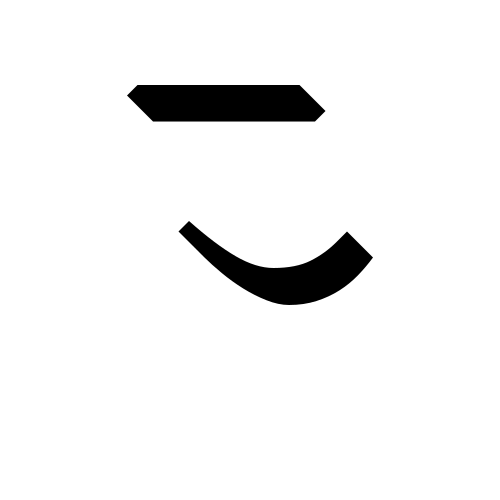
تُظهر الكتابة الديفاناغارية وصلات حروف متصلة، كما هو شائع في الكتابات الهندية. في النصوص الديفاناغارية الحديثة، تُشكَّل معظم الوصلات بتقليص شكل الحرف ليناسب الحرف التالي بإحكام، وعادةً ما يكون ذلك بحذف الجزء العمودي من الحرف، وهو ما يُشار إليه أحيانًا باسم "نصف الشكل". تُمثَّل بعض مجموعات الوصلات دائمًا بوصلة حقيقية، بدلًا من شكل يمكن تقسيمه إلى حروف مستقلة. تنتشر الوصلات المتراصة عموديًا في النصوص القديمة، بينما لا يزال عدد قليل منها يُستخدم بشكل روتيني في النصوص الديفاناغارية الحديثة. قد يختلف استخدام الوصلات والوصلات العمودية بين اللغات التي تستخدم الكتابة الديفاناغارية، حيث تُفضِّل اللغة الماراثية على وجه الخصوص استخدام أنصاف الأشكال في حين تُظهر النصوص في اللغات الأخرى وصلات وتراصات عمودية. [ 4 ]
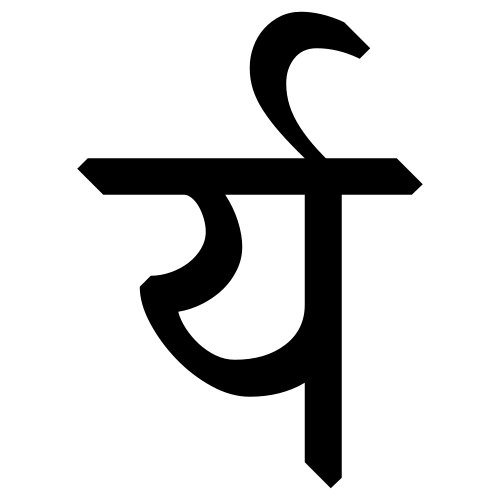
عندما يقترن حرف الراء بأحرف أخرى، فإنه يتخذ أشكالًا مختلفة، أهمها الريفا والركار. تُستخدم الريفا للدلالة على أن الحرف المتصل يبدأ بحرف الراء. وهي عبارة عن شكل هلالي يُلصق أعلى خط بداية الحرف المتصل من جهة اليمين، مباشرةً فوق الساق العمودية إن وُجدت. أما بقية حروف الحرف المتصل فلا تتأثر بالريفا في تشكيلها، إذ تتحد مع بقية حروف الحرف المتصل لتكوين حروف متصلة أو حروف متصلة متراصة.
يُستخدم حرف الركار للدلالة على حرف ساكن متصل ينتهي بـ "را". وهو شكل إسفيني متجه للأعلى، يوجد إما في المنتصف أسفل بقية الحرف المتصل، أو مائلًا إلى اليمين ومدمجًا مع أسفل جذر الكلمة. وكما هو الحال مع حرف الراء، فإن بقية الحرف المتصل لا تتأثر بحرف الركار في تشكيله، باستثناء تعديل طفيف في أسفل جذر الكلمة.
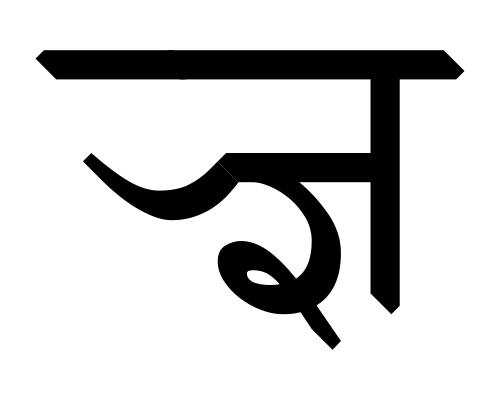
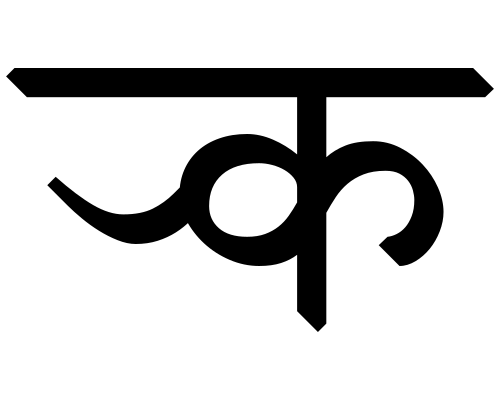
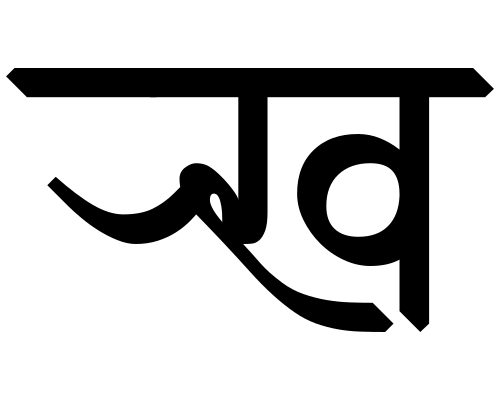
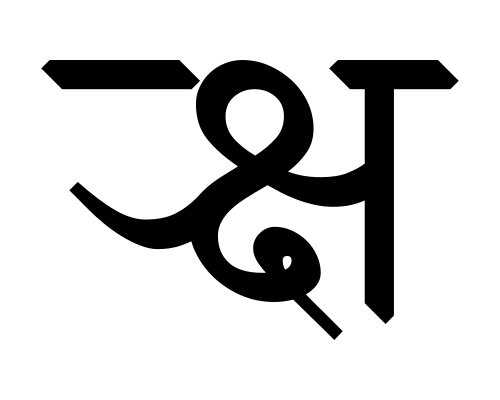
الشكل الثالث المتصل لحرف الراء هو ما يُسمى بـ" الراء الرمشي" . يشبه هذا الشكل نصف الحرف في احتفاظه بالخط العلوي، مع شكل أسفله يتصل بالحرف التالي، لكن شكل الرمش المتبقي لا يشبه حرفي الراء أو الراء. يُستخدم الراء الرمشي في النصوص النيبالية والماراثية بدلًا من الراء الرمشي لنطق صوت "الراء" في بداية الحرف المتصل. مع أن هاتين اللغتين تستخدمان الراء المنقط، فإن الراء الرمشي هو الشكل الافتراضي لحرف الراء + فيراما في يونيكود للتوافق مع الإصدارات السابقة، ويتم تمثيل شكل الراء الرمشي بشكل فردي كحرف متصل مع كل حرف ساكن آخر في ديفاناغاري.
ديفاناغاري ريفا
- Repha र্ (r) + ब (ba) يعطي الرباط rba: ملاحظة
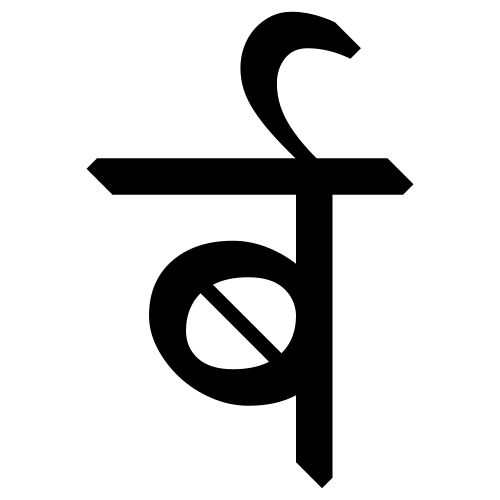
- Repha र্ (r) + भ (b h a) تعطي الربط rb h a:
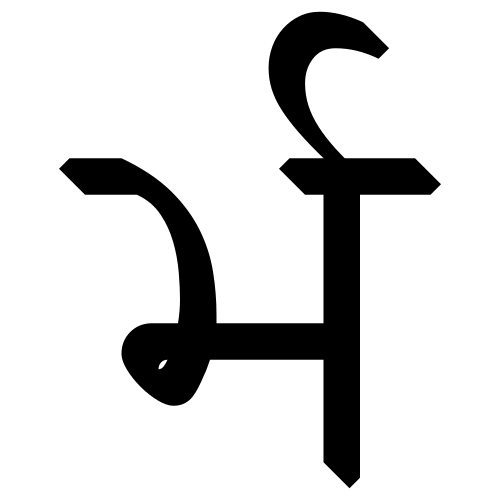
- Repha र্ (r) + च (ca) تعطي الرابطة rca:
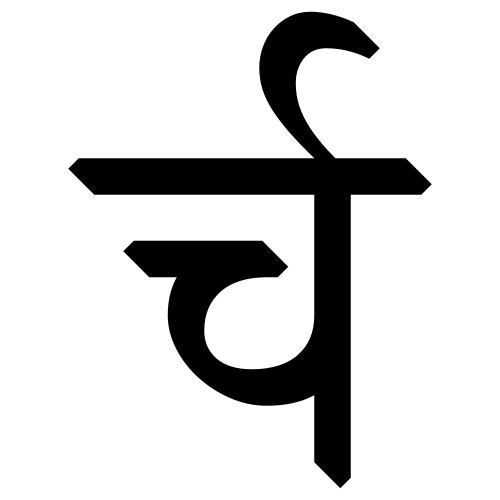
- Repha र্ (r) + छ (ch a ) تعطي الربط rc h a:
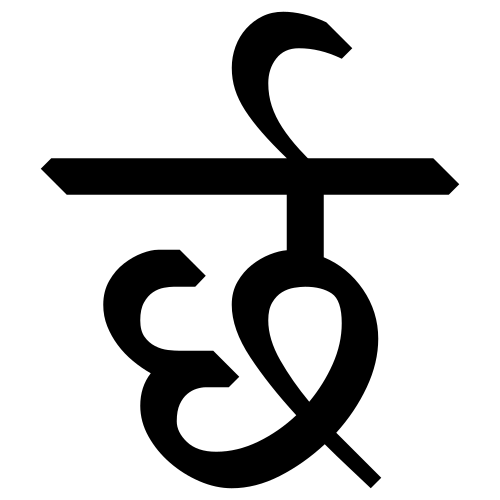
- Repha ্ (r) + म (da) يعطي الرباط rda:
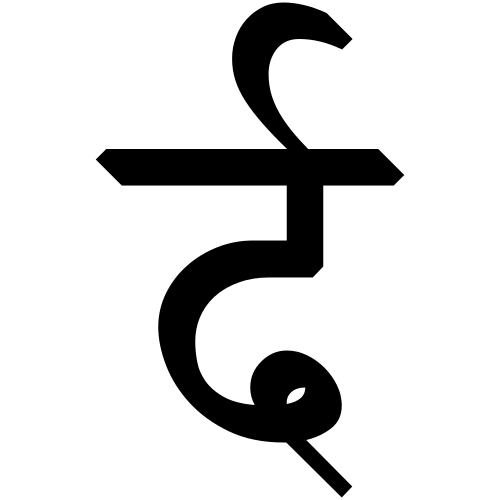
- Repha र্ (r) + ड (ḍa) يعطي الرباط rḍa:
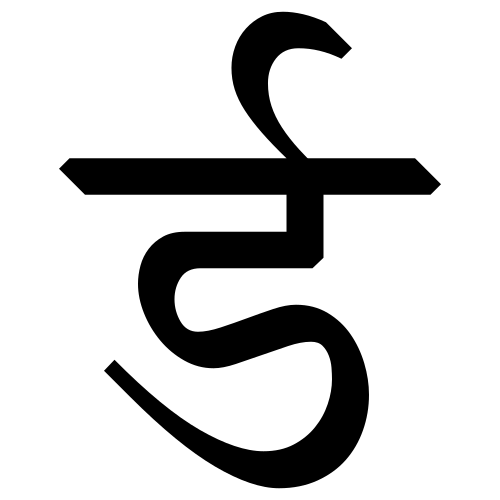
- Repha र্ (r) + ढ (ḍʱa) تعطي الوصلة rḍʱa:
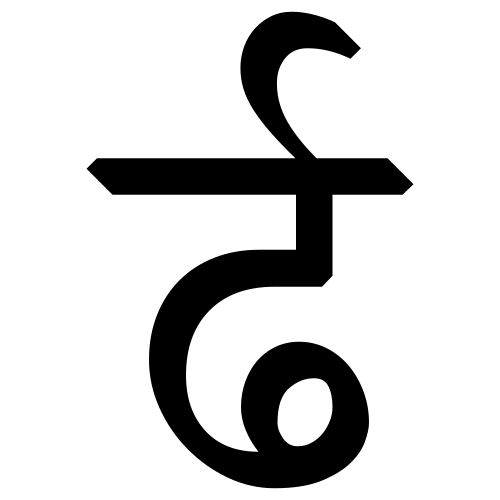
- Repha र্ (r) + द্ (d) + ध (dʱa) تعطي الوصلة rddʱa:
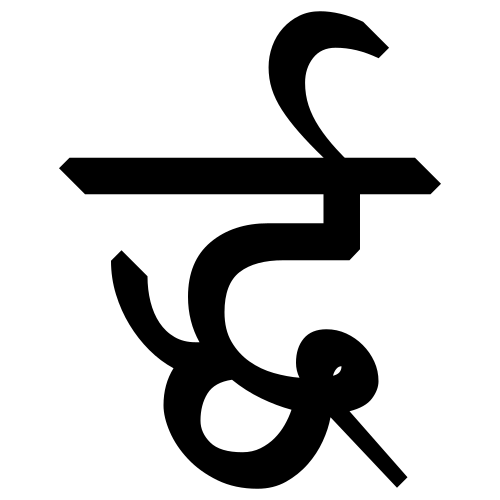
- Repha र্ (r) + ध (dʱa) تعطي الوصلة rdʱa:
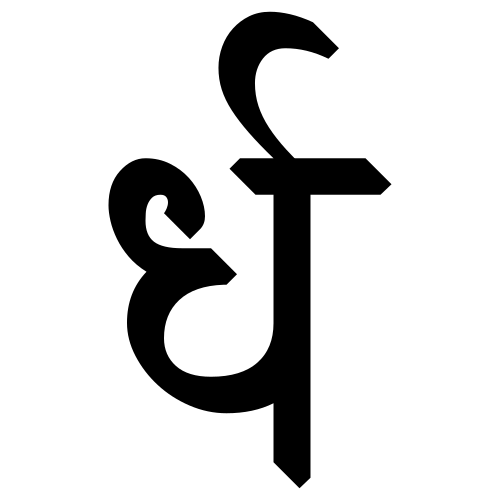
- Repha र্ (r) + द্ (d) + व (va) تعطي الرابطة rdva:
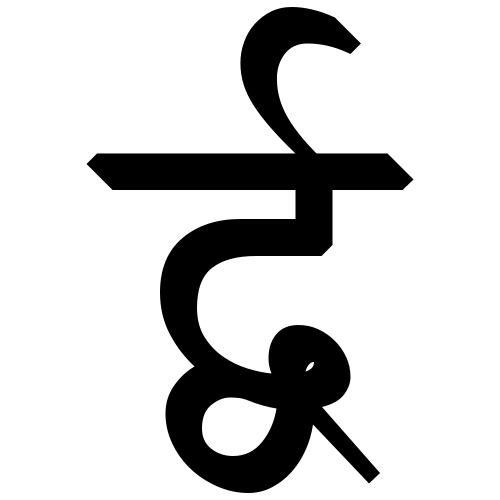
- Repha र্ (r) + ग (ga) يعطي الرباط rga:
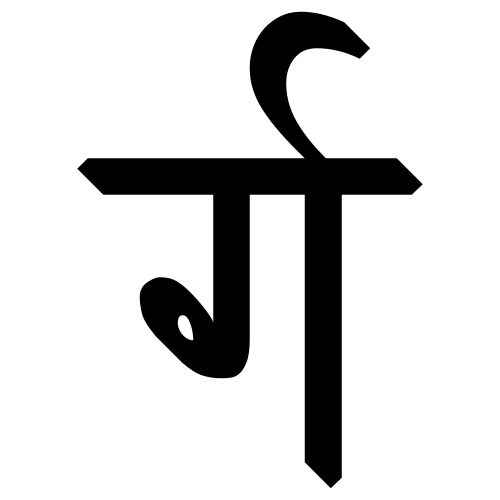
- Repha ্ (ص) + घ (ɡʱa) يعطي الرباط rɡʱa:
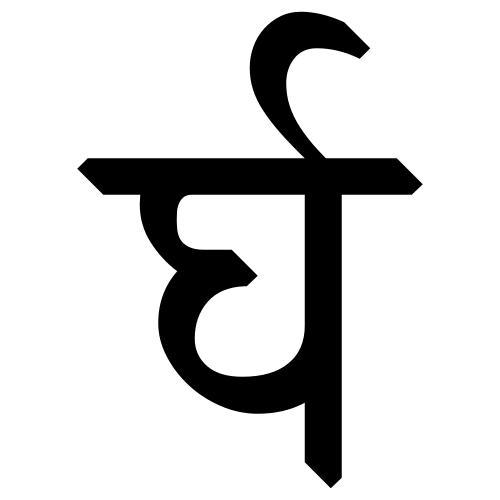
- Repha र্ (r) + ह (ha) يعطي الرباط rha:
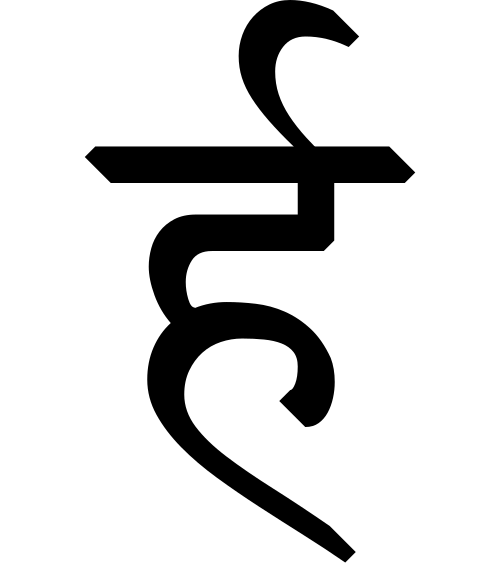
- Repha र্ (r) + ju (ja) يعطي الرباط rja:
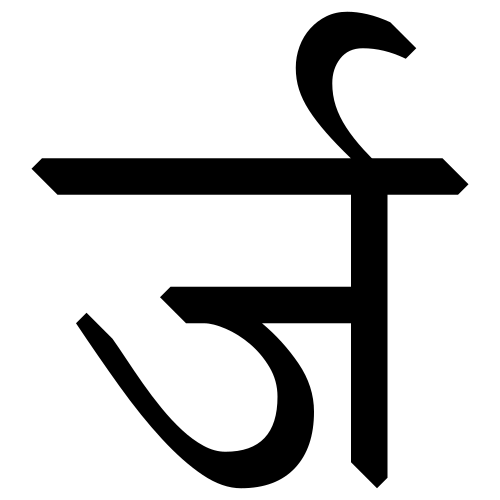
- Repha र্ (r) + झ (j h a) تعطي الربط rj h a:
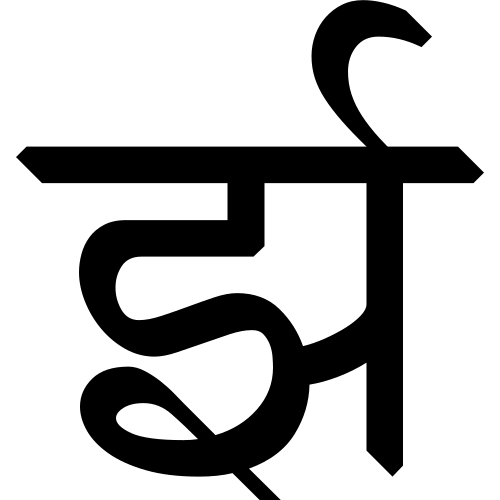
- Repha र্ (r) + क্ (j) + ञ (ña) يعطي الرباط rjña:
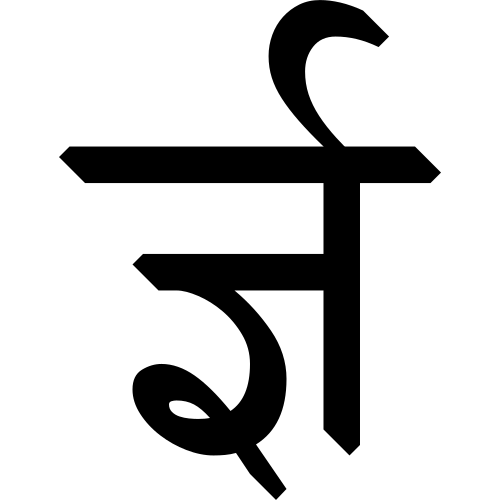
- Repha र্ (r) + क (ka) يعطي الرباط rka:
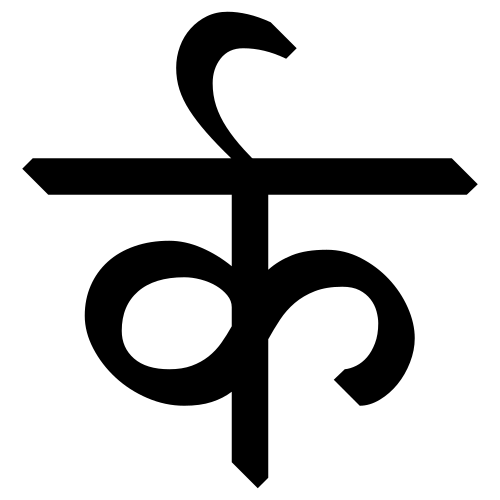
- Repha र্ (r) + ख (k h a) تعطي الوصلة rk h a:
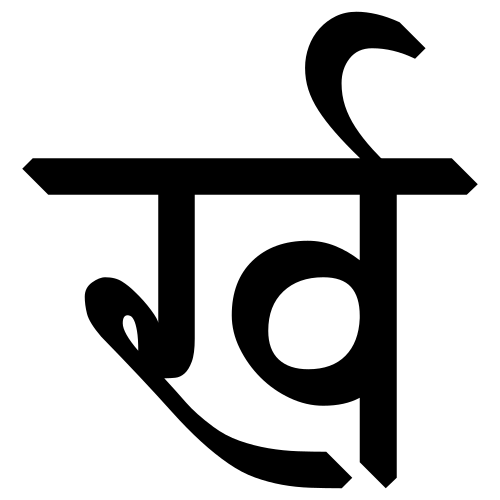
- Repha र্ (r) + क্ (k) + ष (ṣa) يعطي الرباط rkṣa:
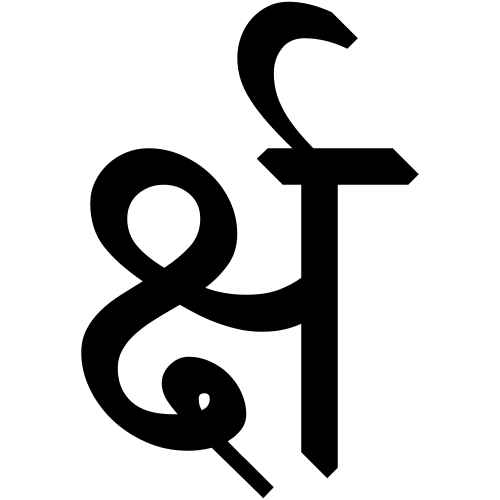
- Repha र্ (r) + LA (la) يعطي الرباط rla:
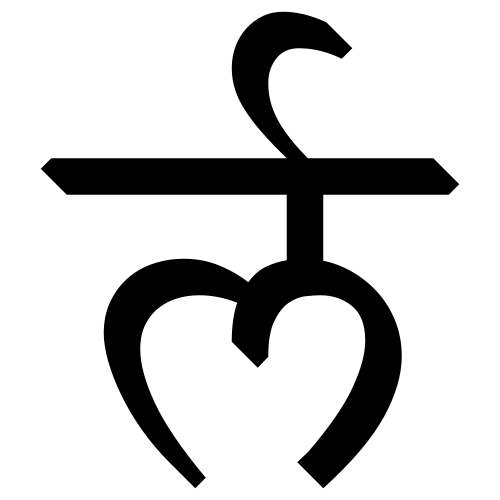
- Repha र্ (r) + ळ (ḷa) تعطي الربط rḷa:
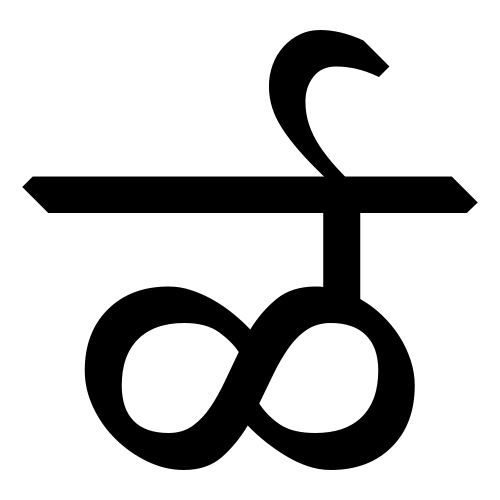
- Repha र্ (r) + म (ma) يعطي الرباط rma:

- Repha र্ (r) + न (na) يعطي الحمض النووي الريبوزي RNA:
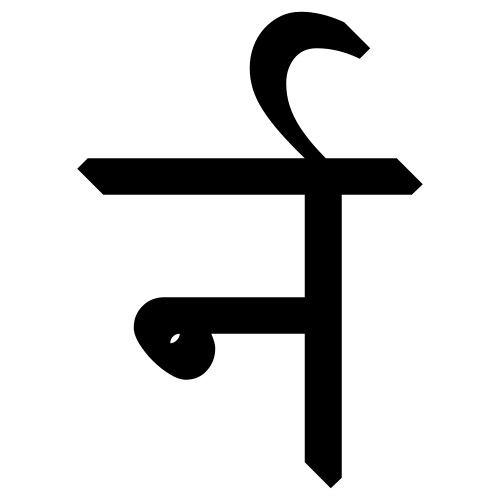
- Repha ্ (r) + ङ (ŋa) يعطي الرباط rŋa:
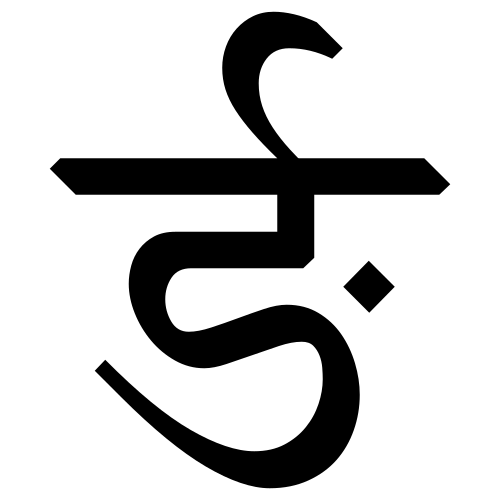
- Repha ্ (r) + ङ্ (ŋ) + ग (ga) يعطي الرباط rŋga:
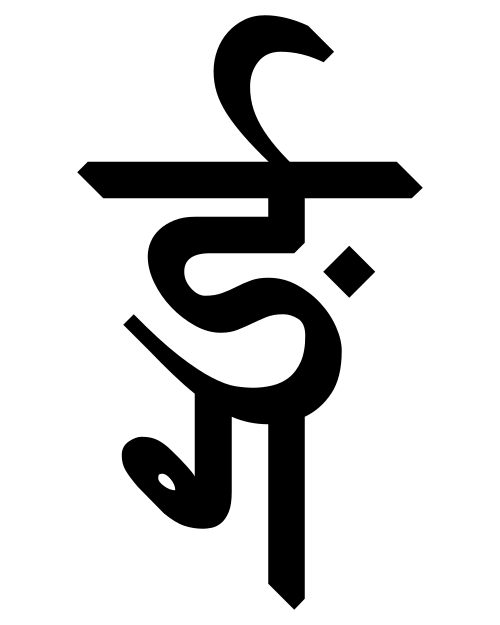
- Repha र্ (r) + ण (ṇa) يعطي الرباط rṇa:
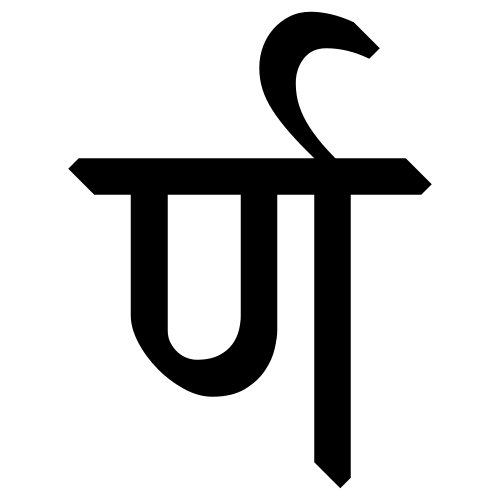
- Repha ্ (r) + ञ (ña) يعطي الرباط rña:
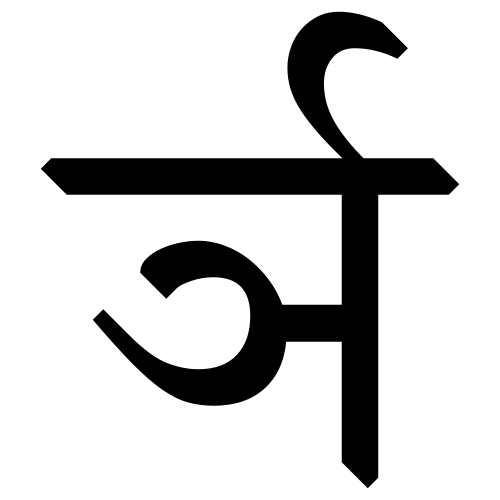
- Repha र্ (r) + प (pa) تعطي الرابطة rpa:
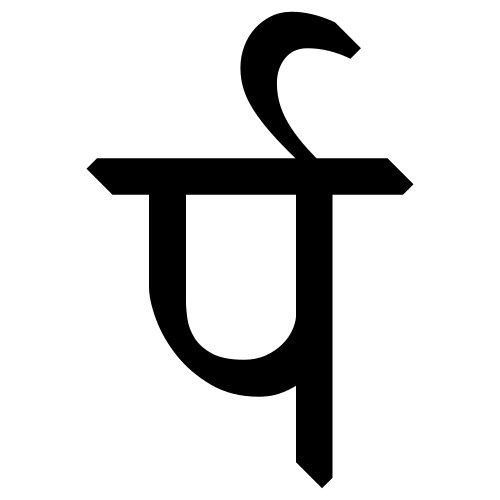
- Repha र্ (r) + फ (p h a) تعطي الربط rp h a:
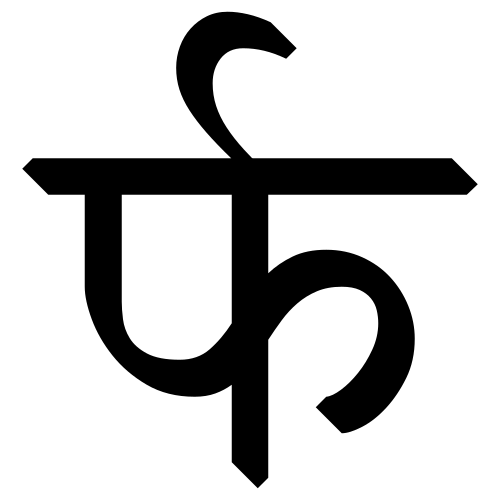
- Repha र্ (r) + र (ra) يعطي الرباط rra:
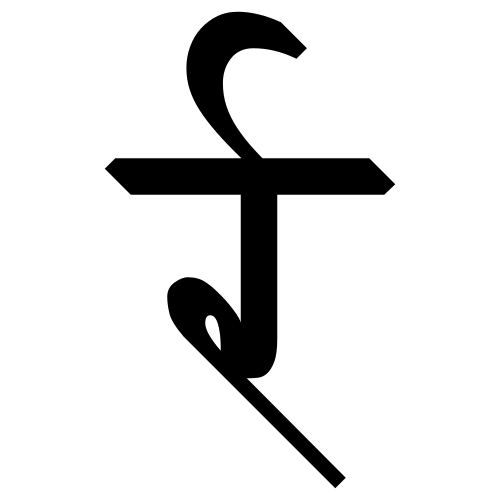
- Repha र্ (r) + स (sa) يعطي الرباط rsa:
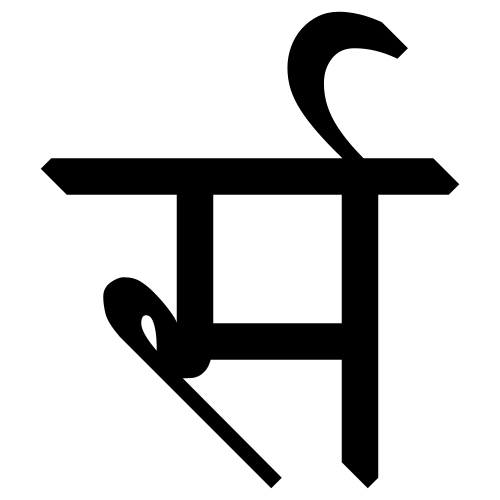
- Repha र্ (r) + श (ʃa) تعطي الرابطة rʃa:
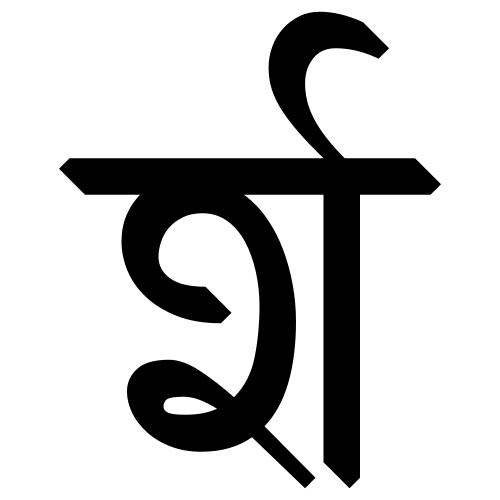
- Repha र্ (r) + ष (ṣa) يعطي الرباط rṣa:
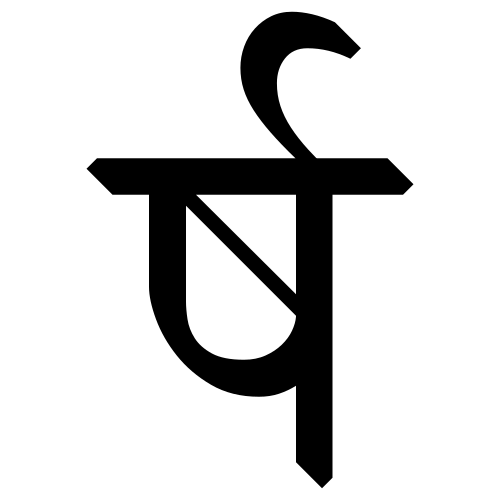
- Repha र্ (r) + स্ (s) + व (va) تعطي الربط rsva:
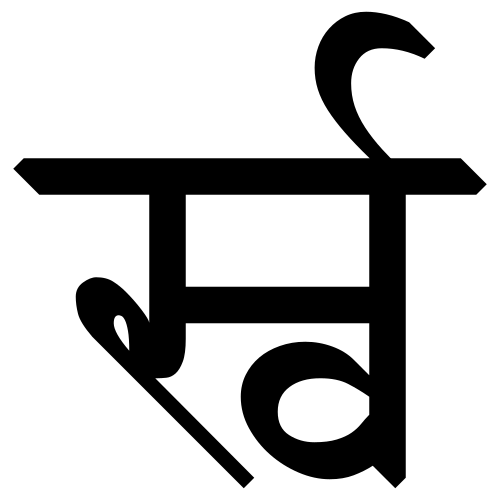
- Repha र্ (r) + त (ta) يعطي الرباط هيئة الطرق والمواصلات:
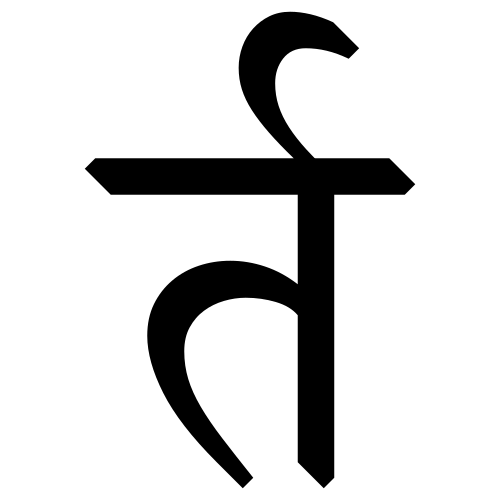
- Repha र্ (r) + थ (t h a) تعطي الربط rt h a:
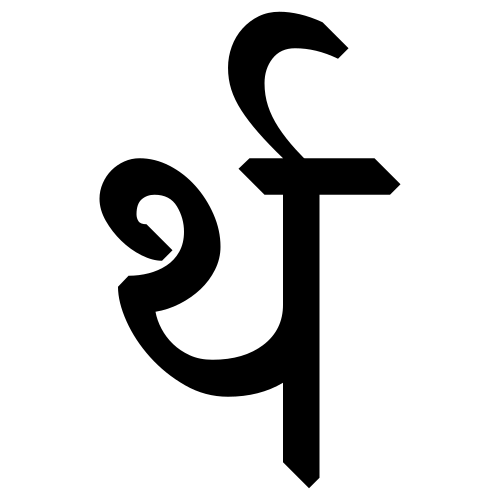
- Repha र্ (r) + ट (ṭa) تعطي الوصلة rṭa:
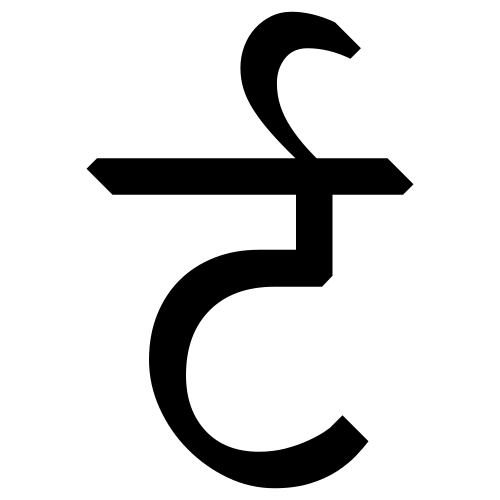
- Repha र্ (r) + त্ (t) + त (ta) يعطي الرباط rtta:
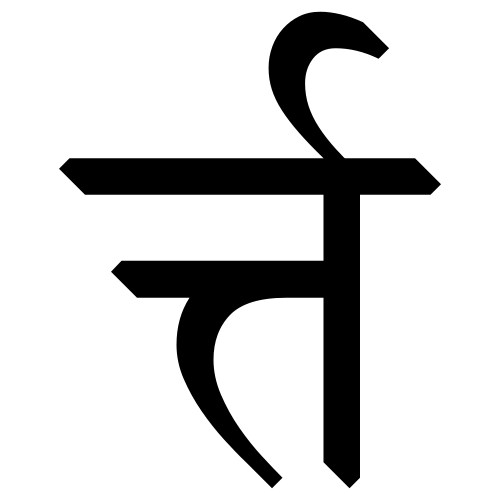
- Repha र্ (r) + ठ (ṭ h a) يعطي الرباط rṭ h a:
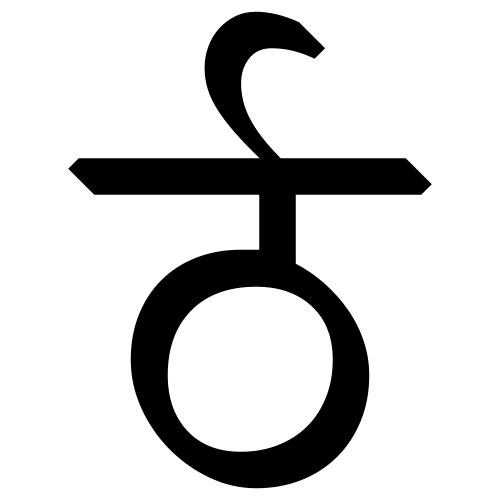
- Repha र্ (r) + व (va) تعطي الوصلة rva:
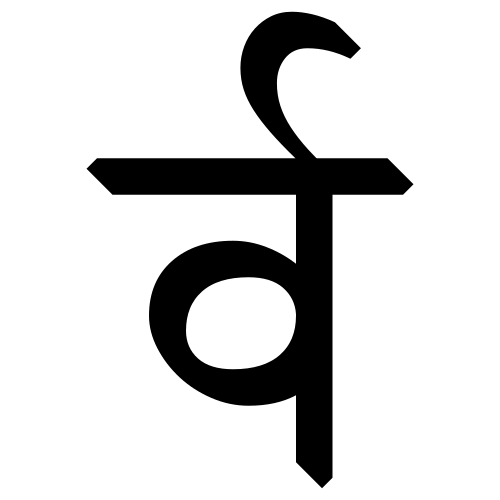
- Repha र্ (r) + य (ya) يعطي الرباط rya:
ديفاناغاري راكار
- भ্ ( bh ) + र (ra) يعطي الربط b h ra:
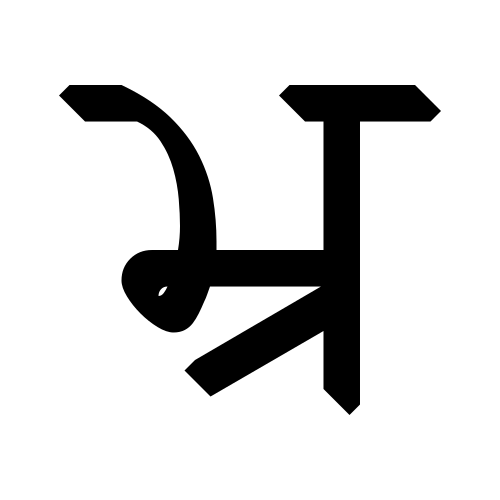
- ब্ (b) + र (ra) يعطي الحرف المركب bra:
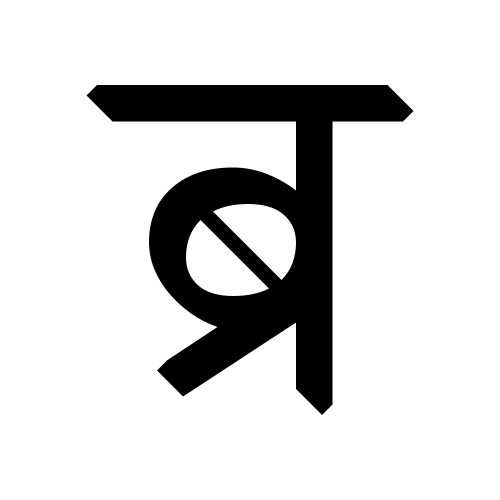
- छ্ (ch ) + र (ra) تعطي الربط c h ra:
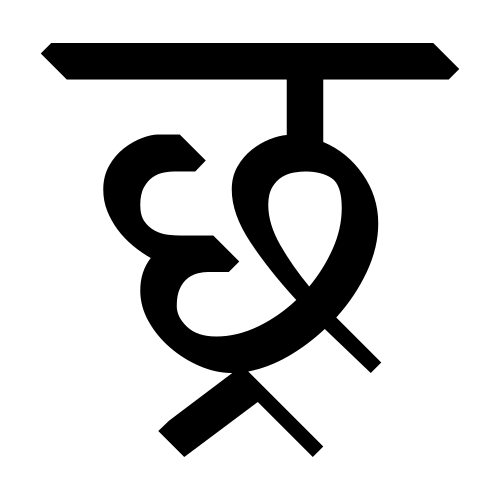
- च্ (c) + र (ra) يعطي الحرف المركب cra:
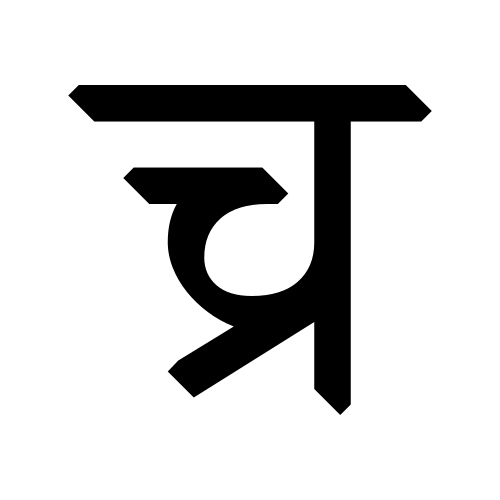
- द্ (d) + ब্ (b) + र (ra) تعطي الرابطة dbra:
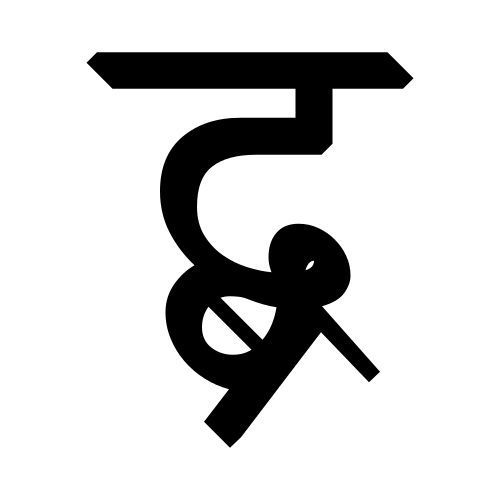
- ढ্ (ḍʱ) + र (ra) تعطي الحرف المركب ḍʱra:
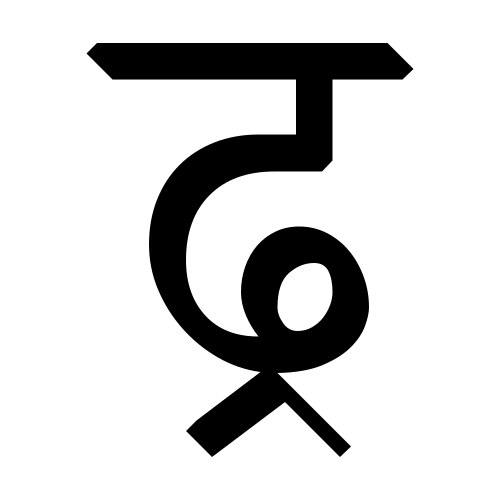
- ड্ (ḍ) + र (ra) تعطي الحرف المركب ḍra:
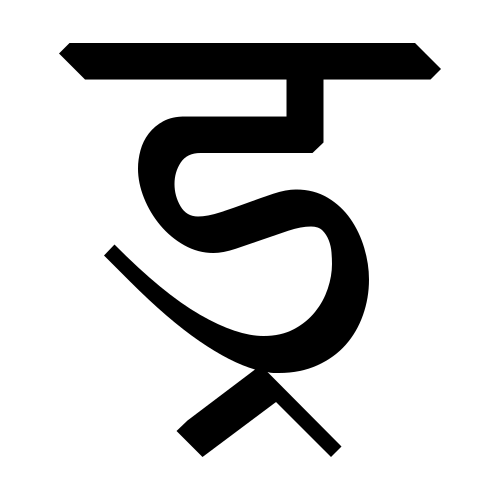
- द্ (d) + द্ (d) + र (ra) تعطي الربط ddra:
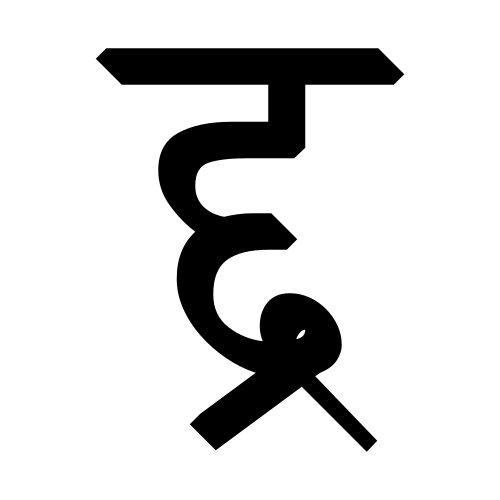
- द্ (d) + ग্ (g) + र (ra) تعطي الرابطة dgra:
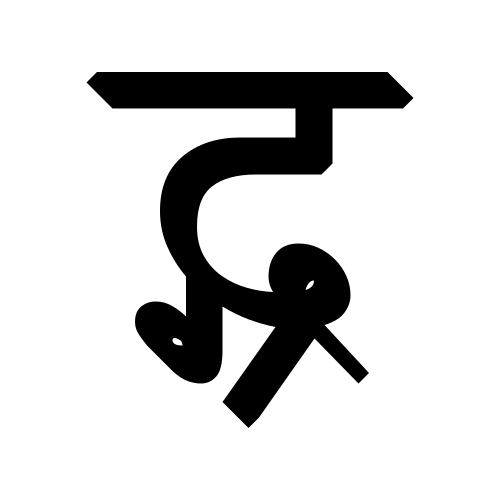
- ध্ (dʱ) + र (ra) تعطي الحرف المركب dʱra:
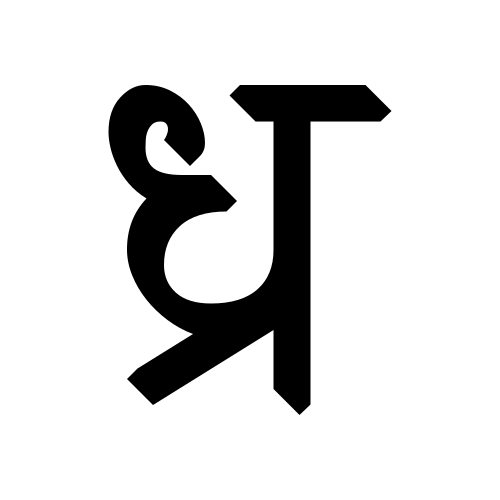
- द্ (d) + र (ra) يعطي الربط dra:
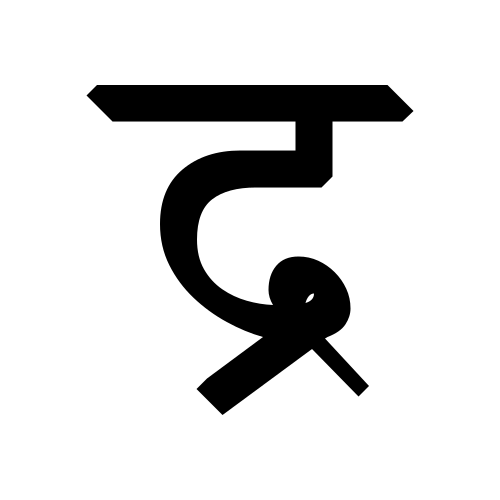
- घ্ (ɡʱ) + र (ra) تعطي الحرف المركب ɡʱra:
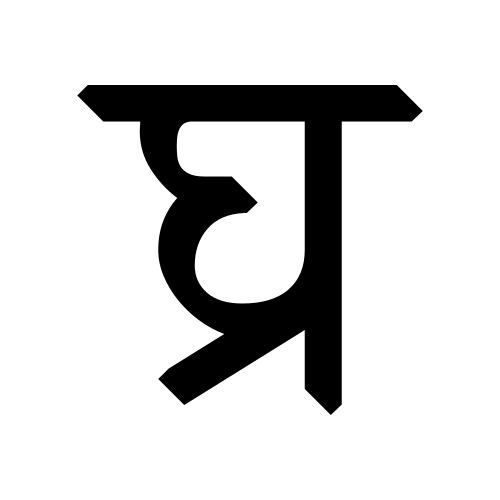
- ग্ (g) + र (ra) تعطي الحرف المركب gra:
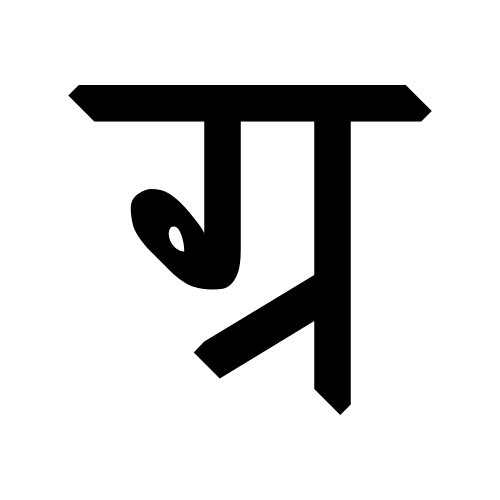
- ग্ (g) + र্ (r) + य (ya) تعطي الحرف المركب grya:
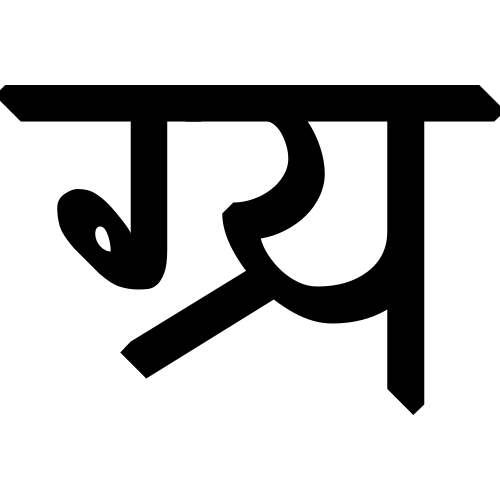
- ह্ (h) + र (ra) يعطي الحرف المركب hra:
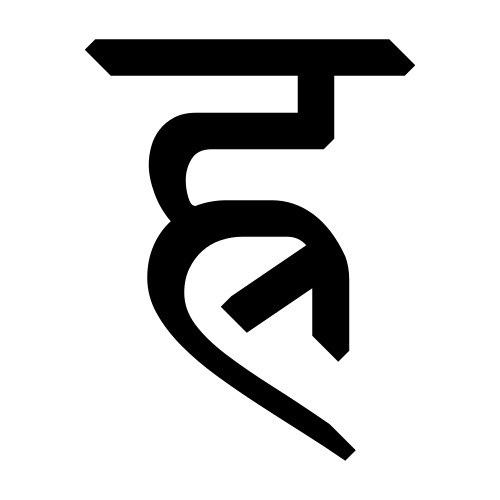
- झ্ (j h ) + र (ra) يعطي الربط j h ra:
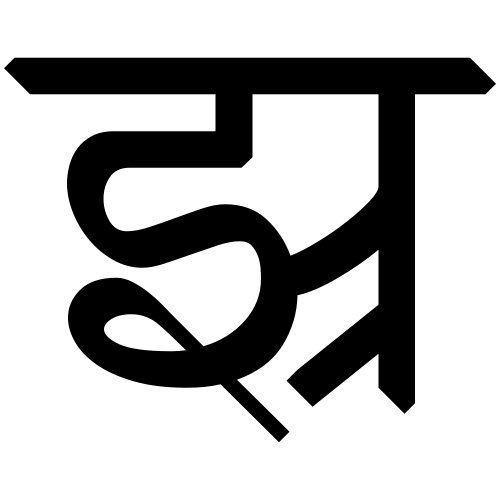
- ज্ (j) + र (ra) يعطي الحرف المركب jra:
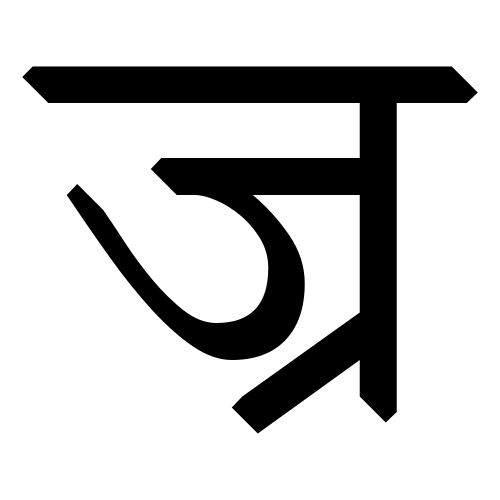
- क্ (k) + र (ra) يعطي الحرف المركب kra:
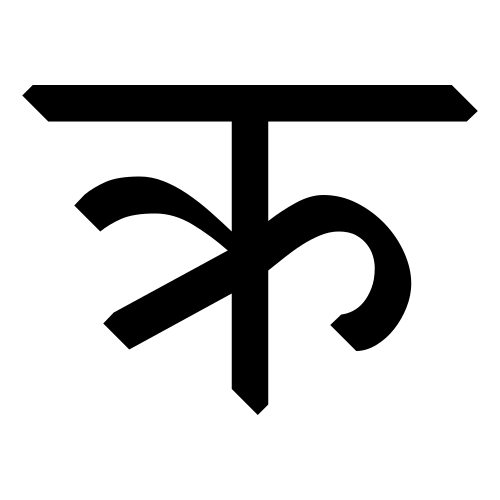
- क্ (k) + त্ (t) + र (ra) تعطي الرابطة ktra:
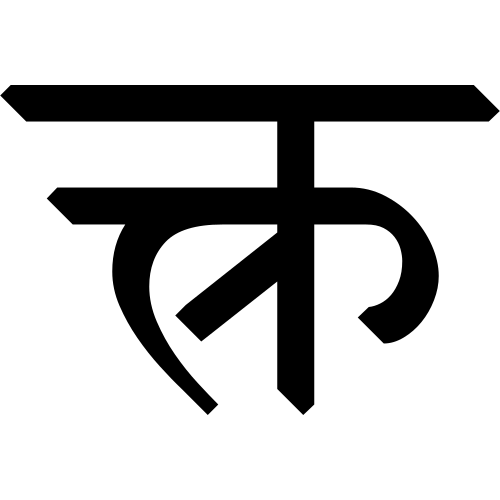
- ळ্ (ḷ) + र (ra) تعطي الحرف المركب ḷra:
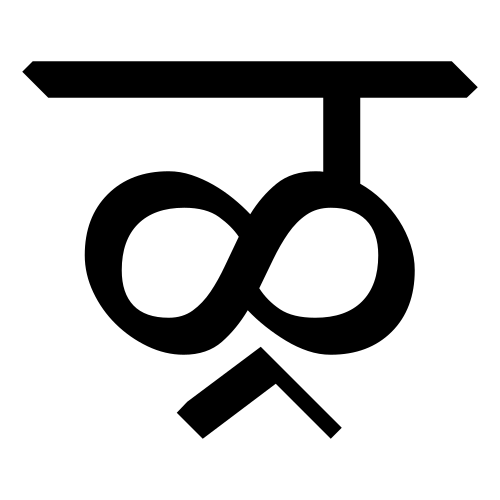
- ल্ (l) + र (ra) يعطي الربط lra:
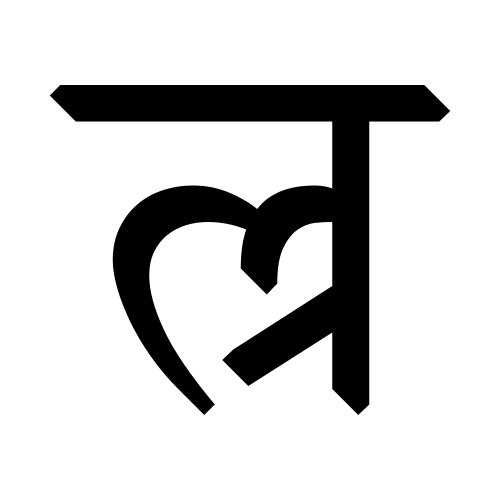
- म্ (m) + र (ra) يعطيان الحرف المركب mra:
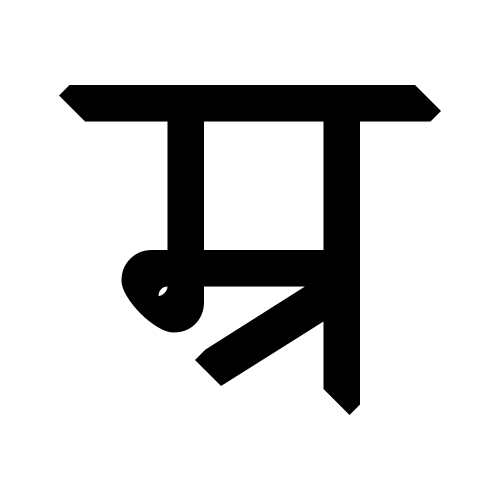
- ङ্ (ŋ) + क্ (k) + र (ra) يعطي الرباط ŋkra:
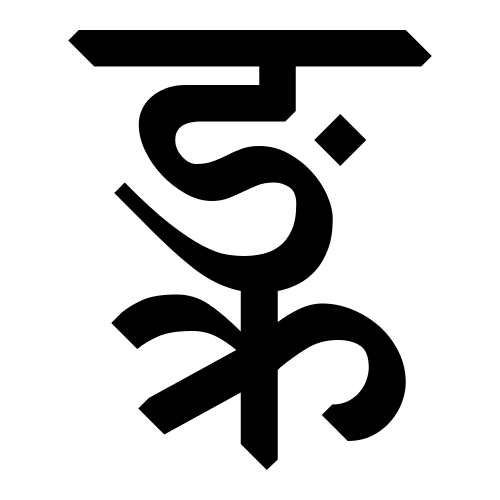
- ङ্ (ŋ) + र (ra) يعطي الرباط ŋra:
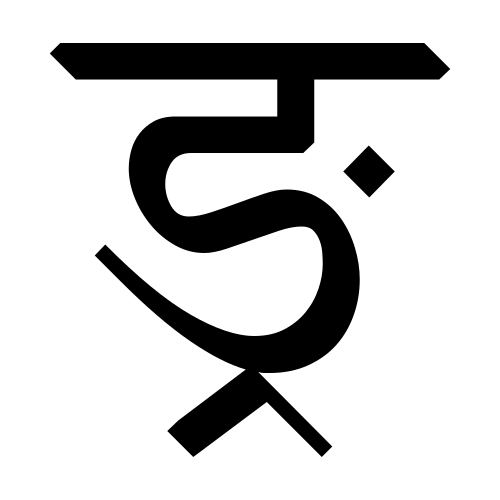
- ण্ (ṇ) + र (ra) تعطي الربط ṇra:
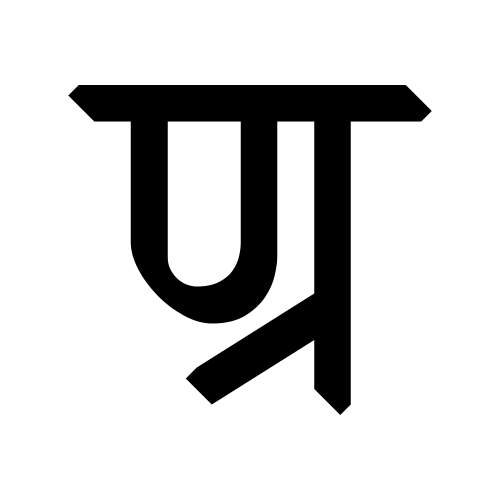
- न্ (n) + र (ra) يعطي الحرف المركب nra:
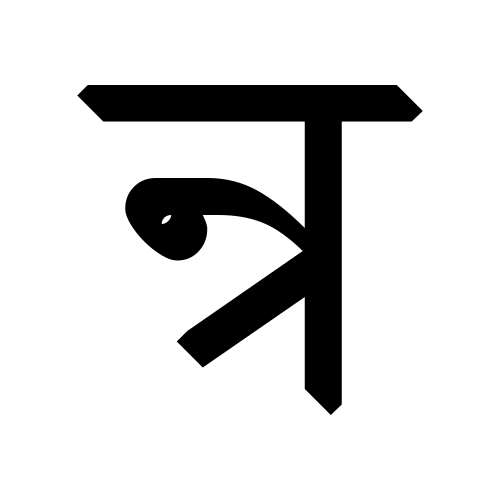
- ञ্ (ñ) + र (ra) يعطي الرباط ñra:
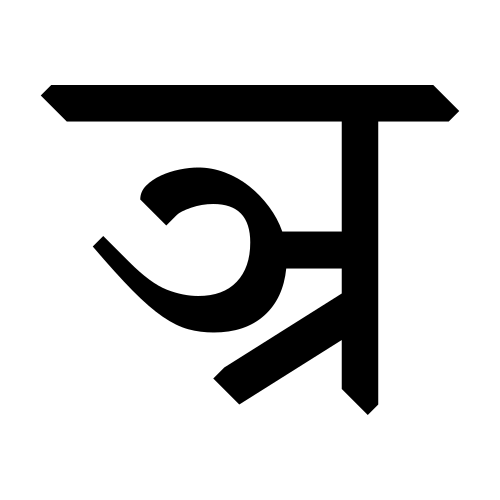
- फ্ (ph ) + र (ra) يعطي الربط p h ra:
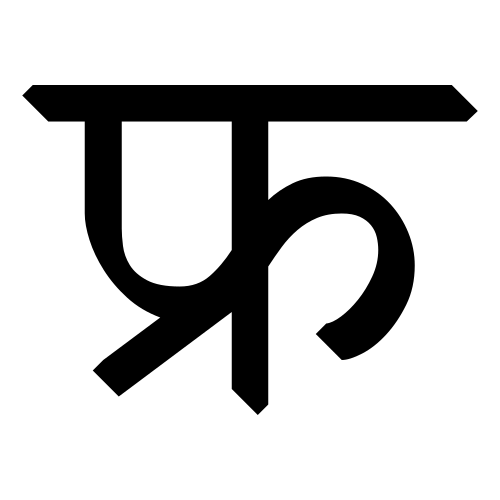
- प্ (p) + र (ra) يعطي الحرف المركب pra:
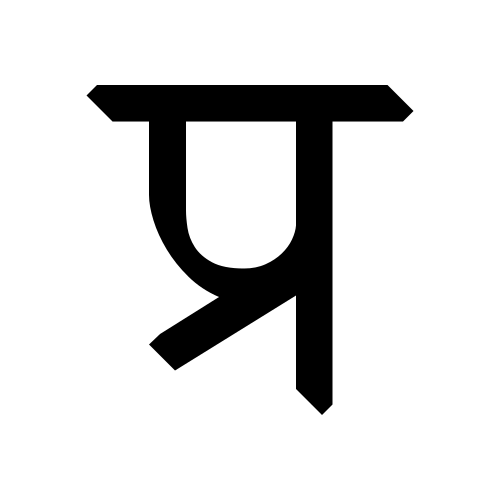
- प্ (p) + त্ (t) + र (ra) تعطي الرابطة ptra:
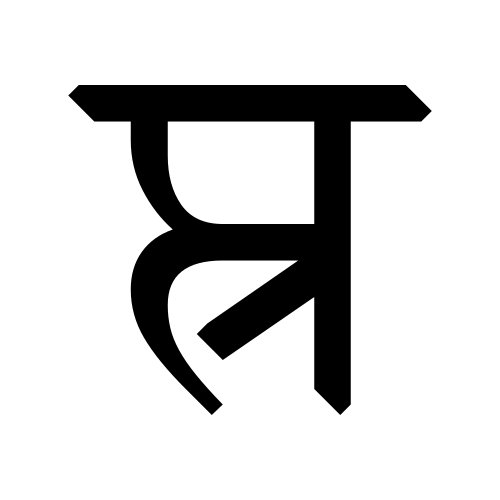
- श্ (ʃ) + र (ra) يعطي الحرف المركب ʃra:
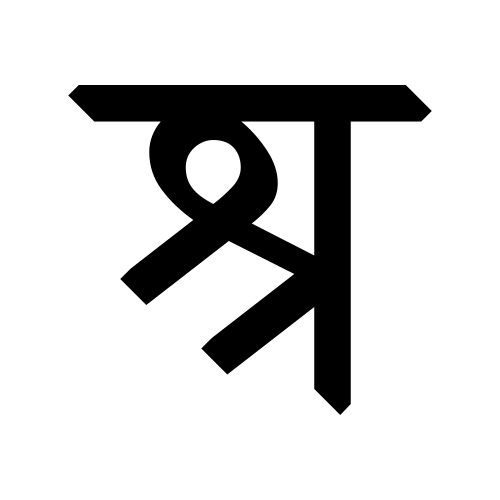
- स্ (s) + र (ra) يعطي الحرف المركب sra:
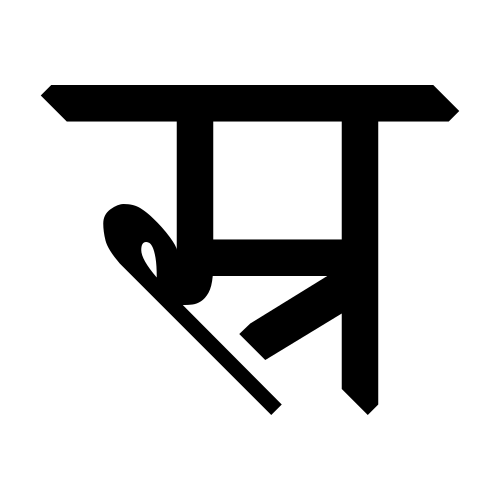
- ष্ (ṣ) + क্ (k) + र (ra) يعطي الرباط ṣkra:
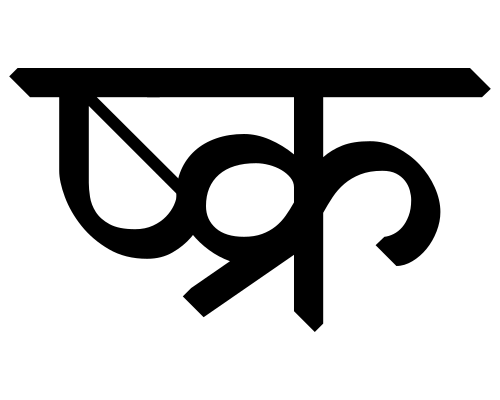
- ष্ (ṣ) + र (ra) تعطي الحرف المركب ṣra:
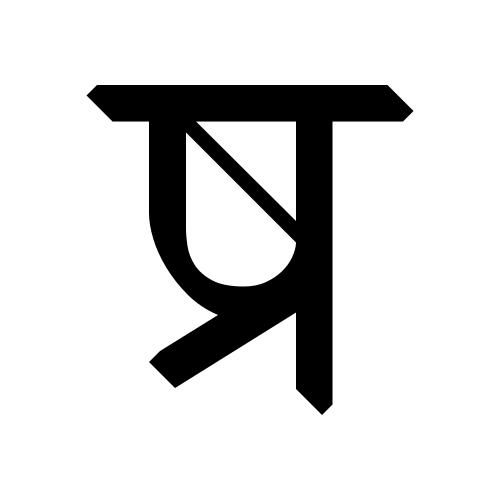
- थ্ (t h ) + र (ra) يعطي الربط t h ra:
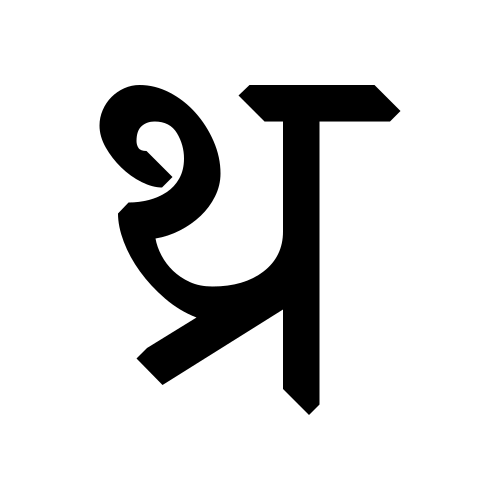
- त্ (t) + र (ra) يعطي الحرف المركب tra:
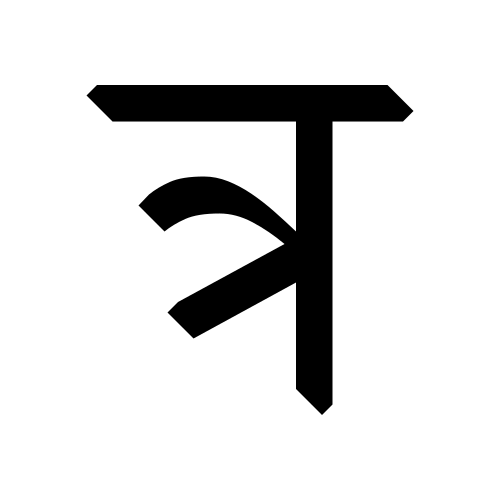
- त্ (t) + र্ (r) + य (ya) تعطي الحرف المركب trya:
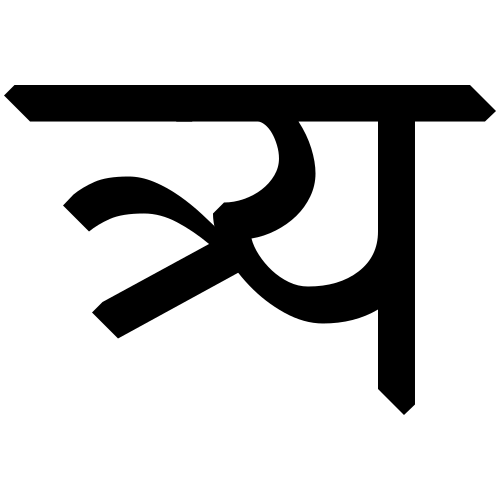
- ठ্ (ṭ h ) + र (ra) يعطي الرباط ṭ h ra:
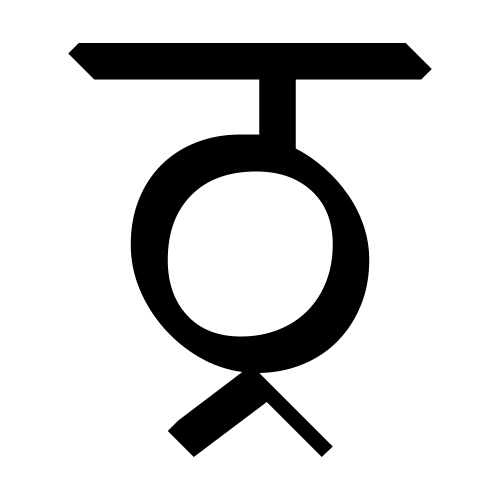
- ट্ (ṭ) + र (ra) تعطي الحرف المركب ṭra:
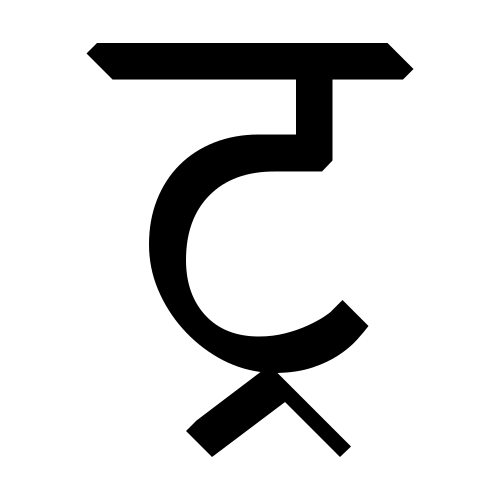
- त্ (t) + त্ (t) + र (ra) تعطي الرابطة ttra:
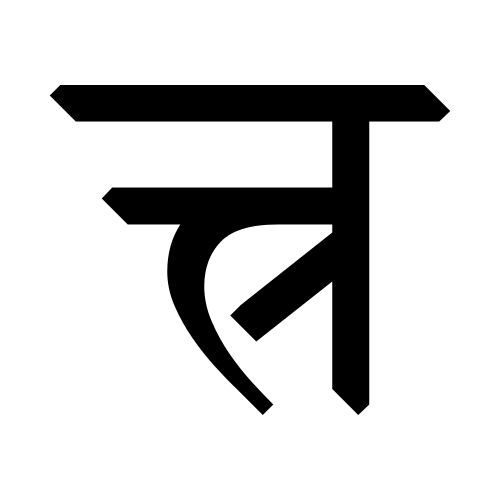
- व্ (v) + र (ra) يعطي الحرف المركب vra:
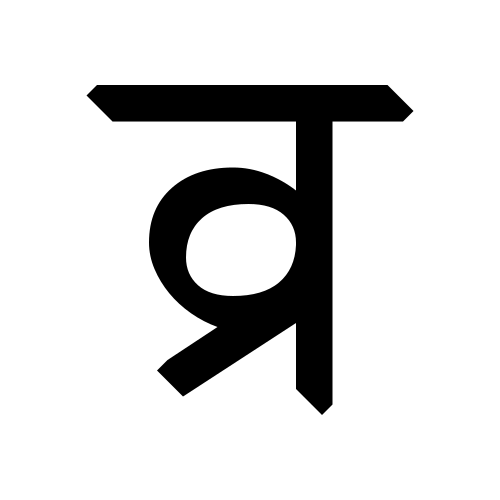
- य্ (y) + र (ra) يعطي الرباط yra:
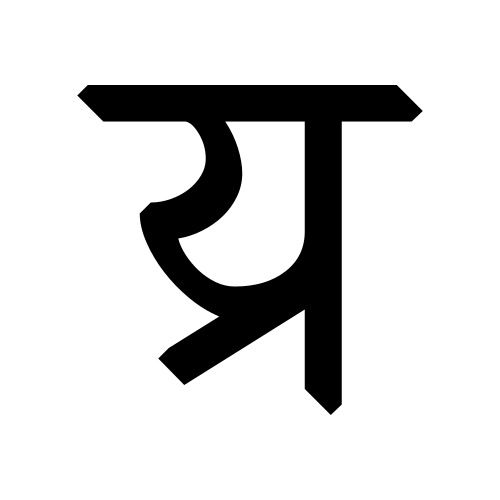
مقترن بكل من شكلي ريفا وراكار
- र্ (r) + ध্ (dʱ) + र (ra) تعطي الرابطة rdʱra:
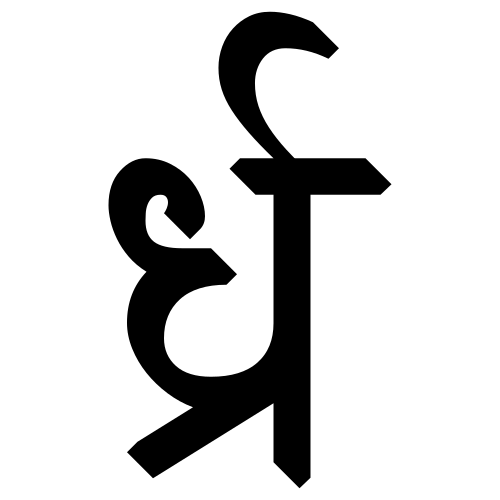
- र্ (r) + ष্ (ṣ) + т্ (ṭ) + र (ra) يعطي الرباط rṣṭra:
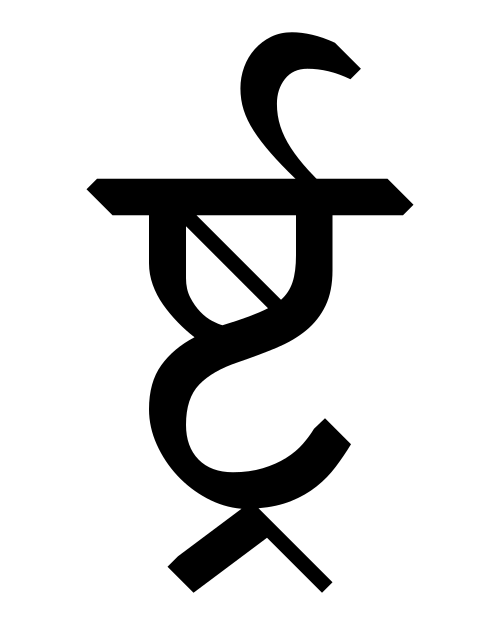
- र্ (r) + त্ (t) + र (ra) يعطي الرباط rtra:
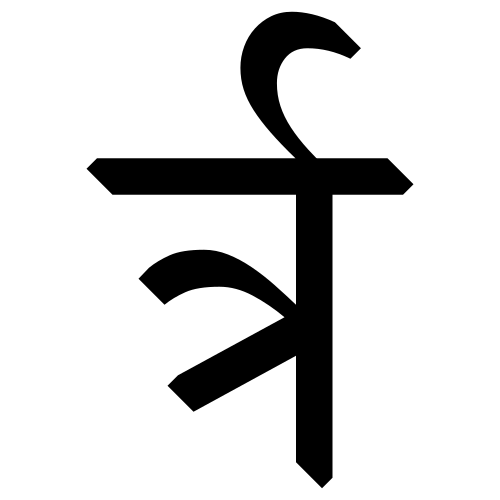
- र্ (r) + त্ (t) + त্ (t) + र (ra) تعطي الرابطة rttra:
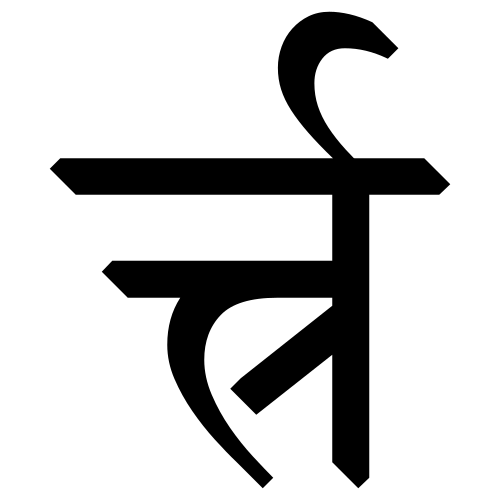
رموش ديفاناغاري
- الرموش र্ (r) + ब (ba) تعطي الوصلة rba:
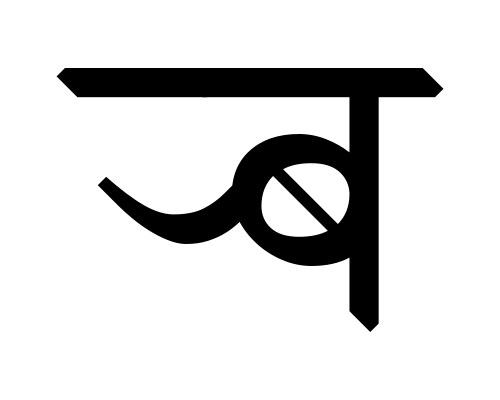
- الرمش र্ (r) + भ (b h a) يعطي الربط rb h a:
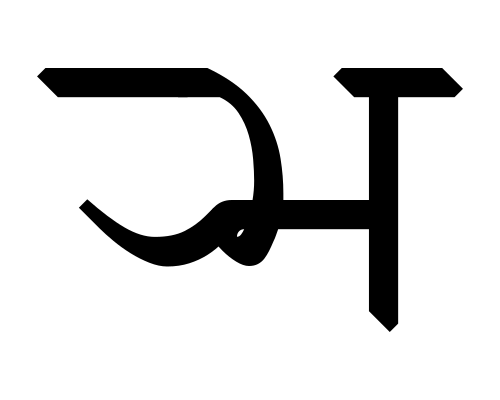
- الرموش र্ (r) + च (ca) تعطي الربط rca:
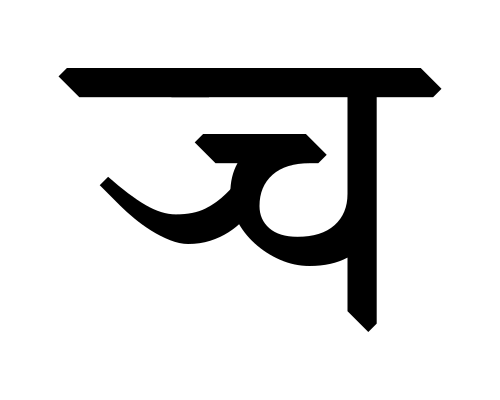
- الرموش र্ (r) + छ (ch a ) تعطي الربط rc h a:
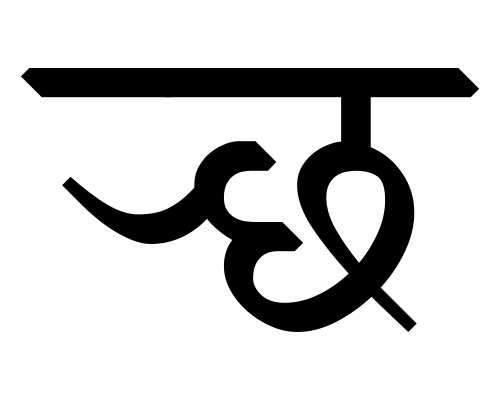
- الرموش र্ (r) + द (da) تعطي الربط rda:
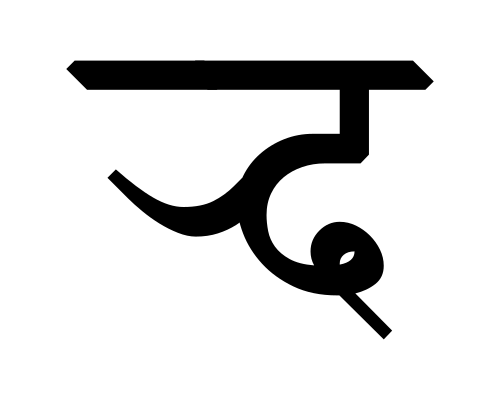
- الرموش र্ (r) + ड (ḍa) تعطي الوصلة rḍa:
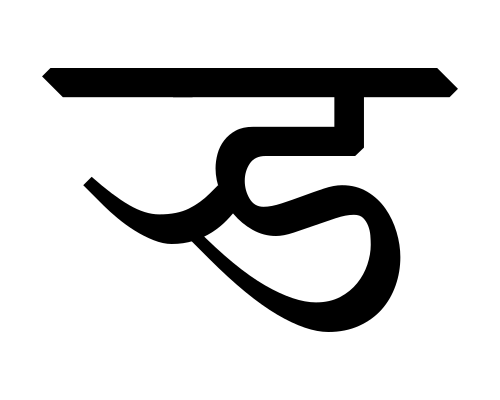
- الرمش र্ (r) + ढ (ḍʱa) يعطي الربط rḍʱa:
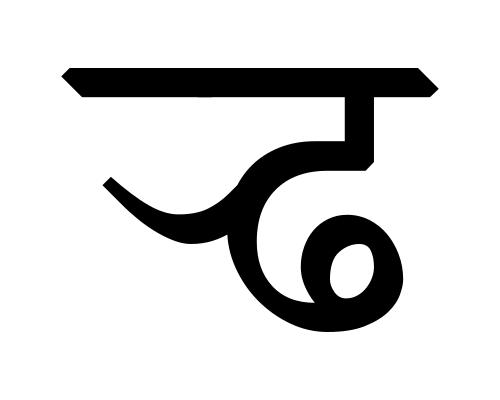
- الرمش र্ (r) + ध (dʱa) يعطي الربط rdʱa:
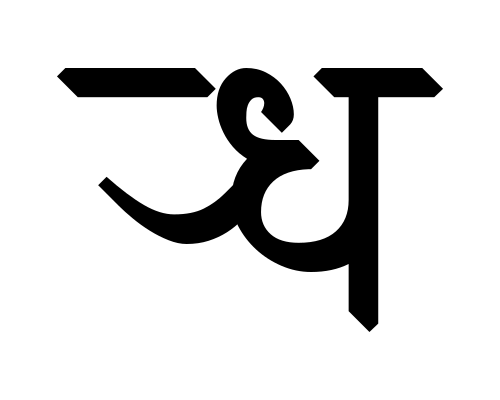
- الرموش र্ (r) + ग (ga) تعطي الربط rga:
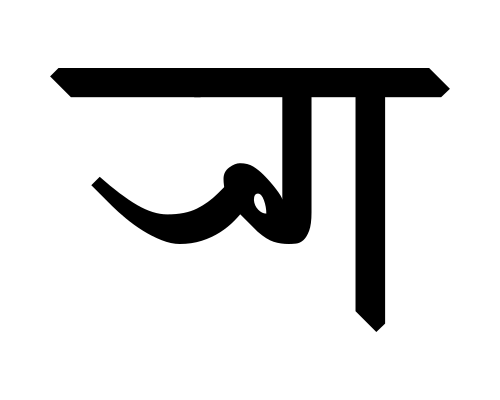
- الرمش र্ (r) + घ (ɡʱa) يعطي الربط rɡʱa:
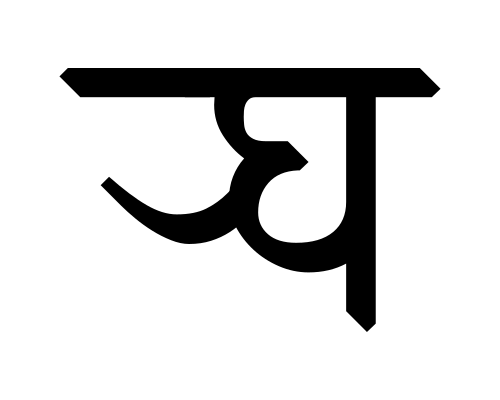
- الرموش र্ (r) + ह (ha) تعطي الربط rha:
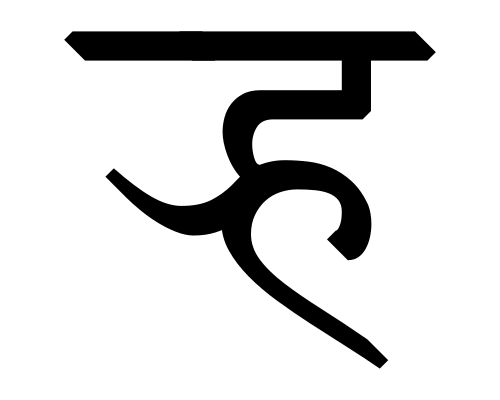
- الرموش र্ (r) + ज (ja) تعطي الوصلة rja:
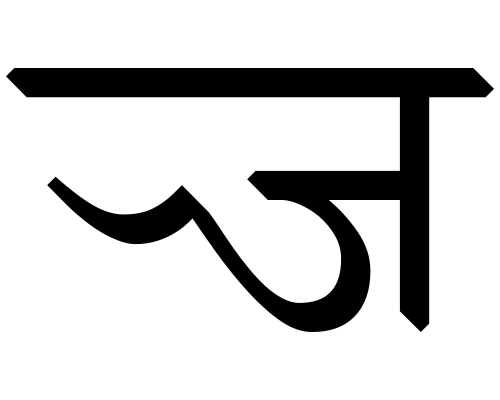
- الرمش र্ (r) + झ (j h a) يعطي الربط rj h a:
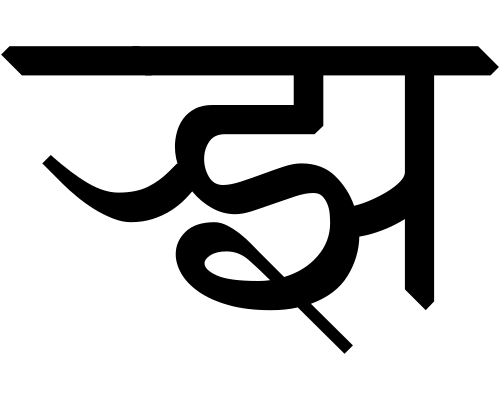
- رمش ্ (ص) + ্ (ي) + ञ (ña) يعطي رجينا رباط:
- رمش र্ (ص) + क (كا) يعطي رباط ركا:
- الرمش र্ (r) + ख (k h a) يعطي الربط rk h a:
- رمش र্ (ص) + क্ (ك) + ष (ṣa) يعطي رباط ركا:
- الرموش र্ (r) + ल (la) تعطي الربط rla:
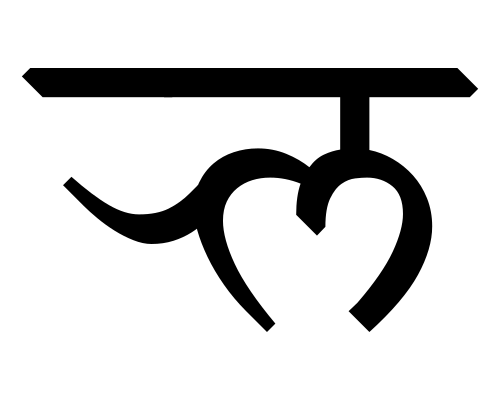
- الرمش र্ (r) + ळ (ḷa) يعطي الربط rḷa:
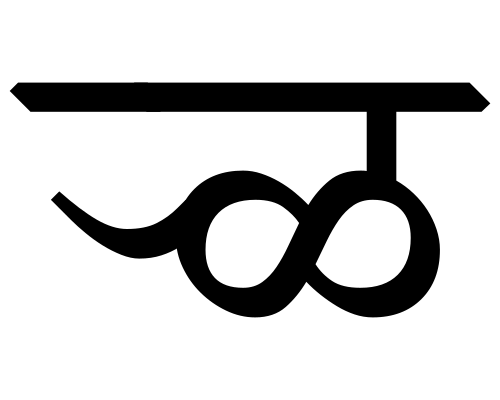
- الرمش र্ (r) + म (ma) يعطي الربط rma:
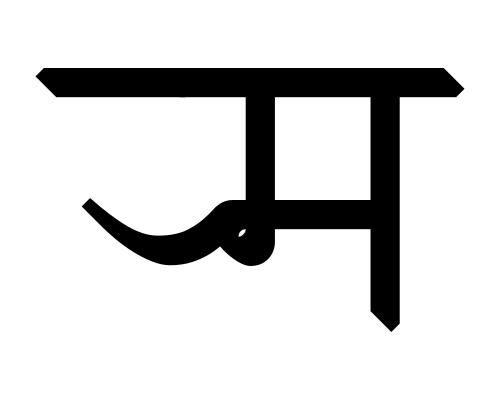
- الرموش र্ (r) + न (na) تعطي الرابطة rna:
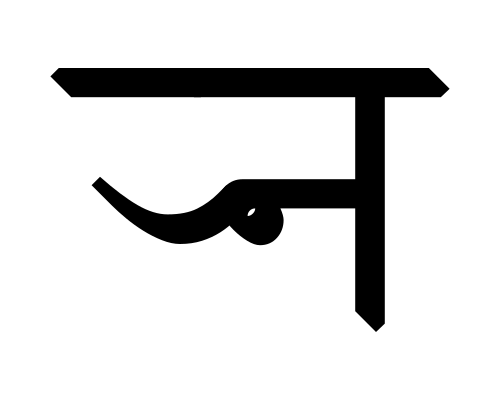
- الرموش र্ (r) + ङ (ŋa) تعطي الوصلة rŋa:
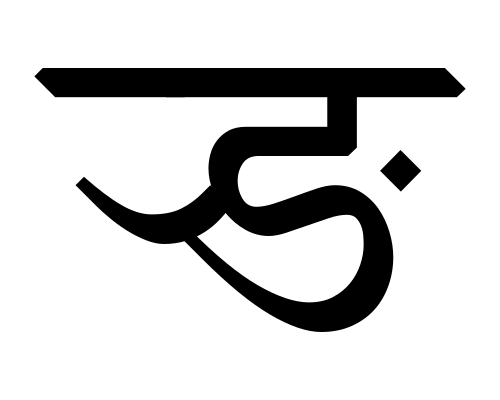
- الرمش र্ (r) + ण (ṇa) يعطي الربط rṇa:
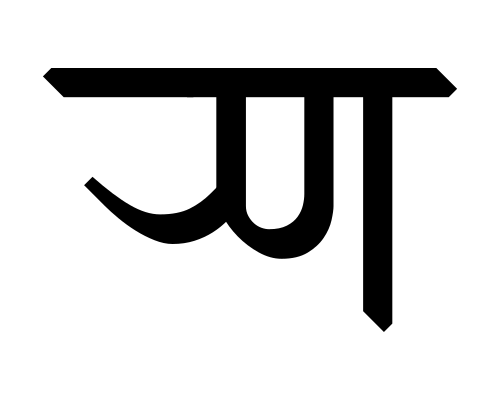
- رمش ্ (ص) + ञ (ña) يعطي رباط رنا:
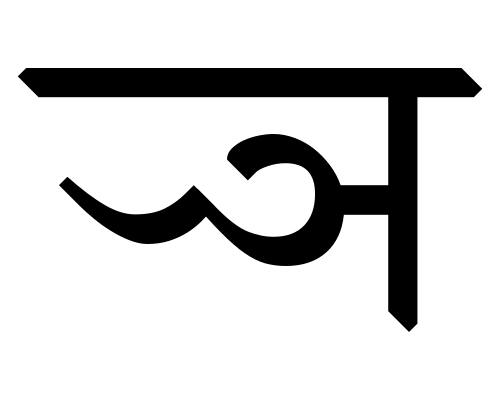
- الرموش र্ (r) + प (pa) تعطي الربط rpa:
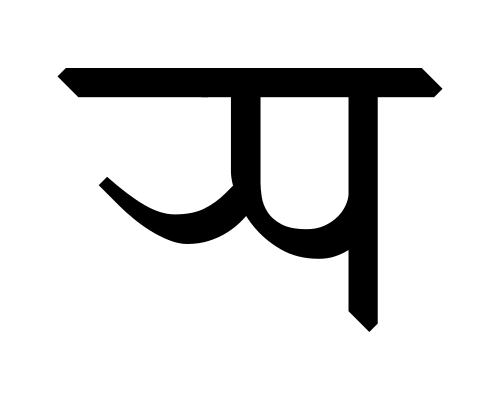
- الرموش र্ (r) + फ (p h a) تعطي الربط rp h a:
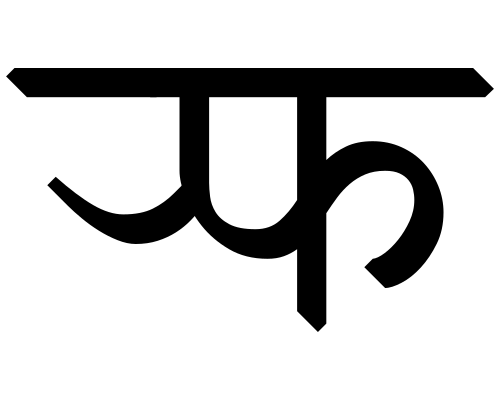
- الرموش र্ (r) + स (sa) تعطي الربط rsa:
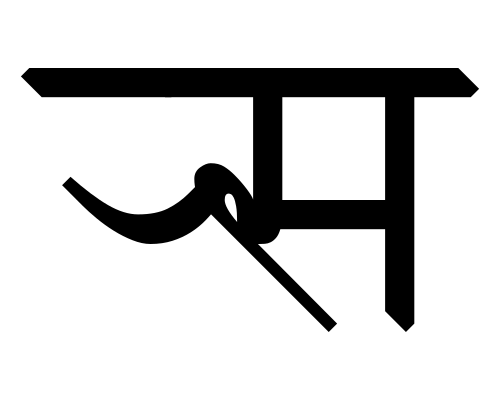
- الرمش र্ (r) + श (ʃa) يعطي الربط rʃa:
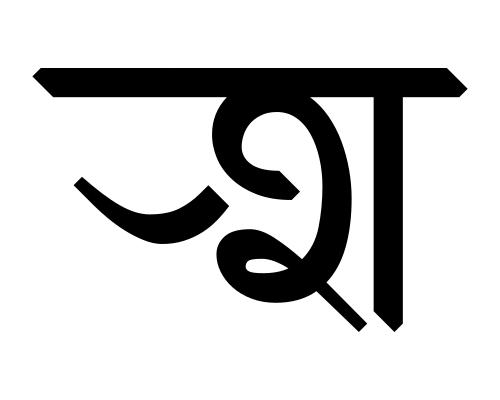
- الرمش र্ (r) + ष (ṣa) يعطي الربط rṣa:

- الرمش र্ (r) + त (ta) يعطي الربط rta:
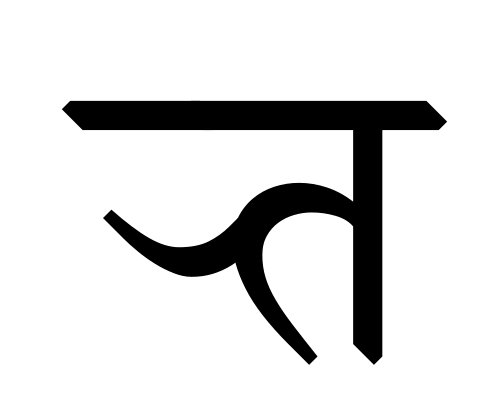
- الرمش र্ (r) + थ (t h a) يعطي الربط rt h a:
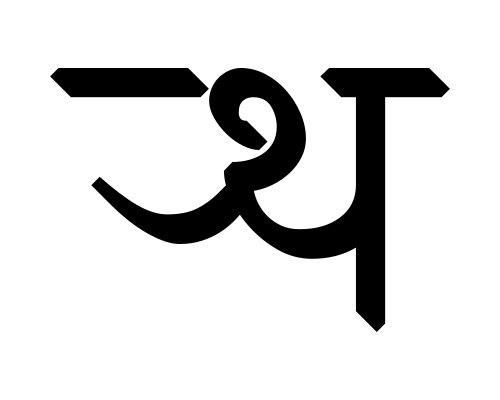
- الرمش र্ (r) + ट (ṭa) يعطي الربط rṭa:
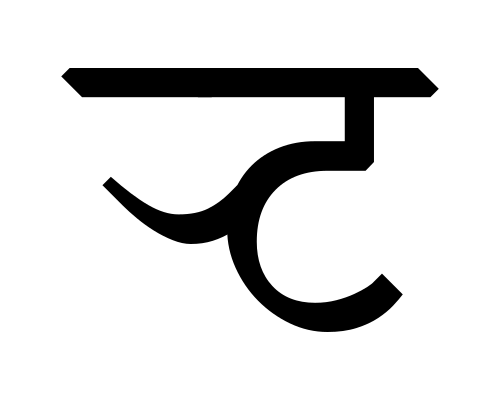
- الرمش र্ (r) + ठ (ṭ h a) يعطي الربط rṭ h a:
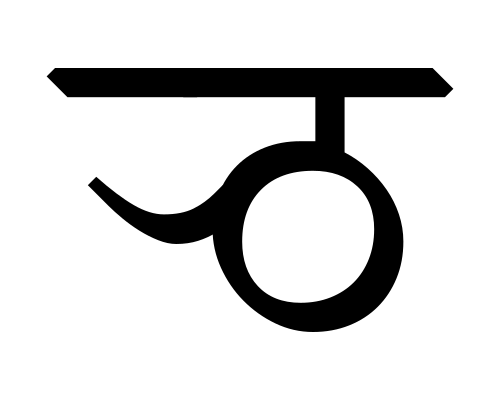
- الرمش र্ (r) + व (va) يعطي الربط rva:
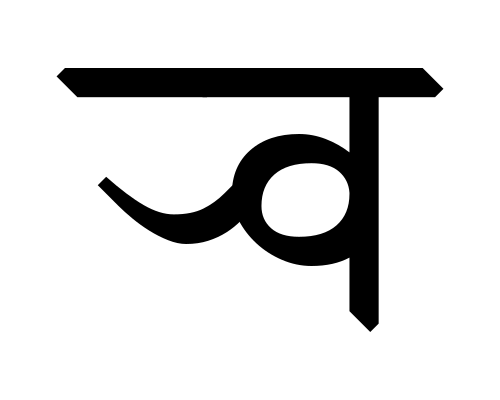
- الرموش र্ (r) + य (ya) تعطي الوصلة rya:
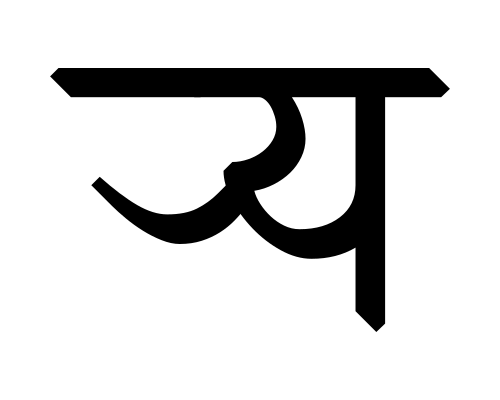
البنغالية/الآسامية را
يُشتق الحرف البنغالي র والحرف الآسامي ৰ من نظام الكتابة Siddhaṃ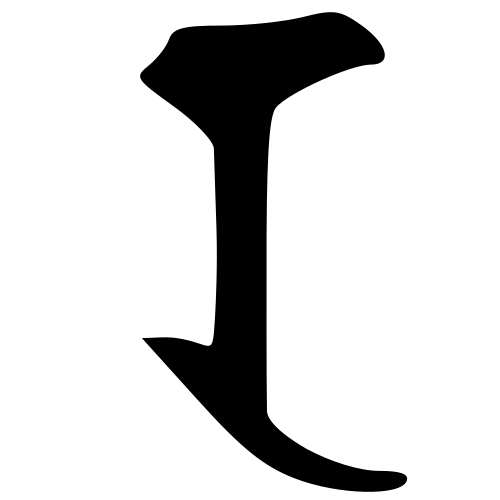 ، ويتميزان بخط رأس أفقي مشابه، لكن بشكل هندسي أقل، مقارنةً بنظيرهما في نظام الكتابة الديفاناغاري र. الحرف الصوتي الأصلي في الحروف الساكنة البنغالية هو /ɔ/، لذا يُنقل الحرف র أحيانًا إلى "ro" بدلًا من "ra". بإضافة علامة okar، وهي علامة الحرف الصوتي "o"، يُنطق الحرف /ro/. على الرغم من اختلاف الحرف الصوتي الأصلي في الحروف الساكنة الآسامية (/ɑ/)، يُنقل الحرف ৰ أيضًا إلى "ro" أو "ra". وكما هو الحال مع جميع الحروف الساكنة الهندية، يمكن تعديل الحرف র/ৰ بعلامات للدلالة على حرف صوتي آخر (أو عدم وجود حرف صوتي) غير الحرف الصوتي الأصلي "a".
| را | را | ري | ري | ru | رو | rr | rr̄ | يكرر | راي | رو | راو | ر |
|---|---|---|---|---|---|---|---|---|---|---|---|---|
| ر | را | ري | ري | رو | رو | রৃ | رو | রে | রৈ | رو | رو | ر |
| ৰ | ৰা | ري | ري | ৰু | ৰূ | ৰৃ | ৰৄ | ৰে | ৰৈ | ৰো | ৰৌ | ৰ্ |
র/ৰ في اللغات التي تستخدم البنغالية-الآسامية
يُستخدم الحرف র أو ৰ كحرف ساكن أساسي في العديد من أنظمة الكتابة البنغالية والآسامية، بما في ذلك البنغالية والآسامية . تستخدم البنغالية الحرف র، بينما تستخدم الآسامية الحرف ৰ. في الآسامية، كان الحرف র يُستخدم سابقًا للدلالة على كلمة wa، ولكنه الآن مُوحد كحرف مستقل ৱ.
مقترن مع র/ৰ
يُظهر الحرفان র/ৰ في اللغة البنغالية/الآسامية وصلاتٍ متصلة، كما هو شائع في الكتابات الهندية. ومثل غيرهما من الكتابات الهندية، نادرًا ما يظهر الحرفان র/ৰ في اللغة البنغالية-الآسامية متصلين بشكل كامل، ولهما أشكالٌ كتابيةٌ خاصةٌ غير مرتبطةٍ لكلٍّ من الحرفين র/ৰ في بداية ونهاية الحروف المتصلة، تُسمى Repha وRa phala (في البنغالية) أو Ra kar (في الآسامية). [ 5 ]
البنغالية/الآسامية رافالا/كار
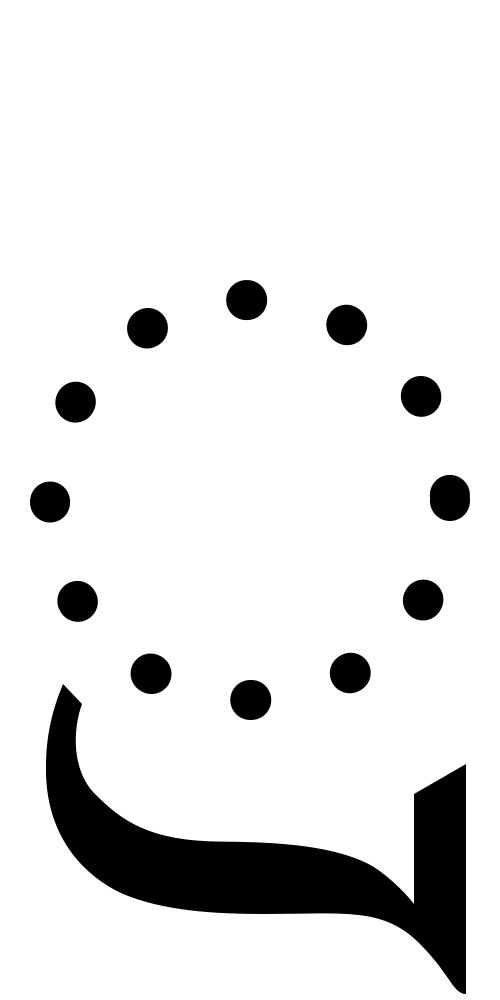
للحرفين র/ৰ شكل خاص عند استخدامهما كحرف أخير في جملة مركبة تُسمى "Ra phala/kar" (أو "Ro pholo"). يُضاف هذا الشكل المُختصر من র/ৰ إلى أسفل الحرف أو الجملة المركبة. لكل من Ya و Va شكل "phala" مماثل في نهايتهما. ويمكن إيجاد Ra-phala و Ya-phala معًا في العديد من الجمل المركبة.
- ভ্ (b h ) + र/ৰ (ra) يعطي الرباط b h ra:
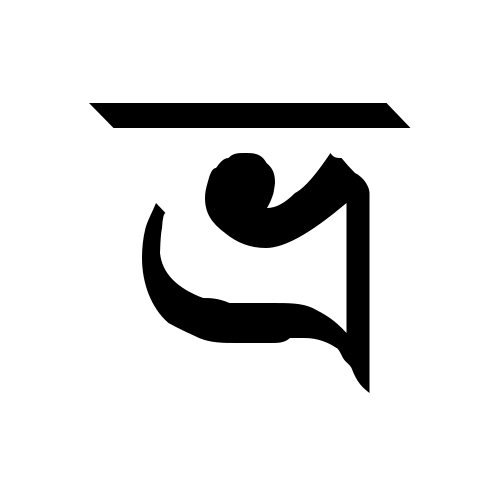
- ব্ (ب) + र/ৰ (ra) يعطي حمالة الصدر:
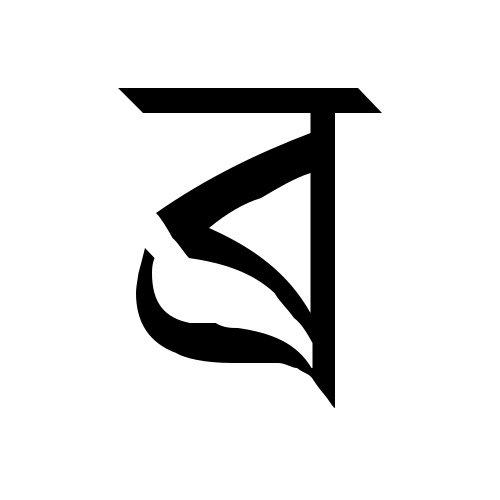
- চ্ (c) + ছ্ (c h ) + र/ৰ (ra) يعطي الرباط cc h ra:
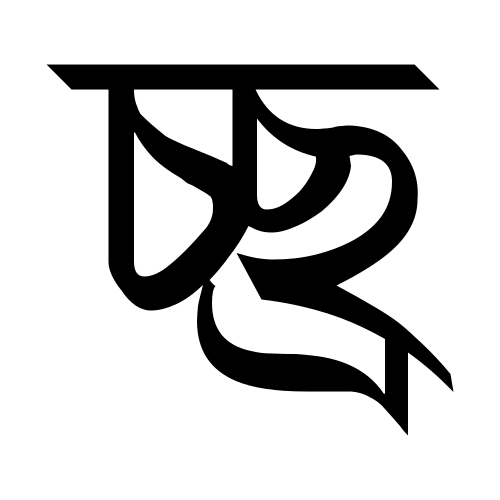
- দ্ (d) + ভ্ (b h ) + र/ৰ (ra) يعطي الرباط db h ra:
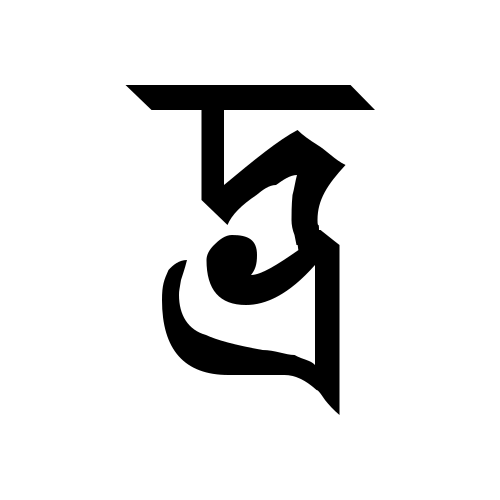
- ঢ্ (ḍʱ) + र/ৰ (ra) يعطي الرباط ḍʱra:
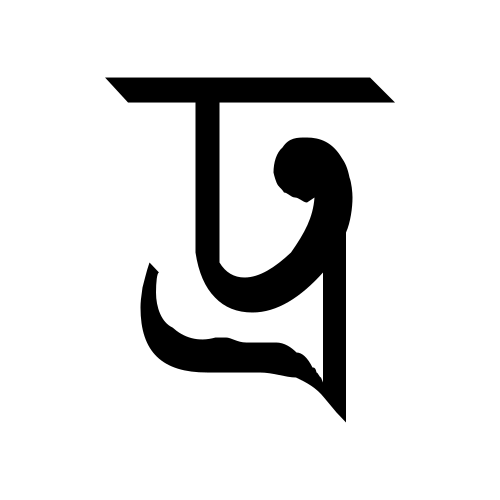
- ড্ (ḍ) + र/ৰ (ra) يعطي الرباط ḍra:
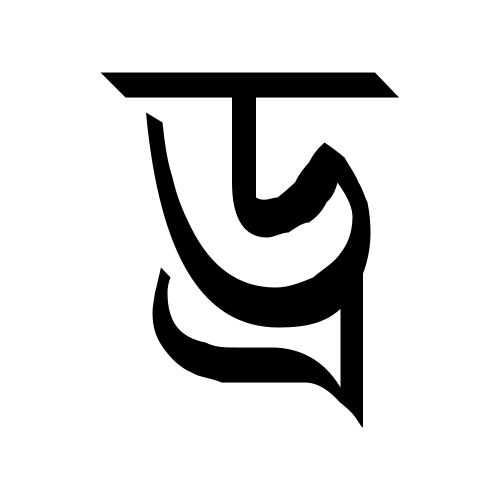
- ধ্ (dʱ) + र/ৰ (ra) يعطي الرباط dʱra:
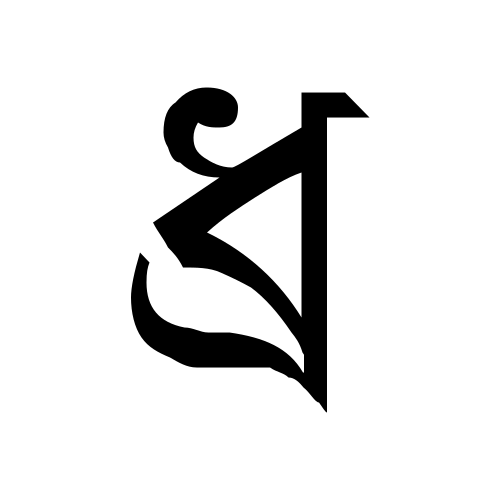
- দ্ (د) + र/ৰ (ra) يعطي الرباط dra:
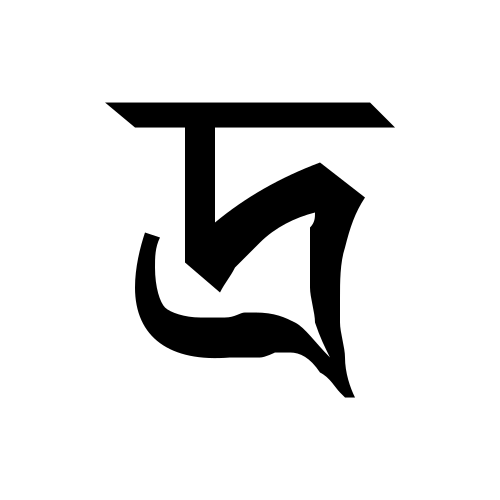
- দ্ (d) + র্/ৰ্ (r) + য (ya) تعطي الرابطة drya، مع اللاحقة ya phala بالإضافة إلى ra phala:
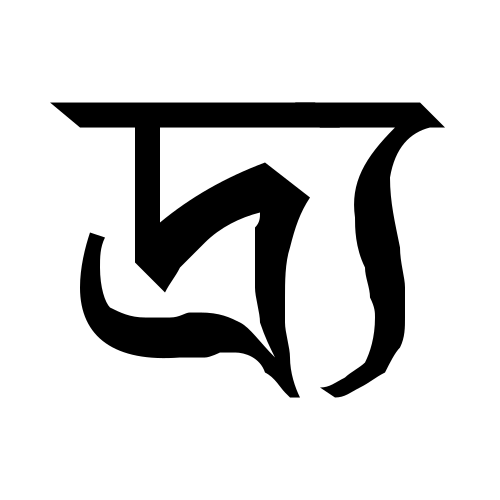
- গ্ (g) + ধ্ (dʱ) + र/ৰ (ra) يعطي الرباط gdʱra:
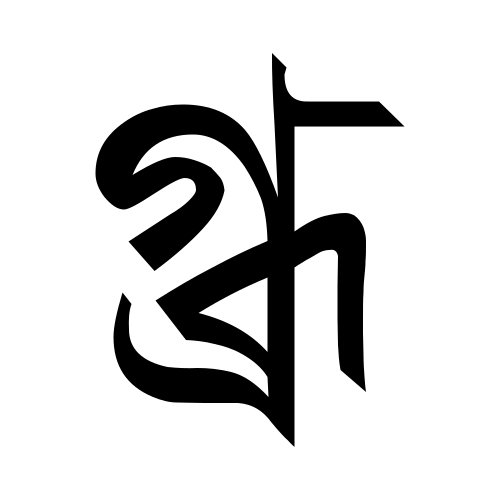
- ঘ্ (ɡʱ) + র/ৰ (ra) يعطي الحرف المركب ɡʱra:
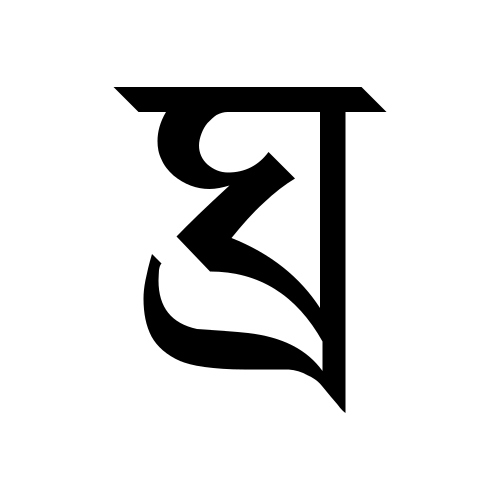
- গ্ (g) + र/ৰ (ra) يعطي gra الرباط:
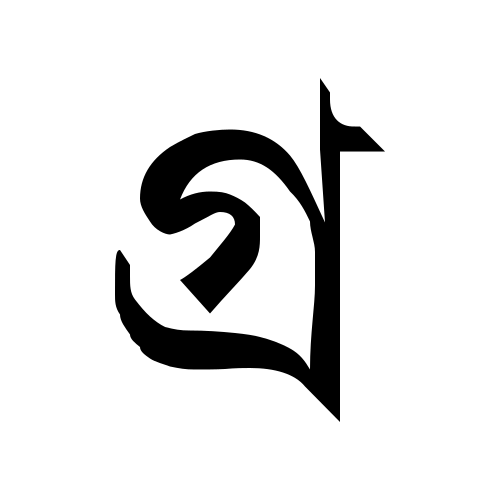
- গ্ (g) + র্/ৰ (r) + য (ya) تعطي الرابط grya، مع اللاحقة ya phala بالإضافة إلى ra phala:
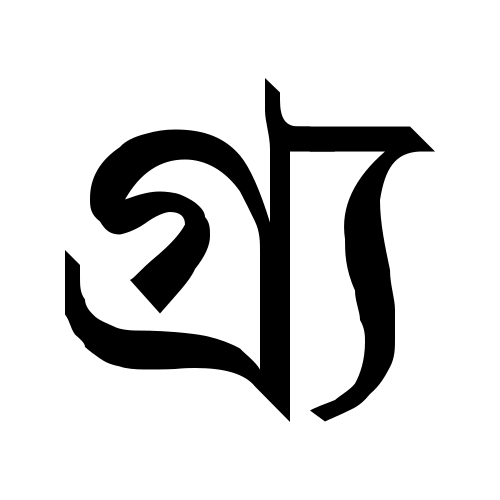
- জ্ (j) + र/ৰ (ra) يعطي الرباط jra:
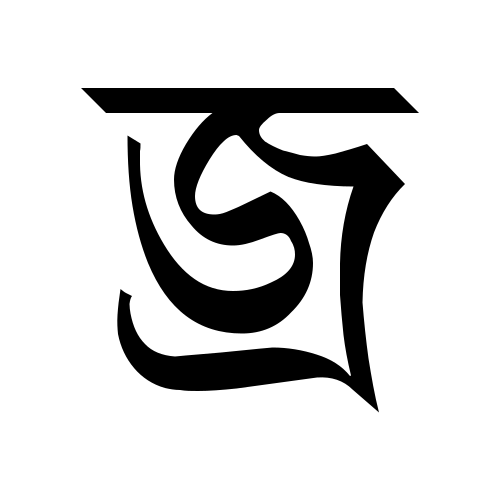
- খ্ (k h ) + र/ৰ (ra) يعطي الرباط k h ra:
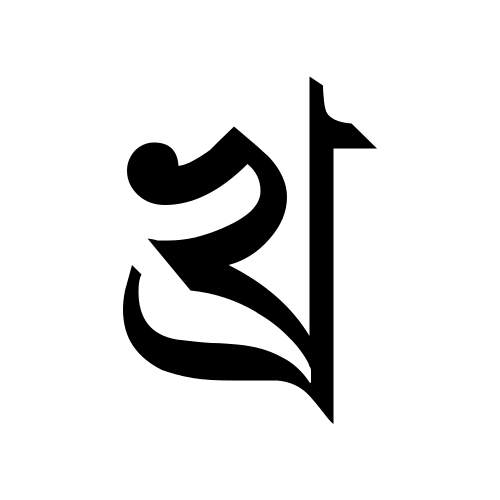
- ক্ (k) + र/ৰ (ra) يعطي الرباط kra:
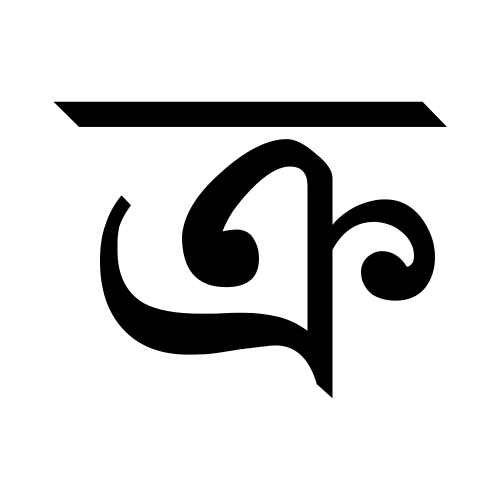
- ক্ (k) + ত্ (t) + र/ৰ (ra) يعطي الرباط ktra:
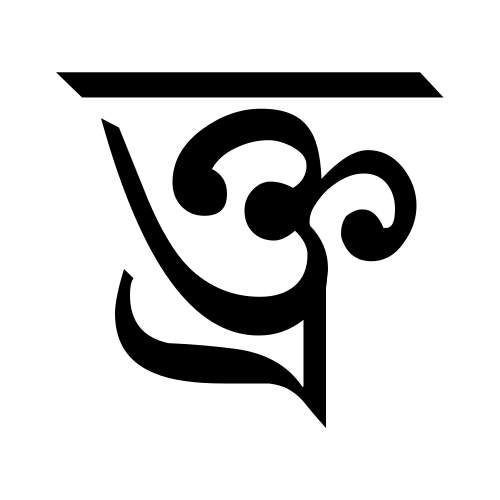
- ক্ (k) + ট্ (ṭ) + र/ৰ (ra) يعطي الرباط kṭra:
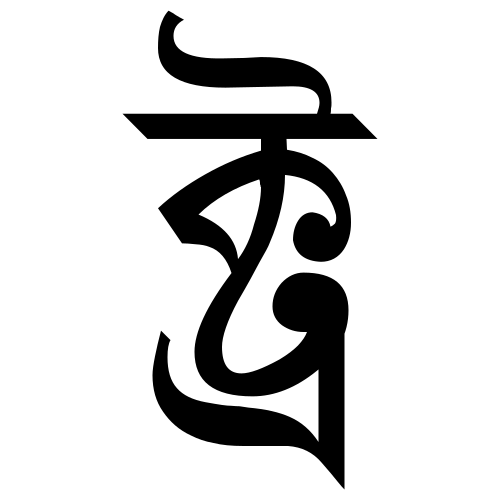
- ম্ (m) + ভ্ (b h ) + र/ৰ (ra) يعطي الرباط mb h ra:
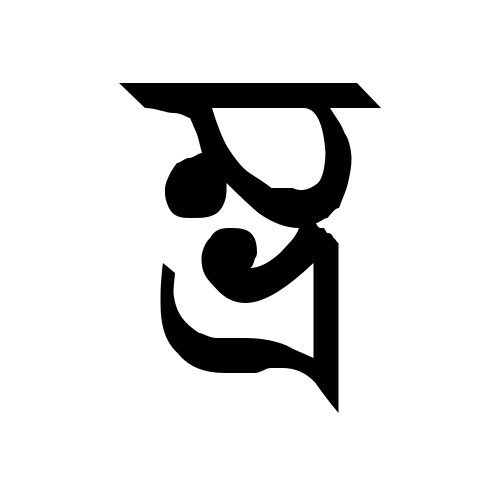
- ম্ (m) + প্ (p) + र/ৰ (ra) يعطي الرباط mpra:
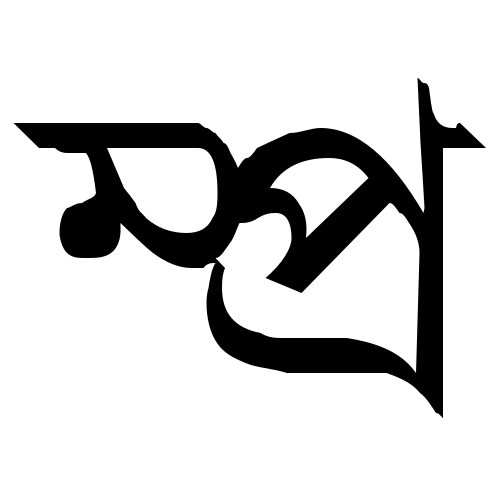
- ম্ (m) + र/ৰ (ra) يعطي الرباط mra:
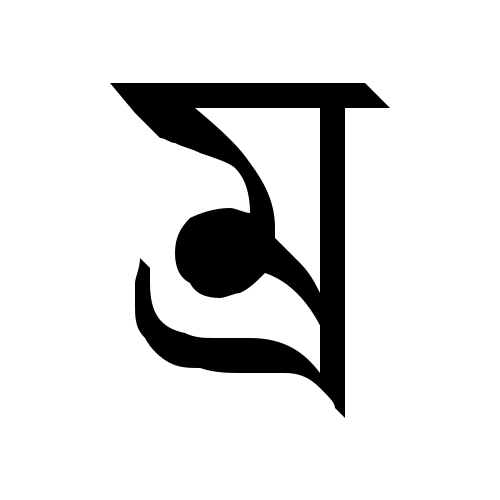
- ম্ (m) + ব্ (v) + र/ৰ (ra) يعطي الرباط mvra:
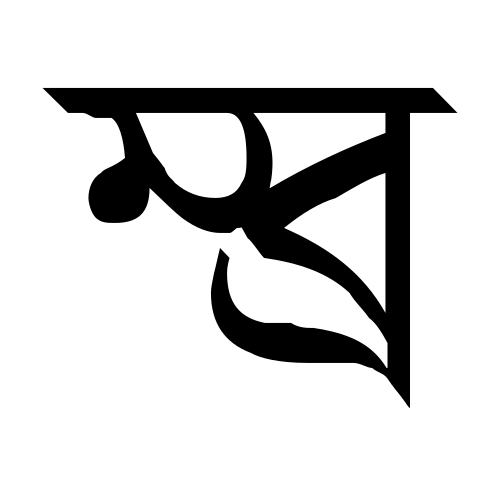
- ন্ (n) + ড্ (ḍ) + र/ৰ (ra) يعطي الرباط nḍra:
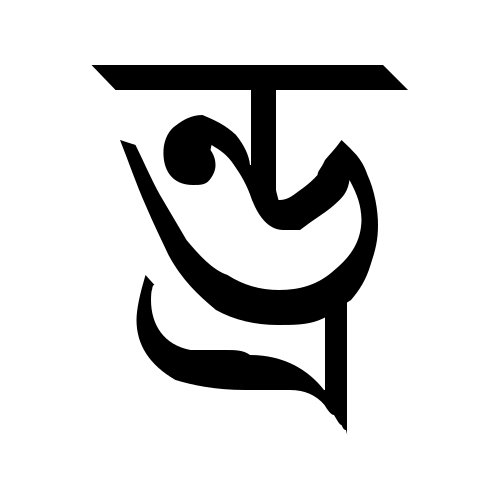
- ন্ (n) + ধ্ (dʱ) + र/ৰ (ra) يعطي الرباط ndʱra:
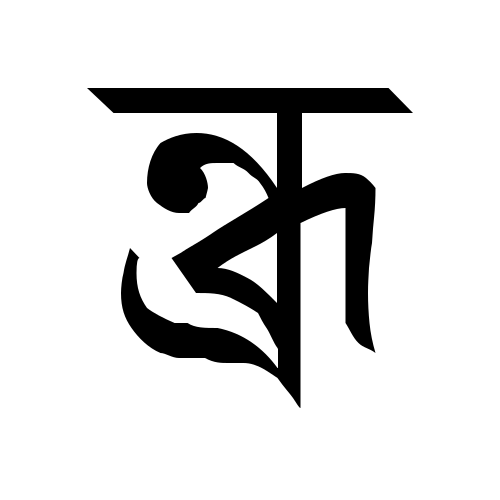
- ন্ (n) + দ্ (d) + र/ৰ (ra) يعطي الرباط ndra:
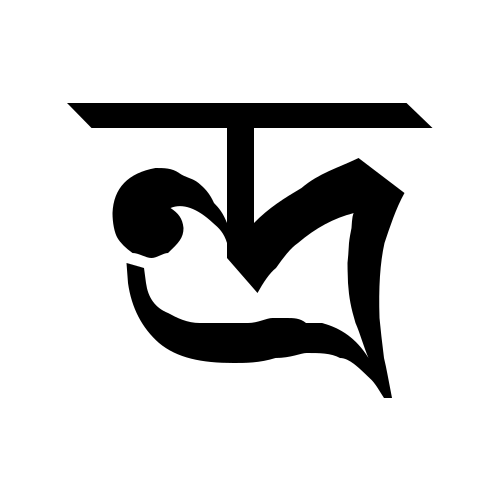
- ঙ্ (ŋ) + ঘ্ (ɡʱ) + र/ৰ (ra) يعطي الرباط ŋɡʱra:
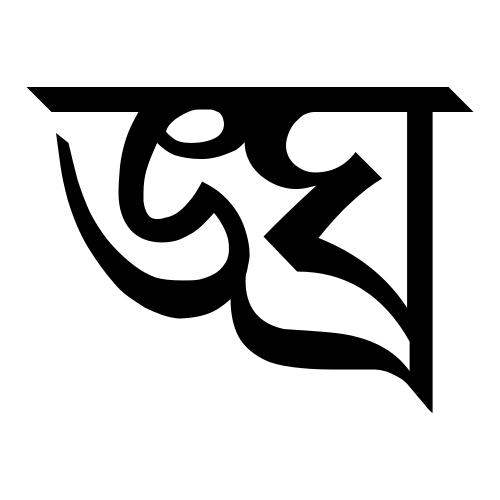
- ঙ্ (ŋ) + ক্ (k) + र/ৰ (ra) يعطي الرباط ŋkra:
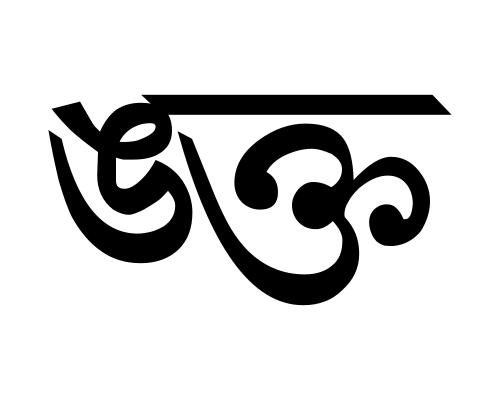
- ণ্ (ṇ) + ড্ (ḍ) + र/ৰ (ra) يعطي الرباط ṇḍra:
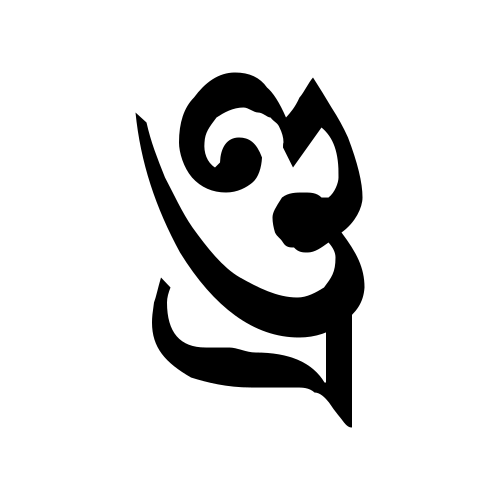
- ন্ (n) + থ্ (t h ) + र/ৰ (ra) يعطي الرباط nt h ra:
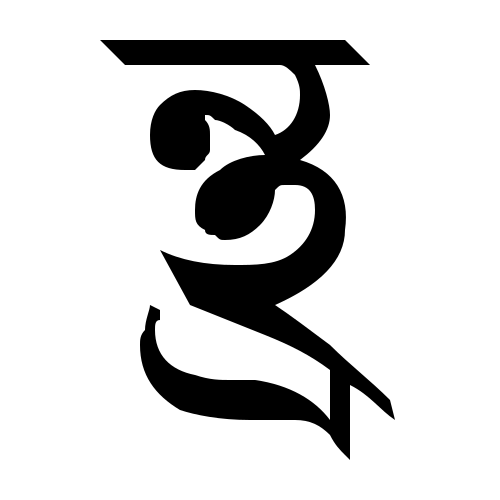
- ন্ (n) + ত্ (t) + र/ৰ (ra) يعطي الرباط ntra:
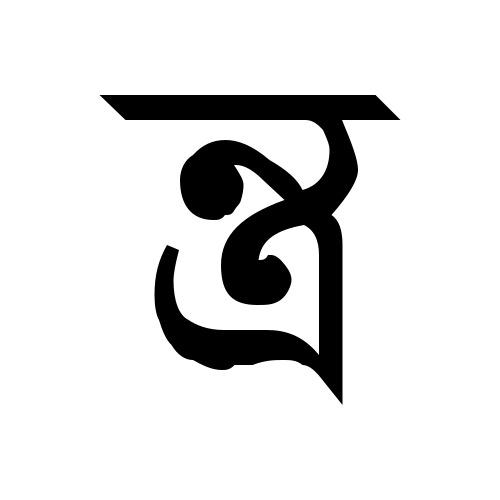
- ন্ (n) + ত্ (t) + র্/ৰ্ (r) + য (ya) تعطي الرابطة ntrya، مع اللاحقة ya phala بالإضافة إلى ra phala:
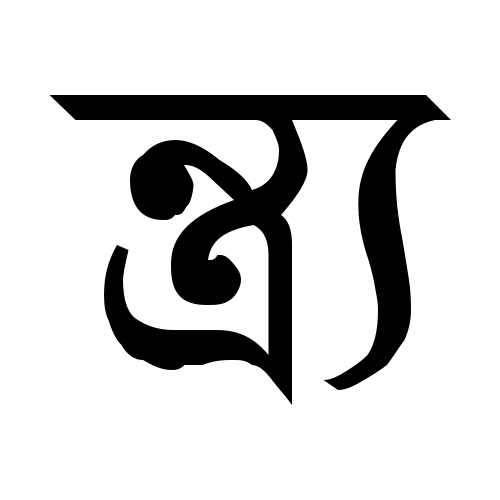
- ন্ (n) + ট্ (ṭ) + र/ৰ (ra) يعطي الرباط nṭra:
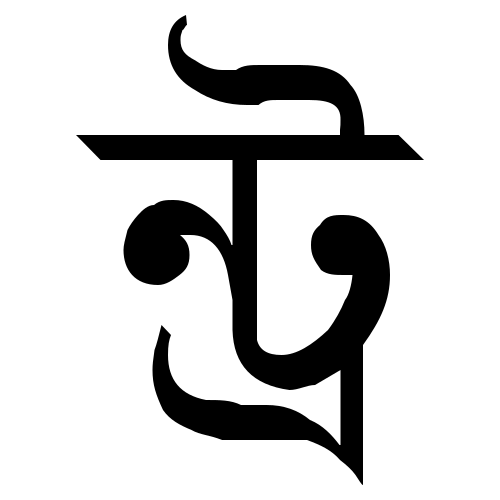
- ফ্ (p h ) + र/ৰ (ra) يعطي الرباط p h ra:
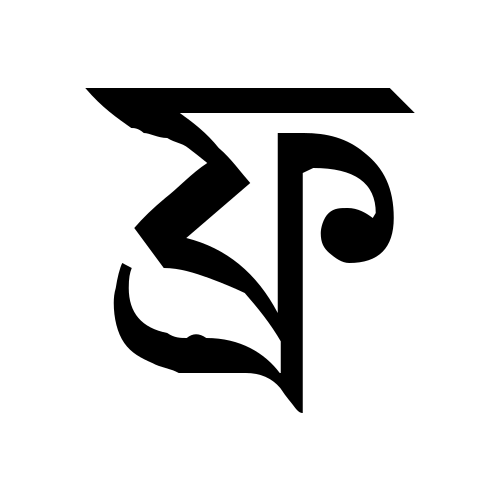
- প্ (ع) + र/ৰ (ra) يعطي الرباط pra:
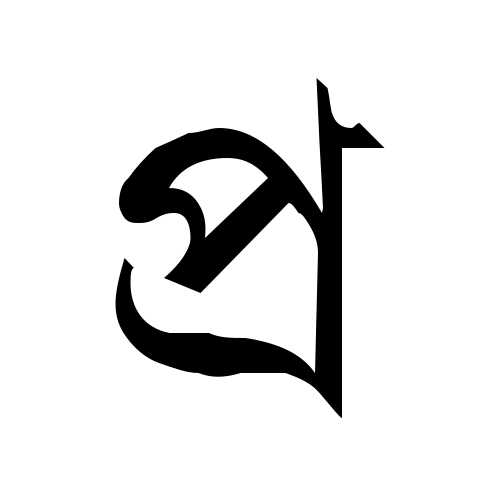
- প্ (p) + র্/ৰ (r) + য (ya) تعطي الرابطة prya، مع اللاحقة ya phala بالإضافة إلى ra phala:
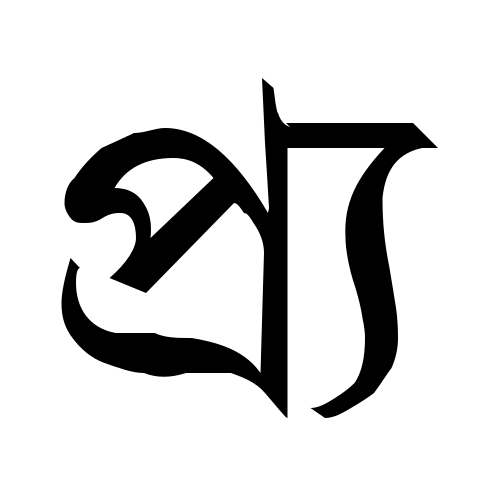
- শ্ (ʃ) + र/ৰ (ra) يعطي الرباط ʃra:
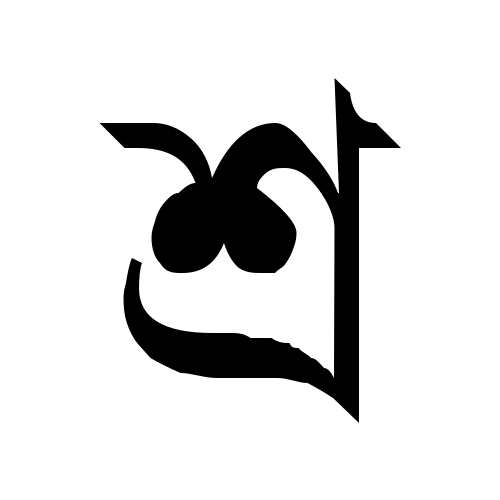
- স্ (s) + ক্ (k) + र/ৰ (ra) يعطي skra الرباط:
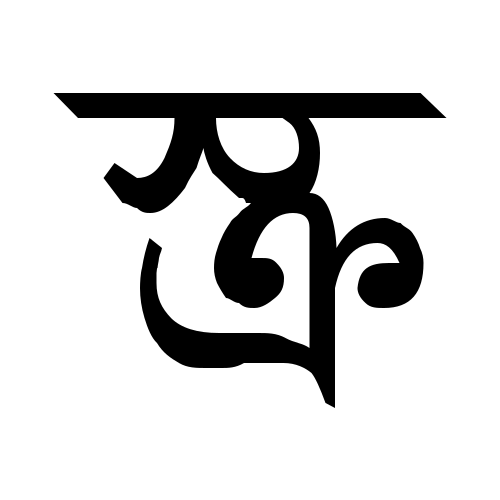
- স্ (s) + र/ৰ (ra) يعطي الرباط sra:
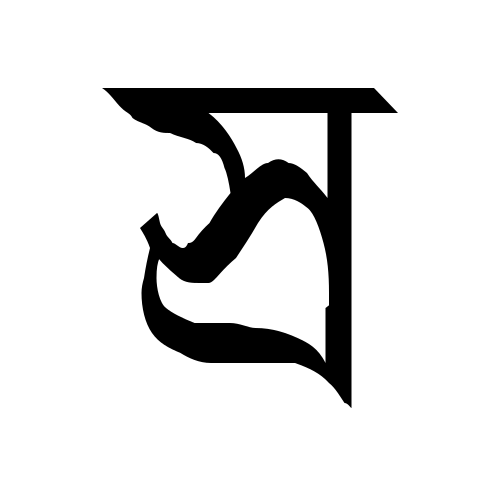
- ষ্ (ṣ) + ক্ (k) + र/ৰ (ra) يعطي الرباط ṣkra:
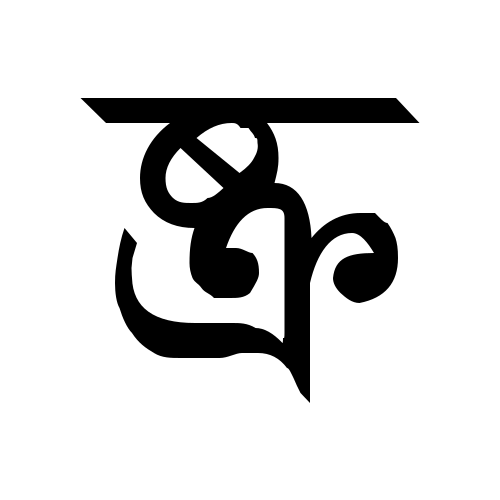
- ষ্ (ṣ) + প্ (p) + र/ৰ (ra) يعطي الرباط ṣpra:
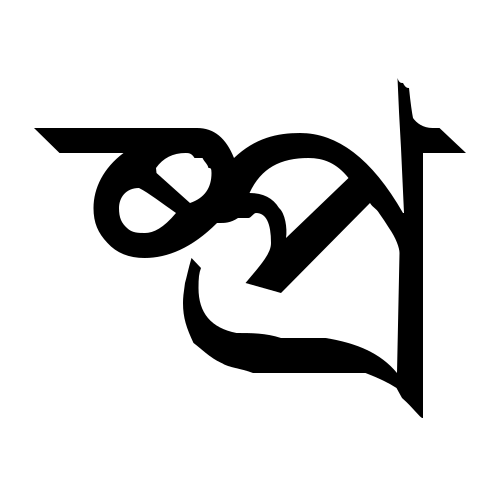
- ষ্ (ṣ) + ট্ (ṭ) + र/ৰ (ra) يعطي الرباط ṣṭra:
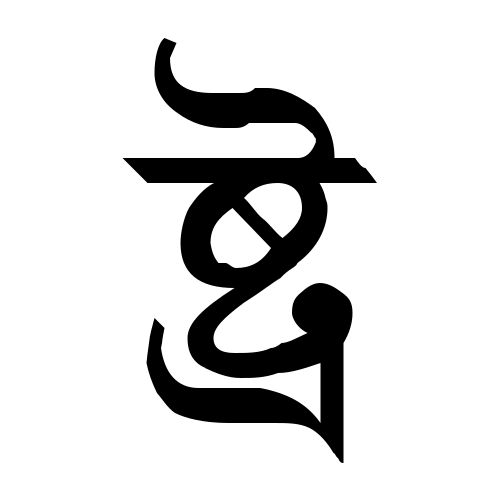
- স্ (s) + ত্ (t) + र/ৰ (ra) يعطي الرباط:
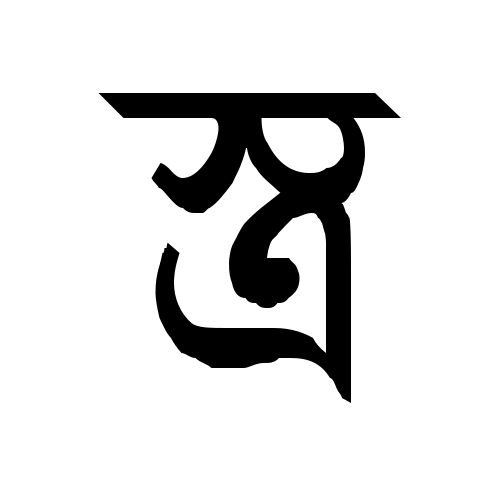
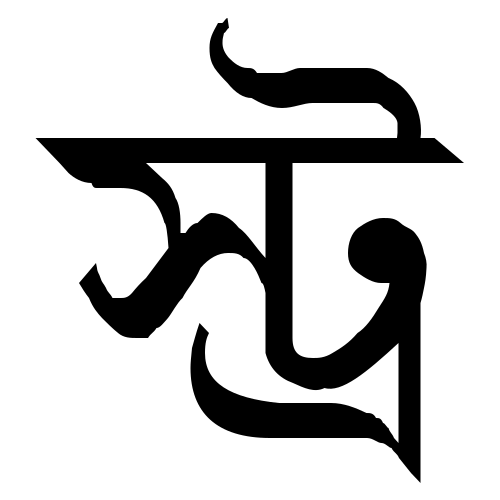
- স্ (s) + ট্ (ṭ) + र/ৰ (ra) يعطي الرباط sṭra:
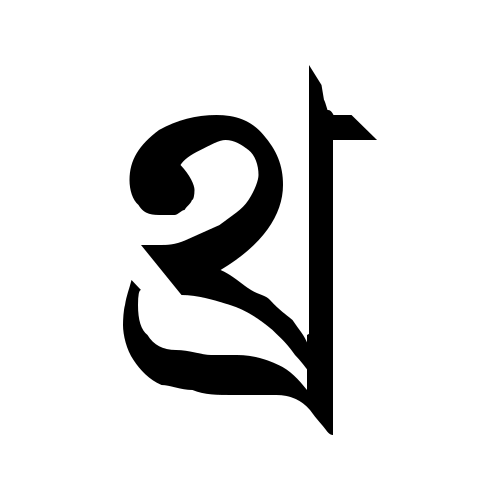
- থ্ (t h ) + র/ৰ (ra) يعطي الربط t h ra:
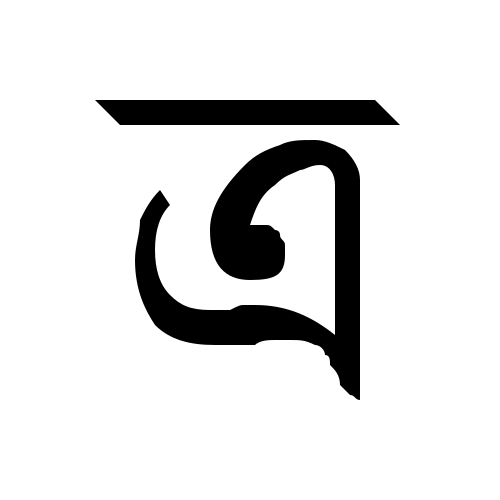
- ত্ (t) + र/ৰ (ra) يعطي الرباط tra:
- ত্ (t) + র্/ৰ (r) + য (ya) تعطي الرابطة trya، مع اللاحقة ya phala بالإضافة إلى ra phala:
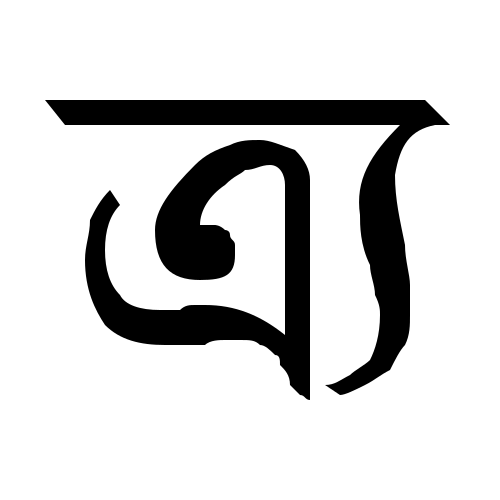
- ট্ (ṭ) + र/ৰ (ra) يعطي الرباط ṭra:
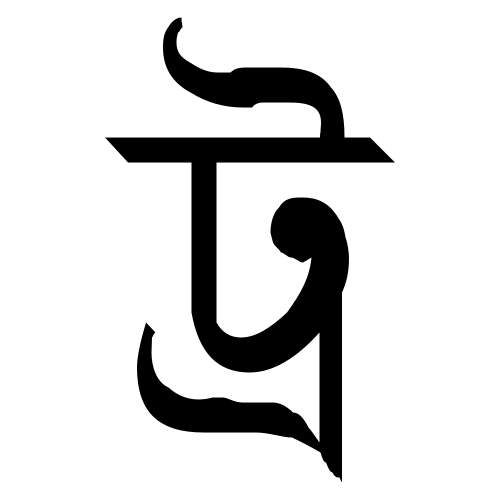
البنغالية/الآسامية ريفا
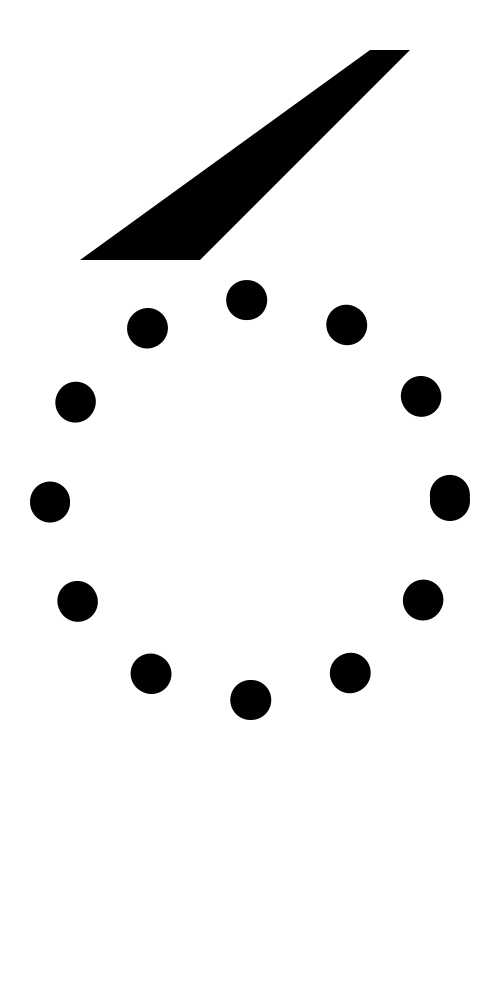
على عكس الأحرف الأخرى، يمتلك الحرف র/ৰ شكلاً خاصاً عند استخدامه كحرف أول في حرف مركب يُسمى "Repha". هذا الشكل المختصر من র يكون فوق الحرف أو الحرف المركب التالي. يمكن إيجاد Repha مقترناً مع Ra-phala و Ya-phala/kar و Va-phala/kar في العديد من الحروف المركبة.
- র্ (r) + ভ (b h a) يعطي الربط rb h a:
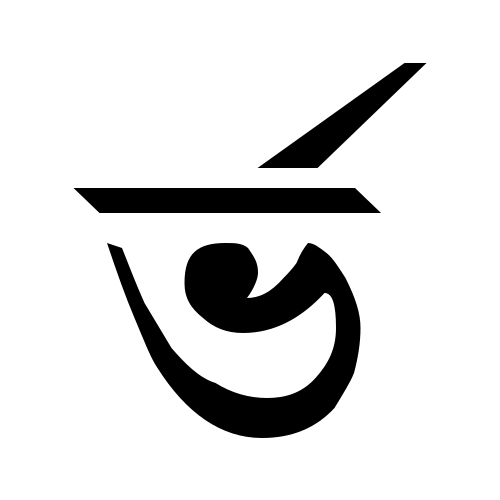
- र্ (ص) + ব্ (ب) + য (يا) يعطي الرباط rbya، مع اللاحقة ya phala:
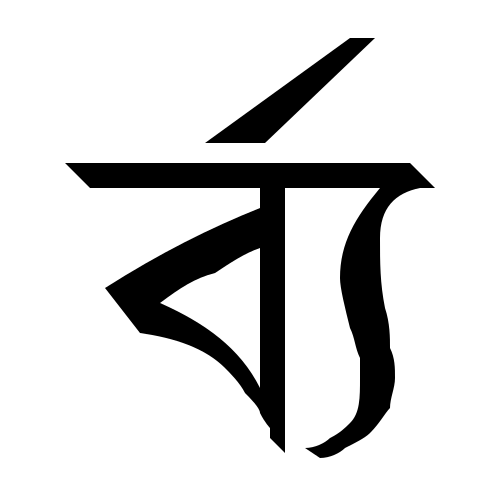
- र্ (ص) + চ (كاليفورنيا) يعطي رباط رباط:
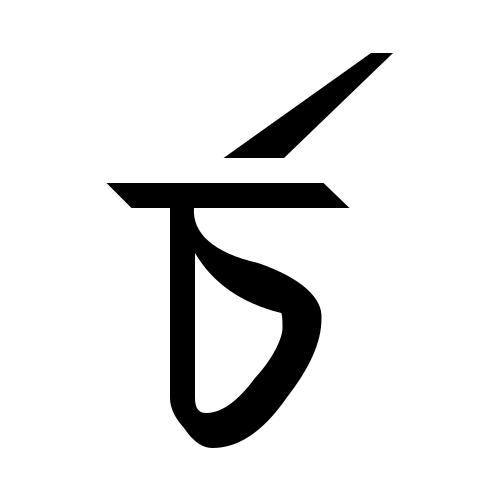
- র্ (r) + ছ (ch a ) يعطي الربط rc h a:
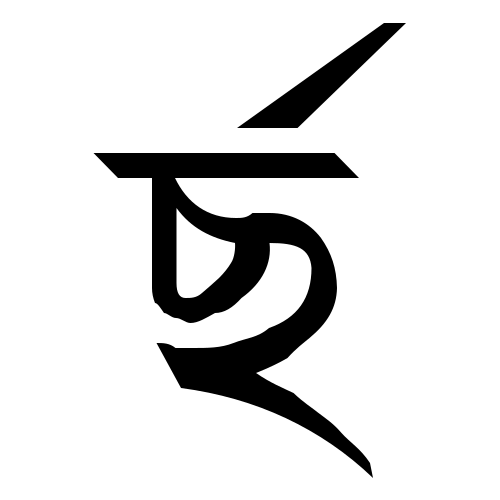
- র্ (r) + চ্ (c) + য (ya) تعطي الرابطة rcya، مع اللاحقة ya phala بالإضافة إلى repha:
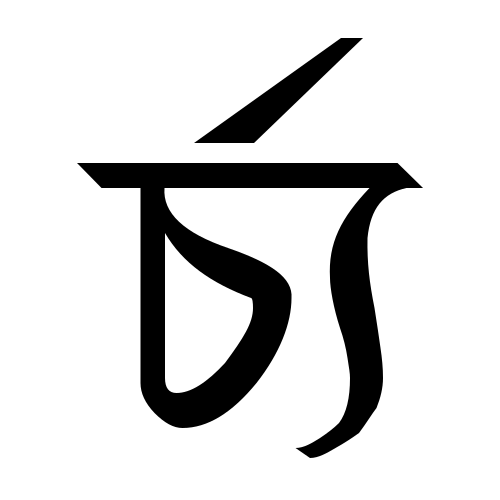
- ра্ (r) + দ (da) يعطي الرباط rda:
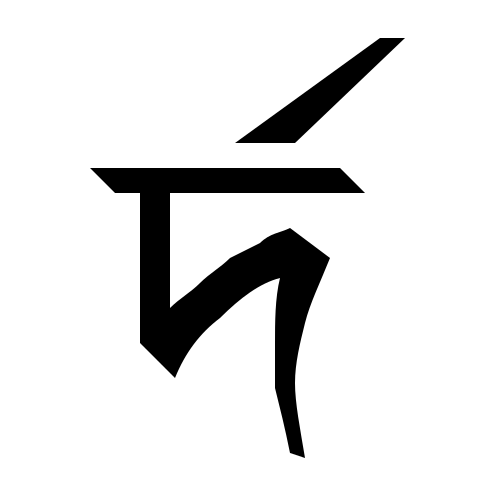
- ร্ (ص) + ড (ḍa) يعطي الرباط rḍa:
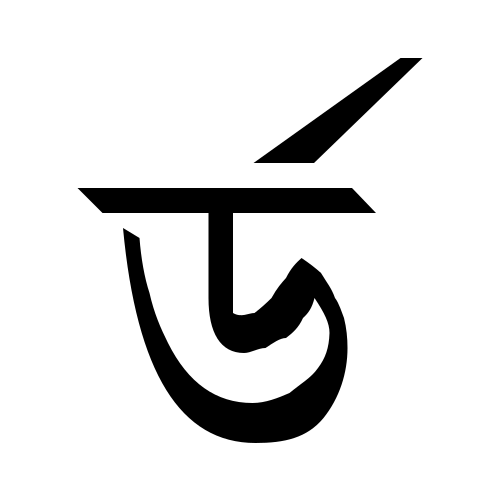
- र্ (ص) + ঢ্ (ḍʱ) + য (يا) يعطي ضمدا رضيا، مع لاحقة يا فالا بالإضافة إلى ريفا:
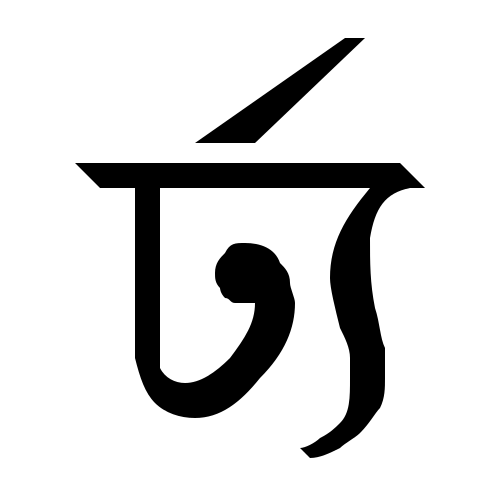
- ร্ (ص) + ধ (dʱa) يعطي الرباط rdʱa:
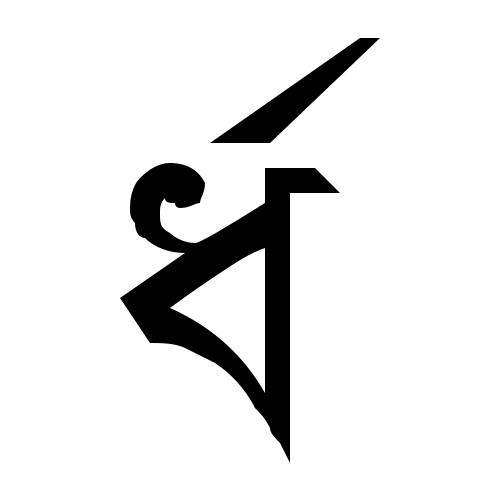
- र্ (r) + ধ্ (dʱ) + ব (va) يعطي الرباط rdʱva، مع لاحقة va phala بالإضافة إلى repha:
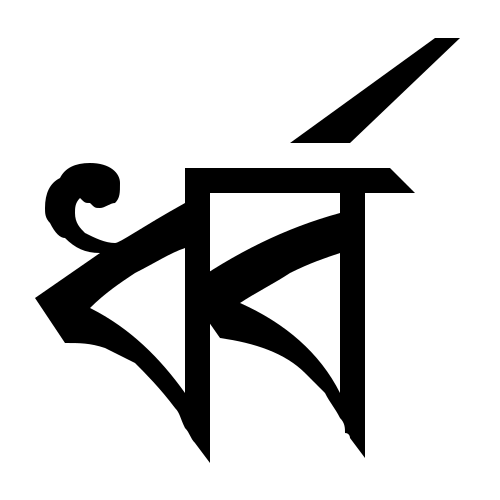
- र্ (ص) + দ্ (د) + × (را) يعطي ردرا رباط:
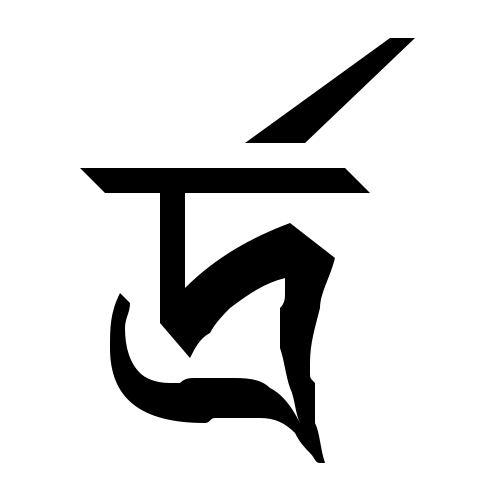
- র্ (r) + দ্ (d) + ব (va) تعطي الرابطة rdva، مع اللاحقة va phala بالإضافة إلى repha:
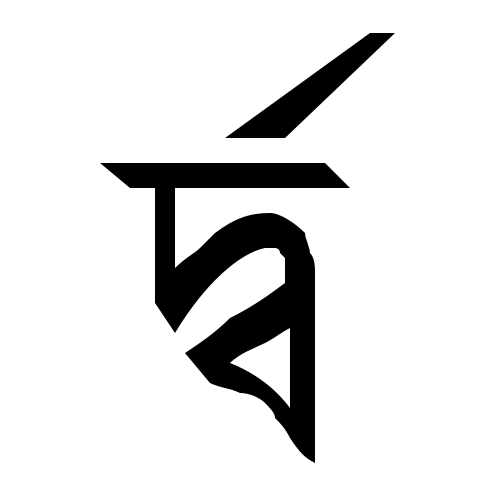
- ра্ (r) + গ (ga) يعطي الرباط rga:
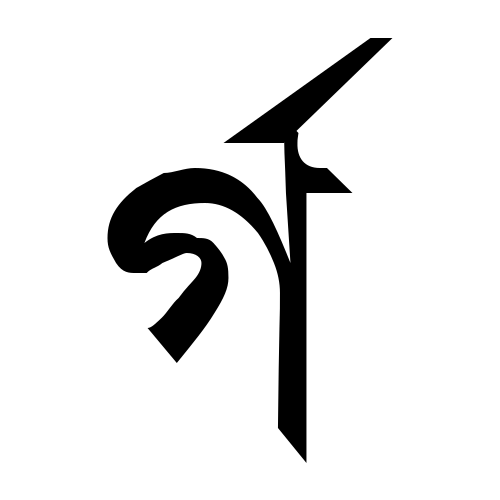
- र্ (ص) + ঘ (ɡʱa) يعطي الرباط rɡʱa:
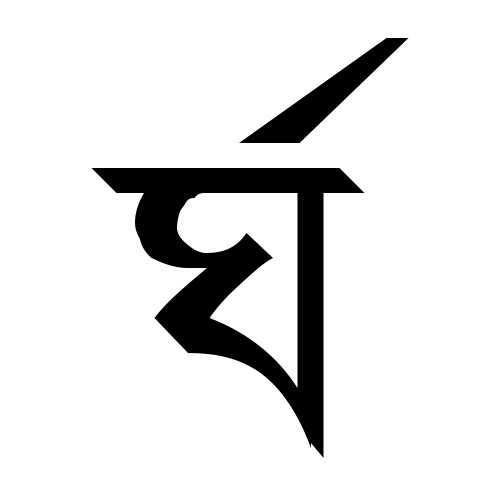
- र্ (ص) + (ɡʱ) + য (يا) يعطي ضمد rɡʱya، مع لاحقة يا فالا بالإضافة إلى ريفا:
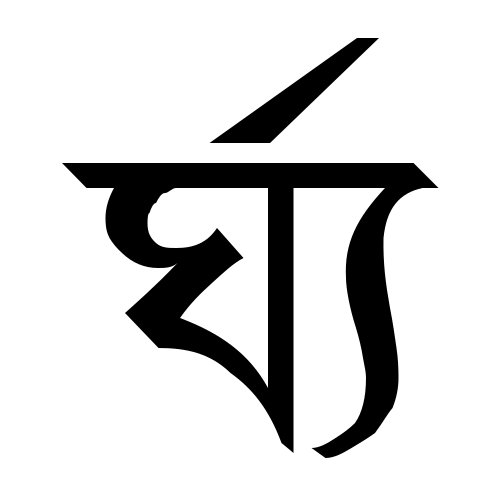
- र্ (r) + গ্ (ga) + য (ya) يعطي حرف rɡya، مع لاحقة ya phala بالإضافة إلى repha:
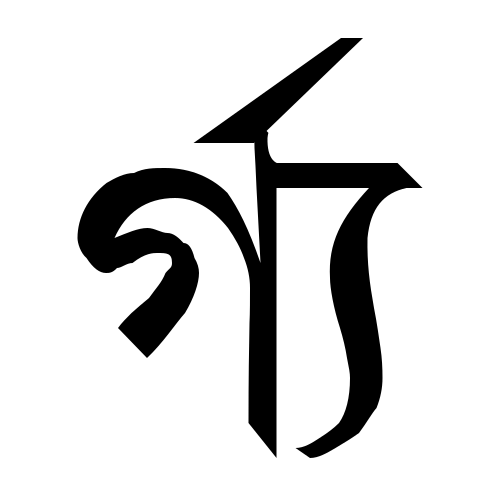
- र্ (ص) + হ (ها) يعطي الرباط رها:
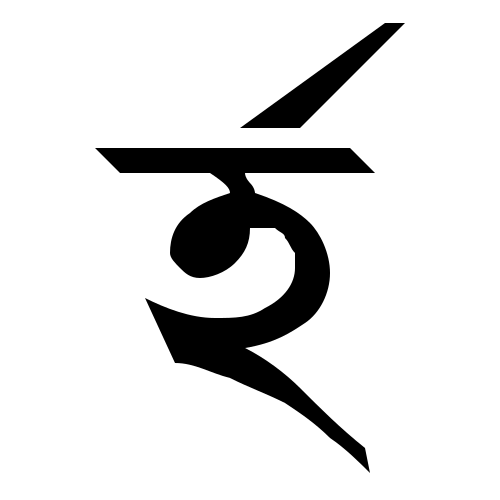
- र্ (ص) + হ্ (ح) + য (يا) يعطي ضمد ريا، مع لاحقة يا فالا بالإضافة إلى ريفا:
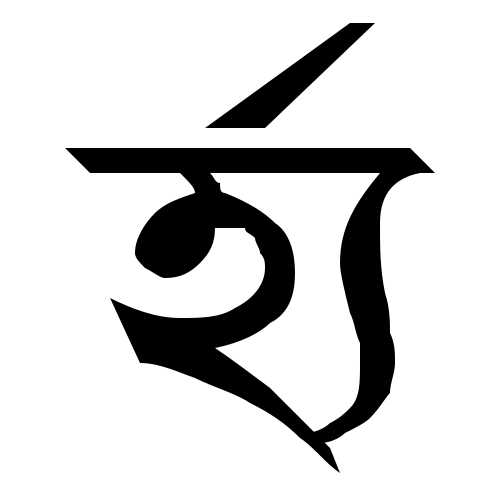
- ра্ (r) + জ (ja) يعطي الرباط rja:
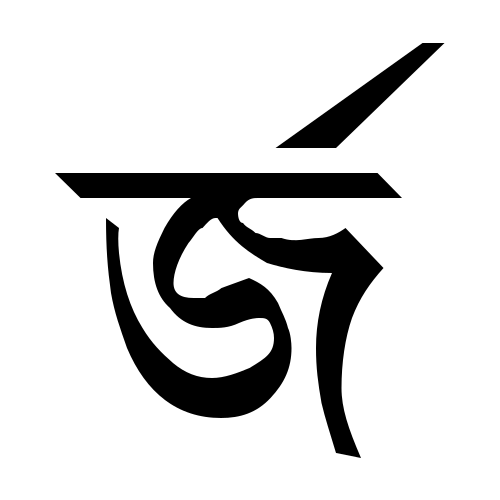
- র্ (r) + ঝ (j h a) يعطي الربط rj h a:
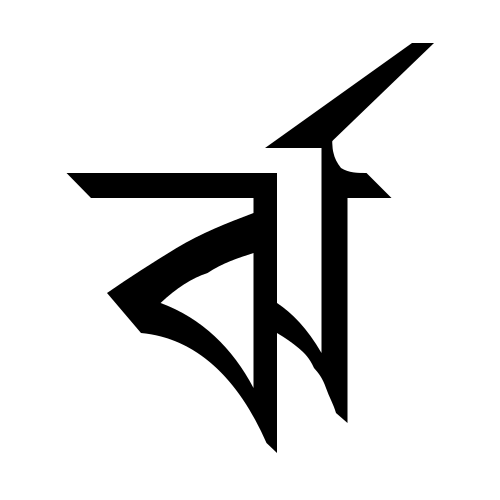
- र্ (r) + জ্ (j) + য (ya) يعطي الرباط rjya، مع اللاحقة ya phala بالإضافة إلى repha:
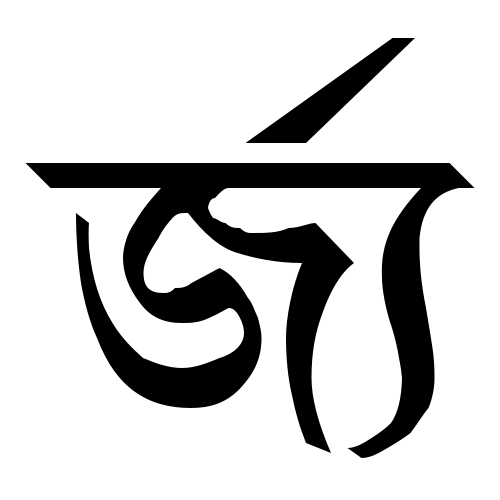
- র্ (r) + ক (ka) يعطي الربط rka:
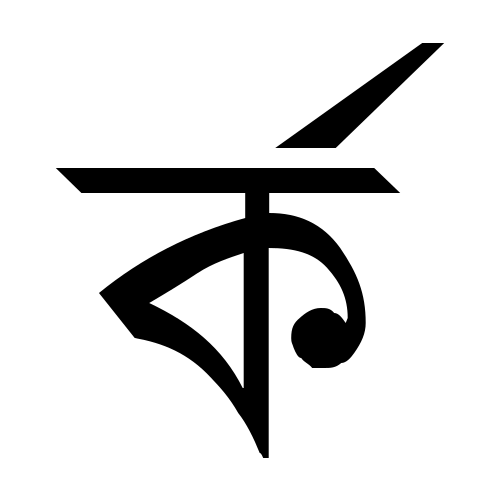
- র্ (r) + খ (k h a) يعطي الربط rk h a:
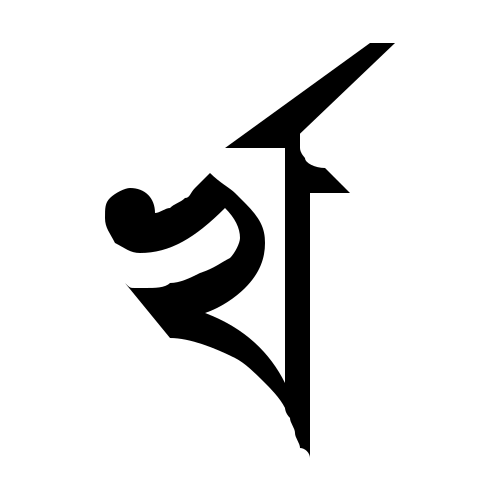
- র্ (r) + খ্ (k h ) + য (ya) تعطي الرابطة rk h ya، مع اللاحقة ya phala بالإضافة إلى repha:
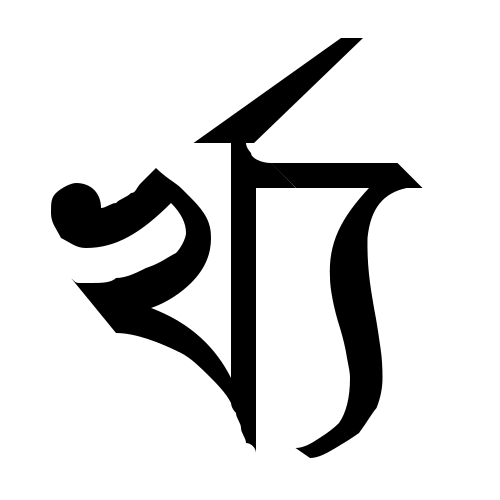
- র্ (r) + ক্ (k) + য (ya) تعطي الرابطة rkya، مع لاحقة ya phala بالإضافة إلى repha:
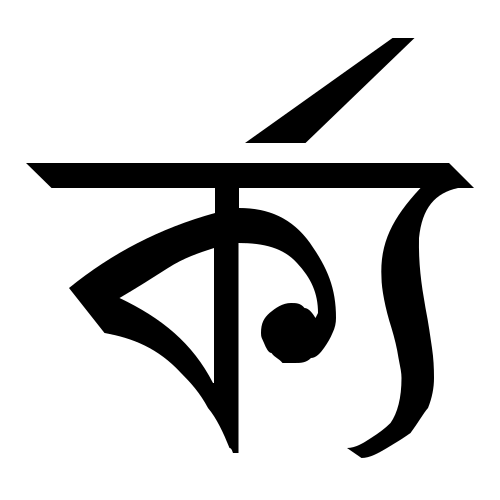
- ра্ (r) + ল (la) يعطي الرباط rla:
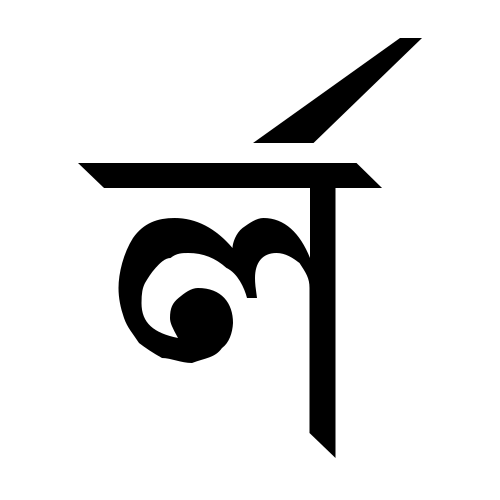
- र্ (r) + ম (ma) يعطي الرباط rma:
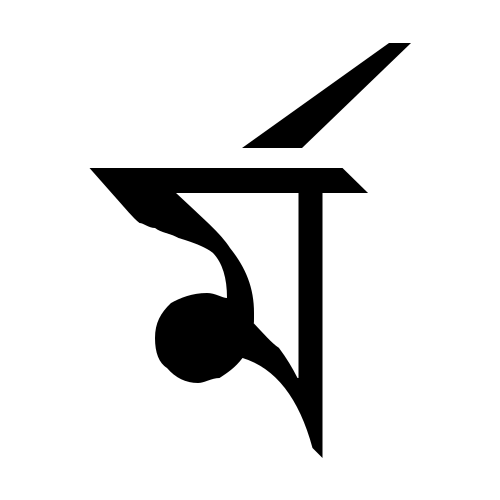
- र্ (ص) + ম্ (م) + য (يا) يعطي ضمدا رميا، مع لاحقة يا فالا بالإضافة إلى ريفا:
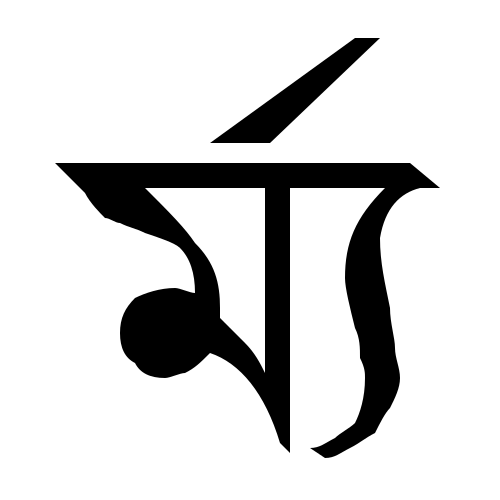
- र্ (ص) + ন (نا) يعطي الحمض النووي الريبي (RNA) :
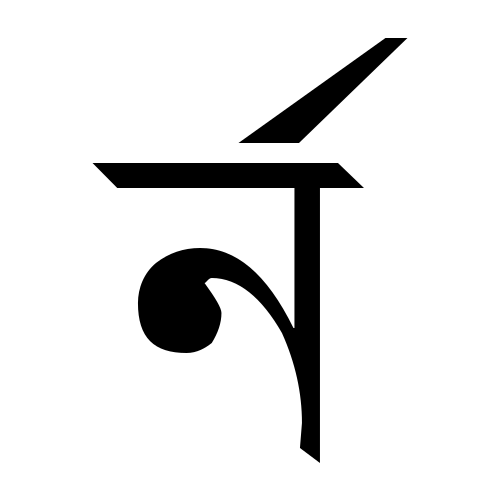
- र্ (ص) + ণ (ṇa) يعطي الرباط rṇa:
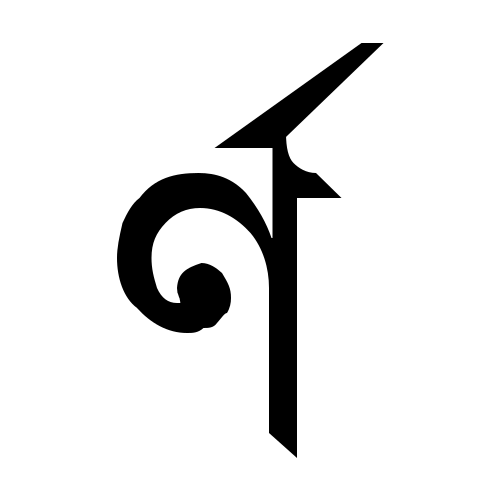
- র্ (r) + ণ্ (ṇ) + য (ya) تعطي الرابطة rṇya، مع اللاحقة ya phala بالإضافة إلى repha:
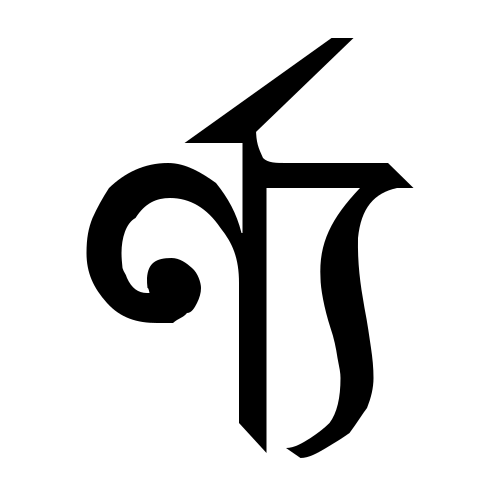
- र্ (r) + প (pa) يعطي الرباط rpa:
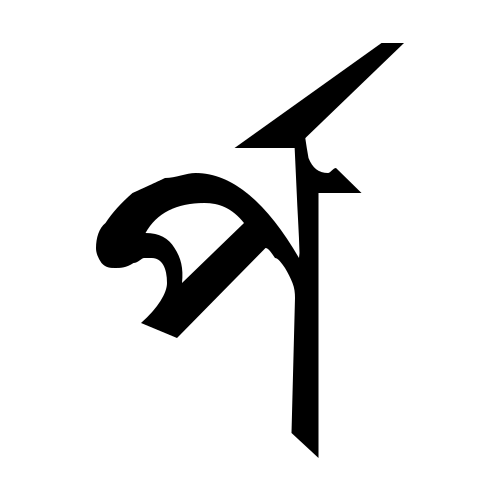
- র্ (r) + ফ (p h a) يعطي الربط rp h a:
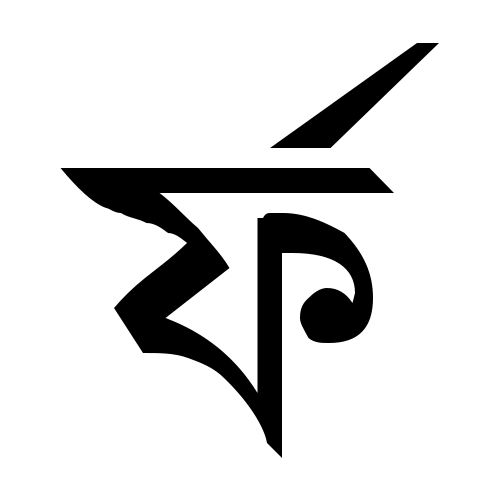
- र্ (r) + স (sa) يعطي الرباط rsa:
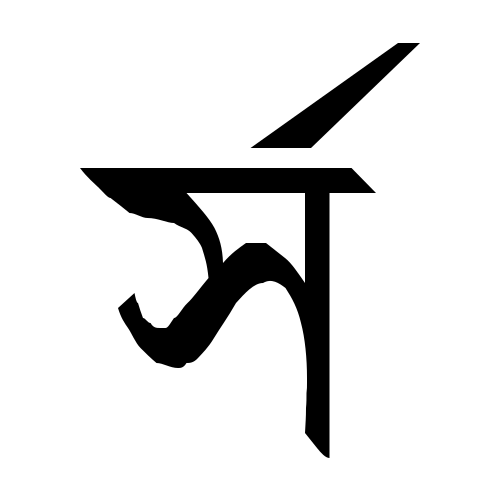
- र্ (ص) + শ (ʃa) يعطي الرباط rʃa:
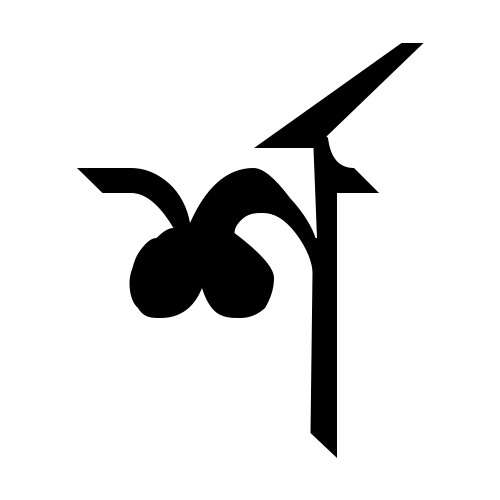
- र্ (r) + শ্ (ʃ) + ব (va) يعطي حرف rʃva، مع لاحقة va phala بالإضافة إلى repha:
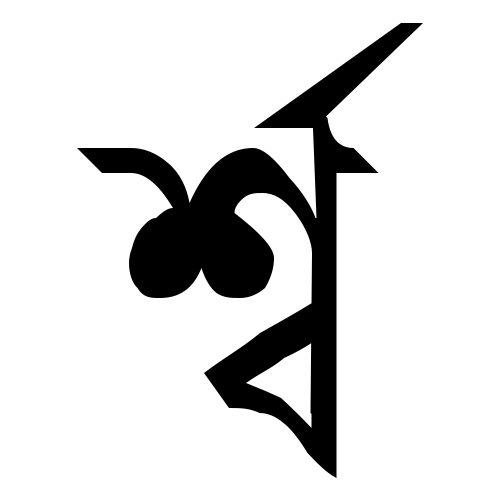
- र্ (ص) + শ্ (ʃ) + য (يا) يعطي ضمدا ريا، مع لاحقة يا فالا بالإضافة إلى ريفا:
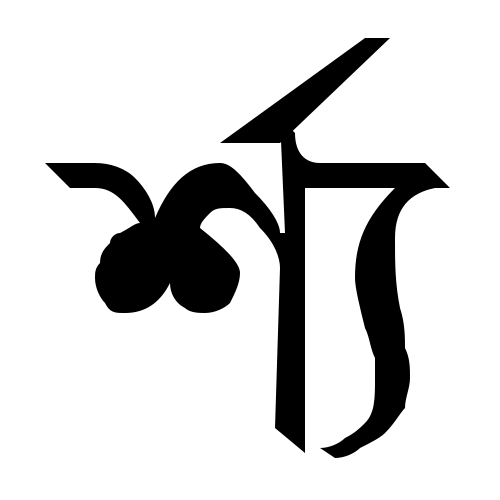
- ร্ (ص) + ষ (ṣa) يعطي الرباط rṣa:
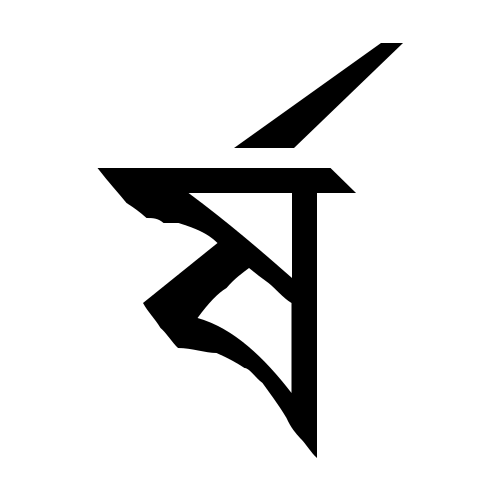
- র্ (r) + ষ্ (ṣ) + য (ya) gives the ligature rṣya, with the ya phala suffix in addition to repha:
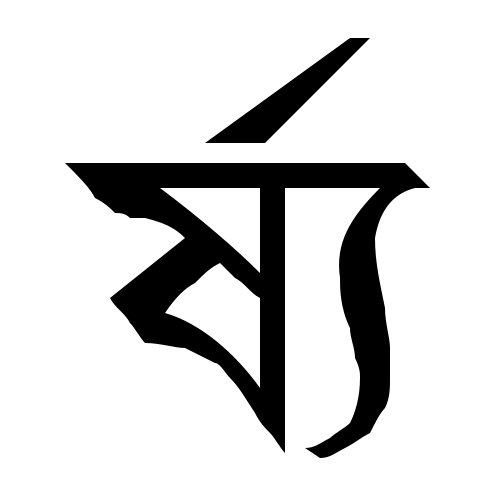
- র্ (r) + ত (ta) gives the ligature rta:
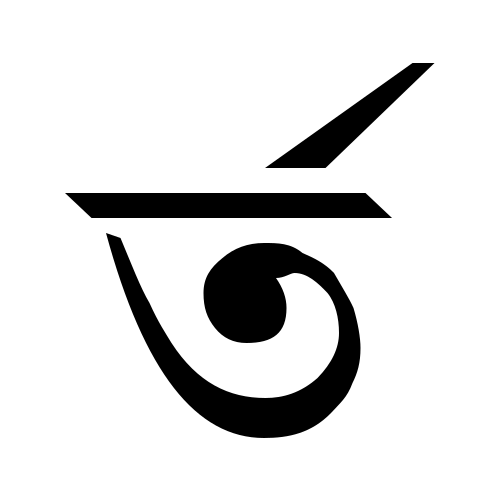
- র্ (r) + থ (tha) gives the ligature rtha:
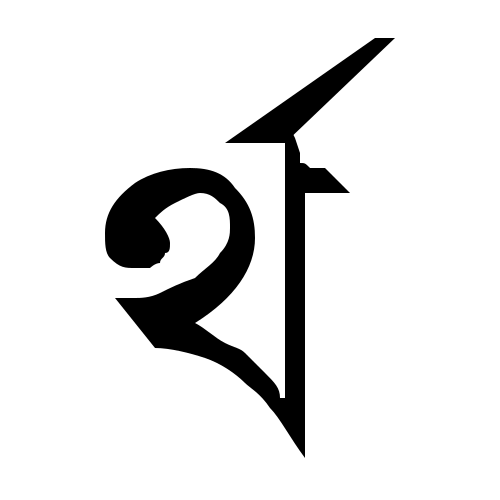
- র্ (r) + থ্ (th) + য (ya) gives the ligature rthya, with the ya phala suffix in addition to repha:
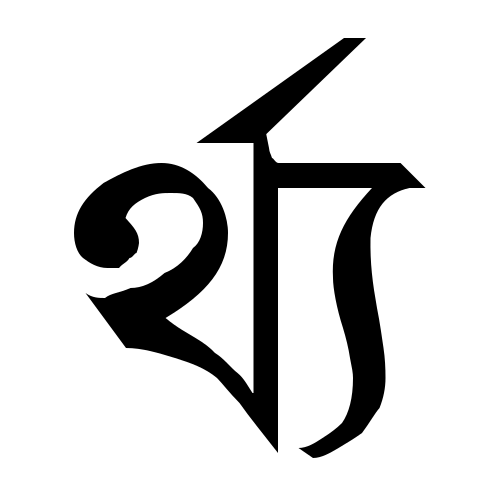
- র্ (r) + ত্ (t) + র (ra) gives the ligature rtra:
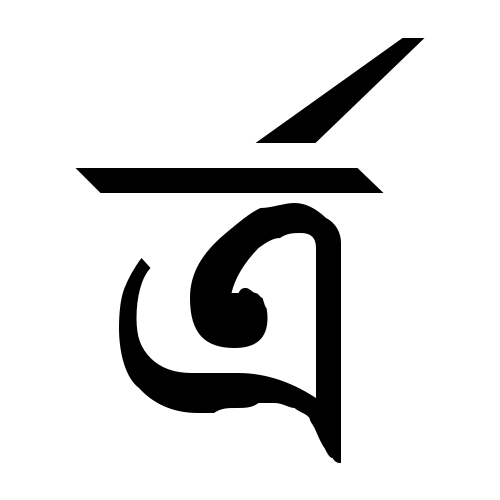
- র্ (r) + ট (ṭa) gives the ligature rṭa:
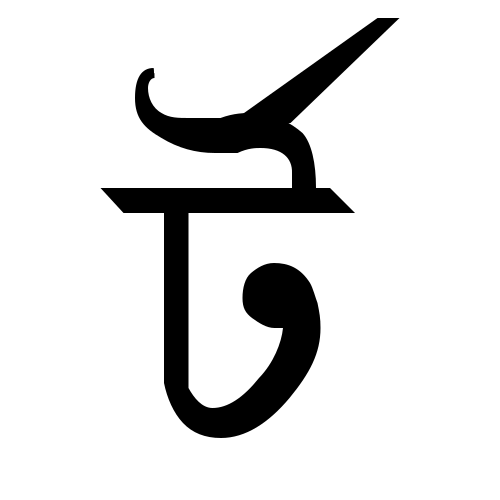
- র্ (r) + ত্ (t) + য (ya) gives the ligature rtya, with the ya phala suffix in addition to repha:
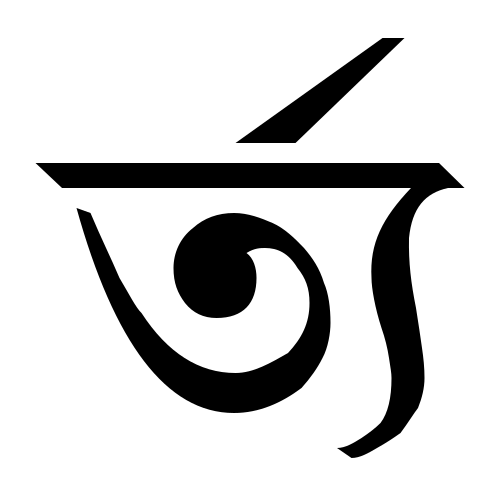
- র্ (r) + য (ya) gives the ligature rya, with repha, not ya phala:
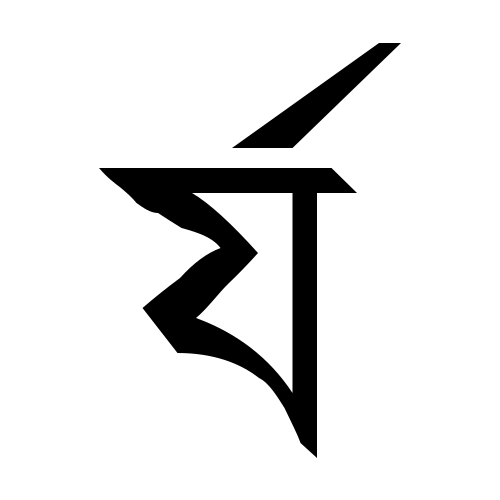
Gujarati Ra

Ra (ર) is twenty-seventh consonant of the Gujaratiabugida. It is derived from the Devanagari Ra  with the top bar (shiro rekha) removed, and ultimately the Brahmi letter . When combined with certain vowels, the Gujarati Ra may assume unique forms, such as રુ and રૂ.
Gujarati-using Languages
The Gujarati script is used to write the Gujarati and Kutchi languages. In both languages, ર is pronounced as [rə] or [r] when appropriate. Like all Indic scripts, Gujarati uses vowel marks attached to the base consonant to override the inherent /ə/ vowel:
| Ra | Rā | Ri | Rī | Ru | Rū | Rr | Rl | Rr̄ | Rl̄ | Rĕ | Re | Rai | Rŏ | Ro | Rau | R |
|---|---|---|---|---|---|---|---|---|---|---|---|---|---|---|---|---|
 | ||||||||||||||||
| Gujarati Ra syllables, with vowel marks in red. | ||||||||||||||||
Conjuncts with ર
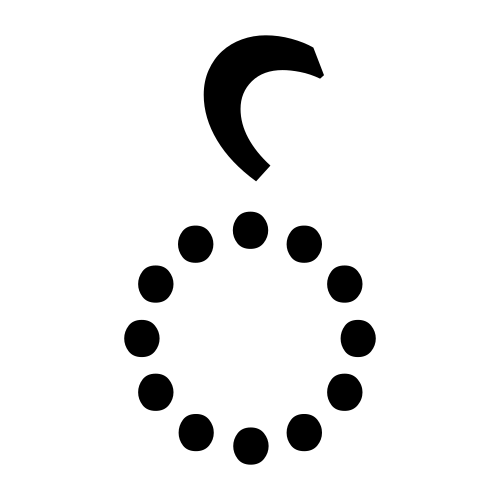
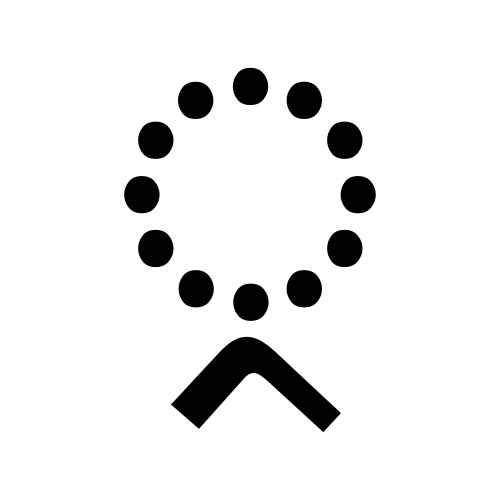
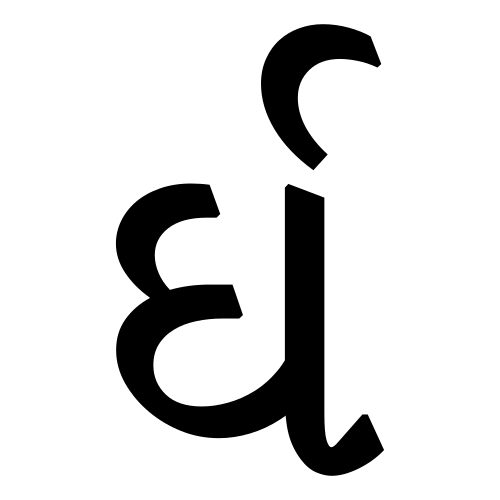
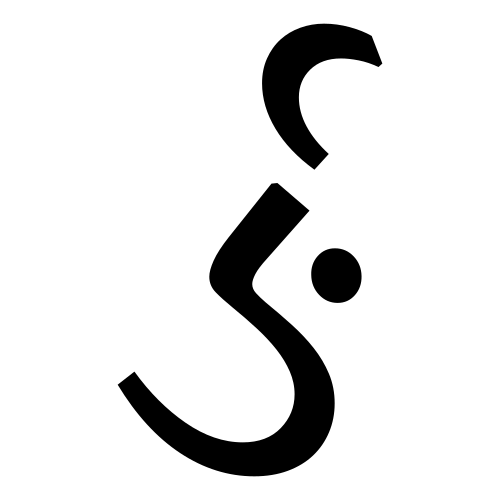
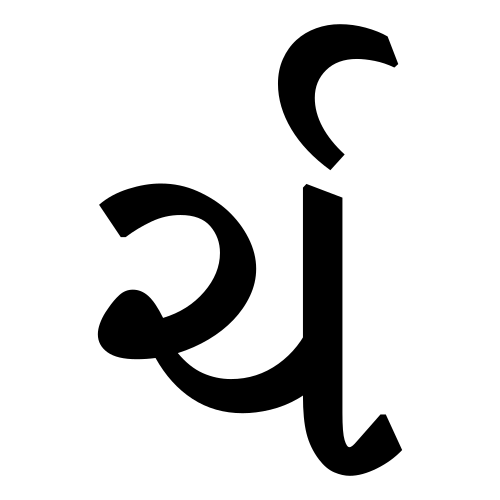
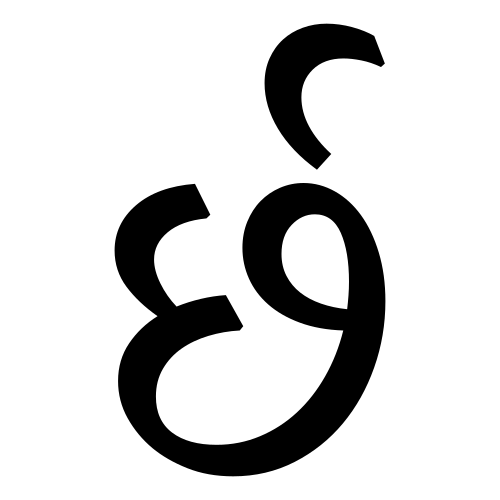
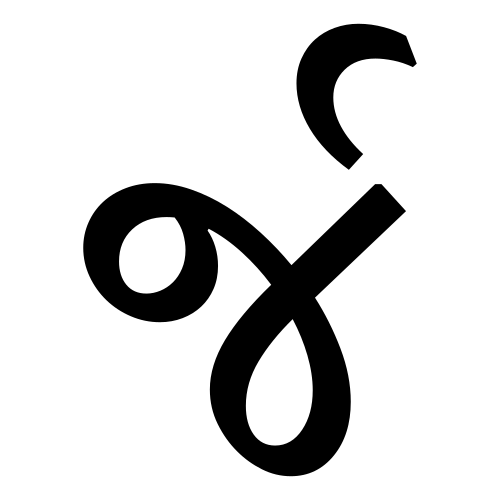
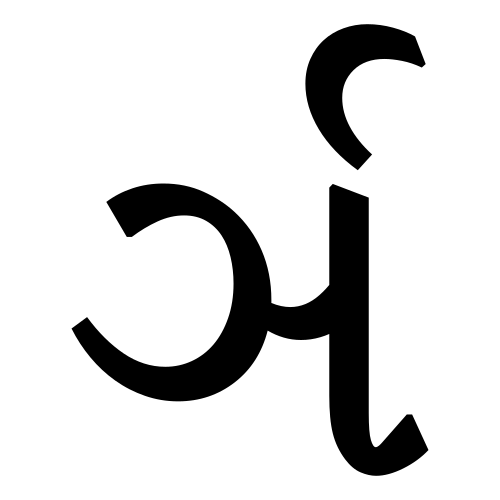
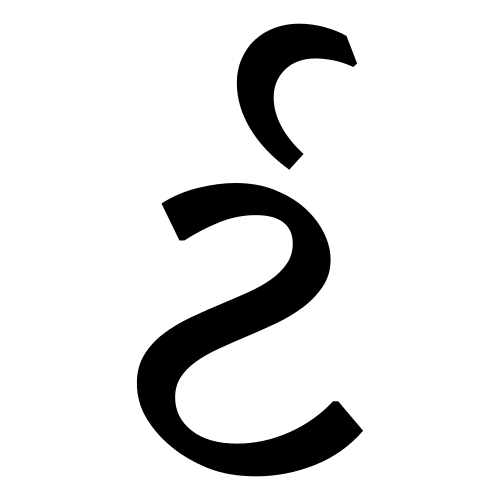
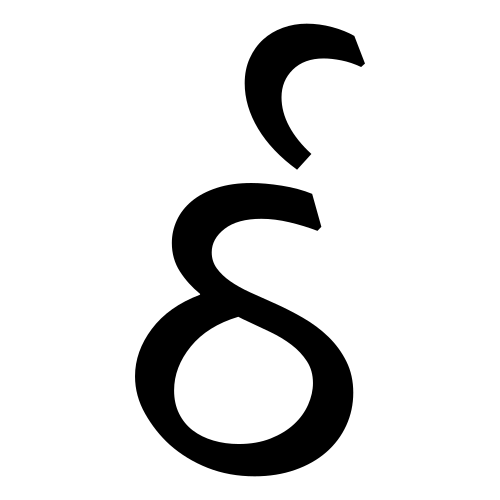
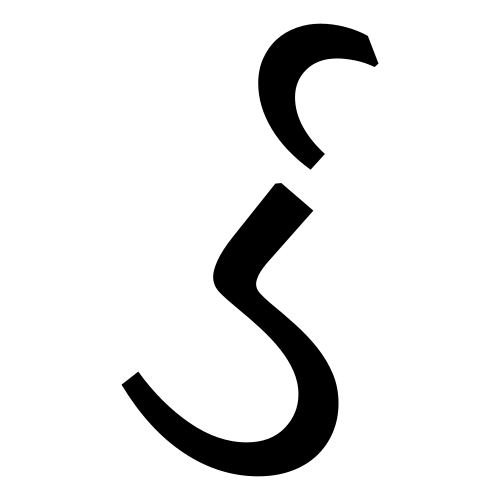
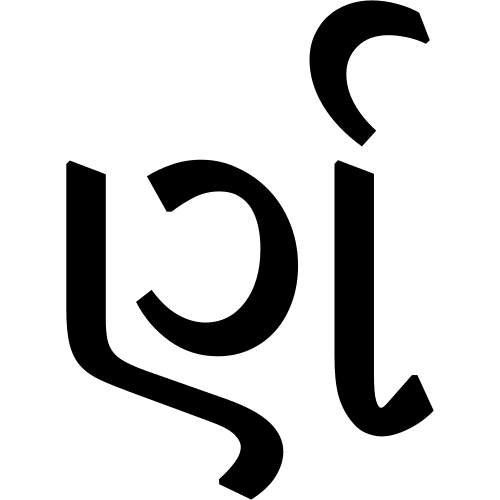
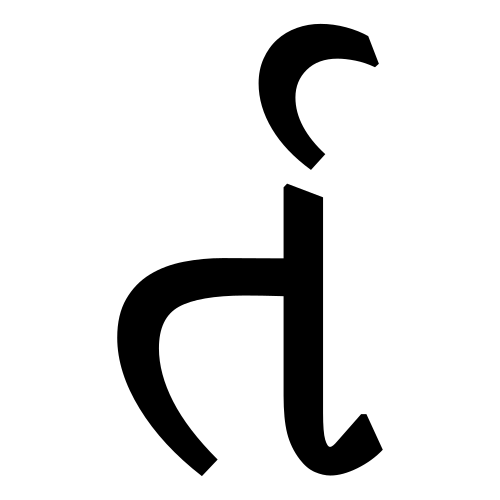
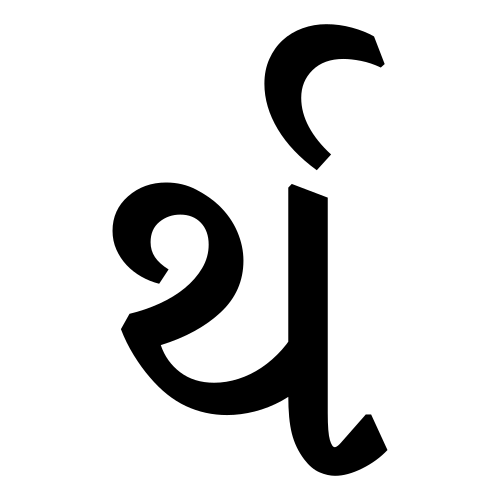
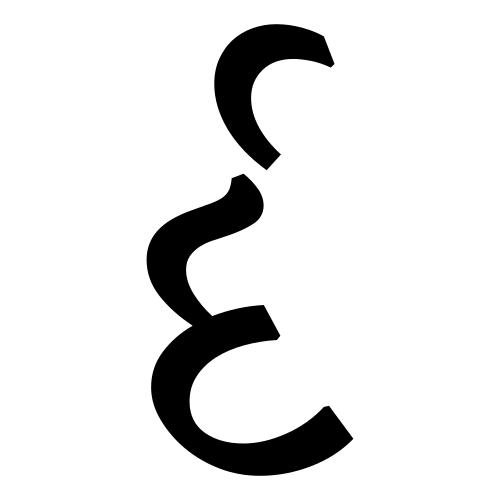
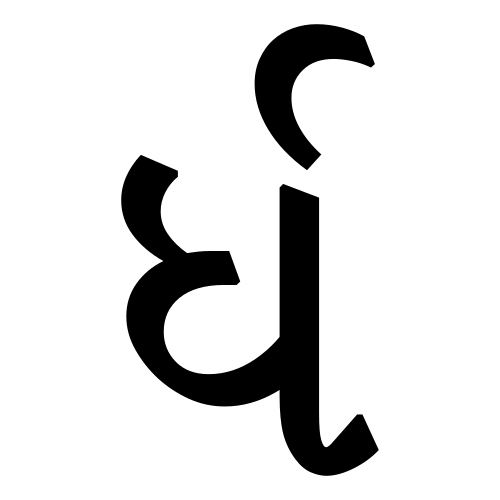
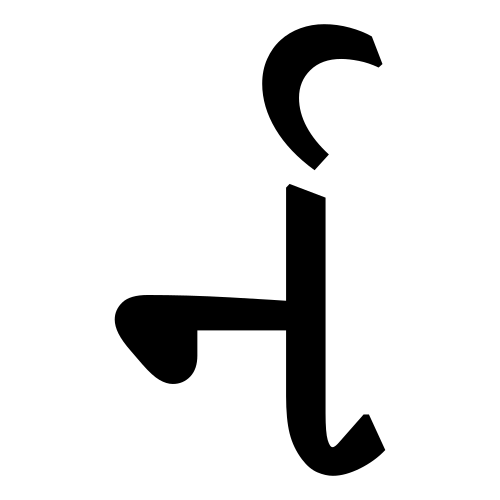
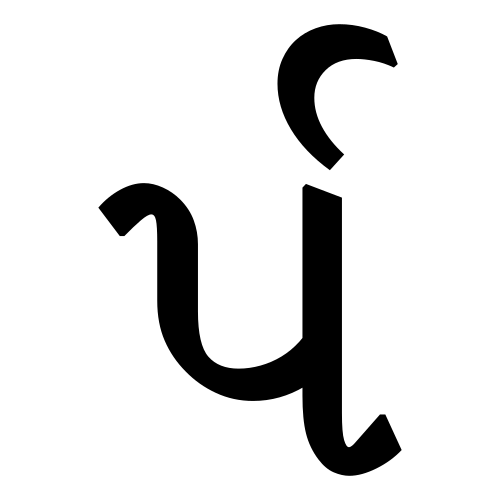
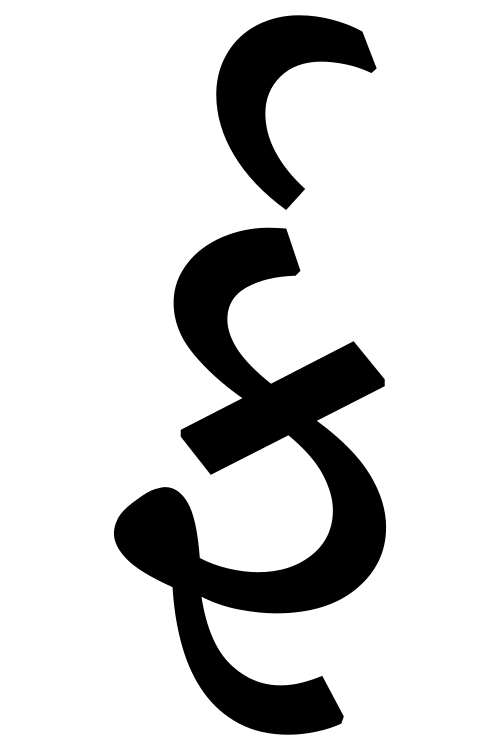
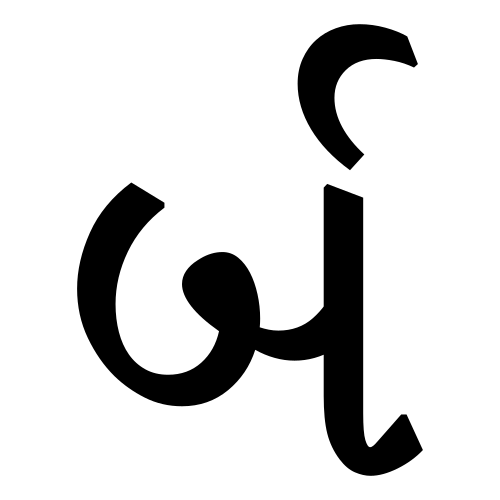
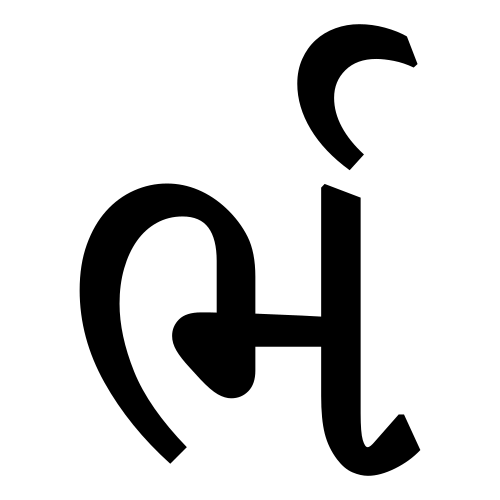
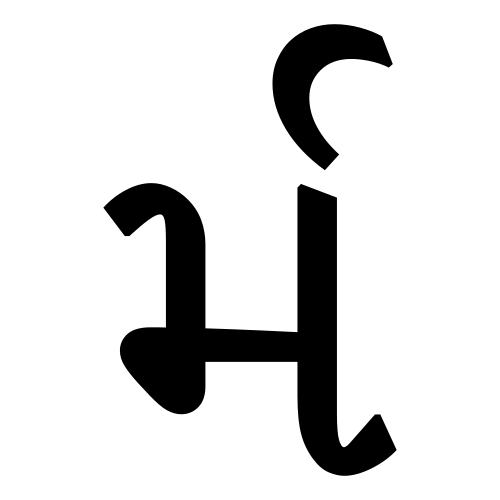
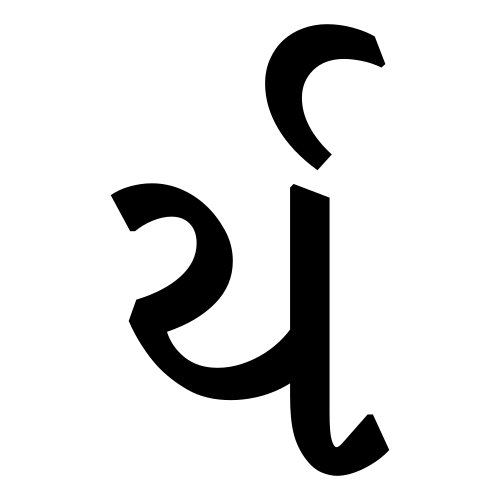
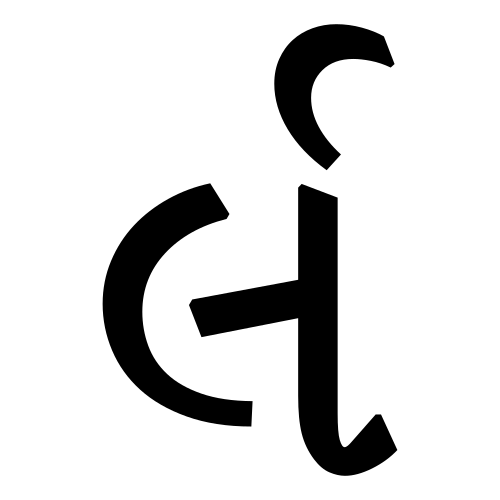
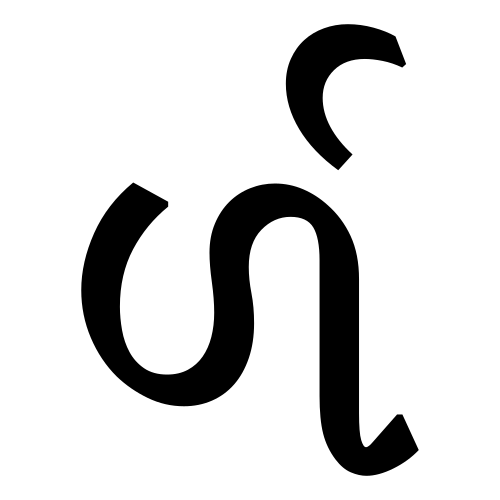
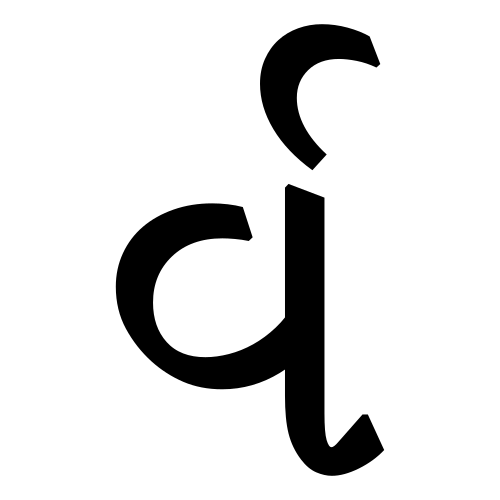
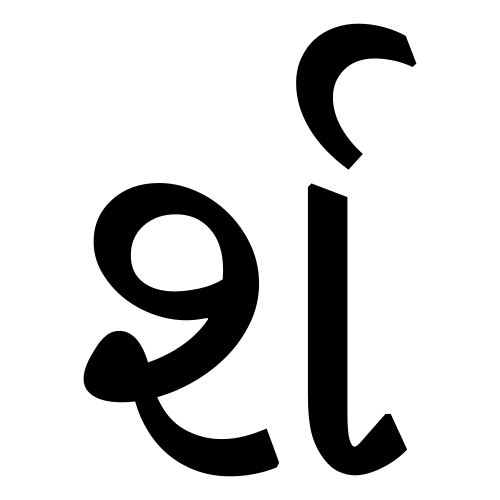
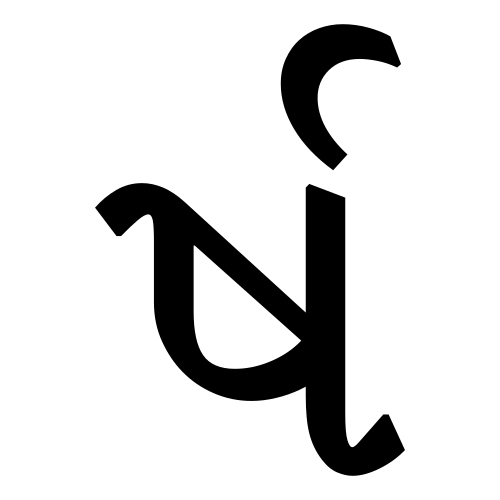
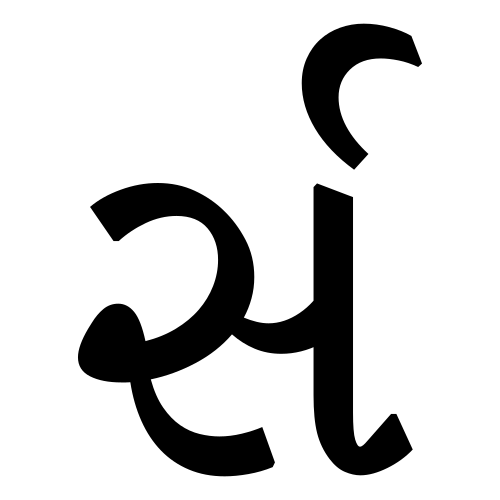
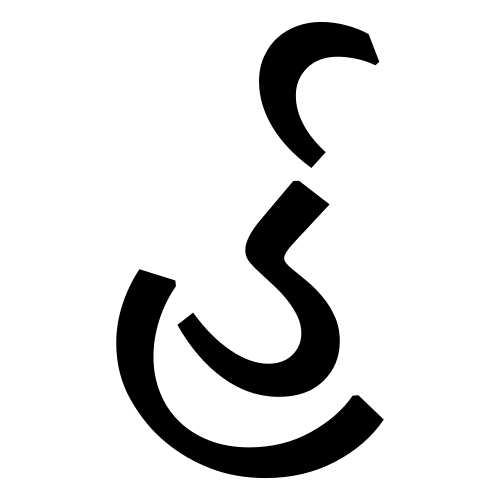
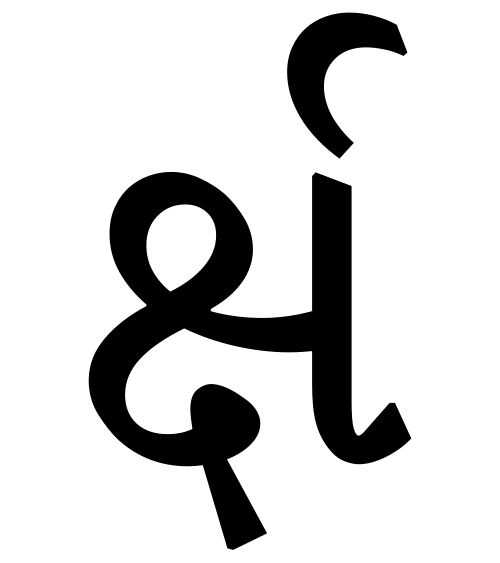
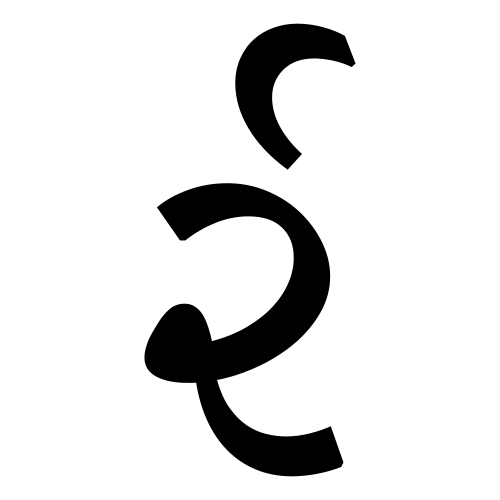
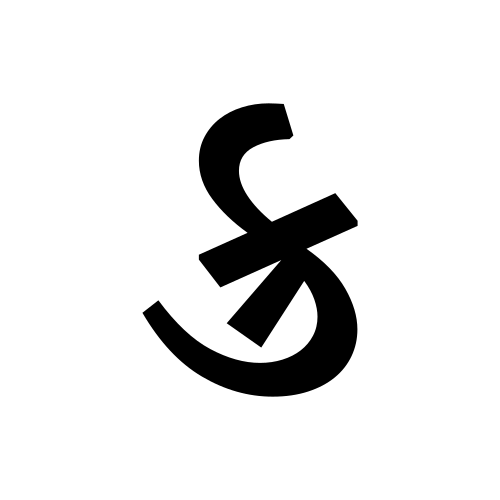
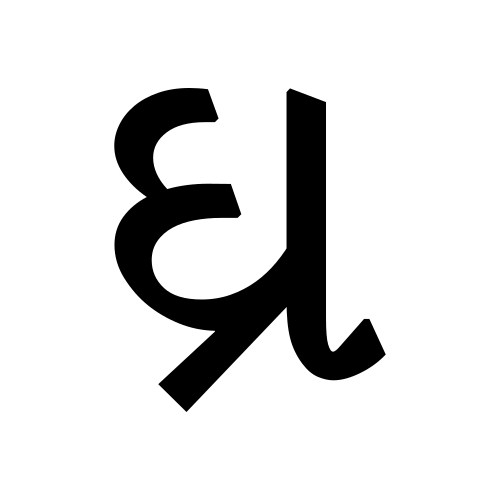
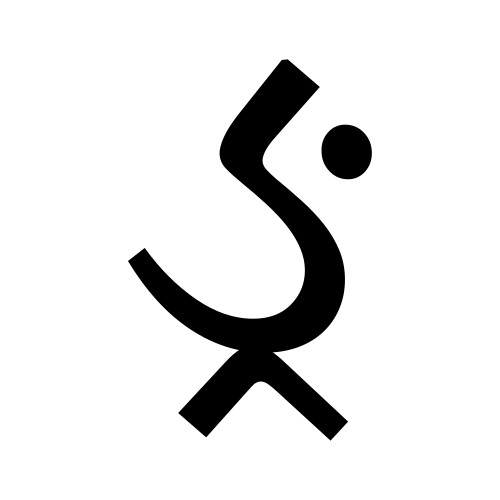
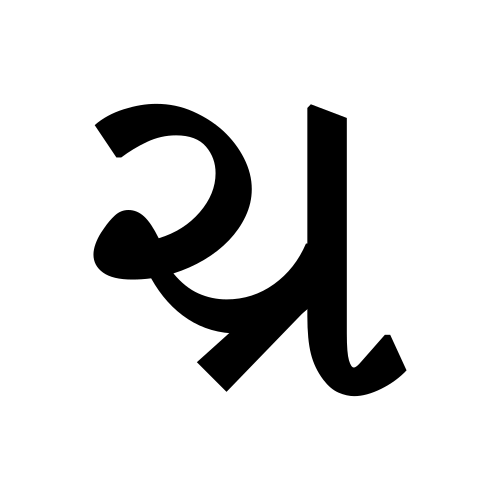
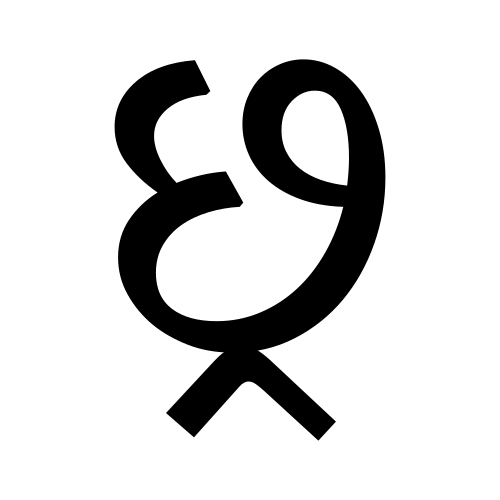
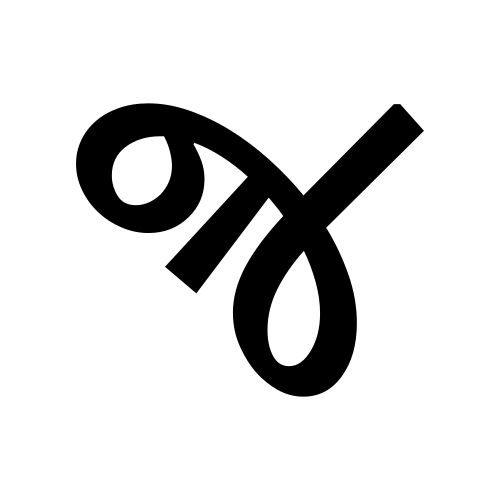
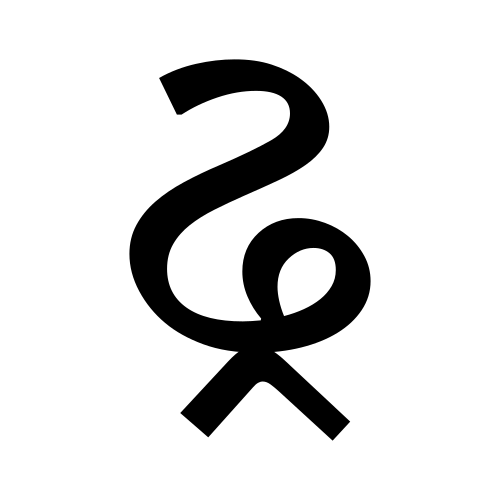
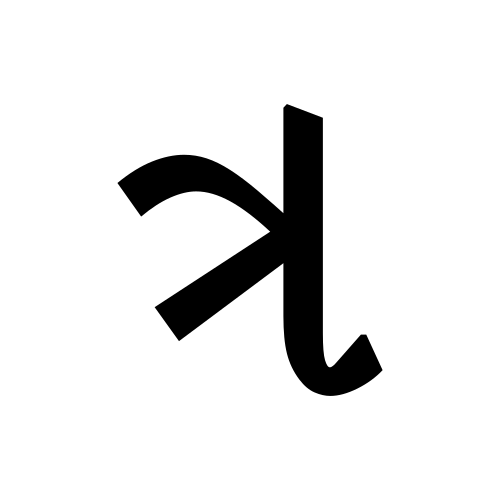
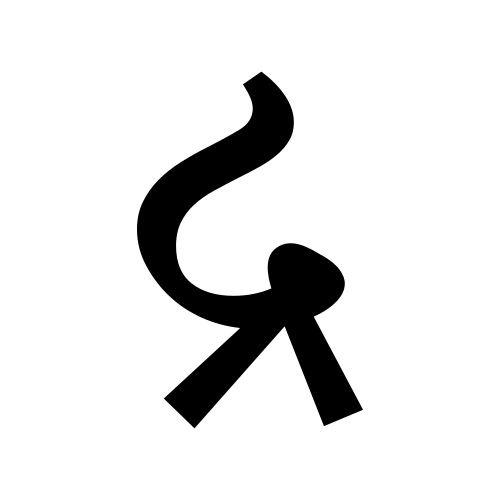
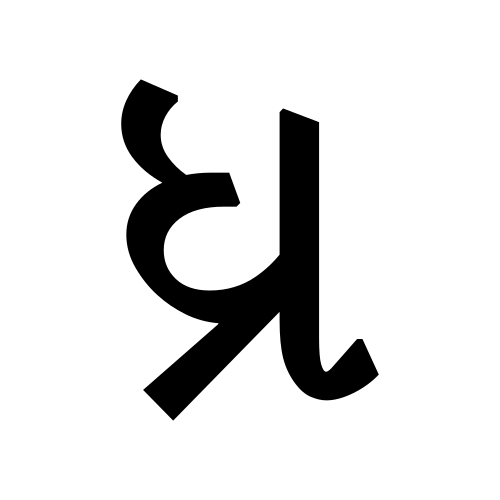
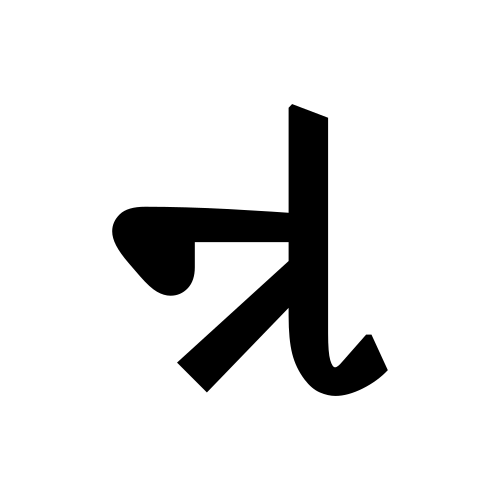
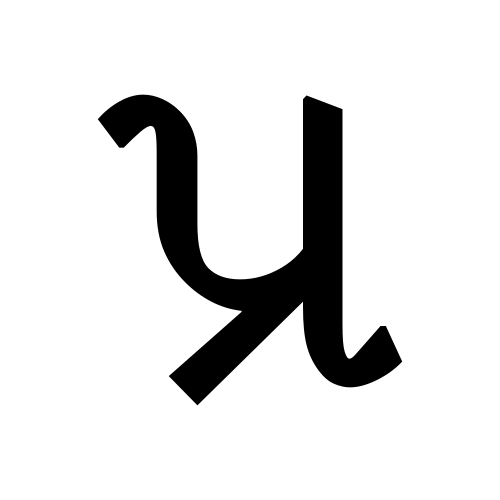
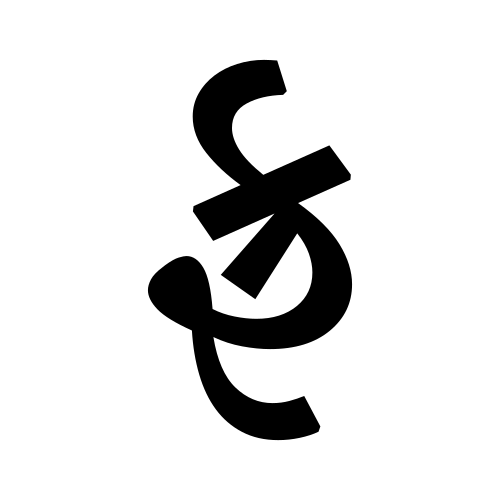
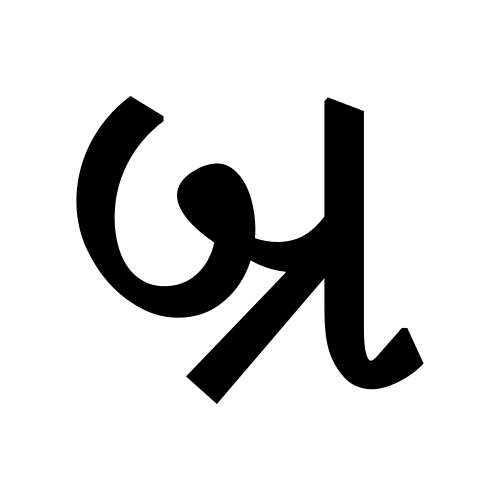
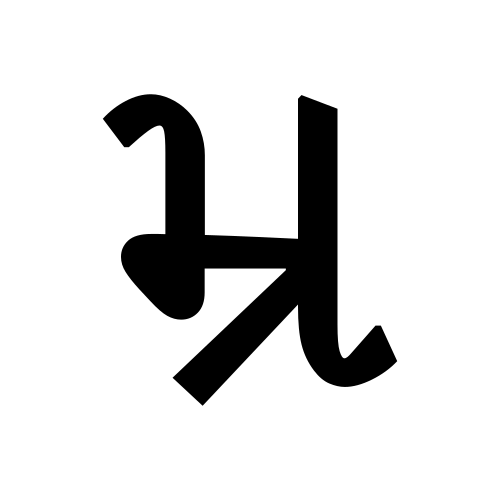
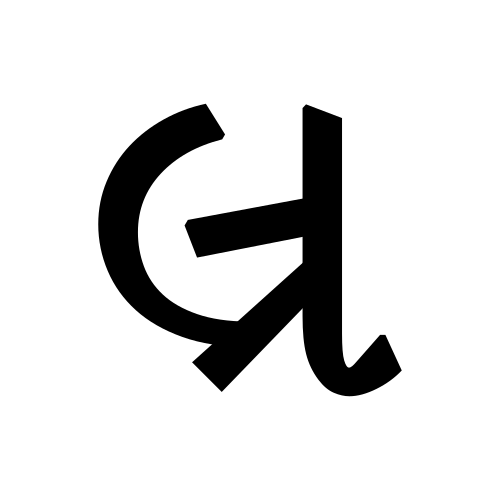
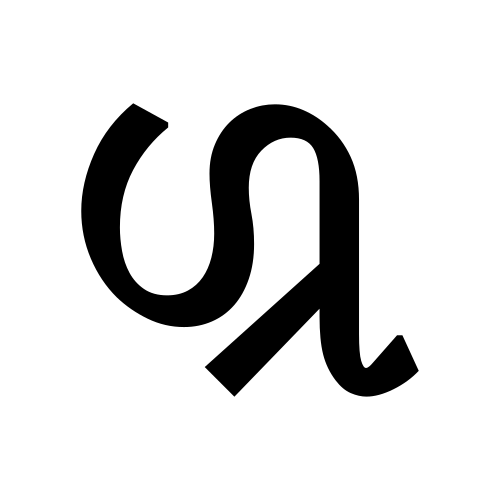
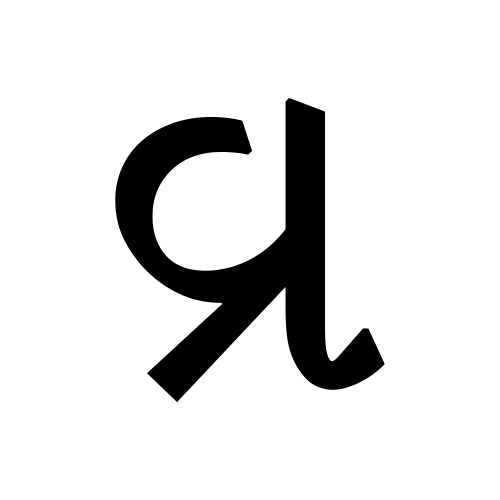
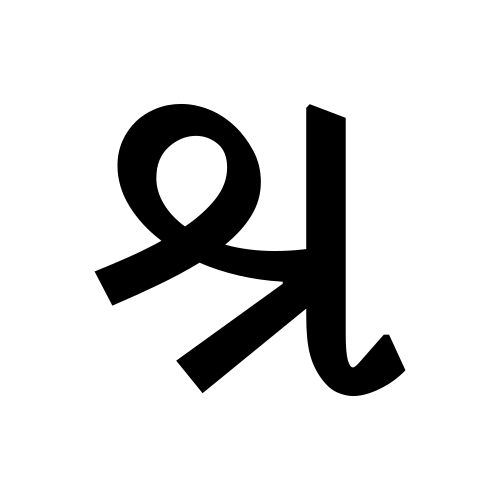
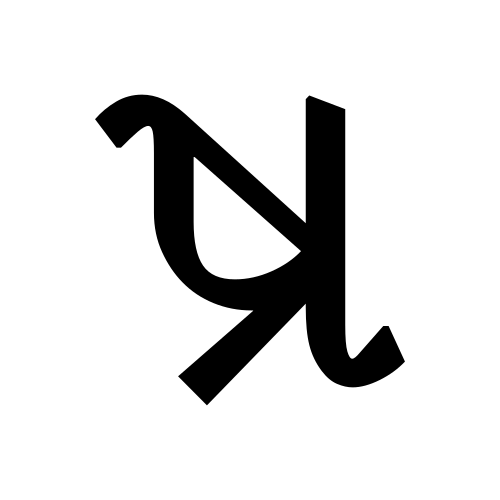
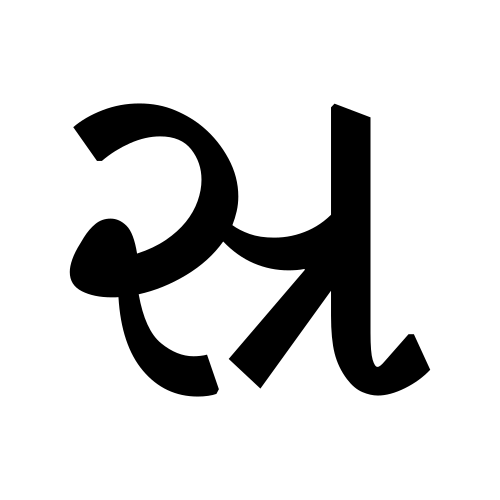
Gujarati ર exhibits conjunct ligatures, much like its parent Devanagari Script. While most Gujarati conjuncts can only be formed by reducing the letter shape to create a "half form" that fits tightly to following letter, Ra does not have a half form. A few conjunct clusters can be represented by a true ligature, instead of a shape that can be broken into constituent independent letters, and vertically stacked conjuncts can also be found in Gujarati, although much less commonly than in Devanagari. True ligatures are quite rare in Indic scripts. The most common ligated conjuncts in Gujarati are in the form of a slight mutation to fit in context or as a consistent variant form appended to the adjacent characters. The most common conjunct variants are the Repha and Rakar forms of Ra. A leading consonant or conjunct will use its full form, rather than half form, when being modified by a trailing Rakar.
| Repha | Rakar |
|---|---|
| * ર્ (r) + ક (ka) gives the ligature RKa:
| * ક્ (k) + ર (ra) gives the ligature KRa:
|







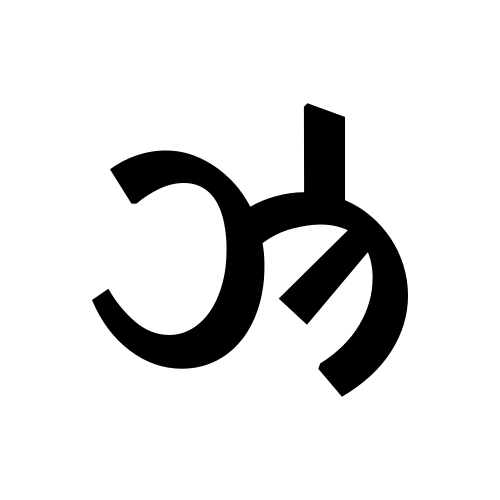

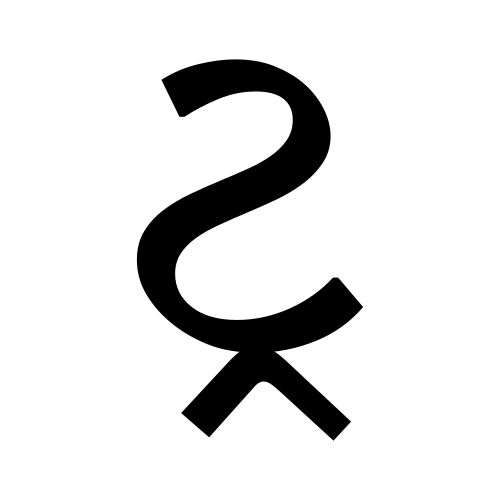
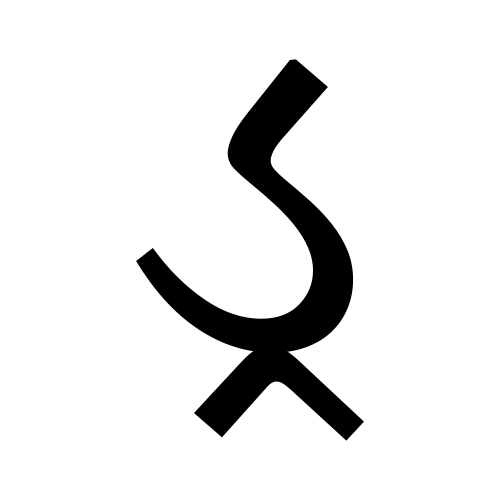
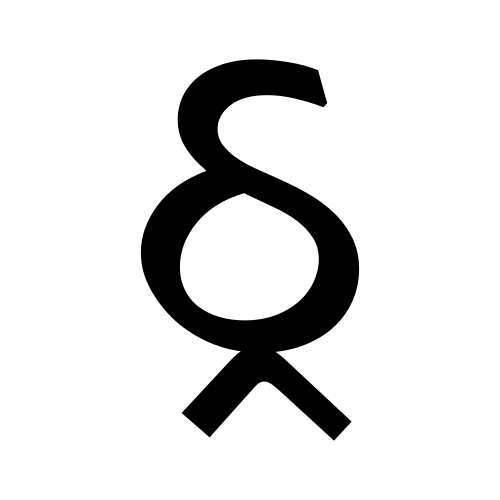




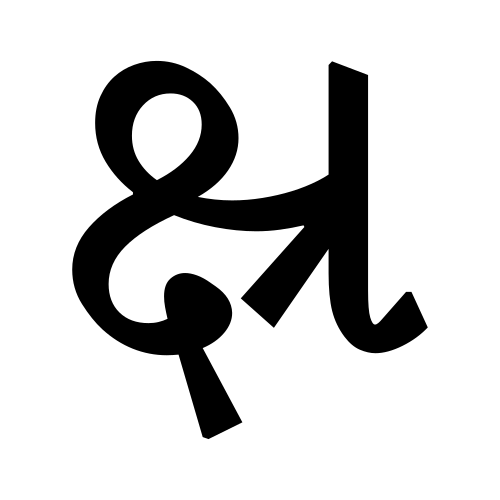

Javanese Ra
Telugu Ra

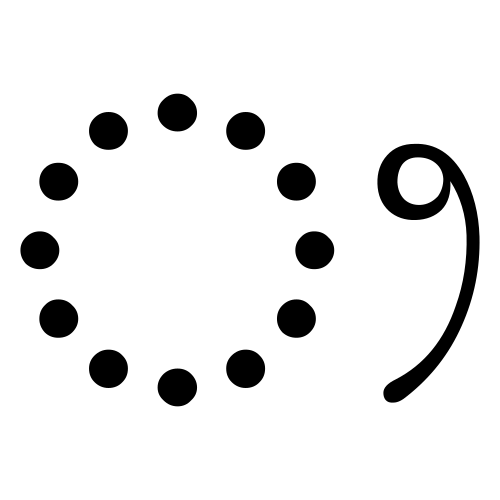
Ra (ర) is a consonant of the Teluguabugida. It ultimately arose from the Brahmi letter . It is closely related to the Kannada letter ರ. Most Telugu consonants contain a v-shaped headstroke that is related to the horizontal headline found in other Indic scripts, although headstrokes do not connect adjacent letters in Telugu. The headstroke is normally lost when adding vowel matras. Telugu conjuncts are created by reducing trailing letters to a subjoined form that appears below the initial consonant of the conjunct. Like the Rakar forms in other Indic scripts, the subjoined Ra in Telugu is not immediately related to the full form of Ra. Unlike other the Repha in other Indic scripts, there is no special prefix form of Ra in Telugu. Ligature conjuncts are not a feature in Telugu, with the only non-standard construction being an alternate subjoined form of Ṣa (borrowed from Kannada) in the KṢa conjunct.
Telugu Rra


In addition, Telugu also contains a second /r/ consonant, Rra (ఱ). It is closely related to the Kannada letter ಱ. Since it lacks the v-shaped headstroke common to most Telugu letters, ఱ remains unaltered by most vowel matras, and its subjoined form is simply a smaller version of the normal letter shape.
Malayalam Ra

Ra (ര) is a consonant of the Malayalamabugida. It ultimately arose from the Brahmi letter , via the Grantha letter 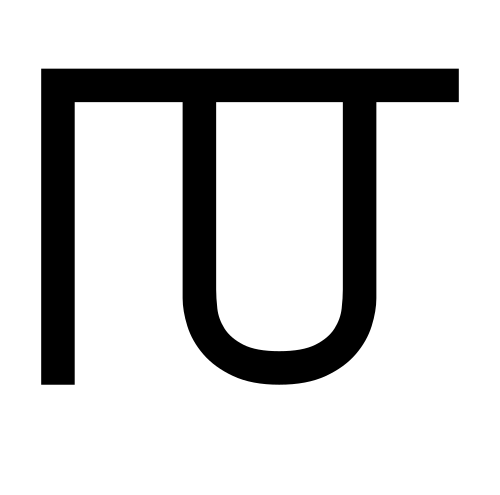 Ra. Like in other Indic scripts, Malayalam consonants have the inherent vowel "a", and take one of several modifying vowel signs to represent syllables with another vowel or no vowel at all.

Conjuncts of ര
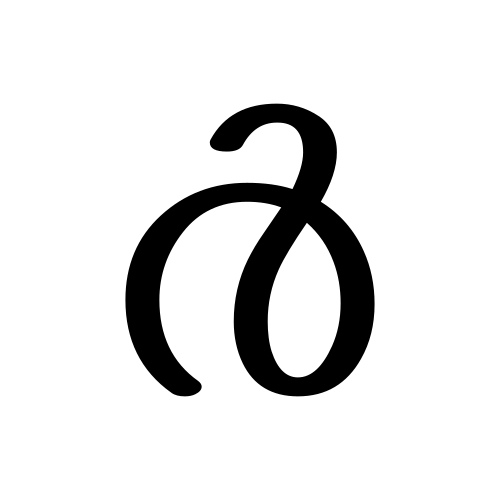

As is common in Indic scripts, Malayalam joins letters together to form conjunct consonant clusters. There are several ways in which conjuncts are formed in Malayalam texts: using a post-base form of a trailing consonant placed under the initial consonant of a conjunct, a combined ligature of two or more consonants joined together, a conjoining form that appears as a combining mark on the rest of the conjunct, the use of an explicit candrakkala mark to suppress the inherent "a" vowel, or a special consonant form called a "chillu" letter, representing a bare consonant without the inherent "a" vowel. Like in most Indic scripts, Malayalam Ra has special forms, including a chillu letter and a conjoining form for a trailing ra, which appears before the other elements of a conjunct but is pronounced after. Texts written with the modern reformed Malayalam orthography, put̪iya lipi, may favor more regular conjunct forms than older texts in paḻaya lipi, due to changes undertaken in the 1970s by the Government of Kerala.
- ക് (k) + ര (ra) gives the ligature kra:

- ഖ് (kh) + ര (ra) gives the ligature khra:

- ഗ് (g) + ര (ra) gives the ligature gra:

- ഘ് (ɡʱ) + ര (ra) gives the ligature ɡʱra:

Malayalam Ṟa

Ṟa (റ) is a consonant of the Malayalamabugida. It is related to the Malayalam Ra consonant and has a similar pronunciation.

Conjuncts of റ
As is common in Indic scripts, Malayalam joins letters together to form conjunct consonant clusters. There are several ways in which conjuncts are formed in Malayalam texts: using a post-base form of a trailing consonant placed under the initial consonant of a conjunct, a combined ligature of two or more consonants joined together, a conjoining form that appears as a combining mark on the rest of the conjunct, the use of an explicit candrakkala mark to suppress the inherent "a" vowel, or a special consonant form called a "chillu" letter, representing a bare consonant without the inherent "a" vowel. Texts written with the modern reformed Malayalam orthography, put̪iya lipi, may favor more regular conjunct forms than older texts in paḻaya lipi, due to changes undertaken in the 1970s by the Government of Kerala.
- ന് (n) + റ (ṟa) gives the ligature nṟa:

- റ് (ṟ) + റ (ṟa) gives the ligature ṟṟa:

Canadian Aboriginal Syllabics Re
ᕂ, ᕆ, ᕈ and ᕋ are the base characters "Re", "Ri", "Ro" and "Ra" in the Canadian Aboriginal Syllabics. The bare consonant ᕐ (R) is a small version of the A-series letter ᕋ, although the Western Cree letter ᕑ, derived from Pitman shorthand was the original bare consonant symbol for R. The character ᕂ is derived from a handwritten form of the Devanagari letter र, without the headline or vertical stem, and the forms for different vowels are derived by mirroring and rotation.[6][7] Unlike most writing systems without legacy computer encodings, complex Canadian syllabic letters are represented in Unicode with pre-composed characters, rather than with base characters and diacritical marks.
| Variant | E-series | I-series | O-series | A-series | Other | ||||||
|---|---|---|---|---|---|---|---|---|---|---|---|
| R + vowel | ᕂ | ᕃ | ᕆ | ᕈ | ᕋ | ᣅ | |||||
| Re | Cree Re | Ri | Ro | Ra | Ray | ||||||
| Small | - | - | - | ᕐ | - | ||||||
| - | - | - | R | - | |||||||
| R with long vowels | - | ᕇ | ᕉ | ᕌ | ᕅ | ||||||
| - | Rī | Rō | Rā | Rāi | |||||||
| R + W-vowels | ᣠ | ᣏ | ᣑ | ᣓ | - | ||||||
| Cree Rwe | Rwi | Rwo | Rwa | Rway | |||||||
| R + long W-vowels | ᣎ | ᣐ | ᣒ | ᕎ | ᕏ | - | |||||
| Rwē | Rwī | Rwō | Rwā | Cree Rwā | - | ||||||
| Related characters | - | - | - | ᕒ | ᕑ | ||||||
| Medial R | Cree R | ||||||||||
Odia Ra

Ra (ର) is a consonant of the Odiaabugida. It ultimately arose from the Brahmi letter , via the Siddhaṃ letter Ra. Like in other Indic scripts, Odia consonants have the inherent vowel "a", and take one of several modifying vowel signs to represent syllables with another vowel or no vowel at all.
| Ra | Rā | Ri | Rī | Ru | Rū | Rr̥ | Rr̥̄ | Rl̥ | Rl̥̄ | Re | Rai | Ro | Rau | R |
|---|---|---|---|---|---|---|---|---|---|---|---|---|---|---|
| ର | ରା | ରି | ରୀ | ରୁ | ରୂ | ରୃ | ରୄ | ରୢ | ରୣ | ରେ | ରୈ | ରୋ | ରୌ | ର୍ |
Conjuncts of ର
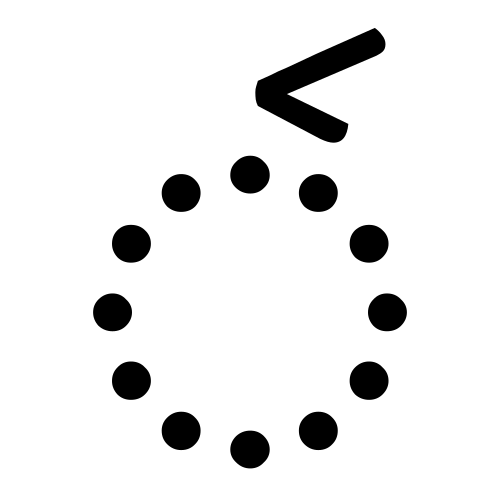
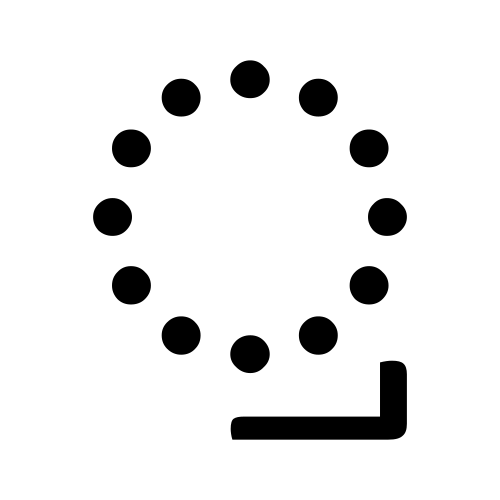
s is common in Indic scripts, Odia joins letters together to form conjunct consonant clusters. The most common conjunct formation is achieved by using a small subjoined form of trailing consonants. Most consonants' subjoined forms are identical to the full form, just reduced in size, although a few drop the curved headline or have a subjoined form not directly related to the full form of the consonant. The subjoined form of Ra is one of these mismatched forms, and is referred to as "Ra Phala". In addition, an initial Ra is indicated with a special form called "Repha". The Repha and Ra-Phala forms are the only way conjuncts with Ra are made.
Odia Repha
- ର୍ (r) + କ (ka) gives the ligature rka:
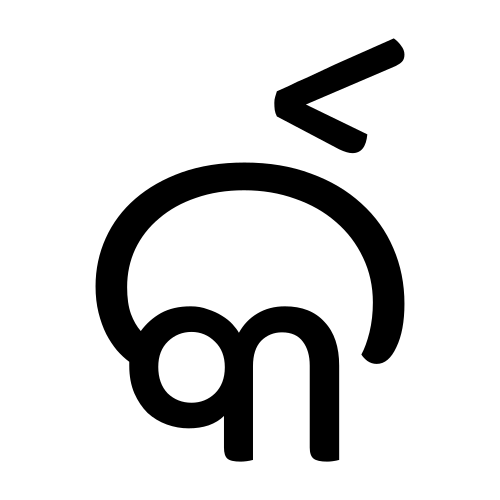
- ର୍ (r) + ଖ (kha) gives the ligature rkha:

- ର୍ (r) + ଗ (ga) gives the ligature rga:
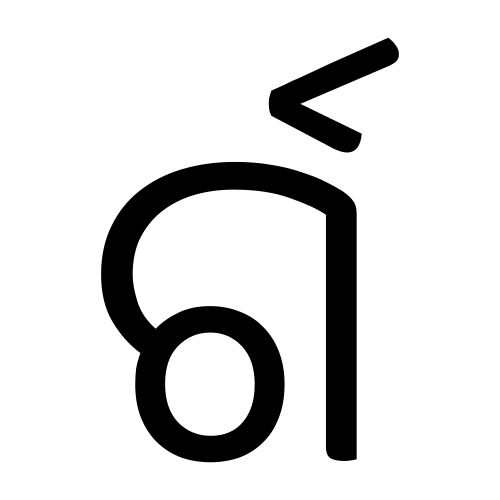
- ର୍ (r) + ଘ (ɡʱa) gives the ligature rɡʱa:
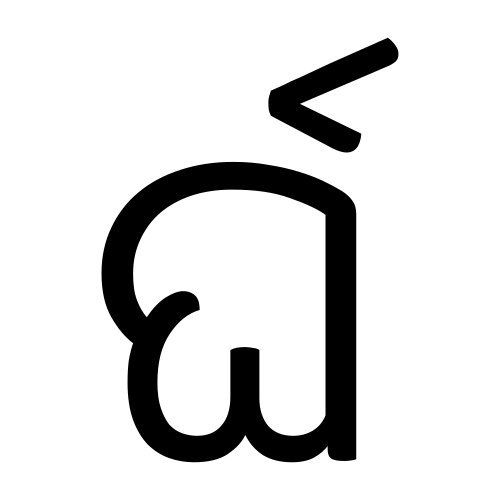
- ର୍ (r) + ଙ (ŋa) gives the ligature rŋa:
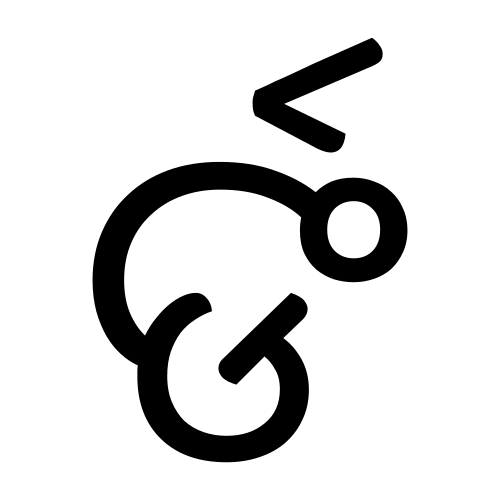
- ର୍ (r) + ର (ra) gives the ligature rra:
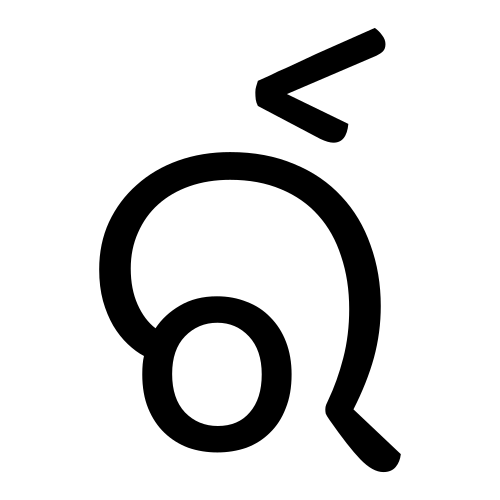
Odia Ra Phala
- କ୍ (k) + ର (ra) gives the ligature kra:
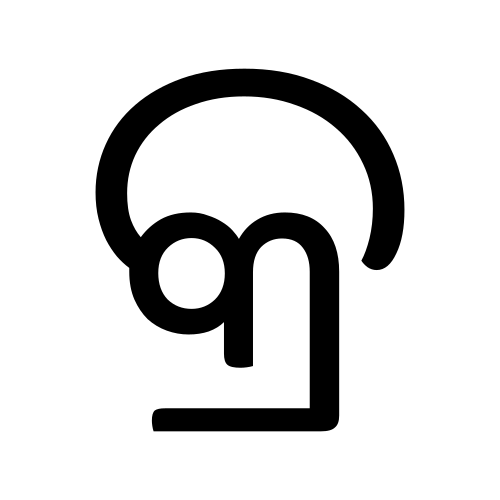
- ଖ୍ (kh) + ର (ra) gives the ligature khra:
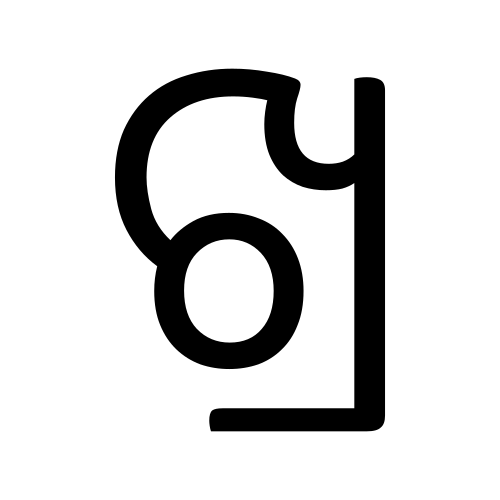
- ଗ୍ (g) + ର (ra) gives the ligature gra:
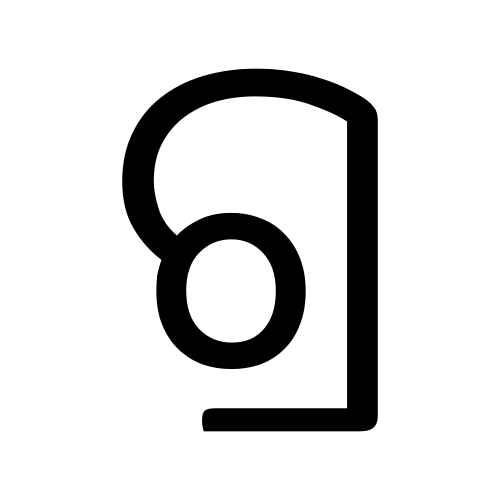
- ଘ୍ (ɡʱ) + ର (ra) gives the ligature ɡʱra:
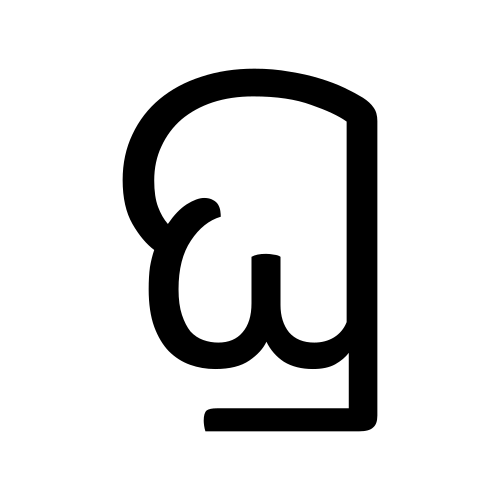
- ଙ୍ (ŋ) + ର (ra) gives the ligature ŋra:

- ଲ୍ (l) + ର (ra) gives the ligature lra:
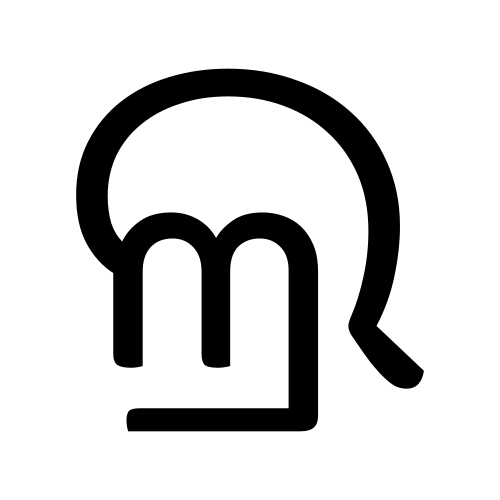
Tirhuta Ra
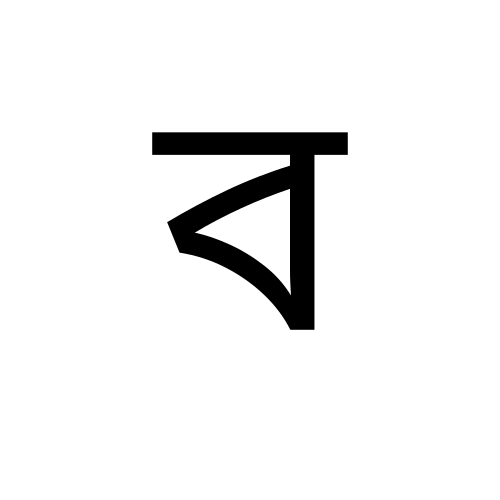
Ra (𑒩) is a consonant of the Tirhutaabugida. It ultimately arose from the Brahmi letter , via the Siddhaṃ letter Ra. Like in other Indic scripts, Tirhuta consonants have the inherent vowel "a", and take one of several modifying vowel signs to represent sylables with another vowel or no vowel at all.
| Ra | Rā | Ri | Rī | Ru | Rū | Rṛ | Rṝ | Rḷ | Rḹ | Rē | Re | Rai | Rō | Ro | Rau | R |
|---|---|---|---|---|---|---|---|---|---|---|---|---|---|---|---|---|
| 𑒩 | 𑒩𑒰 | 𑒩𑒱 | 𑒩𑒲 | 𑒩𑒳 | 𑒩𑒴 | 𑒩𑒵 | 𑒩𑒶 | 𑒩𑒷 | 𑒩𑒸 | 𑒩𑒹 | 𑒩𑒺 | 𑒩𑒻 | 𑒩𑒼 | 𑒩𑒽 | 𑒩𑒾 | 𑒩𑓂 |
Conjuncts of 𑒩
As is common in Indic scripts, Tirhuta joins letters together to form conjunct consonant clusters. Conjuncts of ra in almost all scripts are indicated with a repha or rakar mark attached to the adjacent consonant cluster.
- 𑒦୍ (bʰ) + 𑒩(ra) gives the ligature bʰra:

- 𑒕୍ (cʰ) + 𑒩(ra) gives the ligature cʰra:
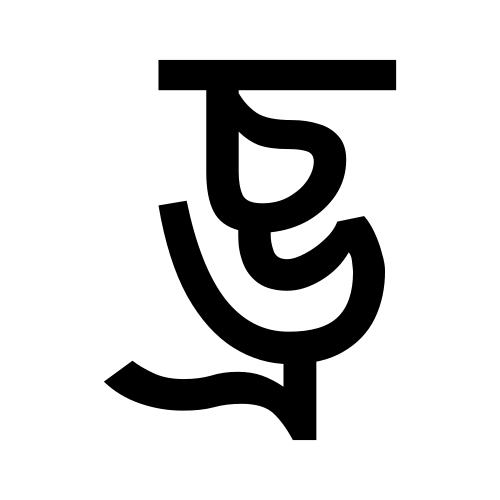
- 𑒔୍ (c) + 𑒩(ra) gives the ligature cra:

- 𑒜୍ (ḍʱ) + 𑒩(ra) gives the ligature ḍʱra:

- 𑒛୍ (ḍ) + 𑒩(ra) gives the ligature ḍra:
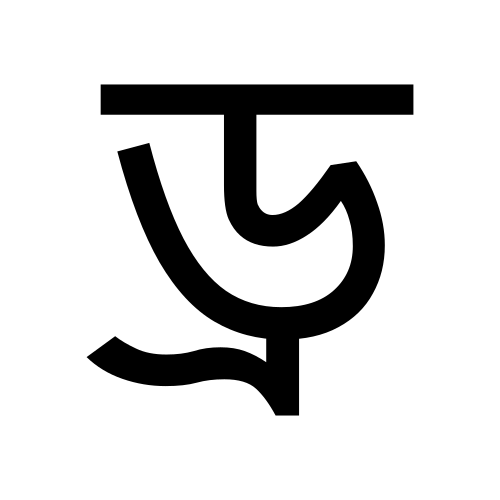
- 𑒡୍ (dʱ) + 𑒩(ra) gives the ligature dʱra:

- 𑒠୍ (d) + 𑒩(ra) gives the ligature dra:
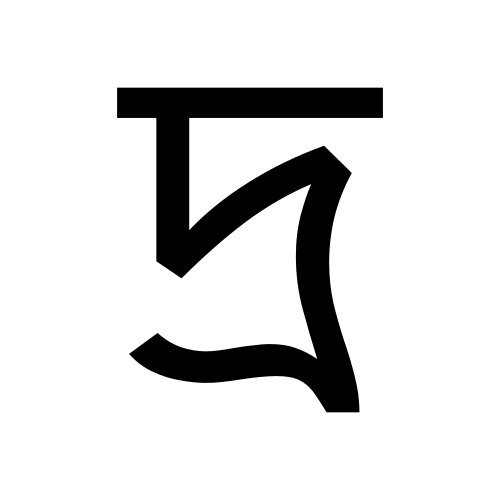
- 𑒒୍ (ɡʱ) + 𑒩(ra) gives the ligature ɡʱra:
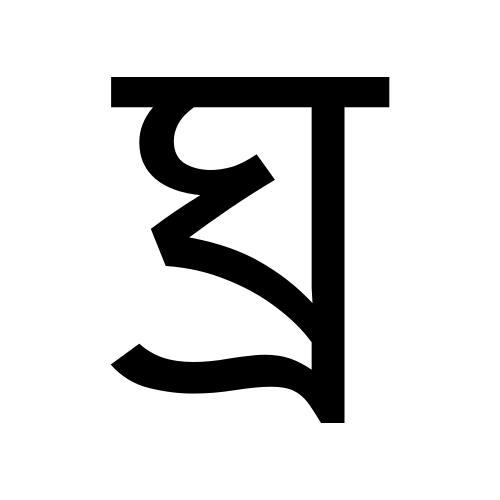
- 𑒑୍ (g) + 𑒩(ra) gives the ligature gra:

- 𑒯୍ (h) + 𑒩(ra) gives the ligature hra:

- 𑒗୍ (jʰ) + 𑒩(ra) gives the ligature jʰra:

- 𑒖୍ (j) + 𑒩(ra) gives the ligature jra:

- 𑒐୍ (kʰ) + 𑒩(ra) gives the ligature kʰra:

- 𑒏୍ (k) + 𑒩(ra) gives the ligature kra:
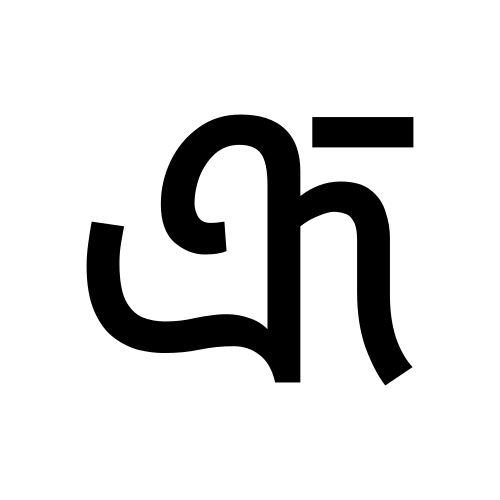
- 𑒪୍ (l) + 𑒩(ra) gives the ligature lra:

- 𑒧୍ (m) + 𑒩(ra) gives the ligature mra:
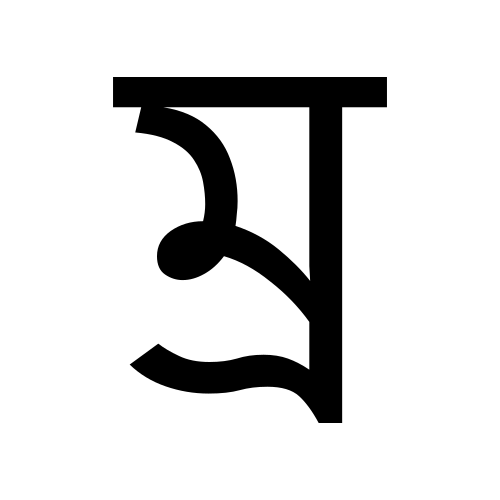
- 𑒓୍ (ŋ) + 𑒩(ra) gives the ligature ŋra:

- 𑒝୍ (ṇ) + 𑒩(ra) gives the ligature ṇra:

- 𑒢୍ (n) + 𑒩(ra) gives the ligature nra:

- 𑒘୍ (ñ) + 𑒩(ra) gives the ligature ñra:

- 𑒤୍ (pʰ) + 𑒩(ra) gives the ligature pʰra:
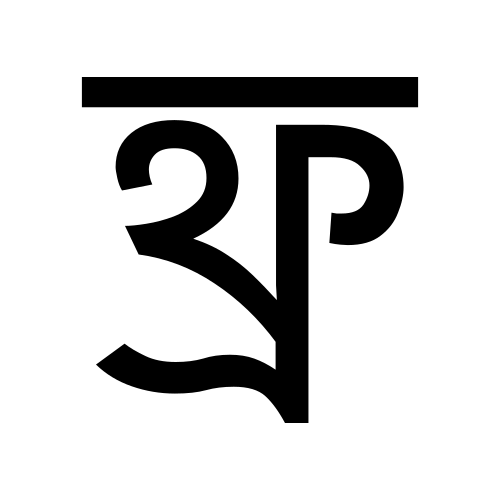
- 𑒣୍ (p) + 𑒩(ra) gives the ligature pra:
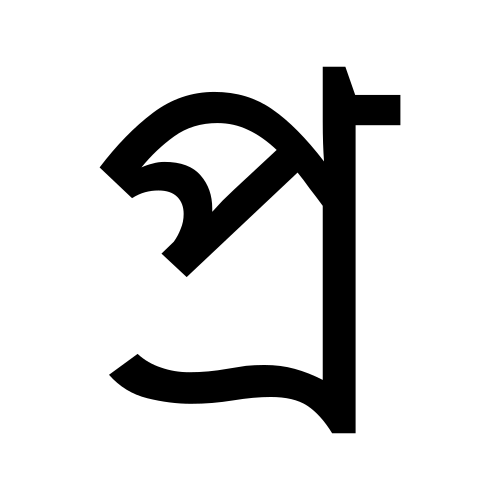
- 𑒩୍ (r) + 𑒥(ba) gives the ligature rba:
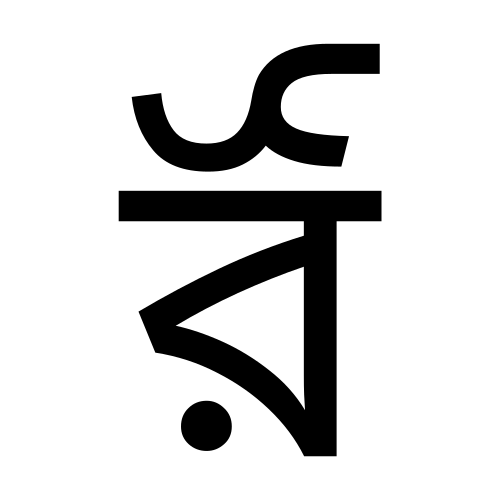
- 𑒩୍ (r) + 𑒦(bʰa) gives the ligature rbʰa:

- 𑒩୍ (r) + 𑒔(ca) gives the ligature rca:
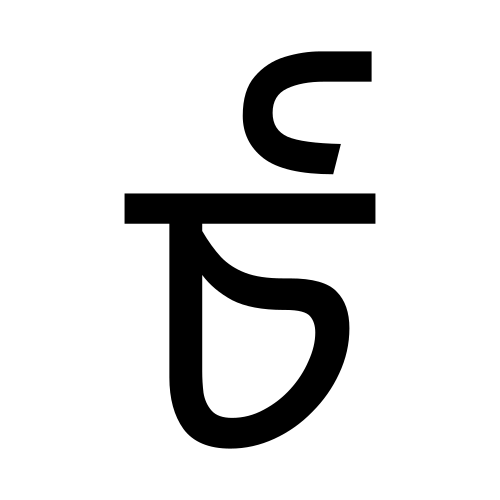
- 𑒩୍ (r) + 𑒕(cʰa) gives the ligature rcʰa:
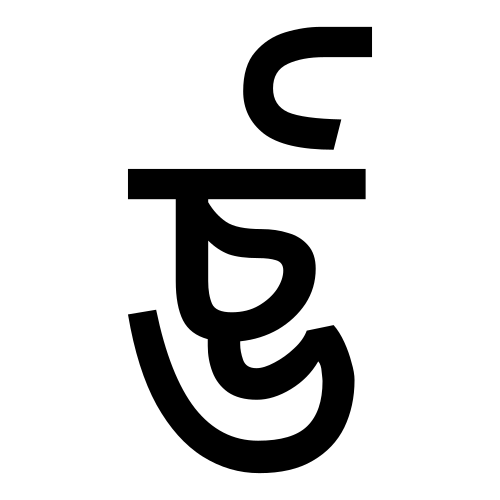
- 𑒩୍ (r) + 𑒠(da) gives the ligature rda:
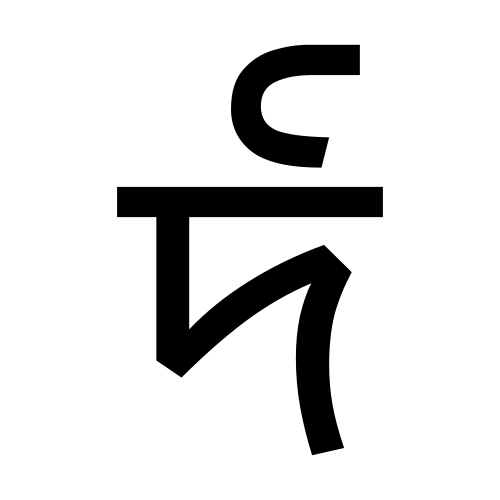
- 𑒩୍ (r) + 𑒛(ḍa) gives the ligature rḍa:

- 𑒩୍ (r) + 𑒡(dʱa) gives the ligature rdʱa:

- 𑒩୍ (r) + 𑒑(ga) gives the ligature rga:

- 𑒩୍ (r) + 𑒒(ɡʱa) gives the ligature rɡʱa:

- 𑒩୍ (r) + 𑒯(ha) gives the ligature rha:
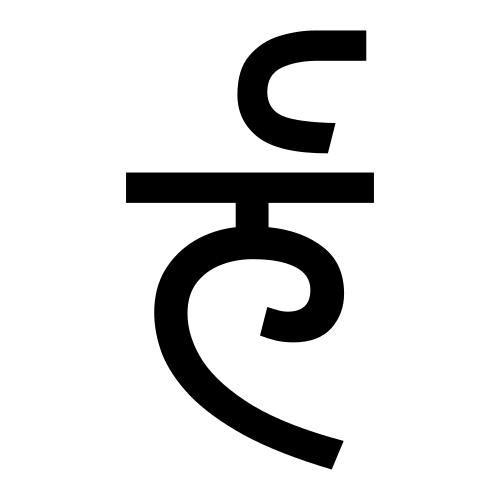
- 𑒩୍ (r) + 𑒖(ja) gives the ligature rja:

- 𑒩୍ (r) + 𑒗(jʰa) gives the ligature rjʰa:

- 𑒩୍ (r) + 𑒖୍ (j) + 𑒘(ña) gives the ligature rjña:

- 𑒩୍ (r) + 𑒏(ka) gives the ligature rka:

- 𑒩୍ (r) + 𑒐(kʰa) gives the ligature rkʰa:

- 𑒩୍ (r) + 𑒏୍ (k) + 𑒭(ṣa) gives the ligature rkṣa:

- 𑒩୍ (r) + 𑒪(la) gives the ligature rla:
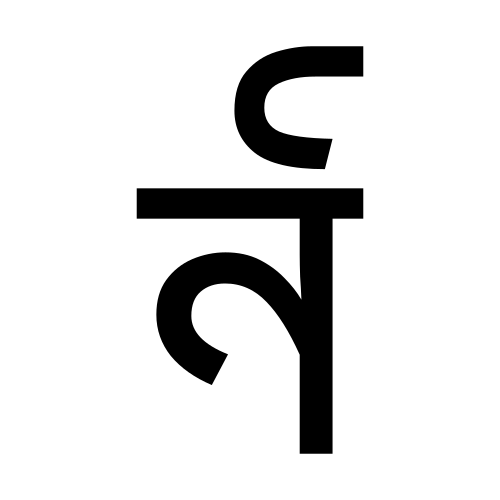
- 𑒩୍ (r) + 𑒧(ma) gives the ligature rma:

- 𑒩୍ (r) + 𑒢(na) gives the ligature rna:

- 𑒩୍ (r) + 𑒓(ŋa) gives the ligature rŋa:

- 𑒩୍ (r) + 𑒝(ṇa) gives the ligature rṇa:

- 𑒩୍ (r) + 𑒘(ña) gives the ligature rña:

- 𑒩୍ (r) + 𑒣(pa) gives the ligature rpa:
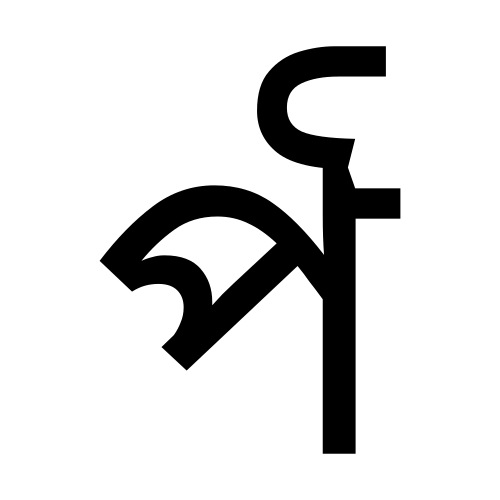
- 𑒩୍ (r) + 𑒤(pʰa) gives the ligature rpʰa:

- 𑒩୍ (r) + 𑒩(ra) gives the ligature rra:

- 𑒩୍ (r) + 𑒮(sa) gives the ligature rsa:

- 𑒩୍ (r) + 𑒬(ʃa) gives the ligature rʃa:

- 𑒩୍ (r) + 𑒭(ṣa) gives the ligature rṣa:

- 𑒩୍ (r) + 𑒞(ta) gives the ligature rta:
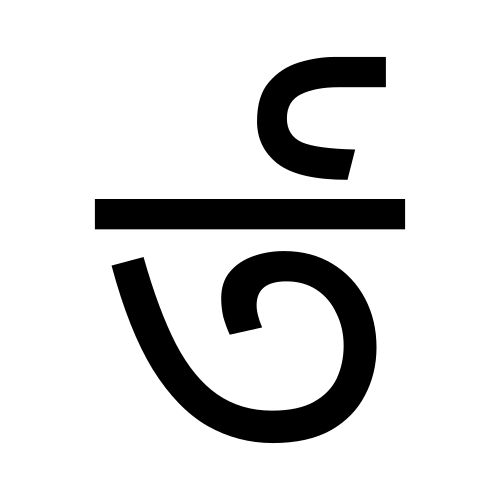
- 𑒩୍ (r) + 𑒟(tʰa) gives the ligature rtʰa:

- 𑒩୍ (r) + 𑒙(ṭa) gives the ligature rṭa:
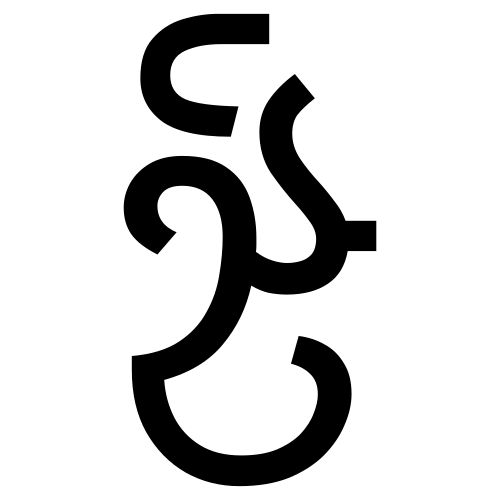
- 𑒩୍ (r) + 𑒚(ṭʰa) gives the ligature rṭʰa:

- 𑒩୍ (r) + 𑒫(va) gives the ligature rva:

- 𑒩୍ (r) + 𑒨(ya) gives the ligature rya:
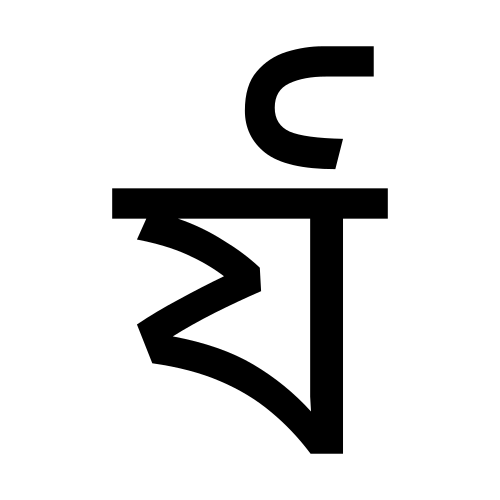
- 𑒬୍ (ʃ) + 𑒩(ra) gives the ligature ʃra:
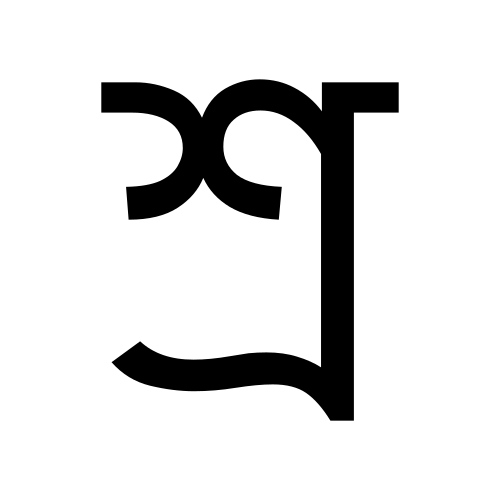
- 𑒮୍ (s) + 𑒩(ra) gives the ligature sra:

- 𑒭୍ (ṣ) + 𑒩(ra) gives the ligature ṣra:

- 𑒟୍ (tʰ) + 𑒩(ra) gives the ligature tʰra:

- 𑒞୍ (t) + 𑒩(ra) gives the ligature tra:

- 𑒚୍ (ṭʰ) + 𑒩(ra) gives the ligature ṭʰra:
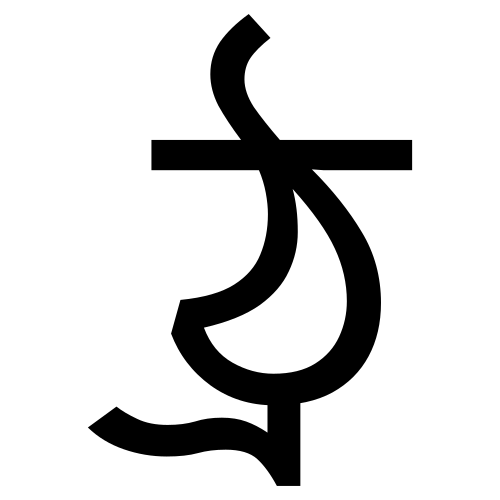
- 𑒙୍ (ṭ) + 𑒩(ra) gives the ligature ṭra:

- 𑒫୍ (v) + 𑒩(ra) gives the ligature vra:
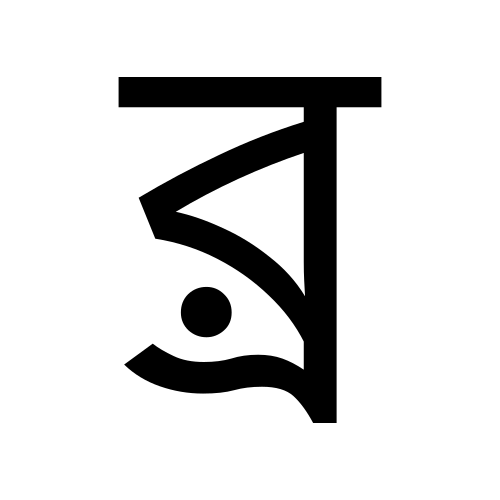
- 𑒨୍ (y) + 𑒩(ra) gives the ligature yra:
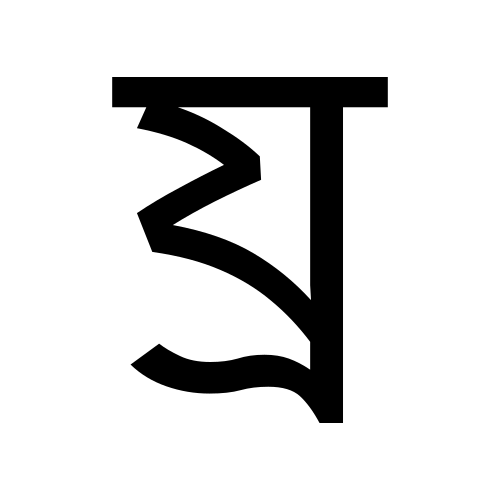
Unlike other conjuncts, the letter Ba 𑒥 does not add a rakar form when followed by Ra 𑒩:
- 𑒥୍ (b) + 𑒩(ra) has an explicit virama bra:

Ra 𑒩 is one of the few Tirhuta letters that forms true ligatures when attached to some vowel matras:
- 𑒩 (r) + 𑒳(u) gives the ligature ru:
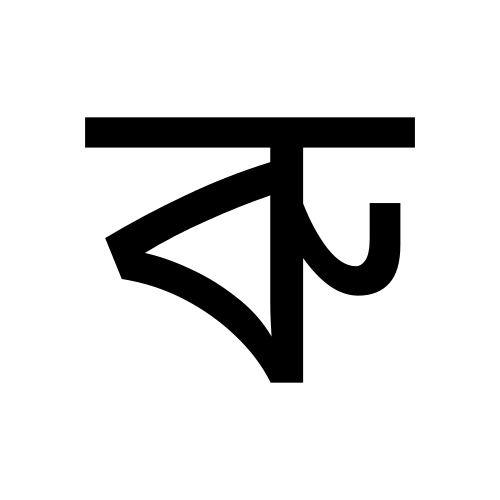
- 𑒩 (r) + 𑒴(ū) gives the ligature rū:

Kaithi Ra
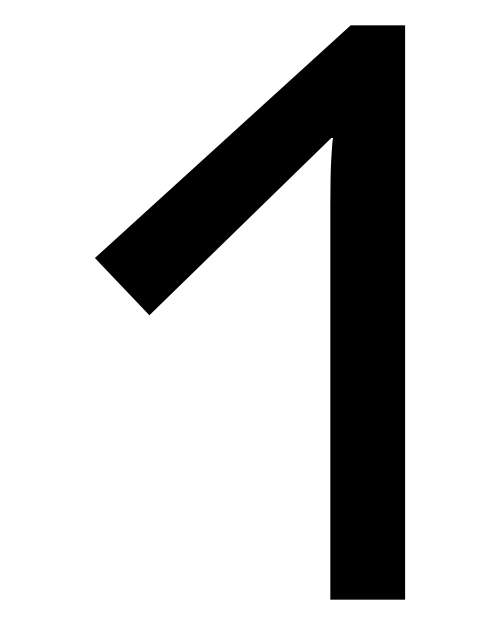
Ra (𑂩) is a consonant of the Kaithiabugida. It ultimately arose from the Brahmi letter , via the Siddhaṃ letter Ra. Like in other Indic scripts, Kaithi consonants have the inherent vowel "a", and take one of several modifying vowel signs to represent syllables with another vowel or no vowel at all.
| Ra | Rā | Ri | Rī | Ru | Rū | Re | Rai | Ro | Rau | R |
|---|---|---|---|---|---|---|---|---|---|---|
| 𑂩 | 𑂩𑂰 | 𑂩𑂱 | 𑂩𑂲 | 𑂩𑂳 | 𑂩𑂴 | 𑂩𑂵 | 𑂩𑂶 | 𑂩𑂷 | 𑂩𑂸 | 𑂩𑂹𑂩𑂹 |
Conjuncts of 𑂩
As is common in Indic scripts, Kaithi joins letters together to form conjunct consonant clusters. As is common in most Indic scripts, conjuncts of ra are indicated with a repha or rakar mark attached to the rest of the consonant cluster.
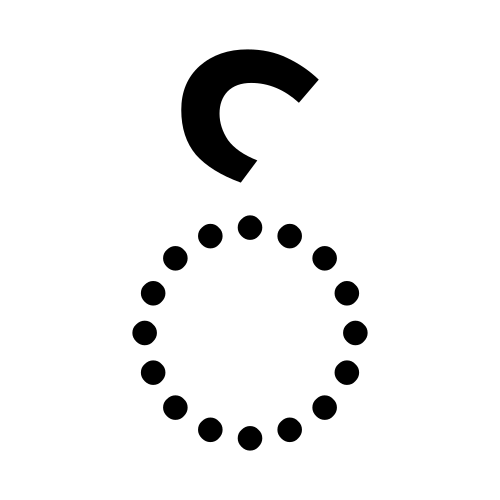
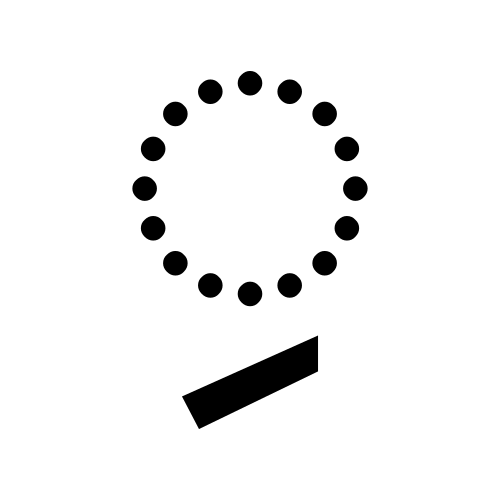
Repha
Kaithi repha takes the form of a crescent attached to the top of a following consonant or consonant cluster.
- 𑂩୍ (r) + 𑂍 (ka) gives the ligature rka:
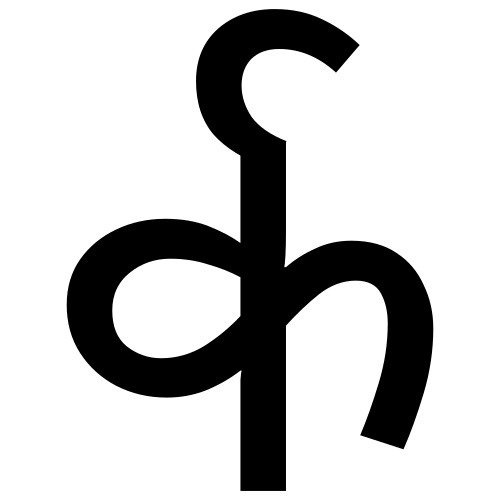
Rakar
Kaithi rakar take the form of a diagonal stroke attached near the bottom of the vertical stem of the preceding consonant or consonant cluster.
- 𑂍୍ (k) + 𑂩 (ra) gives the ligature kra:
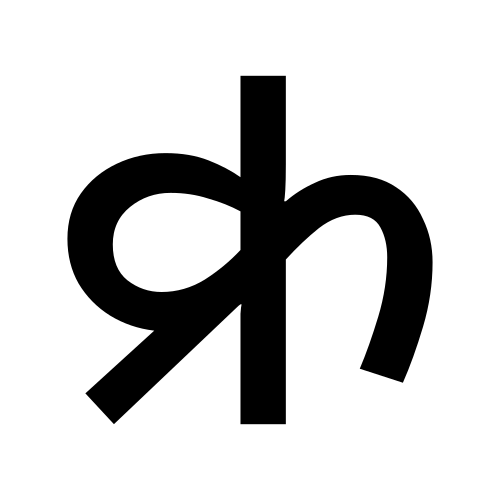
Comparison of Ra
The various Indic scripts are generally related to each other through adaptation and borrowing, and as such the glyphs for cognate letters, including Ra, are related as well.
| Comparison of Ra in different scripts |
|---|
Notes
|

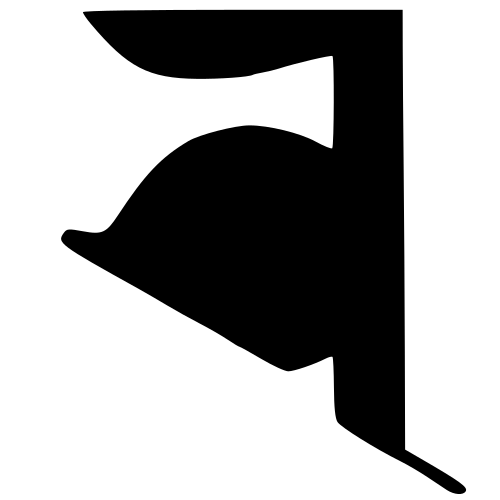

Character encodings of Ra
Most Indic scripts are encoded in the Unicode Standard, and as such the letter Ra in those scripts can be represented in plain text with unique codepoint. Ra from several modern-use scripts can also be found in legacy encodings, such as ISCII.
| Preview | | 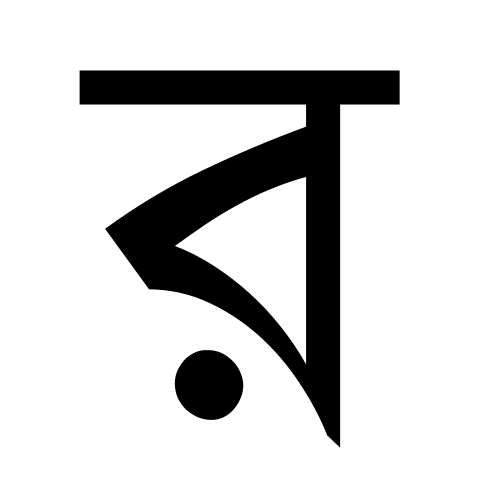 |  | ర | ର | ರ | ര | ર | ਰ | |||||||||
|---|---|---|---|---|---|---|---|---|---|---|---|---|---|---|---|---|---|---|
| Unicode name | DEVANAGARI LETTER RA | BENGALI LETTER RA | TAMIL LETTER RA | TELUGU LETTER RA | ORIYA LETTER RA | KANNADA LETTER RA | MALAYALAM LETTER RA | GUJARATI LETTER RA | GURMUKHI LETTER RA | |||||||||
| Encodings | decimal | hex | dec | hex | dec | hex | dec | hex | dec | hex | dec | hex | dec | hex | dec | hex | dec | hex |
| Unicode | 2352 | U+0930 | 2480 | U+09B0 | 2992 | U+0BB0 | 3120 | U+0C30 | 2864 | U+0B30 | 3248 | U+0CB0 | 3376 | U+0D30 | 2736 | U+0AB0 | 2608 | U+0A30 |
| UTF-8 | 224 164 176 | E0 A4 B0 | 224 166 176 | E0 A6 B0 | 224 174 176 | E0 AE B0 | 224 176 176 | E0 B0 B0 | 224 172 176 | E0 AC B0 | 224 178 176 | E0 B2 B0 | 224 180 176 | E0 B4 B0 | 224 170 176 | E0 AA B0 | 224 168 176 | E0 A8 B0 |
| Numeric character reference | र | र | র | র | ர | ர | ర | ర | ର | ର | ರ | ರ | ര | ര | ર | ર | ਰ | ਰ |
| ISCII | 207 | CF | 207 | CF | 207 | CF | 207 | CF | 207 | CF | 207 | CF | 207 | CF | 207 | CF | 207 | CF |
| Preview | Ashoka Kushana Gupta | 𐨪 | | 𑌰 | ||||
|---|---|---|---|---|---|---|---|---|
| Unicode name | BRAHMI LETTER RA | KHAROSHTHI LETTER RA | SIDDHAM LETTER RA | GRANTHA LETTER RA | ||||
| Encodings | decimal | hex | dec | hex | dec | hex | dec | hex |
| Unicode | 69677 | U+1102D | 68138 | U+10A2A | 71080 | U+115A8 | 70448 | U+11330 |
| UTF-8 | 240 145 128 173 | F0 91 80 AD | 240 144 168 170 | F0 90 A8 AA | 240 145 150 168 | F0 91 96 A8 | 240 145 140 176 | F0 91 8C B0 |
| UTF-16 | 55300 56365 | D804 DC2D | 55298 56874 | D802 DE2A | 55301 56744 | D805 DDA8 | 55300 57136 | D804 DF30 |
| Numeric character reference | 𑀭 | 𑀭 | 𐨪 | 𐨪 | 𑖨 | 𑖨 | 𑌰 | 𑌰 |
| Preview | 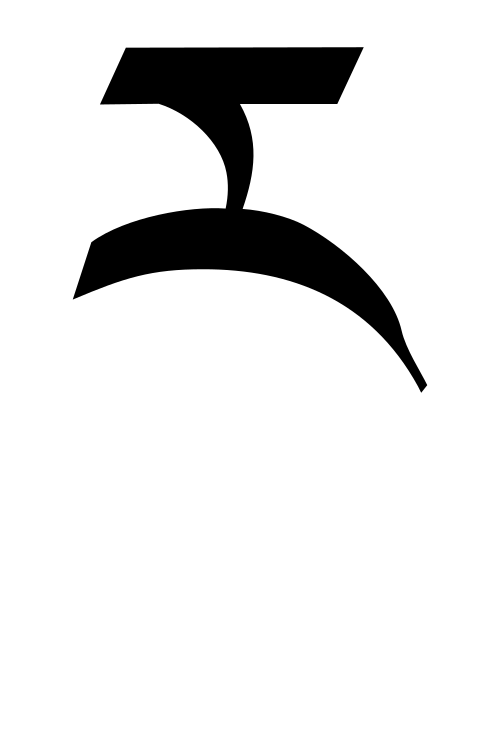 | ྲ | ꡘ | 𑨫 | 𑐬 | 𑰨 | 𑆫 | |||||||
|---|---|---|---|---|---|---|---|---|---|---|---|---|---|---|
| Unicode name | TIBETAN LETTER RA | TIBETAN SUBJOINED LETTER RA | PHAGS-PA LETTER RA | ZANABAZAR SQUARE LETTER RA | NEWA LETTER RA | BHAIKSUKI LETTER RA | SHARADA LETTER RA | |||||||
| Encodings | decimal | hex | dec | hex | dec | hex | dec | hex | dec | hex | dec | hex | dec | hex |
| Unicode | 3938 | U+0F62 | 4018 | U+0FB2 | 43096 | U+A858 | 72235 | U+11A2B | 70700 | U+1142C | 72744 | U+11C28 | 70059 | U+111AB |
| UTF-8 | 224 189 162 | E0 BD A2 | 224 190 178 | E0 BE B2 | 234 161 152 | EA A1 98 | 240 145 168 171 | F0 91 A8 AB | 240 145 144 172 | F0 91 90 AC | 240 145 176 168 | F0 91 B0 A8 | 240 145 134 171 | F0 91 86 AB |
| UTF-16 | 3938 | 0F62 | 4018 | 0FB2 | 43096 | A858 | 55302 56875 | D806 DE2B | 55301 56364 | D805 DC2C | 55303 56360 | D807 DC28 | 55300 56747 | D804 DDAB |
| Numeric character reference | ར | ར | ྲ | ྲ | ꡘ | ꡘ | 𑨫 | 𑨫 | 𑐬 | 𑐬 | 𑰨 | 𑰨 | 𑆫 | 𑆫 |
| Preview | ရ | ᦣ | ||
|---|---|---|---|---|
| Unicode name | MYANMAR LETTER RA | NEW TAI LUE LETTER LOW HA | ||
| Encodings | decimal | hex | dec | hex |
| Unicode | 4123 | U+101B | 6563 | U+19A3 |
| UTF-8 | 225 128 155 | E1 80 9B | 225 166 163 | E1 A6 A3 |
| Numeric character reference | ရ | ရ | ᦣ | ᦣ |
- See further below for Tai Tham codepoints.
| Preview | រ | ຣ | ຮ | ร | ꪦ | ꪧ | ||||||
|---|---|---|---|---|---|---|---|---|---|---|---|---|
| Unicode name | KHMER LETTER RO | LAO LETTER LO LING | LAO LETTER HO TAM | THAI CHARACTER RO RUA | TAI VIET LETTER LOW RO | TAI VIET LETTER HIGH RO | ||||||
| Encodings | decimal | hex | dec | hex | dec | hex | dec | hex | dec | hex | dec | hex |
| Unicode | 6042 | U+179A | 3747 | U+0EA3 | 3758 | U+0EAE | 3619 | U+0E23 | 43686 | U+AAA6 | 43687 | U+AAA7 |
| UTF-8 | 225 158 154 | E1 9E 9A | 224 186 163 | E0 BA A3 | 224 186 174 | E0 BA AE | 224 184 163 | E0 B8 A3 | 234 170 166 | EA AA A6 | 234 170 167 | EA AA A7 |
| Numeric character reference | រ | រ | ຣ | ຣ | ຮ | ຮ | ร | ร | ꪦ | ꪦ | ꪧ | ꪧ |
| Preview | ර | ꤚ | 𑄢 | 𑜍 | 𑤧 | ꢬ | ꨣ | |||||||
|---|---|---|---|---|---|---|---|---|---|---|---|---|---|---|
| Unicode name | SINHALA LETTER RAYANNA | KAYAH LI LETTER RA | CHAKMA LETTER RAA | AHOM LETTER RA | DIVES AKURU LETTER RA | SAURASHTRA LETTER RA | CHAM LETTER RA | |||||||
| Encodings | decimal | hex | dec | hex | dec | hex | dec | hex | dec | hex | dec | hex | dec | hex |
| Unicode | 3515 | U+0DBB | 43290 | U+A91A | 69922 | U+11122 | 71437 | U+1170D | 71975 | U+11927 | 43180 | U+A8AC | 43555 | U+AA23 |
| UTF-8 | 224 182 187 | E0 B6 BB | 234 164 154 | EA A4 9A | 240 145 132 162 | F0 91 84 A2 | 240 145 156 141 | F0 91 9C 8D | 240 145 164 167 | F0 91 A4 A7 | 234 162 172 | EA A2 AC | 234 168 163 | EA A8 A3 |
| UTF-16 | 3515 | 0DBB | 43290 | A91A | 55300 56610 | D804 DD22 | 55301 57101 | D805 DF0D | 55302 56615 | D806 DD27 | 43180 | A8AC | 43555 | AA23 |
| Numeric character reference | ර | ර | ꤚ | ꤚ | 𑄢 | 𑄢 | 𑜍 | 𑜍 | 𑤧 | 𑤧 | ꢬ | ꢬ | ꨣ | ꨣ |
| Preview | 𑘨 | 𑧈 | 𑩼 | ꠞ | 𑶈 | | ||||||
|---|---|---|---|---|---|---|---|---|---|---|---|---|
| Unicode name | MODI LETTER RA | NANDINAGARI LETTER RA | SOYOMBO LETTER RA | SYLOTI NAGRI LETTER RO | GUNJALA GONDI LETTER RA | KAITHI LETTER RA | ||||||
| Encodings | decimal | hex | dec | hex | dec | hex | dec | hex | dec | hex | dec | hex |
| Unicode | 71208 | U+11628 | 72136 | U+119C8 | 72316 | U+11A7C | 43038 | U+A81E | 73096 | U+11D88 | 69801 | U+110A9 |
| UTF-8 | 240 145 152 168 | F0 91 98 A8 | 240 145 167 136 | F0 91 A7 88 | 240 145 169 188 | F0 91 A9 BC | 234 160 158 | EA A0 9E | 240 145 182 136 | F0 91 B6 88 | 240 145 130 169 | F0 91 82 A9 |
| UTF-16 | 55301 56872 | D805 DE28 | 55302 56776 | D806 DDC8 | 55302 56956 | D806 DE7C | 43038 | A81E | 55303 56712 | D807 DD88 | 55300 56489 | D804 DCA9 |
| Numeric character reference | 𑘨 | 𑘨 | 𑧈 | 𑧈 | 𑩼 | 𑩼 | ꠞ | ꠞ | 𑶈 | 𑶈 | 𑂩 | 𑂩 |
| Preview | 𑒩 | ᰛ | ᤖ | ꯔ | 𑲊 | |||||
|---|---|---|---|---|---|---|---|---|---|---|
| Unicode name | TIRHUTA LETTER RA | LEPCHA LETTER RA | LIMBU LETTER RA | MEETEI MAYEK LETTER RAI | MARCHEN LETTER RA | |||||
| Encodings | decimal | hex | dec | hex | dec | hex | dec | hex | dec | hex |
| Unicode | 70825 | U+114A9 | 7195 | U+1C1B | 6422 | U+1916 | 43988 | U+ABD4 | 72842 | U+11C8A |
| UTF-8 | 240 145 146 169 | F0 91 92 A9 | 225 176 155 | E1 B0 9B | 225 164 150 | E1 A4 96 | 234 175 148 | EA AF 94 | 240 145 178 138 | F0 91 B2 8A |
| UTF-16 | 55301 56489 | D805 DCA9 | 7195 | 1C1B | 6422 | 1916 | 43988 | ABD4 | 55303 56458 | D807 DC8A |
| Numeric character reference | 𑒩 | 𑒩 | ᰛ | ᰛ | ᤖ | ᤖ | ꯔ | ꯔ | 𑲊 | 𑲊 |
| Preview | 𑚤 | 𑠤 | 𑈦 | 𑋙 | 𑅭 | 𑊢 | ||||||
|---|---|---|---|---|---|---|---|---|---|---|---|---|
| Unicode name | TAKRI LETTER RA | DOGRA LETTER RA | KHOJKI LETTER RA | KHUDAWADI LETTER RA | MAHAJANI LETTER RA | MULTANI LETTER RA | ||||||
| Encodings | decimal | hex | dec | hex | dec | hex | dec | hex | dec | hex | dec | hex |
| Unicode | 71332 | U+116A4 | 71716 | U+11824 | 70182 | U+11226 | 70361 | U+112D9 | 69997 | U+1116D | 70306 | U+112A2 |
| UTF-8 | 240 145 154 164 | F0 91 9A A4 | 240 145 160 164 | F0 91 A0 A4 | 240 145 136 166 | F0 91 88 A6 | 240 145 139 153 | F0 91 8B 99 | 240 145 133 173 | F0 91 85 AD | 240 145 138 162 | F0 91 8A A2 |
| UTF-16 | 55301 56996 | D805 DEA4 | 55302 56356 | D806 DC24 | 55300 56870 | D804 DE26 | 55300 57049 | D804 DED9 | 55300 56685 | D804 DD6D | 55300 56994 | D804 DEA2 |
| Numeric character reference | 𑚤 | 𑚤 | 𑠤 | 𑠤 | 𑈦 | 𑈦 | 𑋙 | 𑋙 | 𑅭 | 𑅭 | 𑊢 | 𑊢 |
| Preview | ᬭ | ᯒ | ᨑ | ꦫ | 𑻭 | ꤽ | ᮛ | |||||||
|---|---|---|---|---|---|---|---|---|---|---|---|---|---|---|
| Unicode name | BALINESE LETTER RA | BATAK LETTER RA | BUGINESE LETTER RA | JAVANESE LETTER RA | MAKASAR LETTER RA | REJANG LETTER RA | SUNDANESE LETTER RA | |||||||
| Encodings | decimal | hex | dec | hex | dec | hex | dec | hex | dec | hex | dec | hex | dec | hex |
| Unicode | 6957 | U+1B2D | 7122 | U+1BD2 | 6673 | U+1A11 | 43435 | U+A9AB | 73453 | U+11EED | 43325 | U+A93D | 7067 | U+1B9B |
| UTF-8 | 225 172 173 | E1 AC AD | 225 175 146 | E1 AF 92 | 225 168 145 | E1 A8 91 | 234 166 171 | EA A6 AB | 240 145 187 173 | F0 91 BB AD | 234 164 189 | EA A4 BD | 225 174 155 | E1 AE 9B |
| UTF-16 | 6957 | 1B2D | 7122 | 1BD2 | 6673 | 1A11 | 43435 | A9AB | 55303 57069 | D807 DEED | 43325 | A93D | 7067 | 1B9B |
| Numeric character reference | ᬭ | ᬭ | ᯒ | ᯒ | ᨑ | ᨑ | ꦫ | ꦫ | 𑻭 | 𑻭 | ꤽ | ꤽ | ᮛ | ᮛ |
| Preview | ᝍ | ᜭ | 𑴦 | |||
|---|---|---|---|---|---|---|
| Unicode name | BUHID LETTER RA | HANUNOO LETTER RA | MASARAM GONDI LETTER RA | |||
| Encodings | decimal | hex | dec | hex | dec | hex |
| Unicode | 5965 | U+174D | 5933 | U+172D | 72998 | U+11D26 |
| UTF-8 | 225 157 141 | E1 9D 8D | 225 156 173 | E1 9C AD | 240 145 180 166 | F0 91 B4 A6 |
| UTF-16 | 5965 | 174D | 5933 | 172D | 55303 56614 | D807 DD26 |
| Numeric character reference | ᝍ | ᝍ | ᜭ | ᜭ | 𑴦 | 𑴦 |
| Preview | ᕂ | ᕆ | ᕈ | ᕋ | ᕐ | |||||
|---|---|---|---|---|---|---|---|---|---|---|
| Unicode name | CANADIAN SYLLABICS RE | CANADIAN SYLLABICS RI | CANADIAN SYLLABICS RO | CANADIAN SYLLABICS RA | CANADIAN SYLLABICS R | |||||
| Encodings | decimal | hex | dec | hex | dec | hex | dec | hex | dec | hex |
| Unicode | 5442 | U+1542 | 5446 | U+1546 | 5448 | U+1548 | 5451 | U+154B | 5456 | U+1550 |
| UTF-8 | 225 149 130 | E1 95 82 | 225 149 134 | E1 95 86 | 225 149 136 | E1 95 88 | 225 149 139 | E1 95 8B | 225 149 144 | E1 95 90 |
| Numeric character reference | ᕂ | ᕂ | ᕆ | ᕆ | ᕈ | ᕈ | ᕋ | ᕋ | ᕐ | ᕐ |
- The full range of RE Canadian syllabic characters can be found at the codepoint ranges 1542-1550, 1622-1627, 18CE-18D3, 18B0-18B3, 18DC-18DD.
| Preview | ᩁ | ᩕ | ᩺ | |||
|---|---|---|---|---|---|---|
| Unicode name | TAI THAM LETTER RA | TAI THAM CONSONANT SIGN MEDIAL RA | TAI THAM SIGN RA HAAM | |||
| Encodings | decimal | hex | dec | hex | dec | hex |
| Unicode | 6721 | U+1A41 | 6741 | U+1A55 | 6778 | U+1A7A |
| UTF-8 | 225 169 129 | E1 A9 81 | 225 169 149 | E1 A9 95 | 225 169 186 | E1 A9 BA |
| Numeric character reference | ᩁ | ᩁ | ᩕ | ᩕ | ᩺ | ᩺ |
References
- ↑Ifrah, Georges (2000). The Universal History of Numbers. From Prehistory to the Invention of the Computer. New York: John Wiley & Sons. pp. 447–450. ISBN 0-471-39340-1.
- 12Bühler, Georg (1898). "On the Origin of the Indian Brahmi Alphabet". archive.org. Karl J. Trübner. Retrieved 10 June 2020.
- ↑Evolutionary chart, Journal of the Asiatic Society of Bengal Vol 7, 1838
- ↑Pall, Peeter. "Microsoft Word - kblhi2"(PDF). Eesti Keele Instituudi kohanimeandmed. Eesti Keele Instituudi kohanimeandmed. Retrieved 19 June 2020.
- ↑ "الأبجدية البنغالية" (ملف PDF) . مؤرشف من الأصل (ملف PDF) بتاريخ 28-09-2013.
- ↑ أندرو دالبي (2004:139) قاموس اللغات
- ↑ بعض الجوانب العامة لتهجئة المقاطع الصوتية ، كريس هارفي 2003
- الحروف الهندية