
التصويت البرلماني على خروج بريطانيا من الاتحاد الأوروبي
كانت التصويتات البرلمانية على خروج بريطانيا من الاتحاد الأوروبي ، والتي يشار إليها أحيانًا باسم " التصويتات الحاسمة "، هي التصويتات البرلمانية بموجب أحكام المادة 13 من قانون انسحاب المملكة المتحدة من الاتحاد الأوروبي لعام 2018 ، والذي يلزم حكومة المملكة المتحدة بتقديم اقتراح برلماني قابل للتعديل في نهاية مفاوضات المادة 50 بين الحكومة والاتحاد الأوروبي من أجل التصديق على اتفاقية انسحاب بريطانيا من الاتحاد الأوروبي . [ 1 ] [ 2 ]
أثارت صياغة البند [ ملاحظة 1 ] معارضة شديدة من مجلس العموم ومجلس اللوردات ، حيث اقترح مجلس اللوردات تعديلًا على مشروع القانون يمنح البرلمان صلاحيات إضافية. وعندما عاد مشروع القانون إلى مجلس العموم، قدمت الحكومة المحافظة تنازلات، ورُفض التعديل المقترح من مجلس اللوردات. ثم أُقرّ مشروع القانون ليصبح قانونًا نافذًا في 26 يونيو 2018. [ 3 ]
بحلول نهاية مارس 2019، لم تكن الحكومة قد فازت بأي من الأصوات الحاسمة. وقد أدى ذلك إلى سلسلة من " التصويتات الاستشارية " غير الملزمة بشأن الخيارات المحتملة للخروج من الاتحاد الأوروبي، وتأجيل موعد المغادرة إلى ما بعد الانتخابات العامة لعام 2019 .
تاريخ

خلفية
عقب قرار المملكة المتحدة بالانسحاب من الاتحاد الأوروبي ، نتيجةً لاستفتاء استشاري أُجري في 23 يونيو 2016 ، استندت الحكومة البريطانية إلى المادة 50 من معاهدة الاتحاد الأوروبي . وبناءً على ذلك، كان من المقرر أن تغادر المملكة المتحدة الاتحاد الأوروبي في تمام الساعة 11 مساءً بتوقيت غرينتش يوم 29 مارس 2019. [ 4 ]
رفعت جينا ميلر ، سيدة الأعمال البريطانية، دعوى قضائية ضد الحكومة للطعن في سلطتها في تفعيل المادة 50 دون الرجوع إلى البرلمان. وفي 3 نوفمبر/تشرين الثاني 2016، أصدرت المحكمة العليا حكمًا لصالح ميلر في القضية (ميلر ضد وزير الدولة لشؤون الخروج من الاتحاد الأوروبي) . [ 5 ] [ 6 ]

في يناير/كانون الثاني 2017، أعلنت رئيسة الوزراء المحافظة تيريزا ماي : "أؤكد اليوم أن الحكومة ستطرح الاتفاق النهائي المبرم بين المملكة المتحدة والاتحاد الأوروبي للتصويت في مجلسي البرلمان، قبل دخوله حيز التنفيذ". [ 7 ] [ 8 ] ونتيجة لذلك، في 13 يوليو/تموز 2017، قدم ديفيد ديفيس ، وزير الدولة لشؤون الخروج من الاتحاد الأوروبي ، مشروع القانون إلى مجلس العموم، متضمنًا البيان التالي في البند 9:
- 9- تنفيذ اتفاقية الانسحاب
وباعتباره مشروع قانون حكومي، كانت هذه القراءة الأولى شكلية ، حيث جرت المناقشة الأولى في القراءة الثانية . [ 10 ]
في 18 أبريل 2017، أعلنت تيريزا ماي عن انتخابات عامة مبكرة في 8 يونيو 2017، [ 11 ] بهدف تعزيز موقفها في مفاوضات خروج بريطانيا من الاتحاد الأوروبي . [ 12 ] وقد أسفر ذلك عن برلمان معلق ، حيث انخفض عدد مقاعد حزب المحافظين من 330 إلى 317 مقعدًا، على الرغم من فوز الحزب بأعلى نسبة تصويت له منذ عام 1983 ، مما دفعها إلى إبرام اتفاقية دعم وثقة مع الحزب الوحدوي الديمقراطي (DUP) لدعم حكومة أقلية .
في يوليو/تموز 2017، صرّح ديفيد جونز ، وزير الدولة لشؤون الخروج من الاتحاد الأوروبي ، أمام مجلس العموم بأنه يتوقع أن يُجرى التصويت البرلماني على اتفاقية بريكست مع الاتحاد الأوروبي "قبل أن يناقش البرلمان الأوروبي الاتفاقية النهائية ويصوّت عليها". وعندما طُلب منه توضيح ما سيحدث إذا قرر أعضاء البرلمان ومجلس اللوردات عدم الموافقة على الاتفاقية، قال جونز: "سيكون التصويت إما بالموافقة على الاتفاقية، أو عدم وجود اتفاقية". [ 13 ] وفي اجتماع للجنة المختارة المعنية بالخروج من الاتحاد الأوروبي في أكتوبر/تشرين الأول، سألت النائبة العمالية سيما مالهوترا ديفيد: "هل يمكن أن يُجرى تصويت برلماننا، برلمان المملكة المتحدة، بعد مارس/آذار 2019؟"، [ ملاحظة 2 ] فأجاب ديفيد: "نعم، من الممكن". [ 14 ] وقد أثار هذا التصريح انتقادات من نواب المعارضة العمالية وبعض نواب حزب المحافظين. [ 15 ] [ 16 ]
تعديل البند 9
في ديسمبر/كانون الأول 2017، تزايدت الضغوط على الحكومة لتعديل البند 9 بحيث يُمنح البرلمان موافقة على الشروط النهائية لاتفاقية الانسحاب بين المملكة المتحدة والاتحاد الأوروبي قبل 29 مارس/آذار 2019، وهو التاريخ المحدد لخروج المملكة المتحدة من الاتحاد الأوروبي. نصح النائب المحافظ دومينيك غريف الحكومة بتعديل البند بنفسها وإلا سيقدم تعديله الخاص على مشروع القانون. [ 17 ] وقدّم غريف بالفعل تعديله على مشروع القانون (التعديل 7) الذي يشترط أن يتم سنّ أي اتفاقية خروج بريطانيا من الاتحاد الأوروبي بموجب قانون، بدلاً من تنفيذها بأمر حكومي. [ 18 ]
ثم تم تقديم البند 9 إلى المجلس على النحو التالي (إضافات غريف، التعديل 7، بالخط المائل):
- 9- تنفيذ اتفاقية الانسحاب
- (1) يجوز لوزير التاج بموجب اللوائح أن يضع مثل هذا الحكم الذي يراه الوزير مناسبًا لأغراض تنفيذ اتفاقية الانسحاب إذا رأى الوزير أن هذا الحكم يجب أن يكون ساري المفعول في يوم الخروج أو قبله، رهناً بسنّ البرلمان قانونًا مسبقًا يوافق على الشروط النهائية لانسحاب المملكة المتحدة من الاتحاد الأوروبي.
- (2) يجوز للوائح الصادرة بموجب هذا القسم أن تتضمن أي حكم يمكن أن يصدر بموجب قانون صادر عن البرلمان (بما في ذلك تعديل هذا القانون).
- (3) لكن لا يجوز أن تتضمن اللوائح الصادرة بموجب هذا القسم ما يلي:
- (أ) فرض الضرائب أو زيادتها،
- (ب) وضع أحكام بأثر رجعي،
- (ج) إنشاء جريمة جنائية ذات صلة، أو
- (د) تعديل أو إلغاء أو إبطال قانون حقوق الإنسان لعام 1998 أو أي تشريع فرعي صادر بموجبه.
- (4) لا يجوز إصدار أي لوائح بموجب هذا القسم بعد يوم الخروج. [ 19 ]
في عطلة نهاية الأسبوع التي سبقت تصويت مجلس العموم على التعديل، وقّع قادة المجموعة البرلمانية المشتركة المعنية بالعلاقات مع الاتحاد الأوروبي بيانًا جاء فيه: "لقد قدّم أعضاء جميع الأحزاب بالفعل تدقيقًا قيّمًا لمشروع قانون الانسحاب من الاتحاد الأوروبي، وأجبرنا الحكومة على تقديم بعض التنازلات. لكن لن يكون لذلك أي تأثير يُذكر ما لم نتمكن من إجراء تصويت حقيقي وفعّال على اتفاقية الانسحاب التي تتفاوض عليها الحكومة مع الاتحاد الأوروبي." [ 20 ] [ 21 ]
في صباح يوم 13 ديسمبر 2017، أصدر ديفيس بيانًا مكتوبًا قال فيه: "في المملكة المتحدة، التزمت الحكومة بإجراء تصويت على الاتفاق النهائي في البرلمان في أقرب وقت ممكن بعد انتهاء المفاوضات. وسيتخذ هذا التصويت شكل قرار في مجلسي البرلمان، وسيشمل اتفاقية الانسحاب وشروط علاقتنا المستقبلية." [ 22 ]
في وقت لاحق من ذلك اليوم، وخلال جلسة استجواب رئيسة الوزراء ، طلبت النائبة المحافظة آنا سوبري من ماي قبول تعديل غريف، قائلةً: "تقول رئيسة الوزراء إنها تريد تصويتًا ذا مغزى على خروج بريطانيا من الاتحاد الأوروبي قبل مغادرتنا الاتحاد. حتى في هذه اللحظة الأخيرة، هل ستتفضل بقبول تعديل زميلي المحترم [غريف] رقم 7، انطلاقًا من روح الوحدة للجميع هنا وفي البلاد؟" [ 24 ] رفضت ماي الفكرة، قائلةً: "لقد كنا واضحين تمامًا بأننا لن نبدأ العمل بأي صكوك تشريعية حتى يتم إجراء ذلك التصويت ذي المغزى، ولكن بصيغته الحالية [مسودة غريف]، ينص التعديل على أنه لا ينبغي لنا وضع أي من تلك الترتيبات والصكوك التشريعية موضع التنفيذ حتى يتم إقرار اتفاقية الانسحاب وقانون التنفيذ. قد يحدث ذلك في مرحلة متأخرة جدًا من الإجراءات، مما قد يعني أننا لن نتمكن من تحقيق الخروج المنظم والسلس من الاتحاد الأوروبي الذي نرغب فيه." [ 25 ]
في ذلك المساء، أُقرّ تعديل غريف بأغلبية 309 أصوات مقابل 305 أصوات، أي بفارق 4 أصوات فقط، [ 18 ] [ 26 ] مما مثّل هزيمة للحكومة. [ 27 ] [ 28 ] صوّت 12 نائبًا محافظًا ضد الحكومة: غريف، وسوبيري، وهايدي ألين ، وكينيث كلارك ، وجوناثان دجانوجلي ، وستيفن هاموند ، وأوليفر هيلد ، ونيكي مورغان ، وبوب نيل ، وأنتونيت ساندباخ ، وجون ستيفنسون ، وسارة وولاستون . [ 26 ] قبل ذلك بشهر، نُشرت صور جميع النواب باستثناء ستيفنسون، إلى جانب زملائهم المحافظين فيكي فورد ، وجيريمي ليفروي ، وبول ماسترتون، وتوم توغندهات، على الصفحة الأولى من صحيفة ديلي تلغراف، ووُصفوا بـ"متمردي البريكست". [ 29 ]
مرحلة تقديم التقارير في مجلس اللوردات

في مرحلة إعداد تقرير مجلس اللوردات في أبريل 2018، قدم الفيكونت هايلشام [ 30 ] بندًا جديدًا على النحو التالي:
- قبل البند 9، أدرج البند الجديد التالي—
- موافقة البرلمان على نتائج المفاوضات مع الاتحاد الأوروبي
- (1) دون الإخلال بأي حكم قانوني آخر يتعلق باتفاقية الانسحاب، لا يجوز لحكومة صاحبة الجلالة إبرام مثل هذه الاتفاقية إلا إذا تم إعداد مسودة لها.
- (أ) تمت الموافقة عليها بقرار من مجلس العموم، و
- (ب) رهناً بالنظر في اقتراح في مجلس اللوردات.
- (2) بقدر الإمكان، يجب على وزير التاج أن يتخذ الترتيبات اللازمة لمناقشة القرار المنصوص عليه في الفقرة الفرعية (1) (أ) والتصويت عليه قبل أن يناقش البرلمان الأوروبي ويصوت على مشروع اتفاقية الانسحاب.
- (3) لا يجوز لحكومة صاحبة الجلالة تنفيذ اتفاقية الانسحاب إلا إذا وافق البرلمان على اتفاقية الانسحاب وأي تدابير انتقالية متفق عليها في إطارها أو بجانبها بموجب قانون صادر عن البرلمان.
- (4) ينطبق البند الفرعي (5) في كل حالة يتم فيها استيفاء أي من الشروط الواردة في البنود الفرعية (6) إلى (8).
- (5) يجب على حكومة صاحبة الجلالة اتباع أي توجيه يتعلق بالمفاوضات بموجب المادة 50(2) من معاهدة الاتحاد الأوروبي التي تم إصدارها—
- (أ) تمت الموافقة عليها بقرار من مجلس العموم، و
- (ب) رهناً بالنظر في اقتراح في مجلس اللوردات.
- (6) الشرط الوارد في هذا البند الفرعي هو ألا يكون مجلس العموم قد وافق على القرار المطلوب بموجب البند الفرعي (1)(أ) بحلول 30 نوفمبر 2018.
- (7) الشرط الوارد في هذا البند الفرعي هو أن قانون البرلمان المطلوب بموجب البند الفرعي (3) لم يحصل على الموافقة الملكية بحلول 31 يناير 2019.
- (8) الشرط الوارد في هذا البند الفرعي هو عدم التوصل إلى اتفاق انسحاب بين المملكة المتحدة والاتحاد الأوروبي بحلول 28 فبراير 2019.
- (9) في هذا القسم، تعني "اتفاقية الانسحاب" اتفاقية (سواء تم التصديق عليها أم لا) بين المملكة المتحدة والاتحاد الأوروبي بموجب المادة 50 (2) من معاهدة الاتحاد الأوروبي والتي تحدد ترتيبات انسحاب المملكة المتحدة من الاتحاد الأوروبي وإطار علاقة المملكة المتحدة المستقبلية مع الاتحاد الأوروبي. [ 31 ]
- (1) دون الإخلال بأي حكم قانوني آخر يتعلق باتفاقية الانسحاب، لا يجوز لحكومة صاحبة الجلالة إبرام مثل هذه الاتفاقية إلا إذا تم إعداد مسودة لها.
أقرّ مجلس اللوردات التعديل الذي يتضمن البند الجديد بأغلبية 335 صوتًا مقابل 244، أي بفارق 91 صوتًا، ما مثّل هزيمة أخرى للحكومة. [ 32 ] [ 33 ] وكانت الصياغة الجديدة ستمنح أعضاء البرلمان سلطة منع المملكة المتحدة من مغادرة الاتحاد الأوروبي دون اتفاق، أو إجبار تيريزا ماي على العودة إلى المفاوضات. [ 34 ]
نظر مجلس العموم في تعديل مجلس اللوردات
رفضت الحكومة اقتراح مجلس اللوردات الذي كان سيمنح مجلس العموم سلطة تحديد الخطوات التالية للحكومة في حال رفض البرلمان اتفاقية الانسحاب. [ 35 ]

حثّ النائب العمالي كير ستارمر نواب حزب المحافظين المؤيدين لبقاء بريطانيا في الاتحاد الأوروبي على التصويت مع حزب العمال لصالح تعديل مجلس اللوردات عند عودة مشروع القانون إلى مجلس العموم، [ 36 ] [ 37 ] واقترح رئيس الوزراء العمالي السابق غوردون براون إمكانية استبدال ماي برئيس وزراء جديد من حزب المحافظين في حال خسارتها التصويت. [ 38 ] وحثت آمبر رود، العضو البارز في حزب المحافظين والمؤيدة للبقاء في الاتحاد الأوروبي، نواب حزبها على دعم الحكومة في التصويت. [ 36 ]
ثم جرت عملية تبادل الأدوار البرلمانية بين 12 و20 يونيو 2018. [ 39 ] [ 40 ]
تعديل بديل من دومينيك غريف
في الليلة التي سبقت إعادة عرض مشروع القانون على مجلس العموم، في 11 يونيو 2018، قدّم دومينيك غريف تعديلاً بديلاً في اللحظات الأخيرة. كان من شأن تعديل مجلس اللوردات منع سيناريو "عدم التوصل إلى اتفاق"، وكان بإمكان أعضاء البرلمان واللوردات مطالبة ماي بالعودة إلى طاولة المفاوضات والتوصل إلى اتفاق أفضل، على سبيل المثال. كما تناول تعديل غريف سيناريو "عدم التوصل إلى اتفاق"، لكنه حدّد مواعيد لعودة ماي إلى البرلمان وتوضيح نوايا الحكومة في حال عدم التوصل إلى اتفاق، والحصول على موافقة البرلمان على تلك الخطط. [ 41 ]
تعديل غريف:
- (5أ) في غضون سبعة أيام من تقديم بيان بموجب البند الفرعي (4)، يجب على وزير التاج أن يتقدم باقتراح في مجلس العموم للحصول على موافقة الحكومة على نهجها.
- (5ب) في حالة عدم التوصل إلى اتفاق سياسي بشأن اتفاقية الانسحاب بحلول نهاية 30 نوفمبر 2018، يجب على وزير التاج أن يقدم اقتراحًا في مجلس العموم يوضح كيف تعتزم الحكومة المضي قدمًا ويطلب موافقة المجلس على هذا المسار.
- (5ج) إذا لم يتم التوصل إلى اتفاق سياسي بشأن اتفاقية الانسحاب بحلول نهاية 15 فبراير 2019، يتعين على الحكومة عرض الأمر على مجلسي البرلمان في غضون خمسة أيام، وعليها اتباع أي توجيه يتعلق بالمفاوضات بموجب المادة 50 (2) من معاهدة الاتحاد الأوروبي التي تم إصدارها.
رفض مجلس العموم تعديل غريف
في صباح يوم التصويت، الموافق 12 يونيو 2018، رفضت الحكومة التعديل البديل الذي قدمه غريف. وقد مهد هذا الرفض الطريق لخلافات خلال مناقشة مجلس العموم حول ما إذا كان ينبغي للبرلمان أن يكون له رأي في حال خروج المملكة المتحدة من الاتحاد الأوروبي دون اتفاق. [ 41 ] [ 43 ] وشهد ذلك الصباح أيضًا استقالة فيليب لي المفاجئة من منصبه كوزير دولة في حزب المحافظين، حيث قال: "إذا أردتُ في المستقبل أن أنظر في عيون أطفالي وأقول لهم بصدق إنني بذلت قصارى جهدي من أجلهم، فلا يمكنني، بضمير مرتاح، أن أؤيد الطريقة التي يبدو أن خروج بلادنا الحالي من الاتحاد الأوروبي سيُنفذ بها". [ 44 ]
مع استمرار النقاش، قدمت الحكومة تطمينات للمعارضين المحتملين من حزب المحافظين بأنها ستعالج مخاوفهم في تعديل جديد يُعرض على مجلس اللوردات للنظر فيه. ويُعتقد أن التنازل الذي قدمه الوزراء تضمن تقديم اقتراح برلماني جديد في حال رفض النواب وأعضاء مجلس اللوردات اتفاقية خروج بريطانيا من الاتحاد الأوروبي، [ 3 ] مما كان سيفتح الباب أمام النواب لتولي زمام المفاوضات إذا فشل الوزراء في التوصل إلى اتفاق في بروكسل. [ 45 ] وقد أسفر هذا التنازل عن فوز الحكومة بأغلبية 26 صوتًا، بواقع 324 صوتًا مقابل 298. [ 3 ] [ 46 ]
تداعيات رفض مجلس العموم لتعديل غريف
في برنامج "نيوزنايت " على قناة بي بي سي ، صرّح غريف بأن على ماي الوفاء بـ"التأكيدات" التي قدمتها بأن البرلمان سيحظى بدور أكبر في أي اتفاق نهائي بشأن خروج بريطانيا من الاتحاد الأوروبي. [ 47 ] [ 48 ] وقد تباينت آراء المحافظين حول ما تم الاتفاق عليه، حيث قالت النائبة آنا سوبري : "أكدت رئيسة الوزراء أمس أن البند (ج) من تعديل دومينيك غريف سيُناقش كجزء من التعديل الجديد الذي سيُطرح على مجلس اللوردات". [ 49 ] وكتب النائب ستيفن هاموند : "يجب أن يكون للبرلمان الحق في إبداء رأيه في حالة عدم التوصل إلى اتفاق، وقد أكدنا هذه النقطة بقوة للحكومة اليوم. وقد أقرت الحكومة بذلك، وأتوقع أن نرى تعديلاً جديداً يُغطي هذا الوضع قريباً". [ 50 ]
زعم متحدث باسم داونينج ستريت أن رئيس الوزراء وافق فقط على استمرار المناقشات، وأصدرت إدارة ديفيس لشؤون خروج بريطانيا من الاتحاد الأوروبي بيانًا جاء فيه: "لم نوافق، ولن نوافق، على أن يُقيّد مجلس العموم الحكومة في المفاوضات". [ 49 ] واتهم النائب المحافظ أندرو بريدجن مؤيدي البقاء في الاتحاد الأوروبي من حزب المحافظين، الذين يدعمون تعديل غريف لمشروع قانون خروج بريطانيا من الاتحاد الأوروبي، بمحاولة منع خروج المملكة المتحدة من الاتحاد الأوروبي بشكل كامل. [ 51 ]
في اليوم التالي للتصويت، وخلال جلسة استجواب رئيسة الوزراء في مجلس العموم ، قالت ماي: "لقد لاحظنا مخاوف بشأن دور البرلمان في عملية خروج بريطانيا من الاتحاد الأوروبي. ما اتفقنا عليه بالأمس هو أنه مع عودة مشروع القانون إلى مجلس اللوردات، سنجري مزيدًا من المناقشات مع زملائنا حول هذه المخاوف. هذا الصباح، اتفقت مع وزير شؤون خروج بريطانيا من الاتحاد الأوروبي على تقديم تعديل في مجلس اللوردات، وهناك عدد من الأمور التي ستوجه نهجنا في ذلك... وكما أوضح زميلي المحترم وزير شؤون خروج بريطانيا من الاتحاد الأوروبي في المجلس بالأمس، لا يمكن للبرلمان تقييد دور الحكومة في المفاوضات، ولكن يجب أن تكون الحكومة مسؤولة أمام البرلمان. الحكومة هي من تحدد السياسة، ونحن بحاجة إلى دعم برلماني لتنفيذ تلك السياسة." [ 52 ] وفي تعليق لها، قالت لورا كوينسبيرغ من بي بي سي : "يكمن الخطر في أن يبدو ذلك وكأنه ازدواجية في التعامل." [ 53 ]
التعديل المقترح من الحكومة
في مساء يوم 14 يونيو 2018، نشرت الحكومة تعديلها التوافقي:
- (5أ) يجب على وزير التاج اتخاذ الترتيبات اللازمة لـ
- (أ) اقتراح بصيغة محايدة، يفيد بأن مجلس العموم قد نظر في مسألة البيان المذكور في البند الفرعي (4)، يُقدم في ذلك المجلس من قبل وزير من وزراء التاج خلال فترة سبعة أيام انعقاد لمجلس العموم تبدأ من اليوم الذي يُقدم فيه البيان، و
- (ب) اقتراح لمجلس اللوردات لإحاطة علماً بالبيان الذي سيقدمه وزير من وزراء التاج في ذلك المجلس خلال فترة 7 أيام انعقاد مجلس اللوردات التي تبدأ من اليوم الذي يتم فيه تقديم البيان.
- (5أ) يجب على وزير التاج اتخاذ الترتيبات اللازمة لـ
- (5ب) ينطبق البند الفرعي (5ج) إذا أدلى رئيس الوزراء بتصريح قبل نهاية 21 يناير 2019 يفيد بأنه لا يمكن التوصل إلى اتفاق في المفاوضات بموجب المادة 50(2) من معاهدة الاتحاد الأوروبي بشأن جوهر –
- (أ) ترتيبات انسحاب المملكة المتحدة من الاتحاد الأوروبي، و
- (ب) إطار العلاقة المستقبلية بين الاتحاد الأوروبي والمملكة المتحدة بعد الانسحاب.
- (5ب) ينطبق البند الفرعي (5ج) إذا أدلى رئيس الوزراء بتصريح قبل نهاية 21 يناير 2019 يفيد بأنه لا يمكن التوصل إلى اتفاق في المفاوضات بموجب المادة 50(2) من معاهدة الاتحاد الأوروبي بشأن جوهر –
- (5ج) يجب على وزير التاج، في غضون فترة 14 يومًا تبدأ من اليوم الذي صدر فيه البيان المذكور في البند الفرعي (5ب) –
- (أ) تقديم بيان يوضح كيفية اقتراح حكومة صاحبة الجلالة المضي قدماً، و
- (ب) اتخاذ الترتيبات اللازمة لـ
- (أ) اقتراح بصيغة محايدة، يفيد بأن مجلس العموم قد نظر في البيان المذكور في الفقرة (أ)، يُقدم في ذلك المجلس من قبل وزير من وزراء التاج خلال فترة سبعة أيام انعقاد لمجلس العموم تبدأ من اليوم الذي يُقدم فيه البيان المذكور في الفقرة (أ)، و
- (ii) اقتراحٌ يُقدَّم إلى مجلس اللوردات لإحاطة علمٍ بالبيان المذكور في الفقرة (أ)، على أن يُقدَّم هذا الاقتراح في ذلك المجلس من قِبَل وزيرٍ من وزراء التاج خلال فترة سبعة أيام عملٍ لمجلس اللوردات تبدأ من اليوم الذي يُقدَّم فيه البيان المذكور في الفقرة (أ). [ 54 ]
- (5ج) يجب على وزير التاج، في غضون فترة 14 يومًا تبدأ من اليوم الذي صدر فيه البيان المذكور في البند الفرعي (5ب) –
اعتبارًا من 15 يونيو 2018 وبحسب التقارير، لا يزال نواب حزب المحافظين المتمردون غير راضين عن التعديل لأنه لا يسمح لمجلس العموم إلا بتقديم "اقتراح بعبارات محايدة" (5C)(b)(i). وكان غريف قد أراد في الأصل أن ينص التعديل على وجوب حصول الحكومة على موافقة البرلمان على مسار عملها، وأن يكون الوزراء مُوجَّهين من قِبَل النواب وأعضاء مجلس اللوردات. [ 55 ] [ 56 ]
إعادة طرح تعديل غريف

في مساء يوم 14 يونيو/حزيران 2018، أعاد الفيكونت هايلشام، الذي اقترح التعديل الأصلي في التصويت الحاسم، طرح تعديل غريف باسمه في مجلس اللوردات بكامله. [ 30 ] [ 57 ] وفي حديثه لبرنامج "سياسة الأحد" ، قبل عودة التعديل إلى مجلس اللوردات، قال غريف: "البديل هو أن نضطر جميعًا إلى التوقيع على بند عبودية الآن، ينص على: 'مهما فعلت الحكومة في يناير/كانون الثاني، ومهما كانت عواقبها كارثية على ناخبي وبلدي، فأنا أوقع بدمي الآن على أنني سأتبعها إلى الهاوية'، وهذا، أؤكد لكم، لست مستعدًا لفعله". وفي حديثه في البرنامج نفسه، ردّ النائب المحافظ روبرت باكلاند ، النائب العام ، قائلاً: "لو كنت مكان ميشيل بارنييه ، وكنتَ تُجري المفاوضات وتتطلع إلى المستقبل، لكان ذلك يمنحه ورقة رابحة، إذ يعلم أنه مهما كان ما تقوله له الحكومة البريطانية الآن، فإنه يعلم أن هناك طرفًا ثالثًا في هذه العلاقة، ألا وهو البرلمان، سيتدخل في النهاية ويتجاوز أي قرار تتخذه الحكومة البريطانية. وهذا ليس وضعًا جيدًا لديفيد ديفيس. يجب أن يكون ديفيد ديفيس قادرًا على التفاوض بحزم..." [ 58 ]
في 18 يونيو، أقر مجلس اللوردات تعديل اللورد هايلشام، مما شكل هزيمة للحكومة بأغلبية 354 صوتًا مقابل 235 صوتًا: أي بأغلبية 119 صوتًا. [ 59 ] [ 60 ]
عندما عاد مشروع القانون إلى مجلس العموم في 20 يونيو، قدمت الحكومة مزيدًا من التنازلات. وبفضل هذه التنازلات، فازت الحكومة بأغلبية 319 صوتًا مقابل 303، أي بفارق 16 صوتًا. [ 61 ] [ 62 ]
قال غريف لاحقاً: "لقد تمكنا من التوصل إلى حل وسط دون الإخلال بالحكومة - وأعتقد أن بعض الناس لا يدركون أننا كنا قريبين جداً من ذلك. أحترم تماماً وجهة نظر زملائي الذين يختلفون معي، ولكن إذا استطعنا التوصل إلى حل وسط، فيمكننا تحقيق المزيد." [ 62 ]
النص الكامل
النص الكامل النهائي للقسم 13 كما ورد في قانون الاتحاد الأوروبي (الانسحاب) لعام 2018 |
|---|
13- موافقة البرلمان على نتائج المفاوضات مع الاتحاد الأوروبي [ 63 ]
|
تعديل "الخطة ب"
في نهاية نوفمبر 2018، قدمت ماي مسودة الاتفاقية المتعلقة بالعلاقة المستقبلية مع أوروبا إلى مجلس العموم بعد اختتام مفاوضات استمرت 17 شهراً مع الاتحاد الأوروبي. [ 64 ] وبناءً على ذلك، تم تحديد موعد أول استخدام للتصويت ذي المغزى في 11 ديسمبر 2018. [ 65 ]
إذا صوّت البرلمان البريطاني ضد الصفقة، فسيتعين على الحكومة تقديم بديل، أو "خطة بديلة". [ 66 ] ونتيجة لذلك، قدّم غريف تعديلاً على اقتراح الأعمال يتناول الإجراءات المتبعة في حال رفض البرلمان للصفقة. [ 2 ] وينص التعديل (مع تغيير النص المائل): [ 67 ]
- (11) يجب على وزير التاج، خلال فترة خمسة أيام تبدأ من نهاية 21 يناير 2019—
- (أ) تقديم بيان يوضح كيفية اقتراح حكومة صاحبة الجلالة المضي قدماً، و
- (ب) اتخاذ الترتيبات اللازمة لـ
- (أ) اقتراح بصيغة محايدة، يفيد بأن مجلس العموم قد نظر في مسألة البيان المذكور في الفقرة (أ)، على أن يتقدم به وزير من وزراء التاج في ذلك المجلس خلال فترة خمسة أيام انعقاد لمجلس العموم تبدأ بنهاية 21 يناير 2019، و
- (ii) اقتراح لمجلس اللوردات لإحاطة علماً بالبيان المذكور في الفقرة (أ) ليتم تقديمه في ذلك المجلس من قبل وزير التاج في غضون فترة خمسة أيام من جلسات مجلس اللوردات تبدأ بنهاية 21 يناير 2019.
- لا تنطبق أحكام النظام الداخلي رقم 24ب (تعديلات على الاقتراحات للنظر في مسائل محددة) فيما يتعلق بأي اقتراح يقدمه وزير من وزراء التاج بموجب أي حكم من أحكام المادة 13 من قانون الاتحاد الأوروبي (الانسحاب) لعام 2018.
تنص المادة 24ب من النظام الداخلي على ما يلي: "إذا رأى رئيس المجلس أن اقتراحًا ما قد تم التعبير عنه بعبارات محايدة، فلا يجوز تقديم أي تعديلات عليه. [ 68 ] ويستثني تعديل غريف تطبيق هذه المادة من النظام الداخلي على أي اقتراح يُقدم بموجب قسم التصويت ذي المعنى في القانون، مما يجعل أي اقتراح يتعلق بعملية الانسحاب قابلاً للتعديل من قبل البرلمان. [ 2 ]
إن نجاح تعديل غريف (الذي تم تمريره بأغلبية 321 صوتاً مقابل 299) يعني أن بإمكان أعضاء البرلمان الآن تغيير هذا الاقتراح، [ 65 ] مما يمنحهم نفوذاً أكبر بكثير على خروج المملكة المتحدة من الاتحاد الأوروبي. [ 66 ]
تعديل "ثلاثة أيام"
تنص المادة 13 من قانون 2018 على ما يلي:
- (1) لا يجوز التصديق على اتفاقية الانسحاب إلا إذا—
في 4 ديسمبر 2018، قدمت الحكومة اقتراحًا تجاريًا لتحديد الجدول الزمني للتصويت ذي المغزى، كما هو مطلوب بموجب المادة 13 (1) (ب)، مع تحديد موعد التصويت في 11 ديسمبر 2018. [ 69 ]
اقتراح عمل يحدد الجدول الزمني لتنفيذ المادة 13 (1) (ب) من قانون الاتحاد الأوروبي (الانسحاب) لعام 2018 |
|---|
تسري الأحكام التالية. ترتيبات الجلوس
"اقتراح الانسحاب من الاتحاد الأوروبي" يعني اقتراحًا باسم وزير من وزراء التاج بموجب المادة 13 (1) (ب) من قانون الاتحاد الأوروبي (الانسحاب) لعام 2018؛ و"اليوم المخصص" يعني اليوم الذي يكون فيه أول عمل حكومي هو اقتراح الانسحاب من الاتحاد الأوروبي.
القرارات المتعلقة بأي تعديلات
عام
|
في 9 يناير 2019، قامت الحكومة بمراجعة الجدول الزمني في ضوء إلغاء التصويت الذي كان مقرراً في 11 ديسمبر 2018. [ 70 ]
اقتراح عمل منقح يحدد الجدول الزمني لتنفيذ المادة 13(1)(ب) من قانون الاتحاد الأوروبي (الانسحاب) لعام 2018، التغييرات المكتوبة بخط مائل |
|---|
تسري الأحكام التالية. ترتيبات الجلوس
"اقتراح الانسحاب من الاتحاد الأوروبي" يعني اقتراحًا باسم وزير من وزراء التاج بموجب المادة 13 (1) (ب) من قانون الاتحاد الأوروبي (الانسحاب) لعام 2018؛ و"اليوم المخصص" يعني اليوم الذي يكون فيه أول عمل حكومي هو اقتراح الانسحاب من الاتحاد الأوروبي.
القرارات المتعلقة بأي تعديلات
عام
|
نجح غريف في إجراء تعديل آخر على الجدول الزمني المنقح (التغيير المكتوب بخط مائل): [ 71 ]
- (7) في اليوم الأخير المخصص، يطرح رئيس البرلمان الأسئلة اللازمة للفصل في إجراءات اقتراح الانسحاب من الاتحاد الأوروبي في تمام الساعة السابعة مساءً؛ وتشمل هذه الأسئلة الأسئلة المتعلقة بأي تعديلات يختارها رئيس البرلمان وفقًا لأحكام الفقرة 6 من هذا الأمر، والتي يجوز طرحها حينها. في حال رفض الاقتراح المقدم بموجب المادة 13(1)(ب) أو تعديله بحيث يُرفض، يقدم وزير من وزراء الحكومة، خلال ثلاثة أيام عمل، اقتراحًا بموجب المادة 13، يتناول فيه إجراءات الخروج من الاتحاد الأوروبي بموجب المادة 50.
هذا يعني أنه عندما خسرت الحكومة التصويت المهم المؤجل في 15 يناير 2019، كان أمامها ثلاثة أيام عمل (حتى 21 يناير 2019) لتقديم "خطة ب" الخاصة بها. [ 72 ]
التصويتات خلال الدورة البرلمانية السابعة والخمسين للمملكة المتحدة (2017-2019)
أول "تصويت ذي مغزى" (15 يناير 2019)

جرى التصويت الحاسم في مجلس العموم بتاريخ 15 يناير 2019. [ 73 ] وكان من المقرر أصلاً إجراء التصويت في 11 ديسمبر 2018، ولكن في 10 ديسمبر، أجّلته ماي بعد أن اتضح أن اتفاقية خروج بريطانيا من الاتحاد الأوروبي التي قدمتها الحكومة ستُرفض. [ 74 ] [ 75 ]
في ظل غياب أي تغييرات جوهرية في مواقف الأحزاب السياسية، وكما كان متوقعًا، مُنيت الحكومة بالهزيمة في انتخابات 15 يناير/كانون الثاني بنتيجة 432 صوتًا مقابل 202. وكانت هذه الهزيمة، التي بلغت 230 صوتًا، الأسوأ لأي حكومة في تاريخ البرلمان الحديث. [ 76 ] أيد الاتفاق 196 نائبًا من حزب المحافظين ، و3 نواب من حزب العمال، و3 نواب مستقلين . في المقابل، عارض الاتفاق 118 نائبًا من حزب المحافظين، و248 نائبًا من حزب العمال، وجميع نواب الحزب الوطني الاسكتلندي البالغ عددهم 35 نائبًا، وجميع نواب الحزب الليبرالي الديمقراطي البالغ عددهم 11 نائبًا، وجميع نواب الحزب الديمقراطي الوحدوي البالغ عددهم 10 نواب، وجميع نواب حزب ويلز البالغ عددهم 4 نواب، والنائب الوحيد من حزب الخضر ، و5 نواب مستقلين. [ 77 ]
كان النواب الثلاثة من حزب العمال الذين صوتوا لصالح الاتفاق هم إيان أوستن ، وكيفن بارون ، وجون مان . أما النواب المستقلون الثلاثة الذين صوتوا لصالح الاتفاق فهم: الليدي هيرمون (المنتخبة كمستقلة)، وفرانك فيلد (المنتخب عن حزب العمال)، وستيفن لويد (المنتخب عن الحزب الليبرالي الديمقراطي). في حين كان النواب المستقلون الخمسة الذين صوتوا ضد الاتفاق هم: جون وودكوك ، وجاريد أومارا ، وكيلفن هوبكنز ، وإيفان لويس ، وفيونا أوناسانيا ، وجميعهم كانوا منتخبين عن حزب العمال. [ 77 ]
امتنع عن التصويت نائب واحد من حزب العمال ( بول فلين ، غائب بسبب مرض طويل الأمد)، [ 78 ] وجميع نواب حزب شين فين السبعة ، الذين يتبعون سياسة الامتناع عن التصويت ، وثمانية آخرون: رئيس البرلمان جون بيركو ، ونائبتا الرئيس إليانور لاينغ (من حزب المحافظين)، وليندسي هويل (من حزب العمال)، وروزي وينترتون (من حزب العمال)؛ علاوة على ذلك، لم تُؤخذ أصوات المُحصين في الاعتبار (للموافقين: ويندي مورتون وإيان ستيوارت ، وكلاهما من حزب المحافظين، وللرافضين: فيكي فوكسكروفت ونيك سميث ، وكلاهما من حزب العمال). [ 79 ] [ 80 ]
نعم (202)
- المحافظ (196)
- نايجل آدامز ، سيلبي وأينستي
- بيم أفولامي ، هيتشين وهاربيندين
- بيتر ألدوس ، وافيني
- ستيوارت أندرو ، بودسي
- إدوارد أرغار ، تشارنوود
- فيكتوريا أتكينز ، لاوث وهورنكاسل
- كيمي بادينوش ، سافرون والدن
- هارييت بالدوين ، غرب ورسيسترشاير
- ستيف باركلي ، شمال شرق كامبريدجشير
- هنري بيلينجهام ، شمال غرب نورفولك
- ريتشارد بينيون ، نيوبري
- بول بيريسفورد ، مول فالي
- جيك بيري ، روسينديل وداروين
- نيك بولز ، غرانثام وستامفورد
- بيتر بوتوملي ، وورثينغ ويست
- أندرو بوي ، غرب أبردينشاير وكينكاردين
- كارين برادلي ، ستافوردشاير مورلاندز
- جاك بريرتون ، ستوك أون ترينت الجنوبية
- ستيف براين ، وينشستر
- جيمس بروكنشاير ، أولد بيكسلي وسيدكب
- روبرت باكلاند ، جنوب سويندون
- أليكس بورغارت ، برينتوود وأونغار
- أليستير بيرت ، شمال شرق بيدفوردشير
- ألون كيرنز ، وادي جلامورجان
- جيمس كارتليدج ، جنوب سوفولك
- أليكس تشالك ، تشيلتنهام
- جو تشرشل ، بوري سانت إدموندز
- كولين كلارك ، جوردون
- جريج كلارك ، تونبريدج ويلز
- كين كلارك ، راشليف
- جيمس كليفرلي ، برينتري
- جيفري كليفتون براون ، كوتسوولدز
- تيريز كوفي ، ساحل سوفولك
- ألبرتو كوستا ، جنوب ليسترشاير
- جيفري كوكس ، توريدج وغرب ديفون
- ستيفن كراب ، بريسلي بيمبروكشاير
- كريس ديفيز ، بريكون ورادنورشاير
- ديفيد تي سي ديفيز ، مونماوث
- جلين ديفيز ، مونتغمريشاير
- ميمز ديفيز ، إيستلي
- كارولين دينينج ، جوسبورت
- جوناثان دجانوجلي ، هنتنغدون
- ليو دوهرتي ، ألدرشوت
- ميشيل دونيلان ، تشيبينهام
- أوليفر دودن ، هيرتسمير
- جاكي دويل برايس ، ثوروك
- ديفيد دوغيد ، بانف وبوكان
- آلان دنكان ، روتلاند وميلتون
- فيليب دان ، لودلو
- مايكل إليس ، نورثامبتون الشمالية
- توبياس إلوود ، بورنموث الشرقية
- جورج يوستيس ، كامبورن وريدروث
- مارك فيلد ، مدينتا لندن وويستمنستر
- فيكي فورد ، تشيلمسفورد
- كيفن فوستر ، تورباي
- ليام فوكس ، شمال سومرست
- لوسي فريزر ، جنوب شرق كامبريدجشير
- جورج فريمان ، ميد نورفولك
- مايك فرير ، فينشلي وغولدرز غرين
- روجر غيل ، نورث ثانيت
- مارك غارنييه ، غابة واير
- ديفيد جوك , جنوب غرب هيرتفوردشاير
- نوس غاني ، ويلدن
- نيك جيب ، بوغنور ريجيس وليتلهامبتون
- شيريل جيلان وتشيشام وأمرشام
- جون جلين ، سالزبوري
- روبرت غودويل ، سكاربورو وويتبي
- مايكل جوف ، ساري هيث
- لوك غراهام ، أوتشيل وجنوب بيرثشاير
- ريتشارد غراهام ، غلوستر
- بيل غرانت ، آير، كاريك وكومنوك
- هيلين غرانت ، ميدستون ومنطقة ذا ويلد
- كريس غرايلينغ ، إبسوم وإيويل
- داميان غرين ، أشفورد
- أندرو غريفيث ، بيرتون
- كيرستين هير ، أنغوس
- لوك هول ، ثورنبري، وييت
- فيليب هاموند ، رانيميد وويبريدج
- ستيفن هاموند ، ويمبلدون
- مات هانكوك ، غرب سوفولك
- ريتشارد هارينغتون ، واتفورد
- ريبيكا هاريس ، كاسل بوينت
- ترودي هاريسون ، كوبلاند
- سايمون هارت ، كارمارثين الغربية وجنوب بيمبروكشاير
- أوليفر هيلد ، شمال شرق هيرتفوردشير
- جيمس هيبي ، ويلز
- كريس هيتون هاريس ، دافنتري
- بيتر هيتون جونز ، شمال ديفون
- نيك هربرت ، أروندل وساوث داونز
- داميان هايندز ، شرق هامبشاير
- سايمون هوار ، شمال دورست
- جورج هولينغبيري ، وادي ميون
- كيفن هولينريك ، ثيرسك ومالتون
- جون هاول ، هينلي
- نايجل هودلستون ، ميد ووسترشاير
- جيريمي هانت ، جنوب غرب ساري
- نيك هيرد ، رويسليب، نورثوود وبينر
- أليستر جاك ، دومفريز وغالاوي
- مارغوت جيمس ، ستوربريدج
- ساجد جافيد ، برومزغروف
- روبرت جينريك ، نيوارك
- كارولين جونسون ، سليافورد ونورث هايكهام
- أندرو جونز ، هاروغيت وكنارسبورو
- ماركوس جونز ، نونيتون
- جيليان كيغان ، تشيتشستر
- سيما كينيدي ، ساوث ريبل
- ستيفن كير ، ستيرلينغ
- جوليان نايت ، سوليهول
- كواسي كوارتينج ، سبيلثورن
- مارك لانكستر ، ميلتون كينز الشمالية
- أندريا ليدسوم ، جنوب نورثامبتونشاير
- جيريمي ليفروي ، ستافورد
- إدوارد لي ، غينزبورو
- أوليفر ليتوين ، غرب دورست
- براندون لويس ، غريت يارموث
- ديفيد ليدينغتون ، أيلزبري
- جاك لوبريستي ، فيلتون وبرادلي ستوك
- رايتشل ماكلين ، ريديتش
- آلان ماك ، هافانت
- كيت مالتهاوس ، شمال غرب هامبشاير
- بول ماسترتون ، إيست رينفروشير
- تيريزا ماي ، ميدنهيد
- بول ماينارد ، بلاكبول الشمالية وكليفليز
- باتريك ماكلوغلين ، ديربيشاير ديلز
- مارك مينزيس ، فايلد
- هيو ميريمان ، بيكسهيل وباتل
- ماريا ميلر ، باسينجستوك
- أماندا ميلينغ ، كانوك تشيس
- آن ميلتون ، غيلدفورد
- بيني مورداونت ، بورتسموث الشمالية
- نيكي مورغان ، لوبورو
- ديفيد موريس ، موركامب ولونسديل
- جيمس موريس ، هاليسوين وروولي ريجيس
- ديفيد مونديل ، دومفريشير، كلايدسديل وتويدديل
- أندرو موريسون ، جنوب غرب ويلتشير
- بوب نيل ، بروملي وتشيسلهيرست
- سارة نيوتن ، تروورو وفالموث
- كارولين نوكس ، رومسي وساوثامبتون الشمالية
- جيسي نورمان ، هيرفورد وجنوب هيرفوردشير
- نيل أوبراين ، هاربورو
- جاي أوبيرمان ، هيكسهام
- نيل باريش ، تيفيرتون وهونيتون
- مارك باوزي ، رياضة الرجبي
- جون بنروز ، ويستون سوبر مير
- أندرو بيرسي ، بريغ وغول
- كلير بيري ، ديفايزز
- كريس فيليب ، كرويدون الجنوبية
- كريستوفر بينشر ، تامورث
- دان بولتر ، وسط سوفولك وشمال إبسويتش
- ريبيكا باو ، تونتون دين
- فيكتوريا برنتيس ، بانبري
- مارك بريسك ، هيرتفورد وستورتفورد
- جيريمي كوين ، هورشام
- ماري روبنسون ، تشيدل
- آمبر رود ، هاستينغز وراي
- ديفيد روتلي ، ماكليسفيلد
- أنطوانيت ساندباك , إدسبوري
- بول سكولي ، ساتون وتشيم
- بوب سيلي ، جزيرة وايت
- أندرو سيلوس ، جنوب غرب بيدفوردشير
- ألوك شارما ، ريدينغ ويست
- أليك شيلبروك ، إلميت وروثويل
- كيث سيمبسون ، برودلاند
- كريس سكيدمور ، كينغزوود
- كلوي سميث ، نورويتش الشمالية
- جوليان سميث ، سكيپتون وريبون
- نيكولاس سومز ، ميد ساسكس
- كارولين سبلمان ، ميريدن
- مارك سبنسر ، شيروود
- أندرو ستيفنسون ، بيندل
- جون ستيفنسون ، كارلايل
- روري ستيوارت ، بينريث وذا بوردر
- غاري ستريتر ، جنوب غرب ديفون
- ميل سترايد ، وسط ديفون
- غراهام ستيوارت ، بيفرلي وهولدرنيس
- ريشي سوناك ، ريتشموند (يورك)
- ديزموند سوين ، نيو فورست ويست
- ماغي ثروب ، إيرواش
- كيلي تولهورست ، روتشستر وسترود
- جاستن توملينسون ، شمال سويندون
- ديفيد تريدينيك ، بوسورث
- ليز تراس ، جنوب غرب نورفولك
- توم توغندهات ، تونبريدج ومالينغ
- إد فايزي ، وانتاج
- تشارلز ووكر ، بروكسبورن
- روبن ووكر ، ووستر
- بن والاس ، واير، وبريستون الشمالية
- ديفيد واربورتون وسومرتون وفروم
- مات وارمان ، بوسطن وسكيغنيس
- هيلين ويتلي ، فافرشام وميد كينت
- هيذر ويلر ، جنوب ديربيشاير
- كريج ويتاكر ، وادي كالدير
- غافين ويليامسون ، جنوب ستافوردشاير
- مايك وود ، دادلي ساوث
- جيريمي رايت ، كينيلوورث وساوثام
- نديم زهاوي ، ستراتفورد أبون آفون
- مستقل (3)
- العمالة (3)
نويس (432)
- المحافظ (118)
- آدم أفريي ، وندسور
- لوسي ألان ، تيلفورد
- هايدي ألين ، جنوب كامبريدجشير
- ديفيد أميس ، ساوثيند ويست
- ريتشارد بيكون ، جنوب نورفولك
- ستيف بيكر ، ويكومب
- جون بارون ، باسيلدون وبيليريكاي
- غوتو بيب ، أبركونوي
- بوب بلاكمان ، هارو إيست
- كريسبين بلانت ، ريغيت
- بيتر بون ، ويلينغبورو
- بن برادلي ، مانسفيلد
- غراهام برادي ، ألترينشام وسيل ويست
- سويلا برافرمان ، فاريهام
- أندرو بريدجن ، شمال غرب ليسترشاير
- فيونا بروس ، كونغلتون
- كونور بيرنز ، بورنموث ويست
- بيل كاش ، ستون
- ماريا كولفيلد ، لويس
- رحمن تشيشتي وجيلنجهام ورينهام
- كريستوفر تشوب ، كرايستشيرش
- سايمون كلارك ، ميدلزبره الجنوبية وشرق كليفلاند
- داميان كولينز ، فولكستون وهايث
- روبرت كورتس ، ويتني
- تريسي كراوتش ، تشاتام وأيلسفورد
- فيليب ديفيز ، شيبلي
- ديفيد ديفيس ، هالتمبريس وهودن
- نادين دوريس ، ميد بيدفوردشير
- ستيف دابل ، سانت أوستيل ونيوكواي
- ريتشارد دراكس ، جنوب دورست
- جيمس دودريدج ، روتشفورد وساوثيند إيست
- إيان دنكان سميث ، تشينغفورد وودفورد غرين
- تشارلي إلفيك ، دوفر
- نايجل إيفانز ، وادي ريبل
- ديفيد إيفينيت ، بيكسلي هيث وكرايفورد
- مايكل فابريكانت ، ليتشفيلد
- مايكل فالون ، سيفينوكس
- مارك فرانسوا ، رايلي وويكفورد
- ماركوس فيش ، يوفيل
- زاك جولدسميث ، ريتشموند بارك (سري)
- جيمس غراي ، شمال ويلتشير
- كريس غرين ، بولتون ويست
- جوستين غرينينغ ، بوتني
- دومينيك غريف ، بيكونزفيلد
- سام غيما ، شرق ساري
- روبرت هالفون ، هارلو
- غريغ هاندز ، تشيلسي وفولهام
- مارك هاربر ، غابة دين
- جون هايز ، ساوث هولاند، وذا ديبينغز
- غوردون هندرسون ، سيتينغبورن وشيبي
- فيليب هولوبون ، كيتيرينج
- آدم هولواي ، غريفشام
- إيدي هيوز ، والسال الشمالية
- رانيل جاياواردينا ، شمال شرق هامبشاير
- برنارد جينكين ، هارويتش وشمال إسيكس
- أندريا جينكينز ومورلي وأوتوود
- بوريس جونسون ، أوكسبريدج وساوث رويسليب
- غاريث جونسون ، دارتفورد
- جو جونسون ، أوربينغتون
- ديفيد جونز ، كلويد ويست
- دانيال كافتشينسكي ، شروزبري وأتشام
- غريغ نايت ، شرق يوركشاير
- جون لامونت ، بيرويكشاير، روكسبورغ وسيلكيرك
- بولين لاثام ، ميد ديربيشاير
- فيليب لي ، براكنيل
- أندرو ليوير ، نورثامبتون الجنوبية
- جوليان لويس ، نيو فورست إيست
- إيان ليدل-جرينجر ، بريدج ووتر وغرب سومرست
- جوليا لوبيز ، هورنتشورتش وأبمنستر
- جوناثان لورد ، ووكينغ
- تيم لوتون ، إيست وورثينغ وشورهام
- كريج ماكينلي ، ساوث ثانيت
- آن مين ، سانت ألبانز
- سكوت مان ، شمال كورنوال
- ستيفن مكبارتلاند ، ستيفنيج
- إستر مكفي ، تاتون
- جوني ميرسر ، بليموث، مور فيو
- ستيفن ميتكالف ، جنوب باسيلدون وشرق ثوروك
- نايجل ميلز ، وادي أمبر
- أندرو ميتشل ، ساتون كولدفيلد
- داميان مور ، ساوثبورت
- آن ماري موريس ، نيوتن أبوت
- شيريل موراي ، جنوب شرق كورنوال
- ماثيو أوفورد ، هندون
- بريتي باتيل ، ويذام
- أوين باترسون ، شمال شروبشاير
- مايك بينينغ ، هيميل هيمبستيد
- مارك بريتشارد ، ذا ريكين
- توم برسجلوف ، كوربي
- ويل كوينس ، كولشيستر
- دومينيك راب ، إيشر ووالتون
- جون ريدوود ، ووكينغهام
- جاكوب ريس-موغ ، شمال شرق سومرست
- لورانس روبرتسون ، تيوكسبيري
- أندرو روزينديل ، رومفورد
- دوغلاس روس ، موراي
- لي رولي ، شمال شرق ديربيشاير
- جرانت شابس ، ويلوين هاتفيلد
- هنري سميث ، كرولي
- رويستون سميث ، ساوثهامبتون إيتشن
- آنا سوبري ، بروكسستو
- بوب ستيوارت ، بيكنهام
- جوليان ستيردي ، يورك أوتر
- هوغو سوير ، شرق ديفون
- روبرت سيمز ، بول
- ديريك توماس ، سانت آيفز
- روس طومسون ، أبردين الجنوبية
- مايكل توملينسون ، ميد دورست وشمال بول
- كريج تريسي ، شمال وارويكشاير
- آن ماري تريفليان ، بيرويك أبون تويد
- شايليش فارا ، شمال غرب كامبريدجشير
- مارتن فيكرز ، كليثوربس
- تيريزا فيليرز ، تشيبينغ بارنيت
- جايلز واتلينج ، كلاكتون
- جون ويتينغديل ، مالدون
- بيل ويغين ، شمال هيرفوردشير
- سارة وولاستون ، توتنيس
- ويليام راغ ، هازل غروف
- أخضر (1)
- مستقل (5)
- العمال (248)
- ديان أبوت ، هاكني الشمالية وستوك نيوينغتون
- ديبي أبراهامز ، أولدهام إيست وسادلورث
- روشانارا علي ، بيثنال غرين وبو
- روزينا ألين خان ، توتينغ
- مايك أميسبري ، ويفر فالي
- تونيا أنتونازي ، جوير
- جون آش وورث ، ليستر الجنوبية
- أدريان بيلي ، ويست بروميتش ويست
- مارغريت بيكيت ، ديربي ساوث
- هيلاري بن ، ليدز سنترال
- لوسيانا بيرغر ، ليفربول ريفرسايد
- كلايف بيتس ، جنوب شرق شيفيلد
- روبرتا بلاكمان-وودز ، مدينة دورهام
- بول بلومفيلد ، شيفيلد سنترال
- تريسي برابين ، باتلي وسبين
- بن برادشو ، إكستر
- كيفن برينان ، كارديف ويست
- لين براون ، وست هام
- نيك براون ، نيوكاسل أبون تاين إيست ووالسند
- كريس براينت ، روندا
- كارين باك ، ويستمنستر الشمالية
- ريتشارد بيردن ، برمنغهام نورثفيلد
- ريتشارد بورغون ، ليدز الشرقية
- دون بتلر ، برنت سنترال
- ليام بيرن ، برمنغهام هودج هيل
- روث كادبوري ، برينتفورد وإيزلورث
- آلان كامبل ، تاينماوث
- روني كامبل ، وادي بليث
- دان كاردن ، ليفربول والتون
- سارة تشامبيون ، روثرهام
- جيني تشابمان ، دارلينجتون
- بامبوس شارالامبوس ، إنفيلد ساوثجيت
- آن كلويد ، وادي سينون
- فيرنون كوكر ، جيدلينج
- آن كوفي ، ستوكبورت
- جولي كوبر ، بيرنلي
- روزي كوبر ، غرب لانكشاير
- إيفيت كوبر ، نورمانتون، بونتيفراكت وكاسلفورد
- جيريمي كوربين ، إزلنغتون الشمالية
- نيل كويل ، بيرموندسي وأولد ساوثوارك
- ديفيد كراوسبي ، بولتون الشمالية الشرقية
- ماري كريغ ، ويكفيلد
- ستيلا كريسي ، والتامستو
- جون كروداس ، داجنهام ورينهام
- جون كراير ، ليتون ووانستيد
- جوديث كامينز ، برادفورد الجنوبية
- أليكس كانينغهام ، ستوكتون الشمالية
- جيم كانينغهام ، كوفنتري الجنوبية
- جانيت دابي ، لويشام الشرقية
- نيك داكين ، سكونثورب
- واين ديفيد ، كيرفيلي
- جيرينت ديفيز، سوانزي ويست
- مارشا دي كوردوفا ، باترسي
- غلوريا دي بييرو ، آشيلد
- ثانغام ديبونير , بريستول ويست
- إيما دينت كواد ، كينسينغتون
- تانمانجيت سينغ ديسي , سلاو
- أنيليس دودز ، أكسفورد إيست
- ستيفن دوتي ، كارديف الجنوبية وبينارث
- بيتر داود ، بوتل
- ديفيد درو ، ستراود
- جاك درومي ، برمنغهام إردينغتون
- روزي دوفيلد ، كانتربري
- أنجيلا إيجل ، والاسي
- ماريا إيجل وجارستون وهيليوود
- كلايف إيفورد ، إلتام
- جولي إليوت ، سندرلاند سنترال
- لويز إلمان ، ليفربول ريفرسايد
- كريس إلمور ، أوغمور
- بيل إيسترسون ، سيفتون سنترال
- كريس إيفانز ، إيسلوين
- بول فاريللي ، نيوكاسل أندر لايم
- جيم فيتزباتريك بوبلار ولايمهاوس
- كولين فليتشر ، شمال شرق كوفنتري
- كارولين فلينت ، دون فالي
- إيفون فوفارج ، ماكرفيلد
- جيمس فريث ، بوري الشمالية
- جيل فورنيس ، شيفيلد برايتسايد وهيلزبورو
- هيو غافني ، كوتبريدج، كريستون وبيلشيل
- مايك غيبس ، إيلفورد ساوث
- باري غاردينر ، برنت نورث
- روث جورج ، هاي بيك
- بريت جيل ، برمنغهام إدجباستون
- ماري غليندون ، شمال تاينسايد
- روجر جودسيف ، برمنغهام هول غرين
- هيلين غودمان ، بيشوب أوكلاند
- كيت غرين ، ستريتفورد وأورمستون
- ليليان غرينوود ، نوتنغهام الجنوبية
- مارغريت غرينوود ، ويرال ويست
- نيا غريفيث ، لانيللي
- جون غروغان ، كيغلي
- أندرو جوين ، دينتون وريديش
- لويز هايغ ، شيفيلد هيلي
- فابيان هاميلتون ، ليدز الشمالية الشرقية
- ديفيد هانسون ، ديلين
- إيما هاردي ، كينغستون أبون هال ويست وهيسل
- هارييت هارمان ، كامبرويل وبيكهام
- كارولين هاريس ، سوانزي إيست
- هيلين هايز ، دولويتش وويست نوروود
- سو هايمان ، ووركينغتون
- جون هيلي ، وينتورث وديرن
- مارك هندريك ، بريستون
- ستيفن هيبورن ، جارو
- مايك هيل ، هارتلبول
- ميغ هيلير ، هاكني ساوث وشورديتش
- مارغريت هودج ، باركينج
- شارون هودجسون ، واشنطن وسندرلاند ويست
- كيت هوي ، فوكسهول
- كيت هولرن ، بلاكبيرن
- جورج هاوارث ، نوزلي
- روبا حق ، إيلينغ سنترال وأكتون
- عمران حسين ، برادفورد إيست
- دان جارفيس ، بارنسلي سنترال
- ديانا جونسون ، كينغستون أبون هال الشمالية
- دارين جونز ، بريستول الشمالية الغربية
- جيرالد جونز ، ميرثير تيدفيل وريمني
- غراهام جونز ، هايندبرن
- هيلين جونز ، وارينغتون الشمالية
- كيفان جونز ، شمال دورهام
- سارة جونز ، كرويدون سنترال
- سوزان إيلان جونز ، كلويد ساوث
- مايك كين ، ويتنشاو وسيل إيست
- باربرا كيلي ، وورسلي وإيكليس الجنوبية
- ليز كيندال ، ليستر ويست
- أفزال خان ، مانشستر غورتون
- جيرارد كيلين ، روثرغلين وهاملتون ويست
- ستيفن كينوك ، أبيرفون
- بيتر كايل ، هوف
- ليزلي ليرد وكيركالدي وكاودنبيث
- ديفيد لامي ، توتنهام
- إيان لافيري ، وانسبيك
- كارين لي ، لينكولن
- كريس ليزلي ، نوتنغهام الشرقية
- إيما ليويل-باك ، ساوث شيلدز
- كلايف لويس ، نورويتش الجنوبية
- توني لويد ، روتشديل
- ريبيكا لونغ-بيلي ، سالفورد وإيكليس
- إيان لوكاس ، ريكسهام
- هولي لينش ، هاليفاكس
- جاستن مادرز ، وإيلسمير بورت، ونيستون
- خالد محمود ، برمنغهام بيري بار
- شبانة محمود ، برمنغهام ليدي وود
- سيما مالهوترا ، فيلثام وهيستون
- غوردون مارسدن ، بلاكبول الجنوبية
- ساندي مارتن ، إيبسويتش
- راشيل ماسكيل ، يورك سنترال
- كريس ماثيسون ، مدينة تشيستر
- ستيف مكابي ، برمنغهام سيلي أوك
- كيري مكارثي ، بريستول الشرقية
- سيوبان ماكدونا ، ميتشام وموردن
- أندي ماكدونالد ، ميدلزبره
- جون ماكدونيل ، هايز وهارلينغتون
- بات مكفادين ، وولفرهامبتون جنوب شرق
- كونور ماكجين ، سانت هيلينز الشمالية
- أليسون ماكغفرن ، ويرال الجنوبية
- ليز ماكينيس ، هيوود وميدلتون
- كاثرين ماكينيل ، نيوكاسل أبون تاين الشمالية
- جيم ماكماهون ، أولدهام ويست ورويتون
- آنا ماكمورين ، كارديف الشمالية
- إيان ميرنز ، غيتسهيد
- إد ميليباند ، دونكاستر الشمالية
- مادلين مون ، بريدجند
- جيسيكا موردن ، نيوبورت إيست
- ستيفن مورغان ، بورتسموث الجنوبية
- غراهام موريس ، إيزينغتون
- إيان موراي ، جنوب إدنبرة
- ليزا ناندي ، ويغان
- أليكس نوريس ، نوتنغهام الشمالية
- ميلاني أون ، غريت غريمسبي
- تشي أونورا ، نيوكاسل أبون تاين سنترال
- كيت أوسامور ، إدمونتون
- ألبرت أوين ، جزيرة أنيس مون
- ستيفاني بيكوك ، بارنسلي إيست
- تيريزا بيرس ، إيريث وتايمسميد
- ماثيو بينيكوك ، غرينتش وولويتش
- توبي بيركنز ، تشيسترفيلد
- جيس فيليبس ، برمنغهام ياردلي
- بريدجيت فيليبسون ، هوتون وسندرلاند الجنوبية
- لورا بيدكوك ، شمال غرب دورهام
- جو بلات ، لي
- لوك بولارد ، بليموث ساتون وديفونبورت
- ستيفن باوند ، إيلينغ الشمالية
- لوسي باول ، مانشستر سنترال
- ياسمين قريشي ، بولتون جنوب شرق
- فيصل رشيد ، وارينغتون الجنوبية
- أنجيلا راينر ، أشتون أندر لاين
- ستيف ريد ، كرويدون الشمالية
- كريستينا ريس ، نيث
- إيلي ريفز ، لويشام ويست وبينج
- رايتشل ريفز ، ليدز ويست
- إيما رينولدز ، ولفرهامبتون الشمالية الشرقية
- جوناثان رينولدز ، ستاليبريدج وهايد
- ماري ريمر ، سانت هيلينز الجنوبية وويستون
- جيفري روبنسون ، كوفنتري الشمالية الغربية
- مات رودا ، ريدينغ إيست
- دانييل رولي ، ميدلوثيان
- كريس روان ، وادي كلويد
- لويد راسل-مويل ، برايتون كيمبتاون
- جوان رايان ، إنفيلد الشمالية
- ناز شاه ، برادفورد ويست
- فيريندرا شارما ، إيلينغ ساوثهول
- باري شيرمان ، هدرسفيلد
- بولا شريف ، ديوسبري
- غافين شوكر ، لوتون الجنوبية
- توليب صديق ، هامبستيد وكيلبورن
- دينيس سكينر ، بولسوفر
- أندي سلوتر ، هامرسميث
- روث سميث ، ستوك أون ترينت الشمالية
- أنجيلا سميث ، بينيستون وستوكسبريدج
- كات سميث ، لانكستر وفليتوود
- إليانور سميث ، وولفرهامبتون جنوب غرب
- جيف سميث ، مانشستر ويذينغتون
- لورا سميث ، كرو ونانتويتش
- أوين سميث ، بونتيبرايد
- كارين سميث ، بريستول الجنوبية
- غاريث سنيل ، ستوك أون ترينت سنترال
- أليكس سوبيل ، ليدز نورث ويست
- جون سبيلار ، برمنغهام نورثفيلد
- كير ستارمر ، هولبورن وسانت بانكراس
- جو ستيفنز ، كارديف سنترال
- شارع ويس ، إيلفورد الشمالية
- غراهام سترينجر ، بلاكلي وبروتون
- بول سويني ، غلاسكو الشمالية الشرقية
- مارك تامي ، ألين وديسايد
- غاريث توماس ، هارو ويست
- نيك توماس-سيموندز ، تورفاين
- إميلي ثورنبيري ، إزلنغتون الجنوبية وفينسبري
- ستيفن تيمز ، إيست هام
- جون تريكت ، هيمسورث
- آنا تورلي ، ريدكار
- كارل تيرنر ، كينغستون أبون هال الشرقية
- ديريك تويغ ، هالتون
- ستيفن تويغ ، ليفربول ويست ديربي
- ليز تويست ، بلايدون
- تشوكا أومونا ، ستريثام
- كيث فاز ، ليستر إيست
- فاليري فاز ، والسال الجنوبية
- ثيلما ووكر ، وادي كولن
- توم واتسون ، ويست بروميتش إيست
- كاثرين ويست ، هورنسي ووود غرين
- ماثيو ويسترن ، وارويك وليمنجتون
- آلان وايتهيد ، اختبار ساوثهامبتون
- مارتن ويتفيلد، إيست لوثيان
- بول ويليامز ، ستوكتون الجنوبية
- كريس ويليامسون ، ديربي الشمالية
- فيل ويلسون ، سيدجفيلد
- محمد ياسين ، بيدفورد
- دانيال زايشنر ، كامبريدج
- توم بريك ، كارشالتون ووالينغتون
- فينس كيبل ، تويكنهام
- أليستير كارمايكل ، أوركني وشيتلاند
- إد ديفي , كينغستون وسوربيتون
- تيم فارون ، ويستمورلاند ولونسديل
- ويرا هوبهاوس ، باث
- كريستين جاردين ، إدنبرة الغربية
- نورمان لامب ، شمال نورفولك
- ليلى موران ، أكسفورد ويست وأبينجدون
- جيمي ستون ، كيثنيس، ساذرلاند وإيستر روس
- جو سوينسون ، شرق دونبارتونشاير
- بلايد سيمرو (4)
- هانا بارديل ، ليفينغستون
- ميري بلاك ، بيزلي وجنوب رينفروشاير
- إيان بلاكفورد ، روس، سكاي ولوخابر
- كيرستي بلاكمان ، شمال أبردين
- ديدري بروك ، إدنبرة الشمالية وليث
- آلان براون ، كيلمارنوك ولودون
- ليزا كاميرون ، إيست كيلبرايد، ستراثافين وليسمهاجو
- دوغلاس تشابمان ، دنفرملاين وغرب فايف
- جوانا تشيري ، جنوب غرب إدنبرة
- روني كوان ، إنفركلايد
- أنجيلا كرولي ، لانارك وهاملتون الشرقية
- مارتن داي ، لينليثجو وشرق فالكيرك
- مارتن دوهرتي-هيوز ، غرب دونبارتونشاير
- ماريون فيلوز ، موذرويل وويشاو
- ستيفن جيثينز ، شمال شرق فايف
- باتريشيا جيبسون ، شمال أيرشاير وأران
- باتريك غرادي ، غلاسكو الشمالية
- بيتر غرانت ، غلينروثيس
- نيل جراي ، إيردري وشوتس
- درو هندري ، إينفيرنيس، نيرن، بادينوش وستراثسبي
- ستيوارت هوسي ، دندي الشرقية
- كريس لو ، دندي ويست
- ديفيد ليندن ، غلاسكو الشرقية
- أنجوس ماكنيل , نا إتش إليانان وإيار
- جون ماكنالي ، فالكيرك
- ستيوارت ماكدونالد ، غلاسكو الجنوبية
- ستيوارت ماكدونالد ، كومبرنولد، كيلسيث، وكيركينتيلوخ الشرقية
- كارول موناغان ، غلاسكو الشمالية الغربية
- غافين نيولاندز ، بيزلي وشمال رينفروشاير
- بريندان أوهارا ، أرغيل وبيوت
- تومي شيبارد ، شرق إدنبرة
- كريس ستيفنز ، غلاسكو الجنوبية الغربية
- أليسون ثيوليس ، غلاسكو سنترال
- فيليبا ويتفورد ، سنترال أيرشاير
- بيت ويشارت ، بيرث وشمال بيرثشاير
الامتناع عن التصويت (1)
- العمل (1)
- بول فلين ، نيوبورت ويست (بسبب اعتلال صحته)
| تصويت ذو مغزى | ||
| ورقة الاقتراع → | 15 يناير 2019 [ ملاحظة 3 ] | |
|---|---|---|
| نعم | 202 / 635 | |
| لا | 432 / 635 | |
| الامتناع عن المشاركة | 1 / 635 | |
| المصادر: هانسارد [ 79 ] | ||
في أعقاب ذلك مباشرة، دعا زعيم المعارضة جيريمي كوربين إلى التصويت على حجب الثقة عن الحكومة ، والذي تم إجراؤه في 16 يناير 2019. وفازت الحكومة بالتصويت بنتيجة 325 مقابل 306، أي بأغلبية 19 صوتًا. [ 81 ]
التصويت على "الاقتراح بعبارات محايدة" (29 يناير 2019)
نصّت المادة 13 من قانون 2018 على إلزام الحكومة بتقديم اقتراح، بصيغة محايدة، ردًا على البيانات الخطية التي أدلت بها رئيسة الوزراء في 21 و24 يناير، والتي عرضت فيها "خطتها البديلة". ووفقًا لتعديل دومينيك غريف "الممتد لثلاثة أيام" على الجدول الزمني البرلماني، قُدِّم هذا الاقتراح في 21 يناير (بعد ثلاثة أيام من رفض النواب لمشروع اتفاقية الانسحاب)، وطُرِح للتصويت في 29 يناير 2019. واتخذ شكل قرار يفيد بأن مجلس العموم قد "نظر" في بيانات رئيسة الوزراء. وكان هذا الاقتراح المحايد قابلًا للتعديل، وقبل التصويت على الاقتراح الرئيسي، صوّت مجلس العموم على سبعة تعديلات، اقترحها النواب واختارها رئيس المجلس. [ 82 ]
تم إقرار تعديلين. دعا تعديل برادي الحكومة إلى إعادة التفاوض بشأن بند الضمان الخاص بأيرلندا الشمالية . وقد تم إقراره بأغلبية 16 صوتًا، بدعم من حزب المحافظين والحزب الوحدوي الديمقراطي على حساب الأحزاب الأخرى في مجلس العموم، بينما أيده 7 نواب من حزب العمال وعارضه 8 نواب من حزب المحافظين. أما تعديل سبلمان-درومي، فقد أعلن رغبة مجلس العموم في تجنب خروج بريطانيا من الاتحاد الأوروبي دون اتفاق. وقد تم إقراره بأغلبية 8 أصوات، بدعم من جميع الأحزاب باستثناء حزب المحافظين والحزب الوحدوي الديمقراطي، ولكن بدعم من 17 نائبًا من حزب المحافظين. في المقابل، فشل تعديل كوبر-بولز، الذي كان يهدف إلى تمهيد الطريق أمام تشريع ملزم يمنع الخروج دون اتفاق، بأغلبية 23 صوتًا. كما فشلت ثلاثة تعديلات أخرى. [ 83 ] [ 84 ] ثم تم إقرار الاقتراح الرئيسي (بصيغته المعدلة) دون تصويت.
النص الكامل النهائي لقرار مجلس العموم الصادر في 29 يناير 2019 |
|---|
|
صرحت ماي بأنه سيتم إجراء "تصويت ذي مغزى" آخر "في أقرب وقت ممكن"، ولكن إذا لم يتم ذلك بحلول 13 فبراير، فستقدم بيانًا، يتبعه نقاش حول اقتراح قابل للتعديل في 14 فبراير. [ 86 ]
التصويت على اقتراح قابل للتعديل (14 فبراير 2019)
في 12 فبراير 2019، أدلت تيريزا ماي ببيان أمام مجلس العموم بشأن التقدم الذي أحرزته الحكومة في التوصل إلى اتفاقية انسحاب. [ 87 ] وتلا ذلك، في 14 فبراير، تصويت على اقتراح قابل للتعديل بالصيغة التالية: "يرحب هذا المجلس ببيان رئيسة الوزراء الصادر في 12 فبراير 2019؛ ويؤكد مجدداً دعمه لنهج الخروج من الاتحاد الأوروبي الذي عبر عنه هذا المجلس في 29 يناير 2019، ويشير إلى أن المناقشات بين المملكة المتحدة والاتحاد الأوروبي بشأن آلية الضمان لأيرلندا الشمالية لا تزال جارية."
رُفضت جميع التعديلات المقترحة على الاقتراح. ثم رُفض الاقتراح نفسه بأغلبية 303 صوتًا مقابل 259، ويعود ذلك جزئيًا إلى امتناع فصيل مجموعة الأبحاث الأوروبية من نواب حزب المحافظين عن التصويت، معترضين على أن الاقتراح يبدو وكأنه يستبعد الخروج من الاتحاد الأوروبي دون اتفاقية انسحاب. [ 88 ]
أكدت رئيسة الوزراء في بيانها الصادر في 12 فبراير/شباط، هدفها المتمثل في إجراء تصويت ثانٍ "فعّال" على اتفاقية الانسحاب. وأشارت إلى أنه في حال عدم تحقيق ذلك بحلول 26 فبراير/شباط، ستُصدر الحكومة بيانًا آخر أمام البرلمان بشأن التقدم المُحرز، وستُقدّم اقتراحًا قابلًا للتعديل يتعلق بذلك البيان، والذي سيُطرح للتصويت في 27 فبراير/شباط.
التصويت على اقتراح قابل للتعديل (27 فبراير 2019)
في 27 فبراير 2019، صوت مجلس العموم على اقتراح قابل للتعديل بالصيغة التالية: "أن يحيط هذا المجلس علماً ببيان رئيس الوزراء بشأن مغادرة الاتحاد الأوروبي بتاريخ 26 فبراير 2019؛ ويحيط علماً كذلك بأن المناقشات بين المملكة المتحدة والاتحاد الأوروبي لا تزال جارية".
أُقرّ تعديلان. أُقرّ تعديلٌ يدعو إلى التزامٍ مشتركٍ بين المملكة المتحدة والاتحاد الأوروبي بحقوق المواطنين دون تصويت. كما أُقرّ تعديلٌ آخر لتحديد الإطار الزمني لإجراء تصويتاتٍ جوهريةٍ إضافيةٍ في مارس 2019 بأغلبية 502 صوتًا مقابل 20. ثم أُقرّ الاقتراح الرئيسي (بصيغته المعدلة) دون تصويت. [ 89 ]
النص الكامل النهائي لقرار مجلس العموم بتاريخ 27 فبراير 2019 |
|---|
|
التصويت الثاني "الهادف" (12 مارس 2019)
أُجري التصويت الثاني الحاسم في 12 مارس/آذار 2019. [ 90 ] حظي الاتفاق بتأييد 235 نائبًا من حزب المحافظين، وأربعة نواب مستقلين، ونواب حزب العمال كيفن بارون ، وكارولين فلينت ، وجون مان ، بينما عارضه باقي النواب، بمن فيهم جميع نواب الحزب الوحدوي الديمقراطي العشرة، و75 نائبًا من حزب المحافظين. [ 91 ] لم يتمكن النائب المحافظ دوغلاس روس من التصويت أو ممارسة حقه في التصويت بالوكالة بسبب ولادة طفله في يوم التصويت. [ 92 ] [ 93 ]
موافقون (242)
- المحافظون (235)
- نايجل آدامز ، سيلبي وأينستي
- بيم أفولامي ، هيتشين وهاربيندين
- بيتر ألدوس ، وافيني
- ديفيد أميس ، ساوثيند ويست
- ستيوارت أندرو ، بودسي
- إدوارد أرغار ، تشارنوود
- فيكتوريا أتكينز ، لاوث وهورنكاسل
- كيمي بادينوش ، سافرون والدن
- هارييت بالدوين ، غرب ورسيسترشاير
- ستيف باركلي ، شمال شرق كامبريدجشير
- هنري بيلينجهام ، شمال غرب نورفولك
- ريتشارد بينيون ، نيوبري
- بول بيريسفورد ، مول فالي
- جيك بيري ، روسينديل وداروين
- بوب بلاكمان ، هارو إيست
- نيك بولز ، غرانثام وستامفورد
- بيتر بوتوملي ، وورثينغ ويست
- أندرو بوي ، غرب أبردينشاير وكينكاردين
- بن برادلي ، مانسفيلد
- كارين برادلي ، ستافوردشاير مورلاندز
- غراهام برادي ، ألترينشام وسيل ويست
- جاك بريرتون ، ستوك أون ترينت الجنوبية
- ستيف براين ، وينشستر
- جيمس بروكنشاير ، أولد بيكسلي وسيدكب
- فيونا بروس ، كونغلتون
- روبرت باكلاند ، جنوب سويندون
- أليكس بورغارت ، برينتوود وأونغار
- أليستير بيرت ، شمال شرق بيدفوردشير
- ألون كيرنز ، وادي جلامورجان
- جيمس كارتليدج ، جنوب سوفولك
- ماريا كولفيلد ، لويس
- أليكس تشالك ، تشيلتنهام
- جو تشرشل ، بوري سانت إدموندز
- كولين كلارك ، جوردون
- جريج كلارك ، تونبريدج ويلز
- كين كلارك ، راشليف
- جيمس كليفرلي ، برينتري
- جيفري كليفتون براون ، كوتسوولدز
- تيريز كوفي ، ساحل سوفولك
- ألبرتو كوستا ، جنوب ليسترشاير
- جيفري كوكس ، توريدج وغرب ديفون
- ستيفن كراب ، بريسلي بيمبروكشاير
- تريسي كراوتش ، تشاتام وأيلسفورد
- كريس ديفيز ، بريكون ورادنورشاير
- ديفيد تي سي ديفيز ، مونماوث
- جلين ديفيز ، مونتغمريشاير
- ميمز ديفيز ، إيستلي
- فيليب ديفيز ، شيبلي
- ديفيد ديفيس ، هالتمبريس وهودن
- كارولين دينينج ، جوسبورت
- جوناثان دجانوجلي ، هنتنغدون
- ليو دوهرتي ، ألدرشوت
- ميشيل دونيلان ، تشيبينهام
- نادين دوريس ، ميد بيدفوردشير
- ستيف دابل ، سانت أوستيل ونيوكواي
- أوليفر دودن ، هيرتسمير
- جاكي دويل برايس ، ثوروك
- ديفيد دوغيد ، بانف وبوكان
- آلان دنكان ، روتلاند وميلتون
- فيليب دان ، لودلو
- مايكل إليس ، نورثامبتون الشمالية
- توبياس إلوود ، بورنموث الشرقية
- جورج يوستيس ، كامبورن وريدروث
- نايجل إيفانز ، وادي ريبل
- ديفيد إيفينيت ، بيكسلي هيث وكرايفورد
- مارك فيلد ، مدينتا لندن وويستمنستر
- فيكي فورد ، تشيلمسفورد
- كيفن فوستر ، تورباي
- ليام فوكس ، شمال سومرست
- لوسي فريزر ، جنوب شرق كامبريدجشير
- جورج فريمان ، ميد نورفولك
- مايك فرير ، فينشلي وغولدرز غرين
- روجر غيل ، نورث ثانيت
- مارك غارنييه ، غابة واير
- ديفيد جوك , جنوب غرب هيرتفوردشاير
- نوس غاني ، ويلدن
- نيك جيب ، بوغنور ريجيس وليتلهامبتون
- شيريل جيلان وتشيشام وأمرشام
- جون جلين ، سالزبوري
- زاك جولدسميث ، ريتشموند بارك (سري)
- روبرت غودويل ، سكاربورو وويتبي
- مايكل جوف ، ساري هيث
- لوك غراهام ، أوتشيل وجنوب بيرثشاير
- ريتشارد غراهام ، غلوستر
- بيل غرانت ، آير، كاريك وكومنوك
- هيلين غرانت ، ميدستون ومنطقة ذا ويلد
- كريس غرايلينغ ، إبسوم وإيويل
- داميان غرين ، أشفورد
- أندرو غريفيث ، بيرتون
- كيرستين هير ، أنغوس
- روبرت هالفون ، هارلو
- لوك هول ، ثورنبري، وييت
- فيليب هاموند ، رانيميد وويبريدج
- ستيفن هاموند ، ويمبلدون
- مات هانكوك ، غرب سوفولك
- غريغ هاندز ، تشيلسي وفولهام
- ريتشارد هارينغتون ، واتفورد
- ريبيكا هاريس ، كاسل بوينت
- ترودي هاريسون ، كوبلاند
- سايمون هارت ، كارمارثين الغربية وجنوب بيمبروكشاير
- جون هايز ، ساوث هولاند، وذا ديبينغز
- أوليفر هيلد ، شمال شرق هيرتفوردشير
- جيمس هيبي ، ويلز
- كريس هيتون هاريس ، دافنتري
- بيتر هيتون جونز ، شمال ديفون
- نيك هربرت ، أروندل وساوث داونز
- داميان هايندز ، شرق هامبشاير
- سايمون هوار ، شمال دورست
- جورج هولينغبيري ، وادي ميون
- كيفن هولينريك ، ثيرسك ومالتون
- جون هاول ، هينلي
- نايجل هودلستون ، ميد ووسترشاير
- جيريمي هانت ، جنوب غرب ساري
- نيك هيرد ، رويسليب، نورثوود وبينر
- أليستر جاك ، دومفريز وغالاوي
- مارغوت جيمس ، ستوربريدج
- ساجد جافيد ، برومزغروف
- روبرت جينريك ، نيوارك
- كارولين جونسون ، سليافورد ونورث هايكهام
- أندرو جونز ، هاروغيت وكنارسبورو
- ماركوس جونز ، نونيتون
- جيليان كيغان ، تشيتشستر
- سيما كينيدي ، ساوث ريبل
- ستيفن كير ، ستيرلينغ
- غريغ نايت ، شرق يوركشاير
- جوليان نايت ، سوليهول
- كواسي كوارتينج ، سبيلثورن
- جون لامونت ، بيرويكشاير، روكسبورغ وسيلكيرك
- مارك لانكستر ، ميلتون كينز الشمالية
- أندريا ليدسوم ، جنوب نورثامبتونشاير
- جيريمي ليفروي ، ستافورد
- إدوارد لي ، غينزبورو
- أوليفر ليتوين ، غرب دورست
- براندون لويس ، غريت يارموث
- ديفيد ليدينغتون ، أيلزبري
- جاك لوبريستي ، فيلتون وبرادلي ستوك
- تيم لوتون ، إيست وورثينغ وشورهام
- رايتشل ماكلين ، ريديتش
- آلان ماك ، هافانت
- كيت مالتهاوس ، شمال غرب هامبشاير
- سكوت مان ، شمال كورنوال
- بول ماسترتون ، إيست رينفروشير
- تيريزا ماي ، ميدنهيد
- بول ماينارد ، بلاكبول الشمالية وكليفليز
- باتريك ماكلوغلين ، ديربيشاير ديلز
- ستيفن مكبارتلاند ، ستيفنيج
- مارك مينزيس ، فايلد
- جوني ميرسر ، بليموث، مور فيو
- هيو ميريمان ، بيكسهيل وباتل
- ستيفن ميتكالف ، جنوب باسيلدون وشرق ثوروك
- ماريا ميلر ، باسينجستوك
- أماندا ميلينغ ، كانوك تشيس
- نايجل ميلز ، وادي أمبر
- آن ميلتون ، غيلدفورد
- أندرو ميتشل ، ساتون كولدفيلد
- داميان مور ، ساوثبورت
- بيني مورداونت ، بورتسموث الشمالية
- نيكي مورغان ، لوبورو
- ديفيد موريس ، موركامب ولونسديل
- جيمس موريس ، هاليسوين وروولي ريجيس
- ويندي مورتون ، ألدريدج-براونهيلز
- ديفيد مونديل ، دومفريشير، كلايدسديل وتويدديل
- أندرو موريسون ، جنوب غرب ويلتشير
- بوب نيل ، بروملي وتشيسلهيرست
- سارة نيوتن ، تروورو وفالموث
- كارولين نوكس ، رومسي وساوثامبتون الشمالية
- جيسي نورمان ، هيرفورد وجنوب هيرفوردشير
- نيل أوبراين ، هاربورو
- ماثيو أوفورد ، هندون
- جاي أوبيرمان ، هيكسهام
- نيل باريش ، تيفيرتون وهونيتون
- مارك باوزي ، رياضة الرجبي
- مايك بينينغ ، هيميل هيمبستيد
- جون بنروز ، ويستون سوبر مير
- أندرو بيرسي ، بريغ وغول
- كلير بيري ، ديفايزز
- كريس فيليب ، كرويدون الجنوبية
- كريستوفر بينشر ، تامورث
- دان بولتر ، وسط سوفولك وشمال إبسويتش
- ريبيكا باو ، تونتون دين
- فيكتوريا برنتيس ، بانبري
- مارك بريسك ، هيرتفورد وستورتفورد
- مارك بريتشارد ، ذا ريكين
- جيريمي كوين ، هورشام
- ويل كوينس ، كولشيستر
- ماري روبنسون ، تشيدل
- آمبر رود ، هاستينغز وراي
- ديفيد روتلي ، ماكليسفيلد
- أنطوانيت ساندباك , إدسبوري
- بول سكولي ، ساتون وتشيم
- بوب سيلي ، جزيرة وايت
- أندرو سيلوس ، جنوب غرب بيدفوردشير
- ألوك شارما ، ريدينغ ويست
- أليك شيلبروك ، إلميت وروثويل
- كيث سيمبسون ، برودلاند
- كريس سكيدمور ، كينغزوود
- كلوي سميث ، نورويتش الشمالية
- جوليان سميث ، سكيپتون وريبون
- نيكولاس سومز ، ميد ساسكس
- كارولين سبلمان ، ميريدن
- مارك سبنسر ، شيروود
- جون ستيفنسون ، كارلايل
- روري ستيوارت ، بينريث وذا بوردر
- غاري ستريتر ، جنوب غرب ديفون
- ميل سترايد ، وسط ديفون
- غراهام ستيوارت ، بيفرلي وهولدرنيس
- جوليان ستيردي ، يورك أوتر
- ريشي سوناك ، ريتشموند (يورك)
- ديزموند سوين ، نيو فورست ويست
- هوغو سوير ، شرق ديفون
- روبرت سيمز ، بول
- ديريك توماس ، سانت آيفز
- ماغي ثروب ، إيرواش
- كيلي تولهورست ، روتشستر وسترود
- جاستن توملينسون ، شمال سويندون
- ديفيد تريدينيك ، بوسورث
- ليز تراس ، جنوب غرب نورفولك
- توم توغندهات ، تونبريدج ومالينغ
- إد فايزي ، وانتاج
- مارتن فيكرز ، كليثوربس
- تشارلز ووكر ، بروكسبورن
- روبن ووكر ، ووستر
- بن والاس ، واير، وبريستون الشمالية
- ديفيد واربورتون وسومرتون وفروم
- مات وارمان ، بوسطن وسكيغنيس
- جايلز واتلينج ، كلاكتون
- هيلين ويتلي ، فافرشام وميد كينت
- هيذر ويلر ، جنوب ديربيشاير
- كريج ويتاكر ، وادي كالدير
- بيل ويغين ، شمال هيرفوردشير
- غافين ويليامسون ، جنوب ستافوردشاير
- مايك وود ، دادلي ساوث
- ويليام راغ ، هازل غروف
- جيريمي رايت ، كينيلوورث وساوثام
- نديم زهاوي ، ستراتفورد أبون آفون
- مستقل (4)
- العمالة (3)
نويس (391)
- محافظ (75)
- آدم أفريي ، وندسور
- لوسي ألان ، تيلفورد
- ريتشارد بيكون ، جنوب نورفولك
- ستيف بيكر ، ويكومب
- جون بارون ، باسيلدون وبيليريكاي
- غوتو بيب ، أبركونوي
- كريسبين بلانت ، ريغيت
- بيتر بون ، ويلينغبورو
- سويلا برافرمان ، فاريهام
- أندرو بريدجن ، شمال غرب ليسترشاير
- كونور بيرنز ، بورنموث ويست
- بيل كاش ، ستون
- رحمن تشيشتي وجيلنجهام ورينهام
- كريستوفر تشوب ، كرايستشيرش
- سايمون كلارك ، ميدلزبره الجنوبية وشرق كليفلاند
- داميان كولينز ، فولكستون وهايث
- روبرت كورتس ، ويتني
- ريتشارد دراكس ، جنوب دورست
- جيمس دودريدج ، روتشفورد وساوثيند إيست
- إيان دنكان سميث ، تشينغفورد وودفورد غرين
- تشارلي إلفيك ، دوفر
- مايكل فابريكانت ، ليتشفيلد
- مايكل فالون ، سيفينوكس
- مارك فرانسوا ، رايلي وويكفورد
- ماركوس فيش ، يوفيل
- جيمس غراي ، شمال ويلتشير
- كريس غرين ، بولتون ويست
- جوستين غرينينغ ، بوتني
- دومينيك غريف ، بيكونزفيلد
- سام غيما ، شرق ساري
- مارك هاربر ، غابة دين
- غوردون هندرسون ، سيتينغبورن وشيبي
- فيليب هولوبون ، كيتيرينج
- آدم هولواي ، غريفشام
- إيدي هيوز ، والسال الشمالية
- رانيل جاياواردينا ، شمال شرق هامبشاير
- برنارد جينكين ، هارويتش وشمال إسيكس
- أندريا جينكينز ومورلي وأوتوود
- بوريس جونسون ، أوكسبريدج وساوث رويسليب
- غاريث جونسون ، دارتفورد
- جو جونسون ، أوربينغتون
- ديفيد جونز ، كلويد ويست
- دانيال كافتشينسكي ، شروزبري وأتشام
- بولين لاثام ، ميد ديربيشاير
- فيليب لي ، براكنيل
- أندرو ليوير ، نورثامبتون الجنوبية
- جوليان لويس ، نيو فورست إيست
- إيان ليدل-جرينجر ، بريدج ووتر وغرب سومرست
- جوليا لوبيز ، هورنتشورتش وأبمنستر
- جوناثان لورد ، ووكينغ
- كريج ماكينلي ، ساوث ثانيت
- آن مين ، سانت ألبانز
- إستر مكفي ، تاتون
- آن ماري موريس ، نيوتن أبوت
- شيريل موراي ، جنوب شرق كورنوال
- بريتي باتيل ، ويذام
- أوين باترسون ، شمال شروبشاير
- توم برسجلوف ، كوربي
- دومينيك راب ، إيشر ووالتون
- جون ريدوود ، ووكينغهام
- جاكوب ريس-موغ ، شمال شرق سومرست
- لورانس روبرتسون ، تيوكسبيري
- أندرو روزينديل ، رومفورد
- لي رولي ، شمال شرق ديربيشاير
- جرانت شابس ، ويلوين هاتفيلد
- هنري سميث ، كرولي
- رويستون سميث ، ساوثهامبتون إيتشن
- بوب ستيوارت ، بيكنهام
- روس طومسون ، أبردين الجنوبية
- مايكل توملينسون ، ميد دورست وشمال بول
- كريج تريسي ، شمال وارويكشاير
- آن ماري تريفليان ، بيرويك أبون تويد
- شايليش فارا ، شمال غرب كامبريدجشير
- تيريزا فيليرز ، تشيبينغ بارنيت
- جون ويتينغديل ، مالدون
- أخضر (1)
- مستقل (6)
- المجموعة المستقلة (11)
- العمال (238)
- ديان أبوت ، هاكني الشمالية وستوك نيوينغتون
- ديبي أبراهامز ، أولدهام إيست وسادلورث
- روشانارا علي ، بيثنال غرين وبو
- روزينا ألين خان ، توتينغ
- مايك أميسبري ، ويفر فالي
- تونيا أنتونازي ، جوير
- جون آش وورث ، ليستر الجنوبية
- أدريان بيلي ، ويست بروميتش ويست
- مارغريت بيكيت ، ديربي ساوث
- هيلاري بن ، ليدز سنترال
- كلايف بيتس ، جنوب شرق شيفيلد
- روبرتا بلاكمان-وودز ، مدينة دورهام
- بول بلومفيلد ، شيفيلد سنترال
- تريسي برابين ، باتلي وسبين
- بن برادشو ، إكستر
- كيفن برينان ، كارديف ويست
- لين براون ، وست هام
- نيك براون ، نيوكاسل أبون تاين إيست ووالسند
- كريس براينت ، روندا
- كارين باك ، ويستمنستر الشمالية
- ريتشارد بيردن ، برمنغهام نورثفيلد
- ريتشارد بورغون ، ليدز الشرقية
- دون بتلر ، برنت سنترال
- ليام بيرن ، برمنغهام هودج هيل
- روث كادبوري ، برينتفورد وإيزلورث
- آلان كامبل ، تاينماوث
- روني كامبل ، وادي بليث
- دان كاردن ، ليفربول والتون
- سارة تشامبيون ، روثرهام
- جيني تشابمان ، دارلينجتون
- بامبوس شارالامبوس ، إنفيلد ساوثجيت
- آن كلويد ، وادي سينون
- فيرنون كوكر ، جيدلينج
- جولي كوبر ، بيرنلي
- روزي كوبر ، غرب لانكشاير
- إيفيت كوبر ، نورمانتون، بونتيفراكت وكاسلفورد
- جيريمي كوربين ، إزلنغتون الشمالية
- نيل كويل ، بيرموندسي وأولد ساوثوارك
- ديفيد كراوسبي ، بولتون الشمالية الشرقية
- ماري كريغ ، ويكفيلد
- ستيلا كريسي ، والتامستو
- جون كروداس ، داجنهام ورينهام
- جون كراير ، ليتون ووانستيد
- جوديث كامينز ، برادفورد الجنوبية
- أليكس كانينغهام ، ستوكتون الشمالية
- جيم كانينغهام ، كوفنتري الجنوبية
- جانيت دابي ، لويشام الشرقية
- واين ديفيد ، كيرفيلي
- جيرينت ديفيز، سوانزي ويست
- مارشا دي كوردوفا ، باترسي
- غلوريا دي بييرو ، آشيلد
- إيما دينت كواد ، كينسينغتون
- تانمانجيت سينغ ديسي , سلاو
- أنيليس دودز ، أكسفورد إيست
- ستيفن دوتي ، كارديف الجنوبية وبينارث
- بيتر داود ، بوتل
- ديفيد درو ، ستراود
- جاك درومي ، برمنغهام إردينغتون
- روزي دوفيلد ، كانتربري
- أنجيلا إيجل ، والاسي
- ماريا إيجل وجارستون وهيليوود
- كلايف إيفورد ، إلتام
- جولي إليوت ، سندرلاند سنترال
- لويز إلمان ، ليفربول ريفرسايد
- كريس إلمور ، أوغمور
- بيل إيسترسون ، سيفتون سنترال
- كريس إيفانز ، إيسلوين
- بول فاريللي ، نيوكاسل أندر لايم
- جيم فيتزباتريك بوبلار ولايمهاوس
- كولين فليتشر ، شمال شرق كوفنتري
- إيفون فوفارج ، ماكرفيلد
- فيكي فوكسكروفت ، لويشام ديبتفورد
- جيمس فريث ، بوري الشمالية
- جيل فورنيس ، شيفيلد برايتسايد وهيلزبورو
- هيو غافني ، كوتبريدج، كريستون وبيلشيل
- باري غاردينر ، برنت نورث
- روث جورج ، هاي بيك
- بريت جيل ، برمنغهام إدجباستون
- ماري غليندون ، شمال تاينسايد
- روجر جودسيف ، برمنغهام هول غرين
- هيلين غودمان ، بيشوب أوكلاند
- كيت غرين ، ستريتفورد وأورمستون
- ليليان غرينوود ، نوتنغهام الجنوبية
- مارغريت غرينوود ، ويرال ويست
- نيا غريفيث ، لانيللي
- جون غروغان ، كيغلي
- أندرو جوين ، دينتون وريديش
- لويز هايغ ، شيفيلد هيلي
- فابيان هاميلتون ، ليدز الشمالية الشرقية
- ديفيد هانسون ، ديلين
- إيما هاردي ، كينغستون أبون هال ويست وهيسل
- هارييت هارمان ، كامبرويل وبيكهام
- كارولين هاريس ، سوانزي إيست
- هيلين هايز ، دولويتش وويست نوروود
- سو هايمان ، ووركينغتون
- جون هيلي ، وينتورث وديرن
- مارك هندريك ، بريستون
- Stephen Hepburn, Jarrow
- Mike Hill, Hartlepool
- Meg Hillier, Hackney South and Shoreditch
- Margaret Hodge, Barking
- Sharon Hodgson, Washington and Sunderland West
- Kate Hoey, Vauxhall
- Kate Hollern, Blackburn
- George Howarth, Knowsley
- Rupa Huq, Ealing Central and Acton
- Imran Hussain, Bradford East
- Dan Jarvis, Barnsley Central
- Diana Johnson, Kingston upon Hull North
- Darren Jones, Bristol North West
- Gerald Jones, Merthyr Tydfil and Rhymney
- Graham Jones, Hyndburn
- Helen Jones, Warrington North
- Kevan Jones, North Durham
- Sarah Jones, Croydon Central
- Susan Elan Jones, Clwyd South
- Mike Kane, Wythenshawe and Sale East
- Barbara Keeley, Worsley and Eccles South
- Liz Kendall, Leicester West
- Afzal Khan, Manchester Gorton
- Gerard Killen, Rutherglen and Hamilton West
- Stephen Kinnock, Aberavon
- Peter Kyle, Hove
- Lesley Laird, Kirkcaldy and Cowdenbeath
- David Lammy, Tottenham
- Ian Lavery, Wansbeck
- Karen Lee, Lincoln
- Emma Lewell-Buck, South Shields
- Clive Lewis, Norwich South
- Tony Lloyd, Rochdale
- Rebecca Long-Bailey, Salford and Eccles
- Ian Lucas, Wrexham
- Holly Lynch, Halifax
- Justin Madders, Ellesmere Port and Neston
- Khalid Mahmood, Birmingham Perry Barr
- Shabana Mahmood, Birmingham Ladywood
- Seema Malhotra, Feltham and Heston
- Gordon Marsden, Blackpool South
- Sandy Martin, Ipswich
- Rachael Maskell, York Central
- Chris Matheson, City of Chester
- Steve McCabe, Birmingham Selly Oak
- Kerry McCarthy, Bristol East
- Siobhain McDonagh, Mitcham and Morden
- Andy McDonald, Middlesbrough
- John McDonnell, Hayes and Harlington
- Pat McFadden, Wolverhampton South East
- Conor McGinn, St Helens North
- Alison McGovern, Wirral South
- Liz McInnes, Heywood and Middleton
- Catherine McKinnell, Newcastle upon Tyne North
- Jim McMahon, Oldham West and Royton
- Anna McMorrin, Cardiff North
- Ian Mearns, Gateshead
- Ed Miliband, Doncaster North
- Madeleine Moon, Bridgend
- Jessica Morden, Newport East
- Stephen Morgan, Portsmouth South
- Grahame Morris, Easington
- Ian Murray, Edinburgh South
- Lisa Nandy, Wigan
- Alex Norris, Nottingham North
- Melanie Onn, Great Grimsby
- Chi Onwurah, Newcastle upon Tyne Central
- Kate Osamor, Edmonton
- Albert Owen, Ynys Môn
- Stephanie Peacock, Barnsley East
- Teresa Pearce, Erith and Thamesmead
- Matthew Pennycook, Greenwich and Woolwich
- Toby Perkins, Chesterfield
- Jess Phillips, Birmingham Yardley
- Bridget Phillipson, Houghton and Sunderland South
- Laura Pidcock, North West Durham
- Jo Platt, Leigh
- Luke Pollard, Plymouth Sutton and Devonport
- Stephen Pound, Ealing North
- Lucy Powell, Manchester Central
- Yasmin Qureshi, Bolton South East
- Faisal Rashid, Warrington South
- Angela Rayner, Ashton-under-Lyne
- Steve Reed, Croydon North
- Christina Rees, Neath
- Ellie Reeves, Lewisham West and Penge
- Rachel Reeves, Leeds West
- Emma Reynolds, Wolverhampton North East
- Jonathan Reynolds, Stalybridge and Hyde
- Marie Rimmer, St Helens South and Whiston
- Geoffrey Robinson, Coventry North West
- Matt Rodda, Reading East
- Danielle Rowley, Midlothian
- Chris Ruane, Vale of Clwyd
- Lloyd Russell-Moyle, Brighton Kemptown
- Naz Shah, Bradford West
- Virendra Sharma, Ealing Southall
- Barry Sheerman, Huddersfield
- Paula Sherriff, Dewsbury
- Tulip Siddiq, Hampstead and Kilburn
- Dennis Skinner, Bolsover
- Andy Slaughter, Hammersmith
- Ruth Smeeth, Stoke-on-Trent North
- Cat Smith, Lancaster and Fleetwood
- Eleanor Smith, Wolverhampton South West
- Jeff Smith, Manchester Withington
- Laura Smith, Crewe and Nantwich
- Nick Smith, Blaenau Gwent
- Owen Smith, Pontypridd
- Karin Smyth, Bristol South
- Gareth Snell, Stoke-on-Trent Central
- Alex Sobel, Leeds North West
- John Spellar, Birmingham Northfield
- Keir Starmer, Holborn and St Pancras
- Jo Stevens, Cardiff Central
- Wes Streeting, Ilford North
- Graham Stringer, Blackley and Broughton
- Paul Sweeney, Glasgow North East
- Mark Tami, Alyn and Deeside
- Gareth Thomas, Harrow West
- Nick Thomas-Symonds, Torfaen
- Emily Thornberry, Islington South and Finsbury
- Stephen Timms, East Ham
- Jon Trickett, Hemsworth
- Anna Turley, Redcar
- Karl Turner, Kingston upon Hull East
- Derek Twigg, Halton
- Stephen Twigg, Liverpool West Derby
- Liz Twist, Blaydon
- Keith Vaz, Leicester East
- Valerie Vaz, Walsall South
- Thelma Walker, Colne Valley
- Tom Watson, West Bromwich East
- Catherine West, Hornsey and Wood Green
- Matthew Western, Warwick and Leamington
- Alan Whitehead, Southampton Test
- Martin WhitfieldEast Lothian
- Paul Williams, Stockton South
- Phil Wilson, Sedgefield
- Mohammad Yasin, Bedford
- Daniel Zeichner, Cambridge
- Liberal Democrat (11)
- Tom Brake, Carshalton and Wallington
- Vince Cable, Twickenham
- Alistair Carmichael, Orkney and Shetland
- Ed Davey, Kingston and Surbiton
- Tim Farron, Westmorland and Lonsdale
- Wera Hobhouse, Bath
- Christine Jardine, Edinburgh West
- Norman Lamb, North Norfolk
- Layla Moran, Oxford West and Abingdon
- Jamie Stone, Caithness, Sutherland and Easter Ross
- Jo Swinson, East Dunbartonshire
- Plaid Cymru (4)
- Hannah Bardell, Livingston
- Mhairi Black, Paisley and Renfrewshire South
- Ian Blackford, Ross, Skye and Lochaber
- Kirsty Blackman, Aberdeen North
- Deidre Brock, Edinburgh North and Leith
- Alan Brown, Kilmarnock and Loudoun
- Lisa Cameron, East Kilbride, Strathaven and Lesmahagow
- Douglas Chapman, Dunfermline and West Fife
- Joanna Cherry, Edinburgh South West
- Ronnie Cowan, Inverclyde
- Angela Crawley, Lanark and Hamilton East
- Martyn Day, Linlithgow and East Falkirk
- Martin Docherty-Hughes, West Dunbartonshire
- Marion Fellows, Motherwell and Wishaw
- Stephen Gethins, North East Fife
- Patricia Gibson, North Ayrshire and Arran
- Patrick Grady, Glasgow North
- Peter Grant, Glenrothes
- Neil Gray, Airdrie and Shotts
- Drew Hendry, Inverness, Nairn, Badenoch and Strathspey
- Stewart Hosie, Dundee East
- Chris Law, Dundee West
- David Linden, Glasgow East
- Angus MacNeil, Na h-Eileanan an Iar
- John McNally, Falkirk
- Stewart McDonald, Glasgow South
- Stuart McDonald, Cumbernauld, Kilsyth and Kirkintilloch East
- Carol Monaghan, Glasgow North West
- Gavin Newlands, Paisley and Renfrewshire North
- Brendan O'Hara, Argyll and Bute
- Tommy Sheppard, Edinburgh East
- Chris Stephens, Glasgow South West
- Alison Thewliss, Glasgow Central
- Philippa Whitford, Central Ayrshire
- Pete Wishart, Perth and North Perthshire
Abstentions (1)
- Conservative (1)
- Douglas Ross, Moray(due to the birth of his child)
| Meaningful vote | ||
| Ballot → | 12 March 2019[note 4] | |
|---|---|---|
| Yes | 242 / 634 | |
| No | 391 / 634 | |
| Abstentions | 1 / 634 | |
| Sources: Hansard[93] | ||
Vote on "no deal" (13 March 2019)

Under the terms of the 27 February motion, the defeat of the second meaningful vote means that the Government must promptly bring forward a motion regarding leaving the European Union without a withdrawal agreement. The motion, which blocked a no-deal Brexit, was presented on 13 March.[94][95] Two amendments to the motion were voted upon: the first, tabled by Caroline Spelman and categorically rejecting no-deal in any circumstances, passed 312–308; the second, the "Malthouse compromise" supporting a so-called "managed no-deal Brexit", failed 164–374.
| Spelman Amendment | ||
| Ballot → | 13 March 2019 | |
|---|---|---|
| Yes | 312 / 634 | |
| No | 308 / 634 | |
| Abstentions | 14 / 634 | |
| Sources: Hansard[96] | ||
| Vote on rejecting no deal | ||
| Ballot → | 13 March 2019 | |
|---|---|---|
| Yes | 321 / 634 | |
| No | 278 / 634 | |
| Abstentions | 35 / 634 | |
| Sources: Hansard[96] | ||
Vote on extending Article 50 (14 March 2019)
As leaving the European Union without a deal was rejected, then the Government was required to bring to 14 March sitting a motion regarding extending Article 50 past 29 March.[97]
The motion as tabled by the Government states that if the Withdrawal Agreement had not been ratified by 20 March, then the Government would seek an extension of Article 50 to 30 June, the last possible day that Brexit could take place without requiring British participation in May's European elections.[98]
Four amendments were selected for debate alongside the motion:[99]
- Amendment (h) tabled by Sarah Wollaston that removes the 30 June deadline and instructs the government to seek an extension to enable a second referendum was rejected by 85–334.[100]
- Amendment (i) tabled by Hilary Benn that calls for an Article 50 extension and allows backbenchers to set the business of the House on 20 March 2019 was rejected by 312–314.
- An amendment to the amendment tabled by Lucy Powell, which set the Article 50 extension to 30 June, was rejected by 311–314.
- Amendment (e) tabled by the Labour leadership that removes the 30 June deadline and instructs the government to enable a different approach to negotiations was rejected by 302–318.
- Amendment (j) tabled by Chris Bryant that prevents a third meaningful vote was not moved to a vote.
The main motion was approved by 412–202.
Vote on first Letwin amendment and Beckett amendment (25 March 2019)
Tabled by Oliver Letwin, the amendment passed 329–302 and required the Commons to hold a series of indicative votes on 27 March. Three ministers resigned from the government to support the amendment: Richard Harrington (business minister), Alistair Burt (foreign office), and Steve Brine (health). The Beckett amendment, tabled by Margaret Beckett, was defeated 314–311. It would have required Parliament to vote favourably for a "no deal" Brexit or request an extension to Article 50 if the government was within seven days of leaving the European Union without a deal. The amended main motion (Letwin but not Beckett) passed 327–300.
First Round of Indicative Votes (27 March 2019)
As a result of the first Letwin amendment's success, indicative votes on Parliament's preferred Brexit options were held on 27 March. Eight propositions were voted upon, of which all eight failed.[101]
| Motion | Proposer | Ayes | Noes | Abs. | Majority |
|---|---|---|---|---|---|
| No Deal | John Baron | 160 | 400 | 74 | 240 |
| "Common Market 2.0" | Nick Boles | 188 | 283 | 163 | 95 |
| EFTA membership & EEA | George Eustice | 65 | 377 | 192 | 312 |
| Customs union | Kenneth Clarke | 264 | 272 | 98 | 8 |
| Labour's alternative | Jeremy Corbyn | 237 | 307 | 90 | 70 |
| Revocation to avoid No Deal | Joanna Cherry | 184 | 293 | 157 | 109 |
| Referendum on the Withdrawal Agreement | Margaret Beckett | 268 | 295 | 71 | 27 |
| "Managed No Deal" | Marcus Fysh | 139 | 422 | 73 | 283 |
In a departure from Westminster parliamentary convention, all eight votes took place simultaneously, using ballot papers, rather than having MPs walk through lobbies to signify their vote.
Third "meaningful vote" (29 March 2019)
As parliament had agreed to an extension of Article 50 to 30 June the possibility of a third meaningful vote was raised[98] and the Speaker ruled that "the same proposition or substantially the same proposition" could not be brought back in the same parliamentary session.[102][103] The Political Declaration was then removed from the ballot in order to make it a different proposition.[104]
The third vote meaningful vote on the Withdrawal Agreement was then able to take place on 29 March 2019.[105] May promised to resign as Prime Minister if the Withdrawal Agreement was passed.[106] In the end, May's deal was voted down again, albeit by a smaller margin than in the previous two votes.[107]
| Meaningful vote | ||
| Ballot → | 29 March 2019[note 4] | |
|---|---|---|
| Yes | 286 / 634 | |
| No | 344 / 634 | |
| Abstentions/Absent | 4 / 634 | |
| Sources: Hansard[107] | ||
Second Round of Indicative Votes (1 April 2019)
Further indicative votes were held on 1 April on propositions chosen by the Speaker.[108][109]
| Motion | Proposer | Ayes | Noes | Abs. | Majority |
|---|---|---|---|---|---|
| with a "Customs Union" | Kenneth Clarke | 273 | 276 | 85 | 3 |
| with "Common Market 2.0" | Nick Boles | 261 | 282 | 91 | 21 |
| hold a "Confirmatory Public Vote" | Peter Kyle and Phil Wilson | 280 | 292 | 62 | 12 |
| "Revocation of Article 50 to avoid No Deal" | Joanna Cherry | 191 | 292 | 151 | 101 |
Once again, in a departure from parliamentary convention, rather than having MPs walk through lobbies to indicate their vote choice, all four votes took place simultaneously using ballot papers. In response to his and all other propositions being rejected, Nick Boles resigned from the Conservative party in protest, citing his party's "refusal to compromise".[110]
Cooper–Letwin Bill (3 April 2019)
Since none of the tabled propositions in the second round of indicative votes could command a majority in the House of Commons, a third round of indicative votes was planned to be held on 3 April.[111] On the day of 3 April 2019, the House of Commons focused instead on debating the "European Union (Withdrawal) (No. 5) Bill". This bill was otherwise known as the Cooper–Letwin Bill, after its chief sponsors Yvette Cooper (Labour) and Oliver Letwin (Conservative). The bill places an obligation on the Government to seek consent for any or no extensions to the date of withdrawal from the EU. To do so, the House of Commons first debated a business of the House motion to allow the Bill to be brought in for debate on that day. There was one proposed amendment to the Business of the House motion, which would have sought to schedule more indicative votes for 8 April 2019; this failed in the first tied vote since 1993.[112]
| Further indicative votes | ||
| Ballot → | 3 April 2019 | |
|---|---|---|
| Yes | 310 / 634 | |
| No | 310 / 634 | |
| Abstentions | 14 / 634 | |
| Sources: Reuters,[113]CommonsVotes[114] | ||
The tie was broken by the Speaker in favour of "No" (in accordance with Speaker Denison's rule), meaning the motion was rejected. The lack of passage of this motion meant that no further indicative votes would be scheduled by the House of Commons to be held on 8 April 2019.[113]
After losing the third vote and the approval of the Cooper–Letwin Bill at the third reading by 313–312, May and her cabinet considered the possibility of bringing the withdrawal agreement back to parliament for a fourth vote.[115] In mid-May, May said that she would bring the withdrawal agreement to the parliament in the first week of June.[116] Due to huge opposition to the new agreement, May postponed the publication from 24 May to 4 June, and subsequently resigned as prime minister.[117]
Prorogation of parliament
Boris Johnson, elected Conservative Party leader in July, and invited by the Queen to become Prime Minister, announced on 28 August that he had requested the Queen to prorogue Parliament from between 9 September and 12 September until the beginning of a new session on 14 October. On the advice of the (minimally quorate) Privy Council and in accordance with constitutional convention, the Queen granted this request the same day.[118]
Benn Bill (4 September 2019)
Once Parliament reconvened from summer recess, Labour MP Hilary Benn presented a bill that would rule out a unilateral no-deal Brexit by forcing the Government to reach an Agreement, get parliamentary approval for no-deal Brexit, or, if neither condition is fulfilled by 19 October, then request the European Council for an extension to the Brexit withdrawal date until 31 January 2020.[119][120]
On 3 September, Oliver Letwin submitted a motion for an emergency debate on this bill, in accordance with Standing Order No. 24. This motion, to allow the debate for the following day, passed, 328 to 301.[121][122] 21 Conservative MPs voted for the motion and were then removed from the Conservative whip, as Johnson had threatened to do in advance. The 21 MPs were Guto Bebb, Richard Benyon, Steve Brine, Alastair Burt, Greg Clark, Ken Clarke, David Gauke, Justine Greening, Dominic Grieve, Sam Gyimah, Philip Hammond, Stephen Hammond, Richard Harrington, Margot James, Letwin, Anne Milton, Caroline Nokes, Antoinette Sandbach, Nicholas Soames, Rory Stewart and Ed Vaizey. This, combined with Phillip Lee’s defection to the Liberal Democrats earlier that day, gave the Opposition a 43-seat majority over the Government.
Johnson further announced his intention to seek an early general election. Under the Fixed-Term Parliaments Act, a two-thirds majority of the House of Commons is necessary for this motion to pass, but opposition leaders indicated that they would refuse support until after Benn's bill is passed.[123]
On 4 September, the Benn Bill passed second reading by 329 to 300; a 22nd Conservative, Caroline Spelman, voted against the Government position.[124] Later the same day MPs subsequently rejected Johnson's motion to call an October general election, failing to achieve the two-thirds Commons majority needed under the Fixed-term Parliaments Act, in a vote of 298 to 56. Labour MPs abstained from the vote.[125]
On 9 September, the Benn Bill was granted royal assent.[126] On the same day, MPs backed a motion calling for the publication of all government communications relating to no-deal Brexit planning and the suspension of Parliament, voting 311 to 302.[127] A second government motion calling for an early general election failed to achieve the required super-majority, with 293 MPs voting in favour of it.[128] Parliament was then prorogued until 14 October.[129] The prorogation was subsequently overturned on 24 September following legal challenges against the government,[130][131][132] and parliament reconvened the following day,[133][134] with a shorter prorogation then taking place for six days, from 8 to 14 October.[135]
Second Letwin amendment (19 October 2019)
Following further negotiations between the UK and EU, a revised withdrawal agreement was reached on 17 October.[136] A special Saturday sitting of Parliament was held two days later to debate the new agreement.[137][138][139] MPs passed the second Letwin amendment 322 to 306, which withheld Parliament's approval until legislation implementing the deal has been passed, and forced the Government to request the EU for a delay to Brexit until 31 January 2020.[140] The amended motion was then passed by MPs without a vote as the Government effectively accepted defeat.[141] On 21 October the Speaker of the House of CommonsJohn Bercow refused a government request to hold a vote on the Brexit deal, citing their previous decision to withdraw it.[142]
On the evening of 19 October, 10 Downing Street confirmed that Boris Johnson would send a letter to the EU requesting an extension, but would not sign it.[143] EU Council President Donald Tusk subsequently confirmed receipt of the letter, which Johnson had described as "Parliament's letter, not my letter". In addition, Johnson sent a second letter expressing the view that any further delay to Brexit would be a mistake.[143]
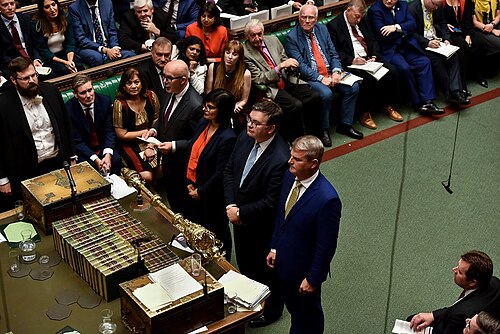
| Letwin Amendment | ||
| Ballot → | 19 October 2019 | |
|---|---|---|
| Yes | 322 / 634 | |
| No | 306 / 634 | |
| Abstentions | 6 / 634 | |
| Sources: Reuters,[144]CommonsVotes[145] | ||
Withdrawal Agreement Debate (22 October 2019)
On 21 October, the government published the Withdrawal Agreement Bill and proposed three days of debate for opposition MPs to scrutinise it.[146] The government brought the recently revised EU Withdrawal Bill to the House of Commons for debate on the evening of 22 October 2019.[147] MPs voted to give the Bill a second reading which was passed by 329 votes to 299, and the timetable for debating the Bill, which was defeated by 322 votes to 308. Prior to the votes, Johnson had stated that if his timetable failed to generate the support needed to pass in parliament he would abandon attempts to get the deal approved and would seek a general election. Following the vote Johnson announced that the legislation would be paused while he consulted with other EU leaders.[147][148]
| 2nd Reading of Withdrawal Agreement Bill | Approval of a rapid timetable for Brexit bill | ||||
| Ballot → | 22 October 2019 | Ballot → | 22 October 2019 | ||
|---|---|---|---|---|---|
| Aye | 329 / 634 | Aye | 308 / 634 | ||
| No | 299 / 634 | No | 322 / 634 | ||
| Abstentions | 6 / 634 | Abstentions | 4 / 634 | ||
| Sources: Reuters,[148]CommonsVotes[149] | Sources: Reuters,[148]CommonsVotes[150] | ||||
Technical Withdrawal Amendments (23 October 2019)
On 23 October, the House of Commons debated three technical pieces of legislation relating to the UK's withdrawal from the EU. The legislation debate addressed the repeal of certain technical provisions enshrined in UK law regarding the EU. Were the vote to pass for these three acts they would only come into effect if the UK were to ultimately leave the EU. The three items debated dealt with amendments to existing UK law in order to repeal 1) the freedom of movement provisions of the EU[151][152] 2) regulatory oversight of the UK by third party (EU) countries[153] 3) regulations on financial services codified by the EU.[154] All three amendments went to a division vote, and all three passed the House of Commons vote.[155][156][157]
| Repeal of Freedom of Movement | Repeal of EU Regulatory Oversight | Repeal of EU Financial Services Regulations | ||||||
| Ballot → | 23 October 2019 | Ballot → | 23 October 2019 | Ballot → | 23 October 2019 | |||
|---|---|---|---|---|---|---|---|---|
| Aye | 315 / 639 | Aye | 315 / 639 | Aye | 315 / 639 | |||
| No | 286 / 639 | No | 287 / 639 | No | 284 / 639 | |||
| Abstentions | 38 / 639 | Abstentions | 37 / 639 | Abstentions | 40 / 639 | |||
| Sources: CommonsVotes[155] | Sources: CommonsVotes[156] | Sources: CommonsVotes[157] | ||||||
Votes during the 58th Parliament of the United Kingdom (2019–24)
Withdrawal Agreement Bill Debate & Second Reading (20 December 2019)
On 20 December 2019, immediately after the state opening of Parliament following the 2019 United Kingdom general election (in which the Conservative Party secured a large majority of 80 seats), the Government presented another Bill to ratify its draft withdrawal agreement. It also proposed another guillotine motion to curtail debate on the Bill.
| 2nd Reading of Withdrawal Agreement Bill | Approval of a rapid timetable for Brexit bill | ||||
| Ballot → | 20 December 2019 | Ballot → | 20 December 2019 | ||
|---|---|---|---|---|---|
| Aye | 358 / 634 | Aye | 353 / 634 | ||
| No | 234 / 634 | No | 243 / 634 | ||
| Abstentions | 6 / 634 | Abstentions | 4 / 634 | ||
| Sources:www.parliament.uk,[158]Hansard[159] | Sources:www.parliament.uk,[158]Hansard[160] | ||||
Amendment Debate & Third Reading (9 January 2020)
Afterwards, a proposed amendment by Ian Blackford to fail Third Reading was defeated by 62 ayes to 329 noes, and the Reading itself passed by 330–231.
| Amendment to Brexit Withdrawal Agreement Bill | 3rd Reading of Withdrawal Agreement Bill | ||||
| Ballot → | 9 January 2020 | Ballot → | 9 January 2020 | ||
|---|---|---|---|---|---|
| Aye | 62 / 634 | Aye | 330 / 634 | ||
| No | 329 / 634 | No | 231 / 634 | ||
| Sources:www.parliament.uk,[161]Hansard[162] | Sources:www.parliament.uk,[161]Hansard[163] | ||||
Further reading
- Simson Caird, Jack (9 February 2018). "Parliament and the withdrawal agreement: the "meaningful vote"". commonslibrary.parliament.uk. House of Commons Library.
- Grieve, Dominic (8 February 2018). "Brexit and the sovereignty of parliament: a backbencher's view". The Constitution Unit. University College London.
Notes
- ↑While going through Parliament, the amendment was relabelled with a variety of clause numbers as other amendments were added to or deleted from the Bill, but by the final version of the Bill, which received Royal Assent, it had become Section 13. In the United Kingdom, Acts of Parliament have sections, whereas in a Bill (which is put before Parliament to pass) those sections are called clauses.
- ↑The UK was due to withdraw from the EU on 29 March 2019.
- ↑Figure of 635 is based on 650 MPs minus seven Sinn Féin MPs who follow a policy of abstentionism and eight others: the Speaker John Bercow, the Deputy Speakers (Lindsay Hoyle, Eleanor Laing and Rosie Winterton), who do not vote; and the tellers (in this case, for the Ayes, Wendy Morton and Iain Stewart, and for the Noes, Vicky Foxcroft and Nick Smith), whose votes are not taken into account.
- 12Figure of 634 is based on 650 MPs minus seven Sinn Féin MPs who follow a policy of abstentionism and eight others: the Speaker John Bercow, the Deputy Speakers (Lindsay Hoyle, Eleanor Laing and Rosie Winterton), who do not vote; and the tellers (in this case, for the Ayes, Andrew Stephenson and Iain Stewart, and for the Noes, Thangam Debbonaire and Nic Dakin), whose votes are not taken into account. There was also a vacant seat due to the death of Paul Flynn.
References
- ↑Maer, Lucinda (19 June 2018). "2. Continuing areas of debate: 2.1 Meaningful vote"(PDF). In Maer, Lucinda (ed.). European Union (Withdrawal) Bill 2017–19: Ping Pong. Commons Briefing Papers: CBP-8345. House of Commons Library. pp. 5–9. Retrieved 7 August 2018.
There are four remaining areas where the two Houses are yet to agree on the text of the Bill: Meaningful vote: the House of Lords amended the Bill on a division to require that the Government bring forward an amendable motion at the end of the Article 50 negotiations ... Of these four areas, only the 'meaningful vote' proposal was made on a division, with the Government defeated. The other three proposals were brought forward by Government Ministers.
Summary. - 123"Parliament's 'meaningful vote' on Brexit". instituteforgovernment.org.uk. Institute for Government. 3 December 2018. Retrieved 4 December 2018.
- 123"Ministers win key Brexit bill vote after concession". BBC News. 12 June 2018. Retrieved 14 June 2018.
- ↑"Brexit preparedness". European Commission. Retrieved 14 June 2018.
- ↑"High court says parliament must vote on triggering article 50 – as it happened". The Guardian. 3 November 2016. Archived from the original on 4 November 2016. Retrieved 14 June 2018.
- ↑Faulconbridge, Guy; Holden, Michael (30 November 2016). "A woman suing the British government over Brexit is receiving a flood of sexist and racist threats". Business Insider UK. Archived from the original on 4 February 2017. Retrieved 14 June 2018.
- ↑PA (17 January 2017). "Theresa May's Brexit speech in full: Prime Minister outlines her 12 objectives for negotiations". The Independent. Retrieved 14 June 2018.
- ↑Video and full transcript of speech: May, Theresa (17 January 2017). "The government's negotiating objectives for exiting the EU: PM speech | Certainty and clarity: 1. Certainty". Gov.uk. Retrieved 14 June 2018.
- ↑"European Union (Withdrawal) Bill (HC Bill 5)". UK Parliament. 2017. Archived from the original on 13 June 2018. Retrieved 14 June 2018.
- ↑"European Union (Withdrawal) Bill 2017–19". Bills before Parliament 2017–19 > Public Bills. UK Parliament. Retrieved 14 June 2018.
- ↑Boyle, Danny; Maidment, Jack (18 April 2017). "Theresa May announces snap general election on June 8 to 'make a success of Brexit'". The Telegraph. Retrieved 14 June 2018.
- ↑Staff writer (9 June 2017). "General election 2017: Why did Theresa May call an election?". BBC News. Archived from the original on 5 September 2017. Retrieved 14 June 2018.
- ↑Cooper, Charlie; Kroet, Cynthia (2 July 2017). "British parliament will get vote on final Brexit deal". Politico EU. Retrieved 14 June 2018.
- ↑Seema Malhotra and David Davis (25 October 2017). SM Select Committee David Davis re vote in Parliament (Video). Seema Malhotra via YouTube. 2.05 minutes in. Retrieved 25 August 2018.
- ↑Staff writer (25 October 2017). "Brexit: May 'confident' MPs will get vote before exit". BBC News. Retrieved 25 August 2018.
- ↑Staff writer (26 October 2017). "David Davis warned over Brexit vote promise for MPs". BBC News. Retrieved 25 August 2018.
- ↑Asthana, Anushka; Mason, Rowena (13 December 2017). "Tory rebels confident of securing 'meaningful vote' on Brexit deal". The Guardian. Retrieved 25 August 2018.
- 12Austin, Henry (13 December 2017). "Brexit vote: The 11 Tory rebel MPs who defeated the Government". The Independent. Retrieved 7 August 2018.
- ↑"European Union (Withdrawal) Bill (HC Bill 5)". UK Parliament. 2017. Archived from the original on 13 June 2018. Retrieved 14 June 2018.
- ↑Savage, Michael (9 December 2017). "Theresa May faces first Brexit bill defeat, say Commons rebels". The Observer. Retrieved 25 August 2018.
- ↑Staff writer (10 December 2017). "Brexit: MPs call for 'meaningful' Commons vote". BBC News. Retrieved 19 June 2018.
- ↑"Procedures for the Approval and Implementation of EU Exit Agreements: Written statement – HCWS342". UK Parliament. 13 December 2017. Retrieved 14 June 2018.
- ↑Bill Dod (host) and Laura Smith (reporter) (14 December 2017). MPs pass amendment giving them 'meaningful' vote on Brexit deal (Video). RT UK via YouTube. Retrieved 25 August 2018.:Background to Grieve's amendment (2.15 mins in).
- ↑Anna Soubry, MP for Broxtowe (13 December 2017). "Prime Minister's Questions". Parliamentary Debates (Hansard). House of Commons. col. 399.
- ↑Theresa May, Prime Minister (13 December 2017). "Prime Minister's Questions". Parliamentary Debates (Hansard). House of Commons. col. 399.
- 12"European Union (Withdrawal) Bill: Division 68". Parliamentary Debates (Hansard). House of Commons. 13 December 2017.
- ↑Staff writer (14 December 2017). "Theresa May: We're on course to deliver Brexit despite vote". BBC News. Retrieved 19 June 2018.
- ↑Sharman, Jon (14 December 2017). "Amendment 7: What is it and how does it change Brexit?". The Independent. Retrieved 14 June 2018.
- ↑Swinford, Steven (14 November 2017). "The Brexit mutineers: At least 15 Tory MPs rebel against leave date with threat to join forces with Labour". The Telegraph. Retrieved 25 August 2018.
- See also:
- Staff writer (14 November 2017). "Brexit: Ministers see off early EU Withdrawal Bill challenges". BBC News. Retrieved 25 August 2018.
- See also:
- 12Walker, Peter (15 June 2018). "EU withdrawal bill: the key battles and what to expect next". The Guardian. Retrieved 15 June 2018.
As Grieve headed to Question Time, where he promised to resume talks with the government, over in the Lords, Viscount Hailsham – who had proposed the original amendment on the meaningful vote – tabled Grieve's own amendment in full.
- ↑"European Union (Withdrawal) Bill: text of amendment 49". Parliamentary Debates (Hansard). House of Lords. 30 April 2018.
- ↑Perkins, Anne (8 May 2018). "EU withdrawal bill: 14 defeats in the Lords for the government". The Guardian. Retrieved 14 June 2018.
- ↑"European Union (Withdrawal) Bill: Division on Amendment 49". Parliamentary Debates (Hansard). House of Lords. 30 April 2018.
- ↑Forsyth, Alex (30 April 2018). "Brexit: Government defeat in Lords over terms of meaningful vote". BBC News. Retrieved 14 June 2018.
- ↑Staff writer (8 June 2018). "Ministers water down changes to 'meaningful' Brexit vote". BBC News. Retrieved 14 June 2018.
- 12Syal, Rajeev (10 June 2018). "Keir Starmer urges Tory remainers to vote with Labour on Brexit". The Guardian. Retrieved 14 June 2018.
- ↑Marr, Andrew (host); Starmer, Keir (guest) (10 June 2018). "Keir Starmer interviewed by Andrew Marr"(PDF). The Andrew Marr Show. BBC One. Retrieved 14 June 2018.
- ↑Gordon, Tom (11 June 2018). "Gordon Brown says Brexit vote this week could topple Theresa May". Herald Scotland. Retrieved 14 June 2018.
- ↑"Bill stages — European Union (Withdrawal) Bill 2017–19". services.parliament.uk. UK Parliament. Retrieved 14 June 2018.
- ↑"EU (Withdrawal) Bill returns to Lords". parliament.uk. UK Parliament. Retrieved 15 June 2018.
- 12Payne, Adam (12 June 2018). "Everything you need to know about Theresa May's Brexit bill showdown". Business Insider UK. Retrieved 14 June 2018.
- ↑"Consideration of Lords Amendment: European Union (Withdrawal) Bill". UK Parliament. 12 June 2017. Archived from the original on 13 June 2018. Retrieved 14 June 2018.
- ↑Elgot, Jessica (12 June 2018). "Brexit: No 10 rules out backing compromise amendment to EU withdrawal bill". The Guardian. Retrieved 14 June 2018.
- ↑Watts, Joe (12 June 2018). "Tory minister Phillip Lee resigns over Brexit on day of crucial EU withdrawal votes". The Independent. Retrieved 14 June 2018.
- ↑Kentish, Benjamin; Cowburn, Ashley; Buchan, Lizzy (12 June 2018). "Brexit vote – as it happened: Theresa May caves in to Tory rebels in major negotiations climbdown". The Independent. Retrieved 14 June 2018.
- ↑"European Union (Withdrawal) Bill: Division 171". Parliamentary Debates (Hansard). House of Commons. 12 June 2018. col. 810–814.
- ↑Staff writer (13 June 2018). "Brexit: MPs say PM must honour 'assurances' over Parliament's role". BBC News. Retrieved 14 June 2018.
- ↑Watt, Nicholas (host); Grieve, Dominic (guest) (12 June 2018). "Keir Starmer interviewed by Nicholas Watt"(PDF). Newsnight. BBC Two. Retrieved 14 June 2018.
- 12Crerar, Pippa; Elgot, Jessica; Walker, Peter (12 June 2018). "May escapes Brexit bill defeat as Tory rebels accept concessions". The Guardian. Retrieved 14 June 2018.
- ↑Hammond, Stephen (12 June 2018). "Update on the European Union (Withdrawal) Bill – Day 1". stephenhammond.net. Stephen Hammond. Retrieved 14 June 2018.
- ↑Scotto di Santolo, Alessandra (13 June 2018). "'Hugely IRRESPONSIBLE' Tory Brexiteer TRASHES Rebels' attempt to 'betray British people'". Daily Express. Retrieved 14 June 2018.
- ↑"Prime Minister's Questions". Parliamentary Debates (Hansard). House of Commons. 13 June 2018.
- ↑Kuenssberg, Laura (13 June 2018). "Could Brexit concession intensify Tory warfare?". BBC News. Retrieved 14 June 2018.
- ↑Greenfield, Patrick; Stewart, Heather (14 June 2018). "Brexit: No 10 rules out backing compromise amendment to EU withdrawal bill". The Guardian. Retrieved 15 June 2018.
- ↑Staff writer (14 June 2018). "Leading Tory rebel Dominic Grieve rejects May's Brexit compromise". BBC News. Retrieved 15 June 2018.
- ↑Staff writer (14 June 2018). "Theresa May set for Brexit clash as rebels brand compromise 'unacceptable'". ITV News. Retrieved 15 June 2018.
- ↑Staff writer (14 June 2018). "Theresa May hit with another Brexit headache as Conservative rebels brand PM's compromise as 'disappointing'". ITV News. Retrieved 15 June 2018.
- ↑Sarah Smith (host) and Robert Buckland (guest) (16 June 2018). Discussion about the meaningful vote (Television). Sunday Politics. BBC One. Retrieved 7 August 2018.
- ↑"European Union (Withdrawal) Bill: Division 1". Parliamentary Debates (Hansard). House of Lords. 18 June 2018. col. 1904–1907.
- ↑Staff writer (18 June 2018). "New Brexit defeat for government in Lords". BBC News. Retrieved 7 August 2018.
- ↑"European Union (Withdrawal) Bill: Division 191". Parliamentary Debates (Hansard). House of Commons. 20 June 2018. col. 384–388.
- 12Perkins, Anne; Elgot, Jessica (20 June 2018). "Brexit 'meaningful vote': May wins after rebels accept compromise". The Guardian. Retrieved 7 August 2018.
- 12"European Union (Withdrawal) Act 2018 s.13". GOV.UK. Retrieved 8 August 2018.
- ↑Elliott, Francis; Zeffman, Henry; Wright, Oliver (23 November 2018). "Brexit: May attacked from all sides over EU exit deal". The Times. Front page. Retrieved 8 December 2018.
- 12Hope, Russell (8 December 2018). "How Commons defeat for PM could change the course of Brexit". Sky News. Retrieved 8 December 2018.
- 12Vaughan, Richard (5 December 2018). "Humiliation for Theresa May as MPs take back control over 'Plan B' Brexit". i (newspaper). Front page. Retrieved 8 December 2018.
- ↑"Amendment (d), Mr Dominic Grieve et al"(PDF). Order Paper No.215: Part 1. House of Commons Library. 4 December 2018. p. 11. Retrieved 8 December 2018.
- See also: Explanatory note.
- ↑"Standing Orders: 24B. Amendments to motions to consider specified matters". House of Commons Library. 20 April 2017. Retrieved 8 December 2018.
- ↑"The Prime Minister"(PDF). Order Paper No.215: Part 1. House of Commons Library. 4 December 2018. pp. 9–10. Retrieved 23 January 2019.
- ↑"The Prime Minister"(PDF). Order Paper No.228: Part 1. House of Commons Library. 9 January 2019. pp. 5–6. Retrieved 23 January 2019.
- ↑"Amendment (a), Mr Dominic Grieve et al"(PDF). Order Paper No.228: Part 1. House of Commons Library. 9 January 2019. p. 6. Retrieved 23 January 2019.
- ↑Staff writer (9 January 2019). "Brexit: Second Commons defeat for Theresa May in 24 hours". BBC News. Retrieved 23 January 2019.
- ↑Fox, Benjamin (9 January 2019). "May faces three-day deadline for new plan if she loses Brexit vote". Euractiv. Retrieved 10 January 2019.
- ↑Staff writer (5 December 2018). "Brexit: Full list of MPs and how they are expected to vote on PM's deal". Sky News. Retrieved 5 December 2018.
- ↑Staff writer (10 December 2018). "Theresa May calls off MPs' vote on her Brexit deal". BBC News. Retrieved 11 December 2018.
- ↑Edgington, Tom (15 January 2019). "Reality Check: What are the biggest government defeats?". BBC News. Retrieved 16 January 2019.
- 12Staff writer (15 January 2019). "Brexit: How did my MP vote on Theresa May's deal?". BBC News. Retrieved 16 January 2019.
- ↑Staff writer (15 January 2019). "Brexit: Majority of Welsh MPs to vote down EU deal". BBC News. Retrieved 16 January 2019.
- 123"European Union (Withdrawal) Bill: Division 293". Parliamentary Debates (Hansard). House of Commons. 15 January 2019.
- ↑Staff writer (15 January 2019). "Factbox: Britain's big Brexit vote – What happens in parliament?". Reuters. Retrieved 16 January 2019.
- ↑Staff writer (16 January 2019). "May's government survives no-confidence vote". BBC News. Retrieved 23 January 2019.
- ↑"Brexit amendments: The key amendments to Theresa May's deal that MPs voted on tonight", Evening Standard, 29 January 2019
- ↑Staff writer (29 January 2019). "Brexit amendments: What did MPs vote on and what were the results?". BBC News. Retrieved 29 January 2019.
- ↑Lovegrove, Simon (29 January 2019). "United Kingdom (and EU regulation): MPs reject all but two amendments to Theresa May's Brexit plan". regulationtomorrow.com/eu. Financial services: Regulation tomorrow. Retrieved 29 January 2019.
- ↑"European Union (Withdrawal) Act 2018 – Hansard". hansard.parliament.uk.
- ↑Theresa May, Prime Minister (29 January 2019). "European Union (Withdrawal) Act 2018". Parliamentary Debates (Hansard). House of Commons. col. 671.
First of all, as I have said, we will bring a revised deal back to this House for a second meaningful vote as soon as we possibly can. While we will want the House to support that deal, if it did not, we would—just as before—table an amendable motion for debate the next day. Furthermore, if we have not brought a revised deal back to this House by Wednesday 13 February, we will make a statement and, again, table an amendable motion for debate the next day.
- ↑"PM's statement to the House of Commons on Brexit: 12 February 2019". GOV.UK. 12 February 2019.
- ↑Staff writer (14 February 2019). "Brexit amendments: What did MPs vote on and what were the results?". BBC News. Retrieved 15 February 2019.
- 12"UK's Withdrawal from the EU". Parliamentary Debates (Hansard). House of Commons. 27 February 2019.
- ↑"Parliamentary business for Tuesday 12 March 2019". services.parliament.uk. UK Parliament. 7 March 2019. Retrieved 8 March 2019.
- ↑"MPs reject May's EU withdrawal deal again". 13 March 2019. Retrieved 13 March 2019.
- ↑Rougvie, Frances (12 March 2019). "Moray MP to miss Brexit vote to be by wife's side as she goes into labour". Press and Journal. Retrieved 13 March 2019.
- 123"European Union (Withdrawal) Bill: Division 354". Parliamentary Debates (Hansard). House of Commons. 12 March 2019.
- ↑Laura Hughes (13 March 2019). "Theresa May plans to vote to block no-deal Brexit". Financial Times. Retrieved 13 March 2019.
- ↑"Parliamentary business for 13 March". services.parliament.uk. Retrieved 13 March 2019.
- 12"UK's Withdrawal from the European Union – Hansard". hansard.parliament.uk. Retrieved 14 March 2019.
- ↑"Key Brexit vote as 'meaningful vote' returns to the Commons – News from Parliament". UK Parliament. Retrieved 13 March 2019.
- 12"PM to bring third Brexit deal vote to MPs". 14 March 2019. Retrieved 14 March 2019.
- ↑"Parliament's next steps on Brexit". The Institute for Government. 23 January 2019. Retrieved 14 March 2019.
- ↑"MPs reject a second Brexit referendum by 334 votes to 85". BBC. 14 March 2019. Retrieved 15 March 2019.
- ↑"Parliament 1st Round of Brexit Indicative votes". youtube.com. Retrieved 28 March 2019.
- ↑John Bercow, Speaker of the House of Commons (18 March 2019). "Speaker's Statement". Parliamentary Debates (Hansard). Vol. 656. House of Commons.
- ↑Elgot, Jessica (18 March 2019). "Brexit: John Bercow rules out third meaningful vote on same deal". The Guardian. Retrieved 12 April 2019.
- ↑Elliott, Mark (28 March 2019). "Meaningful Vote 3: The legal implications of separating the Withdrawal Agreement and the Political Declaration". publiclawforeveryone.com. Public Law for Everyone. Retrieved 12 April 2019.
- ↑"Parliament UK: Parliamentary Calendar". services.parliament.uk. Retrieved 29 March 2019.
- ↑"MPs voting on Brexit delay plan". BBC News. 29 March 2019. Retrieved 29 March 2019.
- 12"European Union (Withdrawal) Bill: Division 395". Parliamentary Debates (Hansard). House of Commons. 29 March 2019.
- ↑"Brexit: What are MPs voting on?". BBC News. 1 April 2019. Retrieved 1 April 2019.
- ↑"Brexit: Labour to support Norway-style EU proposal". BBC News. 1 April 2019. Retrieved 1 April 2019.
- ↑Odell, Mark (1 April 2019). "Speaker calls on MPs to vote". Financial Times. Retrieved 2 April 2019.
- ↑"House of Commons Rejects All Brexit Options – Again". Politico Europe. 1 April 2019. Retrieved 2 April 2019.
- ↑"The Latest: UK lawmakers vote to avert 'no-deal' Brexit". APNews.com. Associated Press. 3 April 2019. Retrieved 11 April 2019.
- 12James, William; MacLellan, Kylie; MacAskill, Andrew (3 April 2019). "British parliament rejects plan to hold more Brexit indicative votes on Monday". Reuters.com. Archived from the original on 3 April 2019. Retrieved 3 April 2019.
- ↑"Amendment (a) to the Business of the House motion". CommonsVotes.DigiMinister.com. 3 April 2019. Archived from the original on 3 April 2019. Retrieved 3 April 2019.
- ↑Stewart, Heather; Elgot, Jessica (29 March 2019). "May hopes to hold fourth vote on Brexit deal". The Guardian. Retrieved 29 March 2019.
- ↑Elwazer, Schams (14 May 2019). "Theresa May will put her Brexit deal to a vote—for the fourth time". CNN. Retrieved 15 May 2019.
- ↑"Brexit vote in UK parliament delayed until 4 June". Radio France Internationale. 23 May 2019. Retrieved 23 May 2019.
- ↑Perraudin, Frances; Otte (later), Ben Quinn (earlier); Jedidajah; Proctor, Kate; Weaver, Matthew; Carrell, Severin (28 August 2019). "Suspension of parliament: MPs react with fury and Davidson set to quit after Johnson move – as it happened". The Guardian. ISSN 0261-3077. Retrieved 3 September 2019.
{{cite news}}: CS1 maint: multiple names: authors list (link) - ↑"No-Deal? Intense Brexit Debate Expected in UK Parliament". The New York Times. Associated Press. 2 September 2019. ISSN 0362-4331. Retrieved 4 September 2019.
- ↑"Details of 'last chance' Bill to block no-deal Brexit revealed". ITV News. 2 September 2019. Retrieved 4 September 2019.
- ↑"Explained: The SO24 process which MPs could use to try to thwart Boris Johnson". ITV News. Retrieved 4 September 2019.
- ↑Crowcroft, Orlando (2 September 2019). "What is Standing Order 24?". euronews. Retrieved 4 September 2019.
- ↑Stewart, Heather; Walker, Peter (3 September 2019). "Boris Johnson to seek election after rebel Tories deliver Commons defeat". The Guardian. ISSN 0261-3077. Retrieved 4 September 2019.
- ↑Kirk, Ashley; Scott, Patrick (4 September 2019). "No-deal Brexit vote: See how your MP voted as list of Tory rebels grows". The Telegraph. ISSN 0307-1235. Retrieved 4 September 2019.
- ↑"Boris Johnson's call for general election rejected by MPs". BBC News. 4 September 2019. Retrieved 4 September 2019.
- ↑"No-deal Brexit officially blocked in law". Metro. 9 September 2019. Retrieved 9 September 2019.
- ↑Brexit: MPs order Boris Johnson to hand over government communications about parliament suspension and no-deal planning, by Ashley Cowburn, Sept 9, 2019, Independent.co.uk website.
- ↑"Brexit: Boris Johnson's second attempt to trigger election fails". BBC News. 10 September 2019. Retrieved 10 September 2019.
- ↑"Brexit: Protests as five-week Parliament suspension begins". BBC News. BBC. 10 September 2019. Retrieved 10 September 2019.
- ↑Bowcott, Owen (24 September 2019). "Boris Johnson's suspension of parliament unlawful, supreme court rules". The Guardian. Retrieved 24 September 2019.
- ↑"Supreme Court: Suspending Parliament was unlawful, judges rule". BBC News. 24 September 2019. Retrieved 24 September 2019.
- ↑R (Miller) (Appellant) v The Prime Minister (Respondent) and Cherry & Ors (Respondents) v Advocate General for Scotland (Appellant) (Scotland),[2019] UKSC 41(24 September 2019),archived from the originalon 15 May 2025.
- ↑"Johnson defends language after criticism from MPs". BBC News. 26 September 2019. Retrieved 26 September 2019.
- ↑"Boris Johnson refuses to apologise for language about Jo Cox". The Guardian. 26 September 2019. Retrieved 26 September 2019.
- ↑"UK Parliament prorogation: Shutdown begins after calm ceremony as threat of no-deal Brexit looms". London Evening Standard. 8 October 2019. Retrieved 9 October 2019.
- ↑Ellyatt, Holly (17 October 2019). "UK and EU agree on new Brexit deal, Boris Johnson says". CNBC. NBC. Retrieved 19 October 2019.
- ↑"Brexit: Special sitting for MPs to decide UK's future". BBC News. 9 October 2019. Retrieved 9 October 2019.
- ↑Murphy, Simon (9 October 2019). "Parliament set for Brexit showdown on 19 October". The Guardian. Retrieved 9 October 2019.
- ↑"Brexit 'super Saturday': your guide to the big day". The Guardian. 19 October 2019. Retrieved 19 October 2019.
- ↑Stewart, Heather; Proctor, Kate (19 October 2019). "MPs put brakes on Boris Johnson's Brexit deal with rebel amendment". The Guardian. ISSN 0261-3077. Retrieved 19 October 2019.
- ↑"Saturday's Brexit vote in Parliament: What happens now?". BBC News. 22 October 2019. Retrieved 22 October 2019.
- ↑"MPs' vote on Brexit deal ruled out by Speaker". BBC News. 21 October 2019. Retrieved 21 October 2019.
- 12"Brexit: PM sends letter to Brussels seeking further delay". BBC News. 19 October 2019. Retrieved 19 October 2019.
- ↑James, William; Piper, Elizabeth; MacLellan, Kylie (19 October 2019). "Johnson defiant after British parliament votes to force Brexit delay". Reuters.com. Archived from the original on 19 October 2019. Retrieved 19 October 2019.
- ↑"Mr Letwin's Amendment (a) to the Government's motion on section 1(1)(a) of the European Union (Withdrawal) (No.2) Act 2019 and section 13(1)(b) of the European Union (Withdrawal) Act 2018". CommonsVotes.DigiMinister.com. 19 October 2019. Archived from the original on 19 October 2019. Retrieved 19 October 2019.
- ↑"Government publishes Brexit bill". BBC News. BBC News. 21 October 2019. Retrieved 22 October 2019.
- 12"MPs reject Brexit bill timetable". BBC News. BBC News. 22 October 2019. Retrieved 22 October 2019.
- 123James, William; MacLellan, Kylie; Piper, Elizabeth (22 October 2019). "Brexit in chaos after parliament defeats Johnson's ratification timetable". Reuters.com. Retrieved 22 October 2019.
{{cite web}}: CS1 maint: deprecated archival service (link) - ↑"Second Reading: European Union (Withdrawal Agreement) Bill". CommonsVotes.DigiMinister.com. 22 October 2019. Retrieved 22 October 2019.
- ↑"Programme: European Union (Withdrawal Agreement) Bill". CommonsVotes.DigiMinister.com. 22 October 2019. Retrieved 22 October 2019.
- ↑"UK plans to end EU freedom of movement immediately in no-deal Brexit". Reuters.com. Reuters. 19 August 2019. Archived from the original on 24 October 2019. Retrieved 24 October 2019.
- ↑"The Freedom of Establishment and Free Movement of Services (EU Exit) Regulations 2019". Legislation.gov.uk. UK Government. Retrieved 24 October 2019.
- ↑"The Statutory Auditors and Third Country Auditors (Amendment) (EU Exit) Regulations 2019". Legislation.gov.uk. UK Government. 1 February 2019. Retrieved 24 October 2019.
- ↑"The Financial Services (Miscellaneous) (Amendment) (EU Exit) (No. 3) Regulations 2019"(PDF). Legislation.gov.uk. UK Government. 24 October 2019. Retrieved 24 October 2019.
- 12"Draft Freedom of Establishment and Free Movement of Services (EU Exit) Regulations 2019". CommonsVotes.DigiMinister.com. 23 October 2019. Archived from the original on 24 October 2019. Retrieved 24 October 2019.
- 12"Draft Statutory Auditors, Third Country Auditors and International Accounting Standards (Amendment) (EU Exit) Regulations 2019". CommonsVotes.DigiMinister.com. 23 October 2019. Archived from the original on 24 October 2019. Retrieved 24 October 2019.
- 12"Exiting the European Union (Financial Services) (Miscellaneous) (Amendment) (EU Exit) (No. 3) Regulations 2019". CommonsVotes.DigiMinister.com. 23 October 2019. Archived from the original on 24 October 2019. Retrieved 24 October 2019.
- 12"MPs pass Second Reading of the Withdrawal Agreement Bill". 20 December 2019. Retrieved 21 December 2019.
- ↑"European Union (Withdrawal Agreement) Bill: Division 1". Parliamentary Debates (Hansard). House of Commons. 20 December 2019. Retrieved 25 January 2020.
- ↑"European Union (Withdrawal Agreement) Bill: Division 2". Parliamentary Debates (Hansard). House of Commons. 20 December 2019. Retrieved 25 January 2020.
- 12"The Brexit Bill has passed its Commons stages". 9 January 2020. Retrieved 10 January 2020.
- ↑ «مشروع قانون الاتحاد الأوروبي (اتفاقية الانسحاب): القسم 13» . مناقشات البرلمان (هانزارد) . مجلس العموم. 9 يناير 2019. تم الاطلاع عليه في 25 يناير 2020 .
- ↑ «مشروع قانون الاتحاد الأوروبي (اتفاقية الانسحاب): القسم 14» . مناقشات البرلمان (هانزارد) . مجلس العموم. 9 يناير 2019. تم الاطلاع عليه بتاريخ 25 يناير 2020 .
روابط خارجية
- مراحل مشروع القانون - مشروع قانون الاتحاد الأوروبي (الانسحاب) 2017-2019 ، البرلمان البريطاني
- عام 2018 في السياسة البريطانية
- 2018 في القانون البريطاني
- 2018 في المملكة المتحدة
- خروج بريطانيا من الاتحاد الأوروبي
- القوانين في المملكة المتحدة
- نتائج استفتاء المملكة المتحدة على عضوية الاتحاد الأوروبي عام 2016
- العلاقات بين المملكة المتحدة والاتحاد الأوروبي
- الانسحاب من الاتحاد الأوروبي
- رئاسة الوزراء تيريزا ماي
- رئاسة الوزراء لبوريس جونسون