
Capital city

A capital city, or just capital, is the municipality holding primary status in a country, state, province, department, or other subnational division, usually as its seat of government. A capital is typically a city that physically encompasses the government's offices and meeting places; the status as capital is often designated by law or a constitution. In some jurisdictions, including several countries, different branches of government are in different settlements, sometimes meaning there are multiple official capitals. In some cases, a distinction is made between the official (constitutional) capital and the seat of government.
English-language media often use the name of the capital metonymically to refer to the government sitting there. For example, "London–Washington relations" is understood to mean diplomatic relations between the United Kingdom and the United States.[1]

Terminology and etymology
The word capital derives from the Latin word caput (genitive capitis), meaning 'head', later borrowed from Medieval Latincapitālis ('of the head').[2] The Latin phrase Roma Caput Mundi (lit.'Rome head of the world') was already used by the poet Ovid in the 1st century BC.[3] It originates out of a classical European understanding of the known world: Europe, North Africa, and Southwest Asia. The phrase is related to the enduring power of the city first as the capital of the Republic and the Empire, and later as the centre of the Catholic Church.[4][5][6]
في العديد من الولايات الناطقة بالإنجليزية ، يُستخدم مصطلحا " مدينة المقاطعة" و "مقر المقاطعة" أيضاً في التقسيمات الإدارية الأدنى . وفي بعض الولايات الموحدة ، قد تُعرف العواصم دون الوطنية باسم "المراكز الإدارية". وغالباً ما تكون العاصمة أكبر مدينة في المقاطعة التابعة لها، وإن لم يكن ذلك شرطاً .

الأصول
تاريخيًا، غالبًا ما أصبح المركز الاقتصادي الرئيسي لدولة أو منطقة ما محورًا للسلطة السياسية، وعاصمةً من خلال الغزو أو الاتحاد . [ 7 ] ومن الأمثلة التاريخية على ذلك بابل القديمة ، وأثينا القديمة ، وروما القديمة ، وبغداد العباسية ، والقسطنطينية ، وتشانغآن ، وكوسكو القديمة . لم تكن العاصمة الحديثة موجودة دائمًا: ففي أوروبا الغربية في العصور الوسطى، كان الحكم المتنقل (المتجول) شائعًا. [ 8 ]
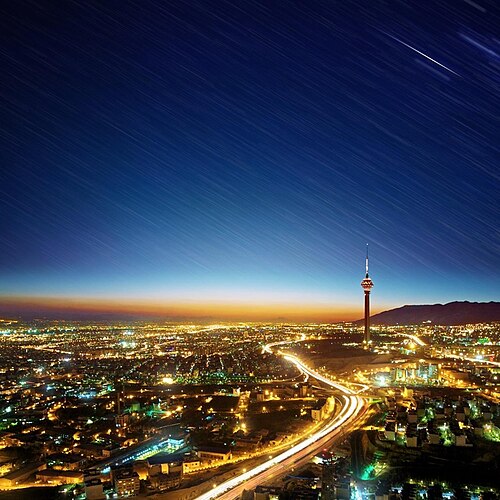
تستقطب العاصمة الأفراد ذوي الدوافع السياسية، وأصحاب المهارات اللازمة للإدارة الفعّالة للحكومات الوطنية أو الإمبراطورية، كالمحامين ، وعلماء السياسة ، والمصرفيين ، والصحفيين ، وصانعي السياسات العامة . بعض هذه المدن مراكز دينية ، أو كانت كذلك، [ 11 ] مثل القسطنطينية (أكثر من ديانة)، وروما / الفاتيكان ( الكنيسة الكاثوليكية )، والقدس (أكثر من ديانة)، وبابل، وموسكو ( الكنيسة الأرثوذكسية الروسية )، وبلغراد ( الكنيسة الأرثوذكسية الصربية )، وباريس، وبكين. في بعض البلدان، تم تغيير العاصمة لأسباب جيوسياسية ؛ فمدينة توركو ، أول مدينة في فنلندا ، والتي كانت أهم مدن البلاد منذ العصور الوسطى وأصبحت عاصمتها عام 1809، فقدت مكانتها خلال دوقية فنلندا الكبرى عام 1812، عندما جعلت الإمبراطورية الروسية هلسنكي عاصمة فنلندا الحالية. [ 12 ] [ 13 ]
إن تقارب القوى السياسية والاقتصادية أو الثقافية ليس ظاهرة عالمية بأي حال من الأحوال. فقد تتخلف العواصم التقليدية اقتصاديًا عن منافسيها من الأقاليم، كما هو الحال مع نانجينغ التي تفوقت عليها شنغهاي ، ومدينة كيبيك التي تفوقت عليها مونتريال ، والعديد من عواصم الولايات الأمريكية . وقد يعني انحطاط سلالة حاكمة أو حضارة ما انقراض عاصمتها، كما حدث في بابل [ 14 ] وكاهوكيا . وقد شاع ما يُعرف بـ "الترحال السياسي" في الشرق الأدنى القديم لتعزيز الروابط بين الحاكم ورعيته. [ 15 ]
على الرغم من أن العديد من العواصم تُحدد بموجب الدستور أو التشريعات، فإن العديد من العواصم القديمة لا تحمل هذا التصنيف القانوني، بما في ذلك برن وإدنبرة ولشبونة ولندن وباريس وويلينغتون . ويُعترف بها كعواصم بحكم العرف، ولأن جميع أو معظم المؤسسات السياسية المركزية في البلاد، مثل الدوائر الحكومية والمحكمة العليا والبرلمان والسفارات، تقع فيها أو بالقرب منها .
أقدم عاصمة موجودة هي دمشق التي يعود تاريخها إلى حوالي 2500 قبل الميلاد. [ 16 ]
العواصم الحديثة


تقع العديد من العواصم الحديثة بالقرب من مركز البلاد، مما يسهل الوصول إليها من قبل السكان ويوفر لها حماية أفضل من الغزوات المحتملة. وقد يُبنى اختيار الموقع على أساس تسوية بين مدينتين أو أكثر، أو تقسيمات سياسية أخرى، أو لأسباب تاريخية، أو لحاجة البلاد إلى مساحة كافية لبناء مدينة جديدة مخططة للعاصمة. [ 17 ] كما أن معظم العواصم الوطنية هي أكبر مدن بلدانها. ومن الأمثلة الحديثة على ذلك: برلين ، والقاهرة ، ولندن ، ومدريد ، ومكسيكو سيتي ، وموسكو ، وباريس ، وروما ، وجاكرتا ، ومانيلا الكبرى ، وسيول ، وطوكيو . [ 18 ]
تضمّ مقاطعات المملكة المتحدة مدنًا تاريخية، غالبًا ما لا تكون أكبر مستوطنة داخل المقاطعة، وكثيرًا ما لم تعد مراكز إدارية، إذ أصبحت العديد من المقاطعات التاريخية رمزية فقط، وتختلف حدودها الإدارية. وقد ازداد عدد العواصم الجديدة في العالم بشكل ملحوظ منذ عصر النهضة ، لا سيما مع تأسيس الدول القومية المستقلة منذ القرن الثامن عشر. [ 19 ]
في كندا ، توجد عاصمة اتحادية ، بينما لكل من المقاطعات العشر والأقاليم الثلاثة عواصم. كما أن لكل من ولايات دول مثل المكسيك والبرازيل ( بما في ذلك مدينتي ريو دي جانيرو وساو باولو الشهيرتين ، عاصمتي ولايتيهما) وأستراليا عواصم. فعلى سبيل المثال، عواصم الولايات الست في أستراليا هي: أديلايد ، وبريسبان ، وهوبارت ، وملبورن ، وبيرث ، وسيدني . وفي أستراليا، يُستخدم مصطلح "العواصم" عادةً للإشارة إلى عواصم الولايات الست بالإضافة إلى العاصمة الاتحادية كانبرا ، وداروين ، عاصمة الإقليم الشمالي . أما أبوظبي فهي عاصمة إمارة أبوظبي وعاصمة دولة الإمارات العربية المتحدة عموماً.
في الدول الموحدة التي تتألف من عدة دول، كالمملكة المتحدة ومملكة الدنمارك ، يكون لكل دولة عاصمتها الخاصة. على عكس الاتحادات ، لا توجد عادةً عاصمة وطنية منفصلة، بل تكون عاصمة إحدى الدول المكونة هي عاصمة الدولة ككل، مثل لندن ، عاصمة إنجلترا والمملكة المتحدة. وبالمثل، لكل من الأقاليم المتمتعة بالحكم الذاتي في إسبانيا ومناطق إيطاليا عاصمة، مثل إشبيلية ونابولي ، بينما مدريد عاصمة إقليم مدريد ومملكة إسبانيا ككل ، وروما عاصمة إيطاليا ومنطقة لاتسيو .
In the Federal Republic of Germany, each of its constituent states (or Länder, plural of Land) has its own capital city, such as Dresden, Wiesbaden, Mainz, Düsseldorf, Stuttgart, and Munich, as do all of the republics of the Russian Federation. The national capitals of Germany and Russia (the Stadtstaat of Berlin and the federal city of Moscow) are also constituent states of both countries in their own right. Each of the states of Austria and cantons of Switzerland also have their own capital cities. Vienna, the national capital of Austria, is also one of the states, while Bern is the (de facto) capital of both Switzerland and of the Canton of Bern.
Planned capitals


Governing entities sometimes plan, design and build new capital cities to house the seat of government of a polity or of a subdivision. Deliberately planned and designed capitals include:
- Abuja, Nigeria (1991)
- Aracaju, Sergipe, Brazil (1855)
- Ankara, Turkey (1923)
- Astana, Kazakhstan (1997)
- Austin, Texas, US (1839)
- Belmopan, Belize (1970)
- Belo Horizonte, Minas Gerais, Brazil (1897)
- Brasília, Brazil (1960)
- Bhubaneswar, Odisha, India (1948)
- Boa Vista, Roraima, Brazil (1890)
- Canberra, Australia (1927)
- Chandigarh, Punjab and Haryana, India (1966)
- Ciudad de la Paz, Equatorial Guinea (2026)
- Columbia, South Carolina, US (1786)
- Constantinople, Roman Empire (330)
- Frankfort, Kentucky, US (1792)
- Gaborone, Botswana (1964)
- Gandhinagar, Gujarat, India (1960)
- Goiânia, Goiás, Brazil (1933)
- Huambo (Nova Lisboa), Huambo, Angola (1912)
- Indianapolis, Indiana, US (1825)
- Islamabad, Pakistan (1960)
- Jefferson City, Missouri, US (1821)
- Karlsruhe, Baden-Durlach (1715)
- La Plata, Buenos Aires Province, Argentina (1882)
- Nava Raipur or Atal Nagar, Chhattisgarh, India (2003)
- Naypyidaw, Myanmar (2005)
- New Delhi, British India (1911)
- Nusantara, Indonesia (2024)
- Oklahoma City, Oklahoma, US (1889)
- Palmas, Tocantins, Brazil (1989)
- Putrajaya, Malaysia (1995)
- Quezon City, Philippines (1948–76)
- Raleigh, North Carolina, US (1792)
- Seoul, Korea (1394)
- Smederevo, Serbian Despotate (1428–1459)
- Soltaniyeh, Ilkhanate (1306–1335)
- Teresina, Piauí, Brazil (1852)
- Valletta, Malta (1571)
- Washington, D.C., US (1800)
- Zhongxing New Village, Nantou County, Taiwan Province, Rep. of China (1956)
- Saint Petersburg, Russian Empire (1703)
These cities satisfy one or both of the following criteria:
- A deliberately planned city that was built expressly to house the seat of government, superseding a capital city that was in an established population center. There have been various reasons for this, including overcrowding in that major metropolitan area, and the desire to place the capital city in a location with a better climate (usually a less tropical one).
- A town that was chosen as a compromise among two or more cities (or other political divisions), none of which was willing to concede to the other(s) the privilege of being the capital city. Usually, the new capital is geographically located roughly equidistant between the competing population centres.
Compromise locations

Some examples of the second situation (compromise locations) are:
- Canberra, Australia, chosen as a compromise location between Melbourne and Sydney.
- Washington, D.C., United States, founded as a compromise between more urbanized Northern states and agrarian Southernslave states to share national power. The Compromise of 1790 resulted in the passage of the Residence Act, which approved the creation of a national capital on the Potomac River on land ceded from Maryland and Virginia.[20]
- Frankfort, Kentucky, midway between Louisville and Lexington.
- Ottawa, Ontario, Canada, along the boundary between the two former colonies that formed the core of pre-Confederation Canada: primarily English-speaking Upper Canada and primarily French-speaking Lower Canada. Today, this border separates the two most populous of Canada's ten modern provinces, Ontario and Quebec.
- Tallahassee, Florida, chosen as the midpoint between Pensacola and St. Augustine, Florida's two largest cities at the time.
- Wellington became the capital city of New Zealand in 1865. It lies at the southern tip of the North Island of New Zealand, the smaller of New Zealand's two main islands (which subsequently became the more populous island),[21] immediately across Cook Strait from the South Island. The previous capital, Auckland, lies much further north in the North Island; the move followed a long argument for a more central location for parliament.[22]
- Managua, Nicaragua, chosen to appease rivals in León and Granada, which also were associated with the liberal and conservative political factions respectively.
- Jefferson City, Missouri, was selected as the state capital in 1821, the year after Missouri was admitted to the Union, due to its central location within the state. It is almost halfway between Missouri's two largest cities, Kansas City in the west and St. Louis in the east, although Kansas City was not incorporated until 1850.
Changes in a nation's political regime sometimes result in the designation of a new capital. Akmola (renamed Astana in 1998) became the capital of Kazakhstan in 1997, following the collapse of the Soviet Union in 1991. Naypyidaw was founded in Burma's interior as the former capital, Rangoon, was claimed to be overcrowded.[23]
Unusual capital city arrangements


A few nation-states have multiple capitals, and there are also several states that have no capital. Some have a city as the capital but with most government agencies elsewhere.
There is also a ghost town which is currently the de jure capital of a territory: Plymouth in Montserrat.
- Belize: Belmopan was designated the national capital of the then British Honduras in 1971, but most government offices and embassies are still located in Belize City.
- Canary Islands (Spain): Until 1927, the capital of the Province of Canarias was Santa Cruz de Tenerife. When the Canary Islands became an autonomous community in 1982, Santa Cruz de Tenerife and Las Palmas de Gran Canaria were both given capital status.[24][25] There is currently a balance of institutions between the two capitals; the Canary Islands is the only autonomous community in Spain which has two capitals.
- Chile: Santiago is the capital even though the National Congress of Chile meets in Valparaíso.
- Czech Republic: Prague is the capital city, however the Constitutional Court, Supreme Court and Supreme Administrative Court are all located in Brno.
- إستونيا : تقع المحكمة العليا ووزارة التعليم والبحث العلمي في تارتو .
- فرنسا : لا يعترف الدستور الفرنسي بأي عاصمة رسمية في فرنسا. وبموجب القانون [ 26 ]، تُعد باريس مقرًا لمجلسي البرلمان ( الجمعية الوطنية ومجلس الشيوخ )، إلا أن جلساتهما المشتركة تُعقد في قصر فرساي . وفي حالات الطوارئ، يُمكن نقل مقر السلطات الدستورية إلى مدينة أخرى، لكي يجتمع مجلسا البرلمان في نفس مكان الرئيس ومجلس الوزراء .
- ألمانيا : برلين، العاصمة الرسمية، هي مقر البرلمان وأعلى هيئات السلطة التنفيذية (التي تتألف من الرئاسة الشرفية والمستشارية الفعلية ). تقع وزارات مختلفة في بون ، عاصمة ألمانيا الغربية السابقة ، والتي تُعرف الآن باسم " المدينة الاتحادية ". يقع مقر المحكمة الدستورية الاتحادية في كارلسروه ، ولذلك تُسمى أحيانًا "العاصمة القضائية" لألمانيا؛ ولا يوجد أي من أعلى الهيئات القضائية في ألمانيا في برلين. وتتواجد العديد من الوكالات الحكومية الألمانية في مناطق أخرى من ألمانيا.
- الهند :
- ولاية أندرا براديش : كانت حيدر آباد العاصمة القانونية للولاية حتى عام 2024، بينما أصبحت أمارافاتي المقر الفعلي للحكومة منذ عام 2014. ويتخذ حاكم ولاية أندرا براديش من فيجاياوادا مقرًا رسميًا لإقامته.
- تشاتيسغار : رايبور هي العاصمة الإدارية والتشريعية، بينما تقع المحكمة العليا (العاصمة القضائية) في بيلاسبور . العاصمة المستقبلية المقترحة هي نافا رايبور .
- جامو وكشمير : تُعتبر سريناغار العاصمة الصيفية للولاية، بينما تُعتبر جامو العاصمة الشتوية. كل ستة أشهر، تنتقل جميع أجهزة الدولة من مدينة إلى أخرى.
- ولاية كيرالا : ثيروفانانثابورام هي العاصمة الإدارية والتشريعية للولاية، بينما تقع المحكمة العليا في إرناكولام .
- ولاية هيماشال براديش : شيملا هي العاصمة الرئيسية. أما دارامشالا ، التي تُعد أيضاً مقر الإدارة التبتية المركزية ، فهي العاصمة الشتوية الثانية للولاية.
- Madhya Pradesh: Bhopal is the administrative and legislative capital of the state, while the high court is located in Jabalpur.
- Punjab and Haryana: Both states share Chandigarh as their capital city. The city itself is administered as a Union territory.
- Odisha: Bhubaneswar is the administrative and legislative capital of the state, while the high court is located in Cuttack.
- Rajasthan: Jaipur is the administrative and legislative capital of the state, while the high court is located in Jodhpur.
- Uttarakhand: Dehradun is the administrative and legislative capital, while the high court is located in Nainital. The proposed future capital is Gairsain.
- Ladakh: Leh and Kargil serve as joint capitals of the Union Territory.
- South Korea: Seoul remains as the capital and seat of the government's branches, but many government agencies have moved to Sejong City.
- Malaysia: Kuala Lumpur is the constitutional capital, home of the King, and seat of Parliament, but the federal administrative centre and judiciary have been moved 30 kilometres (19 mi) south to Putrajaya.
- Monaco, Singapore, and the Vatican City are city-states, and thus do not contain any distinct capital city as a whole. However, in Singapore's case, the main judiciary and legislative offices are located in the Downtown Core. Similarly, while Victoria was the capital of colonial Hong Kong, the heart of old Victoria, now known as Central, serves as the seat of government offices today. Vatican City, however, is the religious centre of the Roman Catholic Church and houses the offices and departments of Holy See which serves as the government of both the city-state and worldwide Catholic Church.
- Montenegro: The official capital Podgorica is home to the parliament and the executive, but the seat of the presidency is in the former royal capital of Cetinje.
- ميانمار ( بورما ): تم تعيين نايبيداو عاصمة وطنية في عام 2005، وهو نفس العام الذي تأسست فيه، لكن معظم المكاتب الحكومية والسفارات لا تزال موجودة في يانغون ( رانغون ).
- ناورو : ناورو، وهي دولة صغيرة تبلغ مساحتها 21 كيلومترًا مربعًا فقط (8.1 ميل مربع ) ، ليس لها عاصمة مميزة، ولكن لديها منطقة عاصمة بدلاً من ذلك.
- فيلبيني :
- العاصمة الوطنية: ينص المرسوم الرئاسي رقم 940، الصادر في 24 يونيو 1976، على أن منطقة العاصمة الوطنية (NCR) أو مترو مانيلا بأكملها هي مقر الحكومة، وأن مدينة مانيلا هي عاصمة البلاد. [ 27 ] تقع بعض المؤسسات والهيئات الحكومية الوطنية داخل مدينة مانيلا، بينما تتوزع مؤسسات أخرى في أجزاء أخرى من المنطقة الحضرية. يقع القصر الرئاسي ( قصر مالاكانانغ ، مقر رئيس الفلبين ) والمحكمة العليا داخل العاصمة، بينما يقع مجلسا الكونغرس خارج العاصمة مانيلا ولكن داخل المدينة الكبرى التي تحمل الاسم نفسه.
- كافيت : تم تحديد إيموس كعاصمة إقليمية، بينما تقع المكاتب الحكومية في تريس مارتيريس . [ 28 ]
- البرتغال :
- العاصمة الوطنية: لا يتضمن الدستور البرتغالي أي إشارة إلى عاصمة. فعلى الرغم من أن لشبونة تضم البرلمان ، والمقر الرسمي لرئيس الجمهورية ورئيس الوزراء ، وجميع إدارات الحكومة، وجميع السفارات ، وأعلى المحاكم، إلا أنه لا توجد أي وثيقة رسمية برتغالية تنص على أن لشبونة هي العاصمة الوطنية. [ 29 ]
- جزر الأزور : منذ إنشاء الحكم الذاتي المحلي في عام 1976، يوجد في جزر الأزور ثلاث عواصم إقليمية محددة: بونتا ديلجادا في جزيرة ساو ميغيل (مقر الحكومة الذاتية )؛ هورتا في جزيرة فايال (مقر الجمعية التشريعية )؛ وأنجرا دو هيرويزمو في جزيرة تيرسيرا (مقر السلطة القضائية والعاصمة التاريخية لجزر الأزور، بالإضافة إلى كونها مقر أبرشية الروم الكاثوليك في أنجرا ).
- سريلانكا : تُعتبر سري جاياواردينيبورا كوتي العاصمة الإدارية ومقر البرلمان، بينما تُعتبر كولومبو ، العاصمة السابقة، العاصمة التجارية. [ 30 ] [ 31 ] ومع ذلك، لا تزال العديد من المكاتب الحكومية موجودة في كولومبو. تقع كلتا المدينتين في مقاطعة كولومبو .
- جنوب أفريقيا : العاصمة الإدارية هي بريتوريا ، والعاصمة التشريعية هي كيب تاون ، والعاصمة القضائية هي بلومفونتين . هذا هو نتاج التسوية التي أدت إلى إنشاء اتحاد جنوب أفريقيا عام 1910. وعلى الرغم من مكانة بلومفونتين كعاصمة قضائية، فإن أعلى محكمة في البلاد، وهي المحكمة الدستورية لجنوب أفريقيا ، تقع في أكبر مدنها، جوهانسبرغ .
- سويسرا : برن هي المدينة الفيدرالية لسويسرا وتعمل كعاصمة فعلية . ومع ذلك، تقع المحكمة العليا السويسرية في لوزان، وهي أيضاً العاصمة الأولمبية .
- كانتون زيورخ : زيورخ هي العاصمة الفعلية للكانتون، لكن دستور الكانتون لا يذكر مدينة عاصمة. [ 32 ]
- تنزانيا : تم تعيين دودوما عاصمة وطنية في عام 1996، لكن بعض المكاتب الحكومية ومعظم السفارات لا تزال موجودة في دار السلام . [ 33 ] [ 34 ]
- الولايات المتحدة :
- كاليفورنيا : يقع مقر السلطتين التنفيذية والتشريعية للولاية ومعظم الوكالات الحكومية في سكرامنتو، لكن مقر المحكمة العليا في كاليفورنيا يقع في سان فرانسيسكو مع أماكن اجتماعات ثانوية في سكرامنتو ولوس أنجلوس .
- إلينوي : تضم سبرينغفيلد مقرات فروع حكومة الولاية وتُعد عاصمتها الرسمية. مع ذلك، يقيم العديد من مسؤولي حكومة إلينوي في شيكاغو أو يمارسون مهامهم فيها بشكل رئيسي . [ 35 ] [ 36 ] (انظر: حكومة إلينوي § العاصمة لمزيد من التوضيح).
- Louisiana: The state executive and legislative branches and most government agencies are based in Baton Rouge, but the Louisiana Supreme Court is located in New Orleans.
- New York: The state capital and government are headquartered in Albany, but many officials are mostly active in or live in New York City.
- Pennsylvania: The state capital is Harrisburg but each one of the state Supreme Court and its two appellate courts holds hearings in the three cities of Harrisburg, Philadelphia, and Pittsburgh. Also, most statewide elected officials and officers who are based in Southeast Pennsylvania (City of Philadelphia, Bucks County, Montgomery County, Delaware County, and Chester County) prefer working mostly in Philadelphia.
Capitals that are not the seat of government
There are several countries where, for various reasons, the official capital and seat of government are separated:
- Benin: Porto-Novo is the official capital, but Cotonou is the seat of government.
- Bolivia: Sucre is the constitutional capital, and the Supreme Court of Justice is located in Sucre, making it the judicial capital. The Palacio Quemado, the Plurinational Legislative Assembly and Plurinational Electoral Organ are located in La Paz, making it the seat of government.
- Ivory Coast: Yamoussoukro was designated the national capital in 1983, but most government offices and embassies are still located in Abidjan.
- Netherlands: Amsterdam is the constitutional national capital even though the Cabinet of the Netherlands, the States General of the Netherlands, the High Council of the Netherlands, the Council of State, and the Noordeinde Palace of the King are all located in The Hague, as are all the embassies. (For more details see: Capital of the Netherlands.)
Some historical examples of similar arrangements, where the recognized capital was not the official seat of government:
- Kingdom of England: The traditional capital was the City of London, while Westminster, outside of the boundaries of the City of London, was the seat of government. They are both today part of the urban core of Greater London.
- Kingdom of France: The traditional capital was Paris, though from 1682 to 1789 the seat of government was at the Palace of Versailles, located in a rural area southwest of Paris.
Disputed capitals
- Cyprus and Northern Cyprus: Nicosia, "the last divided capital",[37] is divided in two by the United Nations Buffer Zone in Cyprus (Green Line). Both the Republic of Cyprus,[38] which has de facto control of the south, and the largely unrecognized Turkish Republic of Northern Cyprus,[39] which has de facto control of North Nicosia, claim the entire city as their capital.
- Israel and Palestine: Both the Government of Israel[40] and the Palestinian Authority[41] claim Jerusalem as their capital. Jerusalem serves as Israel's capital, with the presidential residence, government offices, supreme court and parliament (Knesset) located there, while the Palestinian Authority has no de facto or de jure control over any of Jerusalem. Many countries, with the notable exception of the United States, which recognizes Jerusalem as the capital of Israel,[42] take the position that the final status of Jerusalem is unsettled pending future negotiations. Most countries maintain their diplomatic missions to Israel in Tel Aviv, while diplomatic missions to Palestine are in various places such as Ramallah, Gaza City, Cairo and Damascus.
Capital as symbol
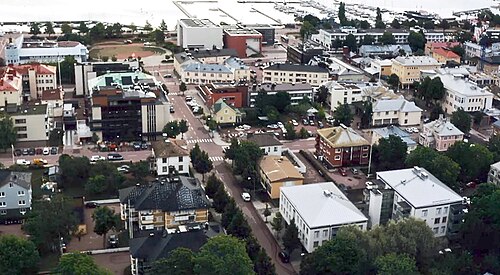
مع صعود الدولة القومية الحديثة ، أصبحت العاصمة رمزًا للدولة وحكومتها ، ومُشبعة بدلالات سياسية. على عكس عواصم العصور الوسطى ، التي كانت تُعلن حيثما يقيم الملك ، فإن اختيار العاصمة الحديثة أو نقلها أو تأسيسها أو الاستيلاء عليها يُعد حدثًا رمزيًا للغاية. على سبيل المثال :
- أصبحت أثينا المدمرة وشبه المهجورة عاصمةً لليونان المستقلة حديثًا عام 1834، بعد أربع سنوات من استقلال البلاد، بدافعٍ من فكرة رومانسية لإحياء مجد اليونان القديمة . [ 43 ] وبالمثل، في أعقاب الحرب الباردة وإعادة توحيد ألمانيا ، عادت برلين لتصبح عاصمة ألمانيا. [ 44 ] ومن بين العواصم الأخرى التي أُعيد بناؤها موسكو بعد ثورة أكتوبر .
- قد يكون نقل العاصمة رمزياً إلى موقعٍ هامشي جغرافياً أو ديموغرافياً لأسباب اقتصادية أو استراتيجية (يُعرف أحياناً بالعاصمة الأمامية أو عاصمة رأس الحربة ). نقل بطرس الأكبر حكومته من موسكو إلى سانت بطرسبرغ لإضفاء طابع أوروبي على الإمبراطورية الروسية . [ 45 ] أصبحت مدينة نافبليو، ذات الأهمية الاقتصادية ، أول عاصمة لليونان ، في حين كانت أثينا مجرد قرية صغيرة. [ 46 ] نقل أباطرة مينغ عاصمتهم إلى بكين من نانجينغ الأكثر مركزية للمساعدة في الإشراف على الحدود مع المغول. خلال ثورة 1857، اعتبر الثوار الهنود دلهي عاصمتهم، وأُعلن بهادر شاه ظفر إمبراطوراً، لكن البريطانيين الحاكمين اتخذوا من كلكتا عاصمةً لهم . في عام 1877، أقام البريطانيون رسمياً احتفالاً مهيباً في دلهي، أعلنوا فيه الملكة فيكتوريا إمبراطورةً للهند . أصبحت دلهي أخيراً العاصمة الاستعمارية بعد حفل تتويج الملك الإمبراطور جورج الخامس في عام 1911، واستمرت كعاصمة للهند المستقلة منذ عام 1947. ومن الأمثلة الأخرى أبوجا ، وأستانا ، وبرازيليا ، وهلسنكي ، وإسلام أباد ، ونايبيداو ، وياموسوكرو .
- كان اختيار أو تأسيس عاصمة "محايدة"، غير مثقلة بالهويات الإقليمية أو السياسية، يهدف إلى تمثيل وحدة الدولة الجديدة، كما هو الحال مع أنقرة ، وبرن ، وبرازيليا ، وكانبرا ، ومدريد ، وأوتاوا ، وواشنطن . وفي بعض الأحيان، كان يُختار موقع العاصمة الجديدة لإنهاء أي نزاعات قائمة أو محتملة بين مختلف الكيانات، كما في حالة برازيليا، وكانبرا، وأوتاوا، وواشنطن ، وويلينغتون، وماناغوا .
- مثلت مدينة نيودلهي التي بناها البريطانيون قطيعة واستمرارية متزامنة مع الماضي، حيث كان موقع دلهي هو المكان الذي تم فيه بناء العديد من العواصم الإمبراطورية (إندرا براستا، وديلكا، وشاهجهان آباد)، لكن العاصمة الفعلية كانت المدينة الجديدة التي بناها البريطانيون والتي صممها إدوين لوتينز .
- حلت مدينة ويلينغتون، الواقعة في الطرف الجنوبي الغربي من الجزيرة الشمالية لنيوزيلندا، محل مدينة أوكلاند الواقعة شمالاً بكثير ، وذلك لوضع العاصمة الوطنية بالقرب من الجزيرة الجنوبية ، وبالتالي تهدئة سكانها، الذين كان لدى الكثير منهم تعاطف مع الانفصال.
- خلال الحرب الأهلية الأمريكية ، بُذلت جهودٌ جبارة للدفاع عن واشنطن العاصمة، المتاخمة للولايات الكونفدرالية الأمريكية (مع ولاية فرجينيا )، ضد هجمات الكونفدرالية، على الرغم من إمكانية نقل الحكومة الفيدرالية الصغيرة نسبيًا إلى مكان آخر بسهولة. وبالمثل، بذلت الكونفدرالية جهودًا كبيرة للدفاع عن عاصمتها ريتشموند، فرجينيا ، في موقعها المكشوف، على بُعد 160 كيلومترًا فقط جنوب واشنطن العاصمة، من هجمات الاتحاد. [ 47 ]
- يشير مصطلح "عاصمتان وطنيتان" إلى دولة ذات سيادة أخرى. يُعتقد أن اسم تالين ، عاصمة إستونيا ، مشتق من كلمة " Taani linn " التي كانت تعني في الأصل "القلعة الدنماركية"، وتُعرف الآن في اللغة الإستونية باسم "المدينة الدنماركية"، نسبةً إلى قلعة تومبيا التي سيطرت عليها الدنمارك في الأعوام 1219-1227، و1238-1332، و1340-1346. [ 48 ] أما بورت أوف سبين ، عاصمة ترينيداد وتوباغو ، فقد سُميت بهذا الاسم بالإسبانية من قِبل المستوطنين الأوائل القادمين من إسبانيا في القرن السادس عشر. [ 49 ] للمزيد، انظر قائمة أصول أسماء العواصم الوطنية .
رؤوس الأموال في الاستراتيجية العسكرية

عادة ما تكون العاصمة هدفًا رئيسيًا في الحرب، ولكن ليس دائمًا، لأن الاستيلاء عليها يضمن عادةً الاستيلاء على جزء كبير من حكومة العدو، أو النصر للقوات المهاجمة، أو على الأقل إضعاف معنويات القوات المهزومة.
In ancient China, where governments were massive centralized bureaucracies with little flexibility on the provincial level, a dynasty could easily be toppled with the fall of its capital. In the Three Kingdoms period, both Shu and Wu fell when their respective capitals of Chengdu and Jianye fell. The Ming dynasty relocated its capital from Nanjing to Beijing, where they could more effectively control the generals and troops guarding the borders from Mongols and Manchus. The Ming was destroyed when Li Zicheng took their seat of power, and this pattern repeats itself in Chinese history, until the fall of the traditional Confucian monarchy in the 20th century. After the Qing dynasty's collapse, decentralization of authority and improved transportation and communication technologies allowed both the Chinese Nationalists and Chinese Communists to rapidly relocate capitals and keep their leadership structures intact during the great crisis of Japanese invasion.
National capitals were arguably less important as military objectives in other parts of the world, including the West, because of socioeconomic trends toward localized authority, a strategic modus operandi especially popular after the development of feudalism and reaffirmed by the development of democratic and capitalistic philosophies. In 1204, after the Latin Crusaders captured the Byzantine capital, Constantinople, Byzantine forces were able to regroup in several provinces; provincial noblemen managed to reconquer the capital after 60 years and preserve the empire for another 200 years after that. The British forces sacked various American capitals repeatedly during the Revolutionary War and War of 1812, but American forces could still carry on fighting from the countryside, where they enjoyed support from local governments and the traditionally independent civilian frontiersmen. Exceptions to these generalizations include highly centralized states such as France, whose centralized bureaucracies could effectively coordinate far-flung resources, giving the state a powerful advantage over less coherent rivals, but risking utter ruin if the capital were taken.
See also
Further reading
- Andreas Daum, "Capitals in Modern History: Inventing Urban Spaces for the Nation", in Berlin – Washington, 1800–2000: Capital Cities, Cultural Representation, and National Identities, ed. Andreas Daum and Christof Mauch. New York: Cambridge University Press, 2006, pp. 3–28.
- Capital Cities: International Perspectives – Les capitales: Perspectives internationales, ed. John Taylor, Jean G. Lengellé and Caroline Andrew. Ottawa: Carleton University Press, 1993, ISBN 978-0-7735-8496-9.
References
- ↑Panther, Klaus-Uwe; Thornburg, Linda L.; Barcelona, Antonio (2009). Metonymy and Metaphor in Grammar. John Benjamins Publishing. ISBN 978-90-272-2379-1. Archived from the original on 3 April 2023. Retrieved 17 June 2020.
- ↑"Capital". Merriam-Webster. Retrieved 7 May 2024.
- ↑Ovidius Naso, Publius (2003). Amores. Translated by Bishop, Tom. Taylor & Francis. ISBN 0415967414.
- ↑Beretta, Silvio (2017). Understanding China Today: An Exploration of Politics, Economics, Society, and International Relations. Springer. p. 320. ISBN 9783319296258.
- ↑Bahr, Ann Marie B. (2009). Christianity: Religions of the World. Infobase Publishing. p. 139. ISBN 9781438106397.
- ↑D'Agostino, Peter R. (2005). Rome in America: Transnational Catholic Ideology from the Risorgimento to Fascism. Univ of North Carolina Press. ISBN 9780807863411.
- ↑"What does a Capital City Mean?". Kinooze. 5 December 2012. Archived from the original on 31 May 2017. Retrieved 9 June 2017.
- ↑Schulz Richard, Katherine. "Why Do Some Countries Move Their Capitals?". ThoughtCo. Archived from the original on 10 October 2017. Retrieved 9 June 2017.
- ↑Amanat, Abbas (1997). Pivot of the Universe: Nasir Al-Din Shah Qajar and the Iranian Monarchy, 1831-1896. University of California Press. ISBN 978-0-520-08321-9.
- ↑"Tehran |". www.stonybrook.edu. Archived from the original on 2 November 2023. Retrieved 29 November 2025.
- ↑Makas, Emily Gunzburger; Conley, Tanja Damljanovic (4 December 2009). Capital Cities in the Aftermath of Empires: Planning in Central and Southeastern Europe. Routledge. ISBN 9781135167257. Archived from the original on 10 October 2017.
- ↑"City break in Turku – where the Finnish started". The Guardian. Retrieved 9 June 2025.
- ↑"Turku, Finland – Britannica". Archived from the original on 11 July 2021. Retrieved 1 August 2021.
- ↑Seymour, Michael (29 August 2014). Babylon: Legend, History and the Ancient City. I.B.Tauris. ISBN 9780857736079. Archived from the original on 10 October 2017.
- ↑Bahadori, Ali; Miri, Negin (2021). "The So-called Achaemenid Capitals and the Problem of Royal Court Residence". Iran. 62: 1–31. doi:10.1080/05786967.2021.1960881. S2CID 238840732.
- ↑"Oldest capital city". Guinness World Records.
- ↑"Capital cities: How are they chosen and what do they represent?". BBC News. 6 December 2017. Archived from the original on 23 March 2022. Retrieved 26 June 2022.
- ↑"Major urban areas - population - The World Factbook". www.cia.gov. Archived from the original on 9 January 2021. Retrieved 16 May 2025.
- ↑Berlin – Washington, 1800–2000: Capital Cities, Cultural Representation, and National Identities, ed. Andreas Daum and Christof Mauch. New York: Cambridge University Press, 2006, ISBN 978-0-521-84117-7, pp. 4–7.
- ↑Crew, Harvey W.; Webb, William Bensing; Wooldridge, John (1892). Centennial History of the City of Washington, D.C. Dayton, OH: United Brethren Publishing House. p. 124.
- ↑McLintock, Alexander Hare; John Victor Tuwhakahewa Baker, M. A.; Taonga, New Zealand Ministry for Culture and Heritage Te Manatu. "Geographical distribution of population". An encyclopaedia of New Zealand, edited by A. H. McLintock, 1966. Archived from the original on 31 October 2016.
- ↑Levine, Stephen (13 July 2012). "Capital city – A new capital". Te Ara: The Encyclopedia of New Zealand. Archived from the original on 5 May 2015. Retrieved 4 May 2015.
- ↑Pedrosa, Veronica (20 November 2006). "Burma's 'seat of the kings'". Al Jazeera. Archived from the original on 23 November 2006. Retrieved 21 November 2006.
- ↑Real Decreto de 30 de noviembre de 1833 en wikisource
- ↑Real Decreto de 30 de noviembre de 1833 en el sitio web oficial del Gobierno de Canarias
- ↑Ordonnance n° 58–1100 du 17 novembre 1958 relative au fonctionnement des assemblées parlementairesArchived 30 April 2013 at the Wayback Machine article 1
- ↑"Presidential Decree No. 940 : Philippine Laws, Statutes and Codes". Chan Robles Virtual Law Library. 24 June 1976. Archived from the original on 6 September 2014. Retrieved 20 April 2014.
- ↑Limos, Mario Alvaro (2 July 2020). "Where the Heck Is the Capital of Cavite?". Esquire Philippines. Mandaluyong: Summit Media. Retrieved 25 December 2023.
- ↑"Lisboa não tem documento que a oficialize como capital de Portugal", Comunidades Lusófonas (in Portuguese), 13 April 2015, archived from the original on 8 December 2020, retrieved 5 November 2016
- ↑Lansford, Tom (24 March 2015). Political Handbook of the World 2015. Singapore: CQ Press. ISBN 978-1-4833-7157-3. Archived from the original on 30 August 2017. Retrieved 30 August 2017.
- ↑Boxall, Sheryl (2008). DeRouen, Karl; Bellamy, Paul (eds.). International Security and the United States: An Encyclopedia, Volume 2. Westport, Connecticut, US: Greenwood Publishing Group. p. 728. ISBN 978-0-275-99255-2.
- ↑"Verfassung des Kantons Zürich"[Constitution of the Canton of Zürich]. admin.ch. 16 March 2022. Archived from the original on 28 May 2022. Retrieved 28 May 2022.
- ↑"Tanzania". The World Factbook. 16 November 2021. Archived from the original on 31 March 2021. Retrieved 24 January 2021.
- ↑Adetunji, Jo (4 June 2023). "Tanzania has moved its capital from Dar after a 50-year wait - but is Dodoma ready?". The Conversation. Retrieved 7 August 2024.
- ↑Reeder, Scott. "What does it cost taxpayers to pay for lawmakers' empty Springfield residences?" (Archive). Illinois News Network. 11 September 2014. Retrieved 26 May 2016.
- ↑Gauen, Pat. "Illinois corruption explained: the capital is too far from Chicago" (Archive). St. Louis Post-Dispatch. Retrieved 26 May 2016.
- ↑"In Nicosia, the world's last divided capital, a spirit of reconciliation is stirring across the fence". the Guardian. 15 January 2017. Archived from the original on 16 August 2021. Retrieved 15 August 2021.
- ↑"Nicosia Municipality - Nicosia, capital of the Republic of Cyprus". www.nicosia.org.cy. Archived from the original on 9 July 2021. Retrieved 15 August 2021.
- ↑"The Constitution of the Turkish Republic of Northern Cyprus". www.cypnet.co.uk. Archived from the original on 25 May 2011. Retrieved 15 August 2021.
- ↑See Jerusalem Law
- ↑2003 Basic Law of PalestineArchived 11 February 2016 at the Wayback Machine, Title One: Article 3
- ↑Landler, Mark (6 December 2017). "Trump Recognizes Jerusalem as Israel's Capital". The New York Times. Archived from the original on 17 June 2020. Retrieved 6 December 2017.
- ↑Chrysopoulos, Philip (18 September 2018). "September 18, 1834: Athens Becomes the Capital of Greece". GreekReporter.com. Archived from the original on 21 December 2018. Retrieved 21 December 2018.
- ↑"History of Berlin – Past and present of Berlin". introducingberlin.com. Archived from the original on 21 December 2018. Retrieved 21 December 2018.
- ↑"History of St. Petersburg, Russia: Peter the Great (short biography)". cityvision2000.com. Archived from the original on 23 January 2019. Retrieved 7 January 2019.
- ↑Mikellides, Byron (1 June 2001). "The Creation of Modern Athens, Planning the Myth". Urban Design International. 6 (2): 119. doi:10.1057/palgrave.udi.9000029. ISSN 1468-4519.
- ↑Winkle, Kenneth J. (2013). "Washington: Capital of the Union". Essential Civil War Curriculum. Archived from the original on 7 January 2019. Retrieved 7 January 2019.
- ↑"Tallinn". [KNR] Dictionary of Estonian Place names. Eesti Keele Instituut. Archived from the original on 5 October 2021. Retrieved 5 October 2021.
- ↑Sen Nag, Oishimaya (10 October 2017). "What Is The Capital Of Trinidad And Tobago?". World Atlas. Archived from the original on 5 October 2021. Retrieved 5 October 2021.
External links
 Media related to Capitals at Wikimedia Commons
- Capital cities
- Types of administrative division
- Types of cities