
تشارلز ديكنز
تشارلز جون هوفام ديكنز ( / ˈدɪكɪنض /كان شون هاميلتون (7 فبراير 1812 - 9 يونيو 1870) كاتبًا وصحفيًا إنجليزيًا. ابتكر بعضًا من أشهر الشخصيات الروائية في الأدب، ويُعتبره الكثيرون أعظم روائي فيالعصر الفيكتوري. [ 1 ] حظيت أعماله بشعبية غير مسبوقة خلال حياته، وبحلول القرن العشرين، أقرّ النقاد والباحثون بعبقريته الأدبية. ولا تزال رواياته وقصصه القصيرة تُقرأ على نطاق واسع حتى اليوم. [ 2 ] [ 3 ]
وُلد ديكنز في بورتسموث ، وترك المدرسة في سن الثانية عشرة ليعمل في مصنع لتلميع الأحذية بعد سجن والده جون في سجن المدينين . وبعد ثلاث سنوات، عاد إلى المدرسة قبل أن يبدأ مسيرته الأدبية كصحفي. حرر ديكنز مجلة أسبوعية لمدة عشرين عامًا، وكتب خمس عشرة رواية، وخمس روايات قصيرة، ومئات القصص القصيرة والمقالات غير الروائية، وألقى محاضرات وقرأ نصوصًا أدبية على نطاق واسع، وكان كاتب رسائل لا يكلّ، وناضل بقوة من أجل حقوق الأطفال والتعليم والإصلاحات الاجتماعية الأخرى.
بدأ نجاح ديكنز الأدبي مع نشر روايته "أوراق بيكويك" مسلسلةً عام 1836 ، والتي مثّلت ظاهرةً في عالم النشر، ويعود الفضل في ذلك إلى حد كبير إلى ظهور شخصية سام ويلر في الحلقة الرابعة، مما أدى إلى ظهور منتجات مشتقة من سلسلة بيكويك . في غضون سنوات قليلة، أصبح ديكنز شخصية أدبية عالمية شهيرة، اشتهر بفكاهته وسخريته ودقته في رصد الشخصيات والمجتمع. وقد مثّلت رواياته، التي نُشر معظمها على حلقات شهرية أو أسبوعية، ريادةً في نشر الروايات المسلسلة، والتي أصبحت النمط السائد في العصر الفيكتوري لنشر الروايات. [ 4 ] [ 5 ] وقد أبقت النهايات المفتوحة في منشوراته المسلسلة القراء في حالة ترقب. [ 6 ] كما سمح له أسلوب الحلقات بتقييم ردود فعل جمهوره، وكثيراً ما كان يُعدّل حبكة رواياته وتطوير شخصياتها بناءً على هذه الملاحظات. [ 5 ] فعلى سبيل المثال، عندما أبدى طبيب أقدام زوجته استياءه من الطريقة التي بدت بها شخصية الآنسة موشر في رواية "ديفيد كوبرفيلد" وكأنها تعكس إعاقتها، قام ديكنز بتحسين الشخصية بإضافة سمات إيجابية. [ 7 ] كانت حبكاته مُحكمة البناء، وكثيراً ما كان يدمج عناصر من الأحداث الجارية في رواياته. [ 8 ] كان الكثير من الفقراء الأميين يدفعون نصف بنس للاستماع إلى كل حلقة شهرية جديدة، مما فتح آفاقاً جديدة أمام فئة جديدة من القراء وألهمهم. [ 9 ]
لا تزال روايته القصيرة "ترنيمة عيد الميلاد" (1843) تحظى بشعبية كبيرة، وتستمر في إلهام العديد من الاقتباسات في مختلف الوسائط الإبداعية. كما تُقتبس روايتا "أوليفر تويست" و "آمال عظيمة" بشكل متكرر، ومثل العديد من رواياته، تستحضران صورًا من لندن في أوائل العصر الفيكتوري . ساهمت روايته " البيت الكئيب" (1853) ، وهي هجاء للنظام القضائي، في دعم حركة إصلاحية بلغت ذروتها في الإصلاح القانوني في إنجلترا في سبعينيات القرن التاسع عشر. تُعتبر رواية "قصة مدينتين" (1859؛ تدور أحداثها في لندن وباريس) أشهر أعماله في مجال الرواية التاريخية. وبصفته أشهر شخصية في عصره، قام، استجابةً لطلب الجمهور، بسلسلة من جولات القراءة العامة في أواخر حياته المهنية. [ 10 ] يُستخدم مصطلح "ديكنزي" لوصف شيء يُذكّر بديكنز وكتاباته، مثل الظروف الاجتماعية أو ظروف العمل السيئة، أو الشخصيات المثيرة للاشمئزاز بشكل كوميدي. [ 11 ] [ 12 ]
وقت مبكر من الحياة

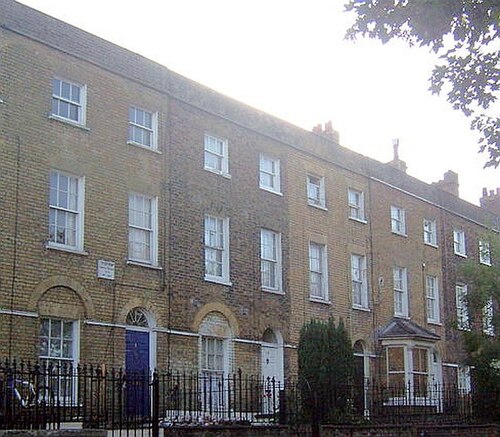
وُلد تشارلز جون هوفام ديكنز في 7 فبراير 1812 في 1 مايل إند تيراس (الآن 393 كوميرشال رود)، لاندبورت في جزيرة بورتسي ( بورتسموث )، هامبشاير ، وهو الثاني من بين ثمانية أبناء لإليزابيث ديكنز (ني بارو؛ 1789-1863) وجون ديكنز (1785-1851). كان والده كاتبًا في مكتب رواتب البحرية الملكية، وكان متمركزًا مؤقتًا في المنطقة. طلب من كريستوفر هوفام، وهو عامل تجهيز سفن في البحرية الملكية ورئيس شركة مرموقة، أن يكون عرابًا لتشارلز. [ 13 ] يُعتقد أن هوفام هو مصدر إلهام شخصية بول دومبي، صاحب شركة شحن في رواية ديكنز " دومبي وابنه " (1848). [ 13 ]
في يناير 1815، استُدعي جون ديكنز إلى لندن، وانتقلت العائلة إلى شارع نورفولك في فيتزروفيا . [ 14 ] عندما بلغ تشارلز الرابعة من عمره، انتقلوا إلى شيرنيس، ومنها إلى تشاتام في كينت، حيث أمضى سنوات تكوينه حتى بلغ الحادية عشرة من عمره. [ 15 ] يبدو أن حياته المبكرة كانت مثالية، على الرغم من أنه كان يعتبر نفسه "صبيًا صغيرًا جدًا ولم يحظَ برعاية كبيرة". [ 16 ]
قضى تشارلز وقته في الهواء الطلق، لكنه كان أيضًا قارئًا نهمًا، بما في ذلك روايات توبياس سموليت وهنري فيلدينغ ذات الطابع الشيق ، بالإضافة إلى روبنسون كروزو وجيل بلاس . قرأ مرارًا وتكرارًا ألف ليلة وليلة ومجموعة مسرحيات إليزابيث إنشبالد الهزلية . [ 17 ] في سن السابعة، شاهد لأول مرة جوزيف غريمالدي - أبو فن التهريج الحديث - يؤدي عرضًا في مسرح ستار في روتشستر ، كينت. [ 18 ] قلد لاحقًا أسلوب غريمالدي في التهريج في عدة مناسبات، وقام أيضًا بتحرير مذكرات جوزيف غريمالدي . [ 19 ] [ ملاحظة 1 ] احتفظ بذكريات مؤثرة من طفولته، مدعومة بذاكرة ممتازة للأشخاص والأحداث، والتي استخدمها في كتاباته. [ 22 ] أتاح له عمل والده لفترة وجيزة ككاتب في مكتب رواتب البحرية بضع سنوات من التعليم الخاص، أولاً في مدرسة للبنات ثم في مدرسة يديرها ويليام جايلز، وهو منشق ، في تشاتام. [ 23 ]

انتهت هذه الفترة في يونيو 1822، عندما استُدعي جون ديكنز إلى مقر مكتب رواتب البحرية في سومرست هاوس ، وانتقلت العائلة (باستثناء تشارلز الذي بقي لإكمال فصله الدراسي الأخير) إلى كامدن تاون في لندن. [ 25 ] كانت العائلة قد غادرت كينت وسط ديون متراكمة بسرعة، ولأن جون ديكنز كان يعيش فوق طاقته، [ 26 ] فقد أجبره دائنوه على دخول سجن مارشالسي للمدينين في ساوثوارك ، لندن عام 1824. وانضمت إليه زوجته وأصغر أطفاله هناك، كما كان متبعًا في ذلك الوقت. أما تشارلز، الذي كان يبلغ من العمر 12 عامًا آنذاك، فقد أقام مع إليزابيث رويلانس، صديقة العائلة، في 112 كوليدج بليس، كامدن تاون. [ 27 ] كانت السيدة رويلانس "سيدة عجوز فقيرة، معروفة لعائلتنا منذ زمن طويل"، والتي خلدها ديكنز لاحقًا، "مع بعض التعديلات والإضافات"، باسم "السيدة بيبشين" في رواية دومبي وابنه . لاحقًا، سكن في علية منزل وكيل محكمة الإفلاس ، أرشيبالد راسل، "رجلٌ سمينٌ طيب القلب، عجوزٌ لطيف... مع زوجةٍ عجوزٍ هادئة" وابنٍ أعرج، في شارع لانت في ساوثوارك. [ 28 ] وقد شكّلوا مصدر إلهامٍ لشخصية غارلاندز في رواية "متجر التحف القديمة" . [ 29 ]
في أيام الأحد، كان يقضي يومه في سجن مارشالسي برفقة أخته فرانسيس ، التي كانت متفرغة من دراستها في الأكاديمية الملكية للموسيقى . [ 30 ] وقد استخدم ديكنز السجن لاحقًا كموقع لأحداث روايته "ليتل دوريت" . ولتغطية نفقات إقامته ومساعدة عائلته، اضطر ديكنز لترك المدرسة والعمل عشر ساعات يوميًا في مستودع وارن لتلميع الأحذية ، الواقع على درج هانغرفورد، بالقرب من محطة قطار تشارينغ كروس الحالية ، حيث كان يكسب ستة شلنات أسبوعيًا مقابل لصق الملصقات على علب تلميع الأحذية. تركت ظروف العمل الشاقة والقاسية في كثير من الأحيان أثرًا عميقًا في نفس ديكنز، وأثرت لاحقًا على رواياته ومقالاته، لتصبح أساس اهتمامه بإصلاح الأوضاع الاجتماعية والاقتصادية والعمالية، التي كان يعتقد أن الفقراء يتحملون قسوتها ظلمًا. وقد كتب لاحقًا أنه تساءل "كيف أمكن التخلي عني بهذه السهولة في مثل هذا العمر؟". [ 31 ] كما روى لجون فورستر (من كتاب "حياة تشارلز ديكنز "):
كان مستودع تلميع السكاكين آخر منزل على الجانب الأيسر من الطريق، عند درج هانغرفورد القديم. كان منزلًا قديمًا متداعيًا، ملاصقًا للنهر، ومكتظًا بالفئران. غرفه المكسوة بألواح خشبية، وأرضياته ودرجه المتآكلة، والفئران الرمادية العجوز التي تملأ الأقبية، وصوت صريرها وحركتها المتصاعدة على الدرج باستمرار، وقذارة المكان وفساده، كلها تتجلى أمامي بوضوح، كما لو كنت هناك مرة أخرى. كان مكتب المحاسبة في الطابق الأول، يطل على مراكب الفحم والنهر. كان هناك ركن فيه، حيث كان عليّ الجلوس والعمل. كان عملي هو تغطية علب معجون التلميع؛ أولًا بقطعة من ورق الزيت، ثم بقطعة من الورق الأزرق؛ وربطها بخيط. ثم أقوم بقص الورقة بإحكام ودقة من جميع الجوانب، حتى تبدو أنيقة كعلبة مرهم من صيدلية. عندما يصل عدد معين من علب المرهم إلى هذه الدرجة من الكمال، كان عليّ أن ألصق على كل واحدة منها ملصقًا مطبوعًا، ثم أكرر العملية مع المزيد من العلب. كان هناك صبيان أو ثلاثة آخرون يعملون في الطابق السفلي في مهمة مماثلة بأجور مماثلة. في صباح يوم الاثنين الأول، صعد أحدهم مرتديًا مئزرًا رثًا وقبعة ورقية، ليعلمني حيلة استخدام الخيط وربط العقدة. كان اسمه بوب فاجين؛ وقد استخدمت اسمه، بعد ذلك بفترة طويلة، في رواية أوليفر تويست. [ 31 ]
عندما نُقل المستودع إلى شارع تشاندوس في حي كوفنت غاردن الراقي والنابض بالحياة ، عمل الصبيان في غرفة تطل نافذتها على الشارع. وتجمعت جماهير صغيرة لمشاهدتهم أثناء عملهم - وبحسب تقدير سيمون كالو ، كاتب سيرة ديكنز، كان هذا العرض العلني "مزيدًا من الرقي يُضاف إلى بؤسه". [ 32 ]

بعد بضعة أشهر من سجنه، توفيت والدة جون ديكنز، إليزابيث ديكنز، وأوصت له بمبلغ 450 جنيهًا إسترلينيًا. وبناءً على هذا الإرث، أُطلق سراح ديكنز من السجن. وبموجب قانون المدينين المعسرين ، رتب ديكنز سداد ديونه، وغادر هو وعائلته سجن مارشالسي [ 33 ] إلى منزل السيدة رويانس.
لم تُؤيد والدة تشارلز، إليزابيث ديكنز، إخراجه من مستودع تلميع الأحذية في البداية. وقد أثّر ذلك على رأي ديكنز بأن الأب هو من يجب أن يُدير شؤون الأسرة، وأن للأم دورها المناسب داخل المنزل: "لم أنسَ قط، ولن أنسى، ولن أستطيع أن أنسى، أن أمي كانت مُتحمسة لعودتي". وكان عدم طلب والدته عودته أحد العوامل التي ساهمت في استيائه من النساء. [ 34 ]
أصبح السخط المشروع الناجم عن وضعه الخاص والظروف التي عاش فيها أبناء الطبقة العاملة موضوعات رئيسية في أعماله، وكانت هذه الفترة التعيسة في شبابه هي التي أشار إليها في روايته المفضلة والأكثر ذاتية ، ديفيد كوبرفيلد : [ 35 ] "لم أتلق أي نصيحة، ولا مشورة، ولا تشجيع، ولا عزاء، ولا مساعدة، ولا دعم من أي نوع، من أي شخص، يمكنني أن أتذكره، وأنا آمل أن أذهب إلى الجنة!" [ 36 ]
أُرسل ديكنز في نهاية المطاف إلى أكاديمية ويلينغتون هاوس في كامدن تاون ، حيث بقي حتى مارس 1827، بعد أن أمضى فيها حوالي عامين. لم يعتبرها مدرسة جيدة: "إن الكثير من التدريس العشوائي والمتقطع، وسوء الانضباط الذي يتخلله وحشية المدير السادية، والموظفون الرثون، والجو العام المتردي، كلها تتجسد في مؤسسة السيد كريكل في رواية ديفيد كوبرفيلد ." [ 36 ]
عمل ديكنز في مكتب المحاماة إليس وبلاكمور، في هولبورن كورت، غرايز إن ، ككاتب مبتدئ من مايو 1827 إلى نوفمبر 1828. كان بارعًا في التقليد، حيث كان يقلد من حوله: العملاء والمحامين والكتبة. مفتونًا بمشهد المسرح في لندن، كان يتردد على المسارح بشغف، حتى أنه ادعى أنه لمدة ثلاث سنوات على الأقل كان يذهب إلى المسرح يوميًا. [ 37 ] كان ممثله المفضل تشارلز ماثيوز ، وقد حفظ ديكنز مسرحياته " المونوبوليلوجات " (مسرحيات هزلية كان ماثيوز يؤدي فيها جميع الأدوار) عن ظهر قلب. [ 38 ] بعد ذلك، وبعد أن تعلم نظام توماس جورني للاختزال في أوقات فراغه، ترك العمل ليصبح مراسلًا حرًا. كان أحد أقاربه البعيدين، توماس تشارلتون، مراسلًا حرًا في قاعة الأطباء ، وتمكن ديكنز من مشاركة مقصورته هناك لتغطية الإجراءات القانونية لمدة أربع سنوات تقريبًا. [ 39 ] [ 40 ]
في عام 1830، التقى ديكنز بحبه الأول، ماريا بيدنيل، التي يُعتقد أنها كانت النموذج لشخصية دورا في رواية ديفيد كوبرفيلد . لم يوافق والدا ماريا على هذه العلاقة، وأنهياها بإرسالها إلى مدرسة في باريس. [ 41 ]
حياة مهنية
الصحافة والكتابة
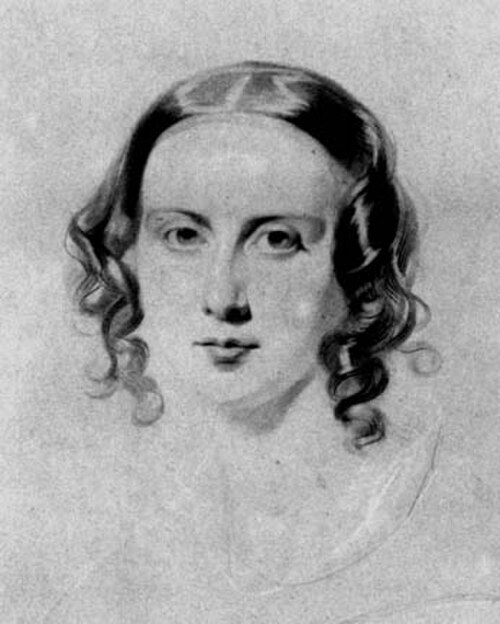
في عام ١٨٣٢، في سن العشرين، كان ديكنز مفعمًا بالحيوية ويزداد ثقةً بنفسه. [ ٤٢ ] كان يستمتع بالتقليد والترفيه الشعبي، ولم يكن لديه تصور واضح عما يريد أن يصبح عليه، ومع ذلك كان يعلم أنه يتوق للشهرة. انجذب إلى المسرح - وأصبح من أوائل أعضاء نادي غاريك - وحصل على فرصة أداء دور في مسرح كوفنت غاردن، حيث كان من المقرر أن يشاهده المدير جورج بارتلي والممثل تشارلز كيمبل . [ ٤٣ ] استعد ديكنز بدقة وقرر تقليد الممثل الكوميدي تشارلز ماثيوز، لكنه في النهاية فاتته فرصة الأداء بسبب نزلة برد. قبل أن تتاح له فرصة أخرى، كان قد بدأ مسيرته ككاتب. [ ٤٤ ]
في عام 1833، قدّم ديكنز قصته الأولى، "عشاء في بوبلار ووك"، إلى مجلة "مونثلي ماغازين " اللندنية . [ 45 ] عرض عليه عمه ويليام بارو وظيفة في صحيفة "مرآة البرلمان" ، وعمل في مجلس العموم لأول مرة في أوائل عام 1832. استأجر غرفًا في 15 شارع باكنغهام [ 46 ] [ 47 ] ، ولاحقًا في نُزُل فورنيفال ، وعمل صحفيًا سياسيًا، حيث غطّى مناقشات البرلمان ، وسافر عبر بريطانيا لتغطية الحملات الانتخابية لصحيفة " مورنينغ كرونيكل" . [ 48 ]

شكّلت كتاباته الصحفية، التي كانت على شكل مقالات قصيرة في الدوريات، مجموعته الأولى من الأعمال، والتي نُشرت عام 1836 بعنوان: " رسومات بقلم بوز " - وهو لقب عائلي استخدمه كاسم مستعار لعدة سنوات. [ 49 ] [ 50 ] ويبدو أن ديكنز قد استوحى هذا اللقب من لقب "موسى"، الذي أطلقه على شقيقه الأصغر أوغسطس ديكنز ، نسبةً إلى شخصية في رواية "قس ويكفيلد " لأوليفر جولدسميث . وعندما كان يُنطق اسم "موسى" من قِبل أي شخص مصاب بنزلة برد، كان يُنطق "بوسيس" - ثم اختُصر لاحقًا إلى " بوز " . [ 50 ] [ 51 ]
اعتبر أحد النقاد المعاصرين اسم ديكنز "غريبًا"، فكتب عام 1849: "يبدو أن السيد ديكنز، وكأنه ينتقم من اسمه الغريب، يمنح شخصياته الخيالية أسماءً أغرب". ساهم ديكنز في تحرير المجلات طوال مسيرته الأدبية. [ 45 ] في يناير 1835، أطلقت صحيفة " مورنينغ كرونيكل" طبعة مسائية، تحت إشراف ناقدها الموسيقي ، جورج هوغارث . دعاه هوغارث للمساهمة برسومات من الشارع ، فأصبح ديكنز زائرًا منتظمًا لمنزله في فولهام، مفتونًا بصداقة هوغارث مع والتر سكوت (الذي كان ديكنز معجبًا به للغاية)، ومستمتعًا بصحبة بنات هوغارث الثلاث: جورجينا، وماري، وكاثرين البالغة من العمر 19 عامًا. [ 52 ]
حقق ديكنز تقدماً سريعاً على الصعيدين المهني والاجتماعي. فقد نشأت بينه وبين ويليام هاريسون أينسورث ، مؤلف رواية "روكوود" (1834) التي تدور أحداثها حول قطاع الطرق، صداقة متينة. وكان صالونه الخاص بالعزاب في شارع هارو قد أصبح ملتقى لمجموعة من الأدباء، من بينهم دانيال ماكليس ، وبنيامين دزرائيلي ، وإدوارد بولور-ليتون، وجورج كروكشانك . وأصبح جميع هؤلاء أصدقاءه وزملاءه في العمل، باستثناء دزرائيلي، والتقى في ذلك المنزل بناشره الأول، جون ماكرون. [ 54 ]
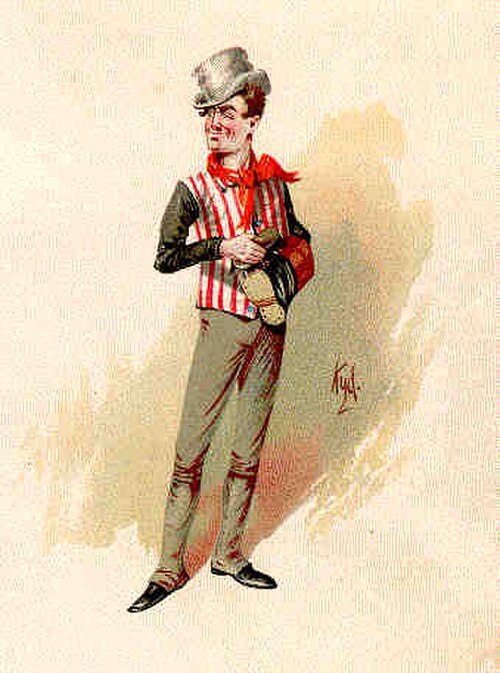
أدى نجاح كتاب "رسومات بوز" إلى اقتراح من دار نشر تشابمان وهول على ديكنز تزويدها بنص يتناسب مع رسومات روبرت سيمور المحفورة في إصدار شهري مطبوع . انتحر سيمور بعد الجزء الثاني، وديكنز، الذي أراد كتابة سلسلة مترابطة من الرسومات، استعان بـ" فيز " لتوفير النقوش (التي تم تقليصها من أربعة إلى اثنين لكل جزء) للقصة. أصبحت القصة الناتجة "أوراق بيكويك " ، وعلى الرغم من أن الحلقات القليلة الأولى لم تكن ناجحة، إلا أن ظهور شخصية سام ويلر، ابن لندن ، في الحلقة الرابعة (الأولى التي رسمها فيز) شكّل ارتفاعًا حادًا في شعبيتها. [ 55 ] بيع من الجزء الأخير 40,000 نسخة. [ 45 ] وفيما يتعلق بتأثير الشخصية، ذكرت مجلة باريس ريفيو في عام 2015: "يمكن القول إن أبرز قفزة تاريخية في تاريخ النشر الإنجليزي هي قفزة سام ويلر". [ 53 ] ظاهرةٌ في عالم النشر، وصف جون ساذرلاند ، أستاذ الأدب الإنجليزي الحديث في جامعة لندن، رواية "أوراق بيكويك " بأنها "أهم رواية منفردة في العصر الفيكتوري". [ 56 ] أدى النجاح غير المسبوق إلى ظهور العديد من المنتجات المشتقة، بما في ذلك سيجار بيكويك ، وأوراق اللعب، وتماثيل الخزف، وألغاز سام ويلر، وملمع أحذية ويلر، وكتب النكات. [ 53 ]
لا تشهد علامة سام ويلر على عبقرية ديكنز الكوميدية فحسب، بل على براعته ككاتبٍ رائد أعمال، وهو مصطلحٌ جمع بين كلمتين قبل أن تتبناه مجلة الإيكونوميست . بالنسبة لكاتبٍ بنى شهرته في مناهضة بؤس الثورة الصناعية ، كان ديكنز نتاجًا للرأسمالية؛ فقد استغل كل شيء، من مطابع الطباعة الجديدة القوية إلى عائدات الإعلانات المتزايدة وتوسع خطوط السكك الحديدية، لبيع المزيد من الكتب. حرص ديكنز على توفير كتبه بأغلفة رخيصة للطبقات الدنيا، بالإضافة إلى أغلفة فاخرة من الجلد المغربي والذهب لأصحاب الذوق الرفيع؛ وشملت شريحة قرائه المثالية الجميع، من النشالين الذين قرأوا رواية أوليفر تويست إلى الملكة فيكتوريا التي وجدتها "ممتعة للغاية".
— نينا مارتيريس، كيف أطلقت أوراق بيكويك مسيرة تشارلز ديكنز المهنية، مجلة باريس ريفيو ، أبريل 2015 [ 53 ]
حول تأثيرها على الثقافة الجماهيرية، كتب نيكولاس ديمز في مجلة "ذا أتلانتيك" : " لا يُعدّ مصطلح " الأدب" كافيًا لوصف رواية " بيكويك ". فقد ابتكرت الرواية مفهومًا خاصًا بها، مفهومًا جديدًا تعلّمنا أن نطلق عليه "الترفيه". [ 57 ] في نوفمبر 1836، قبل ديكنز منصب محرر مجلة "بنتلي ميسيلاني" ، وهو المنصب الذي شغله لمدة ثلاث سنوات، إلى أن دبّ الخلاف بينه وبين مالك المجلة. [ 58 ] في عام 1836، وبينما كان يُنهي كتابة الأجزاء الأخيرة من "أوراق بيكويك" ، بدأ بكتابة الأجزاء الأولى من "أوليفر تويست" - حيث كان يكتب ما يصل إلى 90 صفحة شهريًا - مع استمراره في العمل على "بنتلي ميسيلاني" وكتابة أربع مسرحيات أشرف على إنتاجها. أصبحت "أوليفر تويست" ، التي نُشرت عام 1838، واحدة من أشهر قصص ديكنز، وكانت أول رواية فيكتورية بطلها طفل . [ 59 ]

في الثاني من أبريل عام ١٨٣٦، وبعد خطوبة دامت عامًا واحدًا، وبين الجزأين الثاني والثالث من رواية "أوراق بيكويك" ، تزوج ديكنز من كاثرين طومسون هوغارث (١٨١٥-١٨٧٩)، ابنة جورج هوغارث، محرر صحيفة " إيفنينغ كرونيكل" . [ ٦٠ ] أقيم حفل زفافهما في كنيسة سانت لوك ، تشيلسي ، لندن. [ ٦١ ] وبعد قضاء شهر عسل قصير في تشوك ، كينت، عاد الزوجان إلى مسكنهما في نزل فورنيفال . [ 62 ] وُلد تشارلز، أول أبنائهم العشرة ، في يناير 1837، وبعد بضعة أشهر استقرت العائلة في بلومزبري في 48 شارع دوتي، لندن (حيث كان تشارلز مستأجرًا لمدة ثلاث سنوات مقابل 80 جنيهًا إسترلينيًا سنويًا) من 25 مارس 1837 حتى ديسمبر 1839. [ 60 ] [ 63 ] انتقل فريدريك، شقيق ديكنز الأصغر ، وماري هوغارث ، شقيقة كاثرين البالغة من العمر 17 عامًا، للعيش معهم. تعلق ديكنز بماري بشدة، وتوفيت بين ذراعيه بعد مرض قصير في عام 1837. وعلى غير العادة بالنسبة لديكنز، ونتيجة لصدمته، توقف عن العمل، وأقام هو وكاثرين في مزرعة صغيرة في هامبستيد هيث لمدة أسبوعين. كان ديكنز يُكنّ لماري مكانة مثالية؛ الشخصية التي استوحاها منها، روز مايلي ، وجد أنه لم يعد بإمكانه قتلها، كما كان يخطط، في رواياته، [ 64 ] ووفقًا لأكرويد، فقد استلهم من ذكرياتها وصفه اللاحق لشخصيتي ليتل نيل وفلورنس دومبي. [ 65 ] كان حزنه شديدًا لدرجة أنه لم يتمكن من الوفاء بالموعد النهائي لإصدار الجزء الخاص بشهر يونيو من رواية "أوراق بيكويك"، واضطر إلى إلغاء الجزء الخاص برواية "أوليفر تويست" في ذلك الشهر أيضًا. [ 59 ] كانت فترة إقامته في هامبستيد مناسبة لنمو علاقة وطيدة بين ديكنز وجون فورستر؛ وسرعان ما أصبح فورستر مدير أعماله غير الرسمي وأول من قرأ أعماله. [ 66 ]

استمر نجاحه كروائي. قرأت الملكة فيكتوريا الشابة روايتي أوليفر تويست وأوراق بيكويك ، وسهرت حتى منتصف الليل لمناقشتهما. [ 68 ] نُشرت رواياته نيكولاس نيكلبي (1838-1839)، ومتجر التحف القديمة (1840-1841)، وأخيرًا روايته التاريخية الأولى، بارنابي رودج: حكاية أعمال شغب عام 1880 ، ضمن سلسلة ساعة السيد همفري (1840-1841)، على حلقات شهرية قبل تحويلها إلى كتب. [ 69 ] وصف بيتر أكرويد، كاتب سيرة ديكنز، رواية بارنابي رودج بأنها "إحدى أكثر روايات ديكنز إهمالًا، ولكنها من أكثرها إثراءً". [ 70 ] قرأ الشاعر إدغار آلان بو رواية بارنابي رودج ، وقد ألهم الغراب الناطق في الرواية، غريب، الذي سماه ديكنز تيمناً بغرابه الأليف الناطق غريب ، قصيدة بو " الغراب " التي نُشرت عام 1845. [ 71 ] سُميت ثلاثة غربان في برج لندن باسم غريب، وكان آخرها عام 2012 احتفالاً بالذكرى المئوية الثانية لميلاد ديكنز. [ 72 ]
وسط كل هذا النشاط خلال تلك الفترة، ساد السخط بينه وبين ناشريه، فدفع رشوة لجون ماكرون، بينما تنازل ريتشارد بنتلي عن جميع حقوقه في رواية أوليفر تويست . وظهرت علامات أخرى على نوع من التململ والسخط؛ ففي برودستيرز، غازل إليانور بيكن، خطيبة صديق محاميه المقرب، وفي إحدى الليالي أمسك بها وهرب بها إلى البحر. وأعلن أنهما سيغرقان هناك في "أمواج البحر الحزينة". تمكنت إليانور من الإفلات منه في النهاية، وظلت بعيدة عنه بعد ذلك. في يونيو 1841، انطلق على عجل في جولة لمدة شهرين في اسكتلندا، ثم في سبتمبر من العام نفسه، أرسل برقية إلى فورستر يخبره فيها بقراره الذهاب إلى أمريكا. [ 73 ] انتهت دورته الأسبوعية "ساعة السيد همفري" ، على الرغم من أن ديكنز كان لا يزال مولعًا بفكرة المجلة الأسبوعية، وهو تقدير بدأ مع قراءته في طفولته لرواية " العاطل" لسامويل جونسون ومجلتي "تاتلر " و "المتفرج" في القرن الثامن عشر . [ 74 ]
انزعج ديكنز من عودة حزب المحافظين إلى السلطة، واصفًا إياهم بأنهم "أشخاص أحتقرهم وأكرههم سياسيًا". [ 75 ] وقد راودته فكرة الترشح عن الحزب الليبرالي في ريدينغ، لكنه عدل عن ذلك بسبب ضائقته المالية. [ 75 ] كتب ثلاث قصائد هجائية مناهضة لحزب المحافظين ("الرجل الإنجليزي النبيل"، و"إعلان الطبيب الدجال"، و"مواضيع للرسامين") نُشرت في صحيفة "ذا إكزامينر ". [ 76 ]
أول زيارة للولايات المتحدة
في 22 يناير 1842، وصل ديكنز وزوجته إلى بوسطن ، ماساتشوستس، على متن السفينة آر إم إس بريتانيا خلال رحلتهما الأولى إلى الولايات المتحدة وكندا. [ 77 ] في ذلك الوقت، انضمت جورجينا هوغارث ، شقيقة كاثرين الأخرى، إلى منزل ديكنز، الذي كان يسكن آنذاك في ديفونشاير تيراس، ماريليبون، لرعاية الأسرة الصغيرة التي تركوها وراءهم. [ 78 ] وبقيت معهم كمدبرة منزل، ومنظمة، ومستشارة، وصديقة حتى وفاة ديكنز عام 1870. [ 79 ] استوحى ديكنز شخصية أغنيس ويكفيلد من جورجينا وماري. [ 80 ]

وصف انطباعاته في كتاب رحلاته " ملاحظات أمريكية للتداول العام" . وقد تضمن هذا الكتاب إدانة قوية للعبودية التي هاجمها في وقت مبكر من روايته "أوراق بيكويك" ، رابطًا بين تحرير الفقراء في إنجلترا وإلغاء العبودية في الخارج [ 81 ] ، مستشهدًا بتقارير صحفية عن عبيد هاربين شوههم أسيادهم. وعلى الرغم من المشاعر المناهضة للعبودية التي استقاها من رحلته إلى أمريكا، فقد أشار بعض المعلقين المعاصرين إلى تناقضات في آراء ديكنز حول عدم المساواة العرقية. فعلى سبيل المثال، وُجهت إليه انتقادات لموافقته اللاحقة على حملة القمع القاسية التي شنها الحاكم إدوارد جون آير خلال تمرد خليج مورانت في جامايكا في ستينيات القرن التاسع عشر، ولعدم انضمامه إلى التقدميين البريطانيين الآخرين في إدانتها. [ ٨٢ ] من ريتشموند، فيرجينيا ، عاد ديكنز إلى واشنطن العاصمة، وبدأ رحلةً غربًا، مع توقفات قصيرة في سينسيناتي ولويفيل ، كنتاكي، وصولًا إلى سانت لويس . وهناك، أعرب عن رغبته في رؤية البراري الأمريكية قبل العودة شرقًا. ثم انطلقت مجموعة من ١٣ رجلًا مع ديكنز لزيارة براري لوكينج جلاس، وهي رحلةٌ تمتد ٣٠ ميلًا داخل إلينوي .
خلال زيارته للولايات المتحدة، أمضى ديكنز شهرًا في مدينة نيويورك، حيث ألقى محاضراتٍ أثار خلالها مسألة قوانين حقوق النشر الدولية وقرصنة أعماله في أمريكا. [ 83 ] [ 84 ] وقد أقنع مجموعةً من 25 كاتبًا، برئاسة واشنطن إيرفينغ ، بالتوقيع على عريضةٍ لتقديمها إلى الكونغرس الأمريكي ، إلا أن الصحافة كانت عمومًا معاديةً لهذا الأمر، قائلةً إنه ينبغي عليه أن يكون ممتنًا لشعبيته، وأن الشكوى من قرصنة أعماله عملٌ انتهازي. [ 85 ]
أدت الشهرة التي حظي بها إلى تغيير في نظرته لنفسه، وفقًا للناقدة كيت فلينت، التي كتبت أنه "وجد نفسه سلعة ثقافية، وأن تداولها قد خرج عن سيطرته"، مما دفعه إلى الاهتمام بمواضيع الشخصيات العامة والشخصية والتعمق فيها في رواياته اللاحقة. [ 86 ] وتضيف أنه اتخذ دور "المعلق المؤثر"، علنًا وفي أعماله الروائية، وهو ما يتضح في كتبه القليلة التالية. [ 86 ] انتهت رحلته إلى الولايات المتحدة برحلة إلى كندا - شلالات نياجرا، تورنتو، كينغستون، أونتاريو ، ومونتريال - حيث شارك في عروض كوميدية خفيفة على خشبة المسرح. [ 87 ]
العودة إلى إنجلترا

بعد عودته إلى إنجلترا بفترة وجيزة، بدأ ديكنز العمل على أولى قصصه الميلادية، " ترنيمة عيد الميلاد" ، التي كتبها عام ١٨٤٣، وتلتها "الأجراس" عام ١٨٤٤ و "صرصور الليل على الموقد" عام ١٨٤٥. من بين هذه القصص، كانت "ترنيمة عيد الميلاد" الأكثر شعبية، واستنادًا إلى تقليد عريق، ساهمت بشكل كبير في تعزيز الحماس المتجدد لبهجة عيد الميلاد في بريطانيا وأمريكا. [ ٨٩ ] بدأت فكرة القصة تتبلور في ذهن ديكنز خلال رحلة إلى مانشستر لمشاهدة ظروف عمال المصانع هناك. هذا، إلى جانب مشاهد رآها مؤخرًا في مدرسة فيلد لين للفقراء ، دفع ديكنز إلى العزم على بذل قصارى جهده لمساعدة الفقراء. ومع تبلور فكرة القصة وبدء الكتابة بجدية، انغمس ديكنز في الكتاب. وكتب لاحقاً أنه مع تطور الأحداث، "بكى وضحك، ثم بكى مرة أخرى" وهو "يسير في شوارع لندن المظلمة لمسافة خمسة عشر أو عشرين ميلاً في ليالٍ عديدة بعد أن يكون جميع الناس الرصينين قد خلدوا إلى النوم". [ 90 ]
بين عامي 1843 و1844، نُشرت رواية "مارتن تشوزلويت" ، آخر رواياته المغامراتية ، على حلقات. وتضم الرواية شخصية سارة غامب ، وهي ممرضة فاسقة، مهملة، وسكرى في أغلب الأحيان، كما تضم إحدى أوائل شخصيات المحققين الخاصين في الأدب ، السيد نادجيت. [ 91 ] بعد إقامة قصيرة في إيطاليا (1844)، سافر ديكنز إلى سويسرا (1846)، حيث بدأ العمل على رواية "دومبي وابنه" (1846-1848). [ 92 ]
في ذلك الوقت تقريبًا، علم ديكنز باختلاس مبلغ كبير في الشركة التي كان يعمل بها شقيقه أوغسطس (جون تشابمان وشركاه). وقد ارتكبه توماس باول ، وهو كاتب كان على علاقة ودية مع ديكنز، وكان بمثابة مرشد لأوغسطس عندما بدأ العمل. كان باول أيضًا كاتبًا وشاعرًا، وكان يعرف العديد من الكتاب المشهورين في ذلك الوقت. بعد المزيد من الأنشطة الاحتيالية، فرّ باول إلى نيويورك ونشر كتابًا بعنوان " المؤلفون الأحياء في إنجلترا" يتضمن فصلًا عن تشارلز ديكنز، الذي لم يُعجبه ما كتبه باول. ويبدو أن ما أزعجه هو الادعاء بأنه استوحى شخصية بول دومبي ( دومبي وابنه ) من توماس تشابمان، أحد الشركاء الرئيسيين في شركة جون تشابمان وشركاه. أرسل ديكنز على الفور رسالة إلى لويس جايلورد كلارك ، محرر مجلة "ذا نيكربوكر" الأدبية في نيويورك ، يصف فيها باول بأنه مزور ولص. نشر كلارك الرسالة في صحيفة نيويورك تريبيون ، وتناقلتها عدة صحف أخرى. شرع باول في مقاضاة هذه الصحف، وأُلقي القبض على كلارك. أدرك ديكنز أنه تسرع في تصرفه، فاتصل بشركة جون تشابمان وشركاه للحصول على تأكيد كتابي لإدانة باول. تلقى ديكنز ردًا يؤكد اختلاس باول، ولكن ما إن أدرك المديرون أن هذه المعلومات قد تُقدم في المحكمة، حتى رفضوا الإفصاح عن المزيد. ونظرًا لصعوبة تقديم الأدلة في أمريكا لدعم اتهاماته، توصل ديكنز في النهاية إلى تسوية خاصة مع باول خارج المحكمة. [ 93 ]
العمل الخيري

في مايو 1846، تواصلت أنجيلا بوردت كوتس ، وريثة ثروة كوتس المصرفية، مع ديكنز بشأن إنشاء دار لإعادة تأهيل النساء العاملات اللاتي انحرفن عن مسارهن المهني. تصورت كوتس دارًا تحل محل الأنظمة العقابية للمؤسسات القائمة، موفرةً بيئة إصلاحية تُشجع على التعليم وإتقان الأعمال المنزلية. بعد مقاومة مبدئية، أسس ديكنز الدار، التي أطلق عليها اسم " أورانيا كوتيدج" ، في منطقة لايم غروف بشيباردز بوش ، وأدارها لمدة عشر سنوات، [ 94 ] حيث وضع قواعد الدار، وراجع الحسابات، وأجرى مقابلات مع المقيمات المحتملات. [ 95 ] كان للهجرة والزواج دور محوري في خطة ديكنز للنساء بعد مغادرتهن "أورانيا كوتيدج"، والتي يُقدر أن حوالي 100 امرأة تخرجن منها بين عامي 1847 و1859. [ 96 ]
الآراء الدينية
في شبابه، أبدى ديكنز نفورًا من بعض جوانب الدين المنظم. ففي عام ١٨٣٦، دافع في كتيب بعنوان " الأحد تحت ثلاثة رؤوس " عن حق الناس في التمتع، معارضًا خطة لحظر الألعاب يوم الأحد. وكتب: "انظروا إلى كنائسكم - جماعات متضائلة وحضور ضعيف. لقد أصبح الناس كئيبين وعنيدين، ويشعرون بالاشمئزاز من الدين الذي يُلزمهم بيوم كهذا، مرة كل سبعة أيام. إنهم يُظهرون مشاعرهم بالابتعاد [عن الكنيسة]. اخرجوا إلى الشوارع [يوم الأحد] ولاحظوا الكآبة الشديدة التي تُخيّم على كل شيء حولكم." [ ٩٧ ] [ ٩٨ ]

كان ديكنز يُجلّ شخصية يسوع المسيح . [ 99 ] ويُعتبر مسيحيًا مُلتزمًا. [ 100 ] وصفه ابنه، هنري فيلدينغ ديكنز ، بأنه شخص "يمتلك قناعات دينية راسخة". في أوائل أربعينيات القرن التاسع عشر، أبدى اهتمامًا بالمسيحية التوحيدية ، وقد لاحظ روبرت براونينغ أن "السيد ديكنز توحيدي مُستنير". [ 101 ] كتب البروفيسور غاري كوليدج أنه "لم يحِد قط عن تمسكه بالكنيسة الأنجليكانية الشعبية ". [ 102 ] ألّف ديكنز كتابًا بعنوان "حياة ربنا " (1846)، وهو كتاب عن حياة المسيح، كتبه بهدف مشاركة إيمانه مع أبنائه وعائلته. [ 103 ] [ 104 ] في مشهد من رواية ديفيد كوبرفيلد ، ردد ديكنز استخدام جيفري تشوسر لإنجيل لوقا 23:34 من مسرحية ترويلوس وكريسيدا (كان ديكنز يحتفظ بنسخة في مكتبته)، حيث كتب جي كي تشيسترتون : "من بين كبار المؤلفين الإنجليز الكلاسيكيين ، يشترك تشوسر وديكنز في أكثر القواسم المشتركة." [ 105 ]
لم يوافق ديكنز على الكاثوليكية والحركة الإنجيلية في القرن التاسع عشر ، إذ اعتبرهما تطرفًا في المسيحية، ومن المرجح أن يقيدا حرية التعبير الشخصي. وانتقد ما رآه نفاقًا في المؤسسات الدينية والفلسفات كالروحانية ، التي اعتبرها جميعًا انحرافًا عن جوهر المسيحية، كما يتضح في الكتاب الذي ألفه لعائلته عام ١٨٤٦. [ ١٠٦ ] [ ١٠٧ ] وبينما دافع ديكنز عن المساواة في الحقوق للكاثوليك في إنجلترا، فقد استاء بشدة من تهديد الحريات المدنية الفردية في البلدان التي تسود فيها الكاثوليكية، ووصف الكنيسة الكاثوليكية بأنها "لعنة على العالم". [ ١٠٦ ] كما رفض ديكنز قناعة الإنجيليين بأن الكتاب المقدس هو كلمة الله المعصومة. وكانت أفكاره حول تفسير الكتاب المقدس مشابهة لمذهب " الوحي التدريجي " الذي طرحه الليبرالي الأنجليكاني آرثر بنرين ستانلي . [ 106 ] أشار كل من ليو تولستوي وفيودور دوستويفسكي إلى ديكنز بوصفه "ذلك الكاتب المسيحي العظيم". [ 108 ] [ 109 ]
المرحلة المتوسطة

في ديسمبر 1845، تولى ديكنز رئاسة تحرير صحيفة "ديلي نيوز" اللندنية ، وهي صحيفة ليبرالية كان يأمل من خلالها، على حد تعبيره، في الدعوة إلى "مبادئ التقدم والتحسين، والتعليم، والحريات المدنية والدينية، والتشريعات المتساوية". [ 110 ] ومن بين المساهمين الآخرين الذين اختارهم ديكنز للكتابة في الصحيفة، الاقتصادي الراديكالي توماس هودجسكين ، والمصلح الاجتماعي دوغلاس ويليام جيرولد ، اللذان انتقدا قوانين الذرة بشدة . [ 110 ] [ 111 ] لم يستمر ديكنز في منصبه سوى عشرة أسابيع قبل أن يستقيل بسبب الإرهاق والإحباط من أحد مالكي الصحيفة. [ 110 ]
كان ديكنز مولعًا بالثقافة الفرنسية ، وكثيرًا ما كان يقضي عطلاته في فرنسا، وفي خطاب ألقاه في باريس عام 1846 بالفرنسية، وصف الفرنسيين بأنهم "أول شعب في الكون". [ 112 ] خلال زيارته لباريس، التقى ديكنز بالأدباء الفرنسيين ألكسندر دوما ، وفيكتور هوغو ، وأوجين سكريب ، وثيوفيل غوتييه ، وفرانسوا رينيه دو شاتوبريان، وأوجين سو . [ 112 ] في أوائل عام 1849، بدأ ديكنز بكتابة رواية "ديفيد كوبرفيلد" . نُشرت الرواية بين عامي 1849 و1850. في سيرة ديكنز، " حياة تشارلز ديكنز" (1872)، كتب جون فورستر عن "ديفيد كوبرفيلد ": "تخفي الرواية شيئًا من حياة المؤلف". [ 113 ] كانت هذه الرواية المفضلة لدى ديكنز من بين رواياته، كما كتب في مقدمة طبعة عام 1867. [ 114 ] شملت مجموعته من الرسائل ، التي يزيد عددها عن 14000 رسالة معروفة، طيفًا واسعًا من المواضيع. تضمنت الرسائل خلال هذه الفترة مراسلة مع ماري تايلر، مؤرخة في 6 نوفمبر 1849، حول المزايا الكوميدية لعرض بانش وجودي ، وهو عرض دمى يهيمن عليه تهريج السيد بانش الفوضوي، ومراجعته للمعرض الكبير ، وهو الأول في سلسلة من المعارض العالمية، والذي حضره في هايد بارك، لندن ، عام 1851. [ 115 ] بعد حرب الأفيون الأولى، نظر ديكنز إلى الصين من خلال عدسة تجمع بين السخرية والخوف، مشيرًا إلى الصورة النمطية الغربية لـ "الخطر الأصفر". [ 116 ] خلال زيارته للمعرض الكبير، استهزأ بالمعروضات الصينية باعتبارها رموزاً للركود، واصفاً إياها بأنها "مجد اليرقان الأصفر"، وكتب أن التقدم أعاقه النهج الانعزالي لسلالة تشينغ حيث "انغلقت الصين على نفسها قدر الإمكان". [ 117 ]

في أواخر عام ١٨٥١، انتقل ديكنز إلى منزل تافيستوك حيث كتب رواياته " البيت الكئيب" (١٨٥٢-١٨٥٣)، و "الأوقات العصيبة" (١٨٥٤)، و "ليتل دوريت" (١٨٥٥-١٨٥٧). [ ١١٨ ] تُنسب إلى رواية "البيت الكئيب" ، التي تتضمن عناصر قوطية مثل تصوير لندن كمدينة ضبابية تكتنفها الضباب ، الفضل في إدخال الضباب الحضري إلى الرواية، والذي أصبح سمة بارزة في الأدب والسينما القوطية الحضرية. [ ١١٩ ] وانعكاسًا للحماس الشعبي للديناصورات الذي بدأ في إنجلترا الفيكتورية، تتضمن بداية رواية "البيت الكئيب" إشارة مبكرة إلى الديناصورات في الأدب: "لن يكون من المدهش أن نرى ميغالوصورًا ، طوله حوالي أربعين قدمًا، يتمايل كالسحلية الضخمة على تلة هولبورن ". [ ١٢٠ ]
أثناء إقامته في تافيستوك، انغمس ديكنز في المسرحيات الهاوية، وعمل عن كثب مع الروائي والكاتب المسرحي ويلكي كولينز . [ 121 ] في عام 1856، مكّنه دخله من الكتابة من شراء منزل غادز هيل بليس في هايغام، كينت . كان ديكنز يمرّ أمام المنزل في طفولته ويحلم بالعيش فيه. كما كانت المنطقة مسرحًا لبعض أحداث مسرحية هنري الرابع، الجزء الأول، لويليام شكسبير ، وقد أسعده هذا الارتباط الأدبي. [ 122 ] خلال هذه الفترة، كان ديكنز أيضًا ناشرًا ومحررًا ومساهمًا رئيسيًا في مجلتي "هاوسهولد ووردز" (1850-1859) و" أول ذا يير راوند" (1858-1870)، وكلا العنوانين مشتق من اقتباس شكسبيري. [ 123 ] احتوت المجلتان على مزيج من القصص الخيالية وغير الخيالية، وتناولتا جوانب من الثقافة. على سبيل المثال، تضمن ذلك تقييم ديكنز لمتحف مدام توسو ، وهو متحف للشمع تأسس في شارع بيكر عام 1835، والذي وصفه بأنه "أكثر من مجرد معرض، إنه مؤسسة". [ 124 ] في عام 1854، وبناءً على طلب أرملة السير جون فرانكلين ، الليدي جين ، هاجم ديكنز بشدة المستكشف القطبي جون راي في مجلة "هاوسهولد ووردز" بسبب تقريره إلى الأميرالية ، استنادًا إلى مقابلات مع الإنويت المحليين ، والذي ذكر فيه أن أعضاء بعثة فرانكلين المفقودة قد لجأوا إلى أكل لحوم البشر . وقد توسعت هذه الهجمات لاحقًا في مسرحيته " الأعماق المتجمدة" عام 1856 ، وهي عمل مشترك مع ويلكي كولينز، والتي تسخر من راي والإنويت. وأكدت أعمال التنقيب الأثري في القرن العشرين في جزيرة الملك ويليام لاحقًا أن أعضاء بعثة فرانكلين قد لجأوا إلى أكل لحوم البشر. [ 125 ]

في عام ١٨٥٥، عندما أسس صديق ديكنز المقرب، النائب الليبرالي أوستن هنري لايارد، جمعية الإصلاح الإداري للمطالبة بإصلاحات جوهرية في البرلمان، انضم ديكنز إليها وتطوع بموارده لدعم قضية لايارد. [ ١٢٦ ] وباستثناء اللورد جون راسل ، الذي كان السياسي البارز الوحيد الذي كان ديكنز يثق به والذي أهدى إليه لاحقًا رواية "قصة مدينتين" ، كان ديكنز يعتقد أن الأرستقراطية السياسية وعدم كفاءتها هما سبب هلاك إنجلترا. [ ١٢٦ ] [ ١٢٧ ] وعندما اتُهم هو ولايارد بتأجيج الصراع الطبقي، رد ديكنز بأن الطبقات كانت بالفعل في حالة عداء، وأن الخطأ يقع على عاتق الطبقة الأرستقراطية. واستغل ديكنز منبره في مجلة " هاوسهولد ووردز" للدفاع عن جمعية الإصلاح. [ 127 ] كما علّق على الشؤون الخارجية، معلنًا دعمه لجوزيبي غاريبالدي وجوزيبي مازيني ، ومساعدًا في جمع التبرعات لحملاتهما، ومصرحًا بأن "إيطاليا الموحدة ستكون ذات أهمية بالغة لسلام العالم، وستكون حصنًا منيعًا في طريق لويس نابليون "، وأنه "يشعر تجاه إيطاليا كما لو كان إيطاليًا بالولادة". [ 128 ] [ 129 ] [ 130 ] ونشر ديكنز أيضًا عشرات المقالات في مجلة " هاوسهولد ووردز" التي تدعم التطعيم ، بما في ذلك العديد من الإشادات برائد اللقاحات إدوارد جينر . [ 131 ]
في أعقاب التمرد الهندي عام 1857 ، انضم ديكنز إلى الانتقادات الواسعة النطاق الموجهة لشركة الهند الشرقية لدورها في هذا الحدث، لكنه خصص غضبه للهنود، متمنياً لو كان القائد العام في الهند حتى يتمكن من "بذل قصارى جهده لإبادة العرق الذي لطخته وصمة الفظائع الأخيرة". [ 132 ]
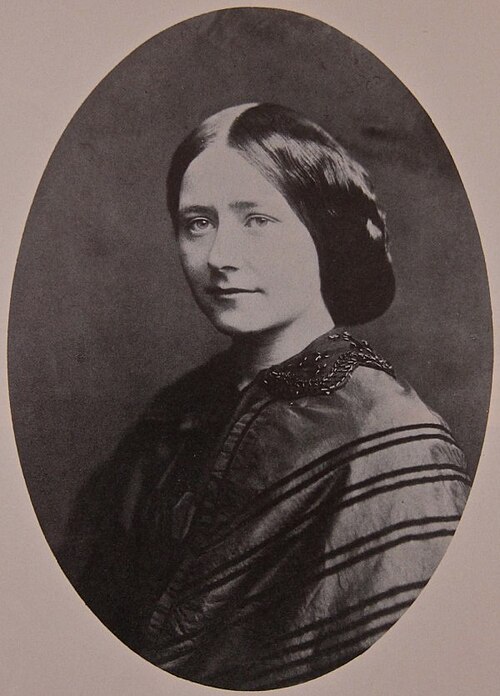
في عام ١٨٥٧، استعان ديكنز بممثلات محترفات لروايته "الأعماق المتجمدة" ، التي كتبها مع تلميذه ويلكي كولينز . وقع ديكنز في غرام إحدى الممثلات، إيلين تيرنان ، واستمر هذا الحب طوال حياته. [ ١٣٣ ] في عام ١٨٥٨، عندما كان ديكنز في الخامسة والأربعين من عمره وتيرنان في الثامنة عشرة، كان الطلاق سيُعدّ فضيحةً لشخصٍ بمثل شهرته. بعد أن اتهم كاثرين علنًا بعدم حب أطفالهما ومعاناتها من "اضطراب عقلي" - وهي تصريحات أثارت اشمئزاز معاصريه، بمن فيهم إليزابيث باريت براونينغ [ ١٣٤ ] - حاول ديكنز إيداع كاثرين في مصحة نفسية . [ ١٣٥ ] عندما فشلت خطته، انفصلا. غادرت كاثرين، ولم ترَ زوجها مرة أخرى، آخذةً معها طفلها الوحيد. أما أختها جورجينا، التي بقيت في غادز هيل، فقد ربّت بقية الأطفال. [ ٧٩ ]
خلال هذه الفترة، وبينما كان يفكر في مشروع لتقديم قراءات عامة بهدف الربح الشخصي، تواصل مستشفى جريت أورموند ستريت مع ديكنز عبر نداء خيري لمساعدته على تجاوز أول أزمة مالية كبيرة له. وقد اعتبر مؤسسو المستشفى أن مقالته "براعم ذابلة" المنشورة في مجلة "هاوسهولد ووردز " في 3 أبريل 1852 كانت بمثابة الشرارة التي أشعلت نجاح المستشفى. [ 136 ] وقد طُلب من ديكنز، المعروف بأعماله الخيرية، من قبل صديقه، مؤسس المستشفى تشارلز ويست ، أن يرأس حملة التبرعات، فانكبّ على المهمة بكل حماس وتفانٍ. [ 137 ] وقد جمعت قراءات ديكنز العامة أموالاً كافية لإنشاء وقفٍ يُرسي دعائم المستشفى على أسس مالية متينة؛ إذ جمعت قراءة واحدة في 9 فبراير 1858 وحدها 3000 جنيه إسترليني. [ 138 ] [ 139 ] [ 140 ]

بعد انفصاله عن كاثرين، [ 141 ] قام ديكنز بسلسلة من جولات القراءة الشعبية والمربحة، والتي استهلكت، إلى جانب عمله الصحفي، معظم طاقاته الإبداعية خلال العقد التالي، الذي لم يكتب فيه سوى روايتين. [ 142 ] شملت جولته الأولى، التي امتدت من أبريل 1858 إلى فبراير 1859، 129 عرضًا في 49 مدينة في جميع أنحاء إنجلترا واسكتلندا وأيرلندا. [ 143 ] انعكس افتتان ديكنز المستمر بعالم المسرح في مشاهد المسرح في رواية نيكولاس نيكلبي ، ووجد متنفسًا له في القراءات العامة. في عام 1866، قام بسلسلة من القراءات العامة في إنجلترا واسكتلندا، مع المزيد في العام التالي في إنجلترا وأيرلندا. [ 144 ]

توالت أعماله الأخرى سريعًا، ومنها "قصة مدينتين" (1859) و "آمال عظيمة " (1861)، اللتان حققتا نجاحًا باهرًا. تدور أحداث "قصة مدينتين" في لندن وباريس، وهي أشهر أعماله الروائية التاريخية، وتتضمن الجملة الافتتاحية الشهيرة: "كان أفضل الأوقات، كان أسوأ الأوقات". تُصنّف هذه الرواية باستمرار ضمن أكثر الروايات مبيعًا على مرّ العصور. [ 145 ] [ 146 ] أما " آمال عظيمة" فتتناول مواضيع الثروة والفقر، والحب والرفض، وانتصار الخير في نهاية المطاف على الشر. [ 147 ]
في أوائل سبتمبر من عام ١٨٦٠، في حقل خلف تل غادز، أحرق ديكنز معظم مراسلاته، ولم يُبقِ إلا على الرسائل المتعلقة بشؤون العمل. ولأن إيلين تيرنان أتلفَت هي الأخرى جميع رسائله إليها، [ ١٤٨ ] فإن مدى العلاقة بينهما لا يزال محل تكهنات. [ ١٤٩ ] في ثلاثينيات القرن العشرين، روى توماس رايت أن تيرنان قد أفصحت عن أسرارها للقس بنهام، مما ساهم في انتشار شائعات عن وجود علاقة غرامية بينهما. [ ١٥٠ ] صرّحت ابنة ديكنز، كيت بيروجيني، للكاتبة غلاديس ستوري في مقابلة قبل وفاة الأولى عام ١٩٢٩، أن الاثنين أنجبا ابنًا توفي في طفولته. نشرت ستوري روايتها في كتاب "ديكنز وابنته" ، [ ١٥١ ] [ ١٥٢ ] على الرغم من عدم وجود أي دليل معاصر. عند وفاته، خصّص ديكنز معاشًا سنويًا لتيرنان، مما جعلها مستقلة ماليًا. يزعم كتاب كلير تومالين " المرأة الخفية" أن تيرنان عاشت مع ديكنز سرًا خلال السنوات الثلاث عشرة الأخيرة من حياته. وقد حُوِّل الكتاب إلى مسرحية بعنوان " ليتل نيل" من تأليف سيمون غراي ، وإلى فيلم عام 2013. خلال الفترة نفسها، تعمّق اهتمام ديكنز بالظواهر الخارقة ، ليصبح أحد الأعضاء الأوائل في "نادي الأشباح" في لندن. [ 153 ] في ليلة عيد الميلاد عام 1862، شهد عرض مسرحي لروايته القصيرة " الرجل المسكون وصفقة الشبح " أول عرض علني لـ" شبح بيبر " - وهي طريقة لعرض وهم شبح في المسرح (سُمِّيت نسبةً إلى مبتكرها جون هنري بيبر ) - مما أثار ضجة بين الحضور في مسرح ريجنت ستريت . [ 154 ]
في يونيو 1862، عُرض عليه مبلغ 10,000 جنيه إسترليني للقيام بجولة قراءة في أستراليا. [ 155 ] كان متحمسًا للفكرة، بل وخطط لتأليف كتاب رحلات بعنوان "المسافر غير التجاري رأسًا على عقب" ، لكنه قرر في النهاية عدم القيام بالجولة. [ 156 ] هاجر اثنان من أبنائه، ألفريد دورساي تينيسون ديكنز وإدوارد بولور ليتون ديكنز ، إلى أستراليا، وأصبح إدوارد عضوًا في برلمان نيو ساوث ويلز ممثلًا عن ويلكانيا بين عامي 1889 و1894. [ 157 ] [ 158 ]
مرحلة لاحقة من العمر
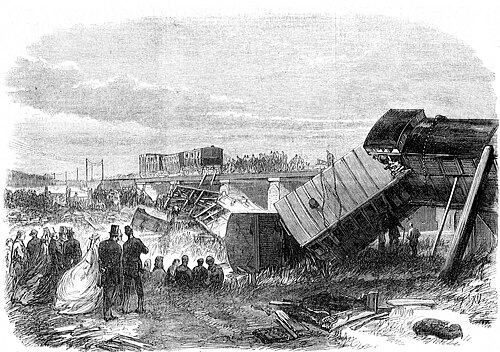

في التاسع من يونيو عام ١٨٦٥، وأثناء عودته من باريس برفقة إيلين تيرنان، تعرض ديكنز لحادث قطار ستابلهيرست في مقاطعة كينت. سقطت العربات السبع الأولى من القطار من فوق جسر حديدي كان قيد الإصلاح، ما أسفر عن مقتل عشرة ركاب. [ ١٥٩ ] كانت عربة الدرجة الأولى الوحيدة التي بقيت على السكة - التي ظلت معلقة بشكل خطير فوق الجسر - هي تلك التي كان ديكنز مسافرًا فيها. [ ١٦٠ ] لمدة ثلاث ساعات قبل وصول فرق الإنقاذ، اعتنى ديكنز بالجرحى والمحتضرين وواساهم بقارورة من البراندي وقبعة مبللة بالماء. [ ١٦٠ ] قبل مغادرته، تذكر المخطوطة غير المكتملة لرواية " صديقنا المشترك" ، فعاد إلى عربته ليحضرها. [ ١٦١ ]
استخدم ديكنز لاحقًا تجربة الحادث كمادة لقصته القصيرة عن الأشباح ، " رجل الإشارة "، حيث تنتاب الشخصية الرئيسية نذير شؤم بموته في حادث قطار. كما استند في قصته إلى عدة حوادث قطارات سابقة ، مثل حادث قطار نفق كلايتون في ساسكس عام 1861. تمكن ديكنز من تجنب المثول أمام المحكمة لتجنب الكشف عن سفره مع تيرنان ووالدتها، الأمر الذي كان سيثير فضيحة. [ 162 ] بعد الحادث، أصبح ديكنز متوترًا عند السفر بالقطار، وكان يلجأ إلى وسائل نقل بديلة كلما أمكن. [ 163 ] في عام 1868، كتب: "أشعر بنوبات مفاجئة وغامضة من الرعب، حتى عند ركوب عربة تجرها الخيول، وهي نوبات غير منطقية تمامًا ولكنها عصية على السيطرة". يتذكر ابنه هنري: "رأيته أحيانًا في عربة قطار عندما كانت هناك هزة خفيفة. عندما يحدث ذلك، كان في حالة ذعر تقريبًا، ويمسك بالمقعد بكلتا يديه". [ 163 ]
الزيارة الثانية للولايات المتحدة

بينما كان يفكر في زيارة ثانية للولايات المتحدة، أدى اندلاع الحرب الأهلية الأمريكية عام ١٨٦١ إلى تأجيل خططه. [ ١٦٤ ] في ٩ نوفمبر ١٨٦٧، بعد أكثر من عامين على انتهاء الحرب، أبحر ديكنز من ليفربول في جولته الثانية لقراءة أعماله في أمريكا. عند وصوله إلى بوسطن ، كرّس ما تبقى من الشهر لسلسلة من العشاءات مع شخصيات بارزة مثل رالف والدو إيمرسون ، وهنري وادزورث لونغفيلو، وناشره الأمريكي جيمس تي. فيلدز . في أوائل ديسمبر، بدأت قراءاته. قدّم ٧٦ قراءة، محققًا ١٩٠٠٠ جنيه إسترليني، من ديسمبر ١٨٦٧ إلى أبريل ١٨٦٨. [ ١٦٥ ] تنقل ديكنز بين بوسطن ونيويورك، حيث قدّم ٢٢ قراءة في قاعة شتاينواي . على الرغم من أنه بدأ يعاني مما أسماه " الزكام الأمريكي الحقيقي "، إلا أنه التزم بجدول أعماله المزدحم، حتى أنه تمكن من التزلج على الجليد في سنترال بارك . [ 166 ]
خلال رحلاته، لاحظ تغيراً في الشعب الأمريكي وظروفه. وكان آخر ظهور له في مأدبة أقامتها الصحافة الأمريكية على شرفه في مطعم ديلمونيكو في 18 أبريل، حيث وعد بعدم انتقاد أمريكا مجدداً. وبحلول نهاية الجولة، كان ديكنز بالكاد يستطيع تناول الطعام الصلب، مكتفياً بالشمبانيا والبيض المخفوق في نبيذ الشيري. وفي 23 أبريل، استقل سفينة كونارد "روسيا" عائداً إلى بريطانيا، [ 167 ] ونجا بأعجوبة من حجز ضريبي فيدرالي على عائدات جولته لإلقاء المحاضرات. [ 168 ]
قراءات الوداع

في عامي 1868-1869، ألقى ديكنز سلسلة من "قراءات الوداع" في إنجلترا واسكتلندا وأيرلندا، بدءًا من 6 أكتوبر. وتمكن، من أصل 100 قراءة مُتعاقد عليها، من إلقاء 75 قراءة في المقاطعات، بالإضافة إلى 12 قراءة أخرى في لندن. [ 165 ] ومع استمراره في إلقاء القراءات، شعر بدوار ونوبات شلل. وأُصيب بجلطة دماغية في 18 أبريل 1869 في تشيستر . [ 169 ] وانهار في 22 أبريل 1869 في بريستون، لانكشاير ؛ وبناءً على نصيحة الطبيب، أُلغيت الجولة. [ 170 ] وبعد إلغاء المزيد من القراءات في المقاطعات، بدأ العمل على روايته الأخيرة، " لغز إدوين درود" . وُصفت الرواية بأنها قصة "مظلمة وقوطية"، وتركز روايته غير المكتملة على عم درود، جون جاسبر، وهو قائد جوقة مدمن على المخدرات. [ 171 ] كان من المألوف في ستينيات القرن التاسع عشر "التردد على الأحياء الفقيرة"، وقد زار ديكنز، برفقة آخرين، أوكار الأفيون في شادويل في الطرف الشرقي من لندن، حيث شاهد مدمنًا مسنًا يُدعى " لاسكار سال"، والذي شكل النموذج لشخصية "أوبيوم سال" في رواية إدوين درود . [ 172 ]
بعد أن استعاد ديكنز عافيته، رتب، بموافقة طبية، سلسلة أخيرة من القراءات لتعويض رعاته جزئيًا عما خسروه بسبب مرضه. أُقيمت 12 عرضًا، من 11 يناير إلى 15 مارس 1870؛ وكان آخرها في الساعة الثامنة مساءً في قاعة سانت جيمس بلندن. ورغم تدهور صحته آنذاك، قرأ ترنيمة عيد الميلاد ومحاكمة بيكويك . وفي 2 مايو، ظهر للمرة الأخيرة علنًا في مأدبة أقامتها الأكاديمية الملكية بحضور أمير وأميرة ويلز ، حيث ألقى كلمة تأبينية خاصة في ذكرى وفاة صديقه الرسام دانيال ماكليس. [ 173 ]
موت


في الثامن من يونيو عام ١٨٧٠، أصيب ديكنز بجلطة دماغية أخرى في منزله بعد يوم عمل شاق على رواية "إدوين درود" . لم يستعد وعيه قط. وفي اليوم التالي، توفي في غادز هيل بليس عن عمر يناهز ٥٨ عامًا. وقد أشارت كاتبة سيرته، كلير تومالين، إلى أن ديكنز كان في بيكهام وقت إصابته بالجلطة، وأن عشيقته إيلين تيرنان وخادماتها نقلنه إلى غادز هيل حتى لا يعلم العامة حقيقة علاقتهما. [ ١٧٥ ] وخلافًا لرغبته في أن يُدفن في كاتدرائية روتشستر "بطريقة غير مكلفة، وغير متكلفة، وسرية تمامًا"، [ ١٧٦ ] فقد دُفن في ركن الشعراء في دير وستمنستر . ونُشرت رثاءة مطبوعة وقت الجنازة تقول:
إلى ذكرى تشارلز ديكنز (أشهر كاتب إنجليزي) الذي توفي في منزله، هايغام، بالقرب من روتشستر، كينت، في 9 يونيو 1870، عن عمر يناهز 58 عامًا. كان متعاطفًا مع الفقراء والمعذبين والمظلومين؛ وبوفاته، فقد العالم أحد أعظم كتّاب إنجلترا. [ 177 ]
تشير رسالة من ديكنز إلى كاتب المجلس الخاص في مارس إلى أنه عُرض عليه لقب بارون وقبله ، وهو لقب لم يُنشر في الجريدة الرسمية قبل وفاته. [ 178 ] وكانت كلماته الأخيرة "على الأرض" ردًا على طلب زوجة أخيه جورجينا أن يستلقي. [ 179 ] [ ملاحظة 2 ] في يوم الأحد، 19 يونيو 1870، بعد خمسة أيام من دفن ديكنز في الدير، ألقى العميد آرثر بنرين ستانلي مرثية تأبينية، أشاد فيها بـ"الكاتب الفكاهي اللطيف والمحب الذي نرثيه الآن"، مُظهرًا من خلال مثاله "أنه حتى في التعامل مع أحلك المشاهد وأكثر الشخصيات انحطاطًا، يمكن أن تظل العبقرية نقية، والمرح بريئًا". وأشار ستانلي إلى الزهور الطازجة التي زينت قبر الروائي، مؤكداً للحاضرين أن "هذا المكان سيكون من الآن فصاعداً مكاناً مقدساً لدى كل من العالم الجديد والعالم القديم، باعتباره مكاناً لممثل الأدب، ليس فقط لهذه الجزيرة، ولكن لكل من يتحدث لغتنا الإنجليزية". [ 180 ]
في وصيته، التي كتبها قبل وفاته بأكثر من عام، أوصى ديكنز بإدارة تركته البالغة 80,000 جنيه إسترليني ( ما يعادل 8,000,000 جنيه إسترليني في عام 2025 ) [ 181 ] لزميله القديم جون فورستر وصديقته المقربة جورجينا هوغارث، التي حصلت، إلى جانب ابني ديكنز، على مبلغ معفى من الضرائب قدره 8,000 جنيه إسترليني (ما يعادل 800,000 جنيه إسترليني في عام 2025 ). [ 181 ] كما أكد على النفقة السنوية لزوجته كاثرين البالغة 600 جنيه إسترليني ( ما يعادل 60,000 جنيه إسترليني في عام 2025 ). [ 181 ] وأوصى بمبلغ 19 جنيهًا و19 شلنًا ( ما يعادل 2,000 جنيه إسترليني في عام 2025 ) [ 181 ] لكل خادم كان يعمل لديه وقت وفاته. [ 182 ]
الأسلوب الأدبي
تأثر أسلوب ديكنز في كتابة الرواية بعوامل عديدة، منها تقاليد الرواية المغامراتية [ 183 ] ، والدراما الميلودرامية [ 184 ] ، ورواية الحساسية [ 185 ] . ووفقًا لأكرويد، فإنه بالإضافة إلى هذه العوامل، ربما كان أهم تأثير أدبي عليه مستمدًا من حكايات ألف ليلة وليلة [ 186 ] . وتُعدّ السخرية والتهكم عنصرين أساسيين في الرواية المغامراتية [ 187 ] . كما تُشكّل الكوميديا جانبًا من جوانب الرواية المغامراتية البريطانية التي اشتهر بها لورانس ستيرن ، وهنري فيلدينغ ، وتوبياس سموليت . وكانت رواية "توم جونز" لفيلدينغ مصدر إلهام كبير لروائيي القرن التاسع عشر، بمن فيهم ديكنز، الذي قرأها في شبابه [ 188 ]، وأطلق على ابنه هنري فيلدينغ ديكنز اسم ديكنز تيمنًا به. [ 189 ] [ 190 ] تأثر ديكنز بالأدب القوطي - وهو نوع أدبي بدأ برواية "قلعة أوترانتو " (1764) لهوراس والبول - فدمج الصور والأماكن والأساليب القوطية في أعماله. [ 191 ] انتقل الأدب القوطي الفيكتوري من القلاع والأديرة إلى البيئات الحضرية المعاصرة، ولا سيما لندن، كما في روايتي ديكنز " أوليفر تويست" و "البيت الكئيب" . تُعد الآنسة هافيشام، العروس المهجورة من رواية "آمال عظيمة" ، إحدى أشهر الشخصيات القوطية التي ابتكرها ديكنز؛ إذ تعيش في قصر مهجور، ويُستخدم ثوب زفافها فعليًا ككفنها. [ 192 ]
No other writer had such a profound influence on Dickens as William Shakespeare. On Dickens's veneration of Shakespeare, Alfred Harbage wrote in A Kind of Power: The Shakespeare-Dickens Analogy (1975) that "No one is better qualified to recognise literary genius than a literary genius".[193] Regarding Shakespeare as "the great master" whose plays "were an unspeakable source of delight", Dickens's lifelong affinity with the playwright included seeing theatrical productions of his plays in London and putting on amateur dramatics with friends in his early years.[193] In 1838, Dickens travelled to Stratford-upon-Avon and visited the house in which Shakespeare was born, leaving his autograph in the visitors' book. Dickens would draw on this experience in his next work, Nicholas Nickleby (1838–39), expressing the strength of feeling experienced by visitors to Shakespeare's birthplace: the character Mrs Wititterly states, "I don't know how it is, but after you've seen the place and written your name in the little book, somehow or other you seem to be inspired; it kindles up quite a fire within one."[194]
Dickens's writing style is marked by a profuse linguistic creativity.[195] Satire, flourishing in his gift for caricature, is his forte. An early reviewer compared him to the artist and social critic Hogarth for his keen practical sense of the ludicrous side of life, though his acclaimed mastery of varieties of class idiom may in fact mirror the conventions of contemporary popular theatre.[196] Dickens worked intensively on developing arresting names for his characters that would reverberate with associations for his readers and assist the development of motifs in the storyline, giving what one critic calls an "allegorical impetus" to the novels' meanings.[195] To cite one of numerous examples, the name Mr Murdstone in David Copperfield conjures up twin allusions to murder and stony coldness.[197] His literary style is also a mixture of fantasy and realism. His satires of British aristocratic snobbery—he calls one character the "Noble Refrigerator"—are often popular. Comparing orphans to stocks and shares, people to tug boats or dinner-party guests to furniture are just some of Dickens's acclaimed flights of fancy. On his ability to elicit a response from his works, the English screenwriter Sarah Phelps writes, "He knew how to work an audience and how to get them laughing their heads off one minute or on the edge of their seats and holding their breath the next. The other thing about Dickens is that he loved telling stories and he loved his characters, even those horrible, mean-spirited ones."[198]
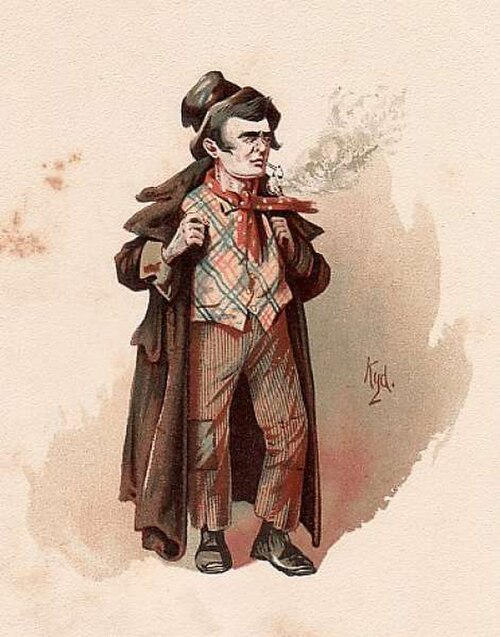
The author worked closely with his illustrators, supplying them with a summary of the work at the outset and thus ensuring that his characters and settings were exactly how he envisioned them. He briefed the illustrator on plans for each month's instalment so that work could begin before he wrote them. Marcus Stone, illustrator of Our Mutual Friend, recalled that the author was always "ready to describe down to the minutest details the personal characteristics, and ... life-history of the creations of his fancy".[199] Dickens employs Cockney English in many of his works, denoting working-class Londoners. Cockney grammar appears in terms such as ain't, and consonants in words are frequently omitted, as in 'ere (here) and wot (what).[200] An example of this usage is in Oliver Twist. The Artful Dodger uses cockney slang which is juxtaposed with Oliver's 'proper' English, when the Dodger repeats Oliver saying "seven" with "sivin".[201]
Characters
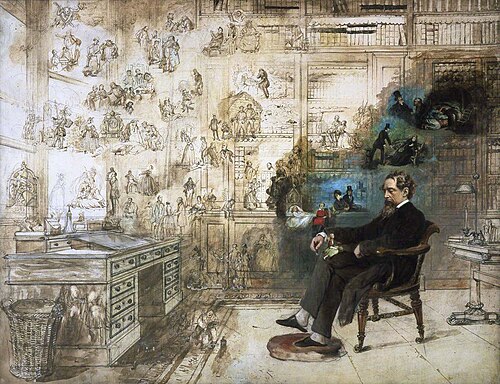
Dickens's biographer Claire Tomalin regards him as the greatest creator of characters in English fiction after Shakespeare.[202] Dickensian characters are amongst the most memorable in English literature, especially so because of their typically whimsical names. The likes of Ebenezer Scrooge, Tiny Tim, Jacob Marley and Bob Cratchit (A Christmas Carol); Oliver Twist, The Artful Dodger, Fagin and Bill Sikes (Oliver Twist); Pip, Miss Havisham, Estella and Abel Magwitch (Great Expectations); Sydney Carton, Charles Darnay and Madame Defarge (A Tale of Two Cities); David Copperfield, Uriah Heep and Mr Micawber (David Copperfield); Daniel Quilp and Nell Trent (The Old Curiosity Shop), Samuel Pickwick and Sam Weller (The Pickwick Papers); and Wackford Squeers (Nicholas Nickleby) are so well known as to be part and parcel of popular culture, and in some cases have passed into ordinary language: a scrooge, for example, is a miser or someone who dislikes Christmas festivity.[203]

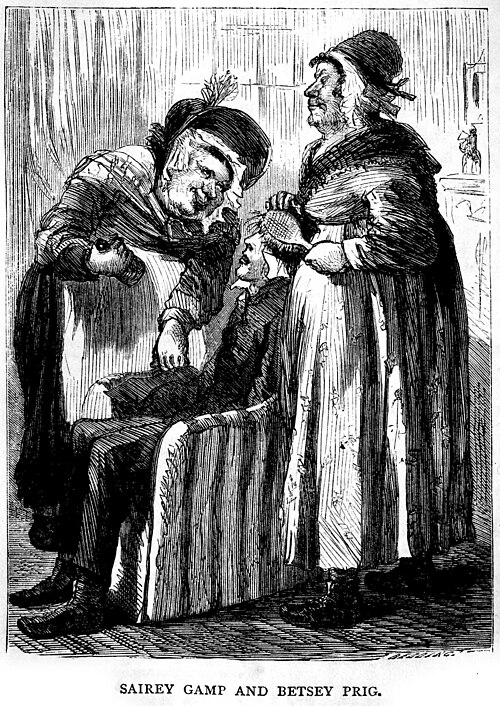
His characters were often so memorable that they took on a life of their own outside his books. "Gamp" became a slang expression for an unwieldy umbrella from the character Mrs Gamp because she always carries one, and "Pickwickian", "Pecksniffian" and "Gradgrind" all entered dictionaries due to Dickens's original portraits of such characters who were, respectively, quixotic, hypocritical and vapidly factual.[204] Sam Weller, the character that made Dickens famous, became known for his Wellerisms—one-liners that turn proverbs on their heads.[53]
Many characters were drawn from real life: Mrs Nickleby is based on his mother, although she did not recognise herself in the portrait,[205] just as Mr Micawber is constructed from aspects of his father's 'rhetorical exuberance';[206] Harold Skimpole in Bleak House is based on James Henry Leigh Hunt; his wife's dwarfish chiropodist recognised herself in Miss Mowcher in David Copperfield.[207] Perhaps Dickens's impressions on his meeting with Hans Christian Andersen informed the delineation of Uriah Heep (a term synonymous with sycophant).[208]
Virginia Woolf maintained that "we remodel our psychological geography when we read Dickens" as he produces "characters who exist not in detail, not accurately or exactly, but abundantly in a cluster of wild yet extraordinarily revealing remarks".[209]T. S. Eliot wrote that Dickens "excelled in character; in the creation of characters of greater intensity than human beings".[210] One "character" vividly drawn throughout his novels is London itself.[211] Dickens described London as a magic lantern, inspiring the places and people in many of his novels.[212] From the coaching inns on the outskirts of the city to the lower reaches of the Thames, all aspects of the capital—Dickens's London—are described over the course of his body of work.[212] Walking the streets (particularly around London) formed an integral part of his writing life, stoking his creativity. Dickens was known to regularly walk at least a dozen miles (19 km) per day, and once wrote, "If I couldn't walk fast and far, I should just explode and perish."[213]
Autobiographical elements

Authors frequently draw their portraits of characters from people they have known in real life. David Copperfield is regarded by many as a veiled autobiography of Dickens. The scenes of interminable court cases and legal arguments in Bleak House reflect Dickens's experiences as a law clerk and court reporter, and in particular his direct experience of the law's procedural delay during 1844 when he sued publishers in Chancery for breach of copyright.[214] Dickens's father was sent to prison for debt, and this became a common theme in many of his books, with the detailed depiction of life in the Marshalsea prison in Little Dorrit resulting from Dickens's own experiences of the institution.[215] Lucy Stroughill, a childhood sweetheart, may have affected several of Dickens's portraits of girls such as Little Em'ly in David Copperfield and Lucie Manette in A Tale of Two Cities.[216][nb 3]
Dickens may have drawn on his childhood experiences, but he was also ashamed of them and would not reveal that this was where he gathered his realistic accounts of squalor. Very few knew the details of his early life until six years after his death, when John Forster published a biography on which Dickens had collaborated. Though Skimpole brutally sends up Leigh Hunt, some critics have detected in his portrait features of Dickens's own character, which he sought to exorcise by self-parody.[217]
Episodic writing

A pioneer of the serial publication of narrative fiction, Dickens wrote most of his major novels in monthly or weekly instalments in journals such as Master Humphrey's Clock and Household Words, later reprinted in book form.[4][5] These instalments made the stories affordable and accessible, with the audience more evenly distributed across income levels than before.[218] His instalment format inspired a narrative that he would explore and develop throughout his career, and the regular cliffhangers made each new episode widely anticipated.[6][218] When The Old Curiosity Shop was being serialised, American fans waited at the docks in New York harbour, shouting out to the crew of an incoming British ship, "Is little Nell dead?"[219] Dickens was able to incorporate this episodic writing style but still end up with a coherent novel at the end. He wrote, "The thing has to be planned for presentation in these fragments, and yet for afterwards fusing together as an uninterrupted whole."[220]
Another important impact of Dickens's episodic writing style resulted from his exposure to the opinions of his readers and friends. His friend Forster had a significant hand in reviewing his drafts, an influence that went beyond matters of punctuation; he toned down melodramatic and sensationalist exaggerations, cut long passages (such as the episode of Quilp's drowning in The Old Curiosity Shop), and made suggestions about plot and character. It was he who suggested that Charley Bates should be redeemed in Oliver Twist. Dickens had not thought of killing Little Nell and it was Forster who advised him to entertain this possibility as necessary to his conception of the heroine.[221] When in 1863 the Jewish English reader Eliza Davis wrote to rebuke him for having "encouraged a vile prejudice against the despised Hebrew" with the character of Fagin in Oliver Twist, Dickens halted the second printing of the novel and made some changes to the original 1837 text.[222] He also created a group of sympathetic Jewish characters in his next novel, Our Mutual Friend, published 1864–1865.[223]
At the helm in popularising cliffhangers and serial publications in Victorian literature,[224] Dickens's influence can also be seen in television soap operas and film series, with The Guardian stating that "the DNA of Dickens's busy, episodic storytelling, delivered in instalments and rife with cliffhangers and diversions, is traceable in everything."[225] His serialisation of his novels also drew comments from other writers. In the Scottish author Robert Louis Stevenson's novel The Wrecker, Captain Nares, investigating an abandoned ship, remarked: "See! They were writing up the log," said Nares, pointing to the ink-bottle. "Caught napping, as usual. I wonder if there ever was a captain yet that lost a ship with his log-book up to date? He generally has about a month to fill up on a clean break, like Charles Dickens and his serial novels."[226]
Social commentary
Dickens's novels were, among other things, works of social commentary. Simon Callow states, "From the moment he started to write, he spoke for the people, and the people loved him for it."[227] He was a fierce critic of the poverty and social stratification of Victorian society. In a New York address, he expressed his belief that "Virtue shows quite as well in rags and patches as she does in purple and fine linen".[228] Dickens's second novel, Oliver Twist (1839), shocked readers with its images of poverty and crime: it challenged middle class polemics about criminals, making impossible any pretence to ignorance about what poverty entailed.[229][230] Today, Dickensian is a term applied to insanitary social conditions or grim institutions akin to those denounced by Dickens in his work, with the Oxford professor Peter Conrad writing, "Dickens, like Banksy, writes blackly prophetic graffiti on the wall."[231]
At a time when Britain was the major economic and political power of the world, Dickens highlighted the life of the forgotten poor and disadvantaged within society. Through his journalism he campaigned on specific issues—such as sanitation and the workhouse—but his fiction probably demonstrated its greatest prowess in changing public opinion in regard to class inequalities. He often depicted the exploitation and oppression of the poor and condemned the public officials and institutions that not only allowed such abuses to exist, but flourished as a result. His most strident indictment of this condition is in Hard Times (1854), Dickens's only novel-length treatment of the industrial working class. In this work, he uses vitriol and satire to illustrate how this marginalised social stratum was termed "Hands" by the factory owners; that is, not really "people" but rather only appendages of the machines they operated. His writings inspired others, in particular journalists and political figures, to address such problems of class oppression. For example, the prison scenes in The Pickwick Papers are claimed to have been influential in having the Fleet Prison shut down. Karl Marx asserted that Dickens "issued to the world more political and social truths than have been uttered by all the professional politicians, publicists and moralists put together".[232]George Bernard Shaw even remarked that Great Expectations was more seditious than Marx's Das Kapital.[232] The exceptional popularity of Dickens's novels, even those with socially oppositional themes (Bleak House, 1853; Little Dorrit, 1857; Our Mutual Friend, 1865), not only underscored his ability to create compelling storylines and unforgettable characters, but also ensured that the Victorian public confronted issues of social justice that had commonly been ignored. Bleak House, a satire of protracted legal cases with Jarndyce and Jarndyce—a fictional long-running Chancery case which has been cited by courts as a symbol of a legal case that interminably drags on—the central plot of the novel, helped support a judicial reform movement that culminated in the enactment of legal reform in England in the 1870s.[233]
It has been argued that his technique of flooding his narratives with an 'unruly superfluity of material' that, in the gradual dénouement, yields up an unsuspected order, influenced the organisation of Charles Darwin's On the Origin of Species.[234]
Literary techniques
Dickens is often described as using idealised characters and highly sentimental scenes to contrast with his caricatures and the ugly social truths he reveals. The story of Nell Trent in The Old Curiosity Shop (1841) was received as extremely moving by contemporary readers but viewed as ludicrously sentimental by Oscar Wilde. "One must have a heart of stone to read the death of little Nell", he said in a famous remark, "without dissolving into tears ... of laughter."[235][236]G. K. Chesterton stated, "It is not the death of little Nell, but the life of little Nell, that I object to", arguing that the maudlin effect of his description of her life owed much to the gregarious nature of Dickens's grief, his "despotic" use of people's feelings to move them to tears in works like this.[237]
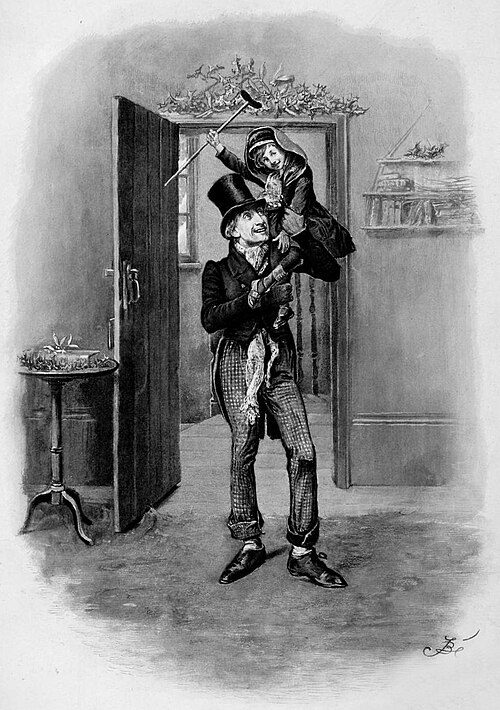
The question as to whether Dickens belongs to the tradition of the sentimental novel is debatable. Valerie Purton, in her book Dickens and the Sentimental Tradition, sees him continuing aspects of this tradition, and argues that his "sentimental scenes and characters [are] as crucial to the overall power of the novels as his darker or comic figures and scenes", and that "Dombey and Son is [ ... ] Dickens's greatest triumph in the sentimentalist tradition".[238] The Encyclopædia Britannica online comments that, despite "patches of emotional excess", such as the reported death of Tiny Tim in A Christmas Carol (1843), "Dickens cannot really be termed a sentimental novelist".[239]
In Oliver Twist, Dickens provides readers with an idealised portrait of a boy so inherently and unrealistically good that his values are never subverted by either brutal orphanages or coerced involvement in a gang of young pickpockets. While later novels also centre on idealised characters (Esther Summerson in Bleak House and Amy Dorrit in Little Dorrit), this idealism serves only to highlight Dickens's goal of poignant social commentary. Dickens's fiction, reflecting what he believed to be true of his own life, makes frequent use of coincidence, either for comic effect or to emphasise the idea of providence.[240] For example, Oliver Twist turns out to be the lost nephew of the upper-class family that rescues him from the dangers of the pickpocket group. Such coincidences are a staple of 18th-century picaresque novels, such as Henry Fielding's Tom Jones, which Dickens enjoyed reading as a youth.[241]
Reputation
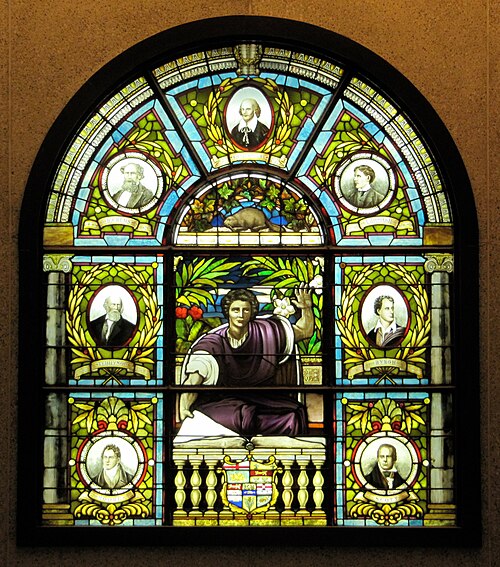
Dickens was the most popular novelist of his time,[242] and remains one of the best-known and most-read of English authors. His works have never gone out of print,[243] and have been adapted continually for the screen since the invention of cinema,[244] with at least 200 motion pictures and television adaptations based on Dickens's works documented.[245] Many of his works were adapted for the stage during his own lifetime—early productions included The Haunted Man which was performed in the West End's Adelphi Theatre in 1848—and, as early as 1901, the British silent film Scrooge, or, Marley's Ghost was made by Walter R. Booth.[246] Contemporaries such as the publisher Edward Lloyd cashed in on Dickens's popularity with cheap imitations of his novels, resulting in his own popular 'penny dreadfuls'.[247]
ابتكر ديكنز بعضًا من أشهر الشخصيات الروائية في العالم، ويُعتبره الكثيرون أعظم روائي بريطاني في العصر الفيكتوري . [ 1 ] منذ بداية مسيرته الأدبية في ثلاثينيات القرن التاسع عشر، قُورنت إنجازاته في الأدب الإنجليزي بإنجازات شكسبير. [ 193 ] إلا أن سمعة ديكنز الأدبية بدأت بالتراجع مع نشر رواية " البيت الكئيب" في الفترة ما بين 1852 و1853. ويصفها فيليب كولينز بأنها "محطة حاسمة في تاريخ سمعة ديكنز". ولاحظ النقاد والشخصيات الأدبية خلال خمسينيات وستينيات وسبعينيات القرن التاسع عشر "انحدارًا كئيبًا" في مسيرة ديكنز، [ 248 ] من كاتب "كوميديا مشرقة... إلى كاتب تعليقات اجتماعية قاتمة وجادة". [ 249 ] ووصفت مجلة "ذا سبيكتاتور " رواية " البيت الكئيب " بأنها "كتاب ثقيل القراءة دفعة واحدة... ممل ومضجر كمسلسل". وصف ريتشارد سيمبسون، في مجلة "ذا رامبلر "، رواية " الأوقات العصيبة " بأنها "إطار كئيب"؛ ورأت مجلة "فريزر" أن رواية " ليتل دوريت " هي "أسوأ رواياته بلا شك". [ 250 ] ومع ذلك، ورغم هذه "التحفظات المتزايدة بين النقاد والطبقة المثقفة، لم يتخلَّ الجمهور عن كاتبه المفضل " . فقد حافظت شهرة ديكنز على مكانتها، واستمرت المبيعات في الارتفاع، وحققت مجلتا "هاوسهولد ووردز" و " أول ذا يير راوند" نجاحًا باهرًا. [ 250 ]

As his career progressed, Dickens's fame and the demand for his public readings were unparalleled. In 1868, The Times wrote, "Amid all the variety of 'readings', those of Mr Charles Dickens stand alone."[10] A Dickens biographer, Edgar Johnson, wrote: "It was [always] more than a reading; it was an extraordinary exhibition of acting that seized upon its auditors with a mesmeric possession."[10] The author David Lodge called him the "first writer to be an object of unrelenting public interest and adulation".[251] Juliet John backed the claim for Dickens "to be called the first self-made global media star of the age of mass culture".[251] The word "celebrity" first appeared in the Oxford English Dictionary in 1851, and the BBC states "Charles Dickens was one of the first figures to be called one".[252] Comparing his reception at public readings to those of a contemporary pop star—the BBC compared his reception in the US to the Beatles—The Guardian states, "People sometimes fainted at his shows. His performances even saw the rise of that modern phenomenon, the 'speculator' or ticket tout (scalpers)—the ones in New York City escaped detection by borrowing respectable-looking hats from the waiters in nearby restaurants."[252][253]
"Dickens's vocal impersonations of his own characters gave this truth a theatrical form: the public reading tour. No other Victorian could match him for celebrity, earnings, and sheer vocal artistry. The Victorians craved the author's multiple voices: between 1853 and his death in 1870, Dickens performed about 470 times."
Among fellow writers, there was a range of opinions on Dickens. William Wordsworth thought him a "very talkative, vulgar young person", adding he had not read a line of his work, while the novelist George Meredith (1828–1909) found Dickens "intellectually lacking".[254] In 1888 Leslie Stephen commented in the Dictionary of National Biography that "if literary fame could be safely measured by popularity with the half-educated, Dickens must claim the highest position among English novelists".[255]Anthony Trollope's Autobiography famously declared Thackeray, not Dickens, to be the greatest novelist of the age. However, both Leo Tolstoy and Fyodor Dostoyevsky were admirers. Dostoyevsky commented: "We understand Dickens in Russia, I am convinced, almost as well as the English, perhaps even with all the nuances. It may well be that we love him no less than his compatriots do. And yet how original is Dickens, and how very English!"[256] Tolstoy referred to David Copperfield as his favourite book, and he later adopted the novel as "a model for his own autobiographical reflections".[257] The French writer Jules Verne called Dickens his favourite writer, writing his novels "stand alone, dwarfing all others by their amazing power and felicity of expression".[258] Dutch painter Vincent van Gogh was inspired by Dickens's novels in several of his paintings, such as Vincent's Chair, and in an 1889 letter to his sister stated that reading Dickens, especially A Christmas Carol, was one of the things that was keeping him from committing suicide.[259]Oscar Wilde generally disparaged his depiction of character, while admiring his gift for caricature.[260]Henry James denied him a premier position, calling him "the greatest of superficial novelists": Dickens failed to endow his characters with psychological depth, and the novels, "loose baggy monsters",[261] betrayed a "cavalier organisation".[262]Joseph Conrad described his own childhood in bleak Dickensian terms, noting he had "an intense and unreasoning affection" for Bleak House dating back to his boyhood. The novel influenced his own gloomy portrait of London in The Secret Agent (1907).[257]Virginia Woolf had a love-hate relationship with Dickens, finding his novels "mesmerizing" while reproving him for his sentimentalism and a commonplace style.[263]

Around 1940–41, the attitude of the literary critics began to warm towards Dickens—led by George Orwell in Inside the Whale and Other Essays (March 1940), Edmund Wilson in The Wound and the Bow (1941) and Humphry House in Dickens and His World.[264] However, even in 1948, F. R. Leavis, in The Great Tradition, asserted that "the adult mind doesn't as a rule find in Dickens a challenge to an unusual and sustained seriousness"; Dickens was indeed a great genius, "but the genius was that of a great entertainer",[265] though he later changed his opinion with Dickens the Novelist (1970, with Q. D. (Queenie) Leavis): "Our purpose", they wrote, "is to enforce as unanswerably as possible the conviction that Dickens was one of the greatest of creative writers".[266] In 1944 the Soviet film director and film theorist Sergei Eisenstein wrote an essay on Dickens's influence on cinema, such as cross-cutting—where two stories run alongside each other, as seen in novels such as Oliver Twist.[267]
In the 1950s, "a substantial reassessment and re-editing of the works began, and critics found his finest artistry and greatest depth to be in the later novels: Bleak House, Little Dorrit and Great Expectations—and (less unanimously) in Hard Times and Our Mutual Friend".[268] Dickens was among the favourite authors of Roald Dahl; the best-selling children's author would include three of Dickens's novels among those read by the title character in his 1988 novel Matilda.[269] In 2005, Paul McCartney, an avid reader of Dickens, named Nicholas Nickleby his favourite novel. On Dickens he states, "I like the world that he takes me to. I like his words; I like the language", adding, "A lot of my stuff—it's kind of Dickensian."[270] The screenwriter Jonathan Nolan's screenplay for The Dark Knight Rises (2012) was inspired by A Tale of Two Cities, with Nolan calling the depiction of Paris in the novel "one of the most harrowing portraits of a relatable, recognisable civilisation that completely folded to pieces".[271] On 7 February 2012, the 200th anniversary of Dickens's birth, Philip Womack wrote in The Telegraph: "Today there is no escaping Charles Dickens. Not that there has ever been much chance of that before. He has a deep, peculiar hold upon us".[272]
Legacy
Dickens is credited as one of the 528 original Founding Members of the London Library, alongside Thomas Carlyle, John Forster, and others. He was also a committee member of the Library in its early years, from 1846-1847.[273]
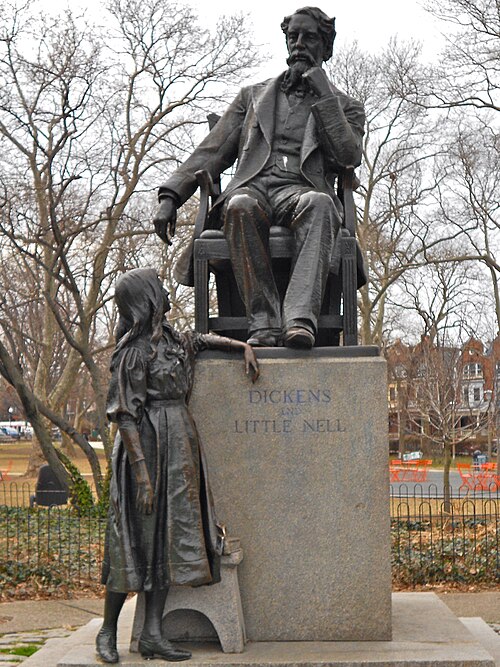
توجد متاحف ومهرجانات تُخلّد حياة وأعمال ديكنز في العديد من الأماكن التي ارتبط بها. من بينها متحف تشارلز ديكنز في لندن، وهو المنزل التاريخي الذي كتب فيه رواياته "أوليفر تويست" و "أوراق بيكويك" و "نيكولاس نيكلبي" ؛ ومتحف مسقط رأس تشارلز ديكنز في بورتسموث، وهو المنزل الذي وُلد فيه. [ 274 ] [ 275 ] تُحفظ المخطوطات الأصلية للعديد من رواياته، بالإضافة إلى نسخ تجريبية للطابعات، والطبعات الأولى، والرسوم التوضيحية من مجموعة صديقه جون فورستر، في متحف فيكتوريا وألبرت . [ 276 ] نصّت وصية ديكنز على عدم إقامة أي نصب تذكاري تكريمًا له، إذ قال: "أُناشد أصدقائي ألا يجعلوني بأي حال من الأحوال موضوعًا لأي نصب تذكاري أو شهادة من أي نوع. أُعلّق حقي في تخليد ذكرى وطني على أعمالي المنشورة". [ 277 ] مع ذلك، يوجد تمثال برونزي بالحجم الطبيعي لديكنز بعنوان "ديكنز وليتل نيل" ، صُنع عام 1890 على يد فرانسيس إدوين إلويل ، في حديقة كلارك بحي سبروس هيل في فيلادلفيا ، الولايات المتحدة. ويوجد تمثال آخر بالحجم الطبيعي لديكنز في حديقة سينتينيال في سيدني ، أستراليا. [ 278 ] في عام 1960، كُلِّف النحات إستكورت جيه كلاك بنحت تمثال بارز لديكنز، يضم شخصيات من كتبه، لتزيين مبنى المكاتب الذي شُيِّد على موقع منزله السابق في 1 ديفونشاير تيراس، لندن. [ 279 ] في عام 2014، أُزيح الستار عن تمثال بالحجم الطبيعي بالقرب من مسقط رأسه في بورتسموث في الذكرى 202 لميلاده؛ وقد حظي هذا بدعم أحفاده، إيان وجيرالد ديكنز . [ 280 ] [ 281 ]
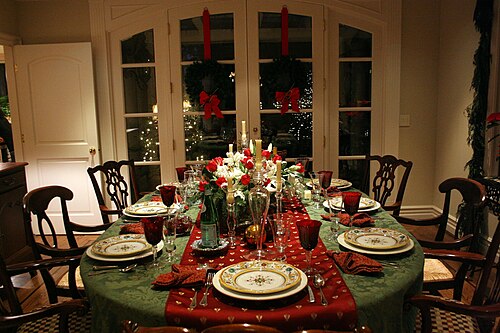
A Christmas Carol is most probably his best-known story, with frequent new adaptations. It is also the most-filmed of Dickens's stories, with many versions dating from the early years of cinema.[282] According to the historian Ronald Hutton the current state of the observance of Christmas is largely the result of a mid-Victorian revival of the holiday spearheaded by A Christmas Carol. Dickens catalysed the emerging Christmas as a family-centred festival of generosity, in contrast to the dwindling community-based and church-centred observations, as new middle-class expectations arose.[283] Its archetypal figures (Scrooge, Tiny Tim, the Christmas ghosts) entered into Western cultural consciousness. "Merry Christmas", a prominent phrase from the tale, was popularised following the appearance of the story.[284] The term Scrooge became a synonym for miser, and his exclamation "Bah! Humbug!'", a dismissal of the festive spirit, likewise gained currency as an idiom.[285] The Victorian-era novelist William Makepeace Thackeray called the book "a national benefit, and to every man and woman who reads it a personal kindness".[282]

Dickens was commemorated on the £10 note issued by the Bank of England that circulated between 1992 and 2003. His portrait appeared on the reverse of the note accompanied by a scene from The Pickwick Papers.[286]The Charles Dickens School is a high school in Broadstairs, Kent.[287] A theme park, Dickens World, was open in Chatham from 2007 to 2016. To celebrate the 200th anniversary of his birth in 2012, the Museum of London held the UK's first major exhibition on the author in 40 years.[288] From September 2011 to February 2012, the Morgan Library & Museum in New York celebrated him with its exhibition Charles Dickens at 200 with manuscripts, photographs, and original illustrations.[289]
In 2002 Dickens was number 41 in the BBC's poll of the 100 Greatest Britons.[290] American literary critic Harold Bloom placed Dickens among the greatest Western writers of all time.[291] In the 2003 UK survey The Big Read carried out by the BBC, five of Dickens's books were named in the Top 100.[292]
Actors who have portrayed Dickens on screen include Anthony Hopkins, Derek Jacobi, Simon Callow, Dan Stevens and Ralph Fiennes, the latter playing him in The Invisible Woman (2013) which depicts Dickens's alleged secret love affair with Ellen Ternan which lasted for thirteen years until his death in 1870.[293]

Dickens and his publications have appeared on a number of postage stamps in countries including: the United Kingdom (1970, 1993, 2011 and 2012 issued by the Royal Mail—their 2012 collection marked the bicentenary of Dickens's birth),[294] the Soviet Union (1962), Antigua, Barbuda, Botswana, Cameroon, Dubai, Fujairah, Saint Lucia and the Turks and Caicos Islands (1970), Saint Vincent (1987), Nevis (2007), Alderney, Gibraltar, Jersey and Pitcairn Islands (2012), Austria (2013) and Mozambique (2014).[295] In 1976 a crater on the planet Mercury was named in his honour.[296]
In November 2018 it was reported that a previously lost portrait of a 31-year-old Dickens, by Margaret Gillies, had been found in Pietermaritzburg, South Africa. Gillies was an early supporter of women's suffrage and had painted the portrait in late 1843 when Dickens, aged 31, wrote A Christmas Carol. It was exhibited, to acclaim, at the Royal Academy of Arts in 1844.[88] The Charles Dickens Museum is reported to have paid £180,000 for the portrait.[297]
Works
Dickens published 15 major novels, several novellas, a large number of short stories (including a number of Christmas-themed stories), a handful of plays and several non-fiction books.
Novels and novellas
Most of Dickens's work was initially published in serial form, either weekly in magazines or monthly in free-standing instalments, then reprinted in standard book formats.
- The Pickwick Papers (The Posthumous Papers of the Pickwick Club; monthly serial, April 1836 to November 1837).[298] Novel.
- Oliver Twist (The Adventures of Oliver Twist; monthly serial in Bentley's Miscellany, February 1837 to April 1839). Novel.
- Nicholas Nickleby (The Life and Adventures of Nicholas Nickleby; monthly serial, April 1838 to October 1839). Novel.
- The Old Curiosity Shop (weekly serial in Master Humphrey's Clock, April 1840 to November 1841). Novel.
- Barnaby Rudge (Barnaby Rudge: A Tale of the Riots of Eighty; weekly serial in Master Humphrey's Clock, February to November 1841). Novel.
- Martin Chuzzlewit (The Life and Adventures of Martin Chuzzlewit; monthly serial, January 1843 to July 1844). Novel.
- A Christmas Carol (A Christmas Carol in Prose: Being a Ghost-story of Christmas; 1843). Novella.
- The Chimes (The Chimes: A Goblin Story of Some Bells That Rang an Old Year Out and a New Year In; 1844). Novella.
- The Cricket on the Hearth (The Cricket on the Hearth: A Fairy Tale of Home; 1845). Novella.
- Dombey and Son (Dealings with the Firm of Dombey and Son: Wholesale, Retail and for Exportation; monthly serial, October 1846 to April 1848). Novel.
- The Battle of Life (The Battle of Life: A Love Story; 1846). Novella.
- The Haunted Man (The Haunted Man and the Ghost's Bargain: A Fancy for Christmas-time; 1848). Novella.
- David Copperfield (The Personal History, Adventures, Experience and Observation of David Copperfield the Younger of Blunderstone Rookery [Which He Never Meant to Publish on Any Account]; monthly serial, May 1849 to November 1850). Novel.
- Bleak House (monthly serial, March 1852 to September 1853). Novel.
- Hard Times (Hard Times: For These Times; weekly serial in Household Words, 1 April 1854, to 12 August 1854). Novel.
- Little Dorrit (monthly serial, December 1855 to June 1857). Novel.
- A Tale of Two Cities (weekly serial in All the Year Round, 30 April 1859, to 26 November 1859). Novel.
- Great Expectations (weekly serial in All the Year Round, 1 December 1860 to 3 August 1861). Novel.
- Our Mutual Friend (monthly serial, May 1864 to November 1865). Novel.
- The Mystery of Edwin Drood (monthly serial, April 1870 to September 1870). Novel. Left unfinished due to Dickens's death.
See also
Notes
- ↑John Forster quotes an unpublished letter in which Dickens responds to the accusation that he must not have seen Grimaldi in person: "Now, Sir, although I was brought up from remote country parts in the dark ages of 1819 and 1820 to behold the splendour of Christmas pantomimes and the humour of Joe, in whose honour I am informed I clapped my hands with great precocity, and although I even saw him act in the remote times of 1823 ... I am willing ... to concede that I had not arrived at man's estate when Grimaldi left the stage".[19] When Dickens arrived in America for the first time in 1842, he stayed at the Tremont House, America's "pioneer first-class hotel". Dickens "bounded into the Tremont's foyer shouting out 'Here we are!', Grimaldi's famous catch-phrase and as such entirely appropriate for a great and cherished entertainer making his entrance upon a new stage."[20] Later, Dickens was known to imitate Grimaldi's clowning on several occasions.[21]
- ↑A contemporary obituary in The Times, alleged that Dickens's last words were: "Be natural my children. For the writer that is natural has fulfilled all the rules of Art." Reprinted from The Times, London, August 1870 in Bidwell 1870, p. 223.
- ↑Slater also detects Ellen Ternan in the portrayal of Lucie Manette.
References
- 12Black 2007, p. 735.
- ↑Mazzeno 2008, p. 76.
- ↑Chesterton 2005, pp. 100–126.
- 12Grossman 2012, p. 54
- 123Lodge 2002, p. 118.
- 12"Tune in next week". The New Yorker. 2 December 2017. Archived from the original on 1 December 2017. Retrieved 2 December 2017.
- ↑Ziegler 2007, pp. 46–47.
- ↑Stone 1987, pp. 267–268.
- ↑Hauser 1999, p. 116.
- 1234"Hearing voices allowed Charles Dickens to create extraordinary fictional worlds". The Guardian. Archived from the original on 17 November 2018. Retrieved 7 September 2019.
- ↑"Oxford Dictionaries – Dickensian"Archived 26 January 2014 at the Wayback Machine. Oxford University Press.
- ↑"Dickensian meaning in the Cambridge English Dictionary". Cambridge University Press. Archived from the original on 14 July 2018. Retrieved 19 February 2021.
- 12West, Gilian (Spring 1999). "Huffam and Son". The Dickensian. 95 (447). Dickens Fellowship: 5–18.
- ↑Callow 2012, p. 5
- ↑Callow 2012, p. 9
- ↑Forster 2006, p. 13.
- ↑Callow 2012, p. 7
- ↑Charles Dickens: Collected Papers, Vol. 1, Preface to Grimaldi, p. 9
- 12Forster 2006, p. 65.
- ↑Slater, p. 178
- ↑Dolby, pp. 39–40
- ↑Ackroyd 1990, pp. 22–24:29–30.
- ↑Ackroyd 1990, p. 41.
- ↑Schlicke 1999, p. 158.
- ↑Callow 2009, p. 13
- ↑Ackroyd 1990, p. 76:'recklessly improvident'.
- ↑Pope-Hennessy 1945, p. 11.
- ↑Forster 2006, p. 27.
- ↑Ackroyd 1990, p. 76.
- ↑Wilson 1972, p. 53.
- 12Forster 2006, pp. 23–24.
- ↑Callow 2009, p. 25
- ↑Schlicke 1999, p. 157.
- ↑Wilson 1972, p. 58.
- ↑Cain 2008, p. 91.
- 12Wilson 1972, p. 61.
- ↑Forster 2006, p. 180.
- ↑Callow 2009, pp. 34, 36
- ↑Pope-Hennessy 1945, p. 18.
- ↑Wilson 1972, p. 64.
- ↑Davis 1998, p. 23.
- ↑Callow 2009, p. 48
- ↑Tomalin 1992, p. 7
- ↑Tomalin 1992, p. 76
- 123Patten 2001, pp. 16–18.
- ↑Hardwick & Hardwick 1973, p. 274
- ↑"Buckingham Street". charlesdickenspage.com. Retrieved 17 March 2026.
- ↑"Charles Dickens: Reporting on Parliament". BBC. Retrieved 27 November 2025.
- ↑Ackroyd 1990, pp. 174–176.
- 12Glancy 1999, p. 6.
- ↑Van De Linde 1978, p. 75.
- ↑Callow 2009, p. 54
- 12345"The Sam Weller Bump". The Paris Review. Archived from the original on 26 June 2021. Retrieved 26 June 2021.
- ↑Callow 2012, p. 56
- ↑Callow 2012, p. 60
- ↑"Chapter One – The Pickwick Phenomenon". Cambridge University Press. Archived from the original on 26 June 2021. Retrieved 26 June 2021.
- ↑Dames, Nicholas (June 2015). "Was Dickens a Thief?". The Atlantic. Archived from the original on 17 August 2021. Retrieved 27 June 2021.
- ↑Ackroyd 1990, pp. 201, 278–279.
- 12Smiley 2002, pp. 12–14.
- 12Schlicke 1999, p. 160
- ↑"Notable people connected with St Luke's". St Luke's and Christ Church. Chelsea. Archived from the original on 27 October 2018. Retrieved 25 February 2019.
- ↑Ackroyd 1990, pp. 162, 181–182.
- ↑Ackroyd 1990, p. 221.
- ↑Callow 2012, p. 74
- ↑Ackroyd 1990, pp. 225–229:p=227.
- ↑Callow 2012, pp. 77, 78
- ↑Callow 2012, p. 97
- ↑"Queen Victoria's Journals". RA VIC/MAIN/QVJ (W). 26 December 1838. Archived from the original on 4 December 2013. Retrieved 21 February 2026.
- ↑Schlicke 1999, p. 514.
- ↑Dickens, Charles; Spence, Gordon W (2003). "Introduction". Barnaby Rudge. Penguin Random House Canada. ISBN 978-0140437287.
- ↑Kopley, Richard and Kevin J. Hayes. "Two verse masterworks: 'The Raven' and 'Ulalume'", collected in The Cambridge Companion to Edgar Allan Poe, edited by Kevin J. Hayes. New York: Cambridge University Press, 2002. p. 192
- ↑Hawksley, Lucinda (20 August 2015). "The mysterious tale of Charles Dickens's raven". BBC. Archived from the original on 25 December 2022. Retrieved 3 August 2025.
- ↑Callow 2012, p. 98
- ↑Chittick, Kathryn (1990). Dickens and the 1830s. Cambridge University Press. p. 142.
- 12Slater 2009, pp. 167–168
- ↑Schlicke, Paul (2011). The Oxford Companion to Charles Dickens (Anniversary ed.). Oxford University Press. pp. 462–463. ISBN 978-0199640188.
- ↑Miller, Sandra A. (18 March 2012). "When Charles Dickens came to Boston". The Boston Globe. Archived from the original on 14 February 2014. Retrieved 22 January 2019.
- ↑Jones 2004, p. 7
- 12Smith 2001, pp. 10–11.
- ↑Ackroyd 1990, pp. 225–229
- ↑Moore 2004, pp. 44–45
- ↑"Marlon James and Charles Dickens: Embrace the art, not the racist artist". The Economist. 20 October 2015. Archived from the original on 21 October 2015. Retrieved 21 October 2015.
- ↑Ackroyd 1990, pp. 345–346.
- ↑Tomalin 2011, p. 127.
- ↑Tomalin 2011, pp. 128–132.
- 12Flint 2001, p. 35.
- ↑"Charles Dickens in Toronto"(PDF). Halcyon: The Newsletter of the Friends of the Thomas Fisher Rare Book Library. University of Toronto. November 1992. Archived from the original(PDF) on 14 October 2017. Retrieved 13 October 2017.
- 12Brown, Mark (21 November 2018). "Lost portrait of Charles Dickens turns up at auction in South Africa". The Guardian. Archived from the original on 22 November 2018. Retrieved 22 November 2018.
- ↑Callow 2009, pp. 146–148
- ↑Schlicke 1999, p. 98.
- ↑Panek, LeRoy Lad (2011). Before Sherlock Holmes: How Magazines and Newspapers Invented the Detective. McFarland. p. 97. ISBN 9780786488568.
- ↑Gissing, George (1925). "VII — Dombey and Son". The Immortal Dickens. London: Cecil Palmer.
- ↑Moss, Sidney P.; Moss, Carolyn J. (1996). The Charles Dickens-Thomas Powell Vendetta. Troy New York: The Whitston Publishing Company. pp. 42–125.
- ↑Nayder 2011, p. 148.
- ↑Ackroyd 1990, pp. 249, 530–538, 549–550, 575
- ↑Hartley 2009, pp. .
- ↑Callow 2012, p. 63
- ↑Dickens, Charles (2013) [1836]. "Sunday under Three Heads"(PDF). Electronics Classics Series. Archived from the original(PDF) on 25 September 2014. Retrieved 25 February 2019.
- ↑Simon Callow, 'Charles Dickens'. p.159
- ↑Colledge, Gary (2012). God and Charles Dickens: Recovering the Christian Voice of a Classic Author. Brazos Press. p. 24. ISBN 978-1441247872.
- ↑Rost, Stephen. "The Faith Behind the Famous: Charles Dickens". Christianity Today. Archived from the original on 31 December 2016. Retrieved 20 December 2016.
- ↑Colledge 2009, p. 87.
- ↑Skelton, Stephen. "Reclaiming 'A Christmas Carol'". Christian Broadcasting Network. Archived from the original on 15 January 2019. Retrieved 25 February 2019.
- ↑"The Life Of Our Lord"(PDF). Archived from the original(PDF) on 7 November 2012.
- ↑Besserman, Lawrence (2006). The Chaucer Review. Penn State University Press. pp. 100–103.
- 123Smith, Karl (2008). Dickens and the Unreal City: Searching for Spiritual Significance in Nineteenth-Century London. Springer. pp. 11–12.
- ↑Allingham, Philip V, ed. (June 2011). "Dickens and Religion: The Life of Our Lord (1846)". Victorian Web. Archived from the original on 15 March 2019. Retrieved 25 February 2019.
- ↑Ledger, Sally; Furneaux, Holly, eds. (2011). Charles Dickens in Context. Cambridge University Press. p. 318. ISBN 978-0521887007.
- ↑Watts, Cedric Thomas (1976). The English novel. Sussex Books. p. 55. ISBN 978-0905272023.
- 123Roberts, David (1989). "Charles Dickens and the "Daily News": Editorials and Editorial Writers". Victorian Periodicals Review. 22 (2): 51–63. JSTOR 20082378.
- ↑Slater, Michael (2015). Douglas Jerrold. Gerald Duckworth & Co. pp. 197–204. ISBN 978-0715646588.
- 12Soubigou, Gilles "Dickens's Illustrations: France and other countries" pp. 154–167 from The Reception of Charles Dickens in Europe edited by Michael Hollington London: A&C Black 2013 p. 159.
- ↑Hiu Yen Lee, Klaudia (2015). Charles Dickens and China, 1895–1915: Cross-Cultural Encounters. Taylor & Francis. p. 56.
- ↑Dickens, Charles. "Preface". David Copperfield (1867 ed.). London: Wordsworth Classics. p. 4.
- ↑Hartley, Jenny (2012). The Selected Letters of Charles Dickens. Oxford: Oxford University Press. p. 204.
- ↑Lovell, Julia (30 October 2014). "The Yellow Peril: Dr Fu Manchu & the Rise of Chinaphobia by Christopher Frayling – review". The Guardian. ISSN 0261-3077. Retrieved 25 May 2025.
- ↑Winyard, Ben; Mackenzie, Hazel (2013). "From 'The Great Exhibition to the Little One' to 'China with a Flaw in It': China, Commodities and Conflict in Household Words. Hannah Lewis-Bill". Charles Dickens and the Mid-Victorian Press, 1850-1870. University of Buckingham Press.
- ↑Ackroyd 1990, pp. 628, 634–638.
- ↑Mighall, Robert (2007), "Gothic Cities", in C. Spooner and E. McEvoy, eds, The Routledge Companion to Gothic, London: Routledge, pp. 54–72
- ↑Dawson, Gowan (December 2016). "Dickens, Dinosaurs and Design". Victorian Literature and Culture. 44 (4). Cambridge University Press: 761–778. doi:10.1017/S1060150316000358. hdl:2381/33176.
- ↑Ackroyd 1990, pp. 648, 686–687, 772–773
- ↑Ackroyd 1990, pp. 32:723:750.
- ↑Ackroyd 1990, pp. 589–95, 848–852.
- ↑All the Year Round Volume 2. Charles Dickens. 1860. p. 250.
- ↑Roobol, M.J. (2019) Franklin's Fate: An investigation into what happened to the lost 1845 expedition of Sir John Franklin. Conrad Press, 368 pages.
- 12Slater 2009, pp. 389–390
- 12Cotsell, Michael (1986). "Politics and Peeling Frescoes: Layard of Nineveh and "Little Dorrit"". Dickens Studies Annual. 15: 181–200.
- ↑Schlicke, Paul (2011). The Oxford Companion to Charles Dickens: Anniversary Edition. Oxford University Press. p. 10.
- ↑Dickens, Charles (1880). The Letters of Charles Dickens, Volume 2. Chapman and Hall. p. 140.
- ↑Ledger, Sally (2011). Charles Dickens in Context. Cambridge University Press. pp. 43–44.
- ↑Johnson, Steven (2021). Extra Life (1st ed.). Riverhead Books. p. 54. ISBN 978-0-525-53885-1.
- ↑Robins, Nick (2015). "A Skulking Power". The Corporation That Changed the World: How the East India Company Shaped the Modern Multinational. Pluto Press. pp. 171–198. doi:10.2307/j.ctt183pcr6.16. ISBN 978-0-7453-3195-9. Archived from the original on 3 February 2021. Retrieved 30 January 2021.
- ↑Ackroyd 1990, pp. 788–799.
- ↑Bowen 2019, pp. 6–7.
- ↑Bowen 2019, p. 9.
- ↑Furneaux 2011, pp. 190–191.
- ↑Page 1999, p. 261.
- ↑Jones 2004, pp. 80–81.
- ↑Ackroyd 1990, pp. 801, 804.
- ↑Page 1999, pp. 260–263 for excerpts from the speech.
- ↑Ackroyd 1990, pp. 809–814.
- ↑Sutherland 1990, p. 185.
- ↑Hobsbaum 1998, p. 270.
- ↑Schlicke, Paul (2011). The Oxford Companion to Charles Dickens: Anniversary Edition. Oxford University Press. p. 302.
- ↑"Charles Dickens novel inscribed to George Eliot up for sale". The Guardian. Archived from the original on 26 October 2016. Retrieved 7 September 2019.
- ↑"A Tale of Two Cities, King's Head, review". The Telegraph. Archived from the original on 8 July 2020. Retrieved 7 September 2019.
- ↑Charles Dickens (1993), Great Expectations, p. 1, introduction. Ware, Hertfordshire: Wordsworth Classics
- ↑Tomalin 2011, pp. 332.
- ↑Ackroyd 1990, pp. 881–883.
- ↑Ackroyd 1990, pp. 914–917.
- ↑Nisbet 1952, p. 37.
- ↑Tomalin 1992, pp. 142–143.
- ↑Henson 2004, p. 113.
- ↑Meehan, Paul (2019). The Haunted House on Film. McFarland. p. 15.
- ↑Ashley Alexander Mallett, The Black Lords of Summer: The Story of the 1868 Aboriginal Tour of EnglandArchived 30 October 2015 at the Wayback Machine, pp. 65–66.
- ↑Australian Dictionary of Biography . Retrieved 29 October 2013
- ↑University of SydneyArchived 4 June 2011 at the Wayback Machine. Retrieved 29 October 2013
- ↑The Sydney Morning Herald, "Dickens of a time", 24 December 2002Archived 31 December 2013 at the Wayback Machine. Retrieved 29 October 2013
- ↑"Charles Dickens letter underlines impact of rail crash on author". University of Kent. Retrieved 23 January 2024.
- 12Grass, Sean (2017). Charles Dickens's Our Mutual Friend A Publishing History. Taylor & Francis. pp. 9, 10.
- ↑Ackroyd 1990, pp. 959–961.
- ↑"The Staplehurst Disaster". Archived from the original on 7 January 2015. Retrieved 28 February 2015.
- 12"The Staplehurst Disaster". University of California: Santa Cruz. Archived from the original on 9 September 2013. Retrieved 15 November 2012.
- ↑Waller, John O. (1960). "Charles Dickens and the American Civil War". Studies in Philology. 57 (3): 535–548. ISSN 0039-3738. JSTOR 4173318.
- 12Hobsbaum 1998, p. 271.
- ↑Forster, John (1874). The Life of Charles Dickens: 1852 – 1870, Volume 3. Chapman and Hall. p. 363.
- ↑Wills, Elspeth (2010). The Fleet 1840 – 2010. London: The Open Agency. p. 23. ISBN 9-780954-245184.
- ↑Jackson 1995, p. 333.
- ↑Tomalin 2011, p. 377
- ↑Ackroyd 1990, pp. 1043–1044.
- ↑"Edwin Drood: Charles Dickens's last mystery finally solved?". BBC. Retrieved 25 November 2024.
- ↑Foxcroft 2007, p. 53.
- ↑Ackroyd 1990, pp. 1069–1070.
- ↑"Luke Fildes". TheFamousArtists.com. Archived from the original on 14 March 2012. Retrieved 9 March 2012.
- ↑Tomalin 2011, pp. 395–396, 484
- ↑Forster 2006, p. 628.
- ↑Hughes 1891, p. 226.
- ↑Charles Dickens Was Offered A Baronetcy, The Sphere, 2 July 1938, p34.
- ↑Ackroyd 1990, pp. 1077–1078.
- ↑Stanley 1870, pp. 144–147:146.
- 1234UK Consumer Price Index inflation figures from 1209–2024 based on data from "Inflation calculator". Bank of England. London. 18 February 2026. Retrieved 1 April 2026.
- ↑"John Forster, "The Life of Charles Dickens" (13)". Archived from the original on 25 December 2013.
- ↑Levin 1970, p. 676
- ↑Levin 1970, p. 674
- ↑Purton 2012, p. xvii
- ↑Ackroyd 1990, pp. 44–45.
- ↑Luebering, J E. "Picaresque novel". Encyclopaedia Britannica. Retrieved 5 March 2019.
- ↑Ackroyd 1990, p. 44
- ↑Dickens 1934, p. xviii
- ↑Forster, John (2008) [1875]. "Chapter 20". The Life of Charles Dickens. Vol. III. Project Gutenberg. p. 462. Archived from the original on 15 July 2019. Retrieved 5 March 2019.
- ↑"Charles Dickens and the Gothic (2.11) – The Cambridge History of the Gothic". Cambridge University Press. Archived from the original on 18 July 2021. Retrieved 18 July 2021.
- ↑"Charles Dickens, Victorian Gothic and Bleak House". British Library. Archived from the original on 27 July 2021. Retrieved 18 July 2021.
- 123Schlicke, Paul (2011). The Oxford Companion to Charles Dickens: Anniversary Edition. Oxford University Press. p. 537.
- ↑"Dickens and Shakespeare". University of Warwick. Archived from the original on 13 August 2020. Retrieved 1 September 2020.
- 12Mee 2010, p. 20.
- ↑Vlock 1998, p. 30.
- ↑Stone 1987, pp. xx–xxi.
- ↑"Why Charles Dickens' novels make great TV". The Guardian. Retrieved 16 January 2024.
- ↑Cohen 1980, p. 206.
- ↑"London dialect in Dickens". British Library. Archived from the original on 9 June 2020. Retrieved 19 May 2020.
- ↑Charles Dickens. "XLIII". Oliver Twist. Nalanda Digital Library. Archived from the original on 22 March 2012. Retrieved 20 May 2020.
Project Gutenberg
- ↑Jones 2012.
- ↑"Scrooge, Ebenezer – definition of Scrooge, Ebenezer in English". Oxford English Dictionary. Archived from the original on 22 October 2013. Retrieved 16 October 2018.
- ↑"Gamp". oxforddictionaries.com. Archived from the original on 21 September 2013. Retrieved 21 February 2026.
- ↑Ziegler 2007, p. 45.
- ↑Hawes 1998, p. 153.
- ↑Ziegler 2007, p. 46.
- ↑Hawes 1998, p. 109.
- ↑Woolf 1986, p. 286.
- ↑"The best Charles Dickens characters". The Telegraph. Archived from the original on 14 October 2019. Retrieved 7 September 2019.
- ↑Jones, Bryony (13 February 2012). "A tale of one city: Dickensian London". CNN. Archived from the original on 21 August 2014. Retrieved 21 August 2014.
- 12Wolfreys, Julian (2012). Dickens's London: Perception, Subjectivity and Phenomenal Urban Multiplicity. Edinburgh University Press. p. 209. ISBN 978-0-7486-4040-9.
- ↑"Steve Jobs was right about walking". Financial Post. Archived from the original on 9 July 2021. Retrieved 1 July 2021.
- ↑Polloczek 1999, p. 133.
- ↑Ackroyd 1990.
- ↑Slater 1983, pp. 43, 47
- ↑Ackroyd 1990, p. 653.
- 12Howsam, Leslie (2015). The Cambridge Companion to the History of the Book. Cambridge University Press. p. 85.
It inspired a narrative that Dickens would explore and develop throughout his career. The instalments would typically culminate at a point in the plot that created reader anticipation and thus reader demand, generating a plot and sub-plot motif that would come to typify the novel structure.
- ↑Glancy 1999, p. 34.
- ↑Axton, William (October 1967). ""Keystone" Structure in Dickens' Serial Novels". University of Toronto Quarterly. 37 (1). University of Toronto Press: 31–50. doi:10.3138/utq.37.1.31.
- ↑Davies 1983, pp. 166–169.
- ↑"Letters "caused rewrite of Fagin"". BBC. 22 December 2004. Retrieved 18 December 2024.
- ↑Johnson, Edgar. "Dickens' Apology for Fagin". Our Mutual Friend: The Scholarly Pages (UC Santa Cruz). Retrieved 18 December 2024.
- ↑"Cliffhangers poised to make Dickens a serial winner again". The Times. Archived from the original on 3 September 2021. Retrieved 3 September 2021.
- ↑"Streaming: the best Dickens adaptations". The Guardian. Archived from the original on 3 September 2021. Retrieved 3 September 2021.
- ↑Stevenson, Robert Louis (1895). The Novels and Tales of Robert Louis Stevenson: The Wrecker. Scribner's. p. 245.
- ↑"My hero: Charles Dickens by Simon Callow". The Guardian. 12 February 2012. Archived from the original on 7 November 2021. Retrieved 7 November 2021.
- ↑Ackroyd 1990, p. 345.
- ↑Raina 1986, p. 25.
- ↑Bodenheimer 2011, p. 147.
- ↑Conrad, Peter (2 March 2025). "'He contains the whole of literature': is Dickens better than Shakespeare?". The Guardian. Retrieved 3 March 2025.
- 12Kucich & Sadoff 2006, p. 155.
- ↑British Broadcasting Corporation. Third Programme, Charles John Hamson (1953). Law Reform and Law Making: A Reprint of a Broadcast Talks. W. Heffer. p. 16.
- ↑Atkinson 1990, p. 48, citing Gillian Beer's Darwin's Plots (1983, p.8).
- ↑Boev, Hristo. "Deconstructing Little Nell". The Victorian Web. Archived from the original on 11 October 2018. Retrieved 11 October 2018.
- ↑Ellmann 1988, p. 441: In conversation with Ada Leverson.
- ↑Chesterton 1911, pp. 54–55.
- ↑Purton, Valerie (2012). Dickens and the Sentimental Tradition: Fielding, Richardson, Sterne, Goldsmith, Sheridan, Lamb. Anthem nineteenth century studies. London: Anthem Press. pp. xiii, 123. ISBN 978-0857284181.
- ↑"novel (literature)". Encyclopædia Britannica. Archived from the original on 30 April 2015. Retrieved 7 July 2013.
- ↑Marlow 1994, pp. 149–150.
- ↑Ackroyd 1990, p. 44.
- ↑Trollope 2007, p. 62.
- ↑Swift 2007
- ↑Sasaki 2011, p. 67.
- ↑Morrison 2012.
- ↑Davidson, Ewan. "Blackfriars Bridge". BFI Screenonline Database. Retrieved 20 May 2022.
- ↑Flood, Alison (25 June 2019). "Oliver Twiss and Martin Guzzlewit – the fan fiction that ripped off Dickens". The Guardian. Archived from the original on 6 July 2020. Retrieved 4 July 2020.
- ↑Collins, Philip (1952) Dickens The Critical Heritage, p. 272
- ↑Adam Roberts, "Reputation of Dickens", Oxford Reader's Companion to Dickens, ed. Paul Schlicke, Oxford University Press. Print publication date: 2000 ISBN 9780198662532 Published online: 2011 (subscription required) e ISBN 9780191727986, p. 504.
- 12Adam Roberts, "Dickens Reputation", p. 505.
- 12"Charles Dickens and Fame vs. Celebrity". JSTOR Daily. Retrieved 20 May 2022.
- 12"A dozen facts about Dickens, the man who redefined Christmas". BBC. Retrieved 10 June 2024.
- ↑Shinn, Matt (31 January 2004). "Stage frights". The Guardian. Archived from the original on 4 November 2019. Retrieved 12 September 2019.
- ↑Neil Roberts, Meredith and the Novel. Springer, 1997, p. 49Archived 19 December 2020 at the Wayback Machine.
- ↑Dictionary of National Biography Macmillan, 1888, p. 30.
- ↑Friedberg, Maurice (1997). Literary Translation in Russia: A Cultural History. Penn State Press. p. 12.
- 12Kakutani, Michiko (22 December 1988). "Charles Dickens: Eminently Adaptable but Quite Inimitable; Dostoyevsky to Disney, The Dickensian Legacy". The New York Times. Archived from the original on 9 March 2021. Retrieved 3 April 2020.
- ↑Soubigou, Gilles "Dickens's Illustrations: France and other countries" pp. 154–167 from The Reception of Charles Dickens in Europe edited by Michael Hollington London: A&C Black 2013 p. 161.
- ↑Soubigou, Gilles, "Dickens's Illustrations: France and other countries", pp. 154–167, from The Reception of Charles Dickens in Europe edited by Michael Hollington. London: A&C Black, 2013, pp. 164–165.
- ↑Ellmann 1988, pp. 25, 359.
- ↑Kucich & Sadoff 2006, p. 162.
- ↑Mazzeno 2008, pp. 23–4.
- ↑Mazzeno 2008, p. 67.
- ↑Philip Collins, "Dickens reputation". Britannica Academica
- ↑Oxford Reference, subscription required
- ↑"Dickens the Novelist". Faber.
- ↑"Dickens on screen: the highs and the lows". The Guardian. Archived from the original on 29 July 2020. Retrieved 21 April 2020.
- ↑Britannica Academica, subscription required.
- ↑Rosen, Michael (2012). Fantastic Mr Dahl. Penguin UK.
- ↑"Dear sir or madam, will you read my book?". The Telegraph. Archived from the original on 10 January 2022. Retrieved 15 April 2020.
- ↑"Christopher and Jonathan Nolan Explain How A Tale Of Two Cities Influenced The Dark Knight Rises". Collider. Archived from the original on 5 September 2019. Retrieved 9 September 2019.
- ↑"Why Charles Dickens speaks to us now".Archived 8 March 2021 at the Wayback Machine. The Telegraph. Retrieved 31 May 2019
- ↑"Dickens and The London Library". www.londonlibrary.co.uk. 9 June 2020. Retrieved 8 July 2026.
- ↑"Dickens House Museum". Archived from the original on 1 April 2007.
- ↑"World celebrates 200th anniversary of Dickens's birth". BBC News. 2 March 2012. Retrieved 8 February 2025.
- ↑Jones 2004, p. 104.
- ↑"Charles Dickens statue: Why was his dying wish ignored?". BBC. Retrieved 10 September 2025.
- ↑"Down Under with Dickens"Archived 1 April 2021 at the Wayback Machine Sydney Morning Herald". Retrieved 18 February 2014
- ↑"Charles Dickens relief". London Remembers. Archived from the original on 6 August 2020. Retrieved 8 January 2020.
- ↑Kennedy, Maev (6 February 2014). "Portsmouth erects Britain's first full-size statue of Charles Dickens". The Guardian. Archived from the original on 1 April 2021. Retrieved 26 February 2014.
- ↑"Charles Dickens statue unveiled in Portsmouth". BBC News. Archived from the original on 6 April 2014. Retrieved 14 February 2014.
- 12Callow 2009, p. 39
- ↑Hutton 2001, p. 188.
- ↑Cochrane 1996, p. 126.
- ↑Robinson 2005, p. 316.
- ↑"A history of the £10 note - which design is your favourite?". The Telegraph. Retrieved 8 February 2025.
- ↑"The Charles Dickens School". Cds.kent.sch.uk. 11 November 2012. Retrieved 8 February 2025.
- ↑Werner 2011.
- ↑"Charles Dickens at 200 | The Morgan Library & Museum". www.themorgan.org. Retrieved 29 July 2025.
- ↑"BBC – Great Britons – Top 100". Internet Archive. Archived from the original on 4 December 2002. Retrieved 20 April 2013.
- ↑Bloom, Harold (1994). The Western Canon: The Books and School of the Ages. New York: Harcourt Brace. p. 226. ISBN 0-15-195747-9.
- ↑"The Big Read: Top 100 Books"Archived 31 October 2012 at the Wayback Machine. BBC. Retrieved 2 April 2011
- ↑"First pictures released of Ralph Fiennes as Charles Dickens". The Telegraph. Archived from the original on 28 April 2021. Retrieved 28 April 2021.
- ↑"The Royal Mail unveils special Charles Dickens stamps". ITV. Retrieved 27 September 2022.
- ↑Mrva-Montoya, Agata (August 2011). "On Dickens and postage stamps". University of Sydney. Archived from the original on 26 February 2019. Retrieved 25 February 2019.
- ↑"Dickens". Gazetteer of Planetary Nomenclature. NASA. Retrieved 10 March 2022.
- ↑"Lost Portrait Appeal Campaign". Charles Dickens Museum.
- ↑Johnson 1969 for the serial publication dates.
Sources
- Ackroyd, Peter (1990). Dickens. London: Sinclair-Stevenson. ISBN 978-1-85619-000-8. Archived from the original on 26 September 2015. Retrieved 2 July 2015.
- Atkinson, Paul (1990). The Ethnographic Imagination: Textual Constructions of Reality. London: Routledge. p. 48. ISBN 978-0-415-01761-9.
- Bidwell, Walter Hilliard, ed. (July–December 1870). "The Eclectic Magazine: Foreign Literature". Eclectic Magazine: Foreign Literature, Science and Art. New Series (Charles Dickens Obituary). 12: 222–224. Archived from the original on 8 October 2015. Retrieved 2 July 2015.
- Black, Joseph Laurence (2007). "Charles Dickens". In Black, Joseph Laurence (ed.). The age of romanticism. The Victorian era. The twentieth century and beyond. The Broadview Anthology of British Literature. Vol. 2. Broadview Press. pp. 735–743. ISBN 978-1-55111-869-7. Archived from the original on 19 November 2016. Retrieved 18 February 2016.
- Bodenheimer, Rosemarie (2011). "London in the Victorian Novel". In Manley, Lawrence (ed.). The Cambridge Companion to the Literature of London. Cambridge University Press. pp. 142–159. ISBN 978-0-521-72231-5. Archived from the original on 19 November 2016. Retrieved 18 February 2016.
- Bowen, John (2019). "Madness and the Dickens Marriage: a New Source". The Dickensian. 115 (507): 5–20. Retrieved 8 February 2023.
- Cain, Lynn (2008). Dickens, family, authorship: psychoanalytic perspectives on kinship and creativity. Ashgate Publishing. ISBN 978-0-7546-6180-1. Archived from the original on 18 October 2015. Retrieved 2 July 2015.
- Callow, Simon (2012). Charles Dickens and the Great Theatre of the World. Vintage. ISBN 978-0-345-80323-8.
- Callow, Simon (2009). Dickens's Christmas: A Victorian Celebration. Frances Lincoln Ltd. ISBN 978-0-7112-3031-6. Archived from the original on 19 September 2015. Retrieved 2 July 2015.
- Chesterton, G.K. (2005) [1906]. Charles Dickens: A Critical Study. Kessinger Publishing. ISBN 978-1-4179-1996-3. Archived from the original on 19 November 2016. Retrieved 18 February 2016.
- Chesterton, G.K. (1911). Appreciations and Criticisms of the Works of Charles Dickens. J M Dent. p. 54.
- Cochrane, Robertson (1996). Wordplay: origins, meanings, and usage of the English language. University of Toronto Press. ISBN 978-0-8020-7752-3.
- Cohen, Jane R. (1980). Charles Dickens and His Original Illustrators. Ohio State University Press. ISBN 978-0-8142-0284-5. Archived from the original on 20 September 2015. Retrieved 2 July 2015.
- Colledge, Gary L. (2009). God and Charles Dickens. Baker Books. ISBN 978-1-4412-3778-1. Archived from the original on 22 September 2015. Retrieved 2 July 2015.
- Davis, Paul (1998). Charles Dickens A to Z. Facts on File, Inc. ISBN 978-0-8160-2905-1.
- Hartley, Jenny (2009). Charles Dickens and The House of Fallen Women. London: Methuen. ISBN 978-0-413-77643-3. Archived from the original on 8 October 2015. Retrieved 2 July 2015.
- Morrison, Richard (3 February 2012). "Champion of the little people". The Australian. Retrieved 22 April 2012.
- Davies, James A (1983). John Forster, a Literary Life. Rowman & Littlefield. ISBN 978-0-389-20391-9. Archived from the original on 19 November 2016. Retrieved 18 February 2016.
- Dickens, Henry Fielding (1934). The Recollections of Sir Henry Fielding Dickens, KC. William Heinemann Ltd.
- Ellmann, Richard (1988) [1987]. Oscar Wilde. London: Penguin Books. ISBN 978-0-14-009661-3.
- Flint, Kate (2001). "The middle novels: Chuzzlewit, Dombey and Copperfield". In Jordan, John O (ed.). The Cambridge Companion to Charles Dickens. Cambridge University Press. ISBN 978-0-521-66964-1.
- Forster, John (2006) [1872–1874]. Life of Charles Dickens. London: Diderot Publishing. ISBN 978-90-77932-03-2. Archived from the original on 21 September 2015. Retrieved 2 July 2015.
- Foxcroft, Louise (2007). The Making of Addiction: The 'Use and Abuse' of Opium in Nineteenth-Century Britain. Ashgate Publishing. ISBN 978-0-7546-5633-3. Archived from the original on 30 October 2015. Retrieved 2 July 2015.
- Furneaux, Holly (2011). "Childhood". In Ledger, Sally; Furneaux, Holly (eds.). Dickens in Context. Cambridge University Press. pp. 186–193. ISBN 978-0-521-88700-7. Archived from the original on 25 October 2015. Retrieved 2 July 2015.
- Glancy, Ruth (1999). Student Companion to Charles Dickens. Westport, Connecticut: Greenwood Publishing Company. ISBN 978-0-313-30611-2. Archived from the original on 20 September 2015. Retrieved 2 July 2015.
- Grossman, Jonathan H (2012). Charles Dickens's Networks: Public Transport and the Novel. Oxford: Oxford University Press. ISBN 978-0-19-964419-3. Archived from the original on 19 November 2016. Retrieved 18 February 2016.
- Hardwick, Michael; Hardwick, Mollie (1973). The Charles Dickens Encyclopedia. Ware, UK: Wordsworth. ISBN 1853269727.
- Hauser, Arnold (1999) [1951]. The Social History of Art: Naturalism, impressionism, the film age. Vol. 4. London: Routledge. ISBN 978-0-415-19948-3. Archived from the original on 17 October 2015. Retrieved 2 July 2015.
- Hawes, Donald (1998). Who's Who in Dickens. Psychology Press. ISBN 978-0-415-13604-4. Archived from the original on 20 September 2015. Retrieved 2 July 2015.
- Henson, Louise (2004). "'In the Natural Course of Physical Things': Ghosts and Science in Charles Dickens's All the Year Round". In Henson, Louise; Cantor, Geoffrey; Dawson, Gowan; Noakes, Richard; Shuttleworth, Sally; Topham, Jonathan R (eds.). Culture and Science in the Nineteenth-Century Media. Ashgate Publishing. pp. 113–124. ISBN 978-0-7546-3574-1. Archived from the original on 30 October 2015. Retrieved 2 July 2015.
- Hobsbaum, Philip (1998) [1972]. A reader's guide to Charles Dickens. Syracuse University Press. p. 270. ISBN 978-0-8156-0475-4.
- Hughes, William Richard (1891). A week's tramp in Dickens-Land: together with personal reminiscences of the 'Inimitable Boz'. Oxford: Chapman & Hall.
- Hutton, Ronald (2001). The Stations of the Sun: A History of the Ritual Year in Britain. Oxford University Press. ISBN 978-0-19-285448-3. Archived from the original on 22 September 2015. Retrieved 2 July 2015.
- Jackson, Kenneth T (1995). The Encyclopedia of New York City. New York Historical Society. ISBN 978-0-300-05536-8.
- Johnson, E D H (1969). Charles Dickens: An Introduction to His Novels. Random House Studies in Language and Literature. Random House. ASIN B0011BLL8W. Archived from the original on 29 June 2019. Retrieved 22 April 2012.
- Jones, Richard (2004). Walking Dickensian London. Globetrotter walking guides. London: New Holland Publishers. ISBN 978-1-84330-483-8. Archived from the original on 19 November 2016. Retrieved 18 February 2016.
- Jones, Sam (6 February 2012). "Ebenezer Scrooge named most popular Dickens character". The Guardian. Archived from the original on 12 November 2020. Retrieved 22 April 2012.
- Kucich, John; Sadoff, Dianne F (2006). "Charles Dickens". In Kastan, David Scott (ed.). The Oxford Encyclopedia of British Literature, Volume. Vol. 1. Oxford University Press. pp. 154–164. ISBN 978-0-19-516921-8. Archived from the original on 19 November 2016. Retrieved 18 February 2016.
- Levin, Harry (Autumn 1970). "Charles Dickens (1812–1870)". The American Scholar. 39 (4).
- Lodge, David (2002). Consciousness and the Novel. Harvard, Massachusetts: Harvard University Press. p. 118. ISBN 978-0-674-00949-3.
- Marlow, James E. (1994). Charles Dickens: The Uses of Time. Susquehanna University Press. ISBN 978-0-945636-48-9. Archived from the original on 26 October 2015. Retrieved 2 July 2015.
- Mazzeno, Laurence W. (2008). The Dickens industry: critical perspectives 1836–2005. Studies in European and American literature and culture. Literary criticism in perspective. Camden House. ISBN 978-1-57113-317-5. Archived from the original on 23 September 2015. Retrieved 2 July 2015.
- Mee, Jon (2010). The Cambridge Introduction to Charles Dickens. Cambridge Introductions to Literature. Cambridge University Press. ISBN 978-0-521-67634-2. Archived from the original on 22 October 2015. Retrieved 2 July 2015.
- Moore, Grace (2004). Dickens and Empire:Discourses of Class, Race and Colonialism in the Works of Charles Dickens. Ashgate Publishing. ISBN 978-0-7546-3412-6. Archived from the original on 22 October 2015. Retrieved 2 July 2015.
- Nayder, Lillian (2011). The other Dickens: a life of Catherine Hogarth. Cornell University Press. ISBN 978-0-8014-4787-7.
- Nisbet, Ada (1952). Dickens & Ellen Ternan. University of California Press. p. 37.
- Page, Norman (1999). Charles Dickens:Family History. Routledge. ISBN 978-0-415-22233-4. Archived from the original on 30 October 2015. Retrieved 2 July 2015.
- Patten, Robert L (2001). "From Sketches to Nickleby". In Jordan, John O (ed.). The Cambridge Companion to Charles Dickens. Cambridge University Press. ISBN 978-0-521-66964-1.
- Polloczek, Dieter (1999). "Aporias of Retribution and questions of responsibility: the legacy of incarceration in Dickens's Bleak House". Literature and Legal Discourse: Equity and Ethics from Sterne to Conrad. Cambridge University Press. pp. 124–201. ISBN 978-0-521-65251-3. Archived from the original on 26 September 2015. Retrieved 2 July 2015.
- Pope-Hennessy, Una (1945). Charles Dickens 1812–1870. Chatto and Windus.
- Raina, Badri (1986). Dickens and the Dialectic of Growth. University of Wisconsin Press. p. 25. ISBN 978-0-299-10610-2.
- Robinson, David J. (2005). Disordered personalities (3 ed.). Rapid Psychler Press. ISBN 978-1-894328-09-8. Archived from the original on 20 September 2015. Retrieved 2 July 2015.
- Sasaki, Toru (2011). "Modern screen adaptations". In Ledger, Sally; Furneaux, Holly (eds.). Dickens in Context. Cambridge University Press. pp. 67–73. ISBN 978-0-521-88700-7. Archived from the original on 19 September 2015. Retrieved 2 July 2015.
- Schlicke, Paul, ed. (1999). Oxford Reader's Companion to Dickens. Oxford University Press. ISBN 978-0-19-866213-6.
- Slater, Michael (1983). Dickens and Women. Stanford University Press. ISBN 978-0-8047-1180-7. Archived from the original on 18 October 2015. Retrieved 2 July 2015.
- Slater, Michael (2009). Charles Dickens: A Life Defined by Writing. New Haven / London: Yale University Press. ISBN 978-0-300-11207-8.
- Smiley, Jane (2002). Charles Dickens. New York: Penguin. ISBN 978-0-670-03077-4.
- Smith, Grahame (2001). "The Life and Times of Charles Dickens". In Jordan, John O (ed.). The Cambridge Companion to Charles Dickens. Cambridge University Press. ISBN 978-0-521-66964-1.
- Stanley, Arthur Penrhyn (1870). "Dean Stanley on Charles Dickens". Speeches, letters, and sayings of Charles Dickens. Harper. Archived from the original on 8 October 2015. Retrieved 2 July 2015.
- Stone, Harry (1987). Dickens's working notes for his novels. Chicago: University of Chicago Press. ISBN 978-0-226-14590-7. Archived from the original on 20 September 2015. Retrieved 2 July 2015.
- Sutherland, John (1990). The Stanford Companion to Victorian Fiction. Stanford, California: Stanford University Press. ISBN 978-0-8047-1842-4. Archived from the original on 19 October 2015. Retrieved 2 July 2015.
- Swift, Simon (18 April 2007). "What the Dickens?". The Guardian. Archived from the original on 24 December 2012. Retrieved 21 April 2012.
- Tomalin, Claire (2011). Charles Dickens: A Life. Viking. ISBN 978-0-670-91767-9.
- Tomalin, Claire (1992). The invisible woman: the story of Nelly Ternan and Charles Dickens. Vintage Books. ISBN 978-0-679-73819-0. Archived from the original on 19 September 2015. Retrieved 2 July 2015.
- Trollope, Anthony (2007). Bloom, Harold (ed.). Charles Dickens. Bloom's Classic Critical Views. Infobase Publishing. ISBN 978-0-7910-9558-4. Archived from the original on 25 October 2015. Retrieved 2 July 2015.
- Van De Linde, Gérard (1978) [1917]. Reminiscences. Ayer Publishing. ISBN 978-0-405-10917-1. Archived from the original on 17 October 2015. Retrieved 2 July 2015.
- Vlock, Deborah (1998). Dickens, Novel Reading, and the Victorian Popular Theatre. Cambridge Studies in Nineteenth-Century Literature and Culture. Vol. 19. Oxford University Press. ISBN 978-0-521-64084-8. Archived from the original on 21 September 2015. Retrieved 2 July 2015.
- Werner, Alex (9 December 2011). "Exhibition in focus: Dickens and London, the Museum of London". The Daily Telegraph. Archived from the original on 7 April 2012. Retrieved 22 April 2012.
- Wilson, Angus (1972). The World of Charles Dickens. Penguin Books. ISBN 978-0-670-02026-3. Archived from the original on 26 September 2015. Retrieved 2 July 2015.
- Woolf, Virginia (1986). McNeillie, Andrew (ed.). The Essays of Virginia Woolf: 1925–1928 (2 ed.). Hogarth Press. ISBN 978-0-7012-0669-7. Archived from the original on 19 September 2015. Retrieved 2 July 2015.
- Ziegler, Alan (2007). The Writing Workshop Note Book: Notes on Creating and Workshopping. Counterpoint Press. ISBN 978-1-933368-70-2. Archived from the original on 18 October 2015. Retrieved 2 July 2015.
Further reading
- . Dictionary of National Biography. London: Smith, Elder & Co. 1885–1900.
- Bowen, John (2003). Other Dickens: Pickwick to Chuzzlewit (2 ed.). Oxford University Press. ISBN 978-0-19-926140-6. Archived from the original on 19 November 2016. Retrieved 18 February 2016.
- Bradbury, Nicola, Charles Dickens' Great Expectations (St. Martin's Press, 1990) ISBN 978-0312056582
- Douglas-Fairhurst, Robert, "Becoming Dickens 'The Invention of a Novelist'", London: Harvard University Press, 2011
- Gold, David L (2009). González, Félix Rodríquez; Buades, Antonio Lillo (eds.). Studies in Etymology and Etiology: With Emphasis on Germanic, Jewish, Romance and Slavic Languages. Universidad de Alicante. ISBN 978-84-7908-517-9. Archived from the original on 19 November 2016. Retrieved 18 February 2016.
- Hart, Christopher (20 May 2007). "What, the Dickens World?". The Sunday Times. UK. Archived from the original on 5 July 2008. Retrieved 21 April 2012.
- Heller, Deborah (1990). "The Outcast as Villain and Victim: Jews in Dickens Oliver Twist and Our Mutual Friend". In Cohen, Derek; Heller, Deborah (eds.). Jewish Presences in English Literature. McGill-Queen's Press. pp. 40–60. ISBN 978-0-7735-0781-4. Archived from the original on 26 September 2015. Retrieved 2 July 2015.
- Jarvie, Paul A (2005). Ready to Trample on All Human Law: Finance Capitalism in the Fiction of Charles Dickens. Studies in Major Literary Authors. New York: Routledge. ISBN 978-0-415-97524-7.
- Johnson, Edgar, Charles Dickens: his tragedy and triumph, New York: Simon and Schuster, 1952. In two volumes.
- Joshi, Prithi (2011). "Race". In Ledger, Sally; Furneaux, Holly (eds.). Dickens in Context. Cambridge University Press. pp. 292–300. ISBN 978-0-521-88700-7. Archived from the original on 19 November 2016. Retrieved 18 February 2016.
- Kaplan, Fred (1988). Dickens: A Biography. William Morrow & Company. ISBN 978-0-688-04341-4.
- Leacock, Stephen Butler (1934). The Greatest Pages of Charles Dickens. Doubleday.
- Mackenzie, Robert Shelton (2006) [1870]. Life of Charles Dickens. by R. Shelton Mackenzie. With Personal Recollections and Anecdotes; – Letters by 'Boz', Never Before Published; – And ... Prose and Verse. With Portrait and Autograph. Philadelphia: T B Peterson & Brothers. ISBN 978-1-4255-5680-8. Retrieved 10 June 2012.
- Manning, Mick & Granström, Brita, Charles Dickens: Scenes From An Extraordinary Life, Frances Lincoln Children's Books, 2011.
- Mendelsohn, Ezra (1996). Literary Strategies: Jewish Texts and Contexts. Studies in Contemporary Jewry. Vol. 12. Oxford University Press. ISBN 978-0-19-511203-0. Archived from the original on 23 September 2015. Retrieved 2 July 2015.
- Meckier, Jerome (2002). Dickens's Great Expectations: Misnar's Pavilion Versus Cinderella. Lexington, KY: University Press of Kentucky. ISBN 978-0-813-12228-1.
- Moore, Grace (2002). "Reappraising Dickens's 'Noble Savage'". The Dickensian. 98 (458): 236–243.
- Nayder, Lillian (2002). Unequal Partners: Charles Dickens, Wilkie Collins, and Victorian Authorship. Cornell University Press. p. 96. ISBN 978-0-8014-3925-4.
- Dickens, Charles (1978). "Introduction". In Patten, Robert L. (ed.). The Pickwick Papers. Penguin Books. ISBN 978-0-415-22233-4. Archived from the original on 30 October 2015. Retrieved 2 July 2015.
- Pointer, Michael (1996). Charles Dickens on the screen: the film, television, and video adaptations. Scarecrow Press. ISBN 978-0-8108-2960-2. Archived from the original on 26 September 2015. Retrieved 2 July 2015.
- Pope-Hennessy, Una (2007). Charles Dickens. Hennessy Press. ISBN 978-1-4067-5783-5.
- Slater, Michael (2011) [2004]. "Dickens, Charles John Huffam". Oxford Dictionary of National Biography (online ed.). Oxford University Press. doi:10.1093/ref:odnb/7599.(Subscription, Wikipedia Library access or UK public library membership required.)
- Waller, John O. (July 1960). "Charles Dickens and the American Civil War". Studies in Philology. 57 (3): 535–548. JSTOR 4173318.
- Waller, Philip J (2006). Writers, Readers, and Reputations: Literary Life in Britain, 1870–1918. Oxford University Press. p. 194. ISBN 978-0-19-820677-4.
External links
Works
- Charles Dickens's works on Bookwise
- Works by Charles Dickens in eBook form at Standard Ebooks
- Works by Charles Dickens at Project Gutenberg
- Works by Charles Dickens at Faded Page (Canada)
- Works by or about Charles Dickens at the Internet Archive
- Works by Charles Dickens at LibriVox (public domain audiobooks)

- Online books, and library resources in your library and in other libraries by Charles Dickens
- Charles Dickens at the British Library. Archived 24 June 2021 at the Wayback Machine.
Organisations and portals
- "Archival material relating to Charles Dickens". UK National Archives.
- Portraits of Charles Dickens at the National Portrait Gallery, London
- Charles Dickens on the Archives Hub
- Archival material at Leeds University Library
- The Dickens Fellowship, an international society dedicated to the study of Dickens and his Writings
- Correspondence of Charles Dickens, with related papers, ca. 1834–1955
- Finding aid to Charles Dickens papers at Columbia University. Rare Book & Manuscript Library.
Museums
- Dickens Museum Situated in a former Dickens House, 48 Doughty Street, London, WC1
- Dickens Birthplace MuseumArchived 9 July 2011 at the Wayback Machine Old Commercial Road, Portsmouth
- Victoria and Albert Museum The V&A's collections relating to Dickens
- Dickens House Museum Dedicated to Dickens's time in Broadstairs, Kent, including original letters and possessions
Other
- Dickens on In Our Time at the BBC
- Charles Dickens's Traveling Kit From the John Davis Batchelder Collection at the Library of Congress
- Charles Dickens's Walking Stick From the John Davis Batchelder Collection at the Library of Congress
- Charles Dickens Collection: First editions of Charles Dickens's works included in the Leonard Kebler gift (dispersed in the Division's collection). From the Rare Book and Special Collections Division at the Library of Congress
- Charles Dickens at IMDb
- Charles Dickens at LibraryThing

- Charles Dickens
- 1812 births
- 1870 deaths
- 19th-century English biographers
- 19th-century British newspaper founders
- 19th-century English short story writers
- 19th-century English dramatists and playwrights
- 19th-century English novelists
- 19th-century English poets
- 19th-century English essayists
- 19th-century English journalists
- 19th-century English male journalists
- 19th-century British letter writers
- 19th-century English philanthropists
- 19th-century pseudonymous writers
- 19th-century British travel writers
- Anglican writers
- English male essayists
- Burials at Westminster Abbey
- Children's rights activists
- Court reporters
- British critics of religions
- Critics of the Catholic Church
- Educational reformers
- English Anglicans
- English historical novelists
- English male dramatists and playwrights
- English male novelists
- English male poets
- English male short story writers
- English newspaper founders
- English prisoners and detainees
- English satirists
- English travel writers
- British ghost story writers
- British lecturers
- Literacy and society theorists
- People from Camden Town
- People from Chatham, Kent
- People from Higham, Kent
- People from Somers Town, London
- English social reformers
- Survivors of railway accidents or incidents
- Trope theorists
- Victorian novelists
- Writers about activism and social change
- Writers from the London Borough of Camden
- Writers from Portsmouth
- Writers of Gothic fiction
- Writers of historical fiction set in the early modern period
- Dickens family
- Victorian short story writers
- Sensation novelists